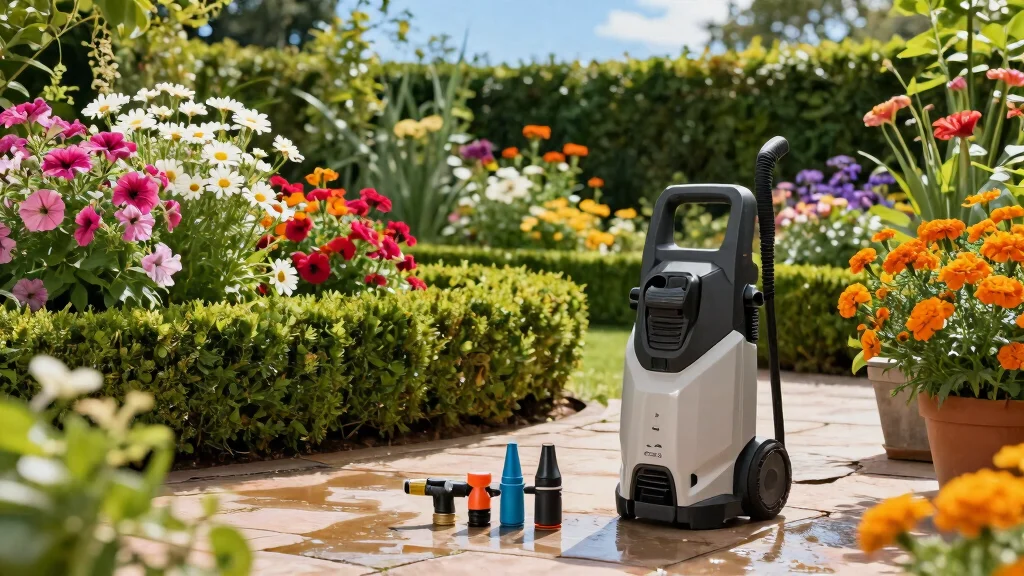
Pressure washers can be a game-changer for garden maintenance, and selecting the right tips can make all the difference. You might be wondering, “Which nozzle should I use? How much pressure is safe for my plants?” Don’t worry—you’re not alone in this quest. This post is here to guide you through the ins and outs of pressure washer tips, ensuring you get the most out of this powerful tool while keeping your garden looking pristine.
If you’re a gardening enthusiast or a DIY homeowner, this guide is designed specifically for you. You care about maintaining your outdoor space efficiently, and knowing how to select the right pressure washer tips is key to achieving that. You want tools that work effectively without damaging your plants or surfaces, and that’s exactly what we’ll cover here.
By the end of this post, you’ll have a solid understanding of the various pressure washer tip types, how to choose the right nozzle for your specific cleaning task, and the best practices for using pressure washers safely. Whether you’re tackling grime on your patio, cleaning garden furniture, or washing your car, these tips will help you work smarter, not harder. Let’s dive in and make your garden maintenance easier and more effective!
Key Takeaways
– Understand the different pressure washer tip types to match your cleaning needs, such as fan nozzles for wide surfaces and pinpoint nozzles for stubborn stains.
– Choose the right nozzle for your surface to avoid damage; for example, use low-pressure nozzles for delicate plants and higher pressure for concrete.
– Learn about the importance of pressure settings; using too much pressure on softer surfaces can cause damage, while too little may not clean effectively.
– Discover how incorporating soap can enhance your cleaning routine, especially for tough stains and deep cleaning applications.
– Be aware of common mistakes with pressure washers, like using the wrong nozzle or standing too close, which can lead to damage and inefficient cleaning.
1. Understanding Pressure Washer Tip Types
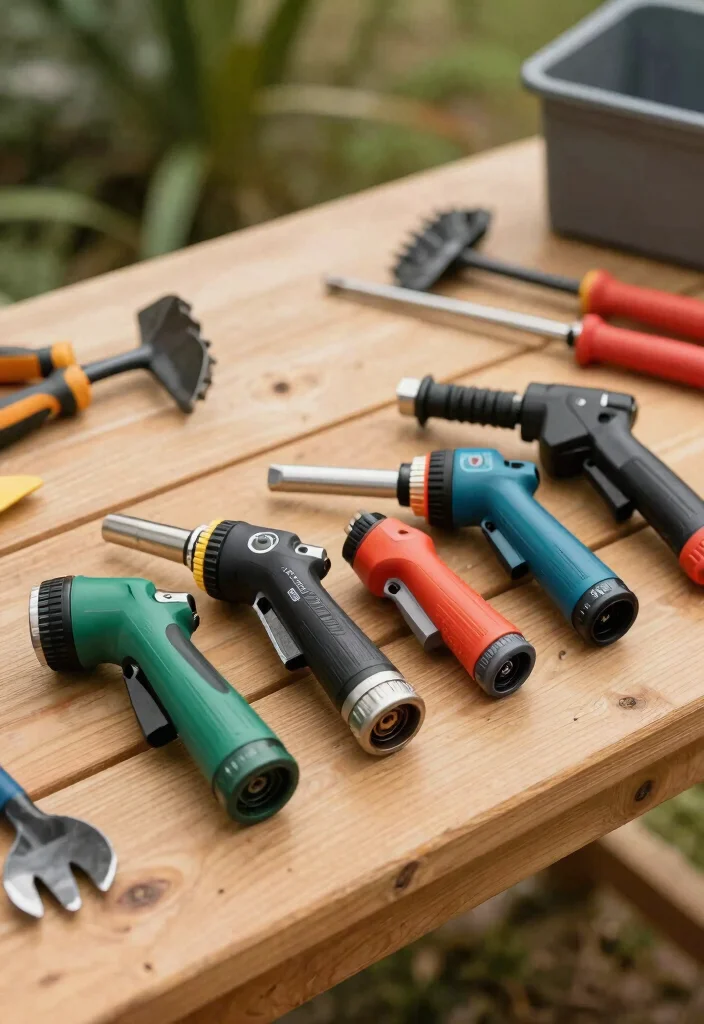
Choosing the right pressure washer tip is essential for effective cleaning. Each tip serves a specific purpose, enhancing your cleaning efficiency. Knowing how each type works helps you tackle various tasks with confidence and ease.
Popular pressure washer tips include:
– 0-degree nozzle: Delivers a powerful, focused stream to tackle tough stains.
– 15-degree nozzle: Perfect for stubborn jobs like paint stripping and concrete cleaning.
– 25-degree nozzle: Versatile for general tasks such as washing cars or decks.
– 40-degree nozzle: Gentle enough for delicate surfaces like windows and wood.
– Soap nozzle: Designed to apply detergent efficiently for deep cleaning.
By understanding these different nozzles, you can select the best one for your project, achieving excellent results while protecting surfaces from potential damage.
How To Choose Pressure Washer Tips
When selecting the right pressure washer tips for your garden maintenance needs, several factors come into play. The nozzle type determines how effectively you can clean different surfaces. Here’s a straightforward guide to help you choose the best pressure washer tips for your garden tasks.
1. Understand Pressure Washer Tip Types
Pressure washer tips come in different colors, each indicating a specific spray pattern and pressure level. The typical colors are red (0 degrees), yellow (15 degrees), green (25 degrees), white (40 degrees), and black (soap nozzle). Knowing these helps you select the right tip for your job. For example, the red tip delivers a concentrated stream for tough stains, while the black tip is great for applying soap.
2. Choose the Right Nozzle for Your Surface
Different surfaces require different cleaning intensities. Hard surfaces like concrete or brick can handle high-pressure sprays, while softer surfaces like wood or painted areas need gentler cleaning. Use the yellow tip for concrete and the green or white tips for wood. Always start with a wider spray and move closer if more pressure is needed.
3. Consider the Pressure Setting
The pressure output of your washer influences the effectiveness of the nozzle. Check your pressure washer’s psi (pounds per square inch) rating and match it with the nozzle. A higher psi means more power, which is suitable for stubborn dirt but can damage delicate surfaces. For garden furniture or plants, use a lower psi setting with the appropriate nozzle to avoid damage.
4. Incorporate Soap for Deep Cleaning
When cleaning heavily soiled areas or when you want to enhance the effectiveness of your pressure washer, using soap is beneficial. The black tip is specifically designed for this purpose. Make sure to use soap suitable for pressure washers to avoid damaging your equipment. After applying soap, let it sit briefly before rinsing with a higher-pressure nozzle for optimal results.
5. Safety Considerations
Using a pressure washer can be dangerous without proper safety gear. Always wear safety goggles and gloves to protect your eyes and hands. Ensure you are standing on stable ground and maintain a safe distance from the nozzle. Also, keep children and pets away from the cleaning area. Your safety is paramount!
6. Explore Pressure Washer Accessories
Different accessories can enhance your pressure washing experience. Consider using surface cleaners for large flat areas, extension wands for reaching high spots, or turbo nozzles for extra cleaning power. These accessories can make your job easier and more efficient, allowing you to cover more ground quickly.
Pro Tip: Always test a new nozzle on a hidden area first to ensure it won’t damage the surface you’re cleaning. Getting familiar with how each tip works can save you time and prevent costly mistakes. Happy cleaning!
2. Choosing the Right Nozzle for Your Surface
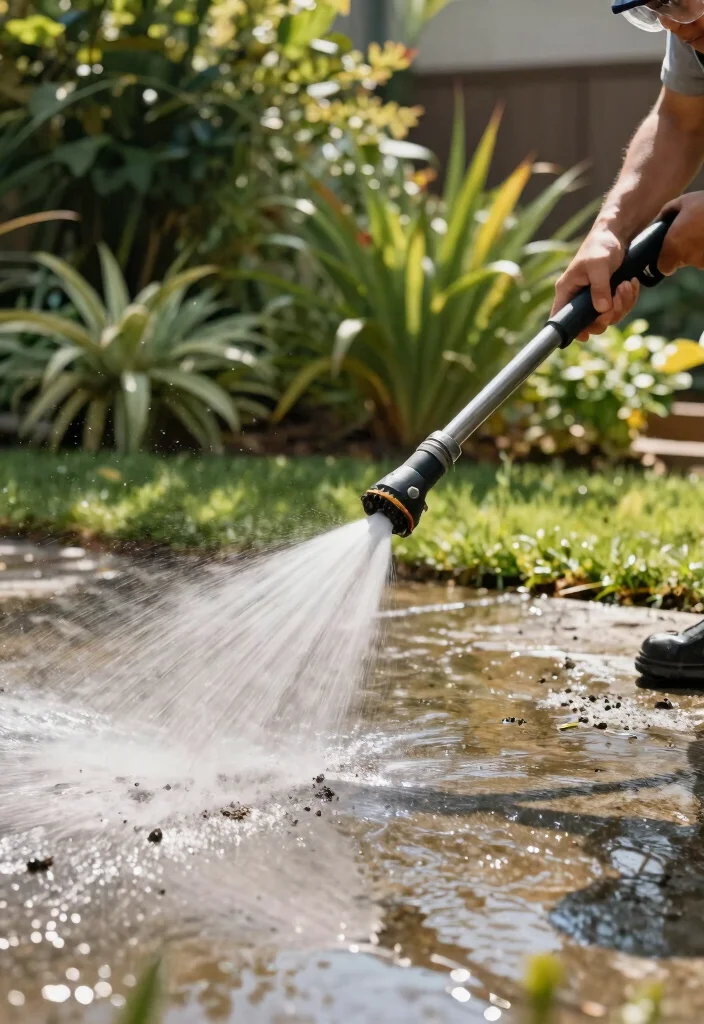
Selecting the correct nozzle is vital for effective cleaning results. It’s about using the right tool on the right surface to ensure you get the job done right. Each surface has its own needs, so matching your nozzle can prevent damage and enhance efficiency.
For example, the 15-degree nozzle excels on concrete, while the 25-degree nozzle is ideal for wood decks. Use a 40-degree nozzle for windows to avoid scratches. Consider the surface condition; tougher stains may require a lower-degree nozzle, while lighter jobs can benefit from a wider spray. Testing in a small area first is always a smart move!
By choosing wisely, you’ll enhance your cleaning power and protect your surfaces at the same time.
3. The Importance of Pressure Setting
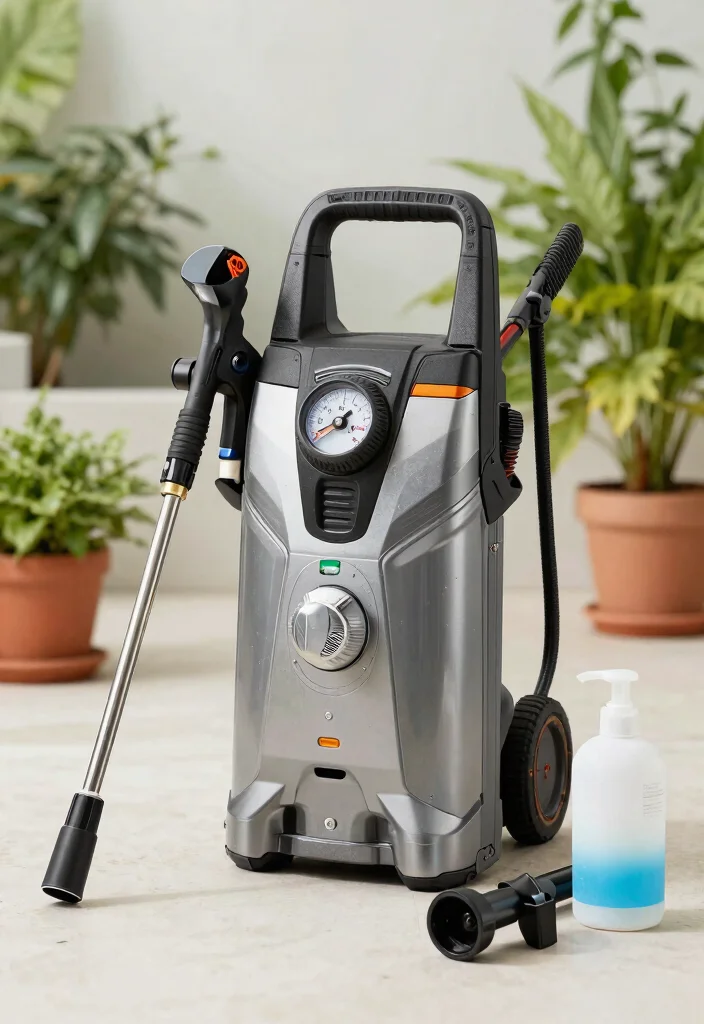
Getting the pressure setting right is crucial for effective cleaning and garden maintenance. Most pressure washers offer adjustable settings to suit various tasks, ensuring you don’t damage delicate areas.
For soft surfaces like flower beds, use a lower pressure setting with a wider spray nozzle. For heavy-duty jobs like driveway cleaning, opt for a higher pressure with a 15-degree nozzle. Different surfaces handle different pressures, so here’s a quick guide:
– Light Duty (1300-1900 PSI): Great for light tasks like rinsing dirt.
– Medium Duty (1900-2900 PSI): Suitable for cleaning cars, decks, and patios.
– Heavy Duty (2900+ PSI): Ideal for tough stains and commercial cleaning.
By selecting the correct pressure, you ensure an effective clean while keeping your garden safe.
Fun fact: the right pressure setting can protect your garden as well as your driveway. Follow these pressure washer tips: use low pressure with a wide nozzle for soft beds, and reserve higher pressure plus a 15-degree nozzle for sturdy surfaces.
4. Incorporating Soap for Deep Cleaning
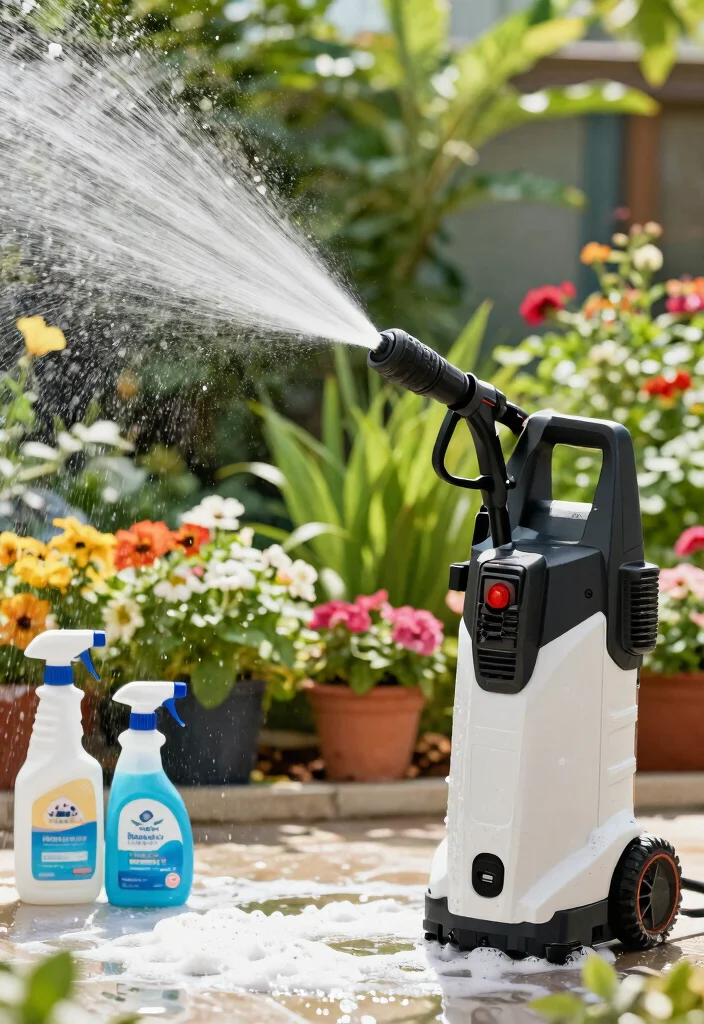
Adding soap to your pressure washing routine can elevate your cleaning results significantly. Most pressure washers include a soap nozzle that mixes detergent with water, perfect for tackling grime and mold effectively.
Choose a detergent designed for pressure washing to avoid damaging surfaces. Here’s how to use soap effectively:
1. Attach the soap nozzle to your pressure washer.
2. Fill the soap container with your chosen detergent.
3. Use a lower pressure setting for even application.
4. Allow the soap to sit and break down dirt for a few minutes.
5. Switch to a regular nozzle and rinse thoroughly to avoid residue.
By incorporating these steps, you can achieve a deep clean that keeps your surfaces looking their best.
Fun fact: Using the soap nozzle with the right detergent can cut grime and mold 2–3 times faster than water alone. Pro tip: attach the soap nozzle, fill the container, and start on a lower pressure setting for safe, effective deep cleaning!
5. Safety First: Protective Gear and Precautions
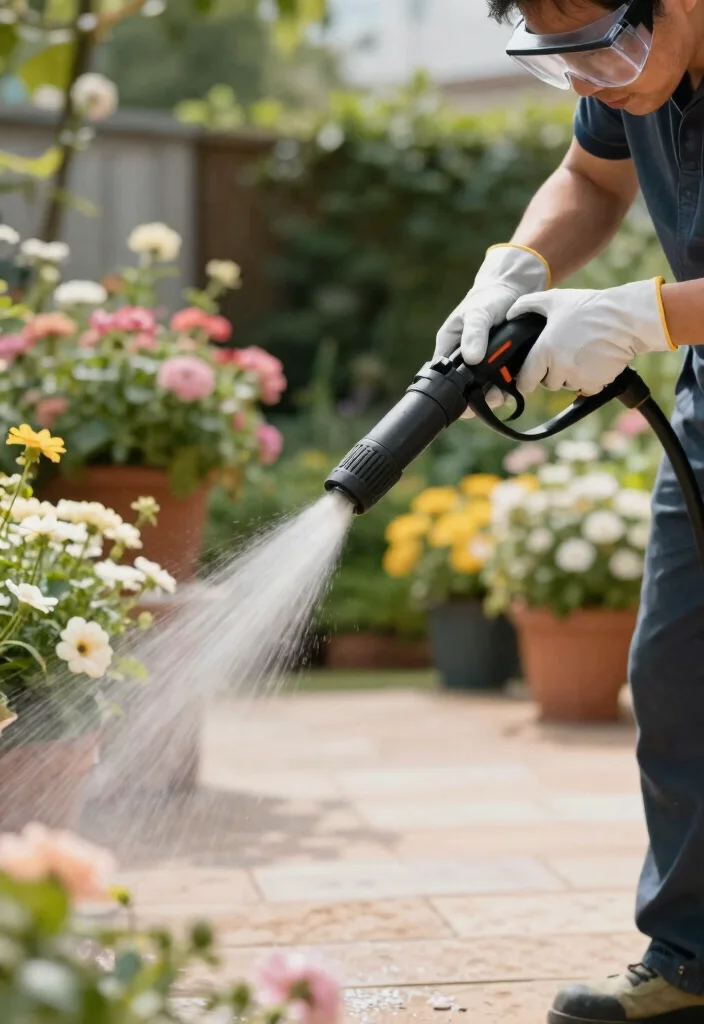
Pressure washing can be enjoyable, but safety should always come first! Before diving in, equip yourself with protective gear to avoid accidents and injuries.
Always wear safety goggles to shield your eyes from debris and spray. Gloves protect your hands from harsh chemicals and pressure. Sturdy footwear with good grip is essential for working on slippery surfaces. Other important precautions include:
– Inspecting equipment: Ensure hoses and nozzles are secure and free from damage.
– Maintaining distance: Keep a safe distance from the nozzle to prevent injuries.
– Keeping pets and children away: Ensure they are clear of the cleaning area.
By following these safety tips, you can enjoy pressure washing while minimizing risks.
6. Understanding the Role of Pressure Washer Accessories
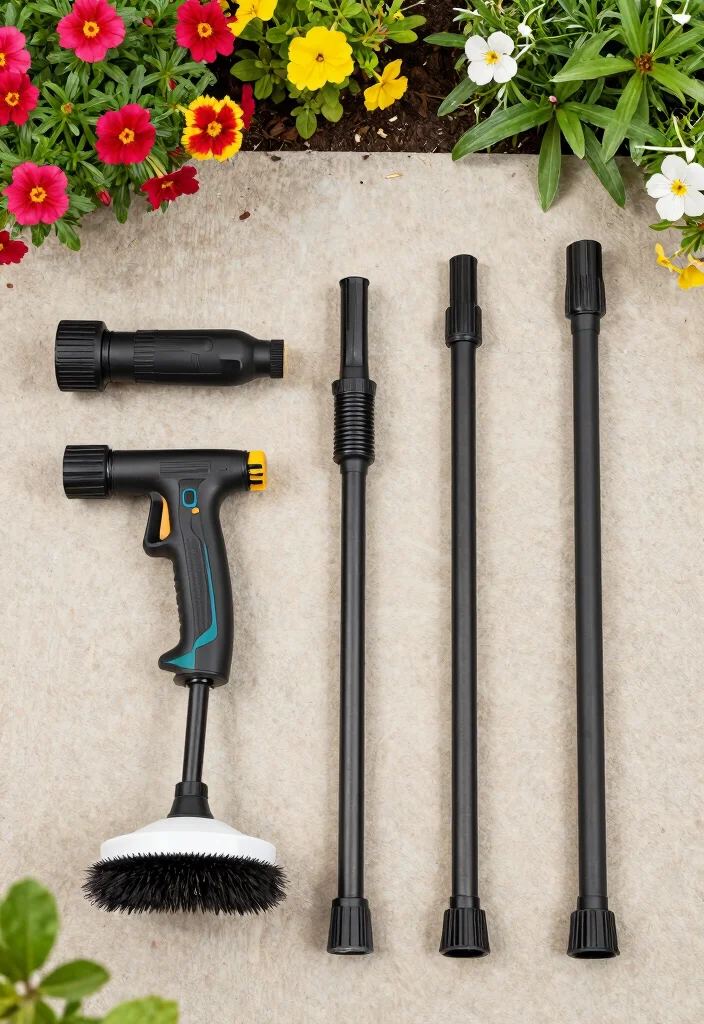
Accessories for your pressure washer can greatly enhance its efficiency and versatility. From surface cleaners to extension wands, these tools can transform how you approach cleaning tasks.
For instance, a surface cleaner attachment lets you clean larger areas quickly, while an extension wand allows you to reach high spots without a ladder. Consider these accessories:
– Turbo Nozzles: Rotating jets blast away grime without damage.
– Rotary Brushes: Perfect for cleaning vehicles and outdoor furniture.
– Detergent Tanks: Built-in tanks simplify detergent application.
Investing in the right accessories can elevate your cleaning experience, making tasks easier and more enjoyable.
7. Seasonal Maintenance Tips for Your Pressure Washer
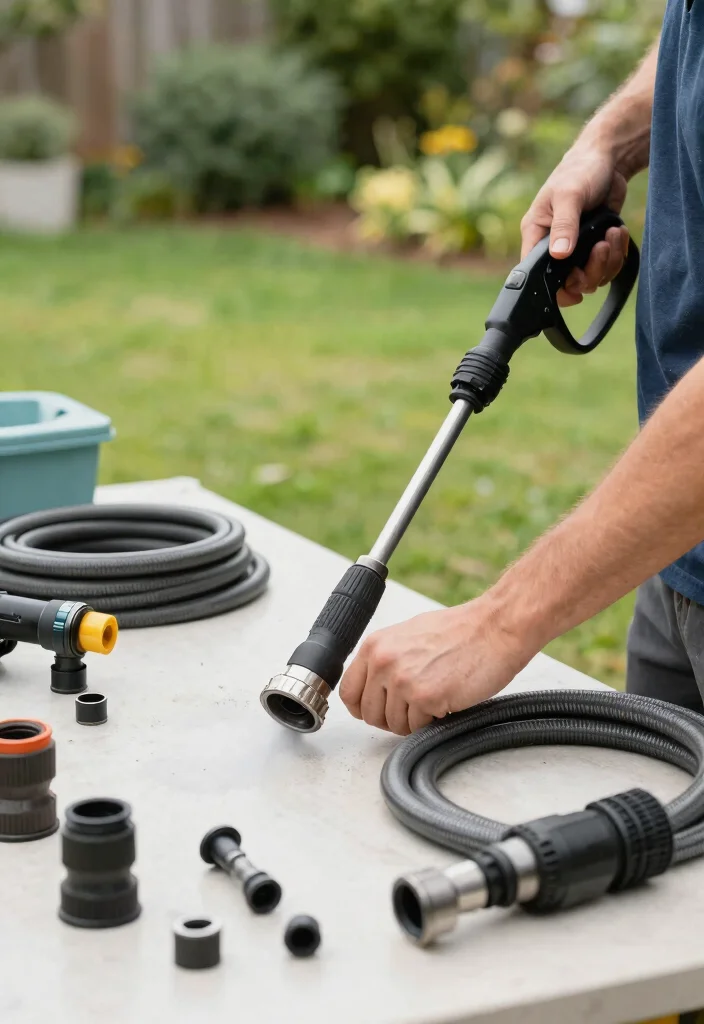
Just like your garden, your pressure washer needs regular care! To keep it running smoothly and extend its lifespan, seasonal maintenance is key.
Start each season with a thorough inspection. Look for cracks or wear in hoses and replace any damaged parts. Clean the nozzle tips to prevent clogging, which can affect performance. Before storing your pressure washer, flush out any leftover detergent and water to prevent rust.
Key maintenance tips include:
– Changing the oil: Regular oil changes ensure optimal performance for gas washers.
– Cleaning the air filter: A clean air filter keeps your machine running efficiently.
– Proper storage: Keep your washer in a dry place to prevent freezing damage.
Following these tips will help your pressure washer stay in top condition, ready for action whenever you need it.
8. Common Mistakes to Avoid When Using Pressure Washers
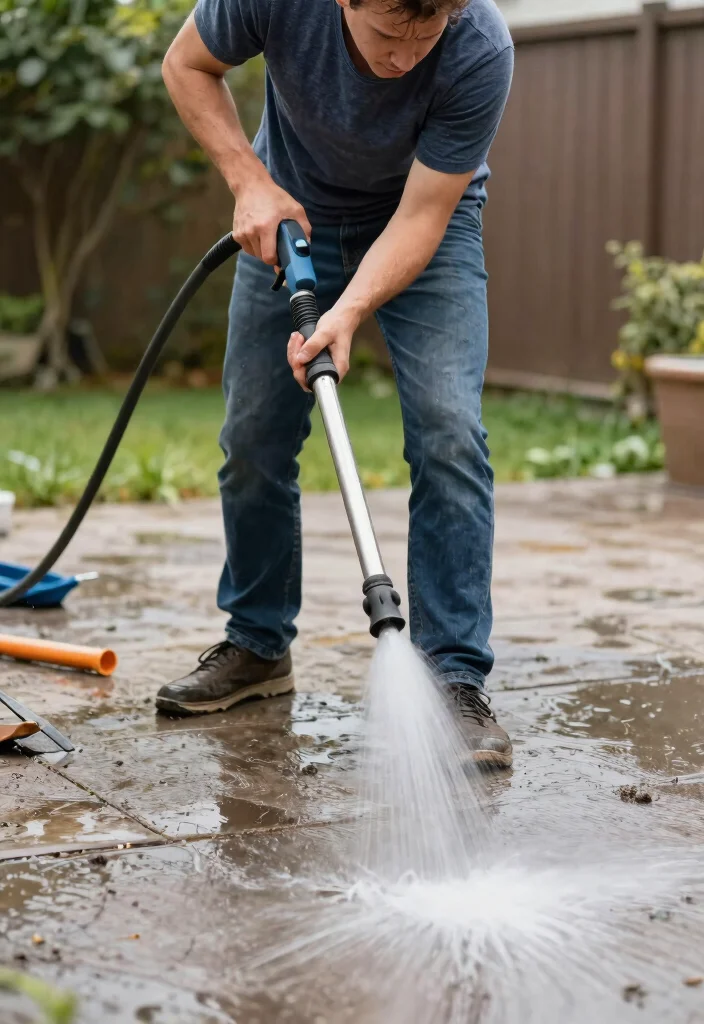
Even experienced users can slip up while pressure washing, making it important to know what mistakes to avoid. Choosing the wrong nozzle or pressure setting can lead to damage and poor cleaning results.
Another common error is standing too close to the surface, which can cause etching on softer materials. Applying detergent to a dry surface can also lead to streaks. Here are more pitfalls to watch out for:
– Neglecting to clear the area: Remove obstacles to prevent damage to plants or furniture.
– Ignoring safety precautions: Always wear protective gear to avoid injuries.
– Rushing the process: Taking your time ensures better results and prevents re-cleaning.
By avoiding these mistakes, you can have a safer, more effective pressure washing experience.
Fun fact: 60% of pressure-washing mistakes come from using the wrong nozzle or too high a setting. Stick to the right pressure and learn how to select pressure washer tips to avoid etching, streaks, and damage.
9. Tips for Efficient Cleaning Techniques
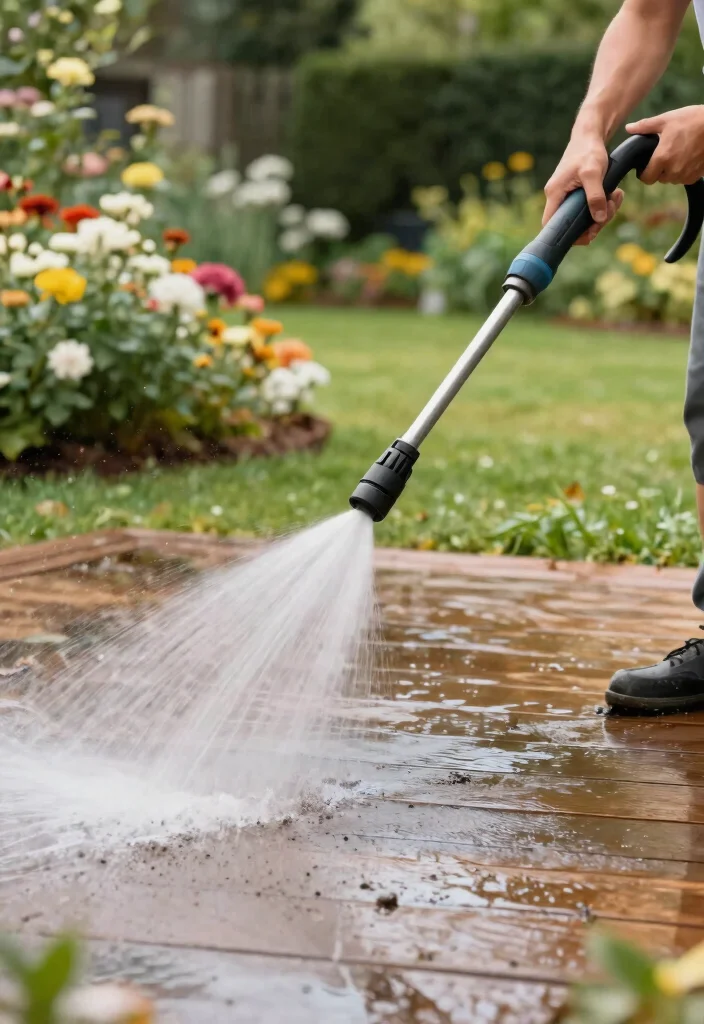
Using efficient cleaning techniques can save you time and energy while maximizing your pressure washer’s performance. Start by pre-soaking surfaces with water or soap to loosen dirt before washing.
Work from the top down to prevent dirty water from running onto cleaned areas. Opt for sweeping motions to cover larger sections effectively. Consider these additional techniques for best results:
– Segment your cleaning: Break larger areas into sections for thorough coverage.
– Maintain a consistent speed: A steady pace ensures even cleaning and avoids streaks.
– Rinse thoroughly: Make sure to rinse away all soap and dirt to prevent spotting.
By mastering these techniques, you’ll achieve fantastic results, leaving your garden looking pristine and well-maintained.
Conclusion
Selecting the right pressure washer tips can transform your garden maintenance routine from a chore into an enjoyable task.
With the right nozzle, pressure setting, and cleaning techniques, your outdoor space can shine like never before. Remember to prioritize safety and maintenance to keep your pressure washer in tip-top shape. Whether you’re tackling stubborn stains or just giving your garden a fresh look, these tips will equip you for success. Happy washing!
Note: We aim to provide accurate product links, but some may occasionally expire or become unavailable. If this happens, please search directly on Amazon for the product or a suitable alternative.
This post contains Amazon affiliate links, meaning we may earn a small commission if you purchase through our links, at no extra cost to you.
Frequently Asked Questions
How to Select Pressure Washer Tips for Garden Maintenance?
Start by identifying the surface you’re cleaning—wood decks, stone pathways, brick borders, or garden furniture—and choose the tip type that fits without damage. This is part of how to select pressure washer tips: match the spray angle and nozzle to the task. For general cleaning use a wide spray (40°) on delicate surfaces and a 25° on tougher dirt; reserve a 15° nozzle for stubborn grime only on non-porous surfaces. Always keep a safe distance from plants and use low pressure around foliage to prevent damage. Finally, check nozzle compatibility with your machine and consider practical pressure washer accessories for reach and control, especially for garden maintenance tools.
Which pressure washer tip types are best for cleaning garden surfaces without harming plants?
Use a 40° nozzle for light cleaning of wooden fences and planters, a 25° for patios and stone, and avoid 15° near delicate vegetation. These are examples of pressure washer tip types that minimize risk to plants and mulch.
If stubborn grime persists on hard surfaces, test on a hidden spot or switch to a turbo nozzle with caution. Always pair tips with the best pressure washer nozzles you own and maintain a safe distance to protect garden life. Consider garden-friendly pressure washer accessories like extension wands or surface cleaners to reach tight spaces.
How Do I Choose the Right Nozzle Size and PSI for Cleaning Garden Surfaces?
Start with low PSI and increase only as needed; many units offer adjustable settings. For delicate surfaces, aim for 1200–1500 PSI; for concrete or pavers, 2000–3000 PSI can be okay if you keep a safe distance. Use a 40° or 25° nozzle first, and reserve a 15° nozzle for stubborn grime on non-porous surfaces. Always follow the how to select pressure washer tips guidance and protect plants with coverings. Check your machine’s GPM since flow affects cleaning power and plant safety.
What Safety Tips and Accessories Should I Consider When Using a Pressure Washer in a Garden?
Protect yourself with eye protection and gloves, and shield plants, flowers, and mulch with tarps or plastic sheeting. Use pressure washer accessories like extension wands, surface cleaners, and low-pressure foamers to improve control near garden features. Keep a safe distance from roots and decorative stones, and never spray electrical outlets or fittings. Check pressure washer tip types compatibility and store nozzles securely to prevent misfires while moving around the garden.
Can I Use a Pressure Washer to Clean Garden Maintenance Tools and Outdoor Equipment, and Which Tips Work Best?
Yes—pressure washers are great for cleaning tools, hoses, wheelbarrows, lawn chairs, and other equipment. For tools with dirt in grooves, start with a 25° nozzle at moderate PSI; for flat surfaces like metal trowels or sheds, a 40° spray works well. Avoid aggressive 15° blasts on grips or delicate handles. Use pressure washer accessories such as brush attachments and extension wands, and keep cleaning sessions short with cleaning with pressure washers in mind to prevent wear.