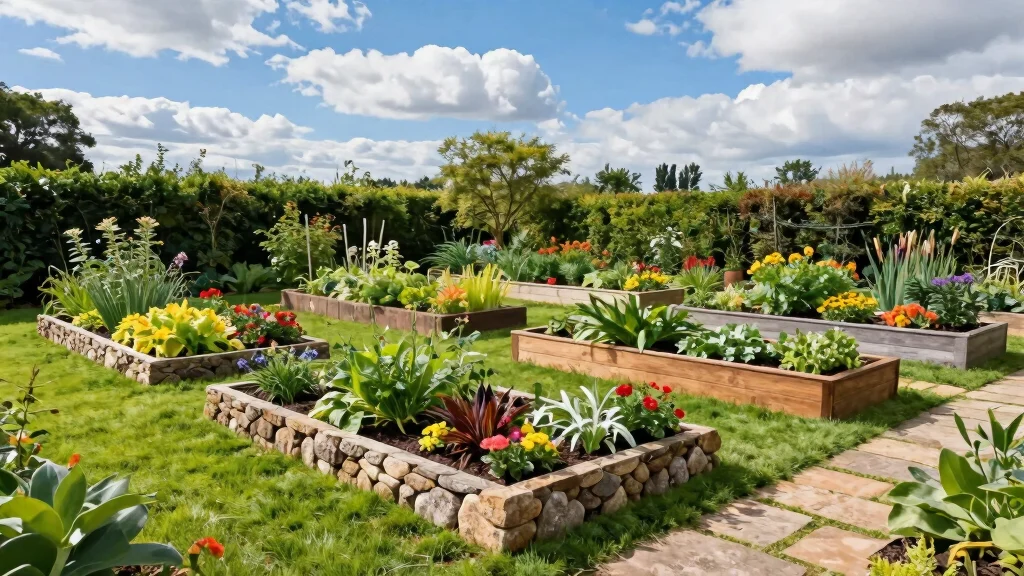
Creating a beautiful garden is about more than just the plants you choose; it’s also about how you define and showcase your garden space. I made this post because I wanted to share some creative and eco-friendly raised garden bed edging ideas. If you’re passionate about gardening and want to elevate your outdoor decor with stunning borders, this list is for you.
Whether you’re a seasoned gardener or just starting your outdoor adventure, you’ll find these ideas not only practical but also visually appealing. With 13 different raised garden bed edging concepts to explore, you’ll get inspired to create a garden that stands out while also being sustainable. From rustic wood to modern glass bottle edging, there’s something for every style and preference.
By the end of this post, you’ll have a wealth of options to consider, helping you to craft a clean and organized look for your garden beds. Plus, these ideas will enhance your landscaping and provide tips for DIY garden projects that won’t break the bank. Let’s dig in and discover how to transform your garden space with these beautiful edging solutions!
Key Takeaways
– Explore 13 unique edging ideas for raised garden beds, including rustic wood, stone, and metal options to fit any design style.
– Discover eco-friendly options like living plant edges and recycled materials that contribute to sustainable gardening practices.
– Learn practical tips for implementing these designs, covering materials, costs, and DIY techniques tailored to various skill levels.
– Understand how different types of garden bed borders can enhance your landscaping, providing both aesthetic appeal and functionality.
– Get inspired by creative outdoor decor ideas that can elevate your garden and make it a welcoming space for family and friends.
1. Rustic Wood Edging
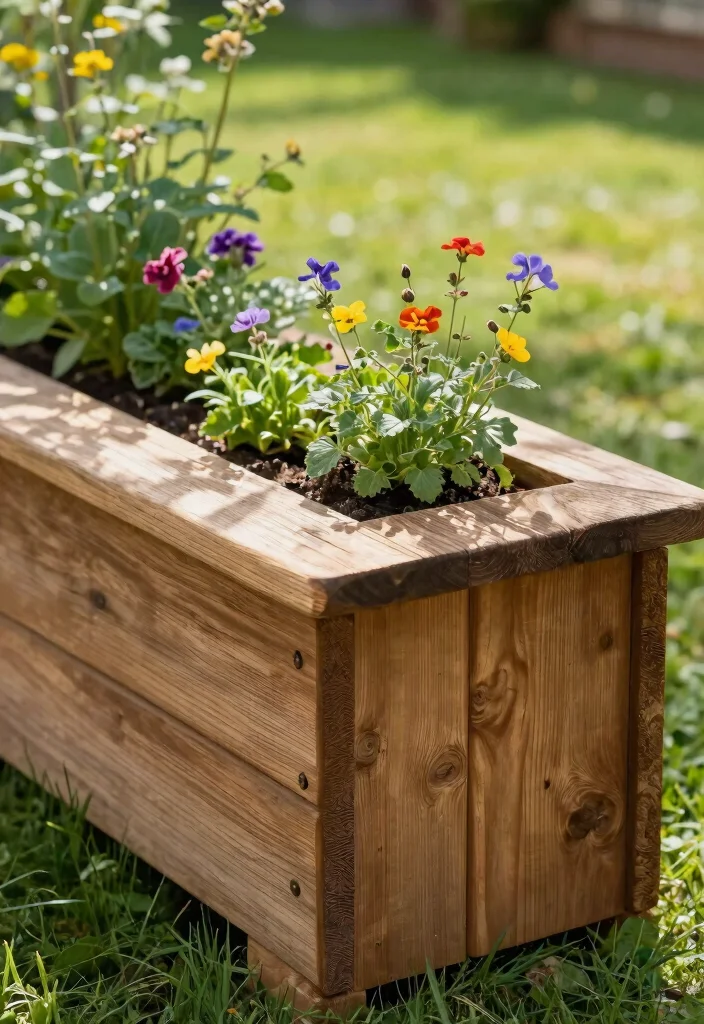
Imagine the warm embrace of rustic wood framing your garden beds. Using reclaimed wood not only enhances the charm of your space but also champions sustainability. You can opt for logs or stack varied timber sizes to craft a visually appealing layered look. As the wood weathers, it enriches your garden’s character while fostering a habitat for local wildlife.
Start with untreated wood to keep your soil chemical-free. Regularly inspect your edging for signs of wear and replace any rotting sections as needed. For added texture, consider adding wood chips or bark around the edges.
Key benefits of using rustic wood edging:
– Enhance garden aesthetics with natural materials
– Create a layered look with different timber sizes
– Support biodiversity through natural weathering
Rustic wood edging beautifully complements flowering plants and herbs, amplifying the allure of your vegetable patch.
2. Stone Borders
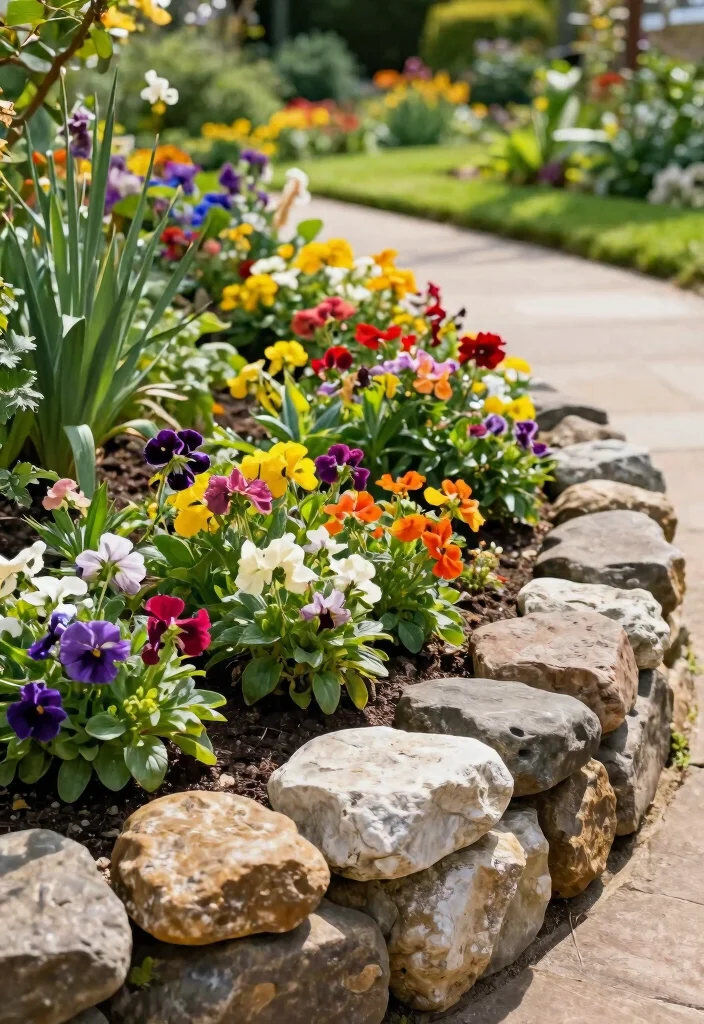
Stone borders can elevate the elegance of your garden, creating a striking contrast against lush greenery. Whether you choose smooth river rocks or rugged granite boulders, stone edging conveys a sense of timeless beauty. These durable materials require minimal maintenance while enhancing your garden’s visual appeal.
Mix different stone sizes and shapes to achieve a natural look. Surround your stones with low-growing flowers or ground cover plants to soften the harsh edges. For a playful touch, consider curved borders that guide the eye through your garden.
Explore these ideas for stone borders:
– Combine various textures for a more organic design
– Use low plants for a gentle transition
– Create whimsical curves for visual interest
The stunning interplay of colors between stones and plants breathes life into any garden space.
3. Metal Edging
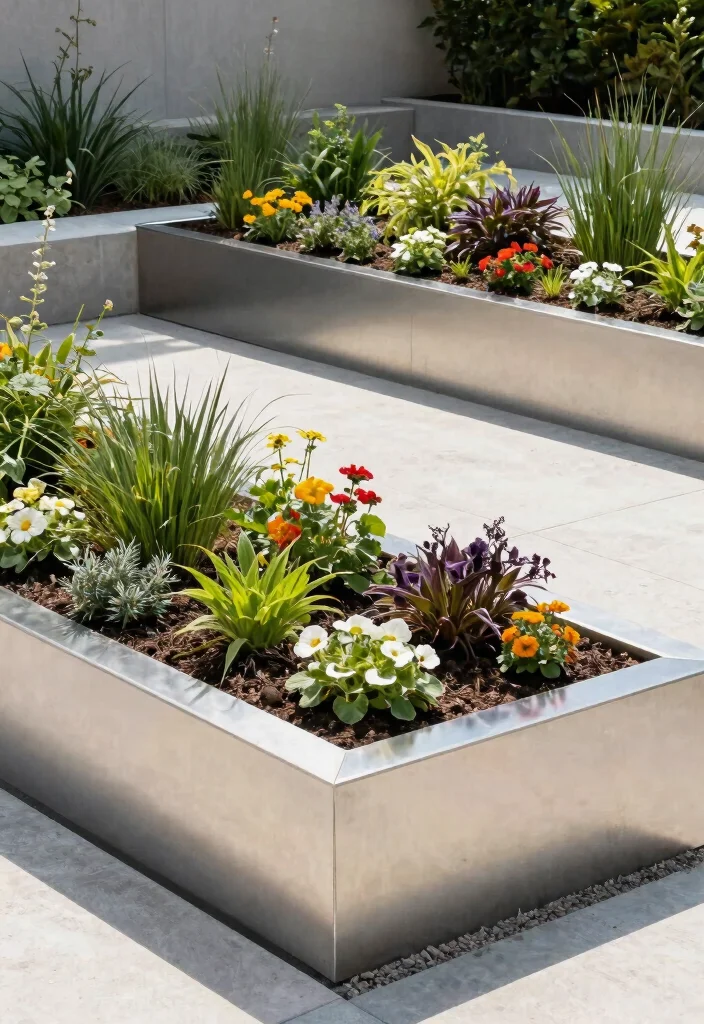
For a sleek, modern touch, metal edging is an excellent choice. This stylish material offers versatility and withstands the elements, making it perfect for various garden styles. Options like corten steel or aluminum add an industrial vibe while ensuring longevity in your landscape.
Install metal strips around any bed shape with ease. Pair this edging with contemporary plant selections for a striking aesthetic. Consider using recycled metal for an eco-friendly twist that adds unique character to your garden.
Key features of metal edging:
– Easily install strips around any garden shape
– Complement modern plant styles for an impactful look
– Choose recycled materials for sustainability
The clean lines of metal edging create a defined boundary, enhancing the organized feel of a contemporary garden space.
4. Living Edging with Plants
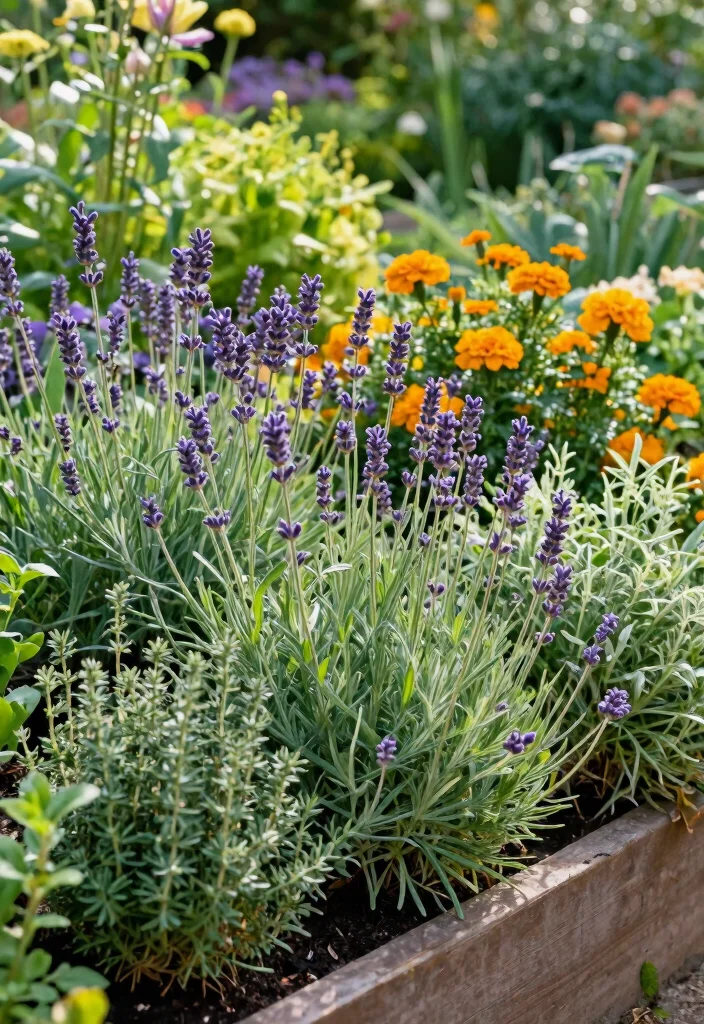
Allow nature to shape your garden borders with living edging. This method utilizes plants to create beautiful, natural borders that support ecosystems and attract beneficial insects. Select low-growing perennials, herbs, or flowering plants to craft lush borders that seamlessly blend into your garden.
Living edges help prevent soil erosion while improving drainage. Choose plants that thrive in your specific climate and soil for the best results. Mix different heights and colors to enhance visual interest.
Consider these tips for living edging:
– Select climate-appropriate plants for best growth
– Combine heights and colors for a dynamic look
– Enjoy the ecological benefits of living borders
Living borders infuse your garden with life, seamlessly transitioning between raised beds and surrounding landscapes.
Living edging with plants brings borders to life and makes maintenance easier. Start with low-growing perennials or herbs, mix heights and colors, and let your raised garden bed edging ideas thrive with nature—it’s eco-friendly, practical, and beautifully simple.
Key Trade-offs & Our Top Pick
Rustic Wood Edging
– Pros:
– Adds a natural and warm aesthetic to your garden.
– Easily customizable in height and style.
– Cons:
– Prone to rot and insect damage over time.
– Requires regular maintenance and sealing to last longer.
– Best for: Those seeking a cozy, farmhouse feel in their garden design.
Stone Borders
– Pros:
– Extremely durable and long-lasting.
– Provides a classic look that blends well with nature.
– Cons:
– Can be expensive and heavy to install.
– Limited flexibility in design and shape.
– Best for: Gardeners who want a low-maintenance option that stands the test of time.
Metal Edging
– Pros:
– Sleek and modern aesthetic that suits contemporary gardens.
– Highly durable and resistant to weather changes.
– Cons:
– Can get hot in direct sunlight.
– Requires precise installation to avoid sharp edges.
– Best for: Those looking for a stylish yet sturdy border for a clean garden edge.
Living Edging with Plants
– Pros:
– Eco-friendly option that supports local wildlife.
– Unique and changing appearance with seasons.
– Cons:
– Requires more care and maintenance than hard materials.
– May take time to grow and establish.
– Best for: Gardeners interested in sustainability and adding biodiversity.
Brick Edging
– Pros:
– Offers a timeless charm and can be laid in various patterns.
– Very durable and can withstand weather elements.
– Cons:
– Labor-intensive to install properly.
– Heavy and can be costly depending on the type of brick.
– Best for: Those who appreciate traditional looks and don’t mind putting in some extra effort.
Expert Recommendation:
Best Overall: Stone Borders
Stone borders stand out as the best overall choice for most gardeners. They offer great value for money because, once installed, they require minimal maintenance. Their stunning and timeless look works well with a range of garden styles, from rustic to modern. You’ll appreciate their long-term durability, making them a cost-effective solution that enhances your outdoor decor year after year.
Why We Picked This:
Not everyone may want stone borders. If you’re on a budget, rustic wood edging is a more affordable option that adds charm. For sustainability enthusiasts, living edging with plants can provide both beauty and ecological benefits. Metal edging is great if you prefer a modern flair, while brick edging is perfect for those who want a traditional touch. Each option has qualities tailored to different gardening styles and personal preferences. Choose what resonates most with your garden vision!
5. Brick Edging
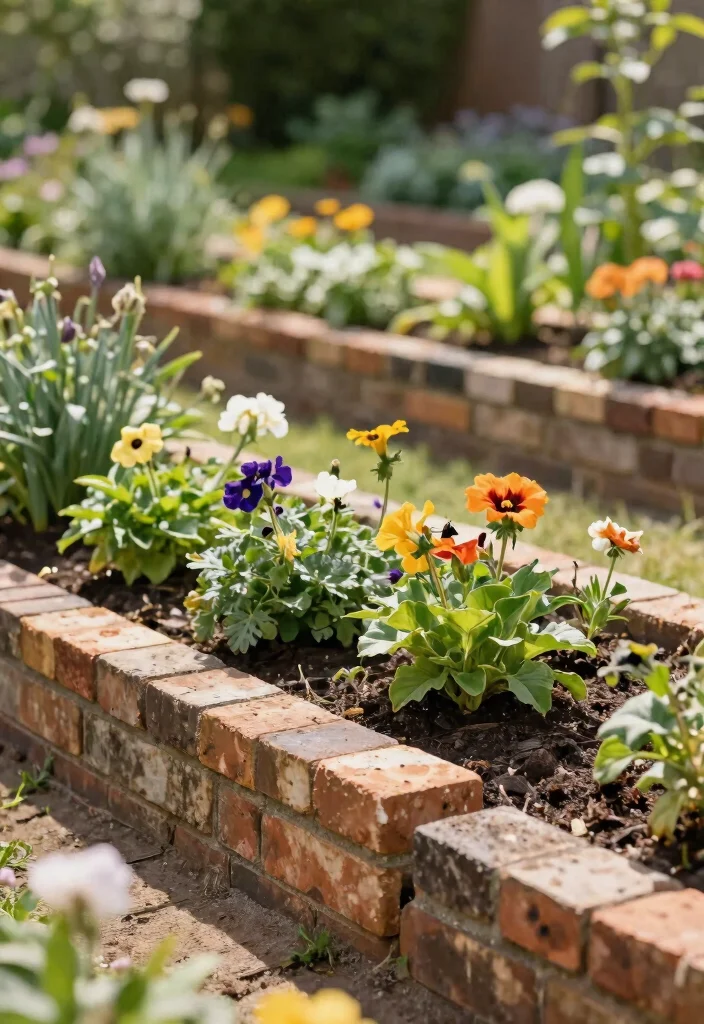
For a classic touch that stands the test of time, brick edging is a fantastic option. Bricks bring vintage charm, suitable for both formal and informal styles. With a variety of colors and patterns available, you can customize your borders to enhance your garden’s design.
Bricks are durable and weather-resistant, ensuring longevity in your garden. Play with laying styles like herringbone or straight patterns to add visual interest. Earthy-toned bricks blend beautifully with natural surroundings, while partially buried bricks allow plants to spill over for a stunning effect.
Explore brick edging ideas:
– Experiment with laying patterns for unique designs
– Choose earthy tones for a natural look
– Create partial borders for a soft plant spillover
Brick edging beautifully combines functionality with aesthetics, framing your plants in style.
6. Recycled Material Borders
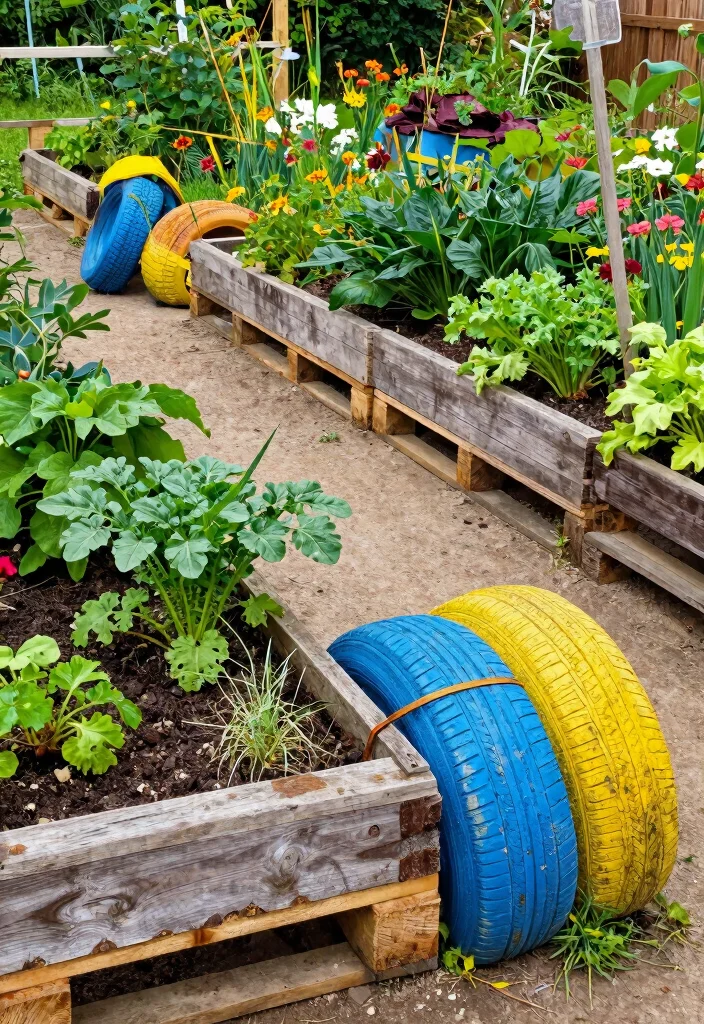
Get creative and sustainable with recycled material borders! By using old pallets, tires, or other salvaged goods, you can craft unique edges that are eco-friendly and full of personality. Often available for free, these materials help you save money while making a positive environmental impact.
Disassemble wooden pallets for charming borders, or stack and paint old tires for a splash of color. The possibilities are endless—consider using glass bottles or metal scraps for an artistic touch.
Ideas for recycled borders:
– Repurpose pallets for rustic designs
– Paint and stack tires for a fun edge
– Use glass or metal for artistic flair
Recycled borders tell a story and add a touch of creativity to your gardening design.
7. Concrete Edging
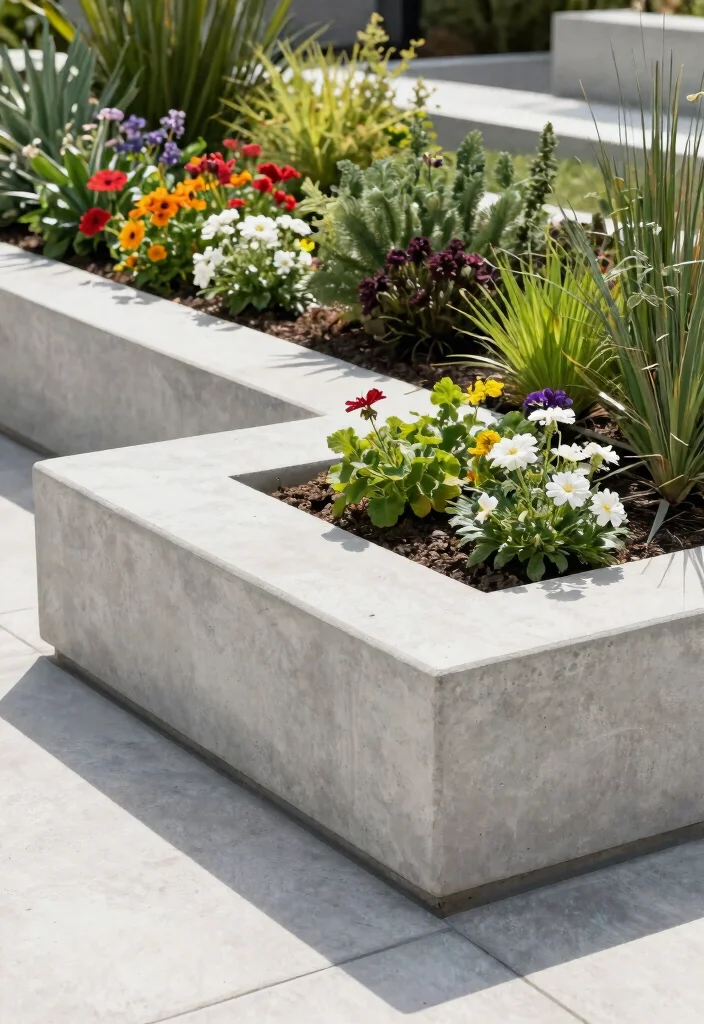
Concrete edging offers a robust and modern solution for your garden boundaries. With its clean, sleek appearance, concrete can be molded into various shapes to complement contemporary designs. This durable material can also be painted or stained to match your garden’s aesthetic.
Create custom forms to suit your layout, ensuring a perfect fit for your garden. Unlike other materials, concrete won’t rot, making it a long-lasting investment. For a softer look, consider adding plants that drape over the edges.
Tips for concrete edging:
– Customize shapes to match your layout
– Enjoy the durability of concrete for years
– Add draping plants for a gentle touch
Concrete edging enhances the structure and design of your garden, offering a polished finish.
Concrete edging is a smart, long-lasting choice for raised garden bed edging ideas—clean lines, customizable shapes, and a chance to paint or stain to fit your style. It’s durable, low-maintenance, and you can soften the look with trailing plants for balance.
8. Glass Bottle Edging
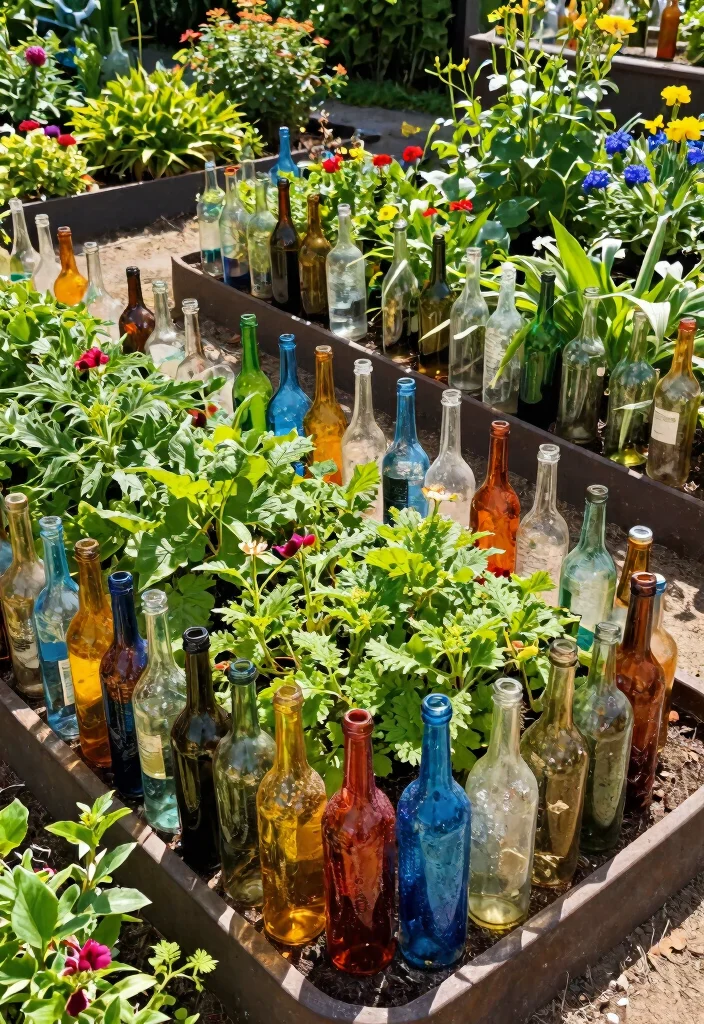
Make a statement with glass bottle edging, a colorful and unique option for your garden. This eco-friendly choice repurposes discarded bottles, creating a border that sparkles in the sunlight. You can use clear, colored, or frosted bottles for a captivating mix of textures and colors.
Simply bury the base of each bottle to form a striking edge. Ensure your bottles are clean and free from sharp edges for safety. Pair your glass bottles with flowering plants that harmonize with their colors for an eye-catching effect.
Consider these points for glass bottle edging:
– Bury bottles securely for stability
– Prioritize safety by checking for sharp edges
– Pair with complementary flowering plants
Glass bottle edging not only reduces waste but also adds charm and brilliance to your garden.
9. Slate Tiles
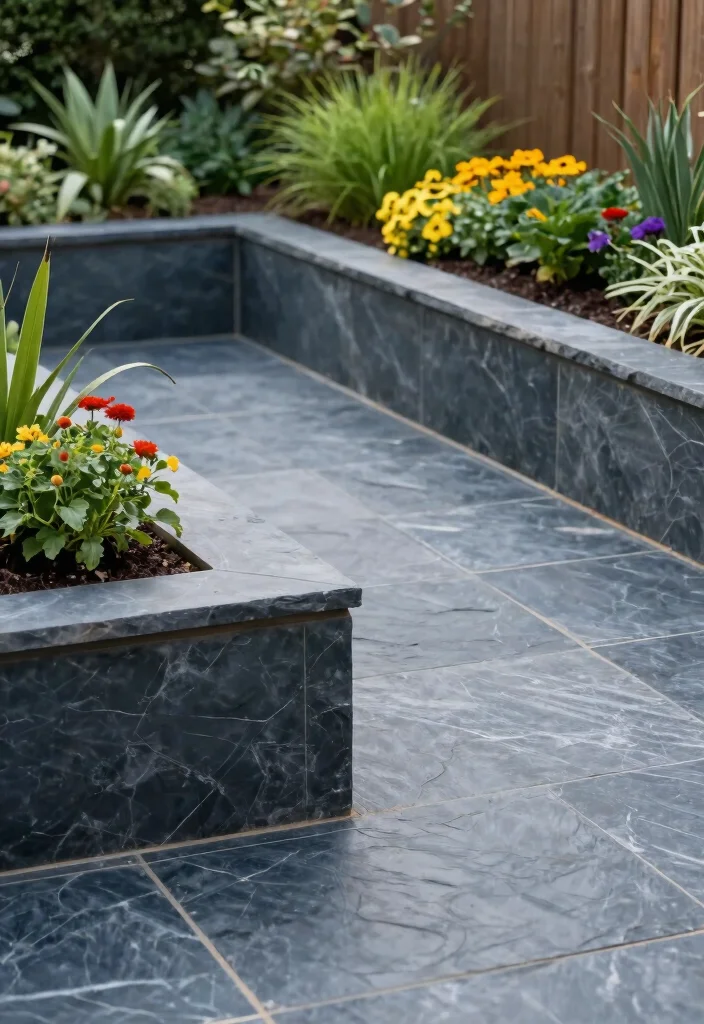
For a chic touch, slate tile edging offers sophistication and style. Available in deep blues and grays, slate allows you to choose a color palette that complements your garden beautifully. These durable, weather-resistant tiles can be arranged in various patterns to suit your aesthetic preferences.
Lay the tiles flat or at an angle to create depth and interest. Pair slate with drought-tolerant plants to match its rugged appearance. Regular cleaning will keep your tiles looking their best throughout the season.
Slate tile edging ideas:
– Experiment with angling tiles for added texture
– Choose drought-tolerant plants for harmony
– Maintain cleanliness for a polished look
Slate tiles enhance the modern and refined atmosphere of any garden, making it feel like a true outdoor retreat.
Fun fact: Slate tile edging can last 50+ years with minimal maintenance, keeping your raised garden bed edging looking chic year after year. Pair these drought-tolerant plants with a slate palette to create raised garden bed edging ideas that are durable, stylish, and eco-friendly.
10. Crushed Stone Edging
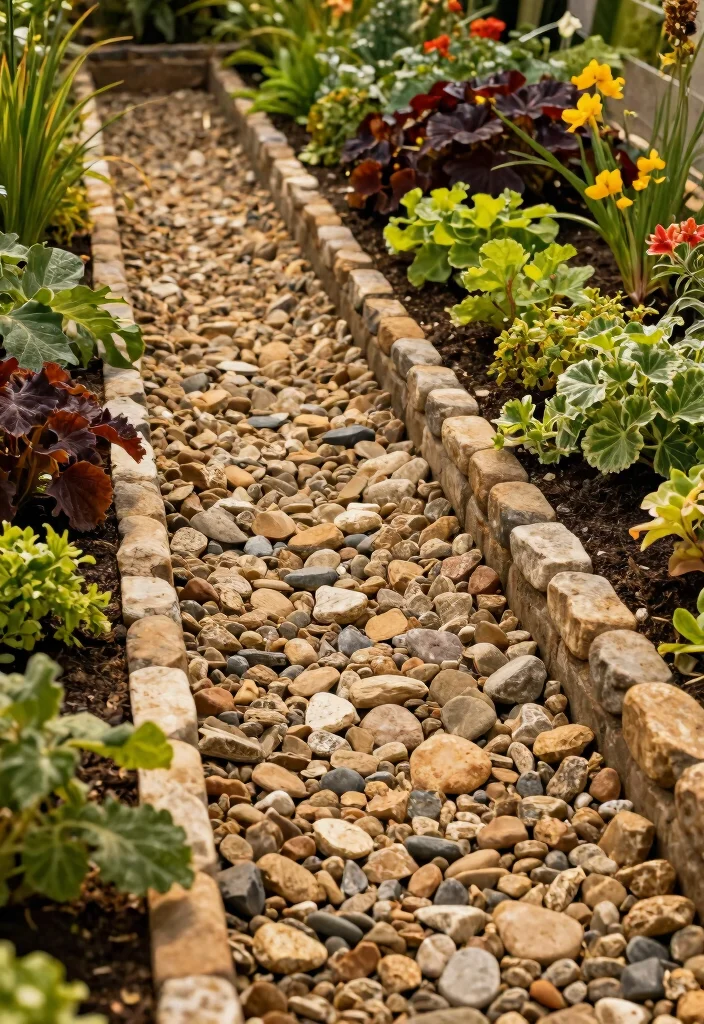
Crushed stone edging creates a natural, rustic vibe around your raised beds. This versatile material promotes excellent drainage while adding a textured look to your garden. Choose stones that align with your garden’s color palette for a cohesive design.
Not only does crushed stone look appealing, but it also helps retain soil. Combine it with low-growing plants or ground cover for a stunning finish. Experiment with different colors and sizes to find the perfect fit for your space.
Benefits of crushed stone edging:
– Enhance drainage while looking great
– Pair with plants for a complete aesthetic
– Play with colors and sizes for personalization
Crushed stone provides a practical solution that elevates the clean and organized appearance of your garden.
11. Fence Panel Borders
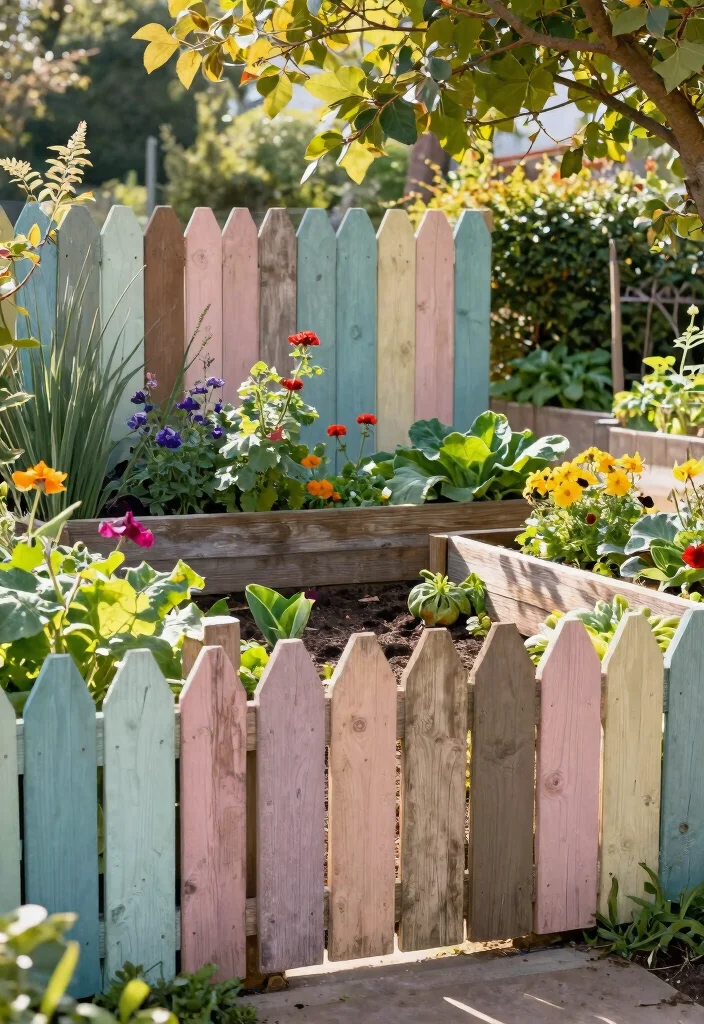
Fence panel borders offer a cozy blend of fence and garden edging, enhancing your outdoor space’s charm. By utilizing sections of fence panels, you can outline your raised beds, giving them a defined shape and additional height. This method is especially effective in larger gardens, where traditional edging may get lost.
Consider painting the panels a fun color for a vibrant touch, or use leftover materials from larger fencing projects for a budget-friendly option. Regular maintenance, such as checking for wear and repainting, will keep your borders looking fresh.
Key features of fence panel borders:
– Add height and definition to raised beds
– Use leftover materials for cost-effective solutions
– Regularly maintain for long-lasting appeal
Fence panel edging creates a charming atmosphere, transforming your garden into a welcoming retreat.
12. Paver Stones
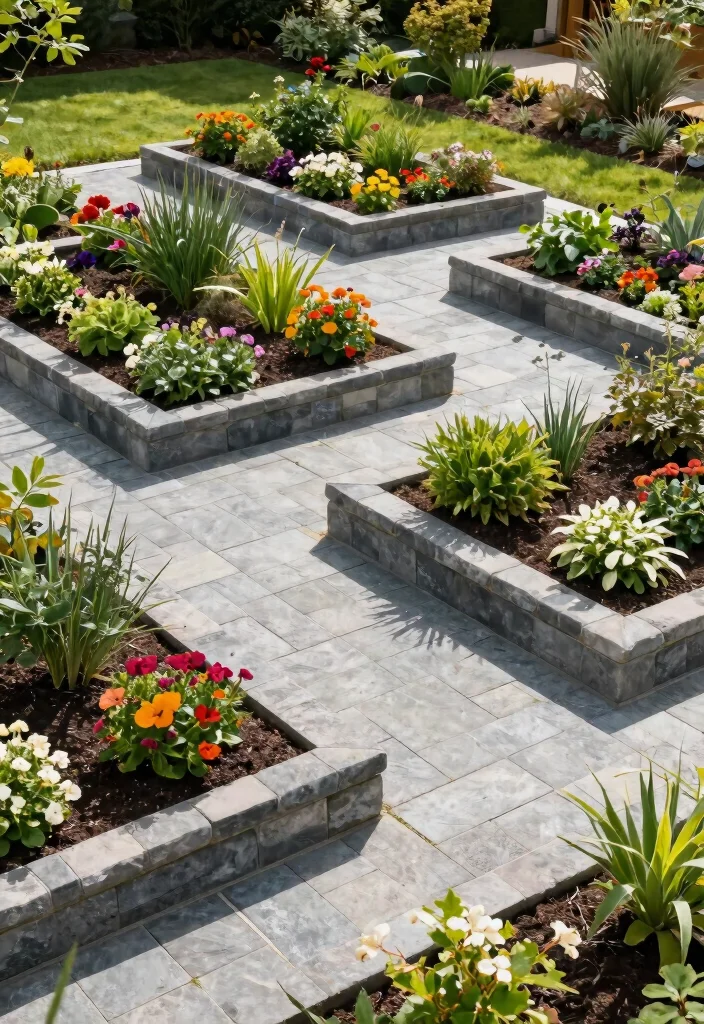
For a stylish yet structured border, paver stones are a fantastic choice around your raised garden beds. These sturdy stones can be arranged in various patterns, ensuring they withstand changing weather while adding visual appeal. Pavers provide a modern look while offering a stable edge that prevents soil erosion.
Lay the stones closely together or leave small gaps for a unique texture. Select pavers that complement the colors of your plants and flowers for a harmonious look. Their versatility makes them ideal for both straight and curvy borders, adapting to any garden design.
Consider these tips for paver stone edging:
– Choose patterns that reflect your style
– Match colors to enhance your garden theme
– Use them for both straight and curved edges
Paver stone edging brings structure and elegance, making your gardening area a standout feature in your landscape.
13. Bamboo Edging
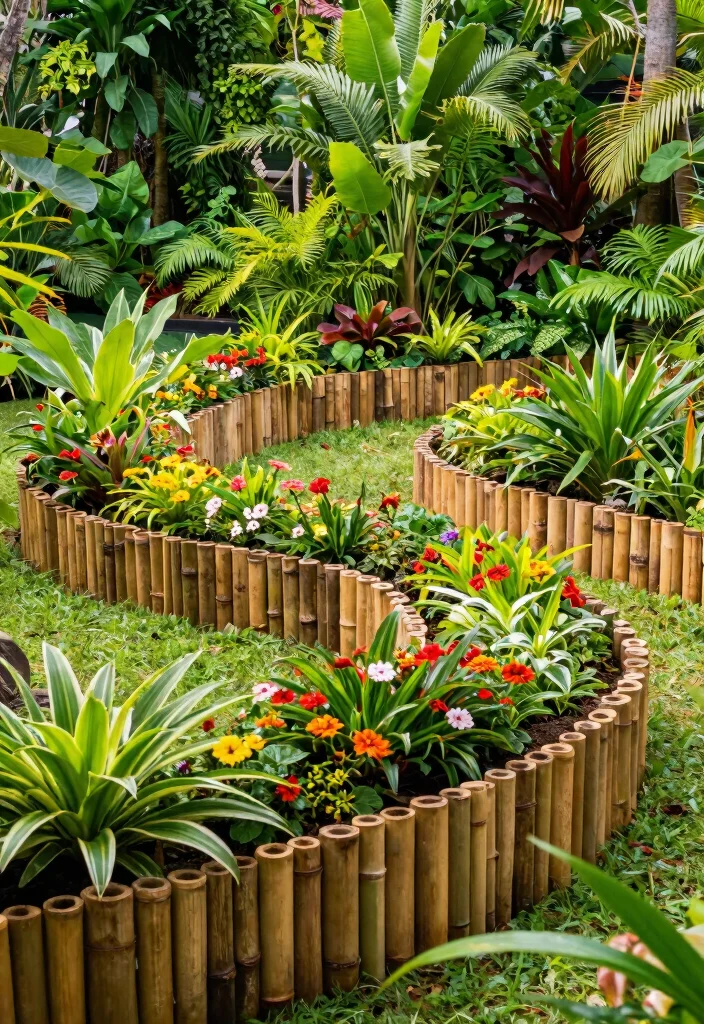
For a natural and eco-friendly border, bamboo edging is an excellent option. Lightweight and strong, bamboo adds a tropical feel to your garden while being sustainable due to its rapid growth. This material is perfect for those looking to create an inviting atmosphere in their outdoor space.
To install, place bamboo stakes vertically or horizontally for a unique edge. The earthy tones of bamboo harmonize beautifully with a variety of plants. Consider treating bamboo to prevent pests and extend its lifespan.
Explore the benefits of bamboo edging:
– Create a tropical vibe in your garden
– Use natural materials for eco-friendliness
– Maintain bamboo for longevity and beauty
Bamboo edging fosters a serene garden environment, inviting relaxation and appreciation of nature.
Conclusion
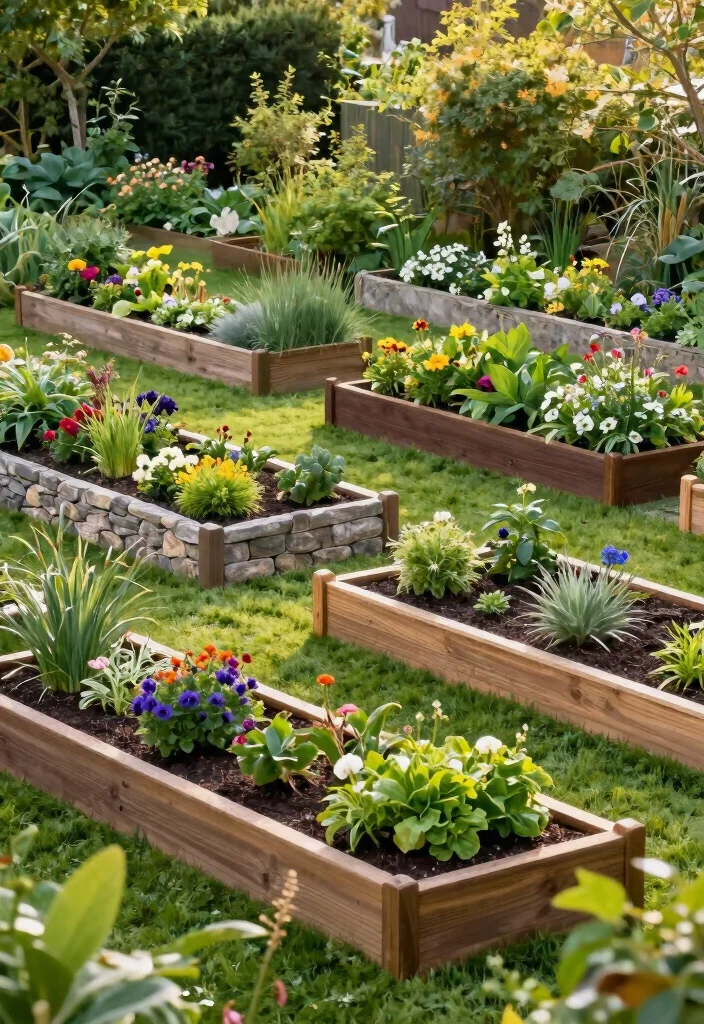
Incorporating beautiful edging ideas into your raised garden beds transforms your outdoor space into an inviting haven.
Whether you prefer rustic charm or modern designs, these eco-friendly options not only enhance the aesthetic appeal but also support a healthy gardening environment.
Consider experimenting with different materials and styles to find the perfect fit for your gardening vision!
Note: We aim to provide accurate product links, but some may occasionally expire or become unavailable. If this happens, please search directly on Amazon for the product or a suitable alternative.
This post contains Amazon affiliate links, meaning we may earn a small commission if you purchase through our links, at no extra cost to you.
Frequently Asked Questions
Question: What are the most eco-friendly raised garden bed edging ideas that still keep a clean, cohesive look?
Eco-friendly edging can be both stylish and practical. Consider upcycled or natural materials like salvaged brick, fieldstone, slate, or sustainably harvested timber. These options make sturdy garden bed borders while reducing waste. You can also plant a living edge—low-growing herbs or groundcovers—along the border for a green line that ages beautifully with your raised garden design.
For low-impact options, look at recycled plastic or metal edging with a durable finish. Start by laying out the route with string, dig a shallow trench (about 4-6 inches deep), place the edging, and secure with stakes. Finish with mulch to blend the edge into your outdoor decor.
Question: How can I DIY garden borders that look polished and are eco-friendly?
DIY garden projects using reclaimed materials can give you a polished look without harming the planet. Plan your border path, choose materials with low embodied energy (reclaimed bricks, natural stone, bamboo, or recycled plastic lumber), and design in short sections to avoid long cuts. Install with a shallow trench, add a compact base of sand or gravel, then set the edging and stake it. Top with mulch and, if you like, add a living edge—thyme or creeping sedum—for biodiversity and a softer transition. This approach nails garden bed borders while delivering practical landscaping tips for a tidy space.
Question: What edging options work best to keep soil and mulch contained around raised beds while staying eco-friendly?
Durable eco-friendly edging options to keep soil and mulch contained around raised beds include powder-coated steel or aluminum, natural stone, and reclaimed brick. A simple U- or L-shaped profile works well to fence the soil in without looking heavy. For a softer feel, choose timber edging from sustainably managed forests and treat it to resist weather. Install height around 4-6 inches above soil and leave a thin top gap for drainage. Pair with a narrow top trim to ensure a clean transition to lawn. These choices support a tidy raised garden design and work as reliable garden bed borders.
Question: How do I choose edging that matches my overall garden design and other borders?
Start by looking at color, texture, and height that echo your main theme—whether minimalist, rustic, or cottage. Repeat materials across beds, borders, and paths to unify outdoor decor and the look of your raised garden design. Sketch a quick layout, test a few samples, and use temporary stakes to visualize. Keep edging lines straight for a modern feel or gentle curves for a softer, natural look. The goal is harmony with existing hardscape and plants, and you can achieve that with simple landscaping tips and careful material choices.
Question: Are there affordable, eco-friendly edging ideas that still look high-end for a raised bed layout?
Yes. Use low-cost options that still feel premium: cinder blocks stacked for a clean, contemporary edge, reclaimed bricks, or repurposed timber with a durable finish. Living edges like low-growing thyme or creeping phlox keep the border green and fragrant. For a polished look, limit the color palette to one or two tones and keep lines straight. These DIY garden projects can dramatically improve raised garden design and are great examples of garden bed borders that are friendly to the environment and your budget.