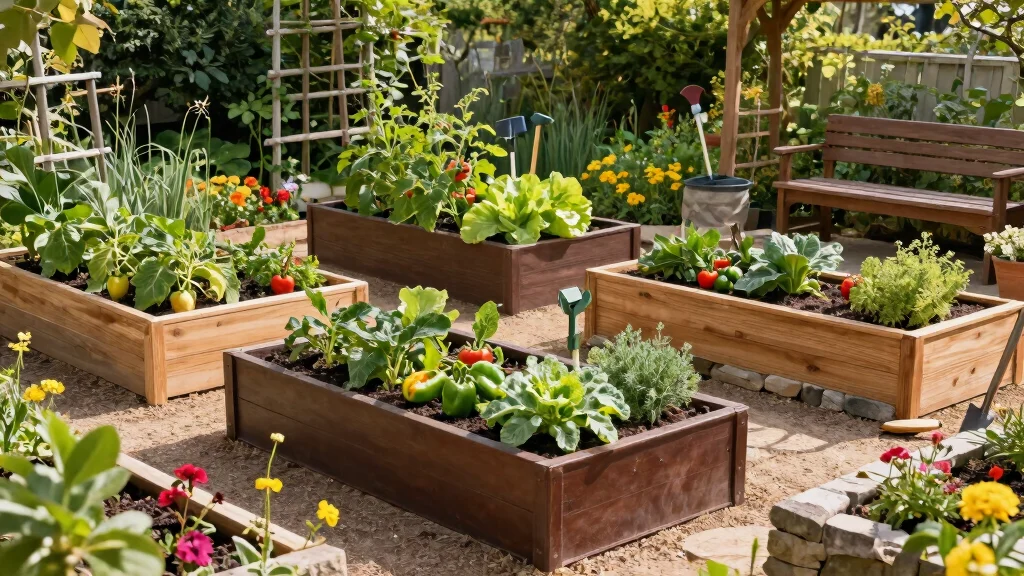
Gardening is more than just a hobby; it’s a satisfying way to connect with nature and provide fresh produce for your table. It’s that time of year when I find myself dreaming of lush gardens and bountiful harvests. If you’re like me and are eager to create your own green oasis, you’re in the right place. This post is a treasure trove of inspiration for anyone looking to elevate their gardening game, especially if you’re short on space or want to add a stylish touch to your backyard.
If you’re interested in gardening, whether you’re a seasoned pro or just starting out, this guide is tailored for you. It combines the beauty of design with the practicality of growing your own vegetables and herbs. From urban dwellers to suburban gardeners, the ideas presented here will ignite your creativity. You’ll discover various raised garden bed ideas that are not only stunning but also functional, ensuring a plentiful harvest.
I’ve rounded up 25 raised garden bed designs that are practical, stylish, and perfect for maximizing your gardening space. You’ll find everything from vertical pallet gardens to rustic log beds and even self-watering solutions. Each idea is packed with tips and tricks to help you make the most of your gardening endeavors, no matter your experience level. So grab your gardening gloves, and let’s dig into these excellent ideas that can transform your outdoor space!
Key Takeaways
– Explore 25 innovative raised garden bed ideas to maximize space and enhance your garden’s aesthetics.
– Discover design options that fit any style, from modern metal beds to charming rustic log designs.
– Learn about DIY solutions that allow you to create functional garden beds on a budget.
– Find practical gardening tips that ensure your plants thrive, from soil selection to watering techniques.
– Get inspired by unique themes and combinations, like compost bin garden beds, to make the most of your gardening experience.
1. Vertical Pallet Garden
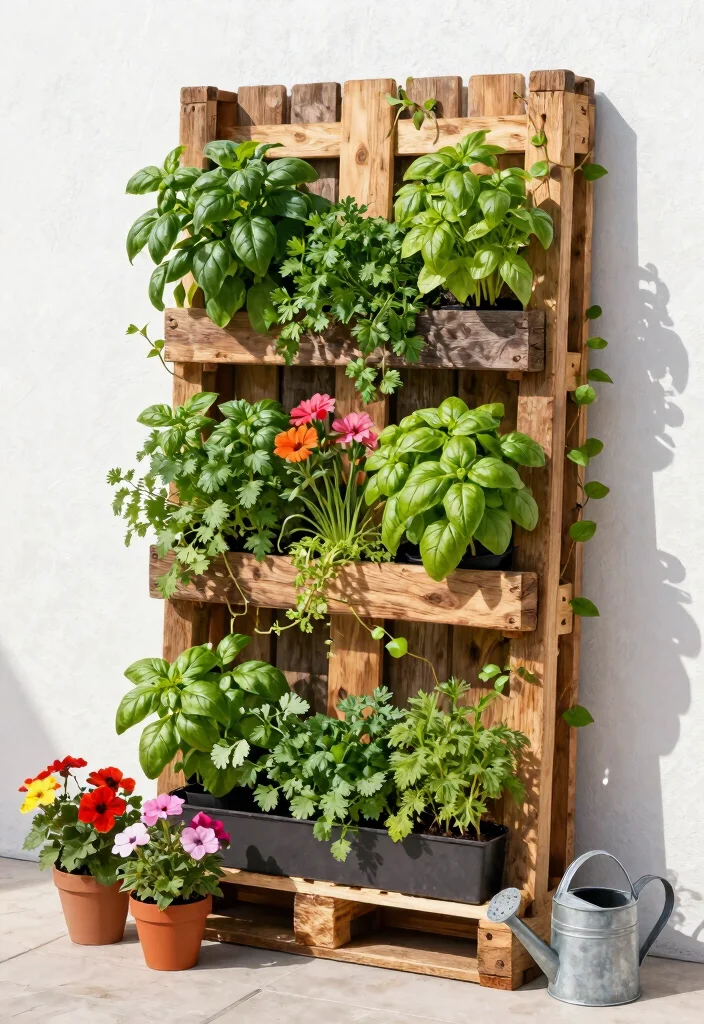
Are you looking for a creative way to maximize your gardening space? Vertical pallet gardens are a fun and stylish solution! By repurposing an old wooden pallet, you can create a vertical garden that’s perfect for small areas, like balconies or patios. Just fill the slats with soil and plant your favorite herbs, vibrant flowers, or even compact vegetables for a unique display that is both functional and eye-catching.
To ensure success, use untreated pallets to keep your plants safe from chemicals. Secure your pallet against a wall for added stability, and remember to water it frequently since vertical gardens can dry out quickly.
Key steps to get started:
– Use untreated pallets to avoid harmful chemicals
– Secure the pallet to a wall for stability
– Water regularly to keep plants hydrated
With a vertical pallet garden, you can transform a small space into a flourishing green oasis that adds charm to your outdoor area.
Fun fact: a vertical pallet garden can add 4–6 feet of usable growing space on a tiny balcony, turning walls into raised garden bed ideas. Fill the slats with soil, plant herbs, and watch harvests stack up—effort beats space limits.
2. Tiered Raised Beds
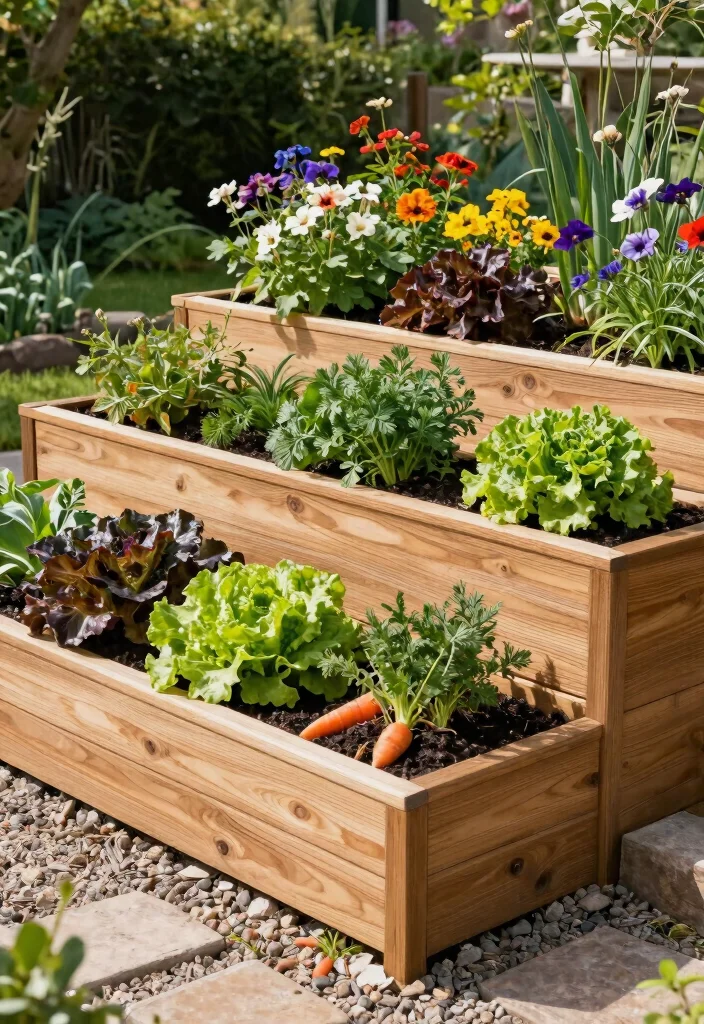
If you want to elevate your gardening game, tiered raised beds are an excellent choice! These beds, stacked at varying heights, allow you to cultivate a diverse range of plants while creating a stunning visual effect. Picture a lush garden filled with colorful flowers, fragrant herbs, and delicious vegetables, all layered beautifully for an inviting look.
To maximize the benefits of tiered beds, ensure proper drainage on each tier to prevent waterlogging. Use different soil mixes based on the plants you’re growing, and think about adding a trellis to the tallest tier for climbing plants.
Essential tips for tiered beds:
– Ensure each tier has adequate drainage
– Mix soil types for optimal plant health
– Add a trellis for climbing plants
Tiered raised beds not only enhance your garden’s beauty but also create an organized space that promotes healthy growth for all your favorite plants.
Key Trade-offs & Our Top Pick
Option 1: Vertical Pallet Garden
– Pros:
– Space-saving design perfect for small gardens or balconies.
– Easy to build using recycled pallets, making it budget-friendly.
– Cons:
– Limited soil depth may restrict root growth for some plants.
– Requires regular watering, as vertical gardens can dry out quickly.
– Best for: Urban gardeners with limited space looking for a fun DIY project.
Option 2: Metal Raised Garden Beds
– Pros:
– Durable and long-lasting, resistant to rot and pests.
– Excellent heat retention can extend the growing season.
– Cons:
– Can become too hot in warm climates, potentially harming plants.
– Initial setup costs might be higher compared to wood options.
– Best for: Gardeners seeking a permanent solution that requires low maintenance.
Option 3: Tiered Raised Beds
– Pros:
– Offers various planting heights, making it accessible for everyone.
– Provides good drainage and can be visually appealing in a garden.
– Cons:
– Can be complicated to build, especially if you’re new to gardening.
– More soil and material needed can increase costs.
– Best for: Gardeners wanting to add aesthetic variety to their garden while providing easy access.
Option 4: Self-Watering Raised Beds
– Pros:
– Reduces the frequency of watering, allowing for easier maintenance.
– Helps prevent over or underwatering, which can improve plant health.
– Cons:
– Can be more expensive than traditional raised beds.
– May require more initial setup time to ensure proper drainage systems.
– Best for: Busy gardeners or those in hot climates where consistent watering is a challenge.
Option 5: Gutter Garden Beds
– Pros:
– Ideal for small spaces, perfect for herbs and compact vegetables.
– Easy to install and maintain with a lightweight design.
– Cons:
– Limited root space may not support larger plants.
– Regular watering is essential, as gutters can dry out fast.
– Best for: Beginners or those wanting to grow herbs in urban settings.
Expert Recommendation:
Best Overall: Metal Raised Garden Beds
Metal raised garden beds stand out as the best overall choice for most gardeners. They provide long-term durability and require little maintenance, which is a huge plus. Although the initial investment may be higher than wood options, their lifespan and effectiveness in protecting your plants from pests make them a wise choice. You’ll enjoy a reliable gardening solution that yields plenty of produce season after season. 🌱
Why We Picked This:
While metal raised beds are our top pick, others may prefer vertical pallet gardens for their DIY charm or self-watering beds for their convenience. Each option serves different lifestyles and gardening needs. Consider your space, budget, and the types of plants you want to grow before making a final choice. Whatever you decide, each design has its unique benefits that can cater to your gardening journey! 🌼
3. Metal Raised Garden Beds
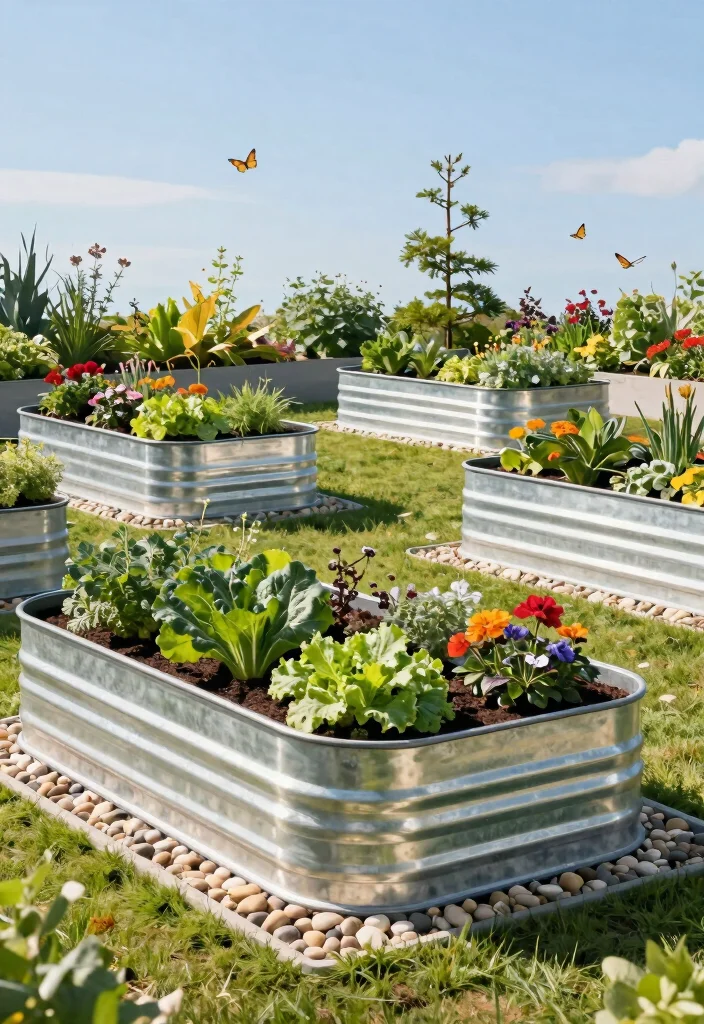
Metal raised garden beds are gaining popularity for their sleek look and durability! These sturdy beds can withstand harsh weather conditions, making them a smart long-term investment for any gardener. Available in various shapes, sizes, and colors, they can be customized to fit your unique style while adding a modern touch to your outdoor space.
When choosing metal beds, opt for stainless steel or galvanized options to prevent rust. Light-colored metal tends to absorb less heat, keeping soil cooler, and adding insulation at the base can help regulate soil temperature.
Important considerations:
– Select stainless steel or galvanized metal for longevity
– Choose lighter colors to minimize heat absorption
– Add insulation to maintain soil temperature
With their contemporary design and practical benefits, metal raised beds can enhance your garden’s aesthetic while providing a robust growing environment for all your plants.
4. Stone and Brick Raised Beds
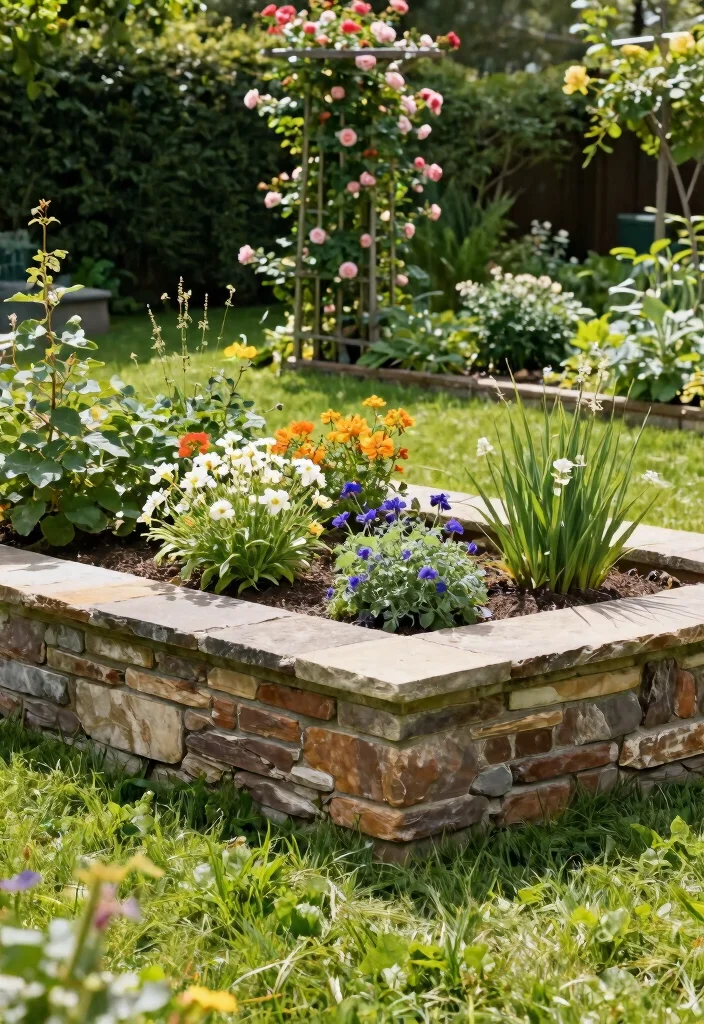
If you’re aiming for a rustic and permanent garden structure, stone or brick raised beds are the way to go! These durable beds not only provide excellent insulation for your plants but also add a beautiful, natural touch to your garden. You can select from various stones or bricks to create designs that harmonize with your landscape and personal style.
For installation, ensure a solid foundation to prevent shifting, and use landscape fabric inside the bed to keep soil in place. You might also want to consider curved designs for a softer, more inviting look.
Installation tips:
– Build on a solid foundation to avoid shifting
– Use landscape fabric to retain soil
– Incorporate curves for a gentle appearance
Stone and brick raised beds create a timeless charm in your garden, making it feel like a cozy retreat in nature.
5. Compost Bin Garden Bed Combination
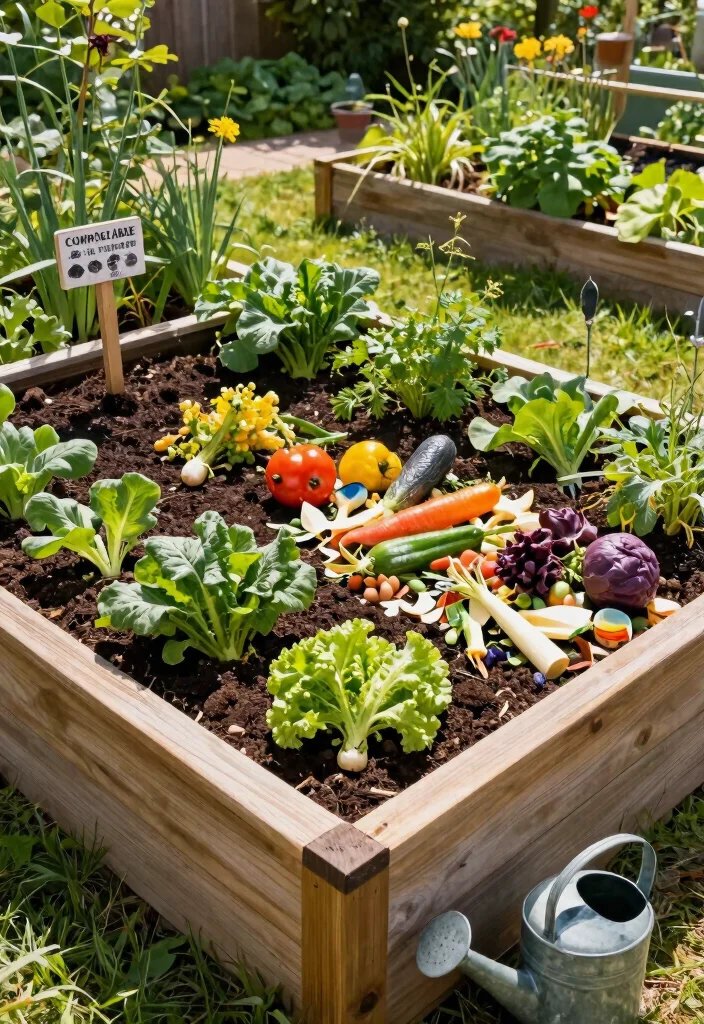
Why not combine beauty with function by creating a compost bin garden bed? This innovative design not only allows you to grow vibrant plants but also recycles kitchen scraps and yard waste into rich compost. With a composting system integrated into your raised bed, you can cultivate healthy vegetables and flowers while enriching the soil naturally.
Be sure to allow for good airflow in the compost section to promote decomposition, and regularly rotate the compost for even breakdown. Mixing nitrogen-rich greens with carbon-rich browns will yield the best results.
Key considerations:
– Ensure airflow for effective composting
– Rotate compost for uniform breakdown
– Mix greens and browns for optimal compost quality
Integrating composting into your gardening space not only enhances plant health but also positively impacts the environment.
6. Hanging and Wall-Mounted Garden Beds
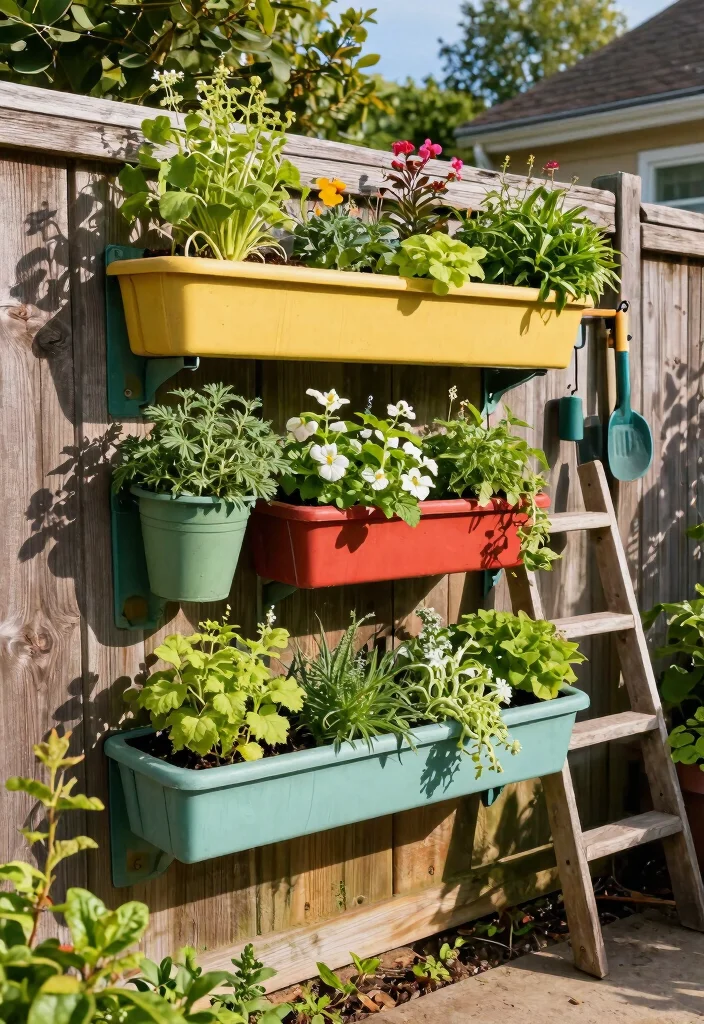
For urban gardeners with limited space, hanging or wall-mounted garden beds are a fantastic solution! These innovative designs take advantage of vertical space, allowing you to grow various plants on walls or fences. From pocket planters to repurposed items like shoe organizers, there are endless creative possibilities.
When planting, consider trailing plants, herbs, and strawberries for a delightful display. Mixing in decorative flowers can add an extra burst of color, but do ensure proper drainage to keep plants healthy.
Planting ideas:
– Use trailing plants, herbs, and strawberries
– Add colorful flowers for visual interest
– Ensure drainage to prevent water pooling
Hanging garden beds can transform any bare wall into a vibrant canvas of greenery, enhancing your outdoor space beautifully!
7. Wine Barrel Raised Garden Beds
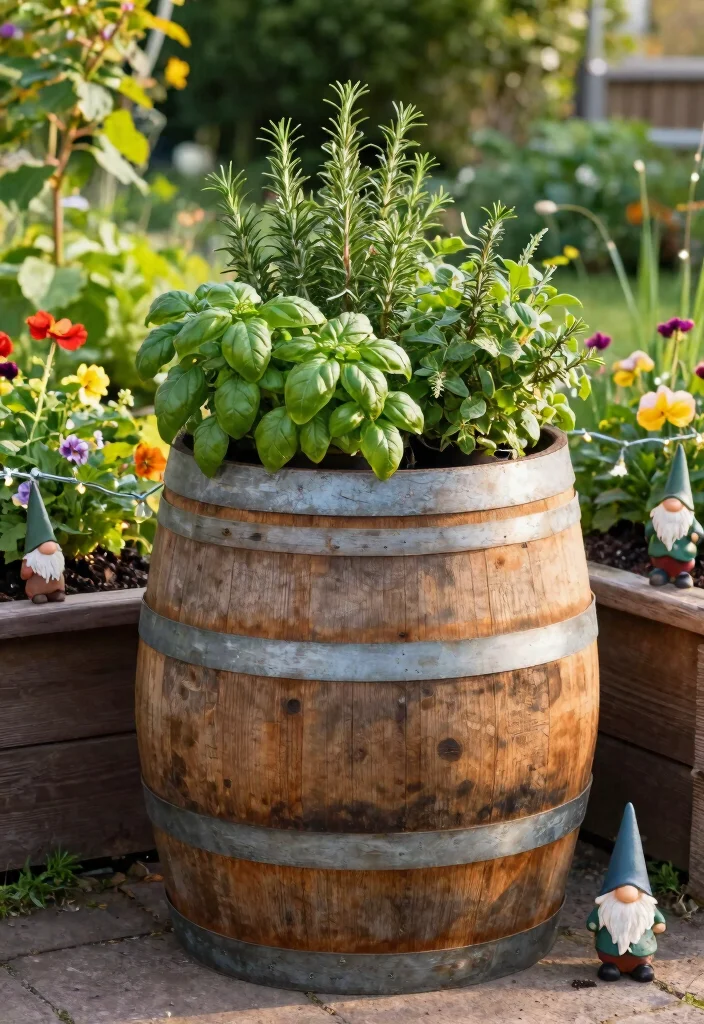
Transform wine barrels into charming raised garden beds for a unique gardening experience! These half-barrel beds are perfect for growing herbs and small vegetables, adding both character and functionality to your garden. The wood of the barrels allows for excellent drainage while retaining heat to help your plants flourish.
For best practices, line the bottom with landscape fabric to prevent soil loss, and place the barrel in a sunny spot for optimal growth. Consider using intact barrels for a more rustic appearance.
Gardening tips:
– Line the bottom with fabric to hold soil
– Position the barrel in a sunny area
– Use intact barrels for rustic charm
Wine barrel beds can create a whimsical atmosphere and serve as a delightful conversation starter in your garden.
8. Raised Beds with Built-In Seating
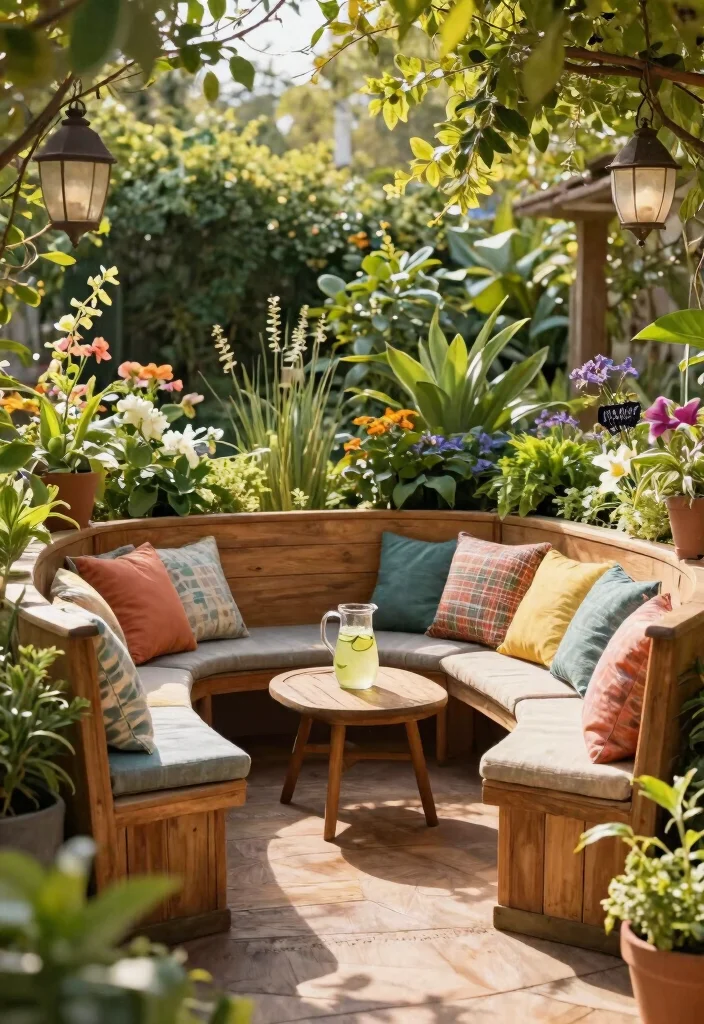
Imagine spending more time in your garden with raised beds that include built-in seating! These designs not only create space for growing plants but also provide comfortable areas to relax and enjoy the beauty of your garden. Picture yourself sipping lemonade beside flourishing vegetables or vibrant flowers, making your garden a perfect retreat.
When designing your seating, choose benches that complement your raised beds, and consider adding cushions for extra comfort. Surrounding the area with decorative gravel or mulch can enhance the overall look.
Design tips:
– Match seating style with your garden design
– Include cushions for comfort
– Use decorative gravel for a polished finish
With built-in seating, your garden becomes a serene escape where you can unwind and appreciate nature.
9. Gutter Garden Beds
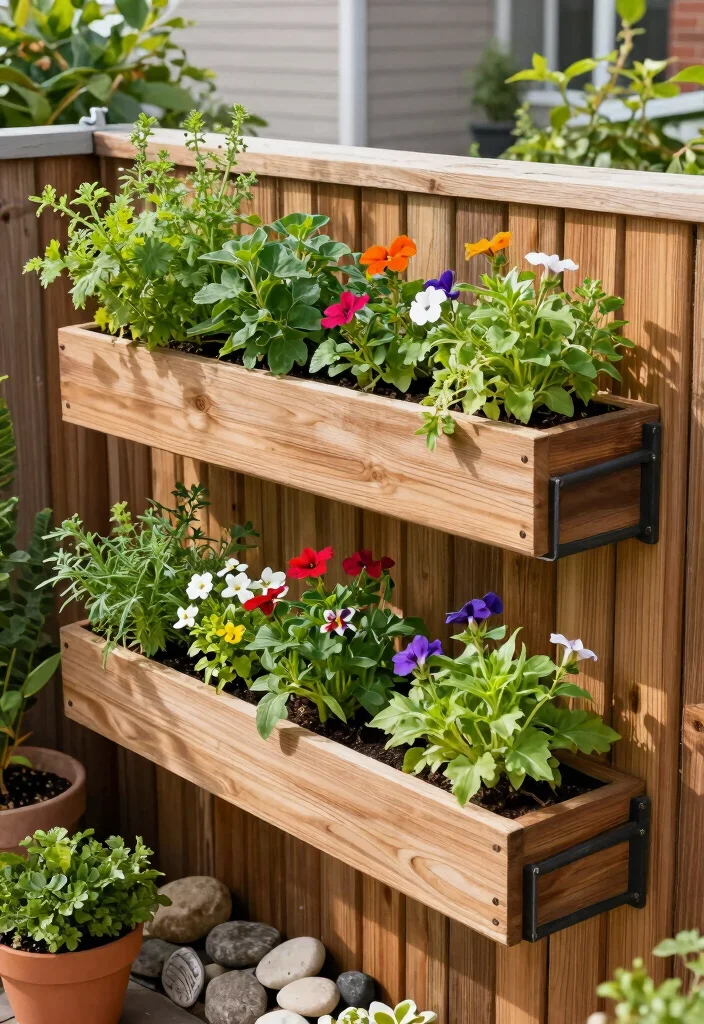
Looking for a fun and creative gardening method? Gutter garden beds might be the perfect fit! This unique approach utilizes old gutters to grow shallow-rooted plants like herbs and lettuces. You can mount them on fences or walls, creating a striking vertical display that saves space and is easy to maintain.
Gutter beds are ideal for small spaces and urban gardening, allowing you to maximize your gardening potential. Ensure they are placed in sunny locations to promote healthy growth.
Benefits of gutter beds:
– Perfect for small spaces and urban settings
– Great for herbs and shallow-rooted plants
– Position for maximum sunlight exposure
Gutter garden beds add a quirky touch to your gardening setup, showcasing your creativity while making efficient use of space.
10. Square Foot Gardening Beds
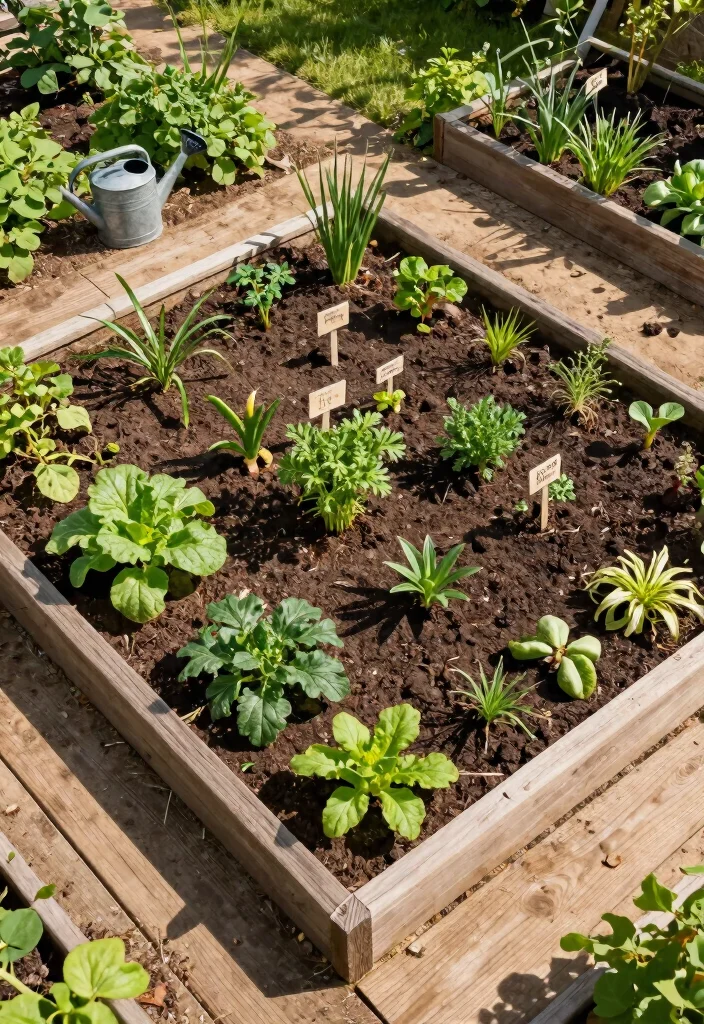
Square foot gardening is an excellent way to maximize yield in a compact area, and raised beds work beautifully with this technique! By dividing a raised bed into square foot sections, you can dedicate each section to a different plant type, optimizing your gardening space. This method simplifies maintenance and helps you achieve a bountiful harvest from a manageable garden.
To make the most of your layout, plan carefully based on the spacing needs of each plant. Combining vertical and horizontal growing techniques can enhance productivity, and rotating crops each season helps maintain soil health.
Helpful tips:
– Plan layout based on plant spacing requirements
– Use a mix of growing techniques for efficiency
– Rotate crops to improve soil health
Square foot gardening transforms your approach to gardening, making it more efficient and enjoyable!
11. Raised Beds with Trellises
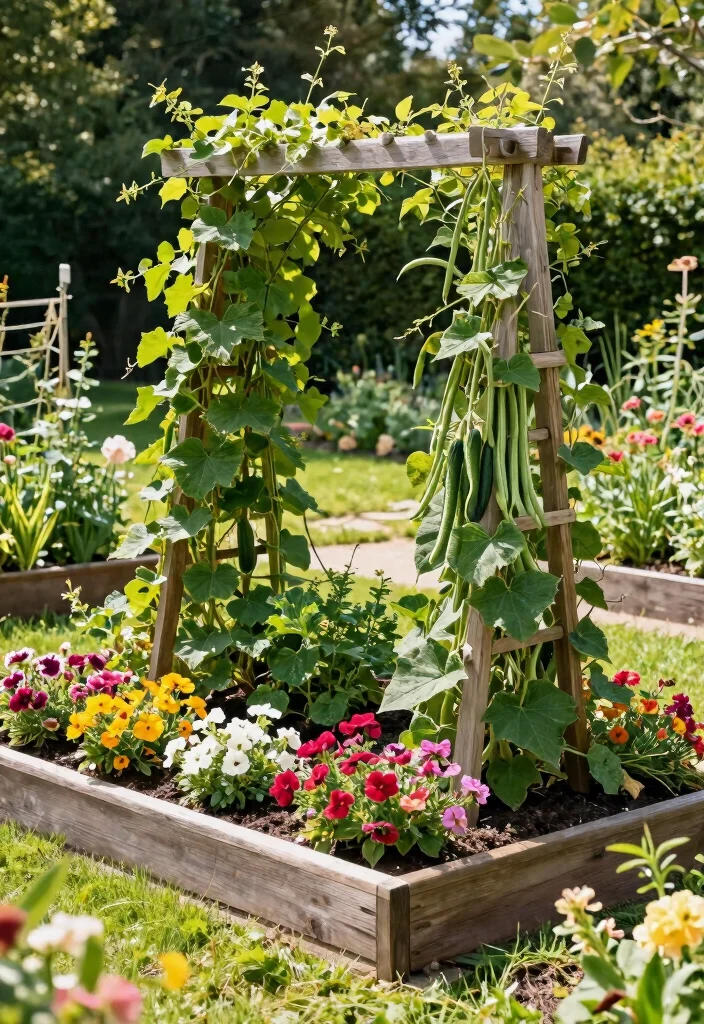
Incorporating trellises into your raised garden beds is a smart way to maximize vertical space while adding visual appeal! Trellises support climbing plants like peas, beans, and cucumbers, creating a dynamic vertical element that enhances air circulation and light exposure. This not only makes your garden look fuller and more diverse but also promotes healthier plant growth.
When choosing trellises, select sturdy materials that can support the weight of your plants. Position the trellis on the north side of the bed to avoid shading, and consider planting flowers at the base for added beauty.
Design recommendations:
– Select strong materials for trellis construction
– Place on the north side to prevent shading
– Plant flowers at the base for visual enhancement
Raised beds with trellises create a stunning focal point while providing ample harvests of delicious produce.
12. Rustic Log Raised Beds
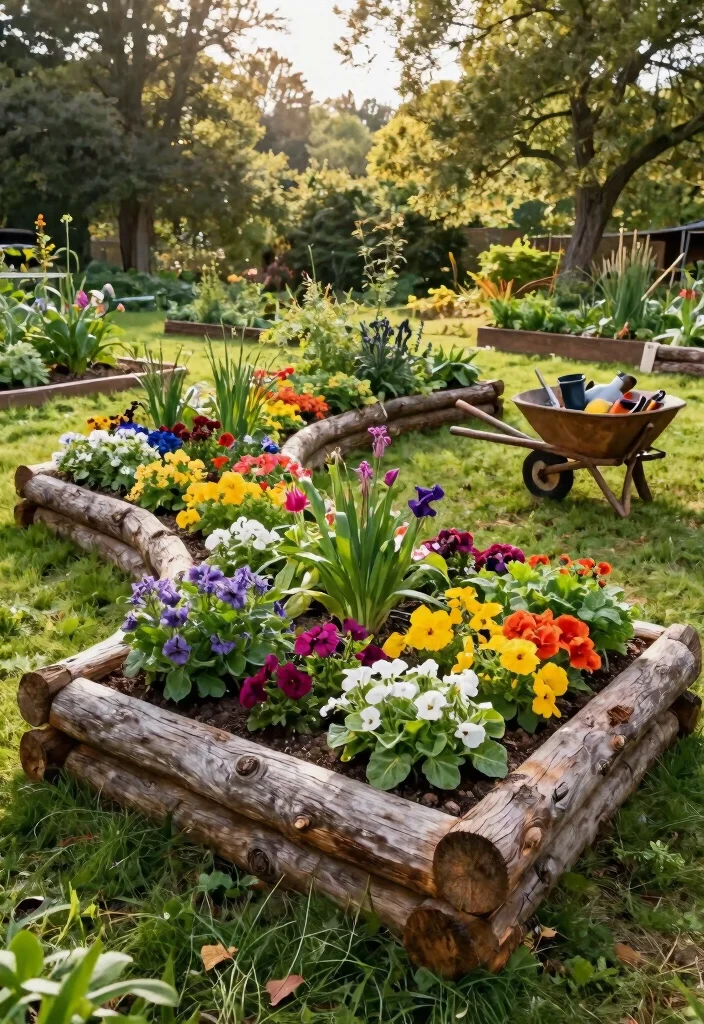
For a charming natural look, consider creating rustic raised garden beds with logs! Whole or halved logs blend beautifully with nature, adding an earthy feel to your garden. You can arrange them in various shapes, providing personality and character to your outdoor space. Log beds also offer good drainage and protect plants from pests while enriching the soil as they decompose.
When building, opt for untreated logs to avoid chemical leaching into the soil. Stacking logs in an interlocking design adds stability, and filling the bed with rich soil and compost creates an optimal growing environment.
Building tips:
– Choose untreated logs for safety
– Stack in an interlocking pattern for stability
– Fill with nutrient-rich soil and compost
Rustic log raised beds enhance the natural beauty of your garden, creating a peaceful retreat.
13. Multi-Functional Raised Beds
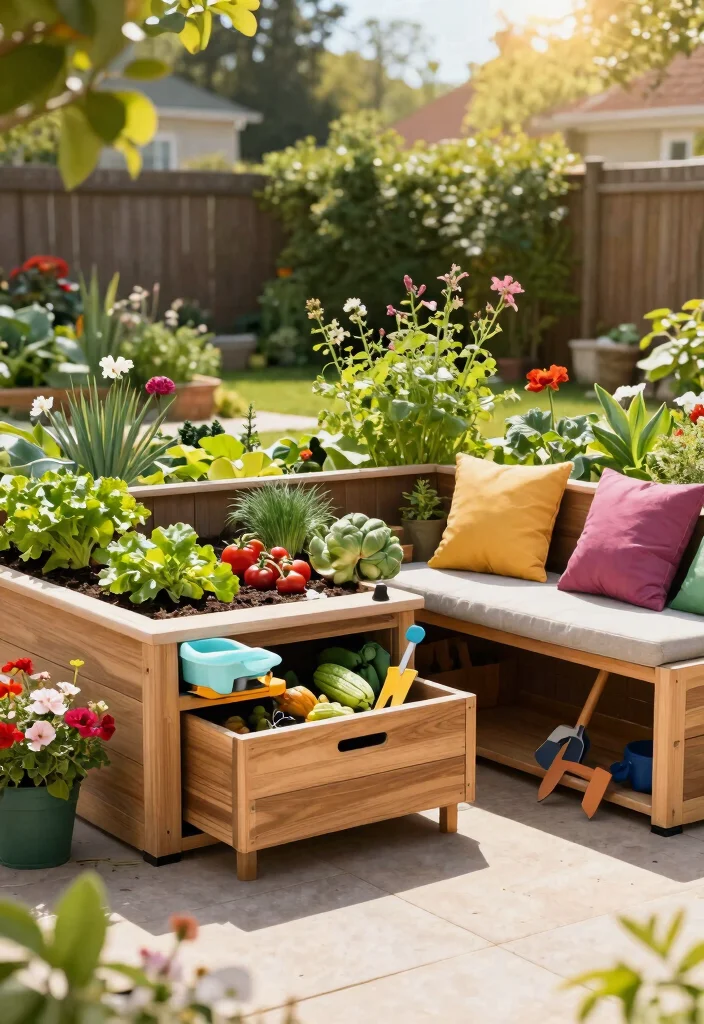
Multifunctional raised garden beds offer an exciting way to combine gardening with other outdoor activities! Picture a raised bed that doubles as a sandbox for kids or a stylish seating area for gatherings. These innovative designs can include features like tool storage, seating, or built-in irrigation systems, maximizing utility while keeping your garden stylish.
To get started, consider adding a bench on one side for comfortable seating, or include storage compartments for tools. Integrating a small water reservoir can simplify irrigation.
Ideas for features:
– Add a bench for comfortable seating
– Include storage compartments for tools
– Integrate a water reservoir for easy watering
By thinking creatively, you can create a garden bed that serves multiple purposes, making it a valuable addition to your outdoor space.
14. Creative Recycled Material Raised Beds
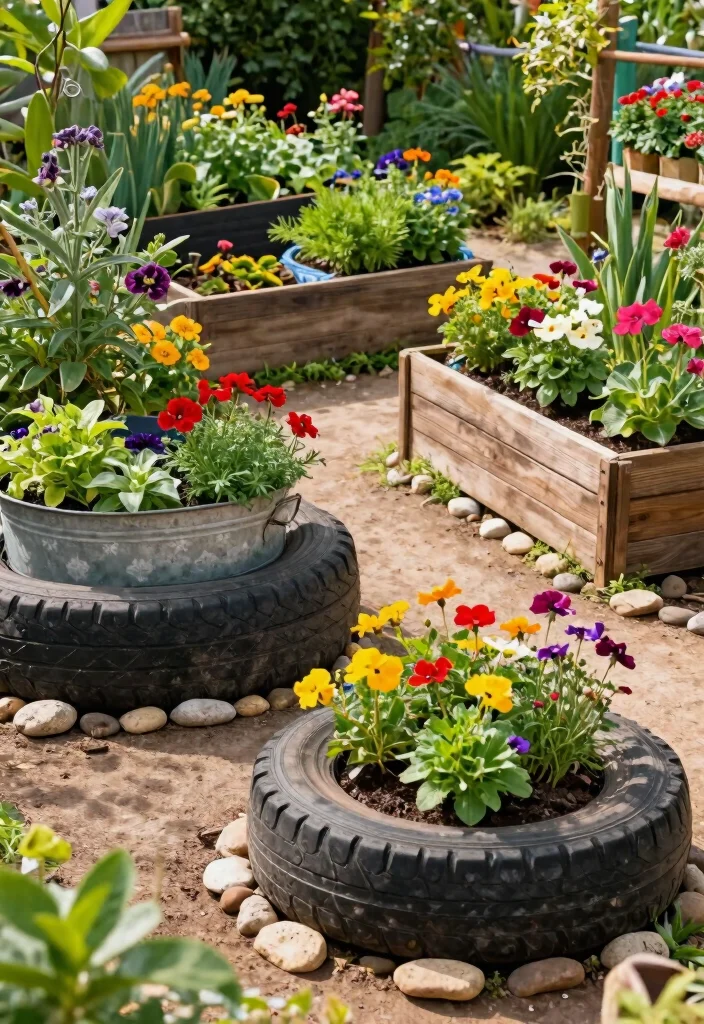
Get crafty in your garden by using recycled materials to build raised beds! Old tires, wooden crates, and metal containers can be transformed into unique, eco-friendly garden beds that showcase your creativity. This approach allows you to nurture your plants while expressing your style and promoting sustainability. Plus, using recycled materials can save money and keep waste out of landfills.
For some fun recycling ideas, consider using wooden crates for small herb gardens, stacking tires for colorful beds, or repurposing old bathtubs or sinks as quirky raised beds.
Recycling ideas:
– Use wooden crates for herb gardens
– Stack tires for whimsical, colorful beds
– Repurpose bathtubs or sinks for eye-catching designs
Creative recycled material raised beds can turn your gardening space into a fun, eclectic paradise that reflects your personality!
15. Circular Raised Beds
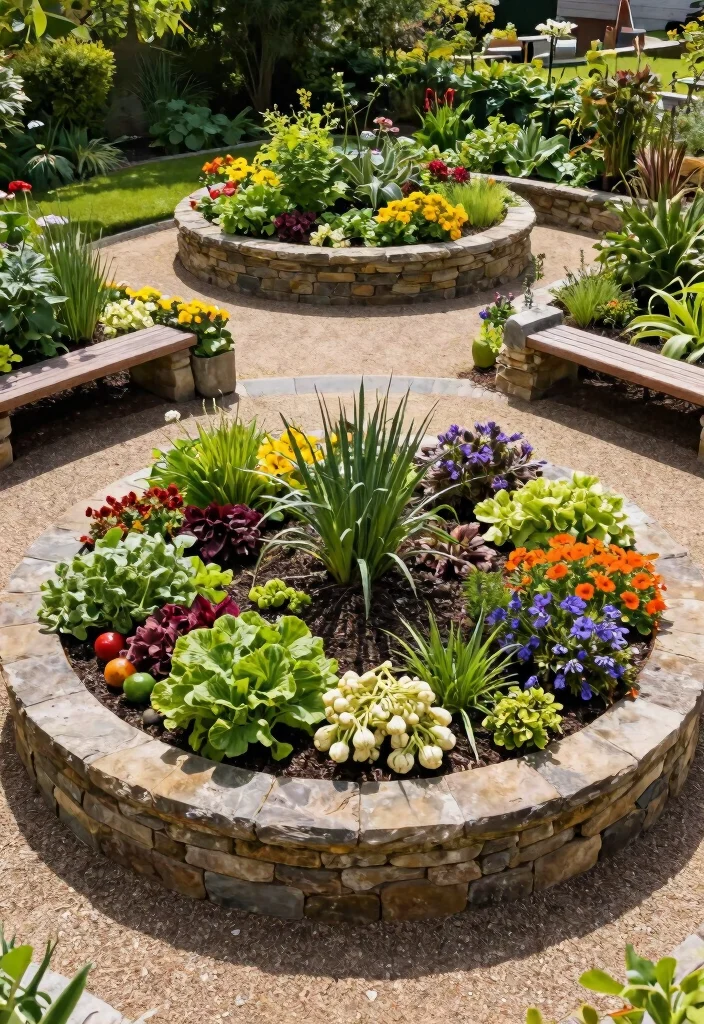
If you’re looking to break away from traditional rectangular designs, circular raised beds offer a fantastic alternative! These beds create a striking visual effect and can be customized to any size that suits your space. Circular designs are great for companion planting, allowing various plants to thrive together for maximum growth efficiency.
To enhance your circular beds, consider using stones or bricks for a formal look, or incorporate a central pole for supporting taller plants like tomatoes. Adding seating around the bed can create a welcoming gathering space.
Design tips:
– Use stones or bricks for a polished appearance
– Add a central pole for support
– Surround with seating for a cozy area
Circular raised beds can add a fun twist to your gardening methods while serving as a unique focal point in your outdoor area!
16. Self-Watering Raised Beds
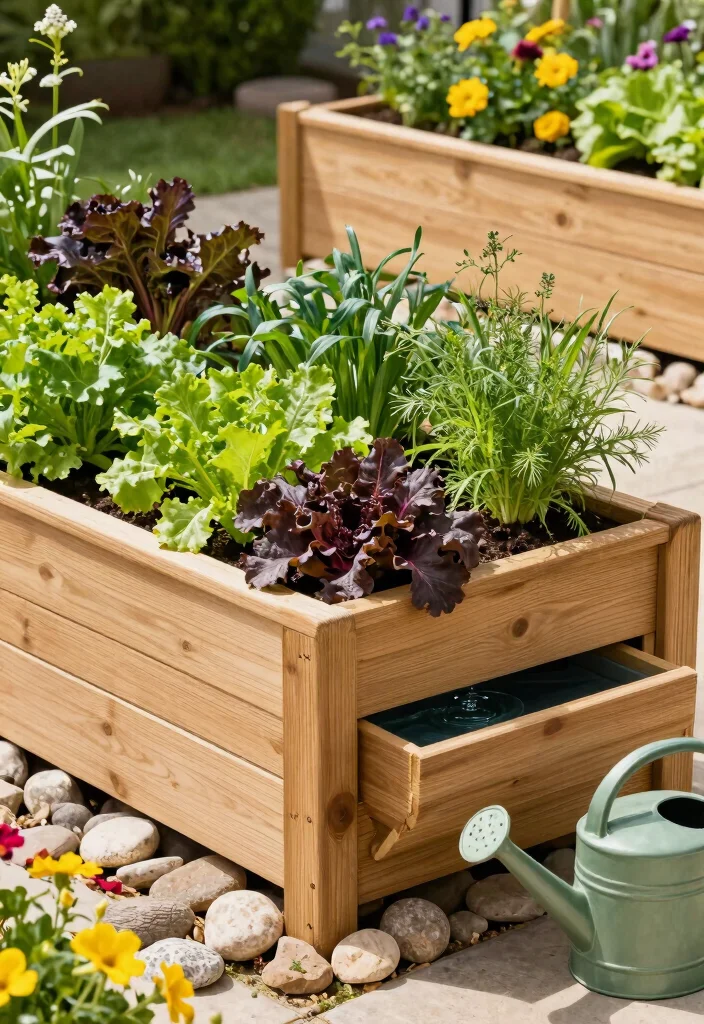
For busy gardeners, self-watering raised beds provide an ingenious solution to ongoing plant care! These beds feature a reservoir system that delivers consistent moisture to your plants, reducing the need for frequent watering. This is especially beneficial in hot climates or for those who travel often, ensuring that your plants receive the hydration they need to thrive.
To build one, create a barrier at the bottom to hold water, such as a plastic liner, and incorporate a drainage pipe to ensure water reaches every part of the bed. A wicking system can help draw water to the roots effectively.
Steps to create a self-watering bed:
– Use a barrier to hold water at the bottom
– Incorporate a drainage pipe for even moisture
– Implement a wicking system to nourish roots
Self-watering raised beds can alleviate stress for gardeners while promoting healthy, thriving plants.
17. High-Performance Garden Beds
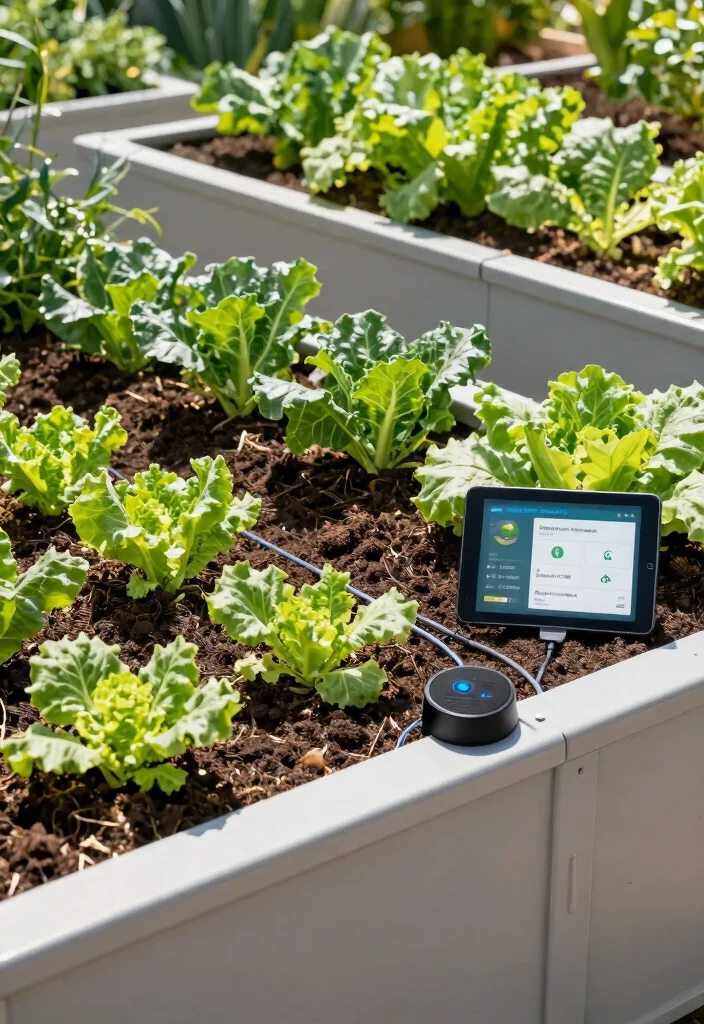
High-performance raised garden beds are designed to optimize plant growth and yield! These beds take advanced gardening techniques into account, like using soil amendments, ensuring proper drainage, and even incorporating sensors for moisture and temperature. This modern approach allows you to achieve larger harvests, even in challenging conditions.
For success, invest in quality soil amendments, such as compost and vermiculite, and consider using drip irrigation systems for effective watering. Regularly monitoring your plants’ needs will help you adjust conditions for optimal growth.
Performance tips:
– Use quality soil amendments for better results
– Implement drip irrigation for efficiency
– Monitor plant needs for ideal conditions
High-performance garden beds can revolutionize your gardening experience, leading to impressive yields and healthy plants!
18. Garden Bed with Paths
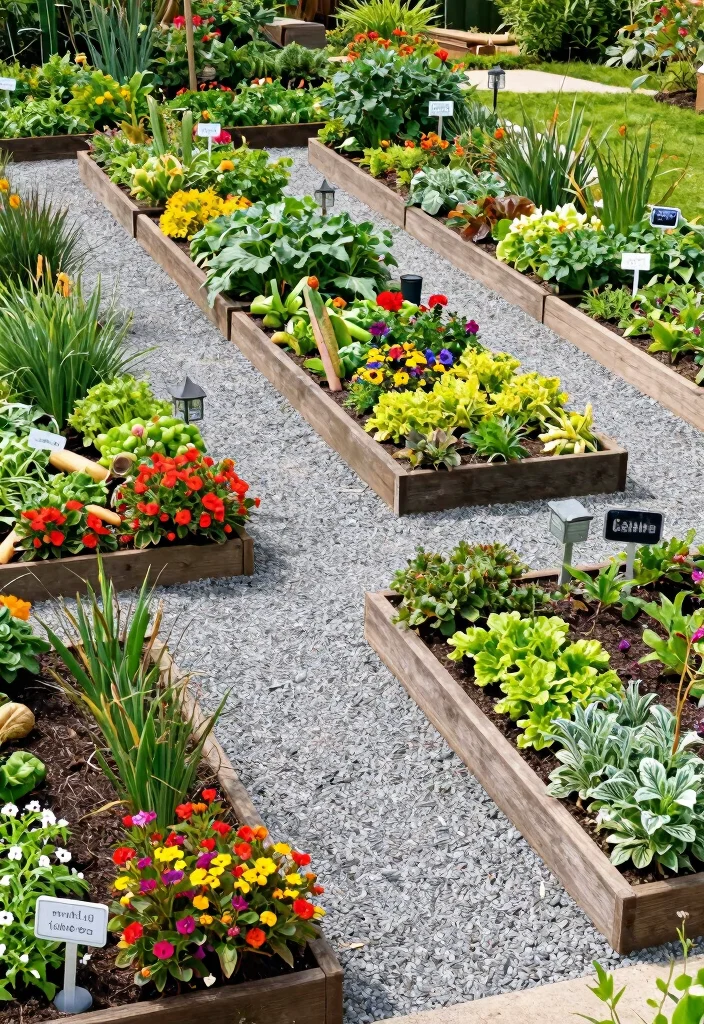
Creating garden beds with defined paths in between not only simplifies maintenance but also enhances the overall aesthetic of your space! This layout allows for easy access to your plants without compacting the soil, promoting healthy root systems. You can define your paths with gravel, mulch, or stepping stones, adding structure and organization to your garden.
For path ideas, consider using natural stones for a rustic charm, decorative gravel for a modern twist, or meandering paths for a whimsical feel.
Path ideas:
– Use natural stones for a rustic appearance
– Incorporate decorative gravel for a sleek look
– Create winding paths for a playful touch
Garden beds with paths can enhance your gardening experience while making it more enjoyable and efficient!
19. Repurposed Furniture Garden Beds
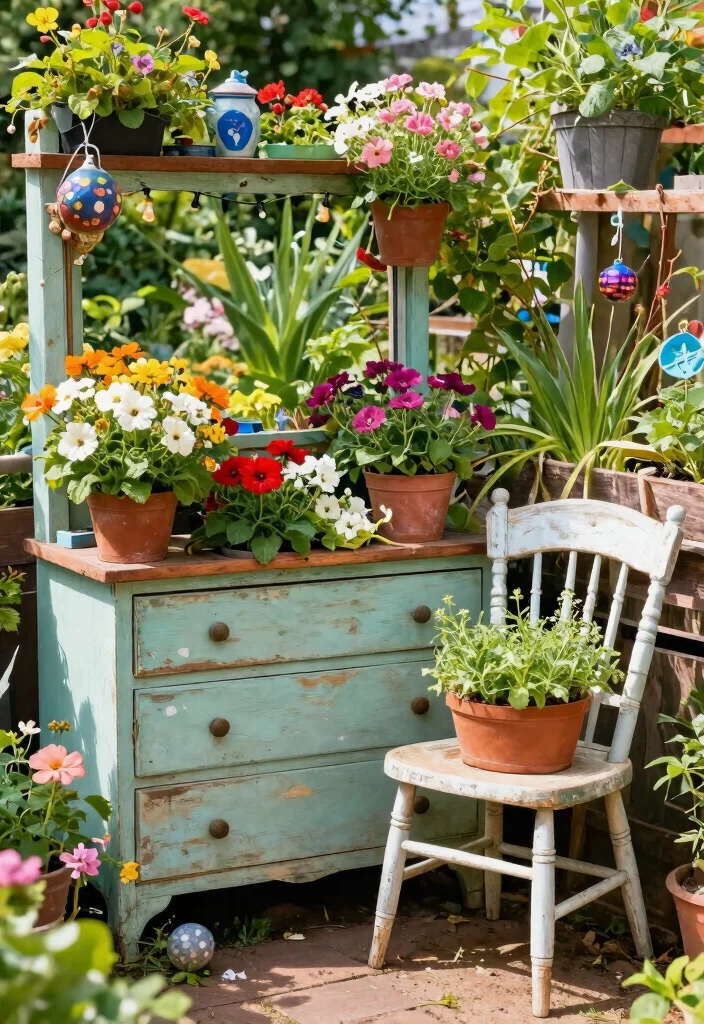
Get creative by transforming old furniture into unique raised garden beds! Old dressers, chairs, and kitchen sinks can be repurposed into quirky garden beds that add character to your outdoor space. This approach not only recycles materials but also infuses a playful and artistic touch into your garden layout.
For successful upcycling, ensure any wood is treated to prevent rot, add drainage holes to furniture pieces, and use liners to hold soil securely.
Upcycling tips:
– Treat wood to prevent decay
– Add drainage holes for healthy plants
– Use liners to retain soil
Repurposed furniture garden beds reflect your personal style while providing a unique setting for your plants to thrive!
20. Vertical Wooden Planter Boxes
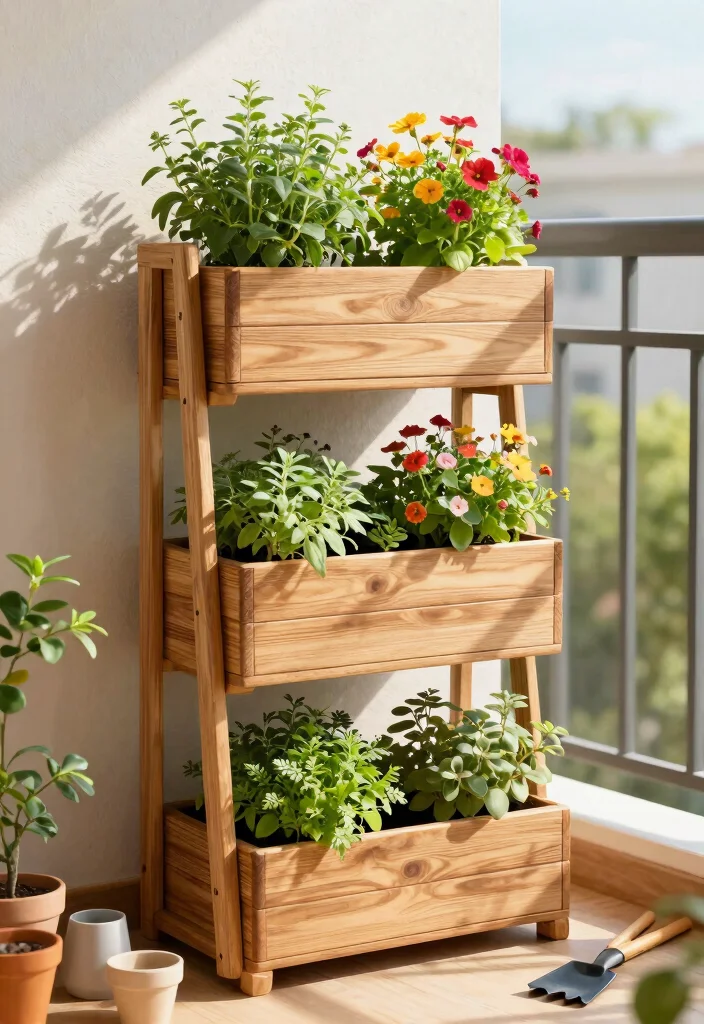
Vertical wooden planter boxes offer a stylish and efficient way to garden in tight spaces! These boxes can be stacked or hung, providing ample room for plants while conserving ground space. You can fill each level with different herbs, flowers, or vegetables, creating a visually stunning effect as they grow.
When designing your planter boxes, choose weather-resistant wood for durability, and ensure each section has proper drainage for healthy plants. Using colorful plants can further enhance the vibrant vertical garden look.
Design considerations:
– Choose weather-resistant wood for longevity
– Ensure proper drainage for plant health
– Use colorful plants for a lively display
Vertical wooden planter boxes can make a bold statement in your garden while allowing you to cultivate your green thumb!
21. DIY Fabric Raised Beds
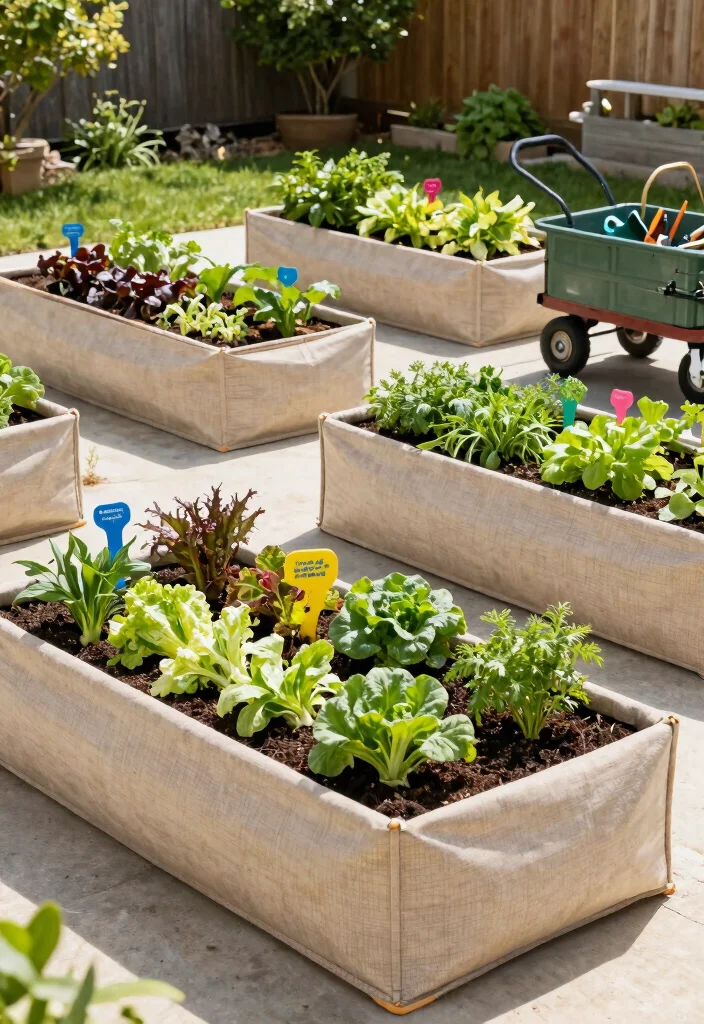
For a quick and easy gardening solution, DIY fabric raised beds are a fantastic option! These beds can be made using landscape fabric or heavy-duty cloth, creating portable containers for planting. They are breathable, promote healthy root growth, and can be easily stored when not in use, making them perfect for seasonal gardening.
To construct, ensure proper drainage by cutting holes in the bottom, and fill with high-quality soil and compost for best results. Consider using them for specific crops like potatoes or herbs for optimal success.
Construction tips:
– Cut drainage holes in the bottom for healthy plants
– Fill with quality soil and compost for growth
– Use for specific crops for best results
DIY fabric raised beds are a fun and practical way to start gardening, especially for beginners!
22. Cinder Block Raised Beds
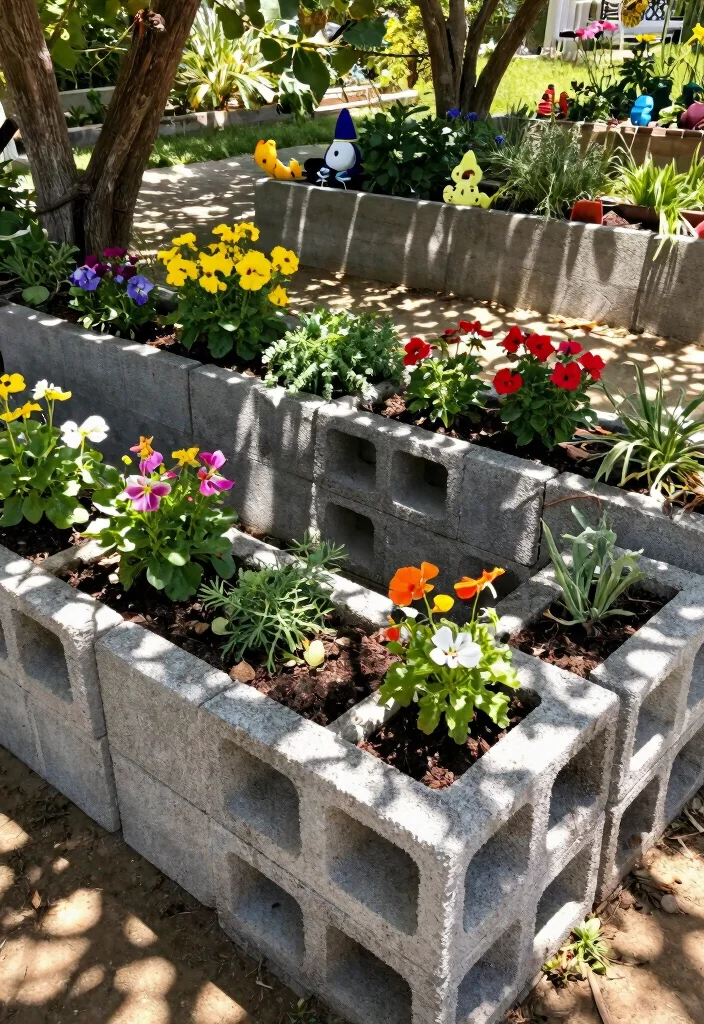
Cinder blocks are not only durable building materials but also make excellent raised beds! These blocks can be stacked in various arrangements, allowing for unique shapes and designs. The hollow spaces can be utilized for planting herbs or flowers, adding an extra layer of creativity to your garden. Cinder block beds are long-lasting and provide excellent drainage, making them perfect for a variety of plantings.
When building, experiment with different stacking patterns to create visual interest, and fill the hollow spaces with soil or decorative stones. Pairing with colorful plants can help soften the overall look.
Building suggestions:
– Use various stack patterns for creativity
– Fill hollow spaces with soil or stones
– Combine with colorful plants for a vibrant display
Cinder block raised beds allow you to incorporate modern materials into your traditional gardening practices beautifully!
23. Kids’ Garden Beds
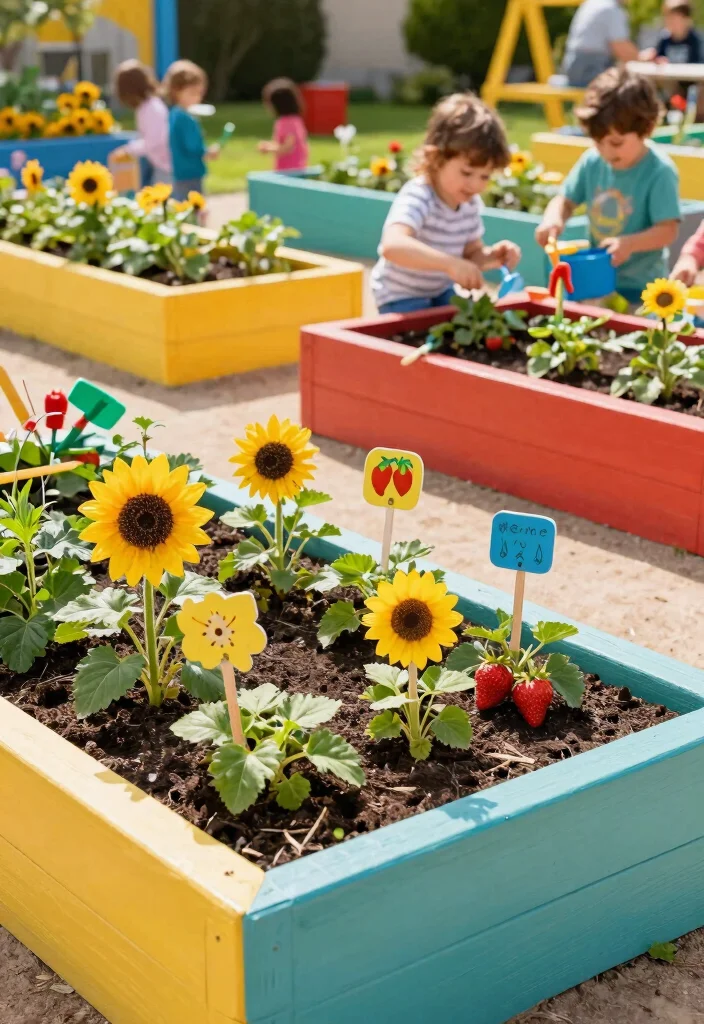
Encourage your little ones to connect with nature by creating kid-friendly raised garden beds! These beds can be designed at a lower height, making them accessible for kids to plant, water, and tend to their garden. Allowing them to choose colors and designs can spark their creativity and make gardening a fun bonding activity.
When planning, let kids select what to plant; popular choices include sunflowers, beans, and strawberries. Providing child-sized tools can enhance their experience, and creating fun garden markers can help them remember their plants.
Parenting tips:
– Let kids choose plants to grow
– Provide child-sized tools for easier gardening
– Create fun markers for plant identification
Kids’ raised garden beds can be a delightful addition to your outdoor space, nurturing curiosity and gardening skills in the next generation!
24. Greenhouse Raised Beds
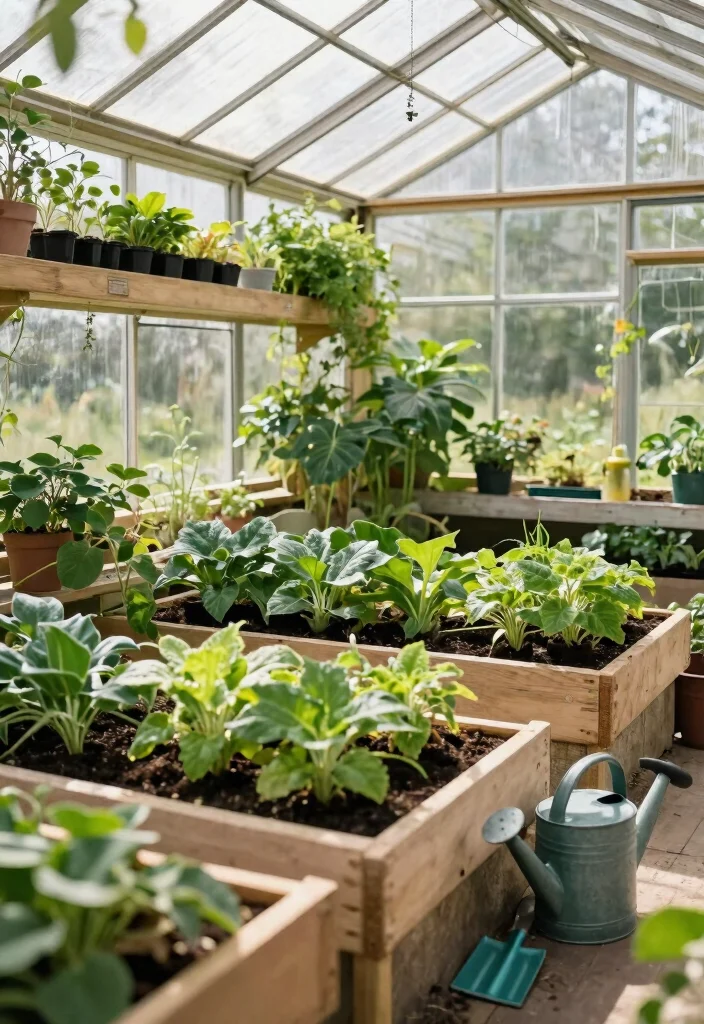
Enhance your gardening capabilities with raised beds inside a greenhouse! This combination allows for year-round gardening, regardless of outside weather conditions. Within a greenhouse, you can control temperature and humidity, making it ideal for starting seedlings or growing delicate plants. Raised beds also promote better drainage and airflow, contributing to healthier plants.
When setting up, choose heat-retaining materials for your raised beds to maximize warmth, and utilize shelving for additional growing space above your raised beds. Regularly monitoring humidity levels is crucial to prevent mold growth.
Greenhouse tips:
– Use heat-retaining materials for warmth
– Incorporate shelving for extra growing space
– Monitor humidity to avoid mold
Raised beds in a greenhouse create a productive sanctuary for avid gardeners, allowing experimentation with a wider range of plants.
Fun fact: Inside a greenhouse, greenhouse raised beds turn raised garden bed ideas into year-round harvests, extending the season by 6–8 weeks with controlled warmth and steady moisture. Start delicate seedlings now and enjoy year-round productivity.
25. Themed Raised Garden Beds
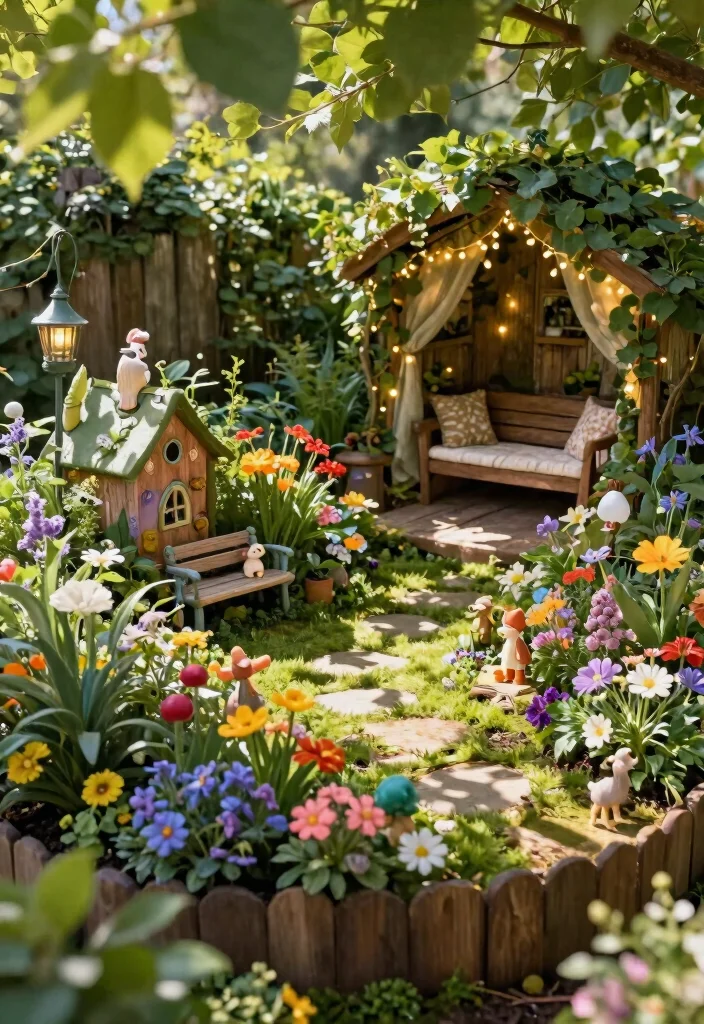
Let your creativity shine by designing themed raised garden beds! Whether it’s a whimsical fairy garden or a vegetable patch, you can create enchanting spaces that reflect your personality. Themed gardens not only add charm but can also serve as educational tools, offering a fun way to explore different plants and gardening techniques. Use decor, color schemes, and plant selections to create a cohesive design.
Theme ideas:
– A fairy garden with mini figurines and bright flowers
– A Mediterranean-inspired bed with herbs like rosemary
– A butterfly garden, featuring plants that attract pollinators
Themed raised garden beds can turn your garden into a magical experience, inspiring joy and creativity in everyone who visits!
Turn your raised garden bed ideas into a playful project—start with a theme, pick 2-3 plants, and add color accents. A fairy garden or veggie patch teaches kids and adults alike while you learn simple care tricks. Plan, plant, enjoy, repeat.
Conclusion
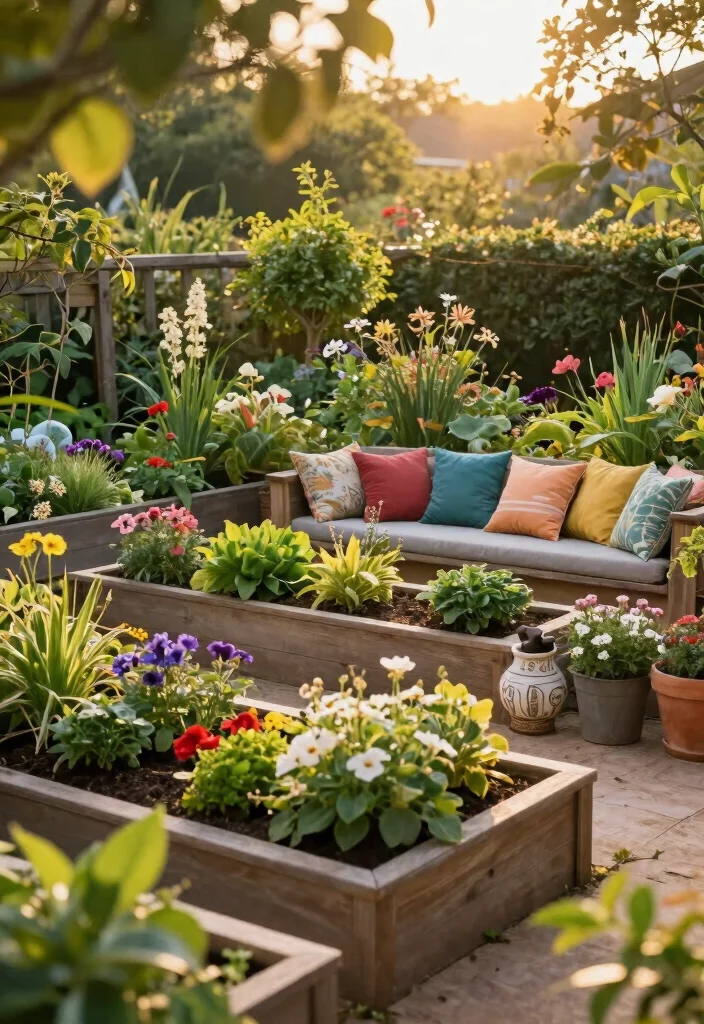
No matter your gardening experience or space constraints, there’s a raised garden bed idea here to inspire you!
From vertical solutions to creative repurposing, these ideas can transform any outdoor space into a flourishing garden. Embrace your creativity and enjoy the journey of growing your own delights. Let your imagination run wild, and start planning your perfect raised garden bed today!
Note: We aim to provide accurate product links, but some may occasionally expire or become unavailable. If this happens, please search directly on Amazon for the product or a suitable alternative.
This post contains Amazon affiliate links, meaning we may earn a small commission if you purchase through our links, at no extra cost to you.
Frequently Asked Questions
What are the best vertical raised garden bed ideas for small spaces?
For small spaces, vertical raised garden bed ideas turn walls, fences, and balconies into productive growing areas. Think tiered planters, upright trellises, or modular towers to maximize sun exposure and airflow. Choose sturdy, weather-resistant materials and ensure good drainage for healthy roots. This approach aligns with raised garden bed designs and urban gardening solutions, helping you grow a variety of vegetables in compact vegetable garden beds.
Tip: keep the height at a comfortable reach and install a simple drip irrigation line for efficient watering.
How do I design a vertical raised bed to maximize harvest in a limited area?
Start by mapping sun exposure and choosing crops that perform well in vertical spaces, such as leafy greens, herbs, bush beans, and compact tomatoes with supports. Then decide on a tiered or wall-mounted frame to create microclimates and maximize yield per square foot. Use a light, nutrient-rich soil mix and mulch to retain moisture. Add a simple irrigation method like a drip line or a perforated hose to keep roots evenly hydrated.
As a gardening tip, rotate crops yearly and label levels so you know what to plant where for better long-term results.
What plants thrive in vertical raised garden beds and how should I arrange them?
Leafy greens (lettuce, spinach, kale), herbs (basil, cilantro, chives), strawberries, dwarf or determinate tomatoes, peppers, and compact beans all perform well in vertical setups. Place sun-loving crops at the top levels where they’ll get the most light and lighter, shade-tolerant herbs or leafy greens lower down to optimize light exposure. Group plants by water needs and practice simple companion planting to boost health and yields. This approach fits well with vegetable garden beds and other raised garden bed ideas.
How can I build a budget-friendly DIY vertical raised bed?
Start with budget-friendly materials like repurposed pallets, cedar boards, fabric pockets, or wire shelving. Build a simple frame or a series of hanging pockets, line with landscape fabric to hold soil, and ensure drainage with a bottom layer of gravel or fabric. Fill with a light, rich soil mix (one part compost, one part topsoil, one part perlite). Attach a small trellis or wire grid for climbing crops and place the unit on a sunny wall for urban gardening solutions.
DIY garden beds are easy to scale—add more pockets or tiers as you harvest more.
What maintenance tips keep vertical raised beds productive year-round?
Keep soils lively with regular watering (drip or soaker hose), mulch to reduce evaporation, and feed with compost tea or balanced fertilizer per crop needs. Refresh the soil each season with light compost top-dressing and rotate crops to prevent nutrient depletion. Monitor for pests and diseases and use natural controls first. This ongoing care fits into gardening tips and urban gardening solutions, helping your vertical raised beds stay productive through seasons.