Creating your own herb garden can be a rewarding experience, especially if you love cooking with fresh ingredients. There’s something magical about stepping outside your kitchen and plucking a handful of fragrant herbs to elevate your dishes. That’s why I created this post—because I want to inspire you to transform your small outdoor space into a delightful raised bed herb garden that’s both functional and beautiful.
If you’re someone who craves fresh flavors in your meals or enjoys the therapeutic benefits of gardening, this guide is for you. Urban living often means limited space, but that shouldn’t stop you from growing your own herbs. Whether you’re a seasoned gardener or just starting out, these 15 fragrant raised bed herb garden ideas will help you cultivate a fragrant oasis right outside your kitchen window.
In this post, you’ll discover various herb garden designs that work well in small spaces. From vertical gardens to colorful container setups, each idea offers unique benefits and aesthetic value. You’ll also find practical tips on how to care for your herbs, making it easy for you to enjoy homegrown flavors without stress. Let’s dig in and explore these vibrant garden concepts together!
Key Takeaways
– Discover 15 unique raised bed herb garden ideas that fit perfectly in small spaces, enhancing your kitchen’s accessibility to fresh herbs.
– Explore creative designs like vertical gardens and herb spirals, which maximize space while adding visual interest.
– Learn about fragrant herbs for cooking that can be easily integrated into your meals, making your dishes tastier and more aromatic.
– Get practical raised bed gardening tips that simplify the growing process, ensuring you have a thriving herb garden.
– Find inspiration for indoor herb gardens and container setups, allowing you to enjoy fresh herbs year-round, even in limited spaces.
1. Vertical Herb Garden
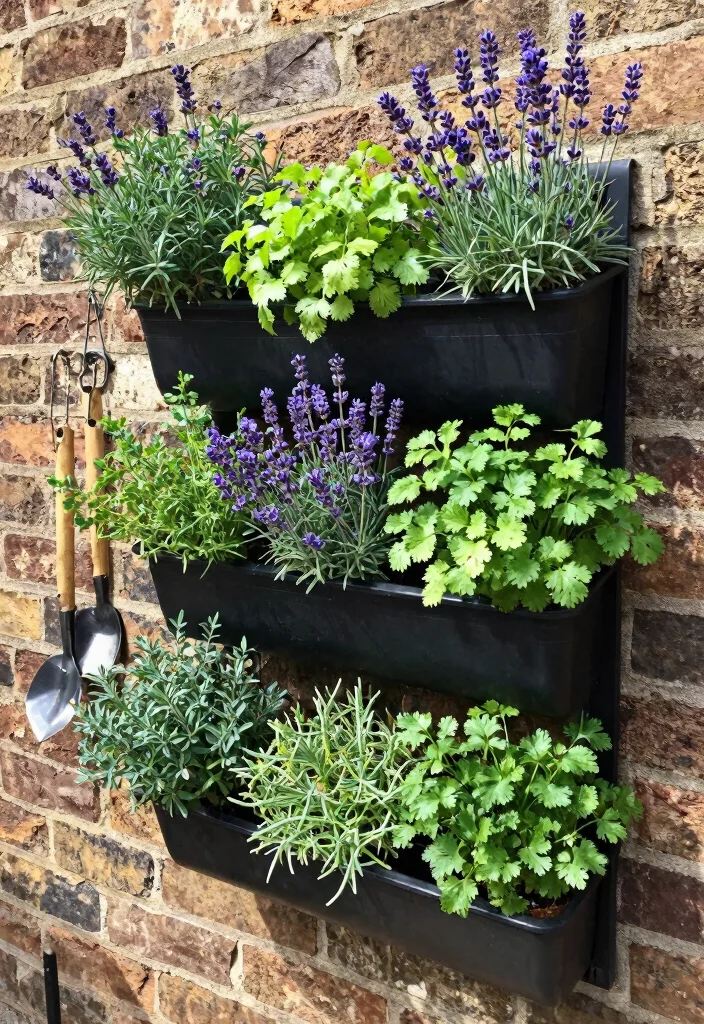
Craving fresh herbs but short on space? A vertical herb garden is your perfect solution. By utilizing vertical structures like wall-mounted planters or trellises, you can grow an array of fragrant herbs in a compact area, making your cooking more delightful and accessible.
This design not only maximizes your planting area but also adds a beautiful display to your outdoor space. Herbs like rosemary, mint, and oregano thrive in this setup, bringing flavor and aroma to your dishes with ease.
Tips for Vertical Herb Gardening:
– Opt for lightweight containers to ease the load.
– Ensure proper sunlight by spacing out the plants.
– Consider a drip irrigation system for hassle-free watering.
– Rotate your herbs regularly for optimal growth.
With a vertical garden, you can enjoy fresh herbs right at your fingertips while enhancing your garden’s visual appeal.
Fun fact: As part of raised bed herb garden ideas, a vertical garden can triple your planting area in a compact urban space. This setup makes fresh rosemary, mint, and oregano easier to access, turning cooking into daily delight.
2. Tiered Raised Beds
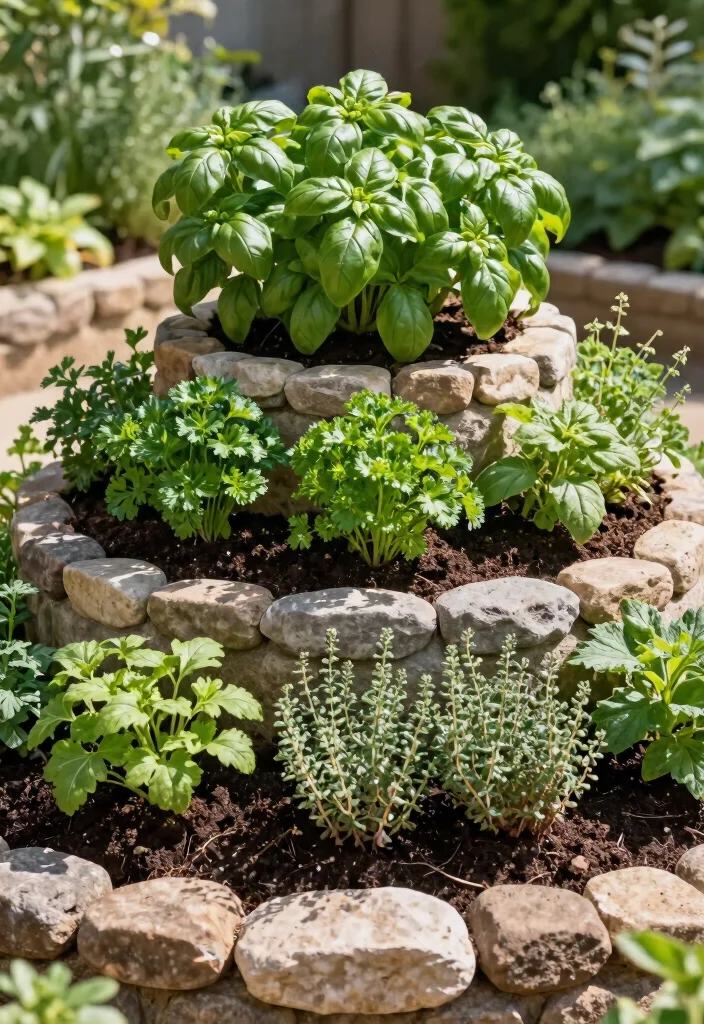
Do you want to create an eye-catching garden while maximizing your herb growing space? Tiered raised beds are the ideal choice. This design allows you to plant taller herbs like basil at the top and shorter ones like chives below, ensuring each plant gets the light it needs while enhancing your garden’s beauty.
By stacking beds, you not only save space but also create a stunning focal point. This layered approach improves drainage and aeration, promoting healthier plants and easier maintenance.
Design Elements to Consider:
– Use different materials for each tier, like wood or stone, for a custom look.
– Incorporate decorative mulch to unify the design.
– Pair compatible herbs, like sweet basil with savory oregano.
Building tiered beds is a practical choice that brings both style and functionality to your garden.
3. Herb Spiral Garden
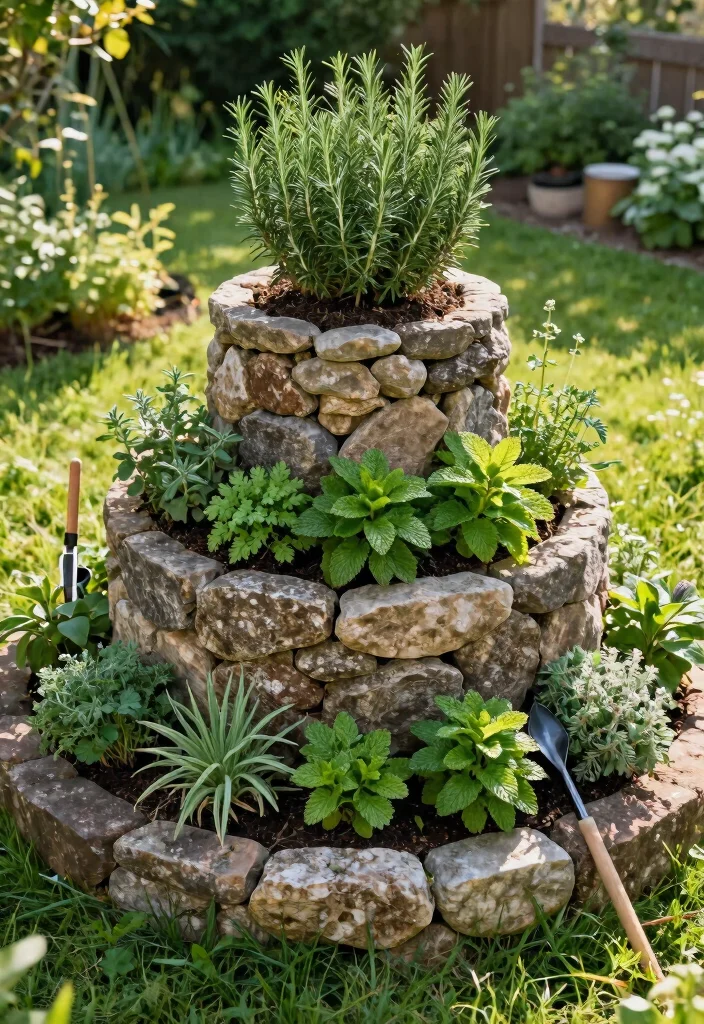
Looking for a creative way to grow various herbs in limited space? An herb spiral garden is a fantastic solution. This unique design allows you to plant herbs that thrive in different conditions, creating a mini-ecosystem that supports diverse growth.
At the top of the spiral, sun-loving herbs like rosemary flourish, while the lower sections provide a perfect home for moisture-loving plants like mint. This visually stunning structure not only saves space but also enhances your gardening experience.
Building Tips:
– Use locally sourced stones or bricks to construct the spiral.
– Fill with various soil types to cater to different herbs’ needs.
– Include pathways for easy access to all sides.
An herb spiral not only adds beauty to your garden but also serves as a functional and inspiring landscape feature.
4. Colorful Container Gardens
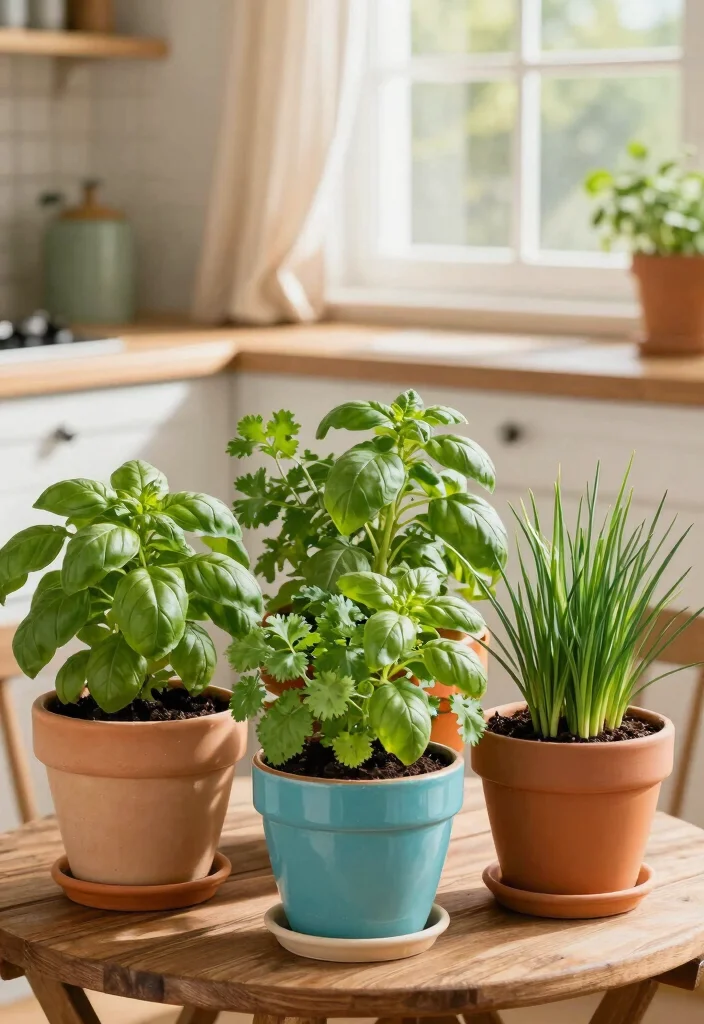
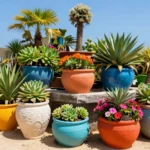
Want to add a burst of color to your kitchen garden? Container gardening is a fun and flexible way to grow herbs right outside your door. Choose vibrant pots in various sizes and materials to create a cheerful herb display that’s also practical.
With colorful containers, you can easily mix and match herbs based on their sunlight and water needs. Imagine pots filled with fragrant basil, zesty cilantro, and aromatic dill, all within arm’s reach for your cooking adventures.
Container Gardening Tips:
– Select pots with drainage holes to avoid overwatering.
– Group pots together for a fuller look and easier care.
– Use saucers to catch excess water and protect your surfaces.
Colorful container gardens provide you with flexibility and creativity, allowing you to rearrange them as needed and even bring them indoors during colder months.
5. Herb Garden with Edible Flowers
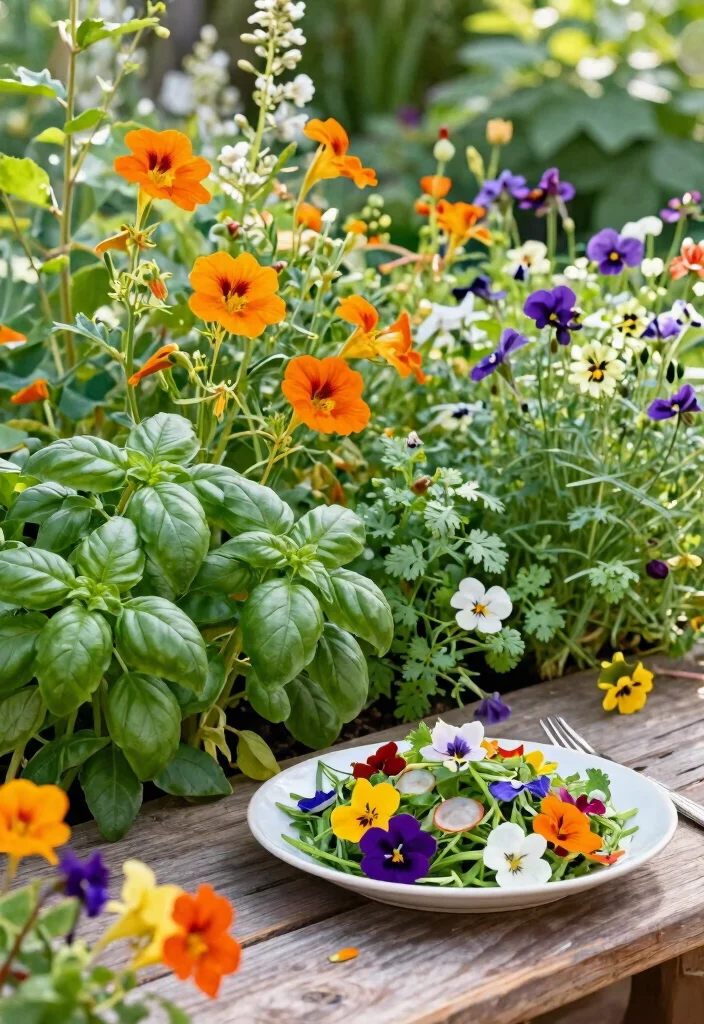
Why settle for just herbs when you can elevate your dishes with edible flowers? An herb garden featuring blooms like nasturtiums, borage, and calendula not only adds flavor but also visual interest to your meals. These flowers attract pollinators and contribute health benefits, making your garden a delightful addition to your culinary experiences.
Planting these vibrant flowers alongside traditional herbs like basil and thyme allows for beautiful salads and garnishes right from your garden.
Growing Tips:
– Ensure the flowers you choose are safe to consume.
– Pair flowers with complementary herbs for balanced flavor profiles.
– Use blooms to enhance the visual appeal of your garden.
Combining herbs with edible flowers creates a dynamic garden that delights both the eyes and the palate.
6. Raised Bed Garden with Trellis
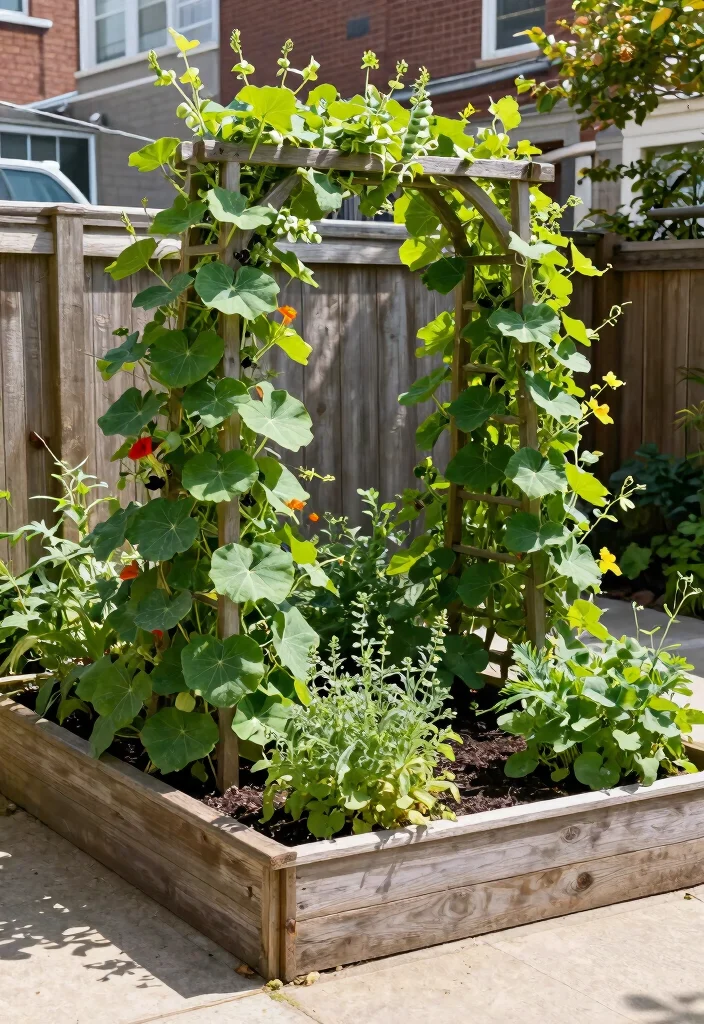
Want to make the most of your vertical space while growing climbing herbs? Integrating a trellis into your raised bed garden is an innovative way to do just that. This design not only supports climbing herbs but also adds an architectural charm to your garden.
Herbs like climbing nasturtium or cucumbers can create a stunning green wall, enhancing your garden’s aesthetic while providing easy access for harvesting.
Installation Tips:
– Ensure your trellis is sturdy enough to support climbing plants.
– Use natural materials like bamboo or wood for a rustic feel.
– Train your herbs to climb as they grow.
This combination of raised beds and trellises offers a fresh perspective on urban gardening, allowing you to cultivate flavor in style.
How To Choose The Right Raised Bed Herb Garden Ideas
When you’re planning a raised bed herb garden, the choices can feel overwhelming. You want your garden to be practical and beautiful, especially since it’s close to your kitchen. Here are some key criteria to consider as you select the right design for your space:
1. Size and Space
Consider how much space you have available. Measure the area next to your kitchen and decide how large you want your herb garden to be. A smaller space can accommodate a compact, vertical herb garden, while a larger area might allow for tiered raised beds or a spiral garden. Aim for a layout that fits comfortably without overcrowding your kitchen or obstructing paths.
2. Materials
Choosing the right materials is essential for durability and aesthetics. Wooden raised beds can blend beautifully with your garden but may require treatment to resist rot. Metal options are sturdy and modern, while stone can provide a rustic charm. Ensure whatever material you choose is safe for planting herbs and won’t leach harmful substances into the soil.
3. Plant Selection
Think about what herbs you want to grow. Choose fragrant herbs for cooking, like basil, rosemary, and mint. Mixing in some edible flowers can add beauty and attract pollinators. Make sure to plant herbs with similar sunlight and water needs together, so they thrive in harmony. Research each herb’s growth habits to avoid overcrowding and competition for resources.
4. Accessibility
Your herb garden should be easy to access for regular maintenance, harvesting, and watering. Raised beds should be at a comfortable height to reach without bending over too much. If space allows, consider including pathways between beds for ease of movement. Wheelbarrows or small carts can assist in transporting tools and harvests, making your gardening experience more enjoyable.
5. Sunlight and Water
Assess the sunlight in your chosen location. Most herbs need at least 6-8 hours of sunlight each day. If your kitchen side has partial shade, select shade-tolerant herbs like parsley or cilantro. Additionally, consider how you will water your garden. Installing a simple drip irrigation system can save time and ensure your herbs receive consistent moisture.
6. Budget
Set a budget before starting your herb garden. Costs can vary widely based on materials, plant selection, and tools needed. Look for budget-friendly options, like using reclaimed wood for raised beds or starting herbs from seeds instead of seedlings. Don’t forget to consider the long-term costs for soil amendments and fertilizers as well.
Pro Tip:
Start small! If you’re new to gardening, begin with a few herbs in a compact design. Once you gain confidence, you can expand your garden. Enjoy the process and let your creativity flourish!
7. Herb Garden in a Wheelbarrow
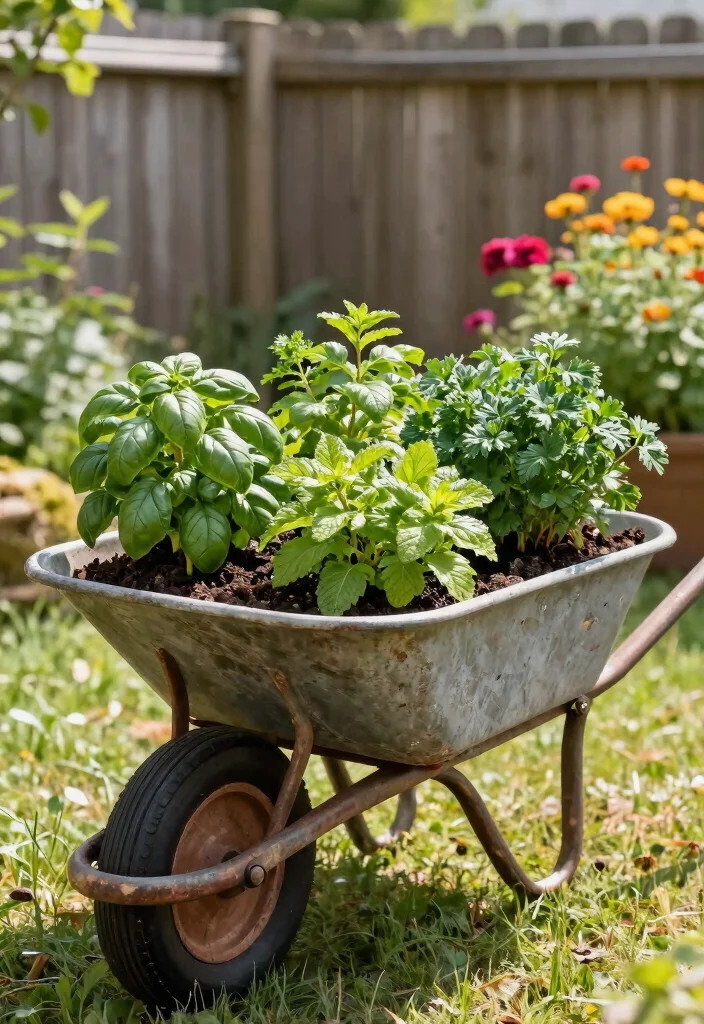
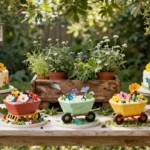
Looking for a quirky gardening idea? Transforming an old wheelbarrow into a mobile herb garden can be a fun and unique project. Not only does it serve as an interesting container, but it also allows you to easily move your herbs to find the perfect sunlight.
Filling a vintage wheelbarrow with your favorite herbs creates a charming focal point in your garden or patio, making it easy to roll right up to your kitchen when it’s time to cook.
Wheelbarrow Gardening Tips:
– Make sure the wheelbarrow has proper drainage; drill holes if needed.
– Use high-quality potting soil for optimum growth.
– Consider adding wheels for easy mobility.
This playful approach adds character while serving a practical purpose, making it perfect for urban gardeners.
Fun fact: A simple wheelbarrow can become a portable raised bed herb garden — roll it to sun or shade in minutes. This is one of your raised bed herb garden ideas that puts fresh herbs within arm’s reach while cooking.
8. Compact Herb Garden with Raised Edges
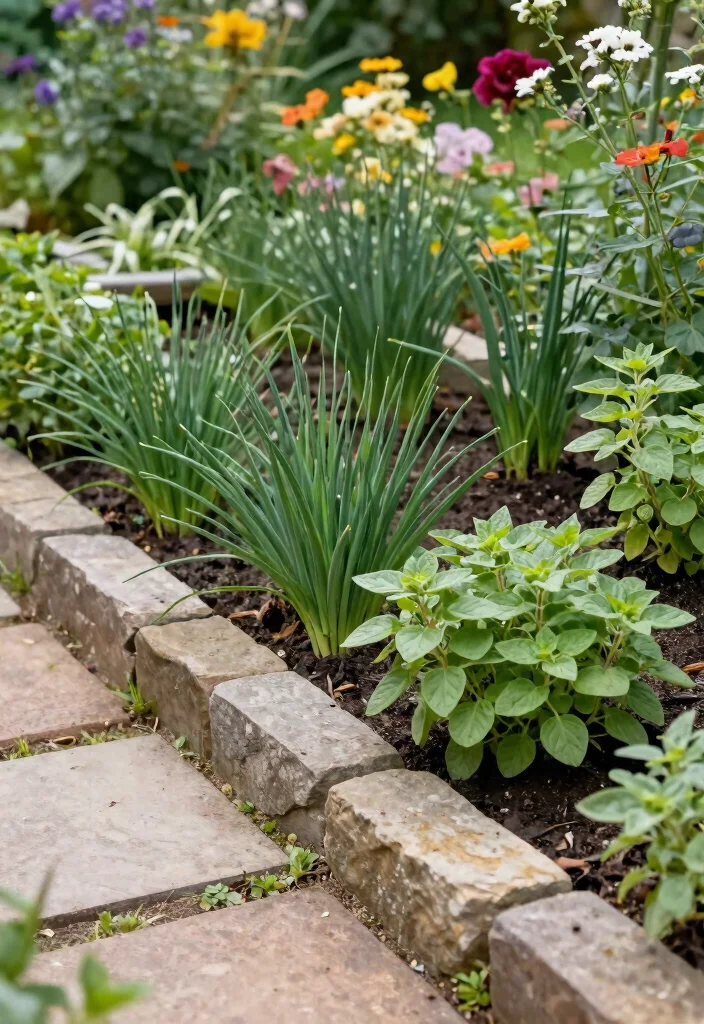
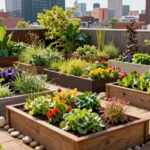
Want a tidy and organized look for your herb garden? A compact garden with raised edges offers just that, perfect for urban environments. The raised edges keep soil in place and create a defined area for your herbs, making maintenance a breeze.
Using materials like bricks or stones for the borders adds style and visual appeal. Inside, herbs like thyme, chives, and oregano are easily accessible, allowing for quick harvesting.
Design Considerations:
– Use non-toxic materials for the raised edges to ensure plant health.
– Consider adding a small pathway for easy access.
– Incorporate a drip irrigation system for efficient watering.
This design not only maximizes space but also provides a functional herb garden just steps away from your kitchen.
9. Indoor Herb Garden by the Window
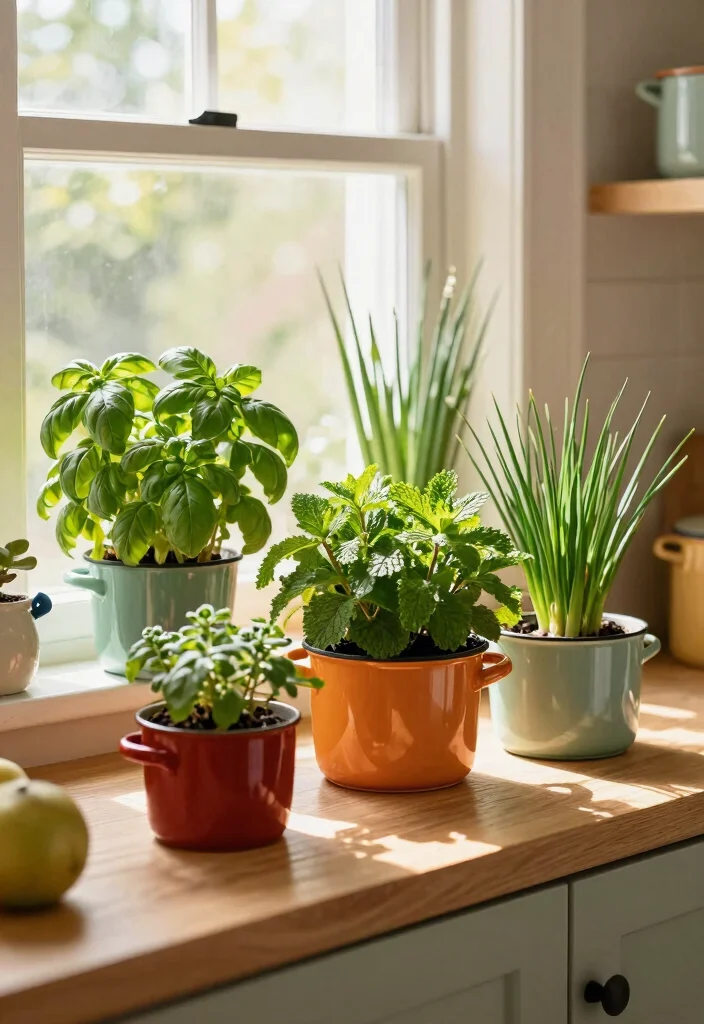
Limited outdoor space? An indoor herb garden by your kitchen window can be a game-changer. This setup allows you to grow your favorite herbs year-round, regardless of weather conditions.
Using various pots, you can create a delightful herb display featuring basil, mint, and chives. Just make sure your window gets plenty of sunlight to keep your herbs thriving and ready for cooking.
Indoor Gardening Tips:
– Choose pots that match your kitchen decor for a cohesive look.
– Rotate pots regularly for even sunlight exposure.
– Keep an eye out for pests to maintain plant health.
An indoor herb garden not only enhances your kitchen’s beauty but also provides fresh flavors right at your fingertips.
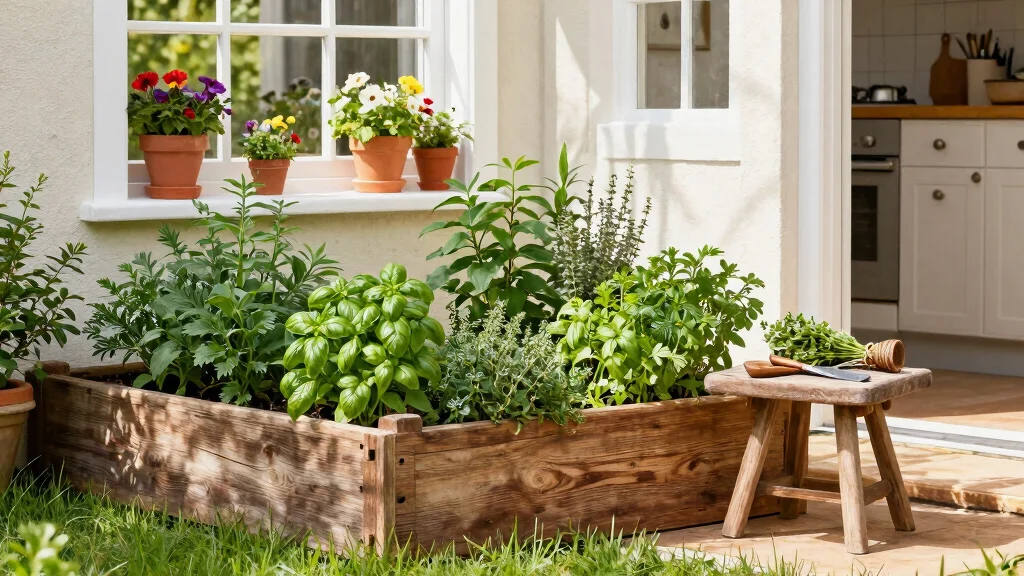
Tiny space? Your kitchen window can become a practical hub for raised bed herb garden ideas, letting you grow basil, mint, and chives year-round. With sunny spots and cute pots, you’ll harvest fresh flavors at hand for everyday cooking.
10. Herb Garden with Decorative Gravel
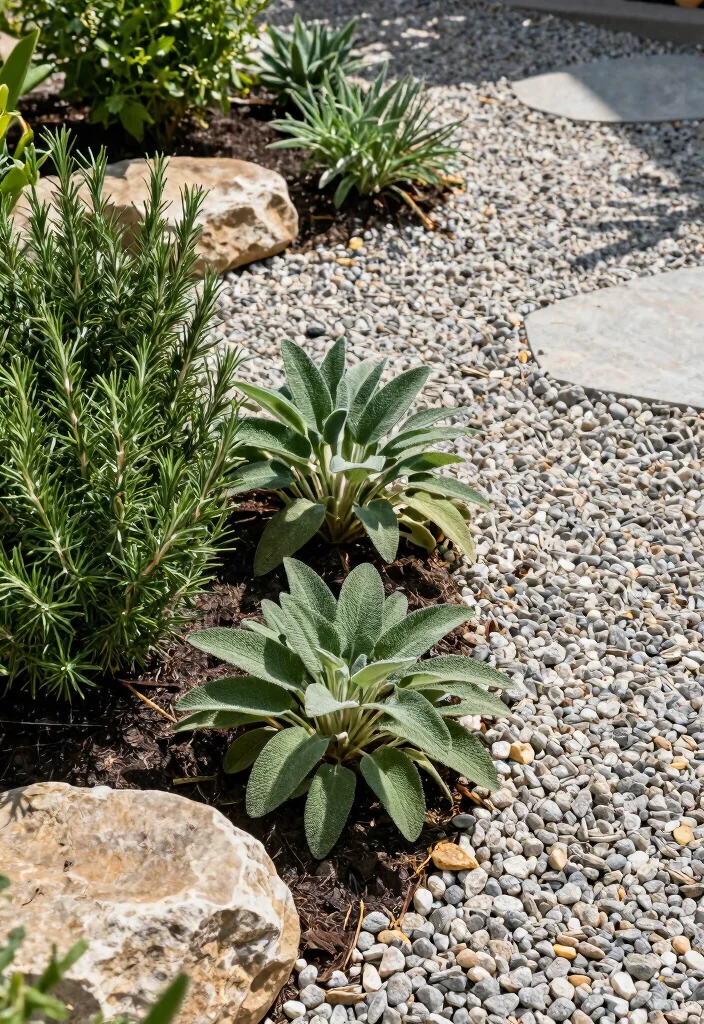
Want to achieve a modern look for your herb garden? Adding decorative gravel can give your space a clean, stylish appearance while improving drainage. This low-maintenance option works wonders for herbs like rosemary and sage, allowing them to thrive in a well-drained environment.
Combining decorative gravel with your herbs creates a beautiful and practical garden that’s easy to manage and keeps weeds at bay.
Decorative Gravel Tips:
– Choose gravel colors that complement your home and garden.
– Lay down landscaping fabric to prevent weed growth.
– Consider adding stones for extra texture.
Your herb garden can achieve a contemporary aesthetic while remaining functional and easy to care for.
11. Herb Garden with Fairy Lights
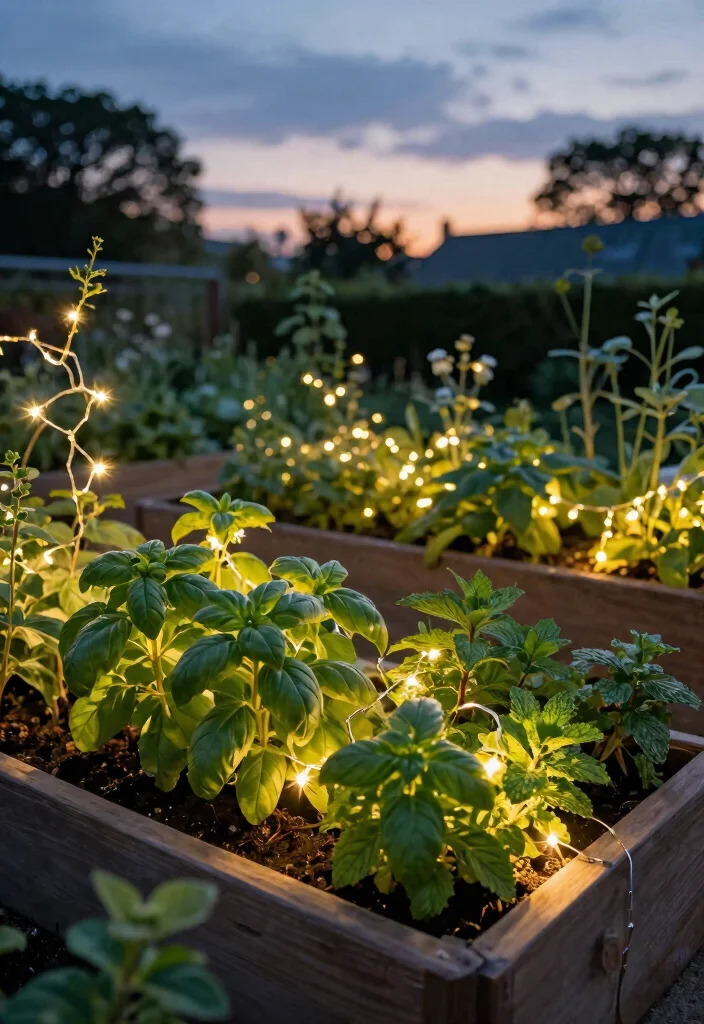
Want to add a magical touch to your herb garden? Incorporating fairy lights can transform your space into an enchanting retreat. When the sun sets, the soft glow of lights creates a cozy atmosphere, perfect for summer evenings spent cooking and relaxing.
Hang lights along your raised beds or drape them around pots to enhance the charm of your garden. This gentle illumination allows you to enjoy your herbs even after dark.
Lighting Tips:
– Opt for solar-powered fairy lights for an eco-friendly option.
– Choose warm-colored lights for a soft ambiance.
– Create patterns with the lights for added charm.
Your herb garden adorned with fairy lights becomes a personal sanctuary, inspiring culinary creativity in a whimsical setting.
12. Herb Garden with Bench Seating
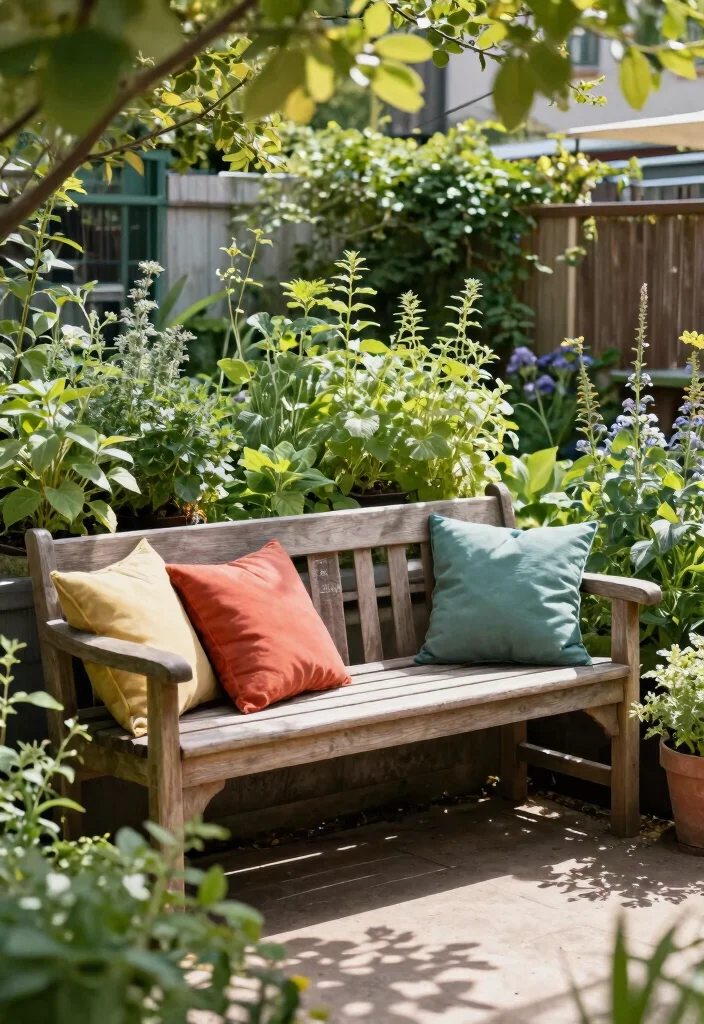
Want a relaxing spot in your herb garden? Adding a bench creates a perfect retreat to enjoy the fruits of your labor. Position the bench near your herb beds for easy access while savoring the fresh air and aromatic scents.
A wooden or wrought iron bench enhances the garden’s charm, offering a cozy spot to sip tea or plan your next culinary masterpiece.
Seating Tips:
– Choose weather-resistant materials for durability.
– Consider adding cushions for comfort.
– Use this space for gatherings with friends or family.
A bench in your herb garden invites you to appreciate the beauty of nature while enjoying some well-deserved downtime.
13. Herb Garden with Pathways
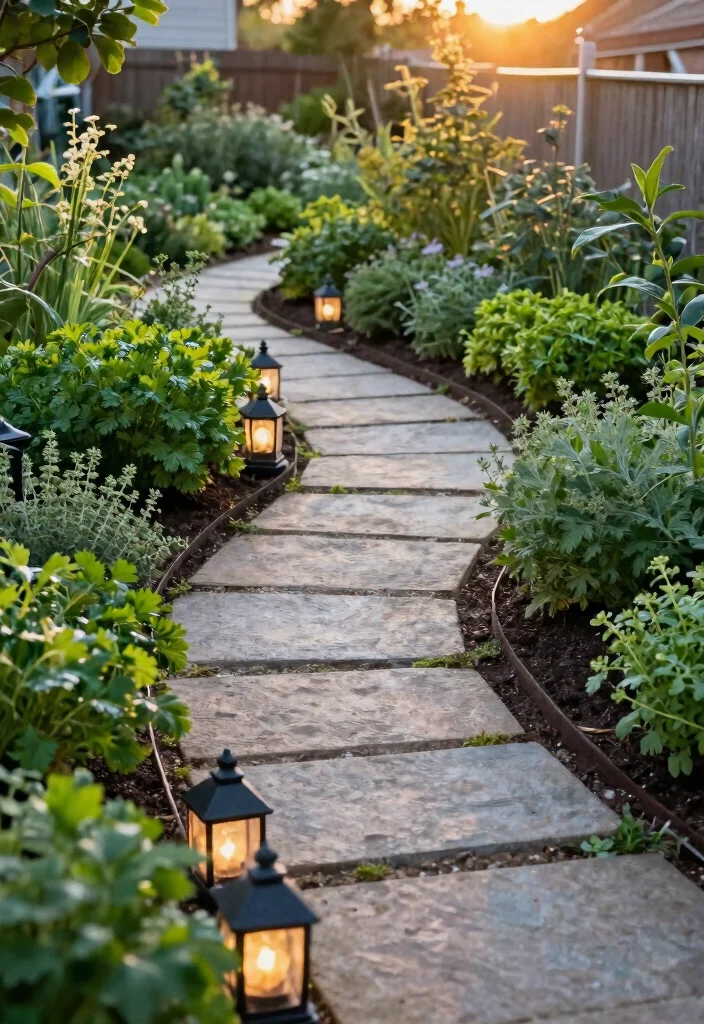
Want to improve accessibility and design in your herb garden? Incorporating pathways can enhance your gardening experience. Whether you choose stepping stones, gravel, or wood chips, pathways help navigate your garden while preserving the integrity of your plant beds.
Design pathways that lead to different herb sections, creating a sense of exploration in your garden. This layout not only adds functionality but also highlights the beauty of your herbs.
Pathway Tips:
– Ensure pathways are wide enough for easy walking.
– Use materials that complement your garden’s style.
– Add decorative elements like lanterns for extra charm.
Thoughtfully designed pathways make your herb garden feel organized and inviting, turning every visit into a delightful experience.
14. Herb Garden with a Water Feature
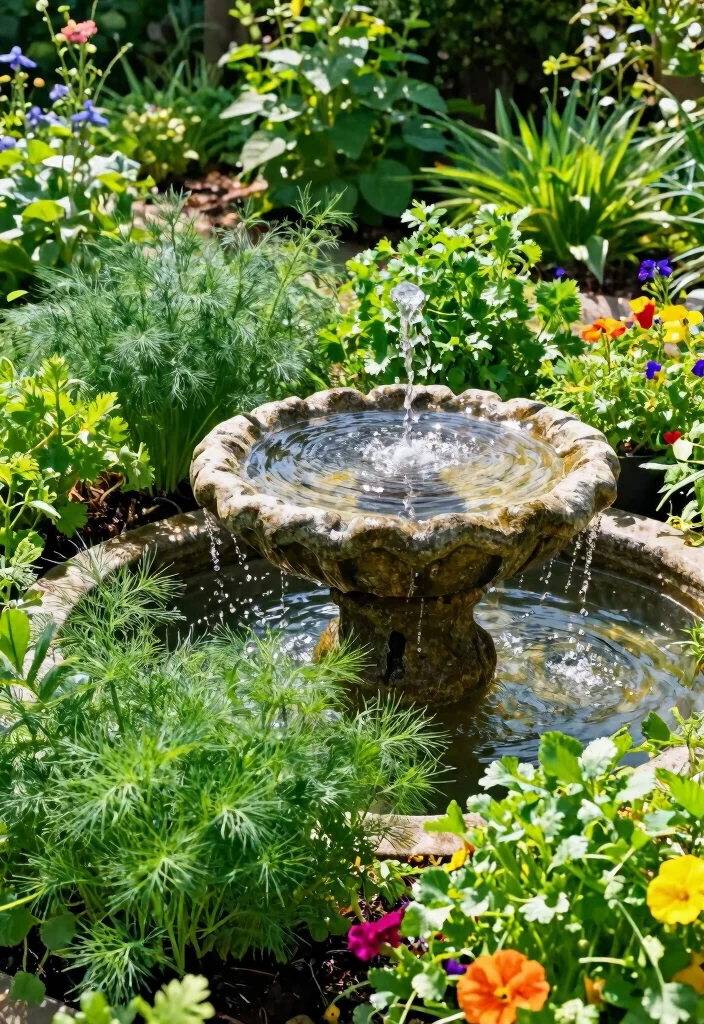
Looking to elevate your herb garden’s atmosphere? Adding a small water feature can create a tranquil space, perfect for relaxation and inspiration. The gentle sound of water enhances the serenity of your garden, turning it into a peaceful retreat.
Consider a small fountain or birdbath that complements your herb garden design. This feature can attract beneficial wildlife and support the health of your plants.
Water Feature Tips:
– Choose a style that harmonizes with your garden.
– Ensure it’s easy to maintain and clean.
– Surround it with stones and plants for integration.
A water feature can become the heart of your herb garden, providing a serene environment that enhances your growing experience.
15. Herb Garden with Artistic Decor
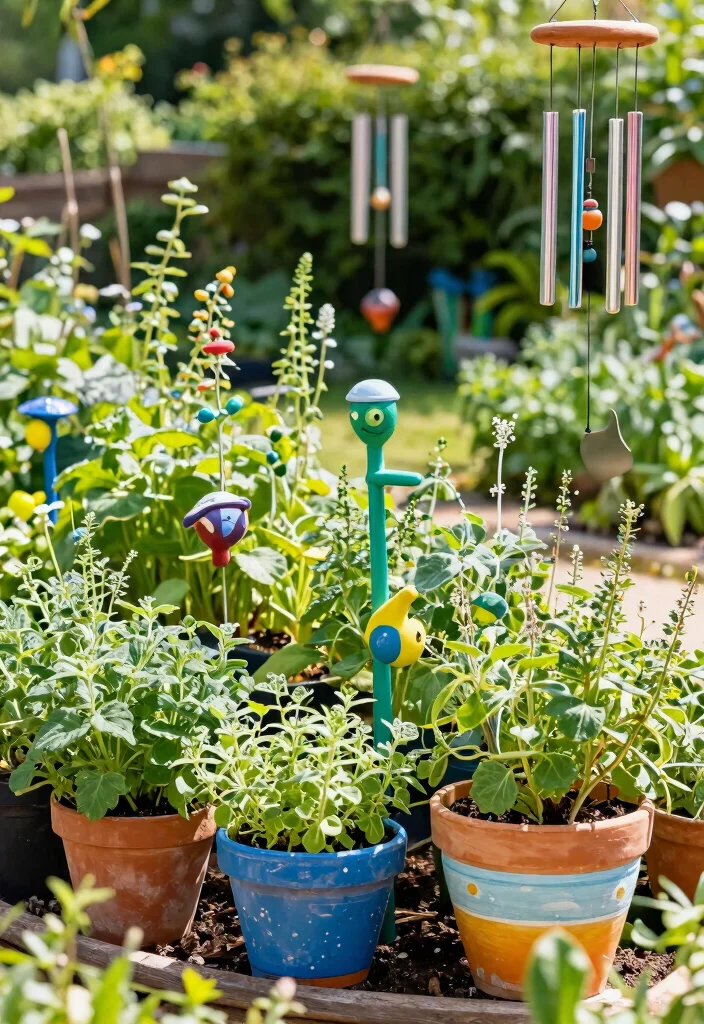
Want to express your personality in your herb garden? Incorporating artistic elements can make your space truly unique. From colorful garden stakes to handmade wind chimes, decorative pieces create focal points that inspire joy as you tend to your herbs.
Customize your garden with sculptures or hand-painted pots that reflect your style, adding a personal touch. Consider including small signs with your herbs’ names to educate and enhance the garden’s charm.
Decor Elements Tips:
– Choose decor that brings you joy and complements your herbs.
– Update decorations regularly to keep the garden feeling fresh.
– Use homemade crafts for a personal touch.
Artistic decor breathes life into your herb garden, transforming it into a vibrant sanctuary where creativity flourishes alongside your plants.
Conclusion
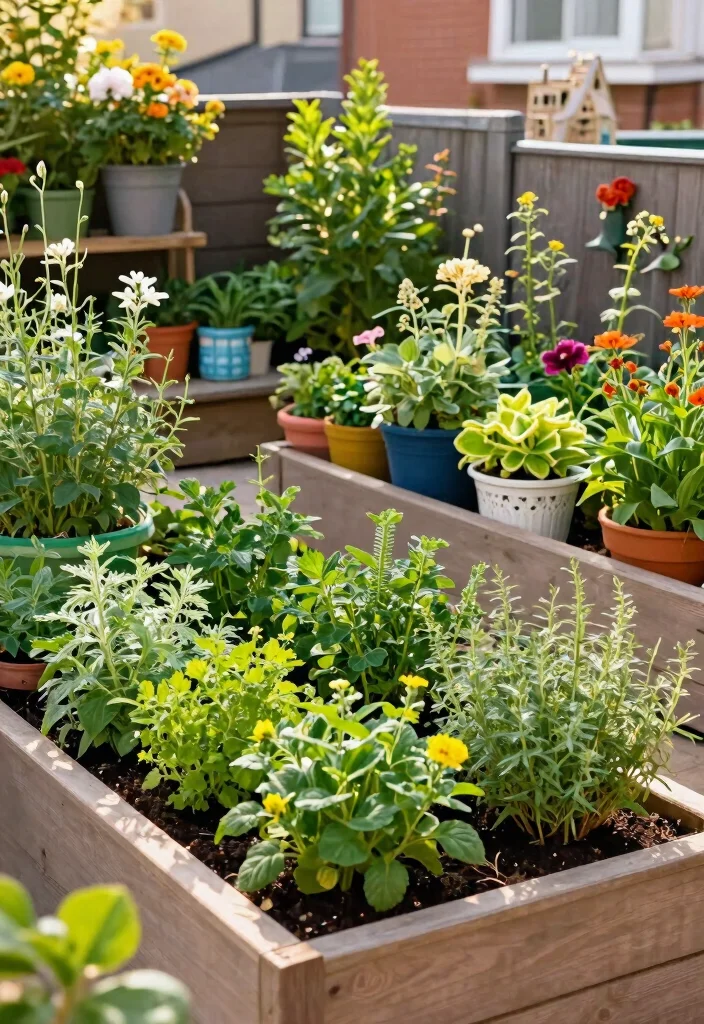
Designing a fragrant raised bed herb garden near your kitchen can be a rewarding project that enhances your culinary adventures.
With these creative ideas, you can maximize your space while enjoying a beautiful array of herbs at your fingertips. Whether you opt for vertical gardens, colorful containers, or artistic decor, each idea offers a unique way to elevate your cooking experience and beautify your urban space.
Embrace your gardening journey, experiment with different designs, and let your creativity flourish in your home herb garden.
Note: We aim to provide accurate product links, but some may occasionally expire or become unavailable. If this happens, please search directly on Amazon for the product or a suitable alternative.
This post contains Amazon affiliate links, meaning we may earn a small commission if you purchase through our links, at no extra cost to you.
Frequently Asked Questions
What are the best fragrant herbs to grow in a raised bed near your kitchen?
For a kitchen-friendly setup, start with these fragrant herbs: basil, thyme, rosemary, mint (in containment), lemon balm, oregano, chives, dill, and tarragon. In a raised bed near the door you’ll grab fresh leaves fast for cooking and aroma. Ensure full sun (6–8 hours), well-draining soil, and regular harvesting to keep plants productive. To keep mint from overtaking, plant it in a bottomless container embedded in the bed or in a dedicated corner. This aligns with raised bed herb garden ideas and kitchen herb garden concepts.
Harvest tips: snip leaves just above a leaf node, and prune after flowering to encourage new growth. For fragrance, rub a leaf between your fingers to release essential oils before cooking.
How do I design a compact raised bed herb garden for a small urban space?
Designing a compact raised bed for a small urban space starts with a simple plan. Start with a bed around 2×4 ft (or 3×3 ft) and a height of 12–18 inches for easy access. Group herbs by sun needs: put sun-loving varieties like basil, thyme, and rosemary on the sunniest side, and place partial-sun herbs like parsley or dill in shadier corners. Add vertical elements or hanging baskets to maximize space, and run a simple drip line or soaker hose for efficient watering. Use a simple, intuitive layout so you can harvest without stepping on the bed. This approach reflects herb garden design and urban herb garden ideas for small spaces.
What are the essential raised bed gardening tips to keep a kitchen herb garden thriving?
Start with a rich, well-draining soil mix in your raised bed—about 60% topsoil and 40% compost works well. Ensure adequate drainage to prevent waterlogging, and water in the morning to reduce diseases. Prioritize full sun (6–8 hours) for most fragrant herbs, and mulch to conserve moisture. Practice regular pruning and harvesting to encourage bushier growth, and use succession planting so you always have a fresh supply. Keep pests in check with good air circulation and organic controls when needed. These are solid raised bed gardening tips for a productive kitchen herb garden.
Which herbs are ideal for cooking and fragrance in a year-round kitchen herb garden?
For year-round fragrance and flavor, starter picks include rosemary, thyme, oregano, sage, and chives. In warmer climates, you can keep many of these outdoors year-round; in cooler climates, move potted herbs indoors or to a sunny porch during winter. Grow fragrant herbs for cooking together near your kitchen door for quick snips before cooking, and consider a small evergreen bed or container cluster so you always have a lively kitchen herb garden to rely on.
What are the best ways to maximize space for an urban herb garden on a balcony or small patio?
Maximize space with vertical and modular options: wall-mounted planters, railing boxes, tiered plant stands, and rolling or compact raised beds. Choose a core set of versatile herbs (e.g., basil, thyme, oregano, rosemary) so you can rotate or move pots as light shifts. Use sun exposure to your advantage—place the sunniest herbs in the brightest spots and stack herbs in vertical formats to free ground space. Keep watering simple with a compact irrigation solution and label everything for easy care. This approach fits well with urban herb garden ideas and raised bed gardening tips.