Creating a serene pond garden is more than just a landscaping project; it’s an opportunity to connect with nature and transform your outdoor space into a tranquil retreat. If you’ve ever daydreamed about the sound of gentle water flowing or the sight of vibrant aquatic plants, you’re not alone. Many budding gardeners seek to create their own slice of paradise, but knowing where to start can be overwhelming. That’s why I’ve crafted this guide filled with the 17 best pond garden ideas and landscaping tips specially tailored for beginners like you.
If you’re someone who loves the idea of designing a pond garden but feels unsure about plant selection or layout, this post is just for you. You’ll discover practical insights that make creating your water garden a fun and rewarding experience. From selecting the right pond plants to adding features that attract wildlife, you’ll find ideas that are both creative and achievable. Whether you’re working with a small backyard or a spacious landscape, these tips will help you bring your vision to life.
In this guide, you’ll gain access to a treasure trove of pond design ideas and expert advice on water garden landscaping. I’ve pulled together a variety of tips that are practical, inspiring, and tailored for the novice gardener. By the end, you’ll feel empowered with the knowledge to start your pond garden journey confidently. Let’s dive in!
Key Takeaways
– Understand the importance of a natural look in your pond garden to create a harmonious environment that blends with your surroundings.
– Discover how water lilies not only add color and texture but also provide shelter for fish and other wildlife.
– Learn the benefits of creating a mini waterfall, which adds both visual interest and soothing sounds to your garden.
– Explore different aquatic plants that can enhance your pond’s depth and biodiversity while thriving in your local climate.
– Get practical tips on maintaining your pond and incorporating seasonal decor to keep your outdoor space inviting year-round.
1. Embrace a Natural Look
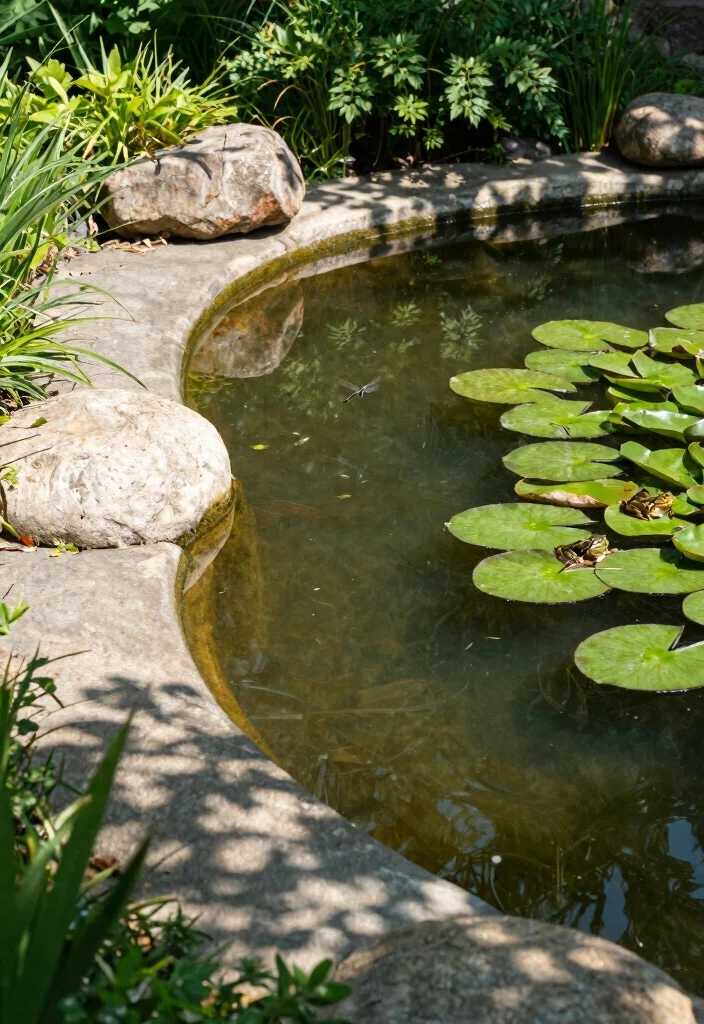
Creating a pond garden that reflects nature’s beauty can transform your outdoor space. Imagine a serene woodland pond, where gentle curves replace harsh lines, and native plants thrive. By using natural stones and organic shapes, you can craft an inviting atmosphere. Adding driftwood and rocks enhances this aesthetic and creates a peaceful retreat in your garden.
Start by selecting native plants that harmonize with your local environment. Focus on designing your pond with soft, flowing curves instead of straight edges. Encourage local wildlife like frogs and dragonflies to make your pond their home, enriching the natural experience.
Key tips for a natural pond garden:
– Choose native plants that thrive in your area.
– Design with gentle curves for a more organic look.
– Attract wildlife to enhance the ecosystem.
This approach not only beautifies your space but also creates a calming oasis, perfect for relaxation.
2. Water Lilies for Color and Texture
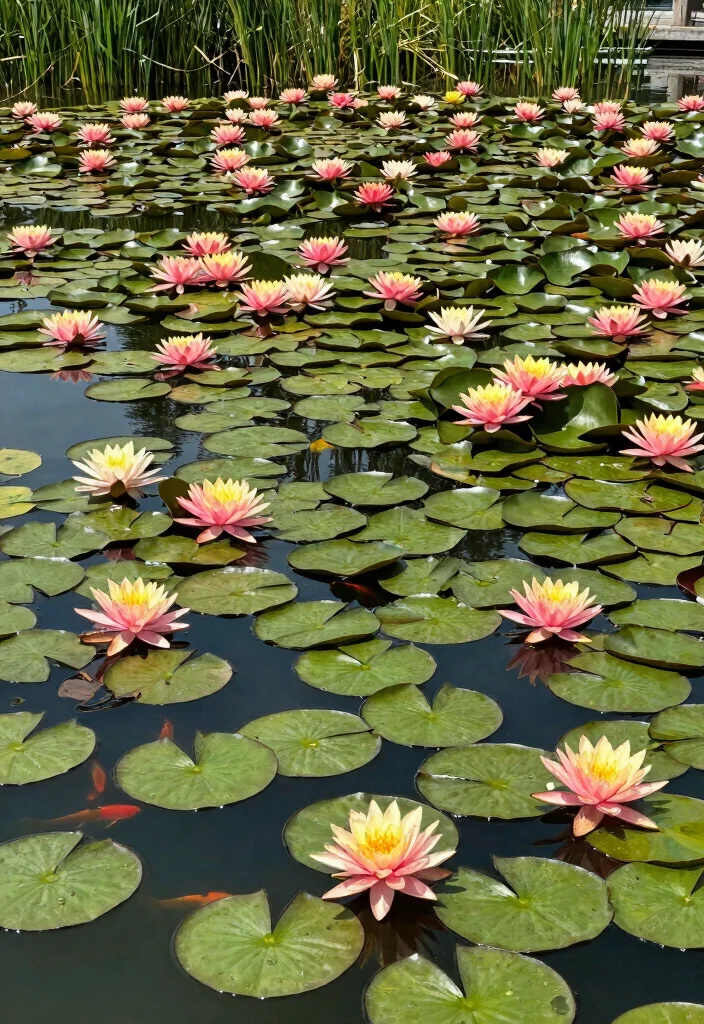
Water lilies add a splash of color and enchanting texture to your pond garden. These stunning plants not only enhance aesthetics but also provide shade for fish, keeping the water cool in the summer heat. Imagine vibrant blooms floating gracefully atop the surface, creating a picturesque scene.
Consider choosing a variety of colors, such as soft pinks and radiant yellows, for a lively display. Plant water lilies in shallow areas where they can soak up sunlight while remaining protected from strong currents. Their broad leaves also offer shelter for aquatic life.
Benefits of incorporating water lilies:
– Enjoy a variety of colors for visual appeal.
– Create stunning patterns with floating leaves on the water.
– Plant in shallow areas for optimal growth.
By adding water lilies, you’re not just beautifying your pond; you’re creating a vibrant focal point that draws the eye and invites admiration.
3. Create a Mini Waterfall
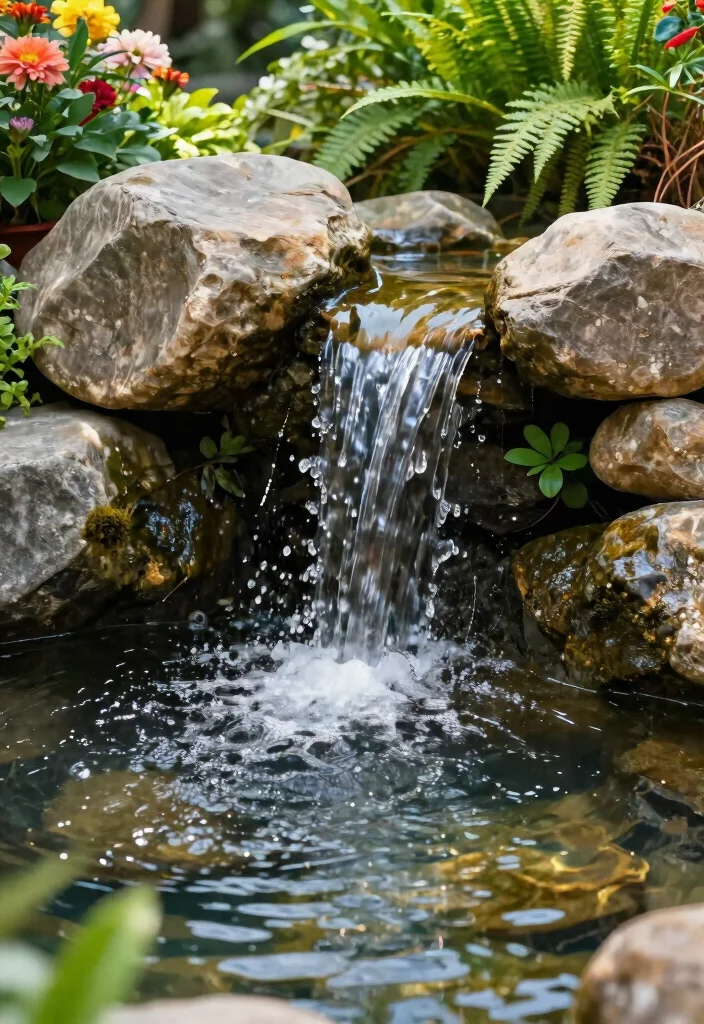
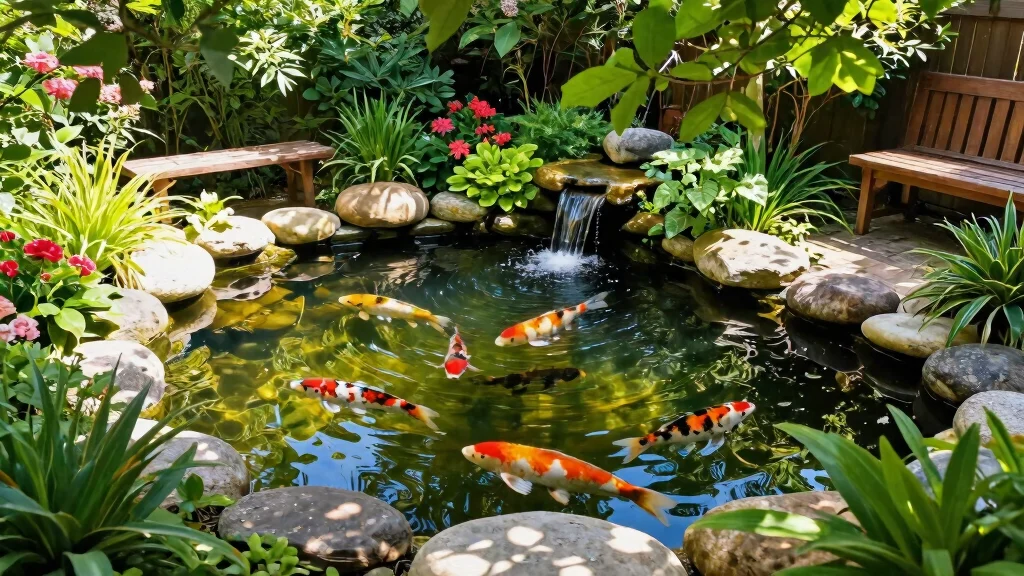
Introducing a mini waterfall to your pond brings movement and sound that invigorates your garden. The soothing sound of trickling water creates a serene atmosphere, enhancing the overall experience of your outdoor space. Visualize a gentle cascade that adds elegance and tranquility to your pond.
When designing your waterfall, consider its height and use natural materials like rocks and gravel to ensure it blends seamlessly with the surroundings. A reliable pump will keep the water circulating, maintaining a clean and inviting pond environment.
Steps to create a mini waterfall:
– Choose the right height for sound and aesthetics.
– Use natural materials for a seamless look.
– Invest in a reliable pump for circulation.
A mini waterfall not only beautifies your pond but also supports local wildlife, creating a harmonious ecosystem in your garden.
4. Add Aquatic Plants for Depth
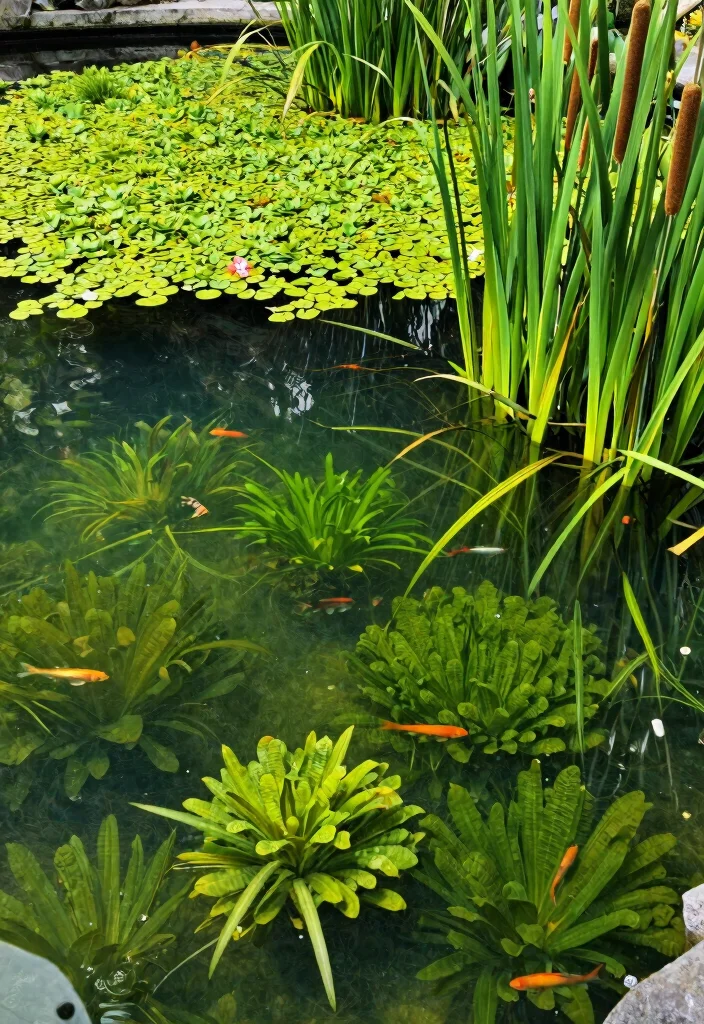
Incorporating a variety of aquatic plants is essential for a balanced pond garden. These plants enhance visual appeal while also improving water quality by providing oxygen and creating habitats for wildlife. Picture a lush and inviting environment where life thrives beneath the surface.
Consider adding submerged plants like hornwort to oxygenate the water, while marginal plants like cattails offer vertical interest at the edges. Floating plants like duckweed provide shade, keeping the water cool and comfortable for fish.
Types of aquatic plants to include:
– Add submerged plants for oxygen and cover.
– Use marginal plants for edge beauty and habitat.
– Incorporate floating plants for shade and comfort.
Diversifying your plant selection creates a vibrant ecosystem, ensuring your pond garden is both stunning and supportive of local wildlife.
5. Incorporate Decorative Features
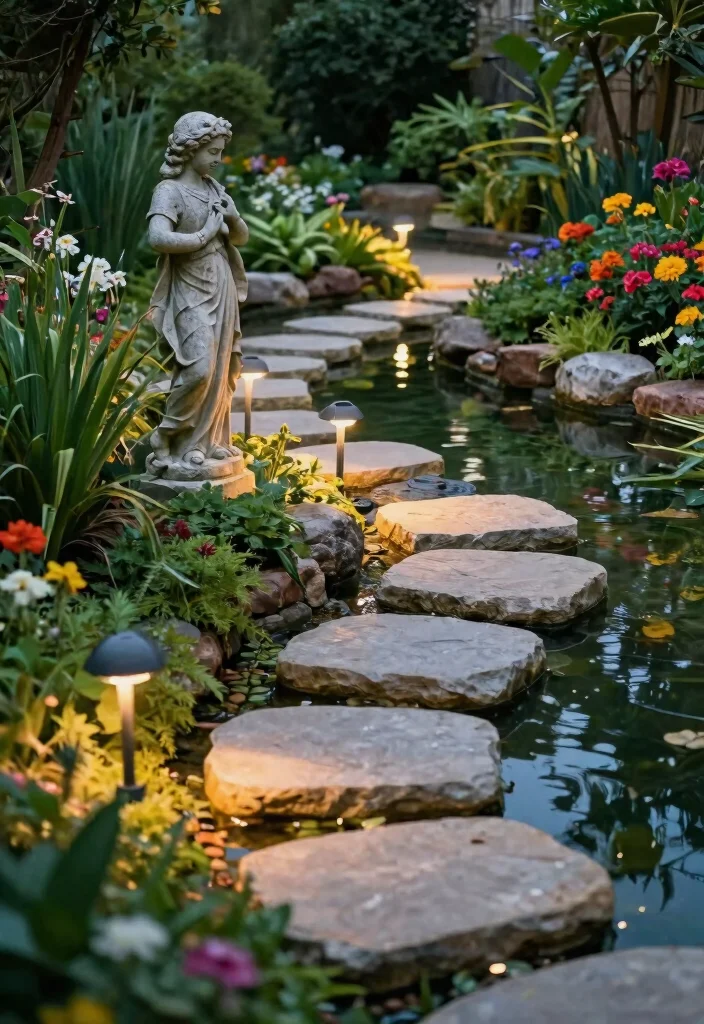
Enhancing your pond garden with decorative features can reflect your unique style and transform the space into a stunning focal point. Imagine whimsical statues or elegant lighting that adds charm and invites exploration. The right accents can make your pond area truly special.
Consider adding whimsical garden statues that spark conversation, or create a natural pathway with flat stepping stones for easy access around your pond. Incorporating solar lights or floating candles can create a magical ambiance during the evenings.
Ideas for decorative features:
– Choose garden statues to add personality.
– Install stepping stones for natural pathways.
– Use lighting to create evening ambiance.
Decorative elements not only enhance your pond’s beauty but also create a delightful atmosphere, making it a perfect spot for relaxing and entertaining.
6. Use Boulders for a Natural Barrier
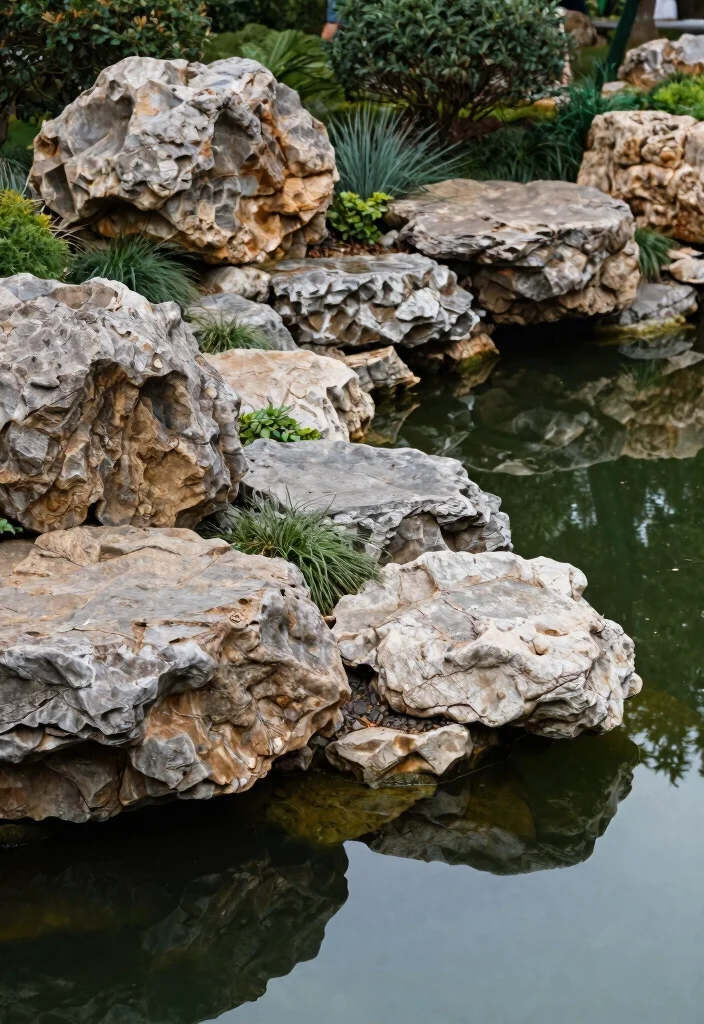
Incorporating large boulders into your pond garden serves as both a natural barrier and a visual enhancement. These rugged elements add texture and help define the pond’s boundaries, creating a cohesive look. Imagine a landscape where nature’s beauty is complemented by the strength of stone.
Strategically placing boulders can guide the eye toward your pond, adding visual interest and flow. They also provide shelter for small wildlife, enriching the ecosystem of your garden. Surrounding boulders with smaller plants softens their appearance and integrates them into the landscape.
Benefits of adding boulders:
– Arrange for natural flow and visual interest.
– Provide wildlife shelter for local creatures.
– Integrate smaller plants for a softer look.
Boulders not only shape your pond’s design but also enhance the rugged beauty of your garden, creating a tranquil and inviting environment.
7. Create Zones for Different Plants
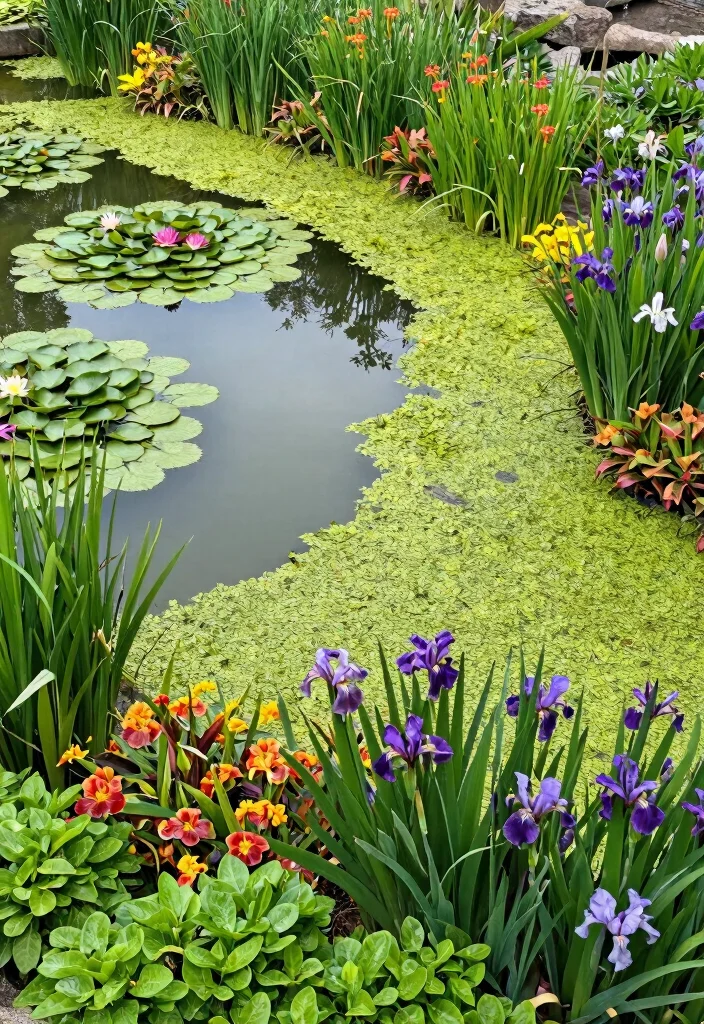
Designing your pond with distinct zones for various aquatic plants enhances both aesthetics and functionality. This strategic approach caters to the unique needs of each plant type while creating a visually appealing landscape. Picture a dynamic pond where each area thrives in its ideal environment.
Reserve the deepest part of the pond for submerged plants like water lilies, while the shallow edges can host marginal plants that attract pollinators. Floating plants can occupy designated areas, offering shade and comfort for fish.
How to create plant zones:
– Designate a deep water zone for submerged plants.
– Use a shallow edge zone for marginal plants.
– Allocate a floating zone for shade and comfort.
By zoning your pond garden, you not only promote plant health but also create a vibrant and engaging visual landscape.
Fun fact: For pond garden ideas landscaping, a well-zoned pond supports four plant layers—submerged, marginal, floating, and emergent—and can cut maintenance time by half. Reserve the deepest area for submerged plants like water lilies, and keep shallow edges for marginal and floating favorites.
8. Plant for All Seasons
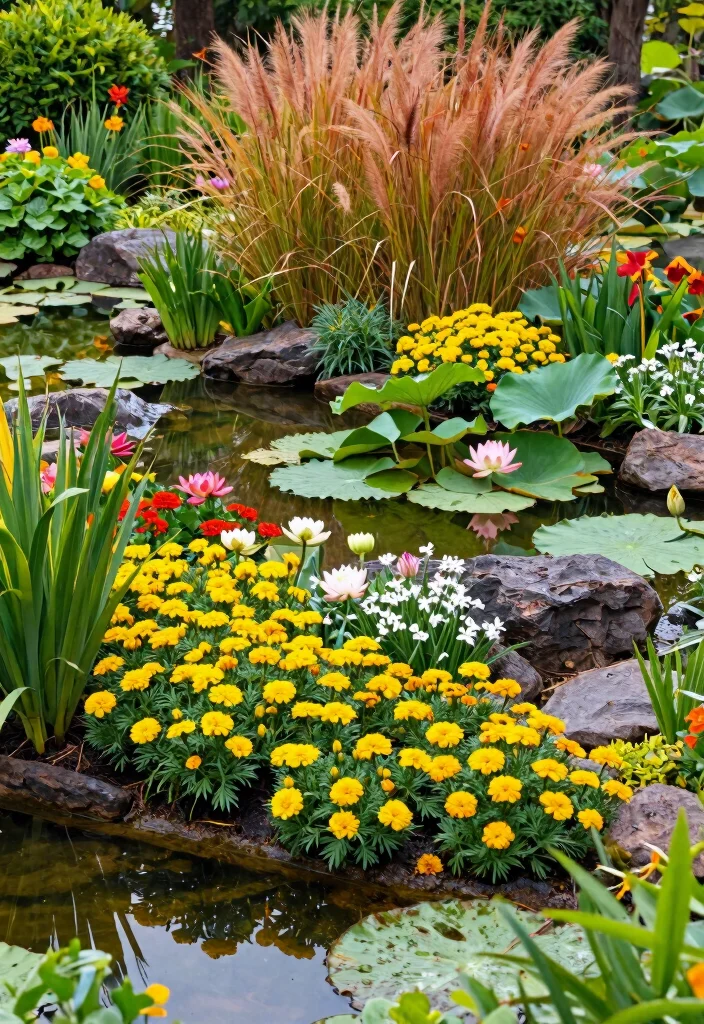
Selecting plants that bloom in different seasons ensures your pond garden remains visually captivating throughout the year. Imagine a landscape that evolves with the seasons, offering fresh beauty and interest no matter the time. This thoughtful selection keeps your outdoor space lively and engaging.
Choose spring bloomers like marsh marigold for an early burst of color, while summer favorites such as lotus will keep your pond vibrant during hot months. Fall plants can showcase stunning autumn hues, creating a picturesque scene as the seasons change.
Seasonal planting tips:
– Include spring bloomers for early beauty.
– Add summer favorites for vibrant color.
– Incorporate fall plants for stunning hues.
With a diverse selection of seasonal plants, your pond garden will consistently deliver beauty and joy, making it a cherished part of your landscape.
Top Varieties for Different Conditions
When setting up your pond garden, choosing the right plants is crucial. Here are some recommended varieties tailored for different conditions to help you create the perfect aquatic environment.
1. Water Lilies (Nymphaea spp.)
– Best conditions: Full sun; thrives in warm climates.
– Key features: Water lilies bloom beautifully with large, vibrant flowers. They provide shade for fish and help keep algae at bay.
– Considerations: These plants require a minimum depth of about 12 inches to thrive. They can spread quickly, so regular maintenance is essential.
2. Pickerel Rush (Pontederia cordata)
– Best conditions: Part sun to full sun; prefers shallow water.
– Key features: This native plant attracts pollinators and blooms with stunning purple flowers. It’s perfect for creating visual interest around the pond’s edges.
– Considerations: Make sure the water level doesn’t exceed two feet, as it prefers to stay partially submerged.
3. Water Hyacinth (Eichhornia crassipes)
– Best conditions: Full sun; ideal for warm climates.
– Key features: Water hyacinths are floating plants with lovely lavender flowers. They help shade the water, preventing algae growth while providing cover for fish.
– Considerations: They can multiply rapidly, so monitor their growth to avoid overcrowding.
4. Cattails (Typha spp.)
– Best conditions: Full sun; grows well in wet areas.
– Key features: Cattails are excellent for wildlife, providing habitat for birds and insects. Their tall stalks create a natural barrier around the pond.
– Considerations: They can spread aggressively, so planting them in a specific area with some barriers is wise.
5. Lotus (Nelumbo spp.)
– Best conditions: Full sun; prefers warm, shallow waters.
– Key features: Lotus plants produce stunning large flowers and have beautiful foliage. They’re perfect for adding a dramatic focal point to your pond.
– Considerations: They need a minimum depth of 18 inches and plenty of space, as their roots can spread wide.
6. Marsh Marigold (Caltha palustris)
– Best conditions: Part shade; moist soil is vital.
– Key features: With bright yellow flowers, this perennial adds color to early spring. It’s great for areas that stay consistently wet.
– Considerations: It may not survive in warmer climates, and it prefers cooler temperatures.
7. Blue Flag Iris (Iris versicolor)
– Best conditions: Full sun to part shade; prefers moist soil or shallow water.
– Key features: This iris variety showcases beautiful blue flowers and resembles a classic garden iris. It attracts butterflies and other pollinators.
– Considerations: Ensure it has enough water during dry spells, as it prefers consistently moist conditions.
Climate/Condition Guide:
When considering your pond garden, it’s essential to assess your local climate. In temperate regions, water lilies and lotus thrive due to sufficient warmth. For humid areas, marsh marigold and pickerel rush can flourish with consistent moisture. In coastal regions, consider salt-tolerant plants like blue flag iris, which can handle varying water levels. Hot and dry climates may need you to focus on drought-resistant varieties or regularly monitor water levels in your pond.
Growing Tips:
1. Ensure your pond plants have the right depth; most aquatic plants need at least 12 inches of water.
2. Regularly check for pests and algae, as they can hinder the growth of your plants.
Avoid:
1. Do not overcrowd your pond with too many varieties; it can lead to competition for nutrients and space.
2. Avoid planting non-native species that may disrupt the local ecosystem.
By selecting the right plants based on your specific conditions, you’ll create an inviting and beautiful pond garden that thrives all year round! 🌼💧
9. Use a Pond Liner for Easy Maintenance
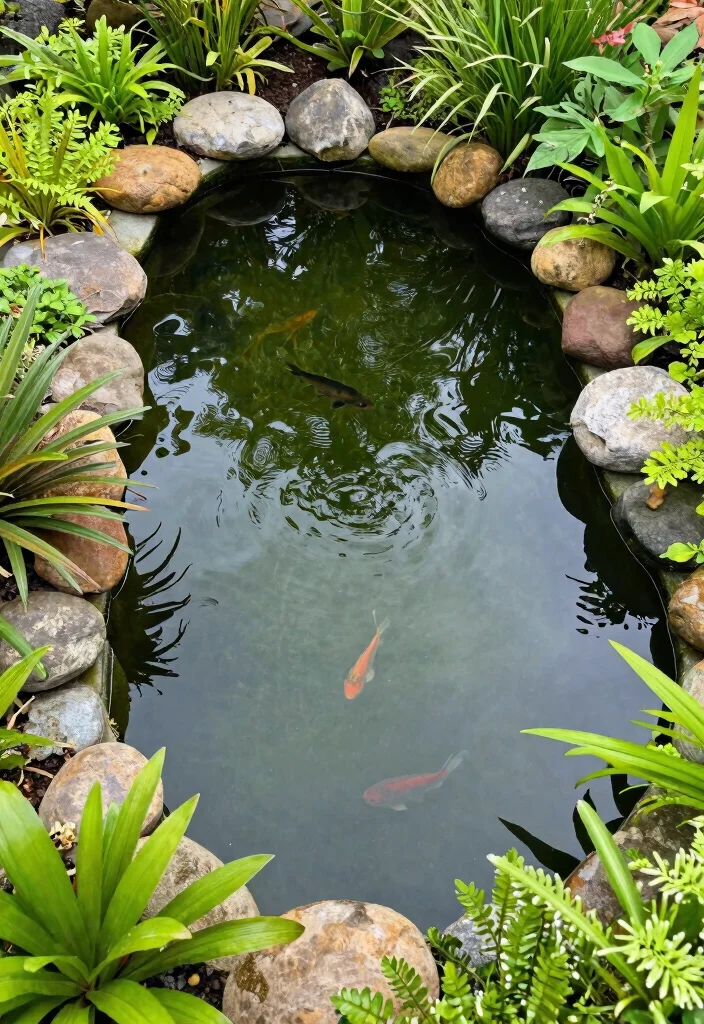
Utilizing a pond liner can greatly simplify maintenance and enhance the longevity of your pond. These liners retain water and prevent leaks, making them an essential aspect of pond design. Picture a hassle-free pond experience where you can enjoy your garden without constant worry.
Pond liners are durable and come in various shapes to accommodate your desired design. They also help reduce weed growth, making upkeep much easier. Investing in a quality pond liner ensures your oasis remains beautiful and functional for years to come.
Advantages of using a pond liner:
– Enjoy durability against environmental conditions.
– Benefit from easy installation for your design.
– Reduce weed growth for easier maintenance.
By selecting a high-quality pond liner, you’ll minimize potential issues and maximize your enjoyment of the pond garden.
10. Integrate a Water Feature with Sound
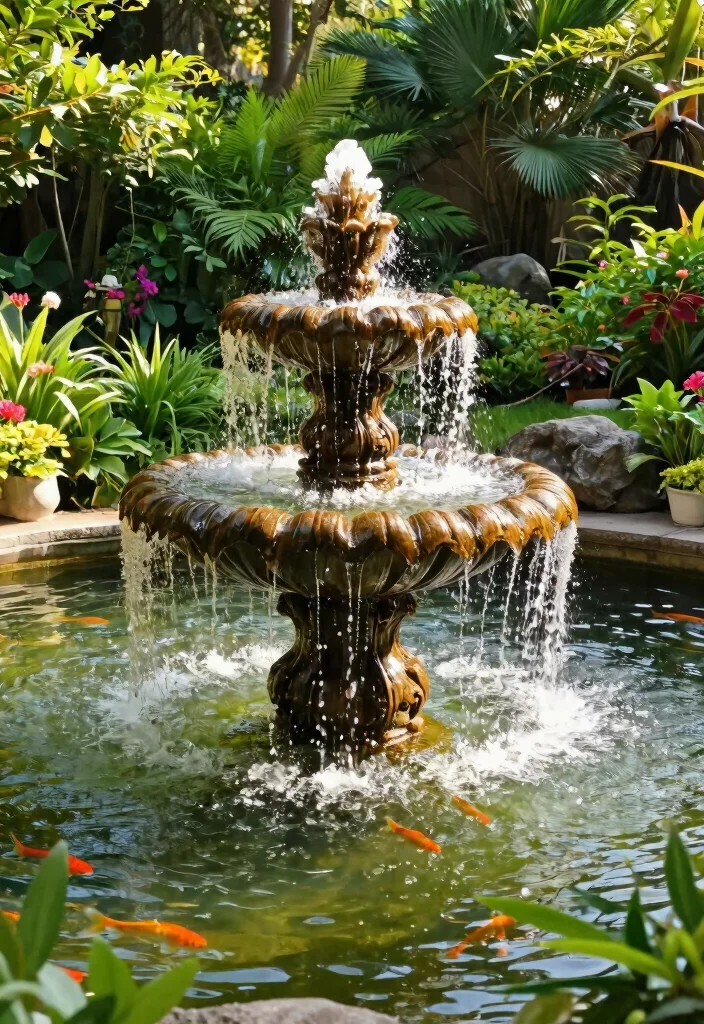
Incorporating a water feature like a fountain or bubbling rock can enhance the sensory experience of your pond garden. The soothing sound of flowing water creates a peaceful atmosphere while drawing attention to your pond’s beauty. Imagine the calming melodies that envelop your outdoor space.
Choose a fountain style that matches your garden aesthetic, whether it’s a classic tiered design or a sleek modern piece. Bubbling rocks fit organically into the landscape, while water chimes add an enchanting element to your garden.
Ideas for integrating sound:
– Select fountains that match your style.
– Use bubbling rocks for natural charm.
– Install water chimes for soothing melodies.
With these elements, your pond garden will not only be visually stunning but also offer a delightful auditory experience, perfect for relaxation.
Even a gentle fountain turns your outdoor space into a retreat—the relaxing sound anchors your pond garden ideas landscaping. Start with a simple bubbling rock or a classic tiered design, and let the water guide your attention and mood.
11. Attract Wildlife with Native Plants
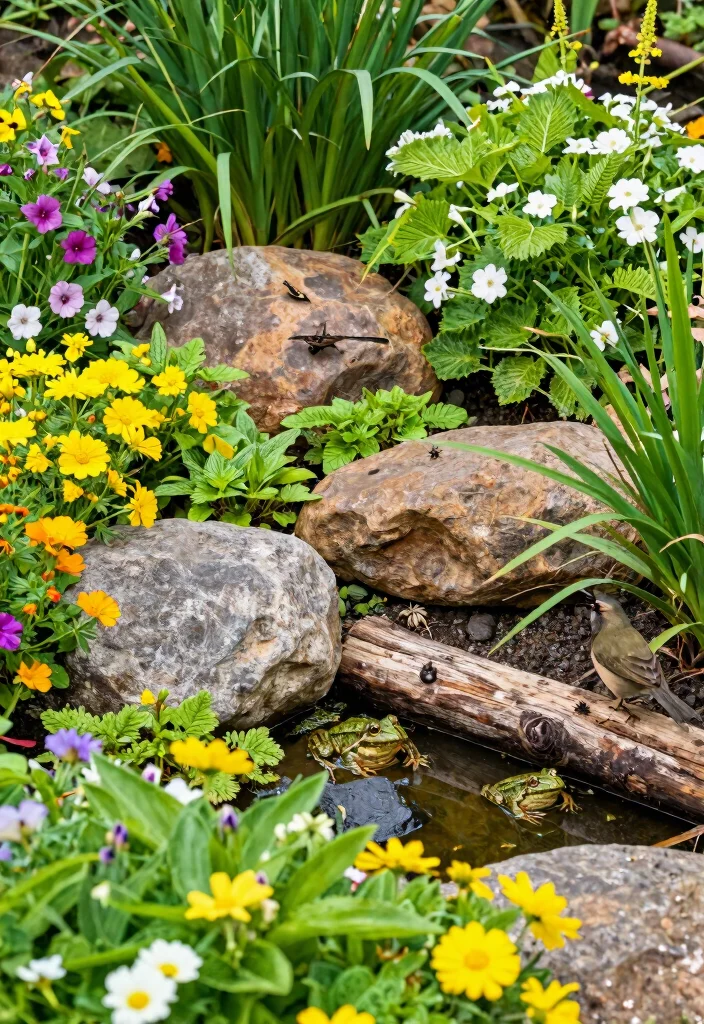
Designing a pond that attracts local wildlife brings vibrancy and diversity to your garden. Choosing native plants is crucial for fostering a healthy ecosystem. Picture a lively habitat bustling with pollinators, birds, and beneficial insects, all thriving in your outdoor oasis.
Selecting plants native to your region ensures that they will attract local wildlife. Providing shelter with rocks and dense vegetation offers safe spaces for small creatures. Incorporating natural materials like branches creates habitats for frogs and other amphibians.
Ways to encourage wildlife:
– Choose native species to attract local fauna.
– Provide shelter for small creatures.
– Use natural materials for habitat creation.
By nurturing a wildlife-friendly pond garden, you contribute to the local ecosystem while enjoying the enchanting sights and sounds of nature.
12. Experiment with Pond Shapes
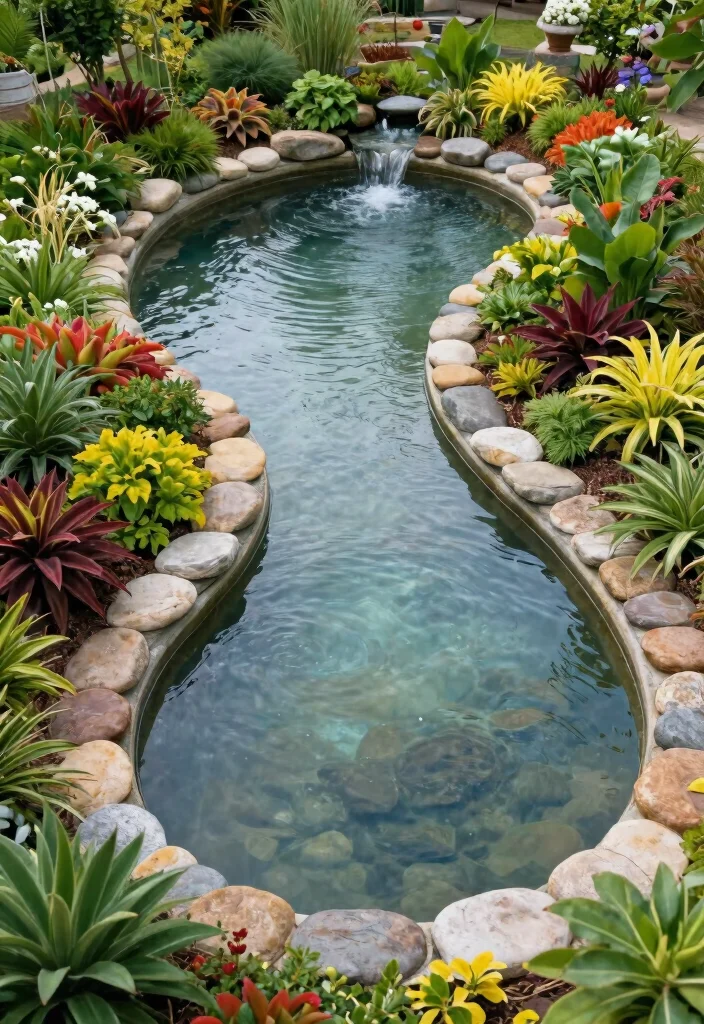
The shape of your pond significantly influences the overall design and feel of your garden. Rather than settling for a standard rectangle, consider experimenting with unique and creative designs. Visualize a pond that flows with the landscape, inviting exploration and admiration.
Curved designs mimic natural bodies of water, creating a calming atmosphere. Freeform shapes can provide an organic look, making your pond feel like a seamless part of the environment. Interconnected sections add visual interest and variety, enhancing the pond’s appeal.
Ways to experiment with pond shapes:
– Use curved designs for natural beauty.
– Create freeform shapes for an organic feel.
– Design multiple sections for added variety.
By trying different pond shapes, you can create a stunning focal point in your garden that’s both unique and inviting.
Ditch the rectangle—your pond garden ideas landscaping can come alive when the shape flows with the landscape. Curved and freeform designs mimic nature, creating calm, while interconnected sections guide movement and discovery through your small pond garden.
13. Incorporate Reflective Surfaces
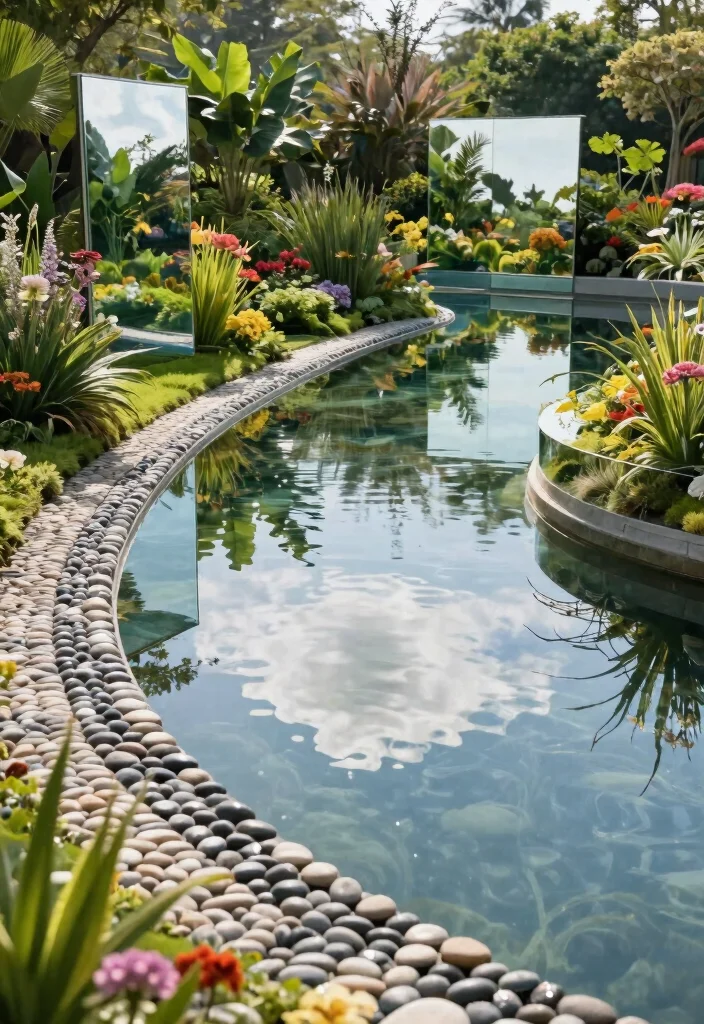
Adding reflective surfaces to your pond garden enhances its beauty and tranquility. Reflective elements create depth and a sense of calm, transforming your outdoor space into a serene retreat. Envision a pond surrounded by surfaces that shimmer and dance with light.
Consider installing mirrored panels near the pond to reflect the surroundings, making the area appear more expansive. Glass decorations or floating glass balls can create interesting reflections that captivate the eye. Smooth, reflective pebbles around the pond edge can also add brightness and charm.
Options for reflective surfaces:
– Use mirrored panels for expansive reflections.
– Incorporate glass features for captivating effects.
– Lay smooth pebbles for added brightness.
By integrating these reflective surfaces, you not only beautify your garden but also deepen the visual experience, making it a captivating sanctuary.
14. Create a Pathway to the Pond
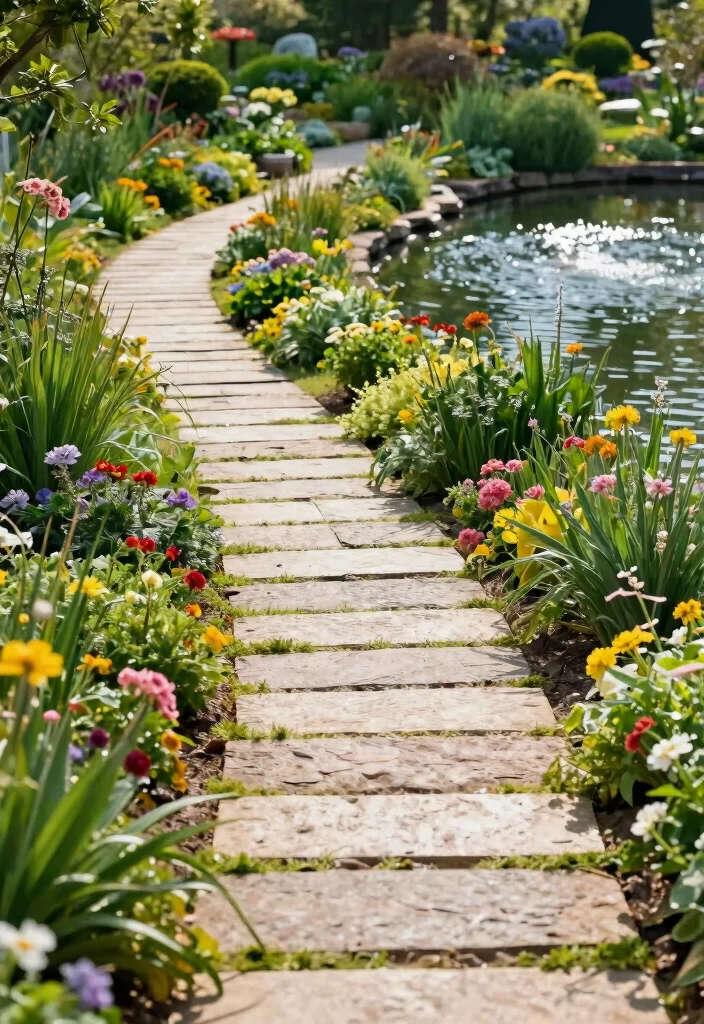
Designing a pathway leading to your pond garden enhances both accessibility and visual appeal. This route serves as a transition from your home to your outdoor oasis, inviting exploration and engagement. Picture a charming path that guides visitors to the tranquility of your pond.
Using natural materials like stones, gravel, or wood creates a rustic feel that blends seamlessly with the garden. Incorporating gentle curves maintains an organic look while directing visitors toward the pond. Lining the path with flowering plants adds beauty and encourages a leisurely stroll.
Ideas for creating a pathway:
– Use natural materials for a rustic feel.
– Design with curves for an organic look.
– Border with flowering plants for added charm.
A well-defined pathway not only invites exploration but also enhances the overall charm and accessibility of your pond garden.
15. Seasonal Decor for Pond Side
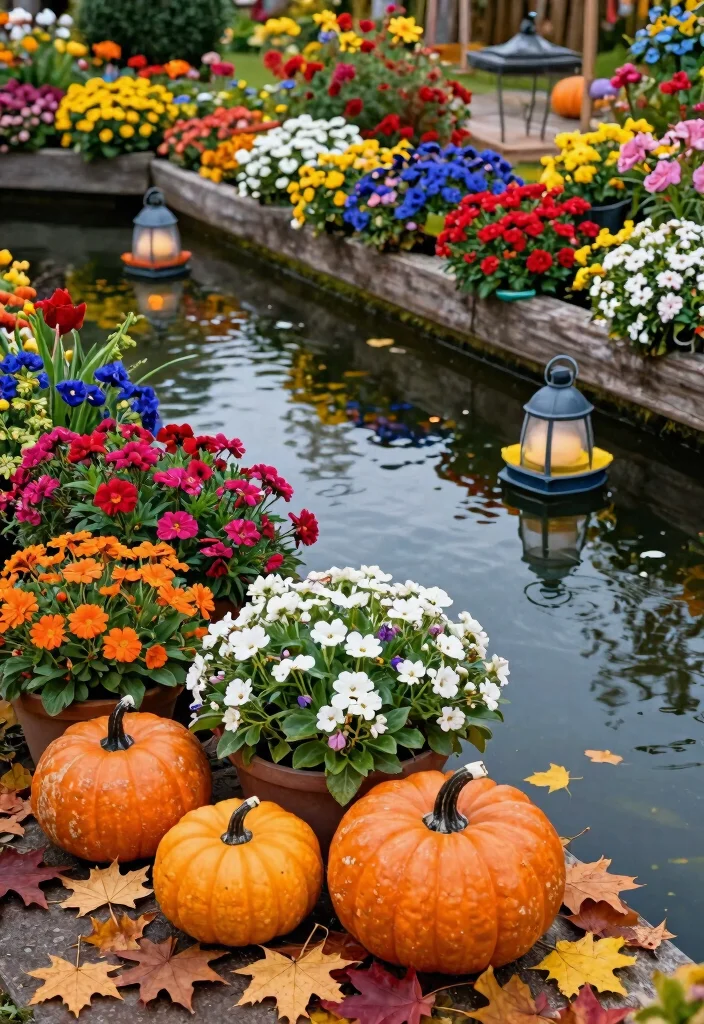
Enhancing your pond garden with seasonal decor adds a personal touch and keeps the area lively throughout the year. Imagine a vibrant space that celebrates each season with unique decorations, creating a dynamic atmosphere. This thoughtful approach invites visitors to enjoy the beauty of your garden in every season.
In spring, colorful planters with seasonal flowers can bloom around the pond, while summer brings festive floating decorations like lanterns. In the fall, ornamental pumpkins and autumn leaves can embrace the seasonal spirit, and winter may welcome a bird feeder to attract wildlife.
Seasonal decor ideas:
– Add colorful planters for spring beauty.
– Use floating decorations for summer festivity.
– Incorporate ornamental pumpkins for fall charm.
– Install a bird feeder for winter wildlife.
Seasonal decor keeps your pond garden fresh and delightful, ensuring it remains a cherished space throughout the year.
16. Install a Fish Habitat
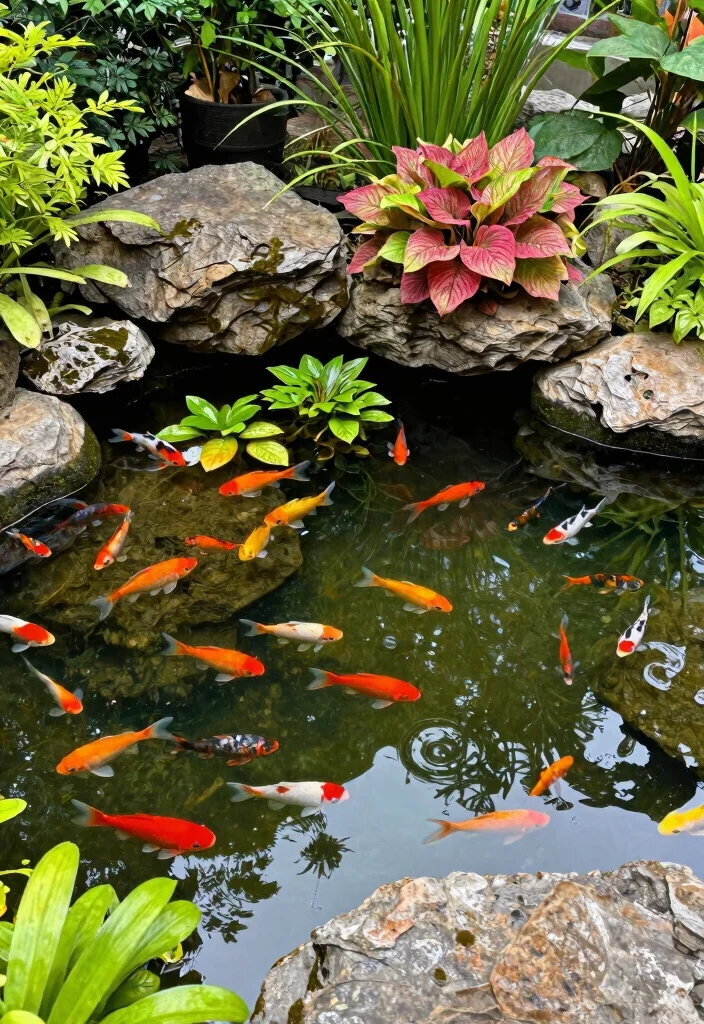
Creating a healthy environment for fish adds life to your pond garden and helps control pests. Fish not only enhance the ecosystem but also bring movement and vibrancy to your water feature. Imagine colorful koi or goldfish swimming gracefully, adding flair to your outdoor space.
Select fish species that thrive in your climate, ensuring they can flourish in their new habitat. Providing shelter with submerged rocks or plant cover offers fish places to hide from predators. Maintaining water quality with proper filtration ensures a clean and healthy environment for your aquatic friends.
Tips for establishing a fish habitat:
– Choose suitable fish for your climate.
– Provide shelter with rocks and plants.
– Maintain water quality with filtration.
By establishing a fish habitat, you not only enhance the pond’s ecosystem but also create an engaging space for your enjoyment.
17. Plan for Maintenance
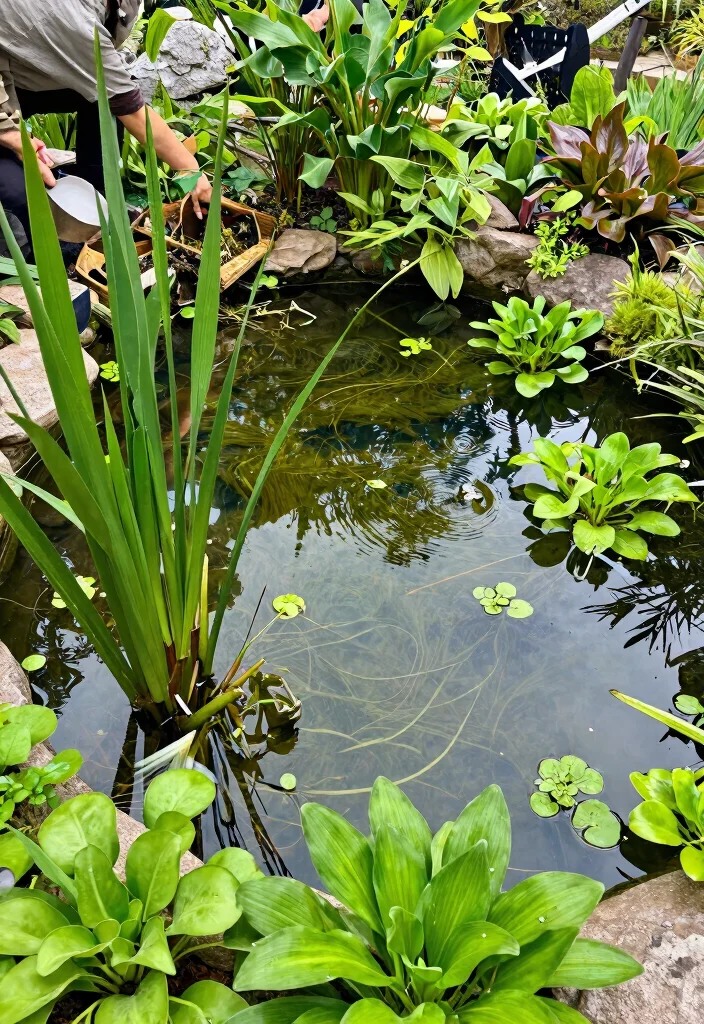
Planning for regular maintenance is essential to ensure your pond garden thrives. A well-kept pond is not only beautiful but also supports a healthy ecosystem for aquatic life. Imagine a vibrant pond with clear water and flourishing plants, all thanks to thoughtful upkeep.
Regularly remove debris, fallen leaves, and algae to maintain clarity and quality. Keep an eye on plant growth, trimming or removing overgrown species as necessary. Monitoring water levels ensures consistency, especially during hot weather, helping to sustain your pond’s health.
Maintenance tips to remember:
– Conduct regular cleaning to maintain water quality.
– Monitor plant growth and adjust as needed.
– Check water levels regularly for consistency.
By staying proactive with maintenance, you can enjoy the beauty and tranquility of your pond garden without unexpected challenges.
Conclusion
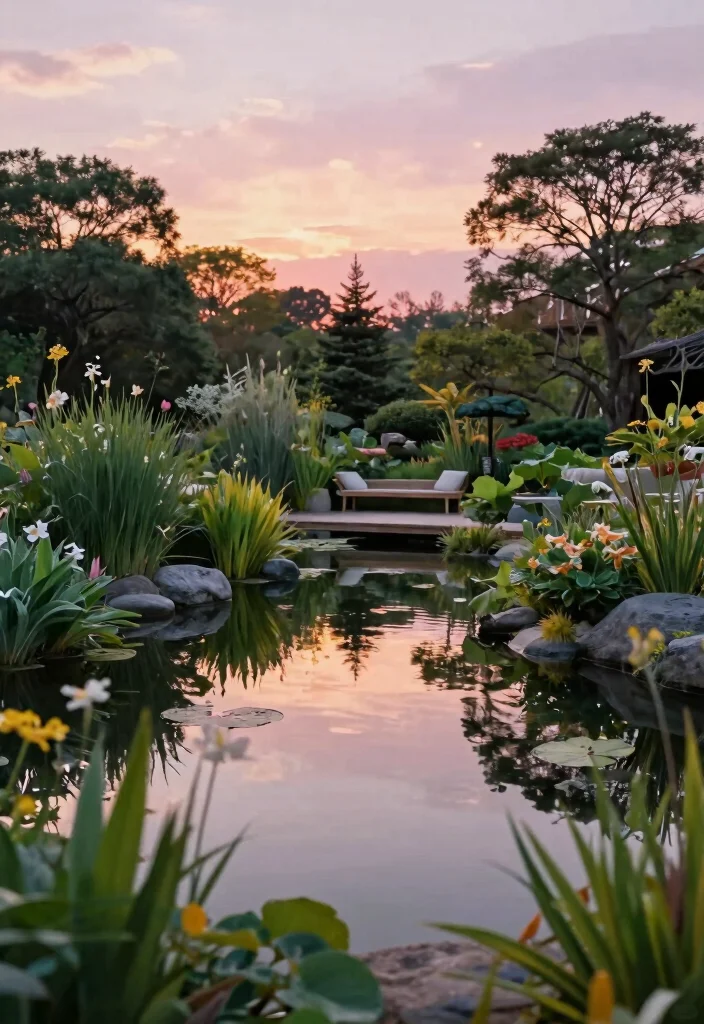
Creating a stunning pond garden is an exciting adventure that combines creativity and nature.
From selecting the right plants to designing thoughtful features, each aspect contributes to your unique outdoor oasis. Embracing these tips will help you craft a beautiful and serene space to enjoy with family and friends.
Start planning your pond garden today and watch your backyard transform into a tranquil retreat.
Note: We aim to provide accurate product links, but some may occasionally expire or become unavailable. If this happens, please search directly on Amazon for the product or a suitable alternative.
This post contains Amazon affiliate links, meaning we may earn a small commission if you purchase through our links, at no extra cost to you.
Frequently Asked Questions
What are the best pond plants for a small garden pond and how do I choose them as a beginner?
For a small pond, start with a simple mix of oxygenators, marginal plants, and a couple of floating species. Choose hardy, non-invasive varieties to keep maintenance easy and fit into your pond garden ideas landscaping. Good starter options include oxygenators like hornwort, elodea (Elodea canadensis), or vallisneria; marginal plants such as water iris and soft rush; and floating plants like duckweed or water lettuce. Aim for 3–5 plants total at first and leave room for growth.
Place taller plants toward the back or deep edge and shorter ones at the front to create depth. Match plant choices to your light: sun-loving species need at least 4–6 hours of direct sun; shade-tolerant plants thrive in less light. Plant them in shallow, breathable pots or baskets so you can move them as your pond design ideas evolve.
As you gain experience, you can expand with more varieties from the pond plants selection list. This approach keeps your water garden landscaping manageable for a beginner and helps prevent algae from shading out plants.
How can I design my small pond to balance aesthetics and wildlife while keeping maintenance easy?
Start with a simple layout: a shallow shelf for marginal plants, a deeper zone for lilies or large water plants, and a gentle slope for wildlife access. Use a small fountain or gentle waterfall to circulate water and keep it oxygenated without needing heavy equipment. In terms of pond design ideas, mix textures and heights: tall grasses at the far edge, low groundcover around the rim, and floating plants on the surface.
Minimize maintenance by choosing hardy, pest-resistant varieties and by installing a basic biological filter and pond pump. Avoid overfertilizing; let beneficial bacteria do the work. Finally, plan for seasonal care so your outdoor water features stay vibrant year-round.
What are common mistakes beginners make with pond plants selection and how can I avoid them?
Common mistakes include overplanting, choosing plants that require depths you can’t provide, and neglecting light and circulation. Many beginners also buy too many plants at once and end up fighting algae. To avoid this, start with a balanced mix (1–2 oxygenators, 1 floating, 2 marginal) and ensure each plant has its appropriate depth and sunlight.
Label zones in your pond, keep an eye on growth each season, and divide or relocate plants as they spread. Regularly remove dead leaves and debris, and use healthy, non-invasive species to protect your local ecosystem. With a steady pace, your pond garden ideas landscaping will stay both beautiful and manageable.
Which aquatic plants are best for year-round color in a beginner pond, and how do I plant and divide them through the seasons?
For year-round interest in a small pond, choose a mix of hardy marginal plants and submerged oxygenators that survive winter. In spring, plant new additions with a bit of compost in a net pot and submerge them to the target depth. In summer, divide overcrowded clumps after flowering to keep growth tidy and ensure light reaches the center of the plant. In fall, trim back spent foliage and prepare for winter by adjusting depth if frost is expected. This strategy aligns with beginner gardening tips and helps your water garden landscaping stay vibrant across seasons.
What maintenance routine should I follow to keep my pond garden ideas landscaping looking great?
Create a simple seasonal schedule you can actually follow: in spring, clean debris, check the pump and filters, and replant edge areas that have grown. In summer, monitor for algae, top up the water if needed, and trim plants to maintain balance. In fall, remove fallen leaves, empty and clean the skimmer or filter, and prepare plants for winter by moving sensitive varieties deeper. In winter, protect pumps from freezing and let the water settle; once temperatures rise, resume routine. A basic, steady routine keeps outdoor water features healthy and reduces surprises later in the season.