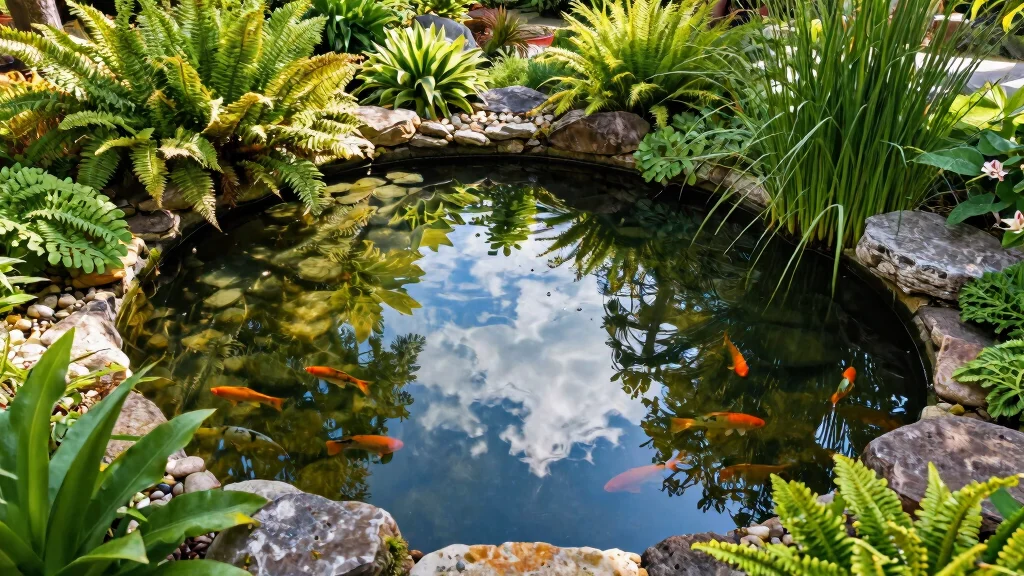
Creating a peaceful garden pond can be a rewarding experience, but ensuring it doesn’t leak can be a daunting task. You might find yourself craving a serene retreat filled with the sounds of water gently flowing and the sights of fish darting through lily pads. To help you achieve this tranquil setting, I’ve put together some fantastic garden pond lining ideas that will prevent those pesky leaks while keeping your pond looking beautiful.
If you’re a gardening enthusiast or someone who loves outdoor projects, this post is just for you. You probably care about sustainability and want to create an eco-friendly environment while enjoying your pond. Whether you’re a DIY novice or a seasoned pro, you’ll find valuable techniques and materials that suit your skills and needs. I’ve gathered nine creative pond lining ideas that are practical, affordable, and environmentally friendly.
Get ready to dive into a variety of options that can help you maintain a beautiful, leak-free pond! From natural clay and rubber liners to innovative DIY solutions, you’ll discover ways to keep your pond in top shape while also being kind to the planet. Let’s explore these exciting ideas together!
Key Takeaways
– Natural Clay Liners: These provide a sustainable option for sealing ponds while blending in beautifully with the environment.
– Rubber Pond Liners: Durable and versatile, rubber liners offer excellent waterproofing and are easy to install.
– Preformed Pond Liners: These come in various shapes and sizes, making them a hassle-free choice for beginners looking to create a quick setup.
– Geotextile Fabrics: Ideal for layering, these fabrics help protect your pond from leaks while allowing for proper drainage.
– DIY Pond Lining Solutions: Explore creative and cost-effective methods using recycled materials to craft a unique and functional lining for your garden pond.
1. Natural Clay Liners
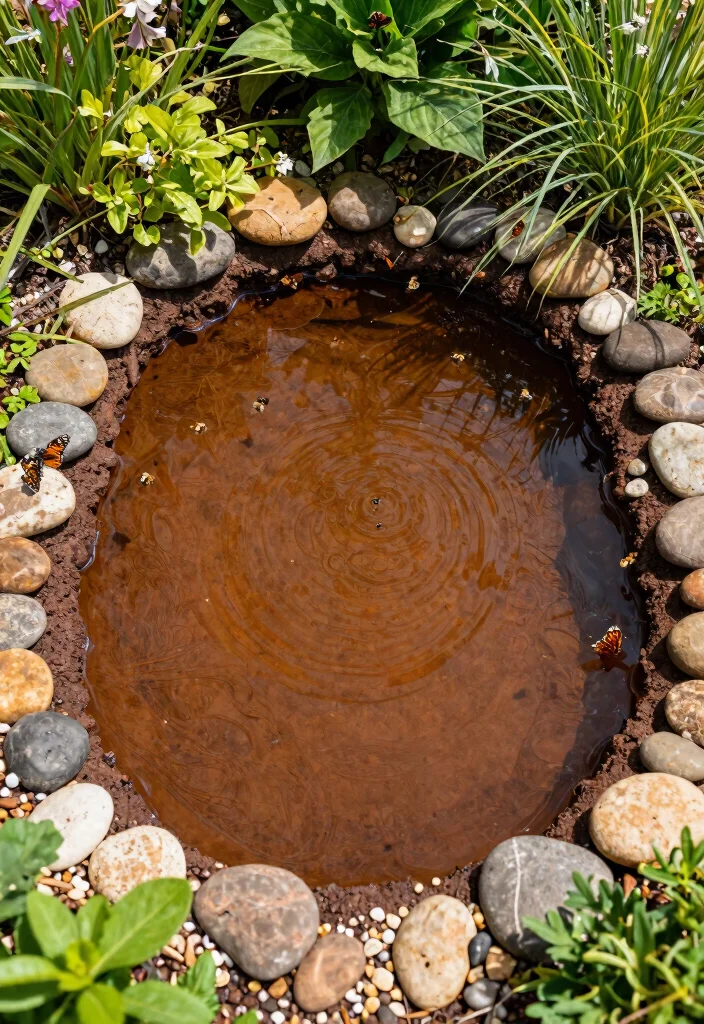
If you’re seeking a natural solution for your pond, consider natural clay liners. These eco-friendly options provide excellent waterproofing without the use of harsh chemicals. Clay creates a strong barrier that retains water effectively, making it ideal for small to medium-sized ponds. Simply excavate the area and compact the clay to form a smooth, impermeable layer that blends seamlessly with your landscape.
To achieve the best results, opt for high-quality clay and ensure it’s well-compacted. Avoid using clay in overly wet conditions, as this can compromise its waterproofing ability. Adding a stone border can enhance the visual appeal and create a smooth transition between your pond and the garden.
Key benefits of using natural clay liners:
– Non-toxic and safe for wildlife
– Biodegradable and environmentally friendly
– Blends beautifully with natural surroundings
This choice not only protects your pond from leaks but also enriches the overall beauty of your garden space.
Fact: natural clay liners can cut pond leaks by up to 95% when properly compacted. For smart garden pond lining ideas, this eco-friendly solution uses no harsh chemicals, just a smooth, impermeable layer that blends with your landscape.
2. Rubber Pond Liners
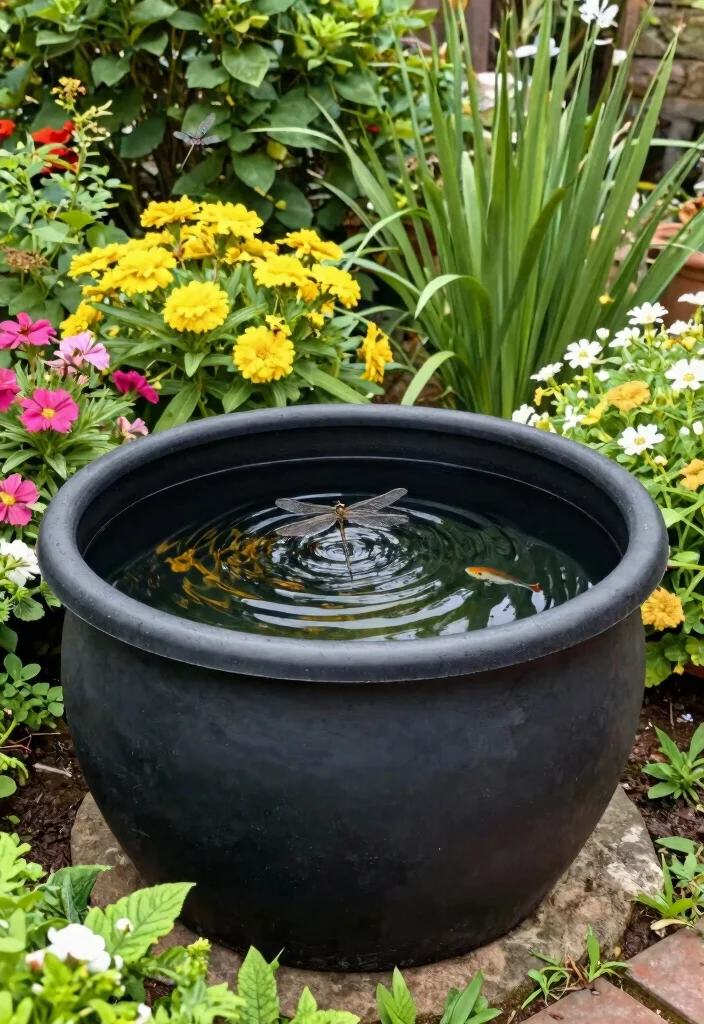
For those prioritizing durability and flexibility, rubber pond liners are an excellent choice. Made from materials like EPDM, these liners adapt to any pond shape, ensuring a secure fit. Unlike plastic, rubber liners are more eco-friendly and won’t leach harmful substances into the water, making them a safe option for aquatic life.
To increase longevity, consider placing a layer of sand or old carpet beneath the liner for added protection. Their adaptability allows you to create a natural-looking pond that blends perfectly with your landscape while effectively preventing leaks.
Advantages of rubber pond liners include:
– Highly flexible for any design
– UV resistant and durable
– Easy to install with minimal tools
Choosing rubber liners ensures your pond remains leak-free and visually appealing for years to come.
3. Preformed Pond Liners
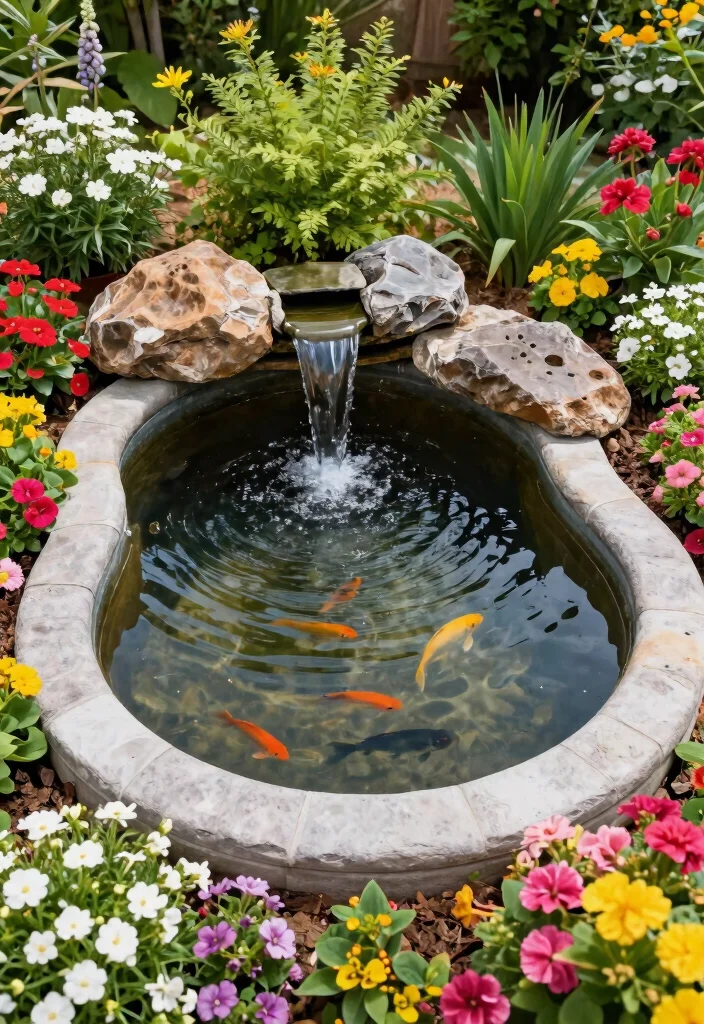
If you prefer a quick and hassle-free installation, preformed pond liners are perfect for you. These rigid plastic molds come in various shapes and sizes, allowing for easy creation of defined pond areas. Lightweight and transportable, they’re ideal for DIY enthusiasts looking to enhance their gardens without extensive effort.
To maximize aesthetics, surround the liner with rocks, gravel, or lush plants to disguise edges and create a natural look. Although their shapes may be limited, with a little creativity, you can make them fit beautifully within your garden layout.
Benefits of preformed pond liners:
– Ready to install without extensive preparation
– Low maintenance and easy to clean
– No leaks when fitted correctly
This option simplifies pond creation, letting you enjoy a stunning water feature in no time.
4. Geotextile Fabrics
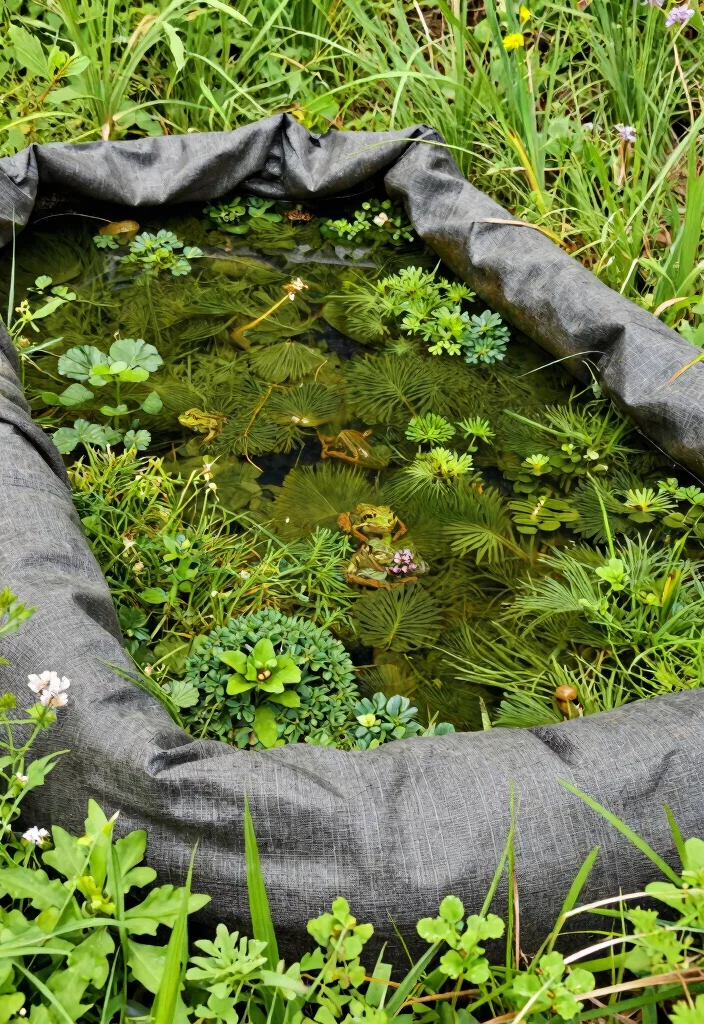
Geotextile fabrics are an exciting choice for eco-minded gardeners. These permeable materials allow water to flow while preventing soil erosion, making them ideal for creating wetlands or natural ponds. If your goal is to promote biodiversity, these fabrics can help support a thriving ecosystem.
Employing geotextiles together with natural stones can enhance both texture and visual appeal. They also encourage wildlife, attracting frogs and insects that enrich your garden’s life.
Key features of geotextile fabrics:
– Environmentally friendly and sustainable
– Encourages natural wildlife to thrive
– Helps filter water effectively
With geotextile fabrics, you create a beautiful and functional pond that supports the delicate balance of nature.
5. Stone and Gravel Linings
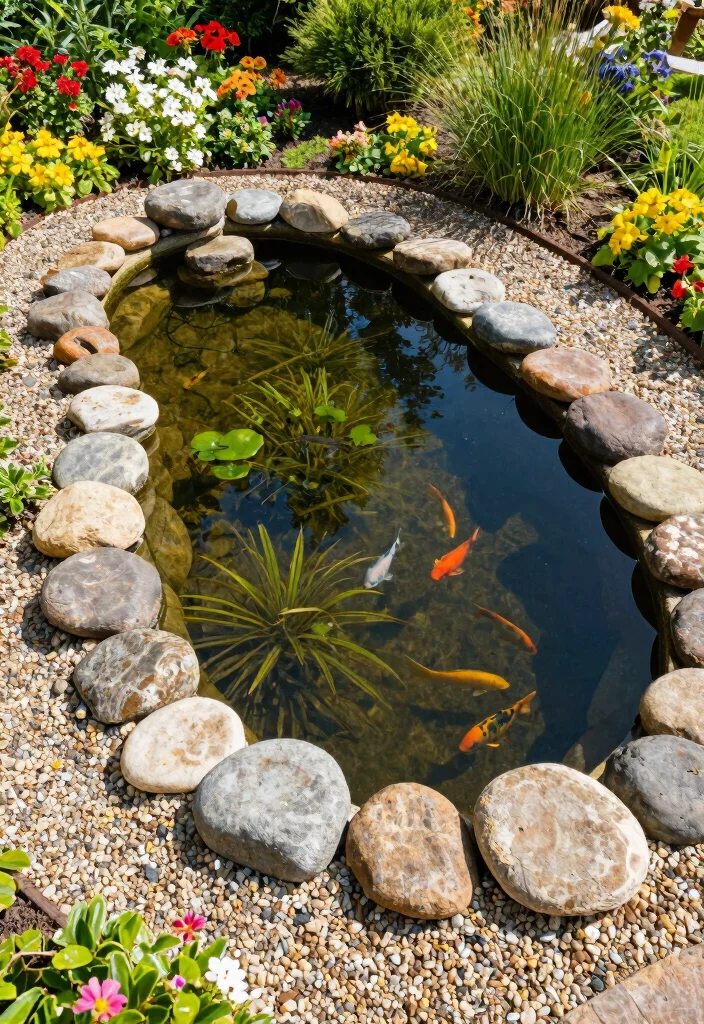
Creating a stone and gravel lining offers a rustic charm that blends beautifully with natural surroundings. By using large stones and gravel, you can craft a natural barrier that prevents leaks while enhancing the aesthetics of your pond. This option is particularly appealing for larger water features.
To achieve effective waterproofing, layer gravel over a more impermeable base. Additionally, stones can naturally filter pond water, improving overall health and clarity, making this an excellent choice for any garden.
Advantages of stone and gravel linings:
– Durable and long-lasting
– Visually appealing and natural
– Provides habitats for aquatic life
This option creates a stunning focal point while ensuring your pond remains leak-free and healthy.
Did you know that a stone and gravel lining can reduce evaporation and leaks by up to 25%? For garden pond lining ideas, this natural barrier seals the pond and helps filter water, keeping it clearer with less maintenance.
6. Bamboo Liners
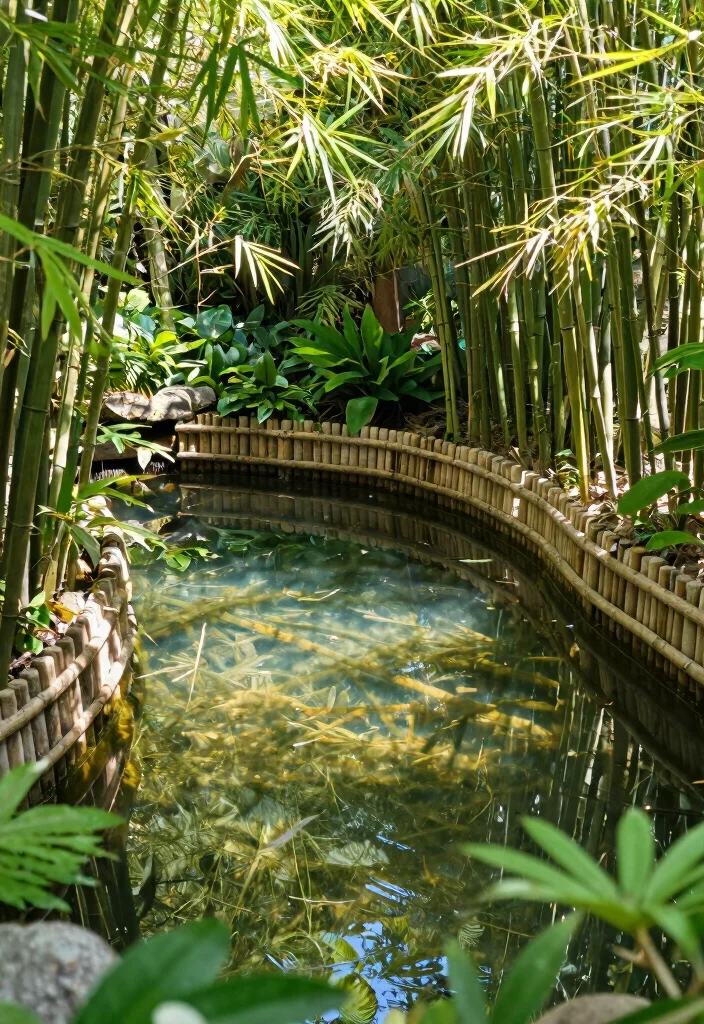
For an innovative and unique solution, bamboo liners stand out. Known for their rapid growth and sustainability, bamboo allows for natural water filtration while providing an exquisite look. This biodegradable option supports biodiversity, making it a green choice for eco-conscious gardeners.
To maximize effectiveness, use bamboo alongside other lining materials for enhanced filtration and a beautiful textured border. Its natural elegance adds an exotic touch to your garden, making it truly special.
Benefits of using bamboo liners:
– Biodegradable and eco-friendly
– Promotes a unique aesthetic in your garden
– Supports biodiversity and wildlife
Bamboo liners enrich your garden’s beauty while contributing to a sustainable environment.
7. Recycled Materials
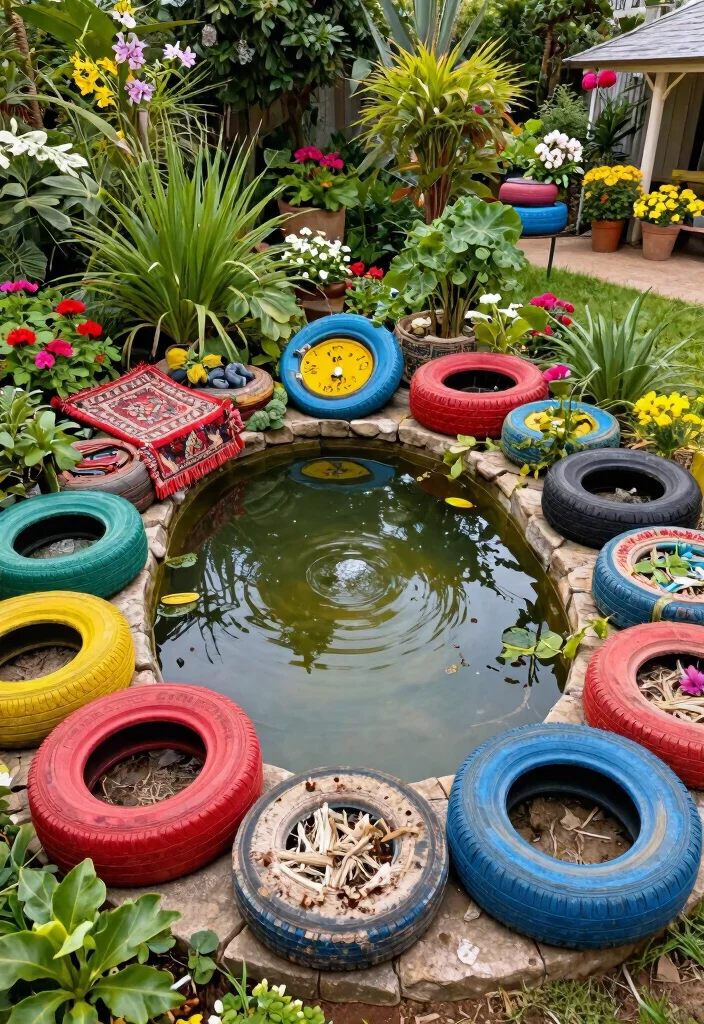
Utilizing recycled materials for pond lining is a smart and eco-friendly approach. Items like old carpets, rubber tires, or pond underlay can be repurposed to create a reliable waterproof barrier. This not only prevents leaks but also contributes to sustainable gardening practices while saving you money.
Ensure that any recycled materials are clean and free from harmful chemicals. Layering different materials can enhance insulation and waterproofing, making this a creative choice for eco-conscious gardeners.
Advantages of using recycled materials:
– Cost-effective and budget-friendly
– Unique appearance for your pond
– Eco-friendly and sustainable
This option allows you to create a beautiful garden pond while minimizing waste and promoting environmental responsibility.
8. Natural Stone Pot Liners
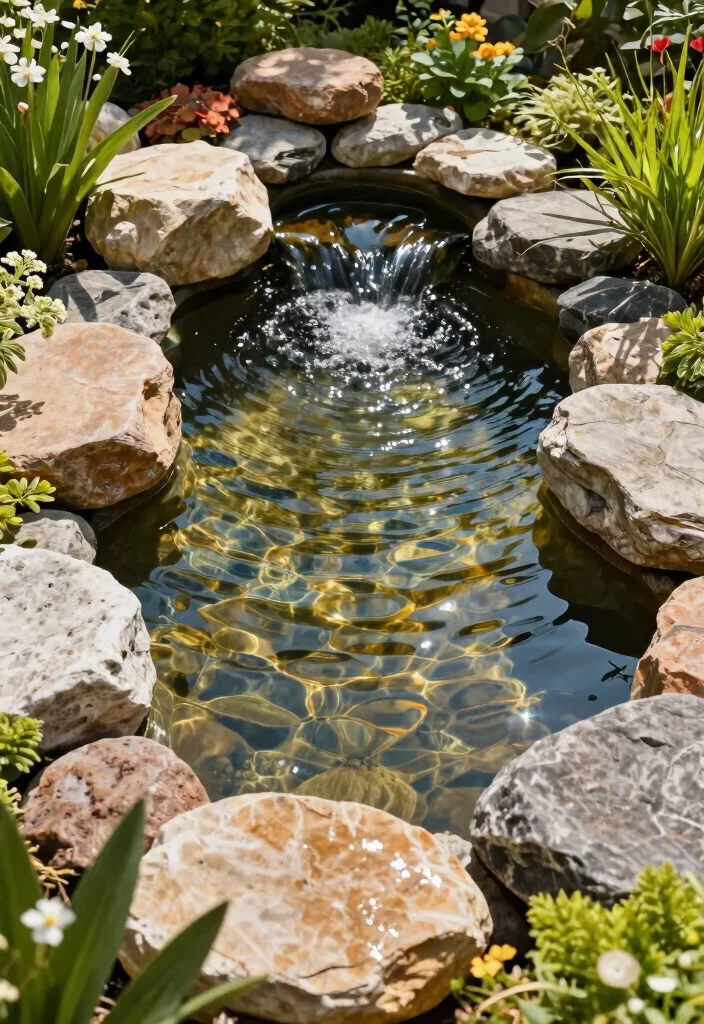
For those wanting an elegant touch in their garden, natural stone pot liners are a stunning option. Crafted from real stones, these liners provide excellent waterproofing while enhancing your pond’s aesthetics. They can serve as decorative edging or be integrated into a larger pond design, allowing for creativity in shapes and textures.
Ensure proper sealing between stones to prevent leaks, and consider pairing them with water-loving plants for added beauty and biodiversity. These liners blend seamlessly with natural surroundings while adding a sophisticated flair.
Key benefits of natural stone pot liners:
– Beautiful finish that enhances any garden
– Durable and long-lasting
– Blends well with nature
This luxurious choice creates a captivating centerpiece in your outdoor space while maintaining eco-friendliness.
Key Trade-offs & Our Top Pick
When it comes to garden pond lining, selecting the right material is essential to prevent leaks and maintain the beauty of your pond. Here’s a detailed comparison of some of the best options available:
Natural Clay Liners
– Pros:
– Affordable and easy to source from your garden.
– Provides a natural look that blends with the environment.
– Good water retention and promotes healthy aquatic life.
– Cons:
– Requires regular maintenance and can erode over time.
– Not suitable for all soil types, particularly sandy soils.
– Best for: Small, eco-friendly ponds where natural aesthetics are a priority.
Rubber Pond Liners
– Pros:
– Highly durable and flexible, accommodating various pond shapes.
– Resistant to UV rays and extreme weather conditions.
– Easy to install, often with DIY kits available.
– Cons:
– Can be more expensive than other options.
– May require professional installation for larger ponds.
– Best for: Homeowners looking for a long-lasting and low-maintenance option.
Preformed Pond Liners
– Pros:
– Pre-shaped, simplifying the installation process.
– Made from rigid materials that are resistant to leaks.
– Provide a consistent depth for fish and plants.
– Cons:
– Limited size and shape options may not fit all designs.
– Heavier and can be difficult to transport.
– Best for: Beginners who want a straightforward setup without the hassle of custom shapes.
Geotextile Fabrics
– Pros:
– Excellent for preventing weed growth and soil erosion.
– Can be combined with other liners for added protection.
– Lightweight and easy to handle during installation.
– Cons:
– Not a standalone solution; needs to be used with another lining material.
– May degrade over time, requiring replacement.
– Best for: Gardeners looking to enhance durability and reduce maintenance in combination with other liners.
Bamboo Liners
– Pros:
– Eco-friendly and sustainable, providing a unique aesthetic.
– Naturally resistant to decay and pests.
– Offers good insulation for pond temperatures.
– Cons:
– More expensive and harder to find than traditional options.
– Installation can be tricky, especially for DIYers.
– Best for: Those wanting a natural, exotic look for their garden pond.
Expert Recommendation:
Best Overall: Rubber Pond Liners
Rubber pond liners offer a fantastic balance between durability, ease of use, and versatility. Available in various thicknesses, they can withstand harsh weather while allowing for creative pond shapes. Their long-term durability makes them a wise investment, ensuring that you won’t have to worry about leaks or repairs for many years to come. For most gardeners, rubber liners combine the best features needed for a reliable and beautiful pond.
Why We Picked This:
While rubber pond liners are the top choice for many, your specific needs may lead you to other options. For instance, if you’re on a tight budget or have a smaller pond, natural clay liners may suit you well. If you desire a quick and easy installation, preformed liners could be the best pick. Choose wisely based on your pond’s requirements, your budget, and the look you want to achieve!
9. DIY Pond Lining Solutions
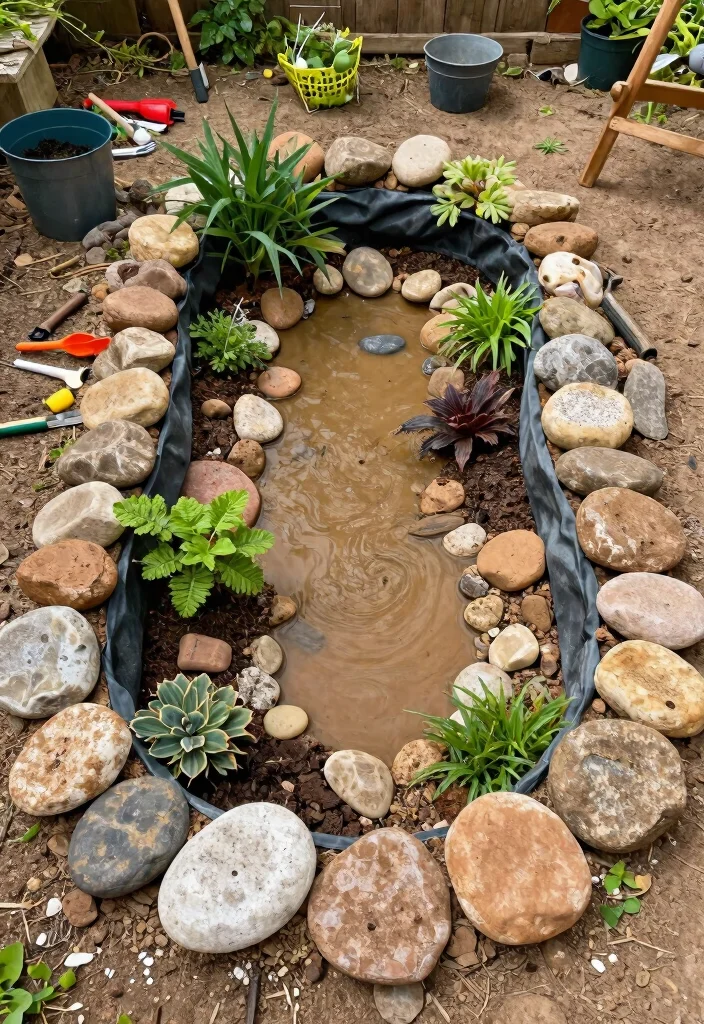
For the creative gardener, DIY pond lining solutions offer a fun and resourceful project. By combining various materials or techniques, you can design a custom pond liner that meets your unique needs. Whether mixing sand, gravel, and clay or crafting dividers from repurposed wood, your options are limitless.
Engaging in DIY projects not only saves money but also provides a fulfilling sense of accomplishment. Don’t hesitate to experiment with different methods to discover what works best for your garden.
Benefits of DIY pond lining:
– Personalization to fit your vision
– Cost-saving compared to store-bought options
– Encourages creativity and innovation
The joy of creating something beautiful and functional for your pond is truly unmatched.
Fun fact: DIY pond lining can cut costs by up to 60% when you mix clay, sand, and gravel into a custom liner. Start small, test water 24 hours, and iterate—your garden pond lining ideas pay off with patience and practice.
Conclusion
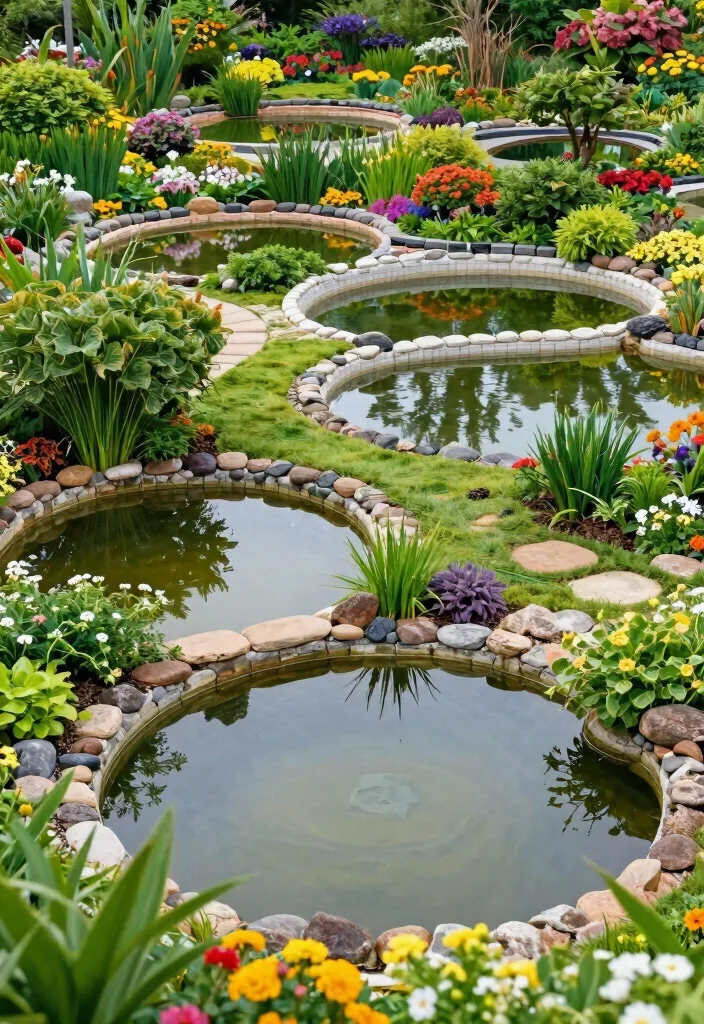
Choosing the right garden pond lining is crucial for maintaining a leak-free and eco-friendly water feature that enhances your outdoor space.
Whether you go for natural materials, recycled options, or innovative DIY solutions, each approach has its own unique benefits and charm.
Take the time to explore these ideas and let your creativity shine, turning your garden pond into a beautiful oasis that supports nature.
Note: We aim to provide accurate product links, but some may occasionally expire or become unavailable. If this happens, please search directly on Amazon for the product or a suitable alternative.
This post contains Amazon affiliate links, meaning we may earn a small commission if you purchase through our links, at no extra cost to you.
Frequently Asked Questions
What are the most eco-friendly and reliable pond liner materials for garden ponds?
When you’re exploring garden pond lining ideas, start with eco-friendly pond liner materials that balance durability with minimal environmental impact.
EPDM rubber liners are among the most popular for leaks resistance, UV stability, and easy patching, making them a strong choice for garden pond lining ideas. Look for thickness around 0.75 to 1.5 mm for longevity, and pair with a soft underlayment to guard against punctures.
For larger ponds or high-traffic settings, HDPE or other recycled-content liners offer strength and the option to recycle at end of life, aligning with eco-friendly pond liners goals.
If you prefer a more natural or low-chemical approach, consider a bentonite clay underlayment to boost sealing in shallow beds, alongside the liner, while avoiding toxic sealants around fish and plants.
How can I DIY pond lining solutions to prevent leaks in a small backyard pond?
Here’s a practical, beginner-friendly approach to DIY pond lining solutions for leak prevention.
Start by outlining the pond shape, choose a suitable liner (EPDM or PVC with non-toxic adhesives), and prepare the bed: remove sharp stones, dig a gentle slope, and lay a thick, weed-free underlayment.
Lay the liner smoothly, seal corners with manufacturer tape or heat-welded seams, and overlap edges if needed. Trap air pockets, then slowly fill to check for folds or leaks.
Finish with a safety edge of rocks or edging to protect the liner from roots and sun exposure, and keep a patch kit handy for quick DIY repairs. This DIY approach fits with the broader garden pond lining ideas and DIY pond lining solutions ethos while keeping wildlife safe.
What maintenance tips help waterproof and prevent leaks in a garden pond?
Keeping leaks at bay is all about regular maintenance and early detection.
Check your liner for wear, punctures, or root intrusion at least once a season. Mark water level and observe changes over 24–48 hours to spot slow leaks, then patch with an EPDM-compatible repair kit.
Clean debris and reduce stress on seals by using natural filtration and beneficial bacteria, which helps maintain stable water levels and reduce liner pressure.
Protect the edge with stable landscaping stones and avoid sharp tools nearby. Following these garden pond maintenance tips helps prolong liner life and prevent leaks.
Which eco-friendly pond liner options are easiest for beginners to install?
For beginners, the easiest path is a ready-to-install, eco-friendly pond liner kit using EPDM with a buoyant underlayment.
These kits typically include pre-cut pieces, simple seam solutions, and non-toxic sealants, making them a good fit for eco-friendly pond liners options and DIY pond lining solutions.
Other beginner-friendly choices include larger, flexible EPDM or HDPE liners with straightforward overlaps and guidance. Pair with a local soil test to ensure no punctures, and opt for thicker options (0.9–1.5 mm) for extra resilience.
Always look for liners with recycled content or certifications that support environmental goals.
How do I choose the right garden pond lining ideas for my climate and pond size?
Choosing the right garden pond lining ideas means matching material and design to your climate and pond size.
Consider depth and seasonal temperature swings: in freezing climates, opt for thicker, freeze-resistant liners and ensure adequate depth to avoid ice damage. For large ponds or high wildlife activity, choose sturdy pond liner materials like EPDM or HDPE, with strong seams and a robust underlayment.
Factor sun exposure, plant roots, and maintenance capacity, as these affect waterproofing garden ponds over time. Finally, pick a solution that aligns with eco-friendly pond liners goals and fits your budget, with a plan for DIY pond lining solutions if you want to do it yourself.