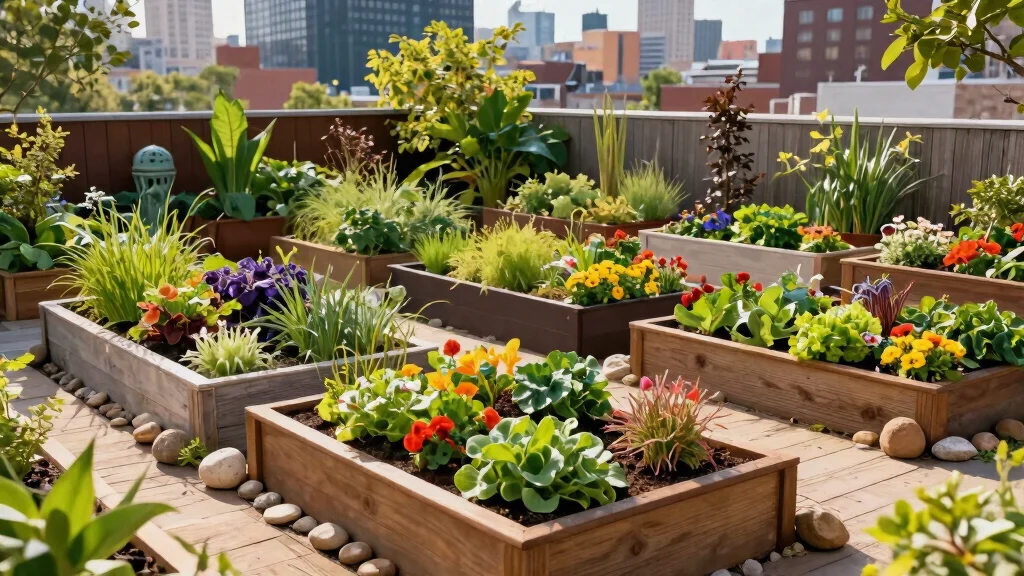
Creating a raised garden bed can be a game changer for your gardening experience, especially when space is limited. With the right hacks, you can make the most out of your small area while enjoying the many benefits of gardening—like fresh herbs, vibrant flowers, or colorful vegetables. This post is all about sharing those life-changing raised garden bed hacks that can elevate your gardening game. Whether you’re a seasoned gardener or just getting started, these tips will simplify your gardening journey and help you create a thriving green space.
If you’re passionate about gardening but struggle with limited space, this guide is tailored just for you. You might be wondering how to maximize every inch of your garden or how to keep pests at bay without harsh chemicals. Don’t worry! I’ve gathered a collection of practices that are practical, easy to implement, and will help you make your raised garden beds more accessible and productive. By using these hacks, you’ll transform your gardening experience into something enjoyable and rewarding.
Get ready to explore 17 innovative raised garden bed hacks that will not only save you time and space but also enhance the growth of your plants. From vertical gardening techniques to natural pest control methods, you’re in for a treat. Let’s dig in and uncover how these tips can lead to a flourishing garden that you’ll love to tend.
Key Takeaways
– Discover practical raised garden bed tips that improve accessibility and usability for everyone, including those with mobility challenges.
– Learn about vertical gardening techniques that allow you to save space while maximizing plant growth, perfect for tight areas.
– Explore effective soil improvement methods to enhance plant health and yield, ensuring your garden thrives in any condition.
– Uncover natural pest control solutions that keep your garden healthy and free of harmful chemicals, protecting your plants and the environment.
– Get inspired with creative DIY garden bed ideas that personalize your space, making your gardening journey more enjoyable and unique.
1. Elevate Your Bed for Better Accessibility
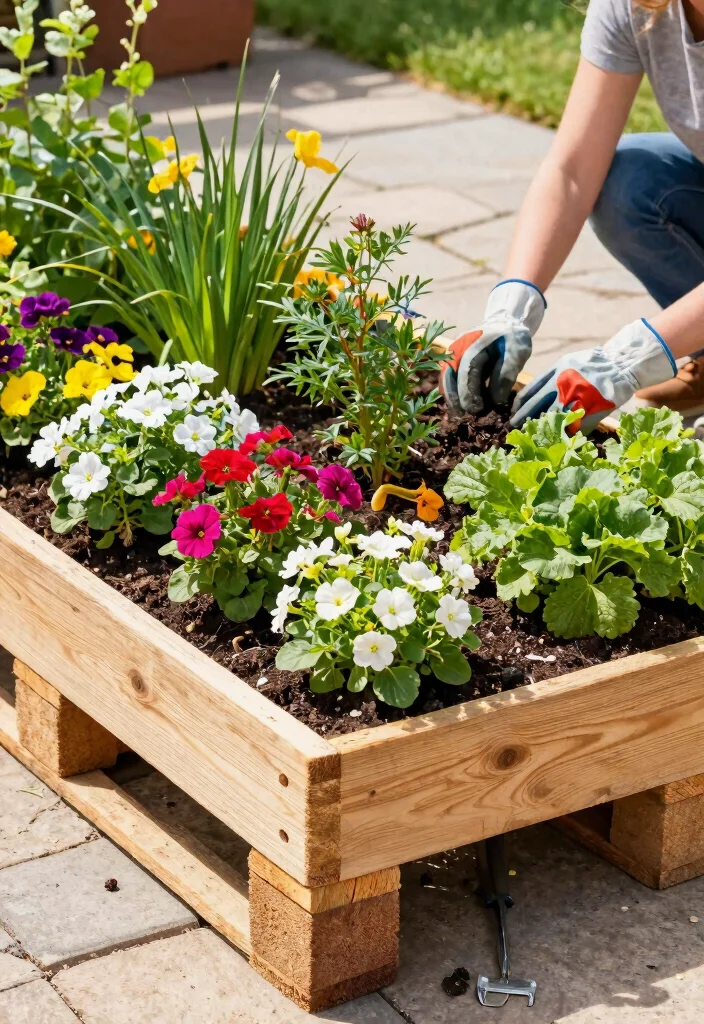
Raising your garden beds can make a world of difference. By elevating them just a foot off the ground, you can easily reach your plants without straining your back or knees. This is especially beneficial for anyone with mobility challenges or those looking for a more comfortable gardening experience. Plus, an elevated bed allows for better drainage, preventing root rot and enhancing the overall health of your plants.
Think about using materials like wooden pallets or cinder blocks to achieve the right height. An elevated bed not only serves a practical purpose but also adds a lovely visual element to your garden.
Key benefits of raised beds:
– Accessibility: Enjoy gardening without discomfort.
– Drainage: Keeps roots healthy and dry.
– Aesthetic Appeal: Adds beauty to your garden space.
2. Companion Planting: Natural Pest Control
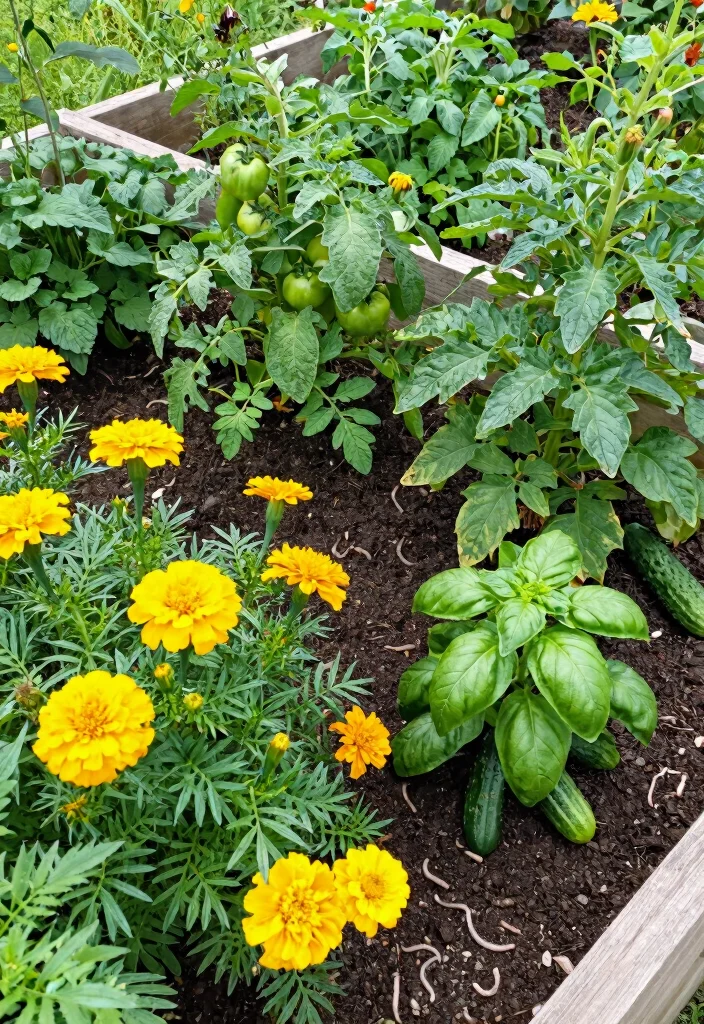
Companion planting is a fantastic way to naturally control pests while boosting plant growth. Certain plants work harmoniously together, enhancing each other’s growth and warding off unwanted pests. For example, planting marigolds near tomatoes can deter harmful insects, while the tomatoes provide a nurturing environment for the marigolds.
This method not only maximizes your garden space but also eliminates the need for chemical pesticides, making it eco-friendly. Additionally, pairing basil with cucumbers not only enhances their flavor but also keeps bugs at bay.
Companion planting tips:
– Marigolds and Tomatoes: Deter pests effectively.
– Basil and Cucumbers: Boost flavor and protect plants.
– Mixing Odors: Some plants repel pests through their scents.
3. Vertical Gardening Techniques to Save Space
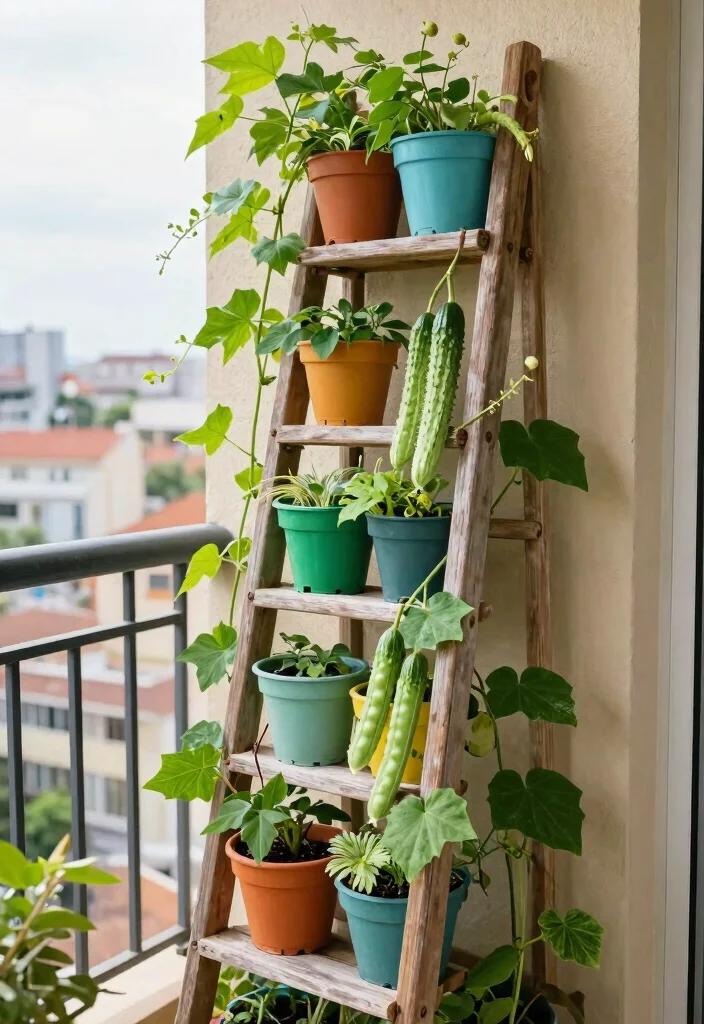
If space is tight, vertical gardening is your best friend! Utilize trellises to grow climbing plants like peas, cucumbers, or tomatoes. This approach not only maximizes your garden bed’s potential but also creates a stunning green wall effect.
Consider repurposing items like old ladders or crates to add height and character to your garden. You can even install wall-mounted containers for herbs, making your gardening experience both practical and visually appealing.
Vertical gardening strategies:
– Climbing Plants: Use vertical growth to save space.
– Repurposed Materials: Get creative with what you have.
– Green Wall Effect: Adds beauty and dimension to your space.
4. Soil Improvement Methods for Thriving Plants
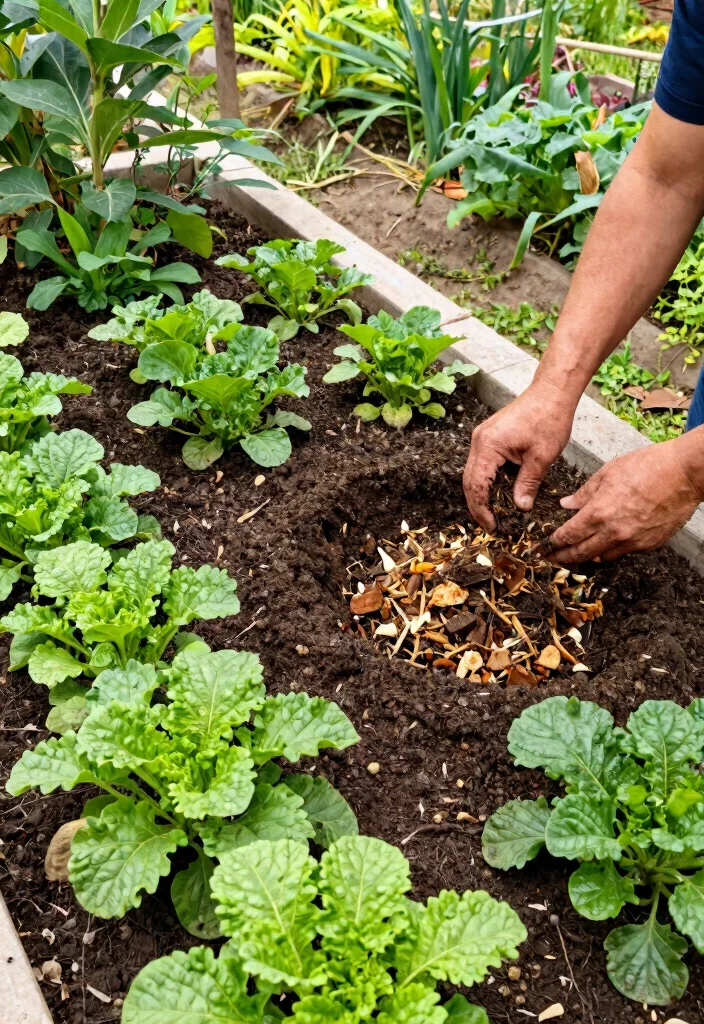
Good soil is the heart of a thriving garden, and there are many ways to enhance its quality! Start by mixing in compost to provide essential nutrients and improve soil structure. Worm castings are another excellent option, packed with beneficial microorganisms that nourish your plants.
Consider practicing crop rotation to maintain soil health and prevent nutrient depletion over time. Your plants will thrive with a little extra attention to their soil!
Soil enhancement techniques:
– Compost: Enriches soil for healthy growth.
– Worm Castings: Loaded with nutrients and beneficial bacteria.
– Crop Rotation: Maintains soil vitality and health.
5. Smart Watering Solutions
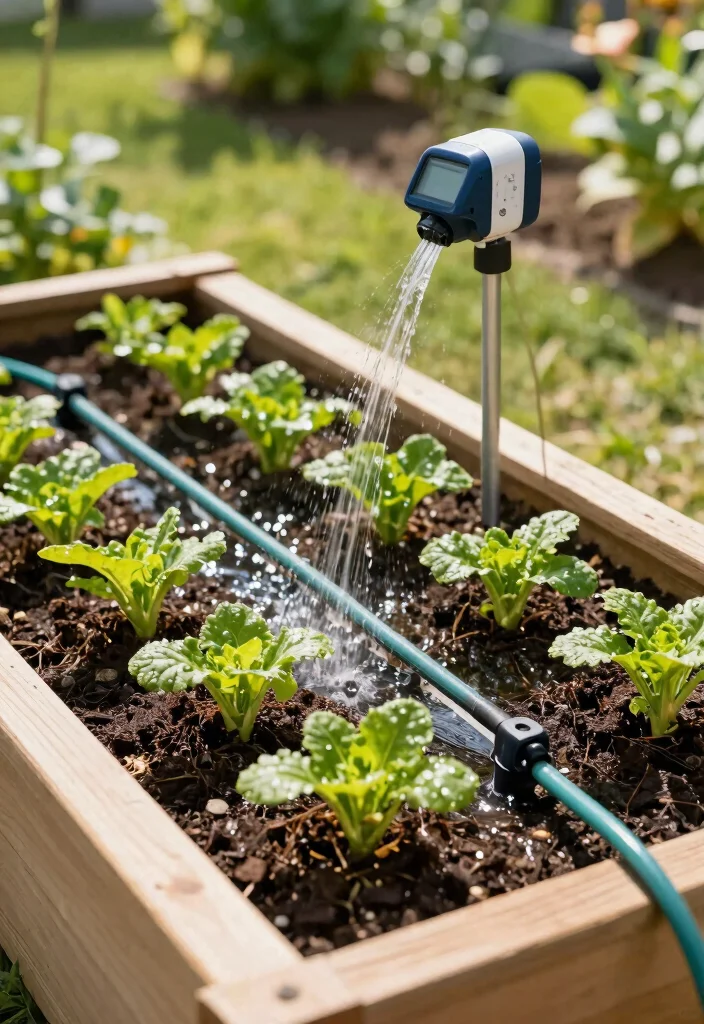
Watering doesn’t have to be a hassle! With smart techniques, it can be simple and efficient. Drip irrigation systems are a fantastic option for raised beds, delivering water directly to the roots and conserving water. Automatic timers can take the guesswork out of your watering schedule, ensuring your plants remain healthy even when you’re busy.
You can also create self-watering systems using repurposed containers or bottles, providing a steady supply of moisture during hot days. Your plants will surely thrive with these thoughtful solutions!
Watering strategies to consider:
– Drip Irrigation: Efficient watering method for raised beds.
– Automatic Timers: Save time and effort.
– Self-Watering Containers: Ensure consistent moisture levels.
Fun fact: Drip irrigation in raised garden bed hacks can cut water use by up to 50% while delivering water directly to roots. Automatic timers take the guesswork out of watering, keeping plants healthy even when you’re busy.
6. Container Gardening Within Your Raised Beds
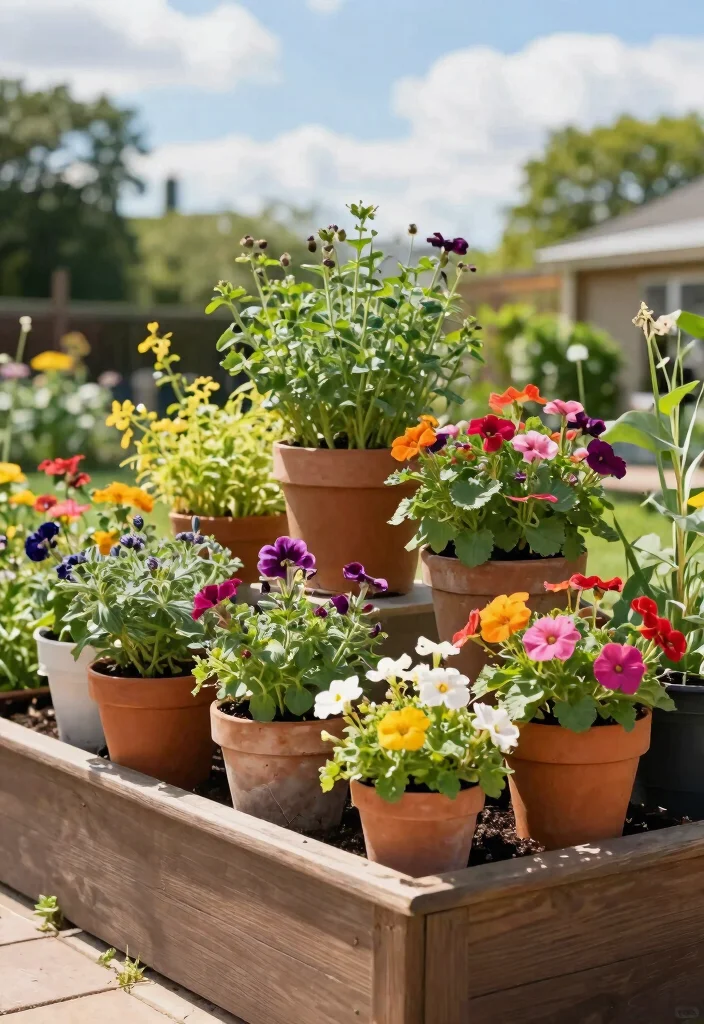
Container gardening can be effectively integrated into your raised beds! By using pots within your garden, you can separate plants that have different watering or sunlight needs. This is especially useful for herbs, which can thrive together but often require distinct moisture levels.
Decorative pots filled with colorful flowers can spill over the edges for an eye-catching display. Container gardening also offers the flexibility to easily move plants around, perfect for seasonal changes or experimenting with combinations.
Container gardening benefits:
– Separate Needs: Easily manage different watering requirements.
– Decorative Touch: Brighten up your garden with colorful pots.
– Mobility: Rearrange plants whenever necessary.
7. Mulching for Moisture Retention
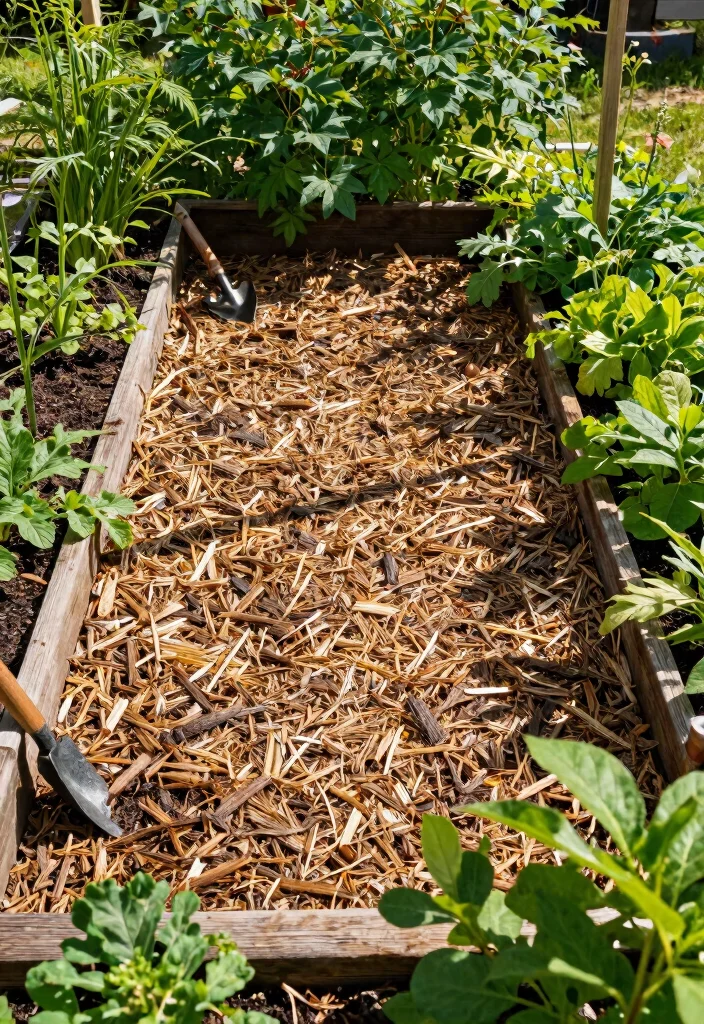
Mulching is a time-tested gardening technique that works wonders in raised beds. By adding a layer of mulch, you can retain soil moisture, reducing the frequency of watering. It also suppresses weeds, allowing your plants to grow without competition.
Use organic materials like straw, wood chips, or shredded leaves, which will improve the soil as they decompose. With a good mulch layer, you’ll find maintaining your garden much easier!
Benefits of mulching:
– Moisture Retention: Keeps soil hydrated longer.
– Weed Suppression: Lowers the need for weeding.
– Nutrient Enhancement: Breaks down to enrich soil quality.
8. Pest Control in Gardens: Natural Solutions
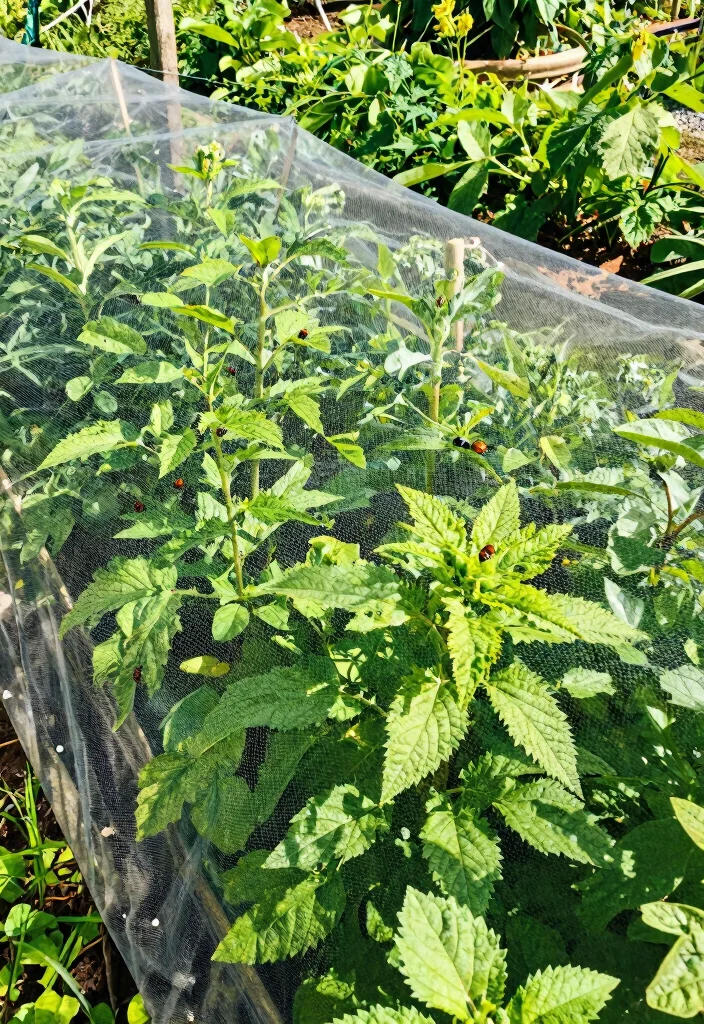
Ditch the chemicals and opt for natural pest control methods that are safe for your garden! Introducing beneficial insects like ladybugs and lacewings can effectively manage pest populations. Planting herbs like dill and fennel will attract these helpful allies to your space.
You can also use physical barriers, such as row covers or mesh, to protect your plants while still allowing sunlight and rain to nourish them. These approaches not only safeguard your plants but also promote a healthier garden ecosystem.
Natural pest control methods:
– Beneficial Insects: Attract these allies to control pests.
– Physical Barriers: Protect plants while allowing growth.
– Herbs for Attracting: Use plants known to draw beneficial insects.
How To Choose The Right Raised Garden Bed
When you’re diving into the world of gardening, especially in small spaces, selecting the right raised garden bed is crucial. The right choice can ensure your plants thrive while also making your gardening experience enjoyable. Here are some key factors to consider before making your decision:
1. Size
Think about how much space you have and what you want to grow. Raised garden beds can range from small containers to larger frames that take up more room. Measure the area where you plan to set up your garden. A common size for home gardens is 4×8 feet, which provides ample space for various plants. If you’re limited on space, consider narrower beds or even vertical gardening options within your raised bed.
2. Material
The material of your raised garden bed impacts its durability and the health of your plants. Common options include wood, metal, and plastic. Untreated wood, like cedar, is often favored because it’s natural and decomposes slowly. Metal beds are long-lasting but can heat up quickly in the sun, potentially harming your plants. Choose materials that will suit your local climate and aesthetic.
3. Features
Look for raised beds with additional features that enhance your gardening experience. Some beds come with built-in trellises for climbing plants, while others may have integrated irrigation systems to simplify watering. Consider if you want a bed with wheels for mobility or one that’s elevated to reduce bending. These features can save you time and energy in the long run.
4. Budget
Decide how much you’re willing to spend. Prices can vary widely based on size and materials. While it might be tempting to go for the cheapest option, remember that investing in quality can save you money on replacements later. If you’re on a tight budget, consider DIY garden bed ideas. You can build a sturdy raised bed using recycled materials like pallets or old bricks.
5. Soil Mix
Once you’ve selected your raised bed, think about the soil. The right soil mix is essential for healthy plants. A good starting point is a mix of topsoil, compost, and peat moss. This combination ensures proper drainage and nutrient retention. Check the depth of the bed as well; most plants thrive in at least 12 inches of soil.
6. Drainage
Effective drainage is key to a successful raised garden bed. Ensure your chosen bed has drainage holes or is elevated slightly off the ground. This setup prevents water from pooling, which can cause root rot. Adding a layer of gravel at the bottom can aid drainage as well.
Pro Tip: Before you buy or build your raised garden bed, sketch out your plan! Visualizing your garden layout can help you assess the size and shape that will work best in your space. Don’t forget to consider sunlight exposure, as most vegetables prefer full sun—6 to 8 hours a day.
By considering these factors, you’ll be well on your way to selecting a raised garden bed that fits your space, budget, and gardening goals! Happy gardening! 🌱
9. Customizable Raised Beds: Designing Your Space
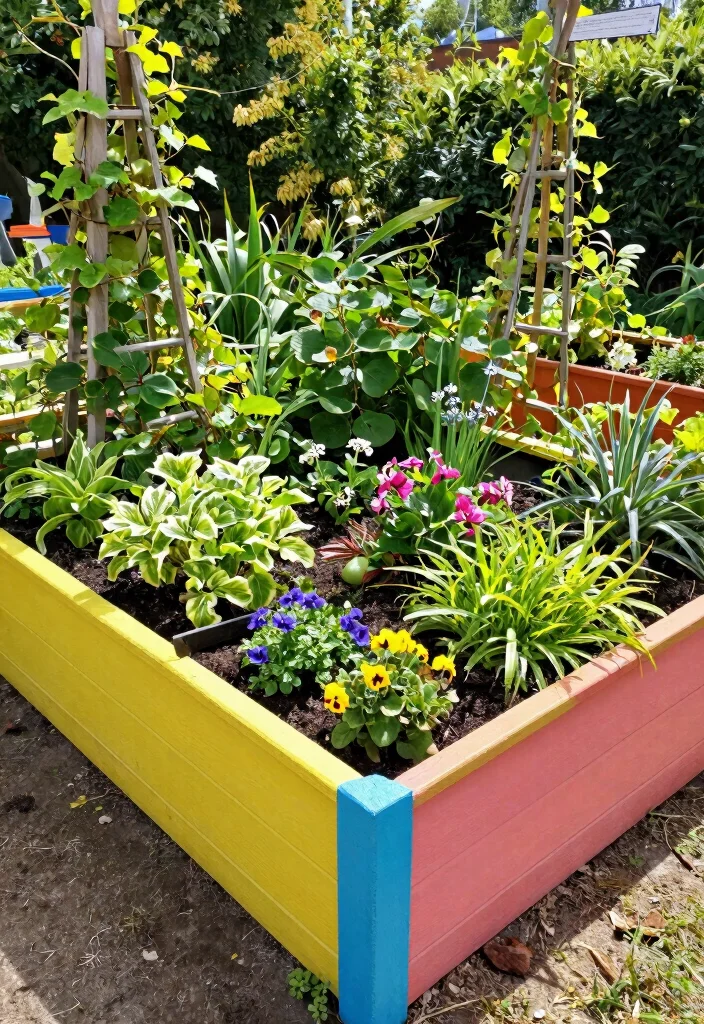
Why settle for standard raised bed designs? Customize them to fit your style and space! Think about creating L-shaped or U-shaped beds that can snugly fit into your garden layout. You can also play with the height of your beds, making for a more dynamic planting area.
Using reclaimed wood or painted materials can give your garden a unique flair. Adding trellises or decorative edges can turn your raised beds into standout features of your outdoor space.
Custom design ideas:
– Unique Shapes: Create custom designs for your space.
– Varying Heights: Add dynamic layers to your garden.
– Personal Touch: Reflect your personality with your materials.
10. Seasonal Planting Guides
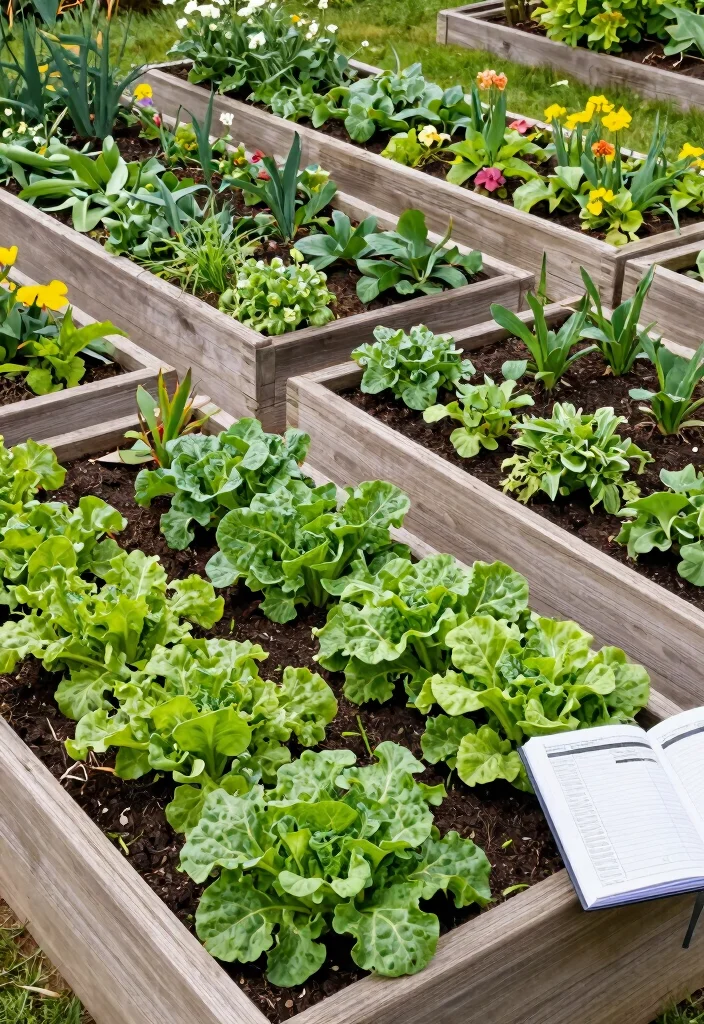
Knowing the right time to plant can elevate your gardening experience! Seasonal planting guides help you maximize your harvest throughout the year. For instance, consider planting lettuce and spinach in early spring, followed by tomatoes and peppers in summer.
Using succession planting allows you to enjoy fresh produce continuously. As you harvest spent plants, you can immediately sow new seeds or transplant seedlings for ongoing growth.
Planting strategies to consider:
– Seasonal Awareness: Understand planting timelines for optimal yields.
– Succession Planting: Keep your garden thriving year-round.
– Crop Rotation: Maintains soil health and pest control.
11. Create a Pollinator-Friendly Environment
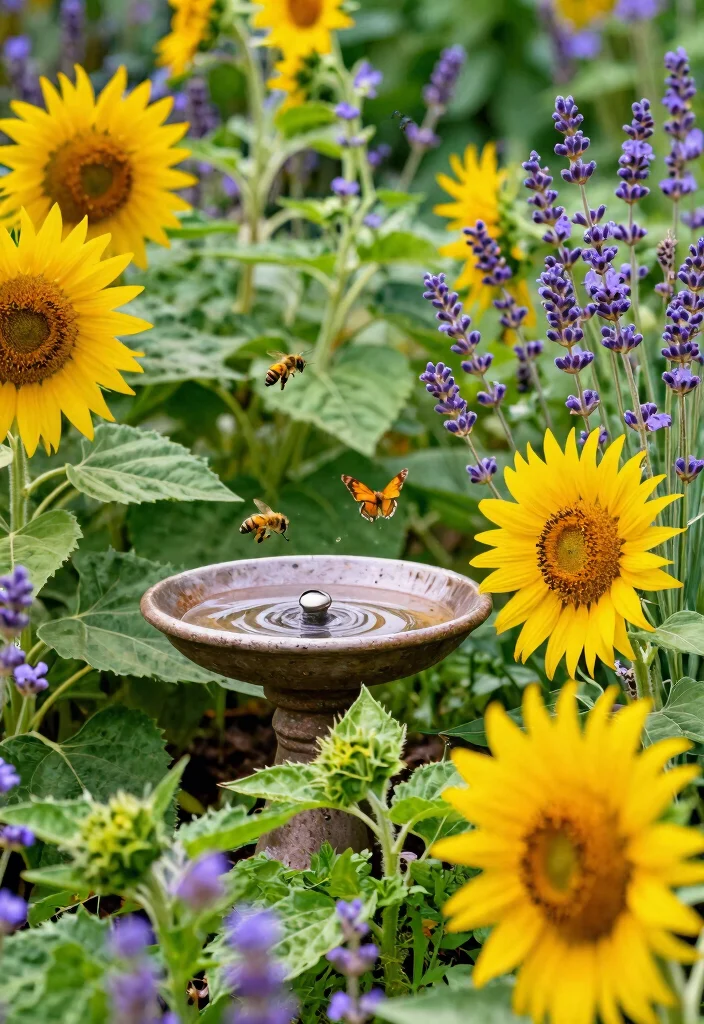
Attracting pollinators is essential for a productive garden! Planting flowers such as zinnias, sunflowers, and lavender will invite bees and butterflies, which play a crucial role in pollinating your vegetables. Setting up a small water station or bee houses will encourage these beneficial insects to linger in your space.
By creating a habitat for pollinators, you not only boost plant health but also foster a vibrant garden atmosphere. Incorporating a mix of flowers and herbs alongside your vegetables will create a thriving ecosystem!
Pollinator attraction tips:
– Flower Variety: Use diverse blooms to attract various pollinators.
– Water Stations: Small sources can benefit wildlife.
– Habitats: Provide homes for helpful insects like bees.
Fun fact: Pollinator-friendly setups in raised garden bed hacks can boost vegetable yields by up to 25% in a season. Plant zinnias, sunflowers, and lavender, plus a small water station, and watch bees and butterflies linger and pollinate more effectively.
12. Use of Hydroponic Systems for Space Saving
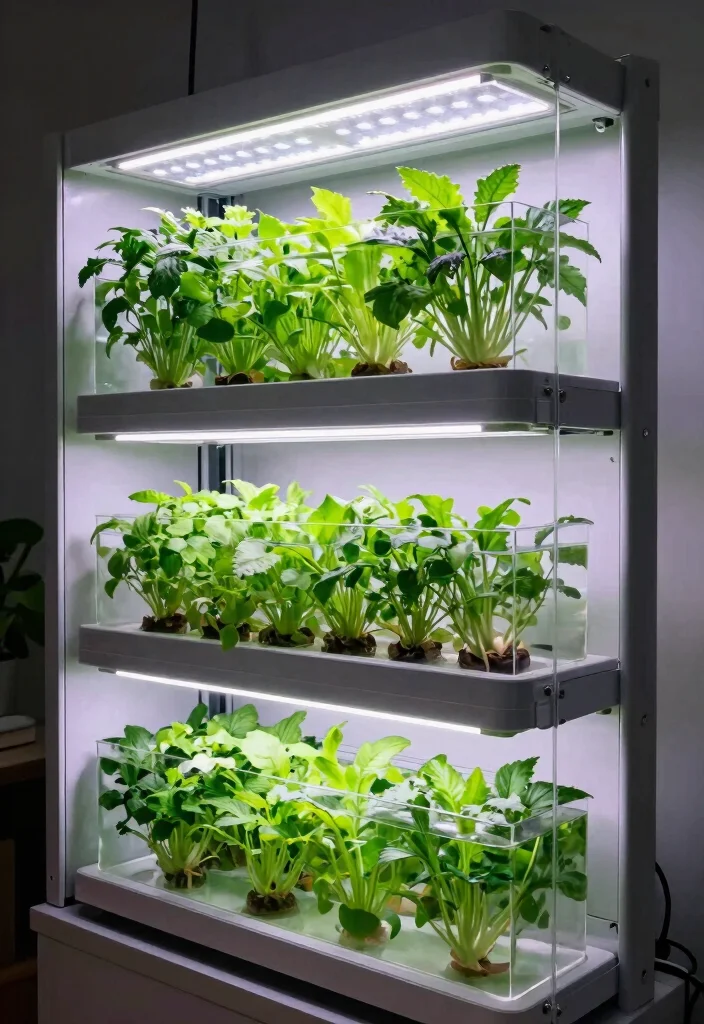
If you’re interested in modern gardening techniques, hydroponics offers a fantastic space-saving solution. This method allows you to grow plants in nutrient-rich water instead of soil, making it ideal for small areas. You can create vertical systems or floating rafts for easy maintenance.
Hydroponics often results in faster growth rates and healthier plants. Plus, it adds a visually stunning element to your garden with plants thriving in clear containers. Don’t forget to use LED grow lights if you’re gardening indoors!
Hydroponic advantages:
– Nutrient-Rich Water: Directly nourishes the roots.
– Vertical Systems: Maximize output in minimal space.
– Healthier Plants: Achieve robust growth with hydroponics.
13. Composting in Small Spaces
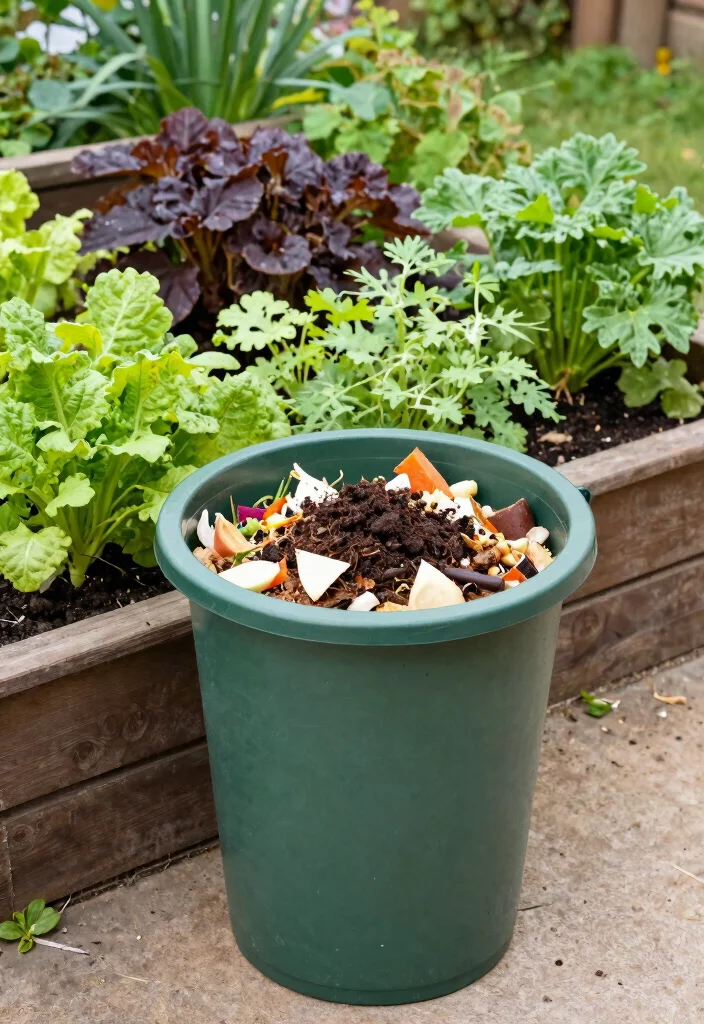
You don’t need a big yard to compost; a small bin next to your raised garden bed works perfectly! This reduces waste and gives you nutrient-rich compost for your plants. Kitchen scraps, lawn clippings, and shredded paper are all great materials to use.
Consider setting up a worm bin for vermicomposting, which efficiently handles organic waste in smaller areas and produces high-quality compost. Just remember to balance brown and green materials for the best results!
Composting essentials:
– Kitchen Scraps: Turn everyday waste into compost.
– Worm Bins: Perfect for small spaces, creating nutrient-rich compost.
– Balance Materials: Ensure a proper mix for effective decomposition.
Did you know that just a 5-gallon compost bin beside your raised garden bed can turn kitchen scraps into ready-to-use compost in 4–6 weeks? Vermicomposting speeds this up even more in compact spaces, balancing green and brown materials for rich soil.
14. Gather Gardening Friends: Community Gardening
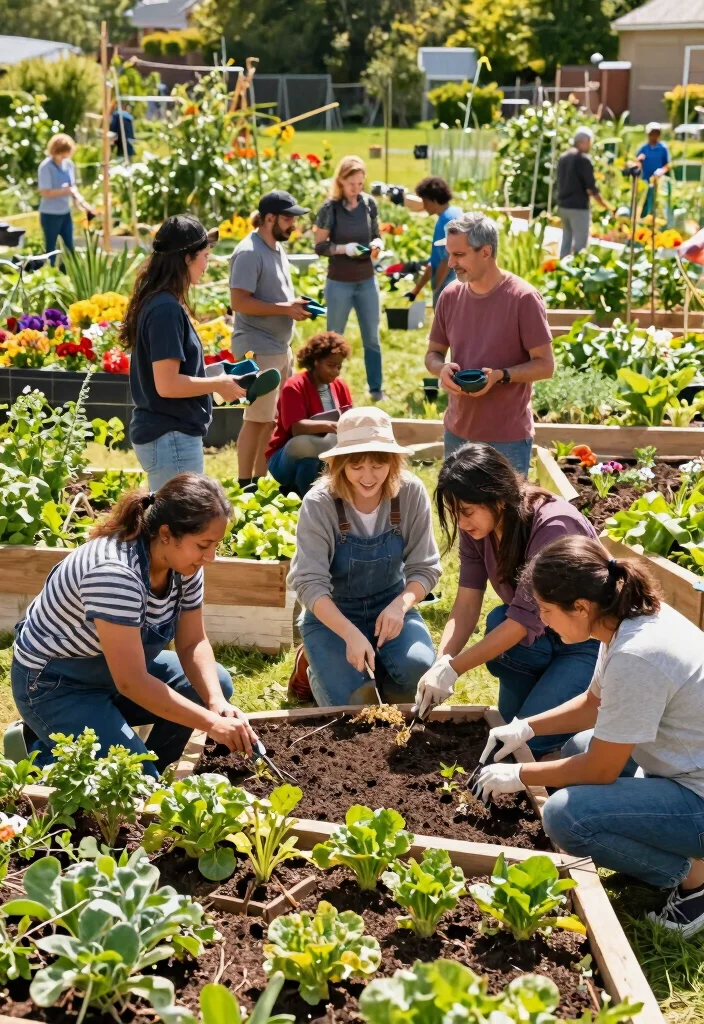
Gardening can be even more rewarding when shared! Gather friends or neighbors for a community garden project. This not only allows you to share resources and knowledge but also makes gardening a more enjoyable experience. Together, you can build larger raised beds, share the harvest, or host themed planting days.
Community gardening fosters a sense of belonging and spreads joy through homegrown produce. Collaborating with others can spark new ideas and methods that enhance your gardening journey!
Community gardening benefits:
– Team Effort: Build and maintain a communal space together.
– Shared Resources: Pool tools and seeds to cut costs.
– Inspiration: Learn from each other and innovate together.
15. Use of Raised Beds for Perennial Plants
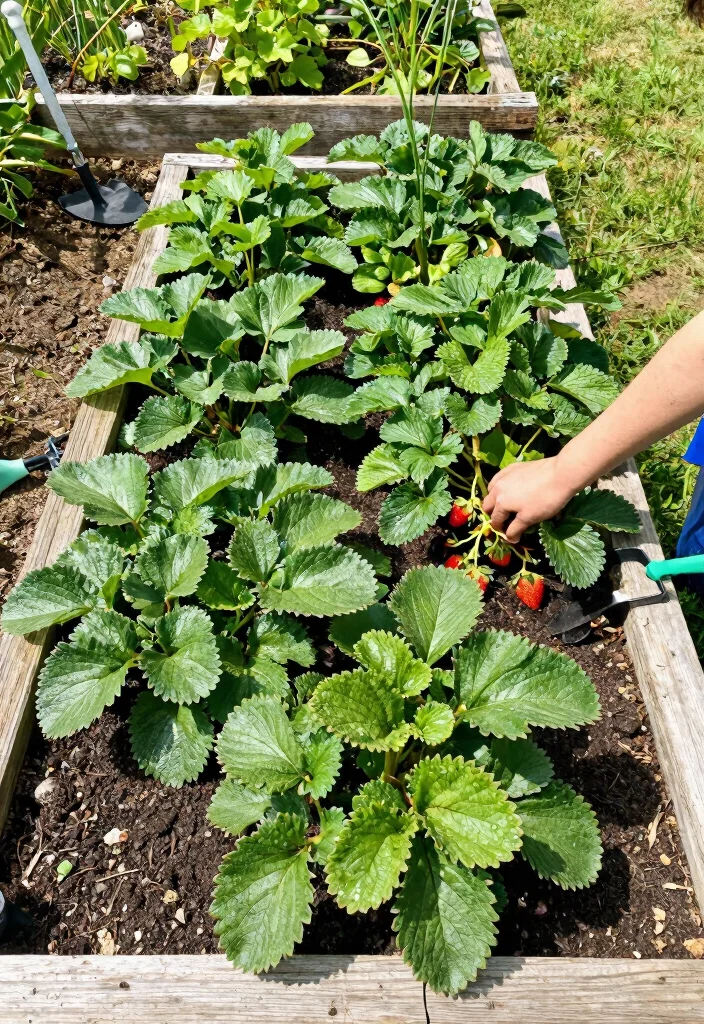
Consider dedicating part of your raised garden bed to perennials! These plants return year after year, offering low-maintenance beauty and consistent harvests. Think strawberries, rhubarb, or even asparagus.
Perennials not only save you time on replanting but also help build healthy soil while providing steady yields. Having a section for them promotes a more sustainable gardening practice, as they thrive with less maintenance.
Perennial advantages:
– Low Maintenance: Requires less work over the years.
– Consistent Yields: Enjoy harvests year after year.
– Soil Building: Contributes positively to soil health over time.
16. Seasonal Decorations for Your Raised Beds
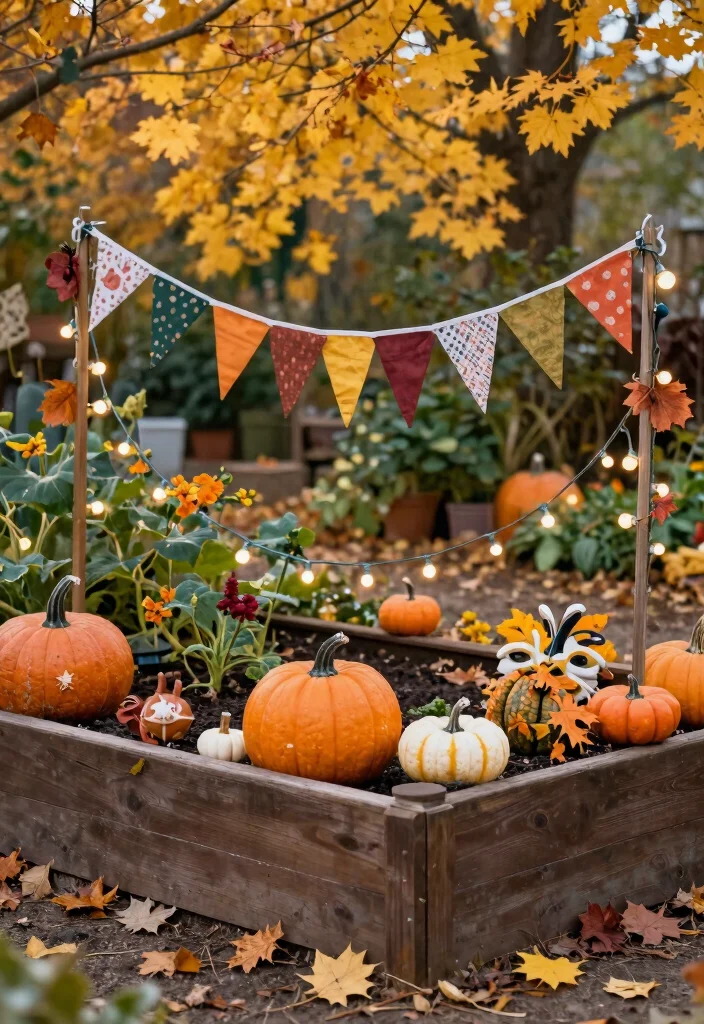
Add your personal touch to the garden by decorating your raised beds for each season! Use colorful ornaments, fairy lights, or handmade signs to celebrate the time of year. For autumn, think about pumpkins or corn stalks, while summer can be brightened with vibrant fabric flags.
This not only enhances the visual appeal of your garden but also creates a welcoming atmosphere for you and your guests. It’s a fun way to express your personality and make gardening more enjoyable!
Decoration ideas:
– Seasonal Themes: Change decorations with the seasons.
– Personal Touch: Add your unique flair to the garden beds.
– Social Atmosphere: Create an inviting space for gatherings.
17. Document Your Gardening Journey
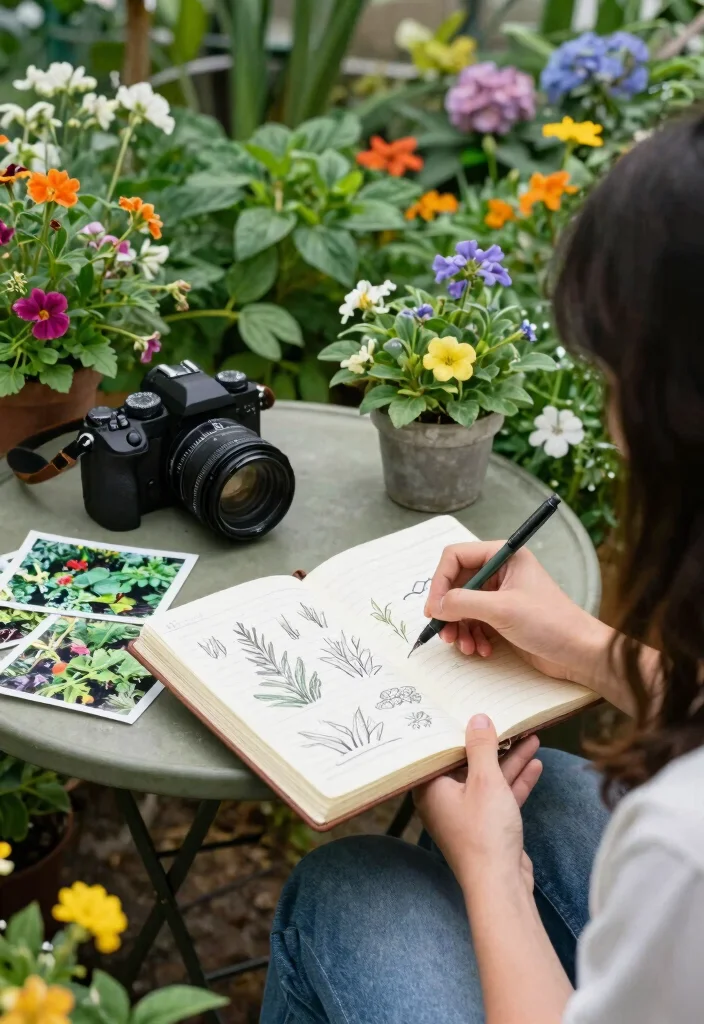
Don’t forget to document your gardening journey! Keeping a journal can be a delightful way to track what you’ve planted, your successes, and even your failures. Take photos of your plants as they grow and jot down notes on what works best for you. This practice not only aids your learning but also creates cherished memories of your gardening experience.
Consider sharing your journey on social media or with friends to inspire others. Gardening can be a beautiful shared experience, and your insights might help someone else along their path!
Documentation tips:
– Garden Journals: Keep track of planting cycles and observations.
– Photography: Capture your plants’ growth stages.
– Sharing: Inspire others with your gardening stories and successes.
Conclusion
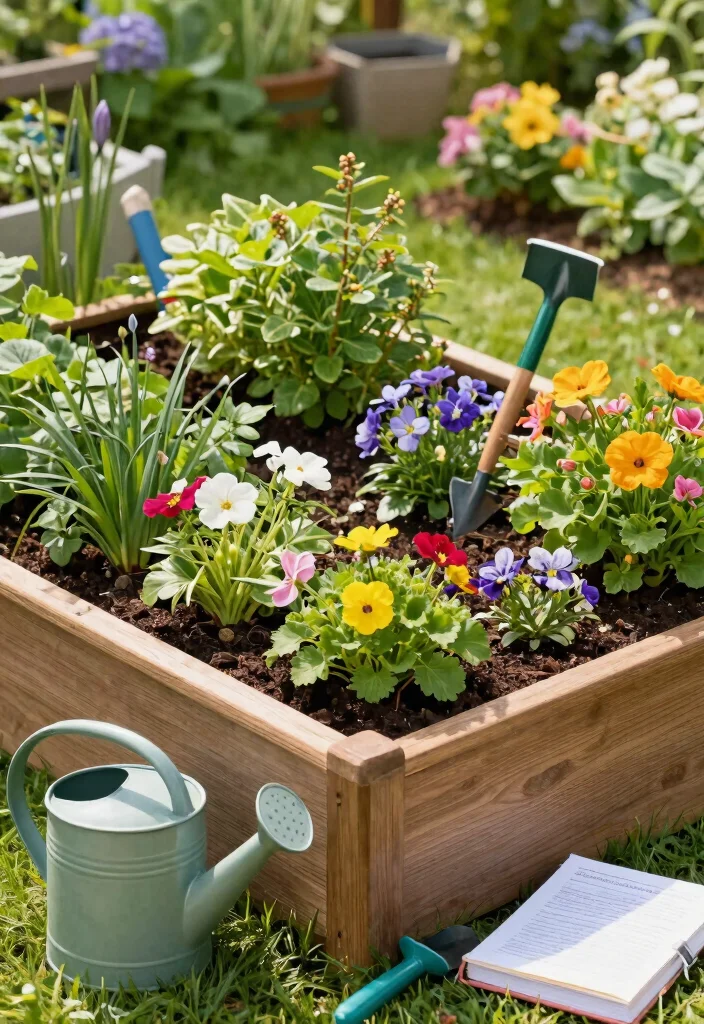
Putting these raised garden bed hacks into action can make a world of difference in your gardening experience! From enhancing accessibility and improving soil health to attracting pollinators and sharing the joy of gardening with friends, each hack is designed to enrich your small-space gardening journey.
Don’t be afraid to experiment and find what works best for you. Happy gardening, and may your raised beds flourish with life!
Note: We aim to provide accurate product links, but some may occasionally expire or become unavailable. If this happens, please search directly on Amazon for the product or a suitable alternative.
This post contains Amazon affiliate links, meaning we may earn a small commission if you purchase through our links, at no extra cost to you.
Frequently Asked Questions
What are the best raised garden bed hacks for small spaces?
When space is tight, the trick is to go vertical and modular. Start with raised garden bed hacks that maximize every inch: compact raised beds, stackable planters, and corner beds that sit against a wall. Add vertical gardening techniques like a trellis, lattice, or wire grid to train herbs and climbing plants. Consider wall-mounted or railing planters to free floor space, and choose self-watering containers to cut down on watering. For DIY garden bed ideas, try tiered shelves, repurposed tote beds, or a small cedar box on wheels so you can reposition as needed. Plan with sun, water access, and drainage in mind to keep plants thriving.
Pro tip: fill with a lightweight, high-quality potting mix blended for containers and mulch to retain moisture.
With these raised garden bed hacks, you can grow tomatoes, peppers, greens, and herbs even on a balcony or narrow patio.
How can I improve soil in a raised bed in a small container garden?
Start with a strong soil foundation because healthy roots love a well-made mix. Use a high-quality potting mix or a DIY blend designed for containers and raised beds. Then boost with soil improvement methods such as a generous layer of compost, worm castings, and a touch of kelp meal for micronutrients. Add perlite or coconut coir for drainage and moisture retention. Test pH if you notice deficiencies, and top-dress with more compost each season. Mulch to conserve moisture and prevent crusting. Rotate crops to keep nutrients balanced.
Tip: aim for a loose, crumbly texture so roots can breathe, and refresh 10-20% of the soil each year as part of your raised garden bed tips routine.
With the right soil recipe, your plants grow stronger and need less water.
What are some DIY garden bed ideas for vertical gardening in limited space?
Vertical gardening is your best friend in small spaces. Try DIY garden bed ideas like a ladder-style trellis, stacked crates or cubbies, hanging fabric grow bags, and a wall-mounted grid that doubles as a trellis. Use vertical gardening techniques to train tomatoes, cucumbers, beans, and herbs upward instead of outward. Install a drip irrigation line to keep even watering, and shield roots from heavy sun with light shade cloth if needed. For a sleek look, mount planters on a fence or railing to create a living wall.
Remember to ensure drainage and easy harvests—adjust the height so you can reach every plant.
These ideas fit right into the DIY garden bed ideas category and expand your growing options in tight spaces.
How can I manage pests in raised beds for containers without heavy chemicals?
You can win the battle with smart, safe strategies. Start with pest control in gardens that rely on prevention: healthy soil, diverse plantings, and good airflow. Use companion planting (basil with tomatoes, marigolds with bed edges) to deter pests, physical barriers like row covers, and yellow sticky traps to monitor flying insects. For a quick fix, spray a soapy water solution or a neem oil mix to deter pests without harsh chemicals. Keep beds clean, remove diseased leaves, and prune crowded growth to cut shelter for pests.
These steps keep your plants productive while staying friendly to pollinators and the environment.
Using these pest control in gardens techniques helps you protect your harvest naturally.
What are simple, budget-friendly soil improvement methods for raised beds in small spaces?
Great question. You can boost your soil without breaking the bank with practical soil improvement methods that pay off season after season. Start a simple compost routine—kitchen scraps, coffee grounds, and shredded leaves—then mix in worm castings for a quick nutrient boost. Add DIY amendments like well-rotted manure (if available) or seaweed/kelp meal for minerals. Use cover crops or green manures in the off-season to feed the soil, and mulch heavily to lock in moisture and feed microbes. Refresh a portion of the soil yearly to keep fertility steady.
All of these fall under raised garden bed tips that are especially useful in small spaces, where every inch of soil matters.
With these budget-friendly soil improvements, your raised beds stay productive without a big upfront cost.