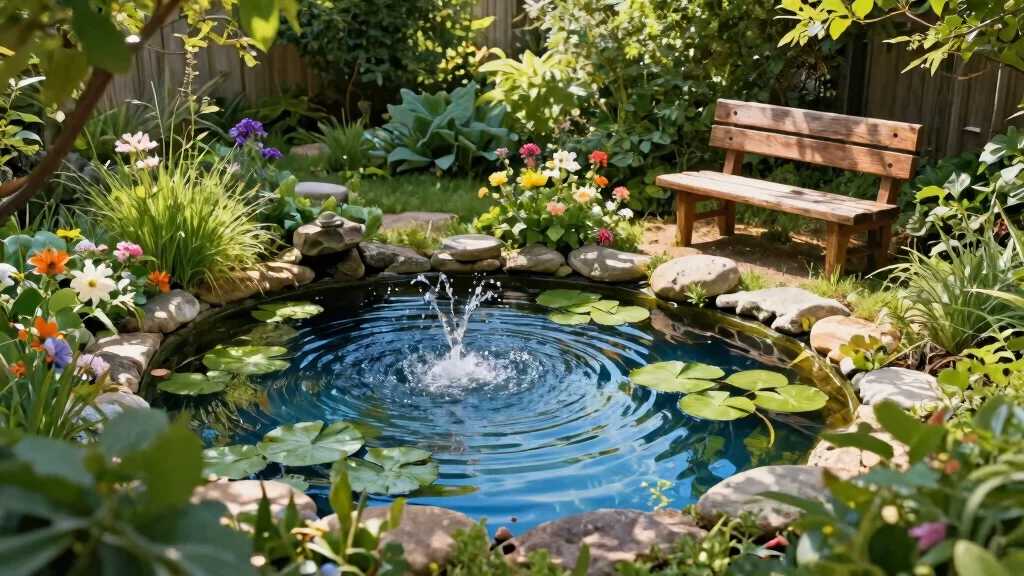
Creating a garden pond has been on my mind lately, and I bet it has for you too. The soothing sounds of water and the vibrant life it attracts can turn any outdoor space into a cherished retreat. If you’re someone who loves the idea of adding a little tranquility and nature to your garden, this post is just for you.
I know that diving into a DIY project can feel a bit overwhelming, especially if it’s your first time. That’s why I gathered these 7 easy garden pond setup ideas specifically for beginners. You won’t need a lot of space or even a ton of experience to create a stunning feature that will draw butterflies, birds, and smiles from everyone who visits. Each idea is simple, engaging, and perfect for small spaces, making it easy to get started right away.
In this guide, you’ll discover creative ways to set up a garden pond that fit your unique style and space. From mini container ponds to fun recycled designs, I’ve included practical tips and inspiration that make it a breeze to transform your yard. Get ready to dive in and find the perfect pond setup for your outdoor oasis!
Key Takeaways
– Choose the Right Size: Mini container ponds are great for small spaces and can fit in even the tiniest corners of your garden.
– Incorporate Wildlife: Birdbath ponds not only look great but also attract local wildlife, adding life to your garden.
– Stack for Space-Saving: Stackable pond systems maximize vertical space, making them perfect for limited areas.
– Creative Repurposing: Consider using old wheelbarrows or other recycled materials for unique and eco-friendly pond designs.
– DIY and Personalize: Building a DIY koi pond in a container allows you to customize it to your liking, ensuring it complements your garden style.
1. Mini Container Ponds
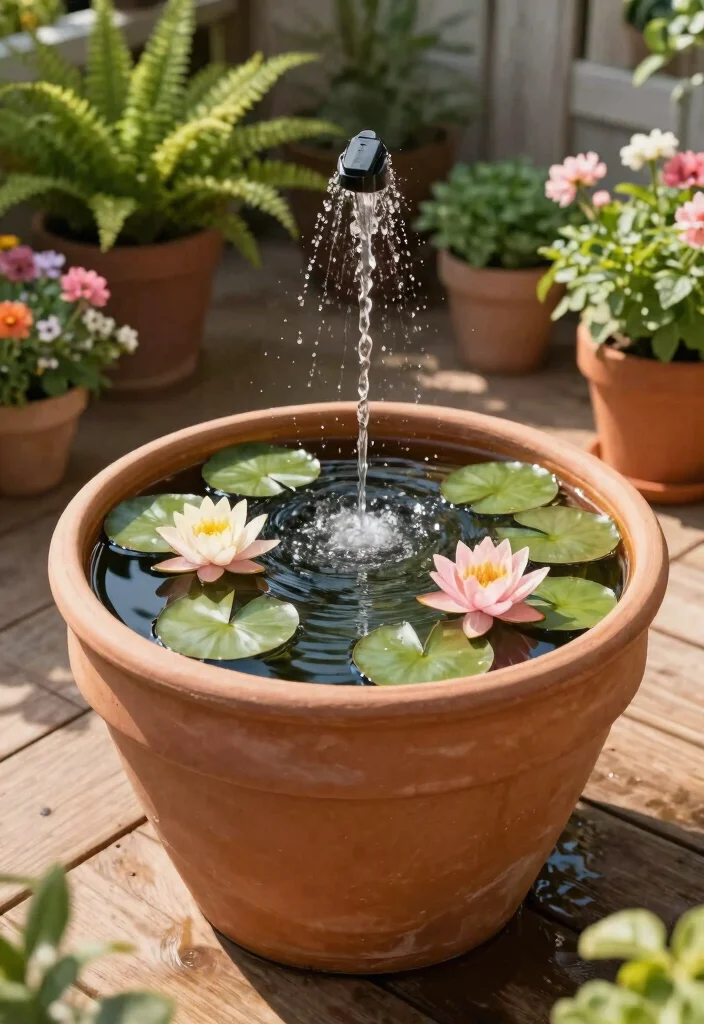
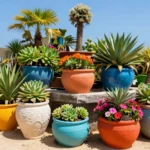
If you’re looking for an easy way to add charm to your space, mini container ponds are the perfect solution. These delightful features require minimal effort and can fit almost anywhere, from patios to balconies. You can use various containers like terracotta pots, wooden barrels, or even repurposed bathtubs to create your own little oasis. Not only do they look great, but they also provide a home for aquatic plants that keep the water fresh and inviting.
Begin by selecting a watertight container and filling it with clean water. Enhance the beauty by adding aquatic plants such as water lilies or lotus, which help maintain the ecosystem. You can also introduce floating plants like duckweed to provide shade and reduce algae growth.
Key elements to consider:
– Choose a container that’s at least 12-18 inches deep.
– Regularly check water levels, especially during hot days.
– Clear out debris to keep your pond looking pristine.
This simple setup offers a lovely retreat in your small space, bringing tranquility and beauty to your garden.
2. Birdbath Ponds
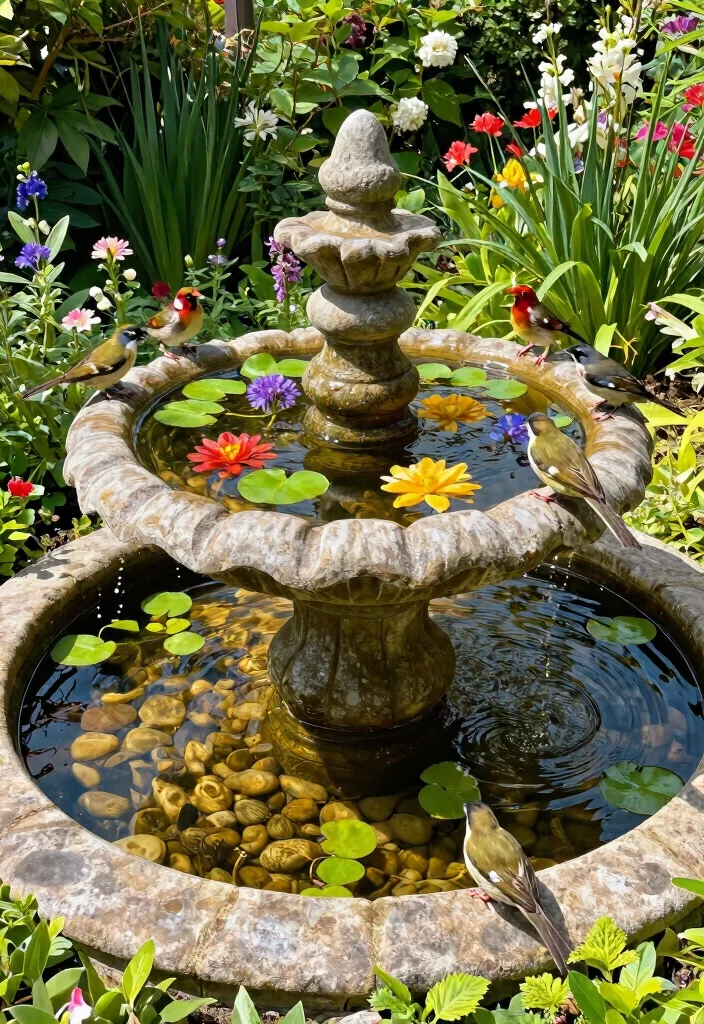
Do you love watching birds? Then transforming a birdbath into a mini pond is a wonderful way to attract feathered friends to your garden. It serves as a stunning focal point while providing a safe habitat for various wildlife. Place it in a sunny area to catch the attention of local birds, and fill it with water while adding pebbles or aquatic plants for visual interest.
To create a more vibrant ecosystem, consider placing small stones at the bottom for perching. Adding a small water pump can keep the water circulating, ensuring it remains fresh and inviting for birds.
Here are some tips to enhance your birdbath pond:
– Select a birdbath deep enough for small fish.
– Add floating plants like water hyacinth for shade and beauty.
– Keep it clean to avoid algae and promote a healthy environment.
This delightful addition not only beautifies your garden but also supports local wildlife, contributing to the area’s biodiversity.
Fun fact: turning a birdbath into a mini pond can boost garden wildlife by 40% in just weeks. In a sunny spot, fill it with water, pebbles, and aquatic plants, then add a tiny pump for moving water—one of your best garden pond setup ideas.
3. Stackable Pond Systems
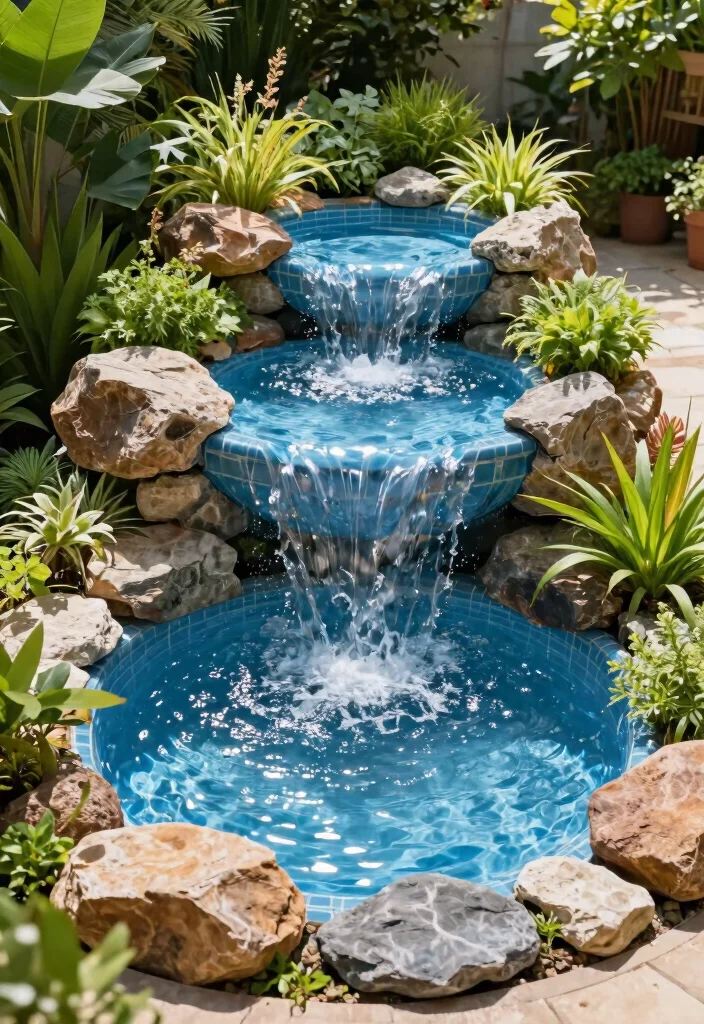
If you’re short on space but still want to enjoy a pond, stackable pond systems offer a clever solution. These kits are easy to assemble and can fit snugly in tight corners of your garden or patio. They create a stunning multi-tiered water feature that adds depth to your outdoor space, with cascading water that enhances the serene atmosphere.
Start with a base pond to hold water, then stack additional sections to create varying water levels. Integrating aquatic plants at each level can add beauty and biodiversity.
Consider these handy tips:
– Use a small pump to keep water flowing and prevent stagnation.
– Decorate the edges with rocks or gravel for a natural appearance.
– Keep an eye on water levels, especially during dry spells.
This setup not only maximizes your space but also adds an eye-catching feature to your garden.
4. Raised Bed Water Features
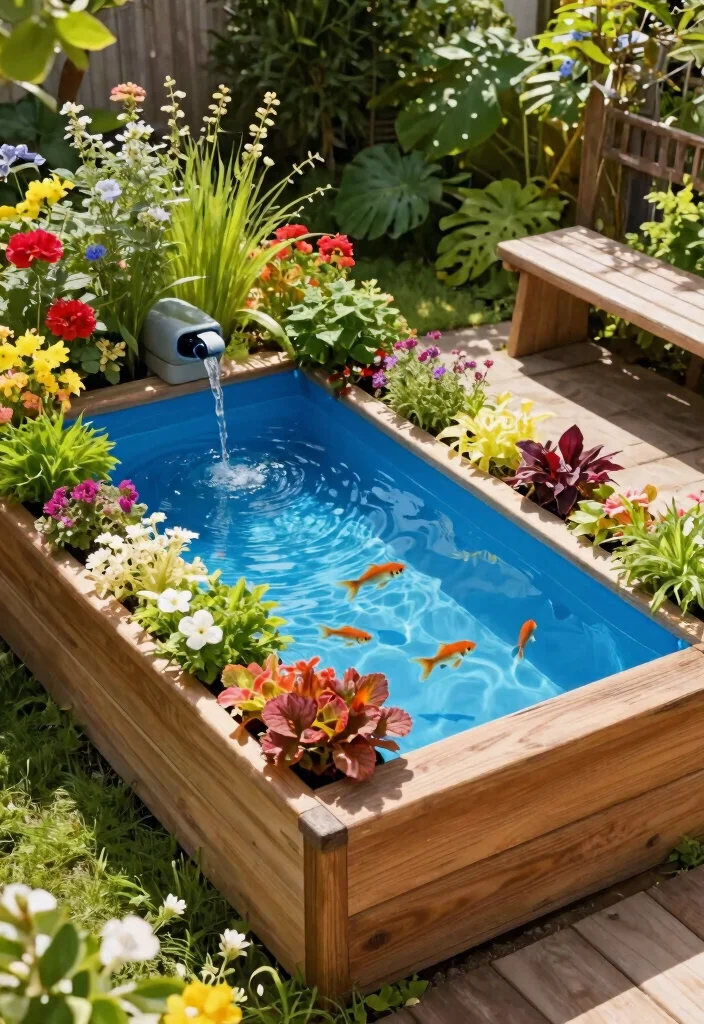
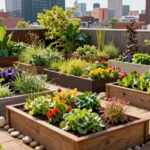
Why not turn a raised garden bed into a stunning water feature? This creative idea is perfect for beginners looking to make a unique statement in their yard. Using a wooden planter or even an old bathtub, you can fill it with water and vibrant aquatic plants that thrive in sunlight.
For added liveliness, consider adding fish like goldfish or guppies, which are hardy and adapt well to various conditions.
Keep these points in mind:
– Ensure proper drainage and circulation for healthy fish.
– Regularly test water quality for pH and ammonia levels.
– This setup combines beauty and functionality, creating a lush green space for both plants and fish.
A raised bed water feature can be the centerpiece of your garden, inviting tranquility and life.
Fun fact: Raised-bed water features can transform a small space in minutes—great for your garden pond setup ideas. Use a wooden planter or an old tub with sun-loving plants, then add hardy fish like goldfish for instant life.
5. Wheelbarrow Ponds
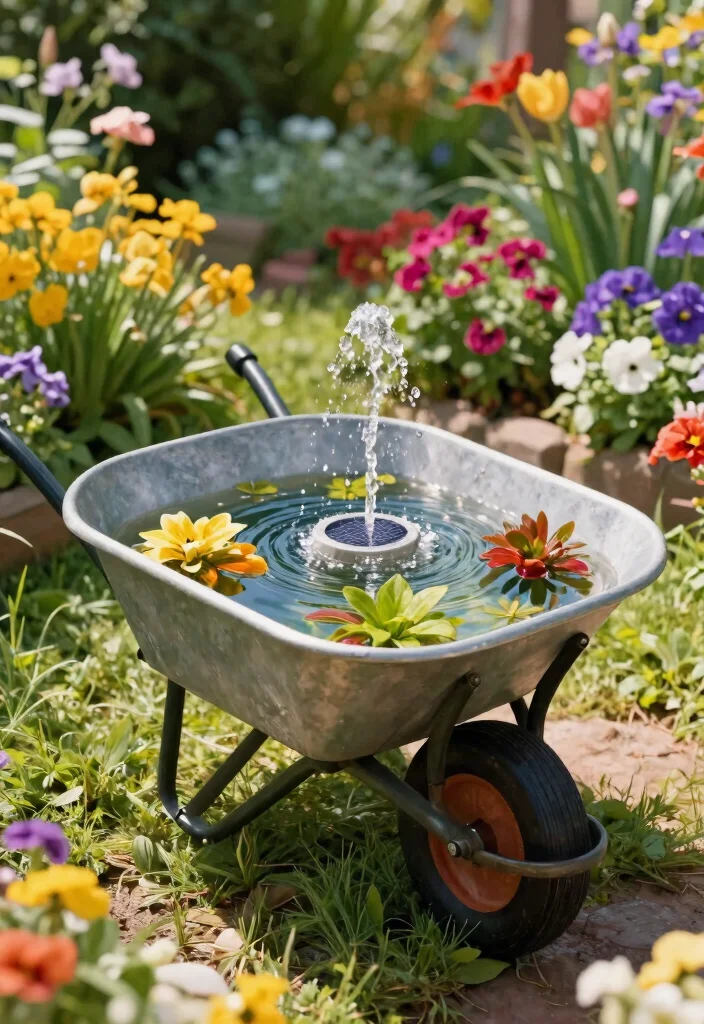
For a whimsical twist, consider using an old wheelbarrow to create a unique pond. This repurposed item adds character to your garden while being functional. Simply fill the wheelbarrow with water and arrange a few aquatic plants for a delightful visual. A small solar fountain can also enhance its charm.
The mobility of a wheelbarrow allows you to experiment with different placements, ensuring it gets the best sunlight or fits your design.
Here are some tips for your wheelbarrow pond:
– Use waterproof liners to retain water effectively.
– Add colorful stones at the bottom for depth and interest.
– This fun idea not only serves as a water feature but also sparks conversations among guests.
A wheelbarrow pond is sure to bring joy to both you and the local wildlife.
Difficulty Rating & Requirements
Overall Difficulty Rating: Easy
Setting up a garden pond can be a fun and rewarding project for beginners. The overall difficulty is rated as easy, making it suitable for first-time builders who want to add charm to their outdoor space. You don’t need extensive gardening skills, just a willingness to learn and get your hands a little dirty.
Time Estimate:
⏱ Estimated time: 2-4 hours
The time required to set up your pond will depend on the complexity of your chosen design. For a mini container pond or a birdbath pond, expect to spend about 2 hours. A more intricate setup, like a DIY koi pond in a container, may take up to 4 hours. Each phase includes planning, gathering materials, and the actual assembly.
Skill Requirements:
– Required skills: Basic gardening knowledge, ability to follow instructions, some manual dexterity
– Beginner-friendly: Yes. This project is accessible for those with little experience. You can learn about pond maintenance and setup through online tutorials or community workshops.
– Skills that can be learned: You can gain skills like water management and basic pond care as you go. More complex skills, like creating intricate designs, might require some experience.
Tools & Materials Needed:
🧰 Essential items checklist
– Container or pond liner (required)
– Pump and filter system (required for larger ponds)
– Rocks or gravel (optional, for decoration)
– Aquatic plants (required for a healthy ecosystem)
– Water treatment chemicals (optional, depending on water quality)
– Shovel (required for digging if needed)
– Decorative items (optional, to enhance aesthetics)
– Hose (optional, for filling the pond)
These items can often be found at local gardening stores or online.
Step-by-Step Overview:
1. Planning your pond (1 hour): Decide on the location, size, and type of pond. Sketch a design if you like. This phase is crucial for ensuring your pond fits well in your space.
2. Gathering materials (30 minutes): Shop for all the necessary supplies. Check that you have everything on your list before starting the project.
3. Setting up the pond (1-2 hours): If you’re using a container, place it in your chosen spot and fill it with water. For more complex designs like stackable ponds, you may need to dig and arrange layers.
4. Adding plants and decorations (30 minutes): Place your aquatic plants inside and arrange any decorative elements like rocks or figures to enhance beauty.
5. Filling and testing the pond (1 hour): If you used a liner, fill it slowly with water. Check for leaks or areas that need adjustment. Let your pond settle for a day before adding fish or more plants.
Cost Comparison: Professional vs DIY:
The cost of hiring professionals to set up a pond can range from $1,000 to $5,000, depending on size and features. In contrast, a DIY approach can cost between $50 and $500, especially for smaller setups like container ponds. If you’re comfortable asking for help or want a more complex feature, hiring a professional might be worth considering. Otherwise, starting with a DIY project is a budget-friendly way to enjoy a beautiful garden pond.
6. DIY Koi Pond in a Container
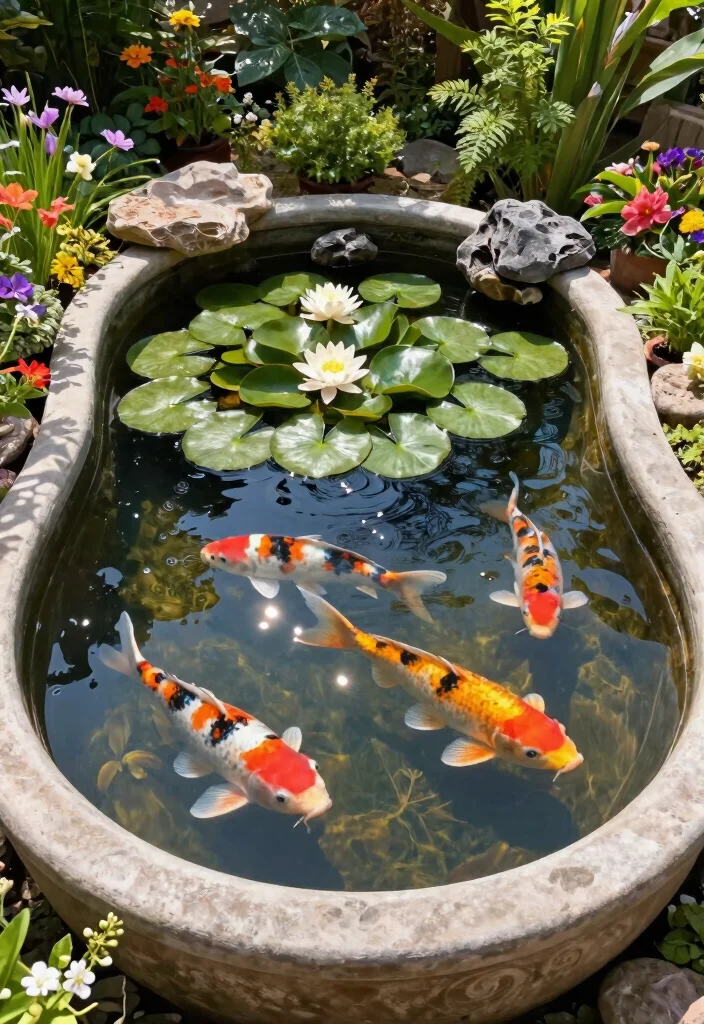
Creating a DIY koi pond in a container is a fantastic way to enjoy these beautiful fish without needing a large space. A large tub or container can easily be transformed into a vibrant pond. Ensure it’s at least three feet deep, providing enough swimming room for your koi.
Adding a filtration system will help keep the water fresh and clear, while aquatic plants like water lilies contribute to a natural setup.
Keep these tips in mind:
– Regularly check water temperature and quality for koi health.
– Feed them a balanced diet for vibrant colors and growth.
– Koi ponds create not just beauty but also a peaceful atmosphere in your garden.
Enjoy the calming effect of watching these graceful fish swim through the water.
Fun fact: A DIY koi pond in a container can thrive when it’s at least three feet deep. Add a simple filter. Water lilies help balance nutrients and bring your garden pond setup ideas to life with clear, healthy water.
7. Recycled Pond Designs
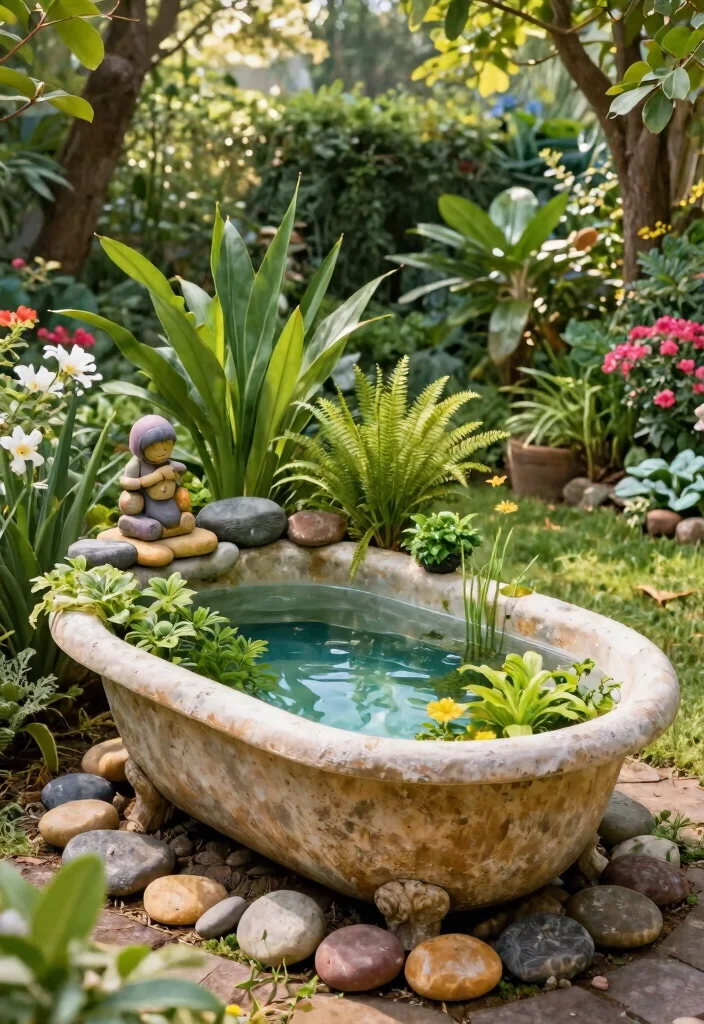
Get creative with your garden pond by using recycled materials for an eco-friendly design. Old bathtubs, sinks, or large plastic containers can be beautifully repurposed into unique water features. This approach not only adds personality to your garden but also promotes sustainability.
Enhance your recycled pond with stones, aquatic plants, and small garden sculptures for added appeal. Position it in a visible area to fully appreciate its beauty.
Here are some essential tips:
– Ensure your recycled container is watertight or line it to prevent leaks.
– Use native aquatic plants to support local wildlife.
– Regular maintenance keeps your recycled pond looking fabulous.
A recycled pond design adds charm while contributing to environmental sustainability in your gardening efforts.
Conclusion
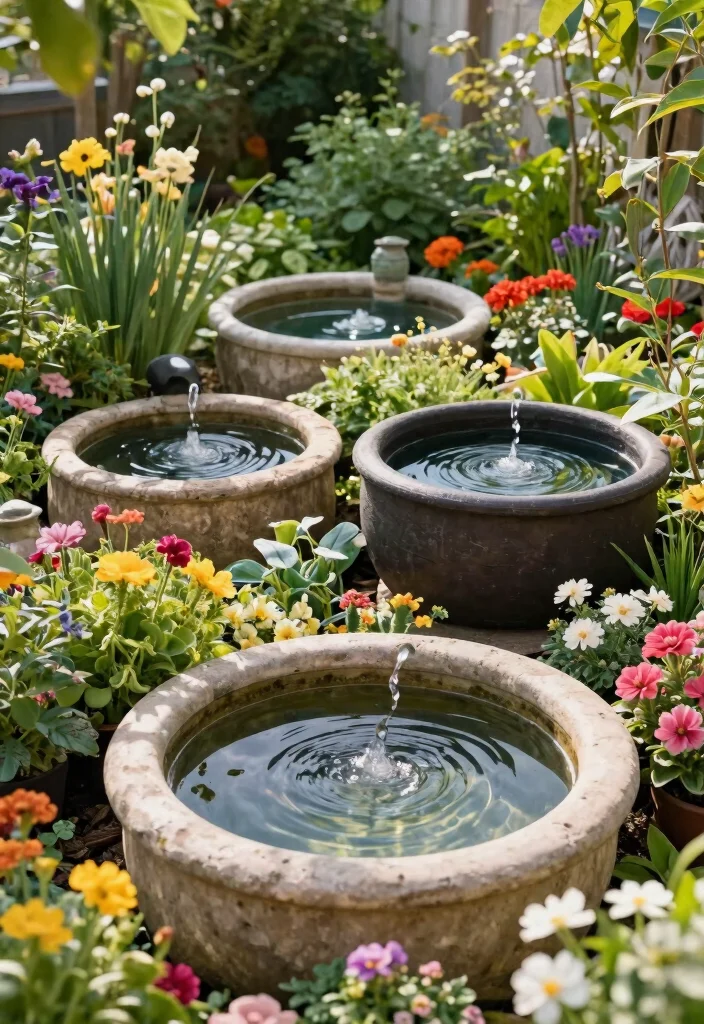
Building a garden pond doesn’t have to be daunting, especially with these creative setup ideas designed for small spaces.
Each concept allows you to add beauty and tranquility to your outdoor area while engaging in fun DIY projects. From mini container ponds to whimsical wheelbarrows, there’s a perfect fit for every gardener.
So gather your materials, get started, and enjoy the peaceful retreat right in your backyard!
Note: We aim to provide accurate product links, but some may occasionally expire or become unavailable. If this happens, please search directly on Amazon for the product or a suitable alternative.
This post contains Amazon affiliate links, meaning we may earn a small commission if you purchase through our links, at no extra cost to you.
Frequently Asked Questions
What are some simple garden pond setup ideas for small spaces?
These garden pond setup ideas are designed for balconies, patios, and tiny yards.
Start with a container: a stock tank, large planter, or tub makes a great, affordable pond. Place it in a sunny spot (about 4–6 hours of sun) near a power outlet for a compact pump. Install a small submersible pump and a fountain head to keep water circulating and oxygenated.
Add a shallow planting shelf for marginal plants and consider a liner if your container isn’t pond-safe. Keep maintenance easy by choosing DIY water features that don’t require complex plumbing. For beginner gardening projects, this setup is scalable: you can add fish, more plants, or a larger pump later as you gain confidence.
With thoughtful placement and simple components, you’ll have a welcoming water feature in your outdoor space and a fulfilling outdoor landscaping ideas element.
Which container sizes and materials work best for beginner gardening projects in a garden pond?
For beginner gardening projects, start with a container in the 20–50 gallon range for small spaces, or 50–100+ gallons if you have a sunny corner and room for equipment. Good materials: durable stock tanks, thick plastic tubs, or repurposed outdoor basins. Look for rounded corners, a flat bottom, and a built-in rim to prevent overflow. Check that the container is BPA-free and safe for water plants. Pair with a simple underlayment or pond liner and a basic submersible pump, plus a tiny filter. Keep the depth around 12–18 inches to support plants and keep maintenance manageable.
How can I design a DIY water feature that blends with outdoor landscaping ideas while staying within a small space?
Treat the feature as part of your landscape, not a separate item. Start with a focal point like a tiered bowl or a shallow basin tucked along a path. Use a compact pump with adjustable flow to control sound and movement. Run tubing behind rocks, a decorative screen, or a low wall to keep hoses out of sight. Choose natural materials—stone, slate, wood, or brick—that match your outdoor landscaping ideas. For tight spots, consider a vertical stacked pond or a borderless edge that blends into a flower bed. Add solar-powered lighting to extend enjoyment into evenings.
What are essential pond design tips to keep a small garden pond healthy and easy to maintain?
Focus on simplicity with these pond design tips for small spaces: 1) Depth and plants: aim for a comfortable depth (about 12–18 inches) and a balanced selection of hardy aquatic plants. 2) Filtration: use a basic mechanical/biological filter and a small pump. 3) Debris control: include a pond net and skim leaves regularly. 4) Maintenance routine: set a weekly schedule to check water quality and trim plants. 5) Location: partial sun helps reduce excessive algae. 6) Winter prep: in cold climates, plan for winterizing or a deeper area. This approach keeps your garden pond setup ideas practical for beginner gardening projects.
How do I maintain small garden ponds and ensure clear water during the first season?
Start with a simple maintenance routine: skim debris daily, perform a small water change (10–20%) weekly, and ensure the pump and filter are functioning properly. Add beneficial bacteria to establish a healthy biofilter and avoid overfeeding plants or any fish. Test water occasionally for pH and ammonia, and fix issues early. Use dechlorinated tap water or rainwater to fill, and consider shading the pond with plants or a decorative screen to limit algae growth. In winter, winterize if needed and plan for seasonal changes to keep your garden pond setup ideas looking clear and inviting.