![13 Genius Planter Filler Ideas for Large Pots [Save Soil]](https://homedreamly.com/wp-content/uploads/2026/04/13-Genius-Planter-Filler-Ideas-for-Large-Pots-Save-Soil.webp)
Gardening can be a joyful escape, especially when you’re working with large pots. But we often face a common challenge: how to fill those pots without wasting valuable soil. This issue has been on my mind, and I wanted to share some clever ideas that not only save soil but also help you create a healthy environment for your plants. If you’re a gardener eager to make your container gardening more efficient and eco-friendly, you’re in the right place.
Whether you have a sprawling backyard or a cozy balcony, these planter filler ideas will resonate with you. You care about sustainable gardening practices and want to reduce waste while nurturing your plants. That’s why I gathered 13 genius planter filler ideas for large pots that are practical, resourceful, and perfect for anyone looking to enhance their gardening game. You’ll find solutions that are not only efficient but also add a decorative touch to your pots.
Get ready to discover innovative ways to use common items in your home and garden. From crushed eggshells to repurposed plastic bottles, these tips will help you save soil and keep your plants thriving. Each idea comes with easy-to-follow suggestions that will leave you feeling empowered and excited to get your hands dirty!
Key Takeaways
– Save Soil: Use creative fillers like crushed eggshells and recycled plastic bottles to minimize soil use in large pots. This conserves resources and reduces waste.
– Eco-Friendly Solutions: Incorporate materials such as coconut coir fibers and wood chips. These sustainable choices not only help with drainage but also enrich your soil.
– Decorative Options: Fill your pots with stones, pebbles, or bamboo chunks. These options provide a stylish and functional way to enhance the look of your container gardening.
– Repurpose Common Items: Old newspapers and fabric scraps can be effectively reused. Not only do they act as fillers, but they also help retain moisture in the soil.
– Practical Benefits: Mixing in coffee grounds or dried leaves can improve soil health while providing nutrients. These simple additions can lead to healthier plants and vibrant blooms.
1. Use Crushed Eggshells for Drainage
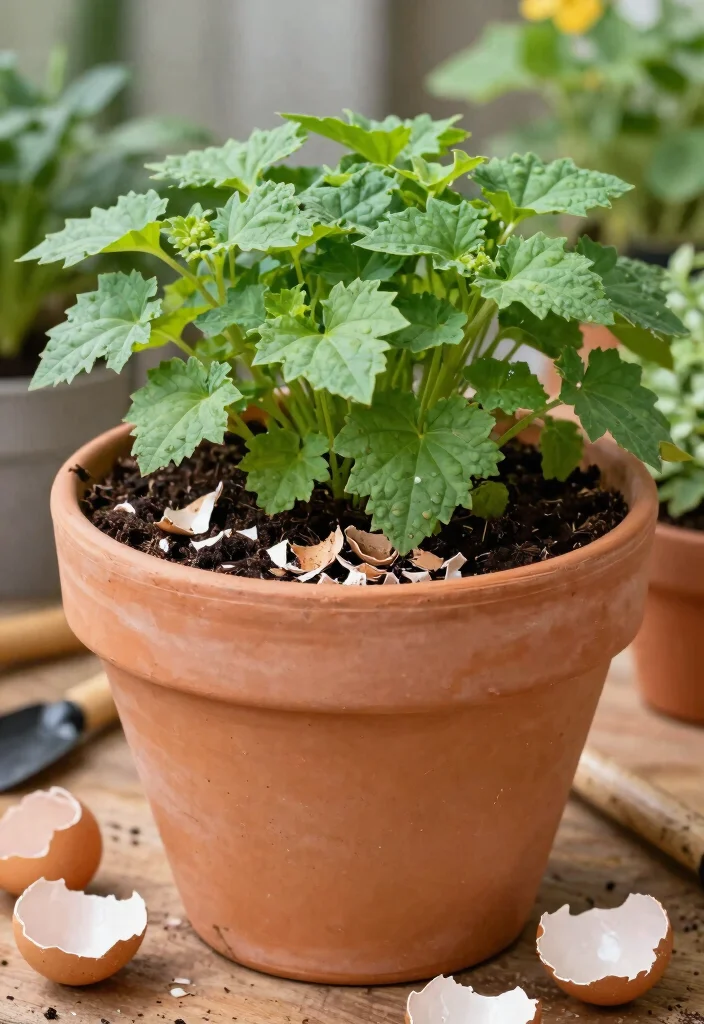
Crushed eggshells aren’t just breakfast leftovers; they’re a fantastic, eco-friendly solution for pot drainage!
Packed with calcium, these shells enrich your soil while enhancing plant health. Simply rinse, dry, and crush them to your preferred size for easy use.
Lay a layer of crushed eggshells at the bottom of your pots to enhance drainage and prevent soil erosion. You’ll be recycling kitchen waste into a beneficial garden amendment that nurtures your plants over time!
Key benefits of using crushed eggshells:
– Enhances drainage while adding calcium to the soil.
– Mix with gravel for improved texture.
– Deters pests like slugs with their sharp edges!
This method transforms your gardening routine, ensuring healthier plants and reducing waste effectively.
Key Trade-offs & Our Top Pick
Option 1: Crushed Eggshells
– Pros:
– Excellent for drainage, preventing waterlogging.
– Adds calcium to the soil, benefiting plant health.
– Cons:
– Requires time to break down completely.
– May attract pests if not properly managed.
– Best for: Gardeners looking for a natural, nutrient-rich filler that also aids in drainage.
Option 2: Recycled Plastic Bottles
– Pros:
– Reduces waste, promoting eco-friendliness.
– Lightweight, making it easy to handle and move.
– Cons:
– Can break down over time, requiring replacement.
– Not biodegradable, which could impact soil health in the long run.
– Best for: Those who want a low-cost and lightweight solution for filling large pots.
Option 3: Coconut Coir Fibers
– Pros:
– Retains moisture well, reducing the need for frequent watering.
– Completely organic and biodegradable, enriching the soil over time.
– Cons:
– Can be more expensive than other fillers.
– May need to be supplemented with additional nutrients for optimal plant growth.
– Best for: Gardeners seeking a sustainable option that supports moisture retention in their pots.
Option 4: Styrofoam Peanuts
– Pros:
– Extremely lightweight, which reduces the overall weight of large pots.
– Provides excellent drainage and aeration for plants.
– Cons:
– Not biodegradable, which can be a concern for eco-conscious gardeners.
– Can be blown away if not properly contained.
– Best for: Container gardeners needing a cost-effective filler that improves drainage without adding weight.
Option 5: Old Newspaper
– Pros:
– Reduces waste by recycling materials you already have at home.
– Biodegradable, contributing to soil health as it breaks down.
– Cons:
– Breaks down quickly, requiring more frequent replacement.
– Might not provide as much drainage compared to other options.
– Best for: Those looking for an easy and inexpensive way to fill large pots while being eco-friendly.
Best Overall: Coconut Coir Fibers
Coconut coir fibers stand out as the best option for most gardeners. They offer a balanced mix of moisture retention, biodegradability, and sustainability. While they may come at a slightly higher cost, the long-term benefits to your plants and soil health make them a worthy investment. You’ll find they support a healthy root system while being environmentally friendly.
Why We Picked This:
While coconut coir fibers are our top pick, you might prefer other options based on your specific needs. For example, if you’re looking for a super lightweight option, recycled plastic bottles might be more suitable. If you want something budget-friendly, crushed eggshells or old newspaper could be your go-to. Each option offers unique benefits and trade-offs, so choose based on what matters most to you!
2. Incorporate Recycled Plastic Bottles
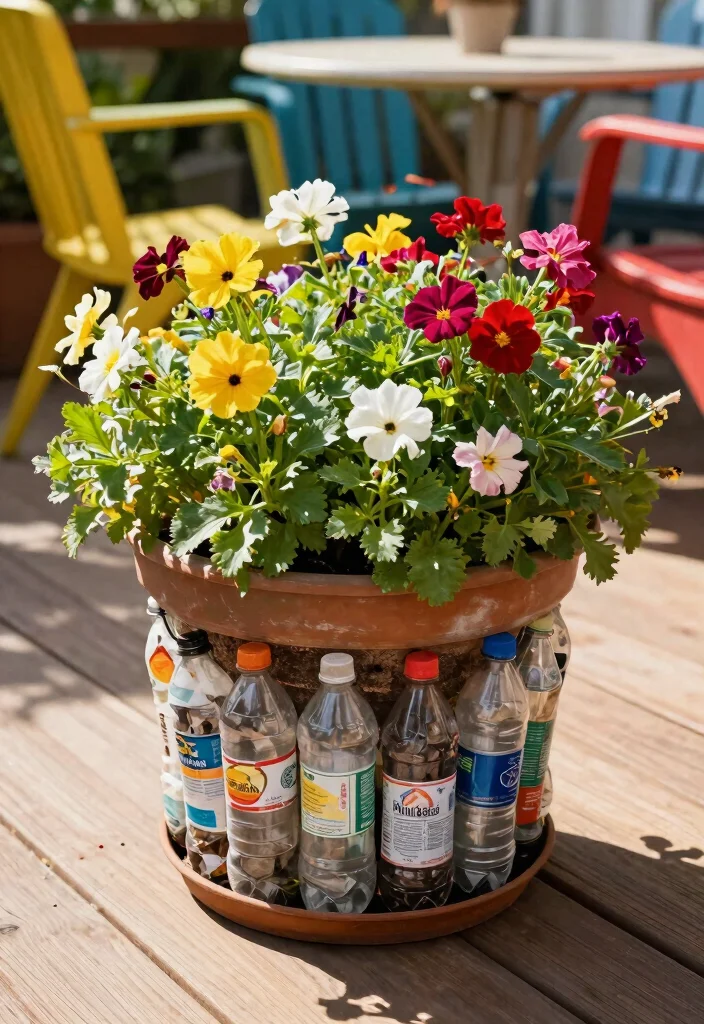
Repurposing plastic bottles as fillers is a smart choice for your garden and the planet.
Cut them into pieces or use them whole at the base of your pots to reduce soil usage. This not only saves soil but creates air pockets that boost drainage.
As the bottles break down, they release nutrients, making your plants flourish while minimizing plastic waste!
Here’s how to use recycled bottles:
– Reduce landfill waste with this clever trick.
– Use varied sizes for better aeration.
– Decorate the bottles for a playful garden look!
This approach not only saves you money but also supports a greener environment.
3. Try Coconut Coir Fibers
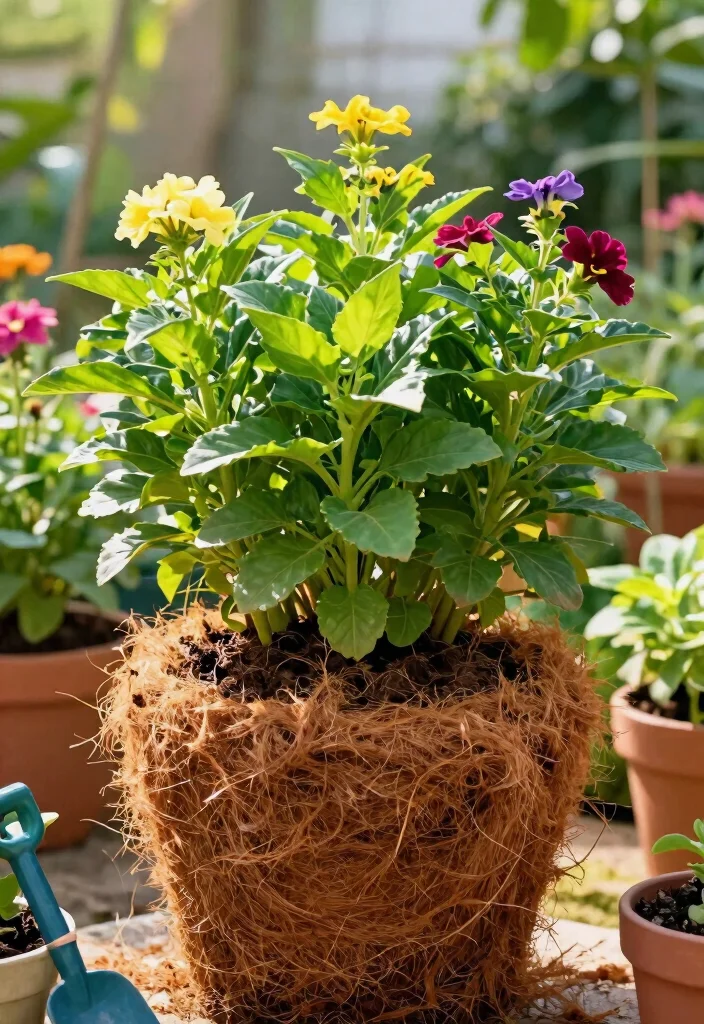
Coconut coir fibers are a remarkable, sustainable option for enhancing your potting mix.
These fibers retain moisture and promote excellent drainage, creating an ideal environment for root growth. When blended with soil, they provide a light, airy structure that supports healthy plants.
To maximize results, soak coir in water before adding it to your pots for improved aeration.
Benefits of coconut coir:
– Maintains moisture balance effectively.
– Combine with perlite for superior drainage.
– Biodegradable and enriches the soil naturally!
This eco-friendly filler not only supports plant growth but also contributes to a healthier garden ecosystem.
4. Reuse Old Newspaper
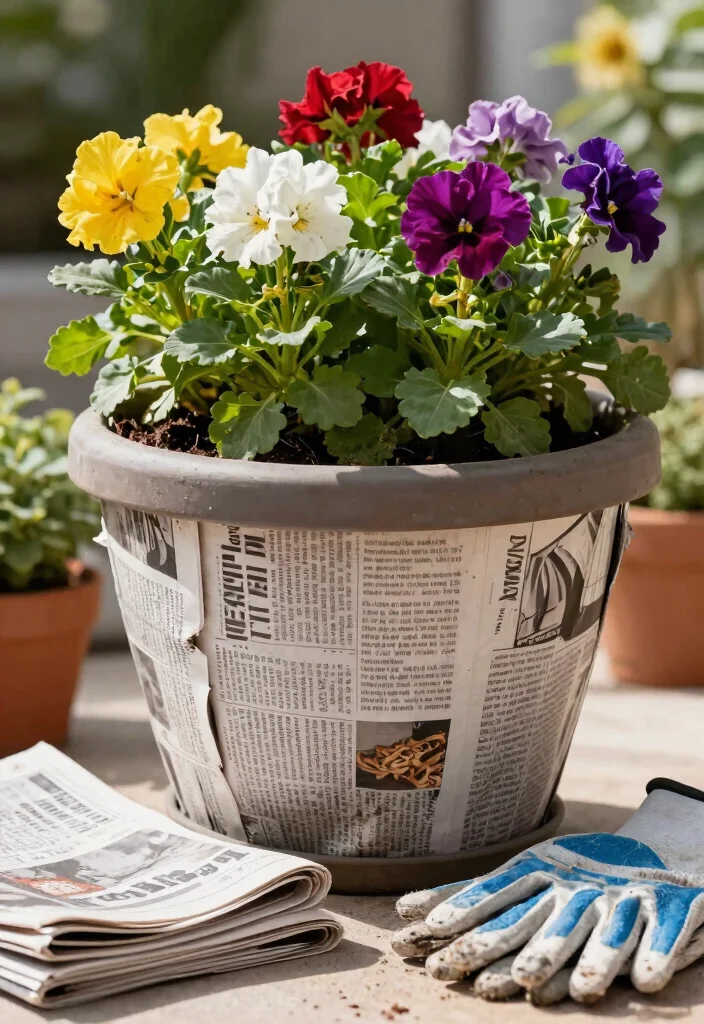
Old newspapers are an unexpected yet effective filler for your pots.
Shred them into strips and layer them at the bottom of your pots to aid in aeration and moisture retention. As they decompose, they enrich the soil, providing a sustainable option for gardeners.
Just avoid glossy paper to steer clear of harmful chemicals.
Here’s why using newspaper is smart:
– Eco-friendly recycling method.
– Helps keep soil moist consistently.
– Layer with organic materials for maximum benefit!
This budget-friendly approach elevates your gardening game while promoting sustainability.
5. Fill with Stones and Pebbles
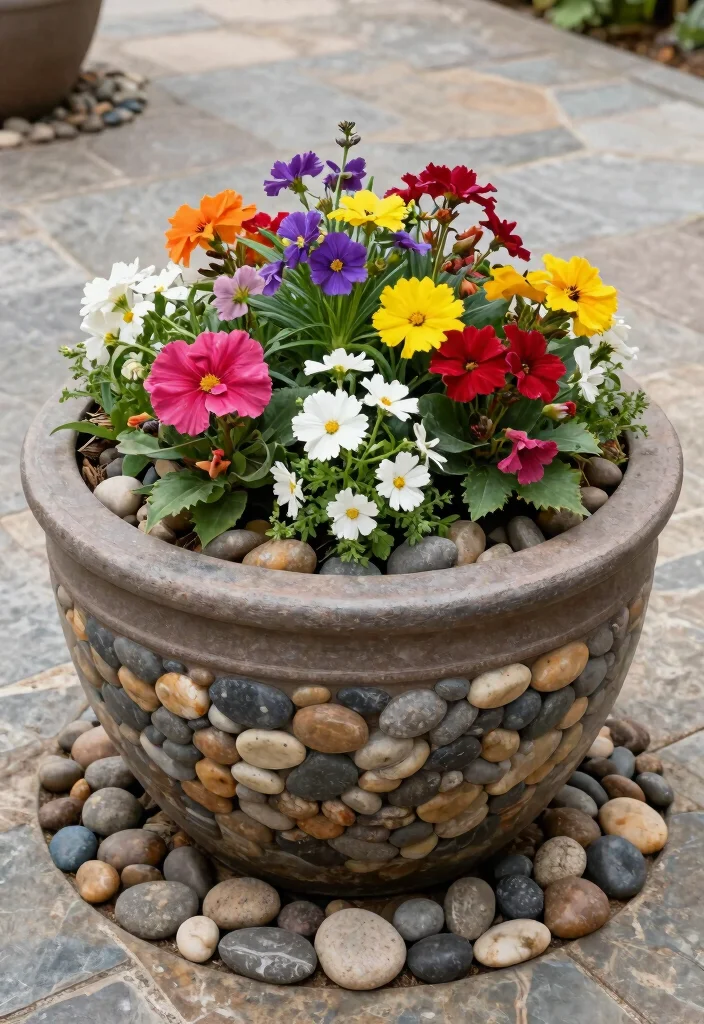
Stones or pebbles not only look great but also serve a vital function in your pots.
They create a reliable drainage layer, preventing water from accumulating and soil from becoming soggy. You can mix different sizes for a visually appealing, dynamic effect.
Plus, stones add a decorative touch to your plant display!
Key reasons to choose stones:
– Adds a natural look to your pots.
– Ensures excess water can escape easily.
– Paint or decorate stones for a unique garden flair!
This method combines functionality with beauty, enhancing your gardening aesthetic.
Did you know a 2-inch layer of stones boosts drainage by up to 30%, keeping soil airy and roots happy? Mix different pebble sizes for a dynamic, natural look in your large pots—perfect for planter filler ideas for large pots.
6. Use Wood Chips or Bark Mulch
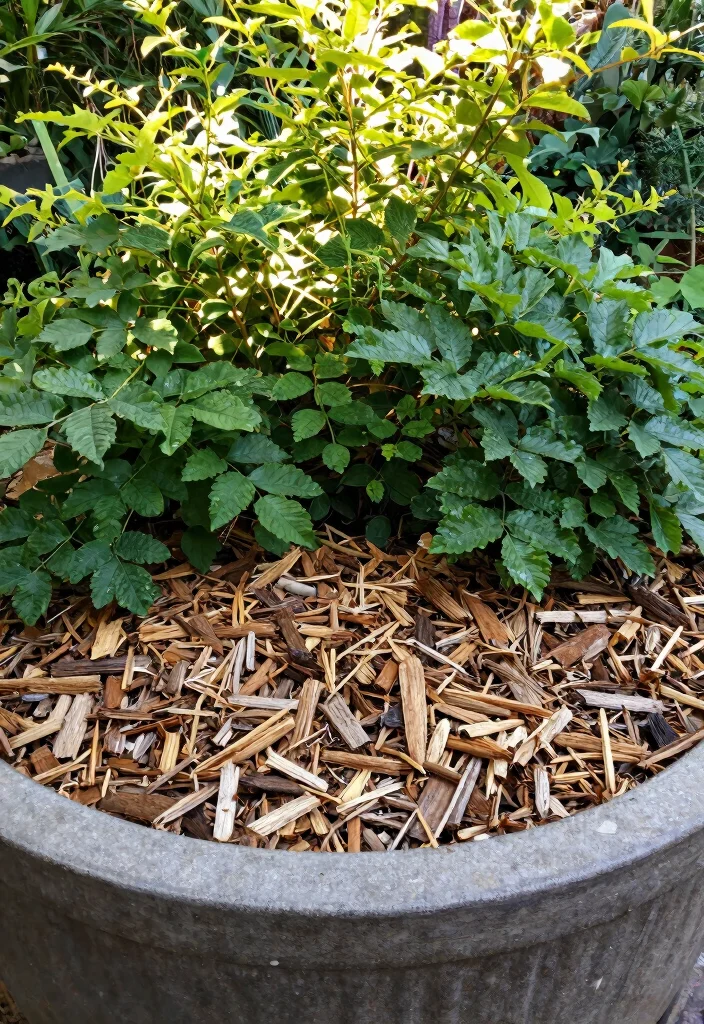
Wood chips or bark mulch offer a dual benefit as fillers and soil enhancers.
These organic materials break down slowly, releasing nutrients over time while helping to retain moisture. They also add an earthy aesthetic to your pots, complementing your plants beautifully.
Use them to keep roots cool during hot weather!
Benefits of wood chips:
– Enriches soil as it decomposes.
– Maintains consistent moisture levels.
– Mix with other fillers for added texture!
This strategy supports plant health while enhancing your garden’s appearance.
7. Dried Leaves and Grass Clippings
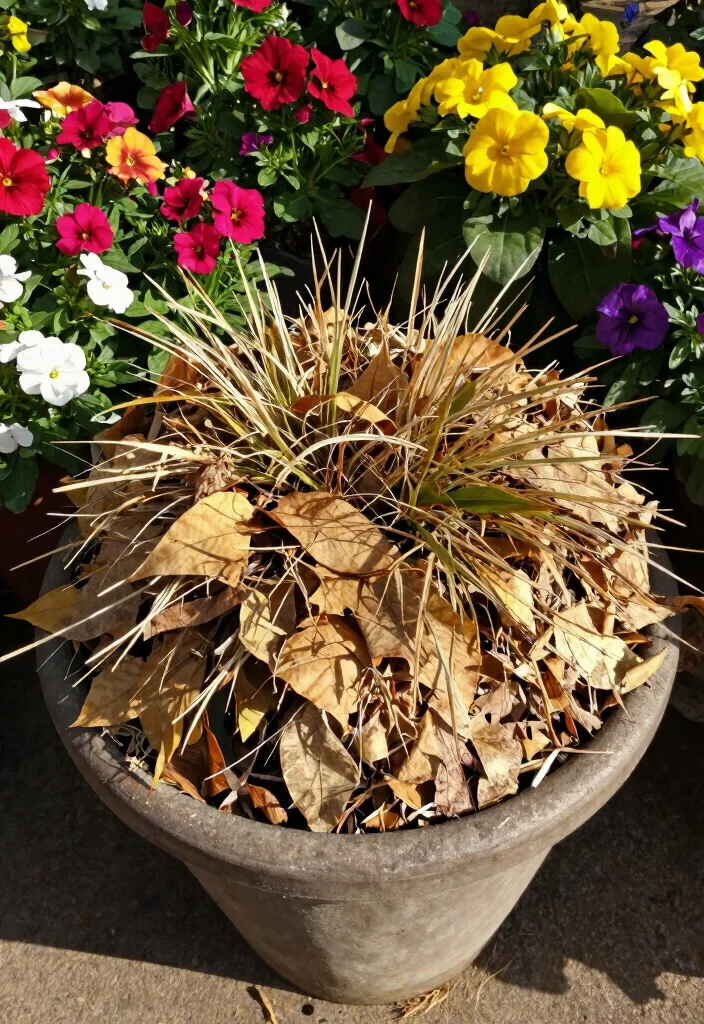
Incorporating dried leaves and grass clippings into your pots is a fantastic way to recycle yard waste.
Layer them properly to ensure good drainage while adding organic matter as they break down. This method is particularly beneficial during the fall when leaves are abundant!
Just ensure the materials are dry to prevent mold.
Advantages of using yard waste:
– Adds vital nutrients to your soil.
– Effectively retains moisture.
– Mix with other organic fillers for a rich growing medium.
This approach not only benefits your plants but also contributes to waste reduction.
8. Incorporate Styrofoam Peanuts
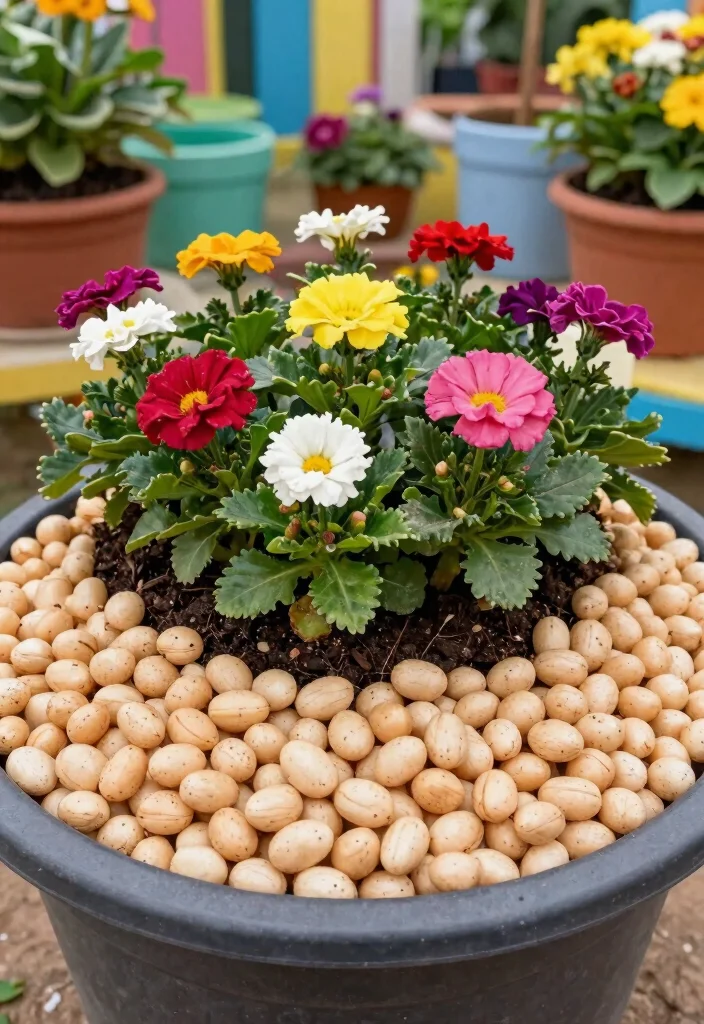
Styrofoam peanuts might seem unconventional, but they’re lightweight and enhance drainage in your pots.
Fill the bottom layer with these peanuts to save soil and ensure water flows freely. They keep your pots light, making them easy to rearrange. Just be sure they’re clean and residue-free!
Here’s why to consider Styrofoam peanuts:
– Keeps pots light and manageable.
– Prevents soil from becoming compacted.
– Pair with heavier materials for added stability!
This choice is practical, enabling easier garden management.
9. Mix in Coffee Grounds
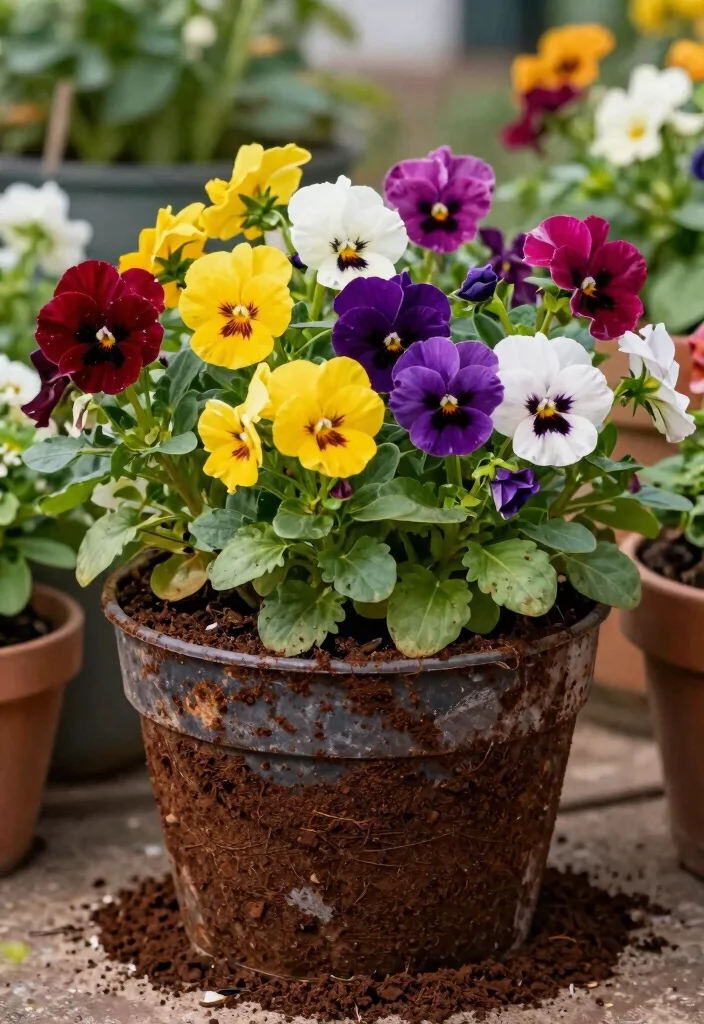
Used coffee grounds are an excellent organic filler that boosts soil quality.
Rich in nitrogen, they help retain moisture and improve soil structure. Simply sprinkle them at the base of your pots before adding soil for maximum effect.
They can also help deter pests, making them a beneficial addition to your garden!
Key benefits of coffee grounds:
– Provides essential nitrogen for plants.
– Acts as a pest deterrent.
– Combine with worms for natural aeration!
This simple addition can significantly enhance plant growth and health.
Fun fact: Used coffee grounds are about 2% nitrogen by weight, giving your soil a natural nutrient boost. They help retain moisture and improve soil structure, and they can deter pests when sprinkled at the base of large pots.
10. Use Sand for Weight and Drainage
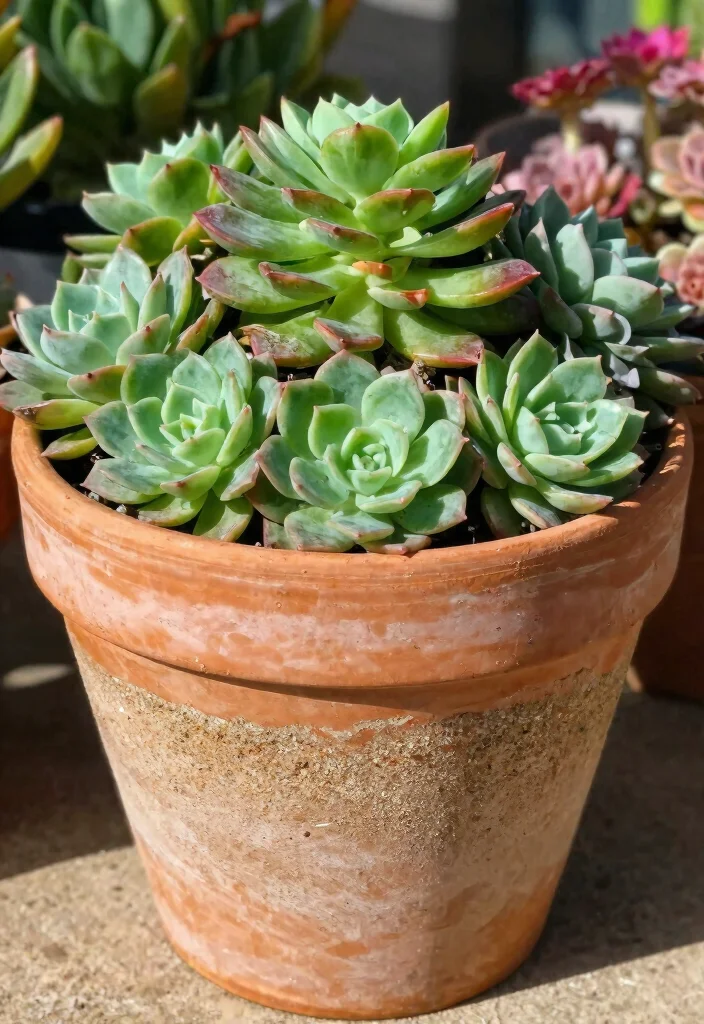
Sand is an excellent option for filling pots, aiding drainage and adding weight.
A layer of coarse sand ensures excess water flows out, preventing boggy soil. This is especially beneficial for plants that thrive in drier conditions.
Just remember to use coarse sand for best results!
Benefits of using sand:
– Improves drainage effectively.
– Provides stability to pots.
– Mix with potting soil for optimal performance!
This method enhances both plant health and pot stability.
11. Incorporate Natural Fiber Mesh
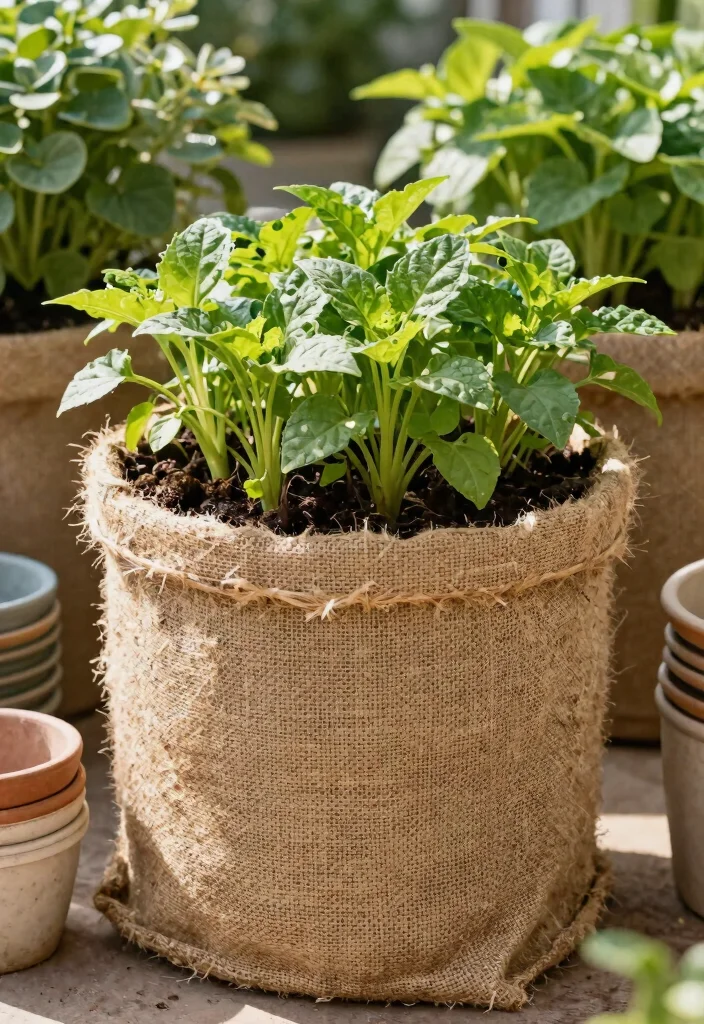
Natural fiber mesh, such as burlap or jute, is a fantastic filler for your pots.
Line the bottom to keep soil in while allowing for effective drainage. This eco-friendly option breaks down over time, enriching your soil naturally.
Plus, it adds a rustic touch to your garden!
Key features of fiber mesh:
– Aids in drainage effectively.
– Biodegradable and enhances soil over time.
– Use colorful fibers for a unique look!
This choice not only supports drainage but also elevates your garden’s aesthetic.
12. Bamboo Chunks for a Tropical Touch
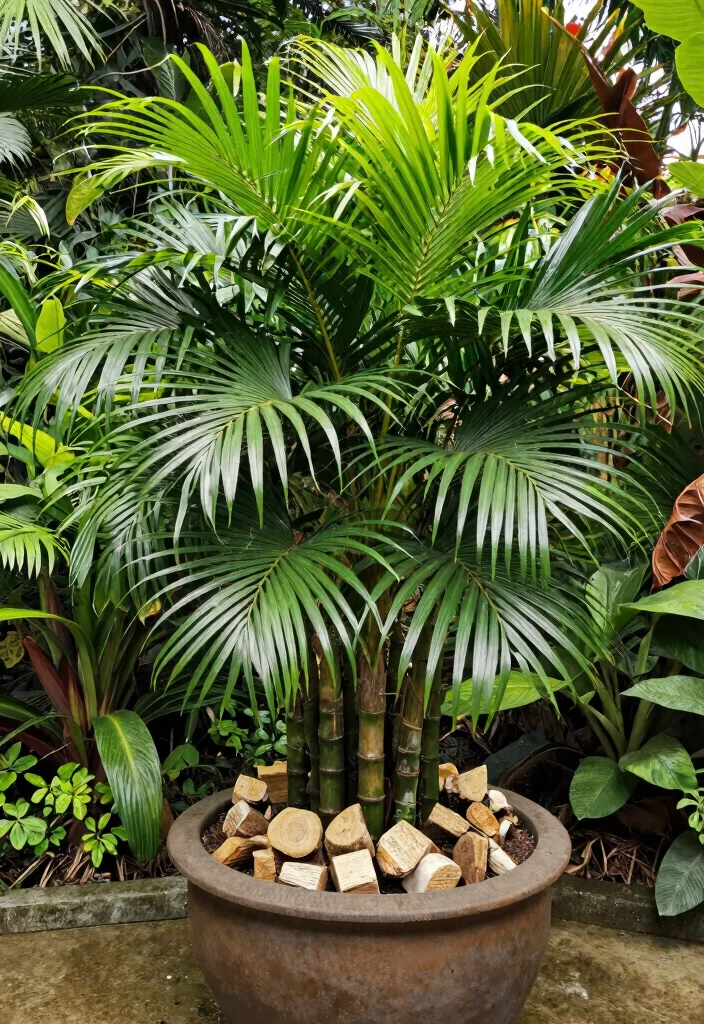
Bamboo chunks are a unique and sustainable option for filling your large pots.
They provide excellent drainage while adding a tropical vibe to your garden. Lightweight and readily available, they enrich the soil as they decompose.
Break the bamboo into smaller pieces for the best coverage!
Advantages of using bamboo:
– Adds a unique texture to your pots.
– Releases beneficial nutrients over time.
– Pair with tropical plants for a cohesive design!
This method enhances both aesthetics and soil health in your garden.
Did you know bamboo chunks can boost drainage by up to 20% in large pots? Their airy texture adds a tropical vibe and slowly releases nutrients as they decompose, turning planter filler ideas large pots into practical magic.
13. Use Old Clothing or Fabric Scraps
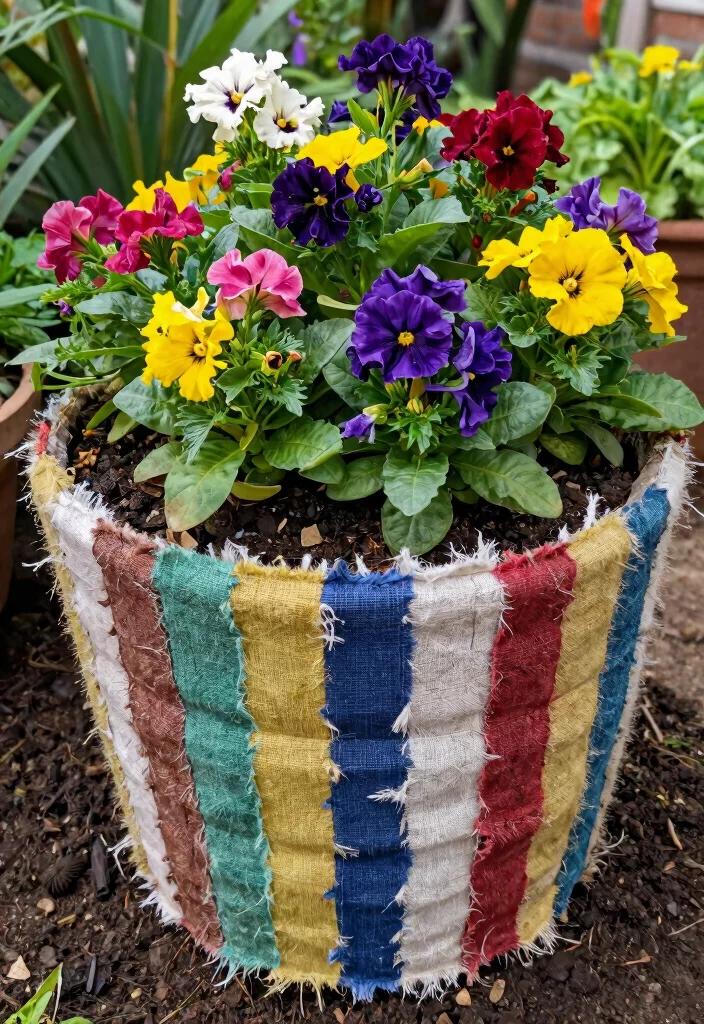
Upcycling old clothing or fabric scraps into fillers is a creative solution for your garden.
Cut the fabric into strips and line the bottom of your pots to improve drainage while adding texture. As the fabric decomposes, it enriches the soil, contributing to plant health.
Choose colorful or patterned fabrics for added visual appeal!
Benefits of using fabric:
– Creative recycling for waste.
– Decomposing fabric adds nutrients to soil.
– Opt for 100% natural fabrics for best results!
This innovative approach not only helps the environment but also beautifies your garden.
Conclusion
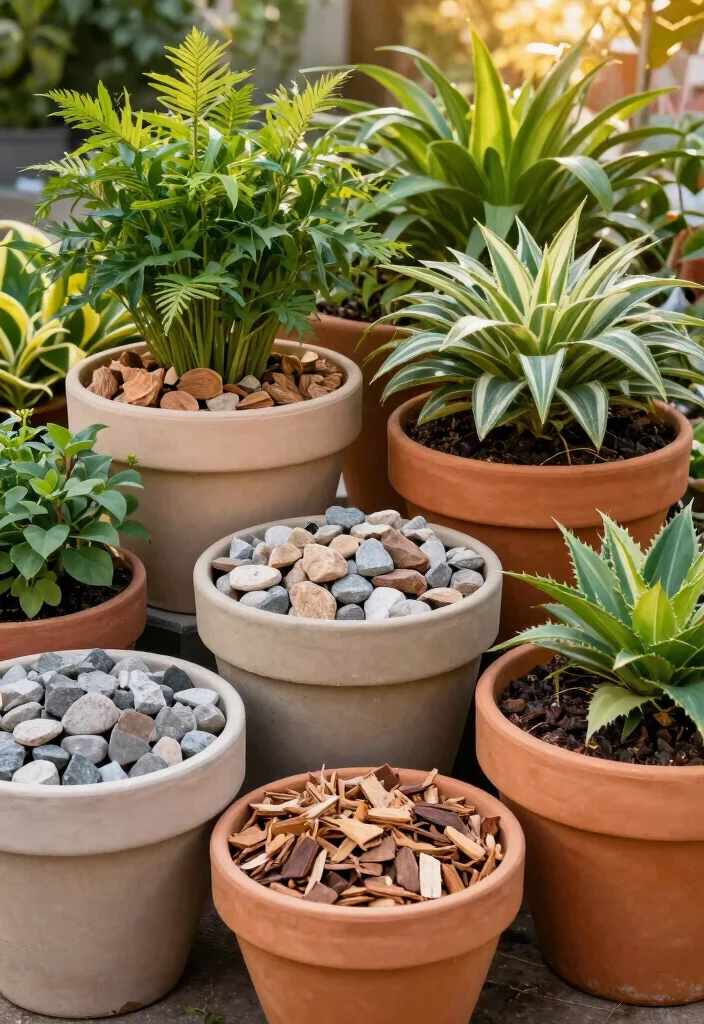
Using creative planter fillers not only enhances the look of your large pots but also embraces eco-friendly gardening practices.
From recycled materials to natural options, these ideas help conserve soil while promoting a healthy environment for your plants. Embrace these genius ideas, and let your creativity flourish in your garden.
Get ready to transform your gardening experience today!
Note: We aim to provide accurate product links, but some may occasionally expire or become unavailable. If this happens, please search directly on Amazon for the product or a suitable alternative.
This post contains Amazon affiliate links, meaning we may earn a small commission if you purchase through our links, at no extra cost to you.
Frequently Asked Questions
What are the planter filler ideas large pots that work best for container gardening and help save soil?
Great question! For large pots, start with a base drainage layer to save soil and keep roots happy: choose eco-friendly materials like expanded clay beads (Hydroton) or lightweight lava rock.
Then fill gaps with a decorative, non-toxic filler such as smooth pebbles or gravel to reduce soil volume while still letting roots breathe.
Add a layer of coconut coir chips or shredded bark as a sustainable filler that also improves moisture retention.
You can tuck in upcycled terracotta shards or ceramic pieces as inert filler to create air pockets. Finish with your preferred potting mix that supports your plant, and remember to maintain drainage and avoid compacting the soil. This approach fits well with container gardening and soil conservation techniques.
How can I use eco-friendly materials as filler in large pots without sacrificing drainage?
Start with a breathable base: place a layer of drainage media like Hydroton or lava rock at the bottom. Then add a mid-layer of decorative filler (pebbles or recycled glass) to reduce soil volume. Use a top layer of coconut coir chips or shredded bark to help with moisture retention and support sustainable gardening practices.
Avoid plastic fillers or glues that can leach chemicals, and don’t pack the soil too tightly. Keep drainage holes clear and monitor moisture levels. This method aligns with sustainable gardening practices and soil conservation techniques.
What are some potting mix alternatives that pair well with planter fillers in container gardening?
Think peat-free and renewable options: coconut coir-based mixes, compost-based mixes, leaf mold, or finely shredded bark. For large pots, use a ratio like 1/3 to 1/2 soil or potting mix with 2/3 filler materials (drainage media plus decorative filler) to reduce soil usage while keeping plants happy. Add perlite or pumice for aeration and drainage. Pair this with a drip irrigation setup to maximize water efficiency and support soil conservation techniques.
How do I conserve soil and water when filling large pots?
Choose fillers that reduce soil volume without starving the root zone, then add a simple drip irrigation line to deliver water directly to plant roots. Mulch the surface with shredded bark or moss to cut evaporation, and group plants with similar water needs to simplify watering. Reuse compostable scraps to make a small home compost, supporting sustainable gardening practices and soil conservation techniques.
How do I pick decorative filler options that look good and keep plants healthy in large pots?
Think scale, color, and texture. Choose decorative fillers like river rocks, slate chips, shells, or terracotta shards that don’t shed dust or shed microplastics, and that won’t compact around roots. Use a lightweight base drainage layer to maintain aeration and prevent soil compaction. Ensure the filler is non-toxic and complements your plant foliage for attractive, healthy container gardening with decorative planter fillers that work with container gardening and soil conservation techniques.