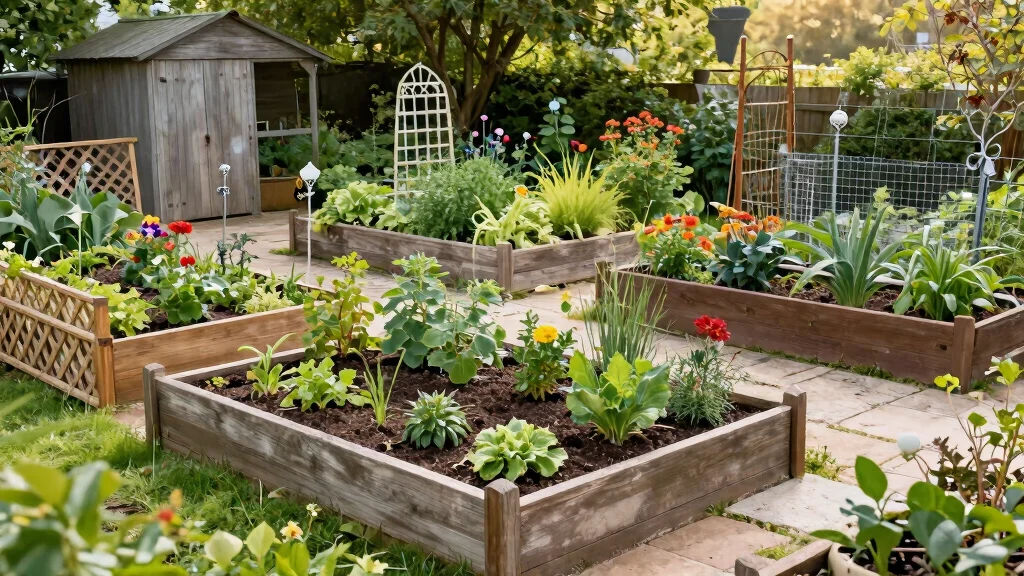
As gardening season rolls around, the thought of nurturing your plants can be both exciting and a little nerve-wracking. You may find yourself craving vibrant vegetables and lush flowers, but pesky critters can quickly turn that dream into a nightmare. That’s why I created this post! I want to help you protect your hard work from unwanted visitors lurking in your garden beds.
If you’re someone who loves engaging with the earth, growing your own food, or creating a beautiful outdoor space, this guide is for you. Whether you’re new to gardening or a seasoned pro, pests can pose a real challenge. You want your plants to thrive, not to be dinner for rabbits, deer, or insects. With these clever raised garden bed fence ideas, you’ll find the perfect solutions to keep those pests at bay.
In this post, I’ve gathered 11 creative and practical fence ideas that are not only effective but also add charm to your garden. From lattice wood fencing to fabric barriers, these options are innovative and tailored for every style and budget. You’ll learn simple how-tos, materials needed, and tips on maintaining a pest-free garden, ensuring your plants grow strong and healthy.
Key Takeaways
– Diverse Solutions: Explore various fence ideas like lattice wood, chicken wire, and bamboo that cater to different aesthetics and budgets.
– Effective Pest Control: Understand how each fencing method can protect your vegetables and flowers from common garden pests.
– DIY Friendly: Many of these ideas involve simple DIY techniques, making them accessible for beginner gardeners.
– Enhance Your Garden: Learn how to choose decorative fencing options that not only serve a purpose but also enhance the overall beauty of your garden space.
– Long-Term Benefits: Discover maintenance tips to ensure your garden fence remains effective over time, giving you peace of mind all season long.
1. Lattice Wood Fencing
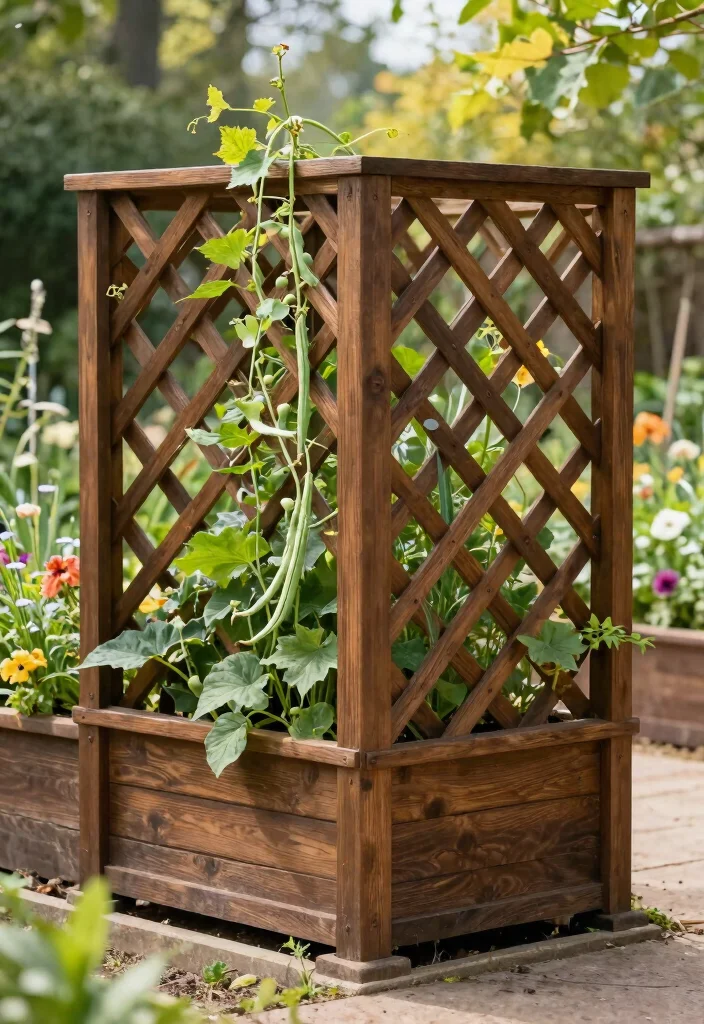
Lattice wood fencing provides an elegant way to enhance your raised garden beds while protecting your plants. The charming crisscross design not only beautifies your space but also effectively deters larger pests. You can easily adjust the height to fit your garden style, making it perfect for climbing plants like beans and cucumbers.
When constructing a lattice fence, opt for treated wood to resist the elements. A soft, complementary paint color can create a cohesive look with your garden theme.
Key benefits include:
– Create a stylish backdrop for plants
– Customize the fence height to your liking
– Allow beneficial insects like ladybugs to thrive
This fence balances aesthetics with practicality, ensuring your garden flourishes beautifully while deterring unwanted visitors.
Fun fact: A lattice wood fence just 18–24 inches high can deter larger pests while letting airflow boost plant health. With raised garden bed fence ideas, you can tailor the height for climbing beans and cucumbers, then add a soft painted finish for a cohesive look.
2. Chicken Wire Enclosure
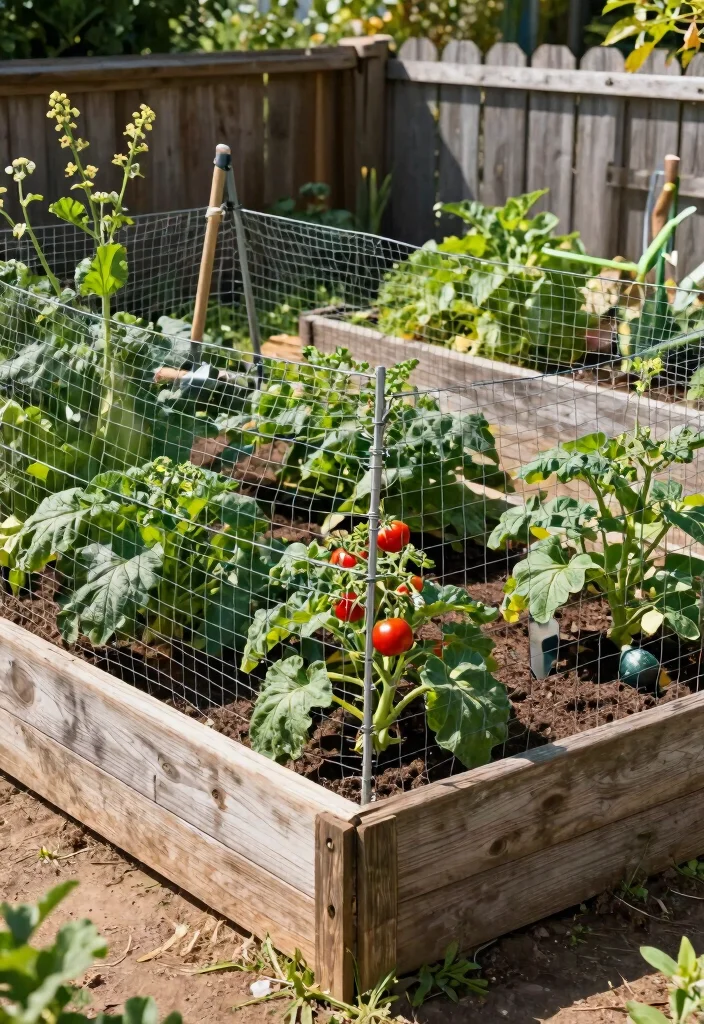
Chicken wire is a tried-and-true method for keeping pests away from your garden. This straightforward solution effectively protects against small animals like rabbits and raccoons, ensuring your plants remain safe. Wrapping your raised bed in chicken wire allows sunlight and rain to nourish your plants without interference.
Installation is simple and budget-friendly. Cut the wire to size and secure it with stakes or wooden posts for stability.
Helpful tips include:
– Bury the bottom edge a few inches underground
– Cover with fabric during harsh weather
This fencing option is reliable and allows you to garden worry-free, keeping your plants safe while remaining economical.
3. PVC Pipe Fence
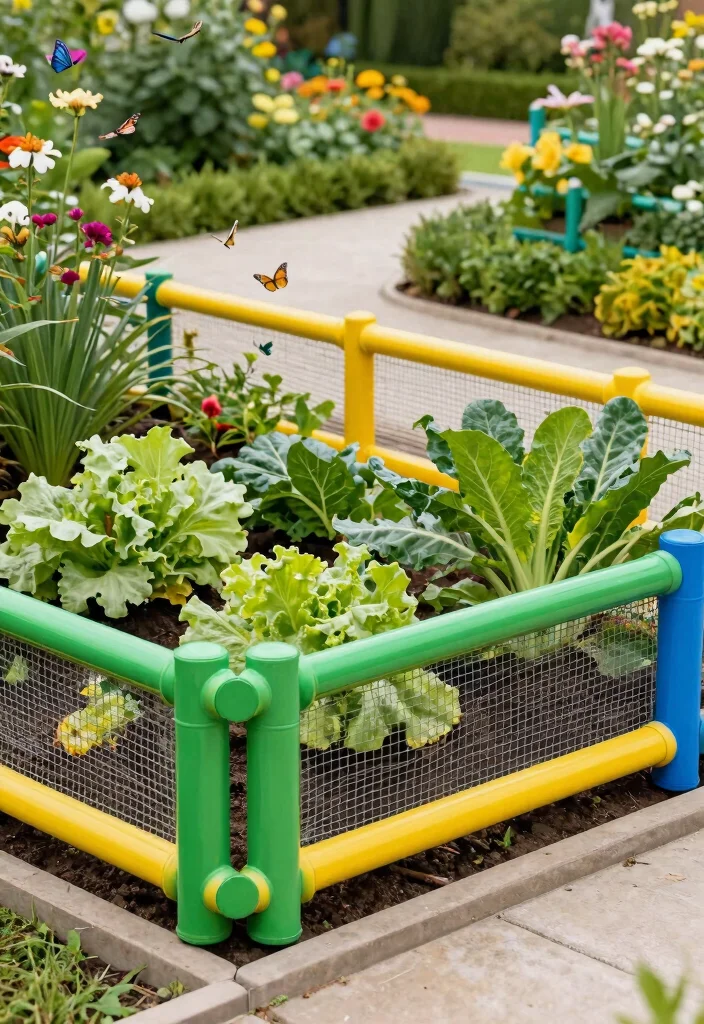
If you’re after a contemporary look, a PVC pipe fence is both practical and stylish. This low-maintenance option can be tailored to any height, offering a sleek appearance. It’s resistant to rot and pests, making it a great long-term choice for garden protection.
You can easily attach netting or fabric to the PVC pipes, allowing for air and sunlight to reach your plants while keeping them safe.
Consider these tips:
– Use bright colors for a fun garden accent
– Customize your fence design for unique flair
This modern approach ensures your garden looks great and stays safe from pests throughout the season.
Fun fact: A PVC pipe fence is one of the best raised garden bed fence ideas, reducing pest visits by up to 60% while staying rot-free and low-maintenance. You can attach netting or fabric for airflow and sun, turning it into a practical, stylish garden shield.
Key Trade-offs & Our Top Pick
1. Lattice Wood Fencing
– Pros:
– Offers a classic look that blends well with any garden design.
– Provides some shade for plants, reducing sun exposure.
– Cons:
– Can rot or warp over time, especially in damp areas.
– Requires regular maintenance and painting or staining.
– Best for: Home gardeners looking for an aesthetic appeal while still providing a barrier to pests.
2. Chicken Wire Enclosure
– Pros:
– Inexpensive and easy to install, making it a popular choice.
– Keeps out small pests like rabbits and groundhogs effectively.
– Cons:
– Not very durable; can be bent or damaged easily.
– May not deter larger animals like deer or raccoons.
– Best for: Gardeners on a budget who need a quick solution for small pests.
3. PVC Pipe Fence
– Pros:
– Lightweight and resistant to weather conditions, ensuring longevity.
– Easy to clean and maintain, providing a low-maintenance option.
– Cons:
– Lacks the rustic charm of wood or bamboo.
– Can be more expensive compared to other fencing options.
– Best for: Those who want a modern look with minimal upkeep.
4. Trellis with Climbing Plants
– Pros:
– Doubles as a support structure for climbing plants, maximizing vertical space.
– Creates a beautiful and green barrier that attracts beneficial insects.
– Cons:
– Requires time to establish climbing plants, meaning it’s not an instant solution.
– May not provide a solid barrier against determined pests.
– Best for: Gardeners interested in both aesthetics and pest control through natural means.
5. Bamboo Fencing
– Pros:
– Eco-friendly and sustainable material that adds a unique look.
– Naturally resistant to pests and weather conditions.
– Cons:
– Can be more expensive than traditional wood fencing.
– Installation can be tricky if not done properly.
– Best for: Eco-conscious gardeners looking for a stylish yet effective barrier.
Expert Recommendation:
Best Overall: Chicken Wire Enclosure
The Chicken Wire Enclosure stands out as the most balanced choice. It combines affordability and effectiveness in keeping out various pests. You can easily install it yourself with basic tools, making it accessible for all gardeners. Plus, its flexibility allows you to customize the height and shape to suit your raised garden beds.
Why We Picked This:
We chose the Chicken Wire Enclosure because it’s perfect for many gardeners who face common pest issues. If you’re after aesthetic value or uniqueness, you might prefer Lattice Wood Fencing or Bamboo Fencing. For those who want a modern touch, PVC Pipe Fence is a solid alternative. Each option has unique benefits, so consider your garden’s specific needs before deciding.
4. Trellis with Climbing Plants
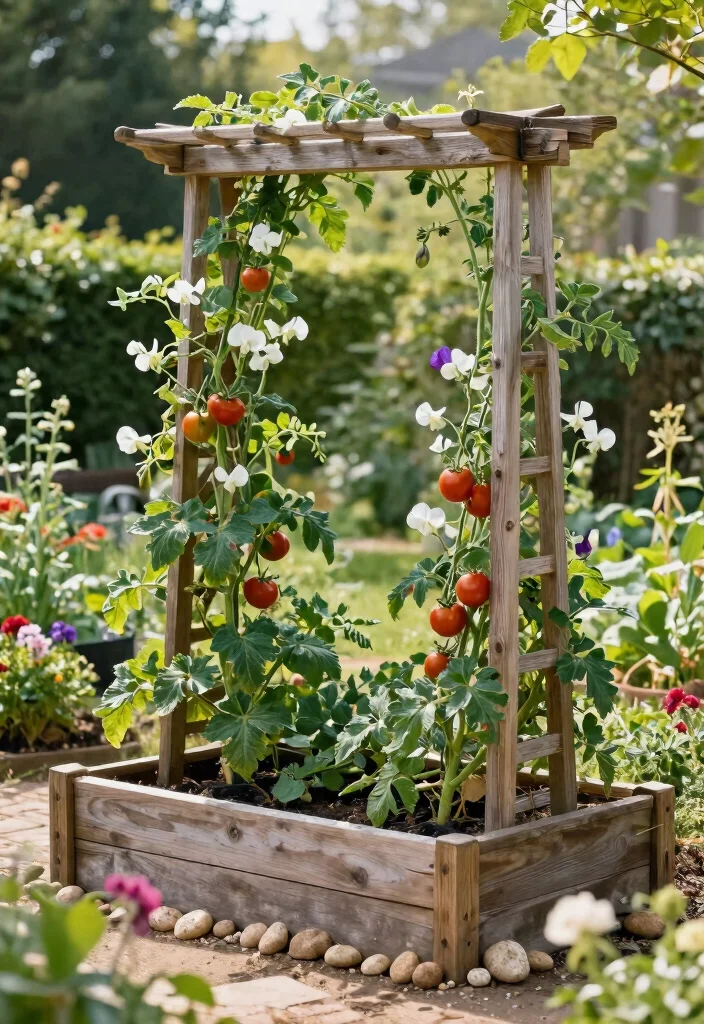
Adding a trellis to your raised garden bed not only elevates your garden’s look but also maximizes your growing space. This option is perfect for vegetable lovers, as it allows climbing plants like peas and tomatoes to grow upwards, creating a natural barrier against pests.
You can construct a trellis from wood, metal, or even repurposed items like old doors for a creative touch.
To get started:
– Use twine or clips to guide your plants
– Choose materials that blend with your garden style
This design enhances both functionality and beauty, transforming your garden into a lush and productive space.
5. Bamboo Fencing
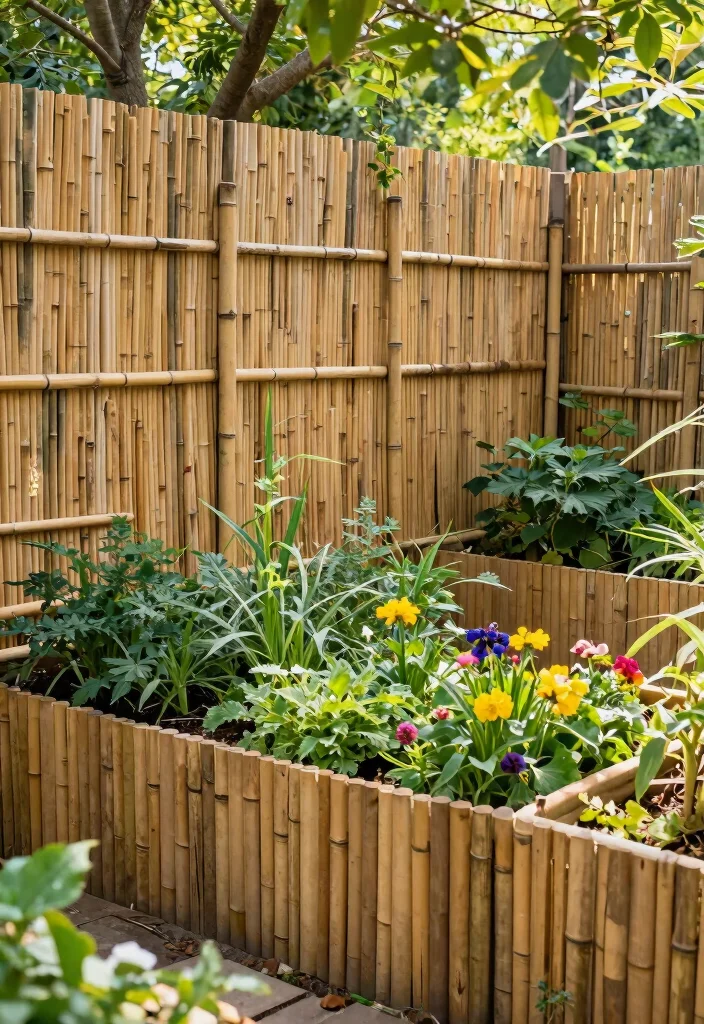
For a rustic and sustainable option, bamboo fencing is a fantastic choice for your raised garden beds. Lightweight and easy to install, bamboo offers a unique tropical vibe while providing solid protection against pests. You can cut it to fit any size or shape of your garden bed.
Secure bamboo poles vertically, or create an intricate pattern for added charm.
Remember to:
– Choose untreated bamboo to avoid chemicals
– Mix pole sizes for a natural look
This eco-friendly option enhances your garden’s aesthetic while effectively keeping pests away.
6. Decorative Metal Fencing
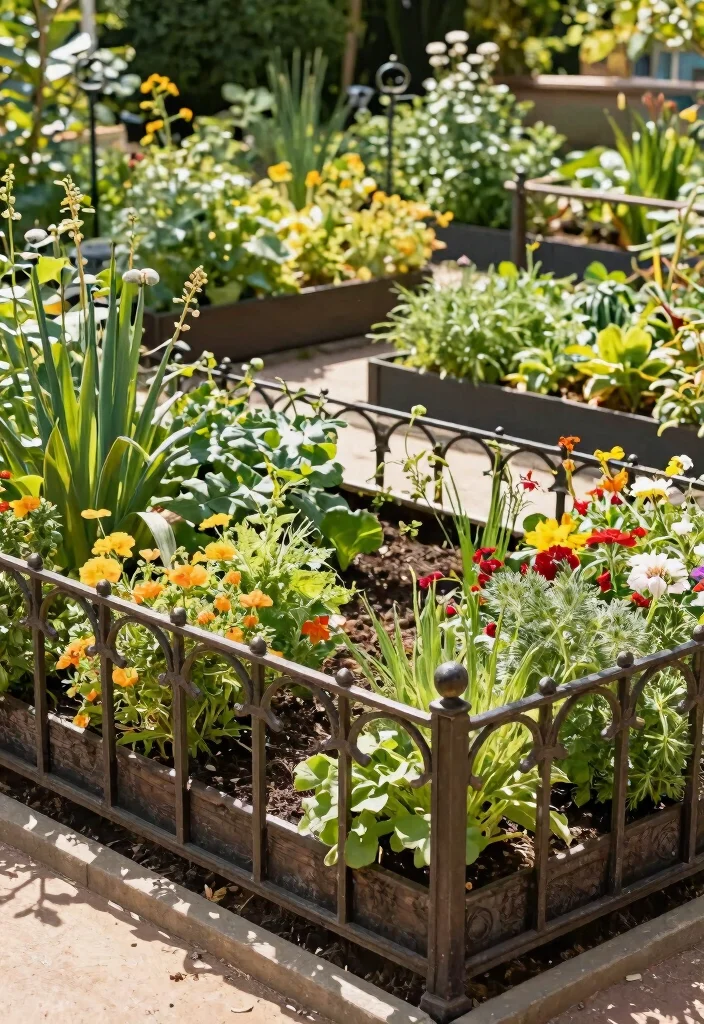
Decorative metal fencing introduces a stylish and durable element to your raised garden beds. Available in a range of designs, from ornate to minimalist, metal fences can withstand harsh weather and provide long-lasting protection for your plants.
You can install these fences directly around your garden or attach them to the top for additional security. Pairing them with colorful flowers makes for a stunning visual display.
To maintain your metal fence:
– Ensure it has a protective coating against rust
– Choose designs that complement your garden theme
This fencing option combines elegance with practicality, ensuring your garden remains a beautiful sanctuary.
Did you know decorative metal fencing can last over 20 years outdoors? Raised garden bed fence ideas like ornate or minimalist metal panels let you install around the bed or attach to the top for extra security, offering durable protection and a stylish backdrop.
7. Garden Netting
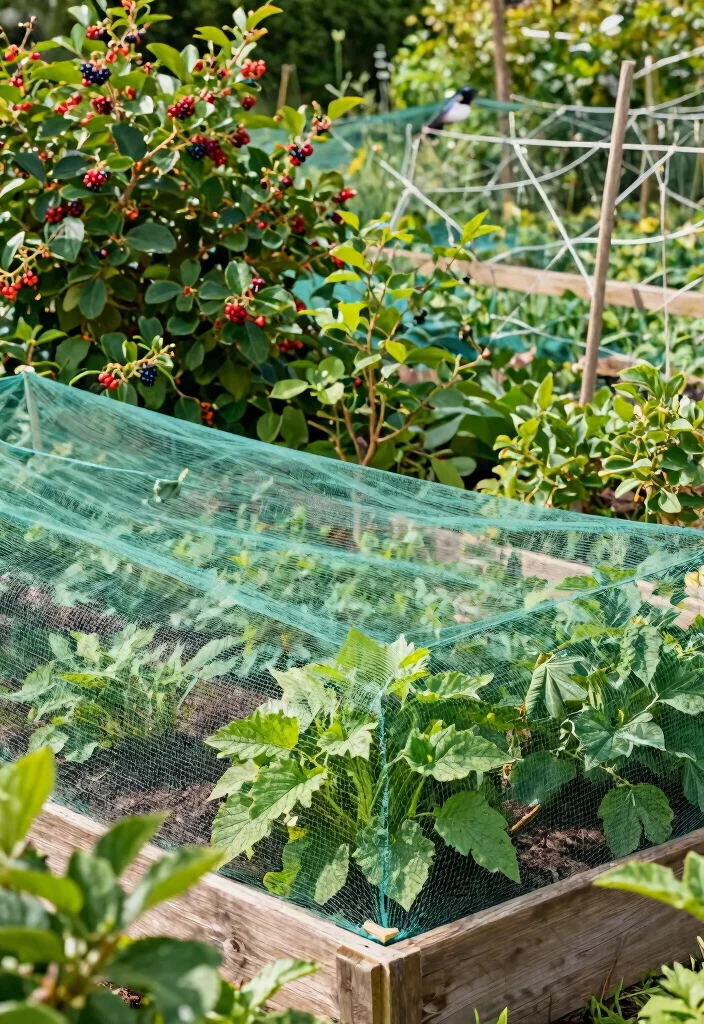
Garden netting is an effective and easy way to shield your raised beds from birds and smaller pests. This lightweight material can be simply draped over your plants, allowing them to grow while staying protected. It’s particularly useful for delicate seedlings and berry bushes.
For a quick setup, use stakes to elevate the netting above your plants. This lets them thrive without hindrance.
Here are some tips:
– Secure edges with bricks to prevent blowing
– Remove netting during harvesting for easy access
This practical solution allows your plants to flourish while keeping unwanted critters at bay.
8. Stone or Brick Walls
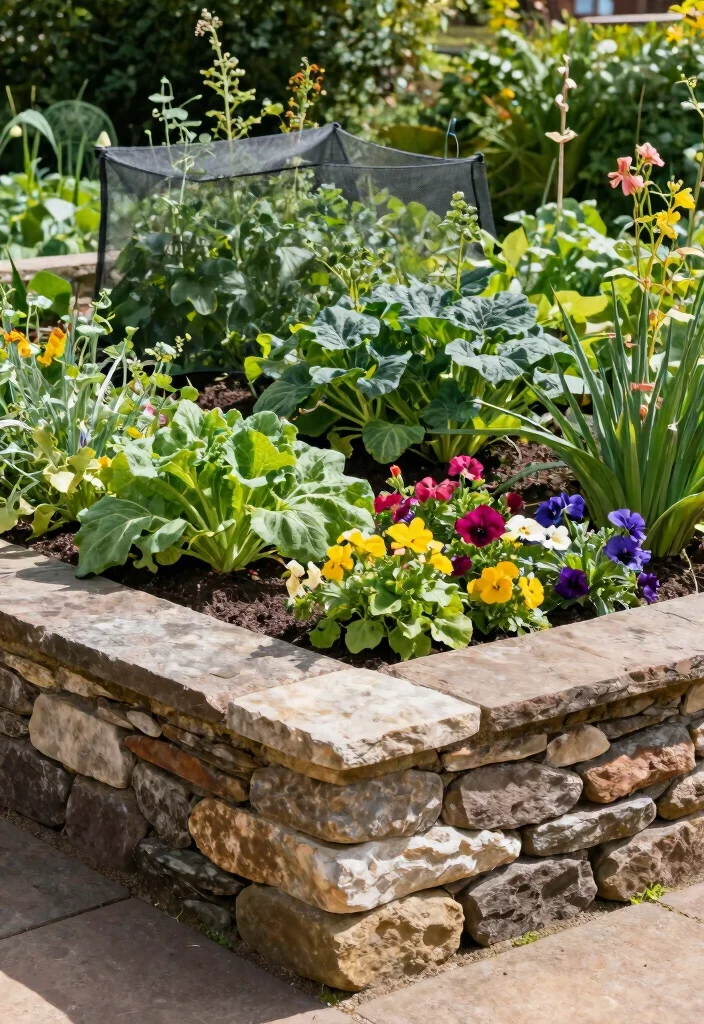
Consider low stone or brick walls as a permanent solution for fencing around your raised garden beds. These sturdy barriers not only keep pests out but also add a charming, rustic appearance to your yard. The walls can help maintain soil temperature stability.
Though it requires more effort to install, the durability of stone and brick makes it worth it. Plus, you can plant herbs or flowers in the gaps for added beauty.
To enhance your design:
– Use varied stone sizes for a more natural look
– Consider incorporating different plants in the gaps
This option provides long-term protection while enhancing the aesthetic value of your garden.
9. Berry Bush Barriers
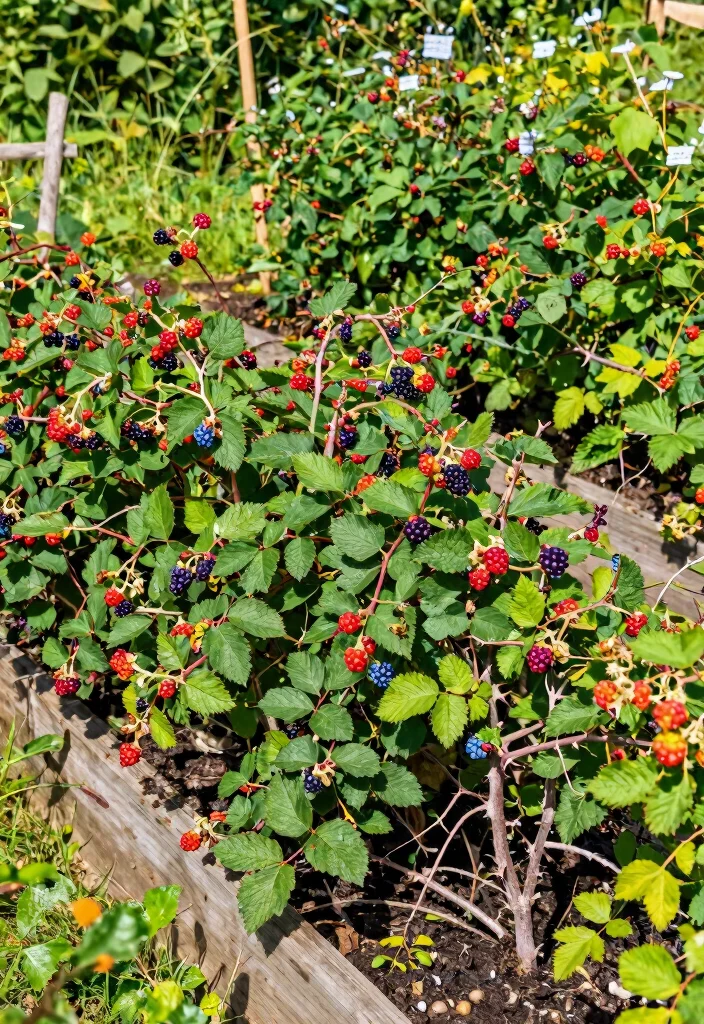
Planting berry bushes around your raised garden beds serves a dual purpose: they provide delicious fruit while deterring pests with their thorny branches. This approach enhances both beauty and functionality in your garden.
Select varieties that grow tall enough to offer protection and complement your existing plants. Blueberries and raspberries are great choices that also attract pollinators.
To maintain their health:
– Regularly prune the bushes for productivity
– Ensure they have enough space to grow
With this natural barrier, your garden will be both fruitful and protected from pests.
10. Fabric Garden Fencing
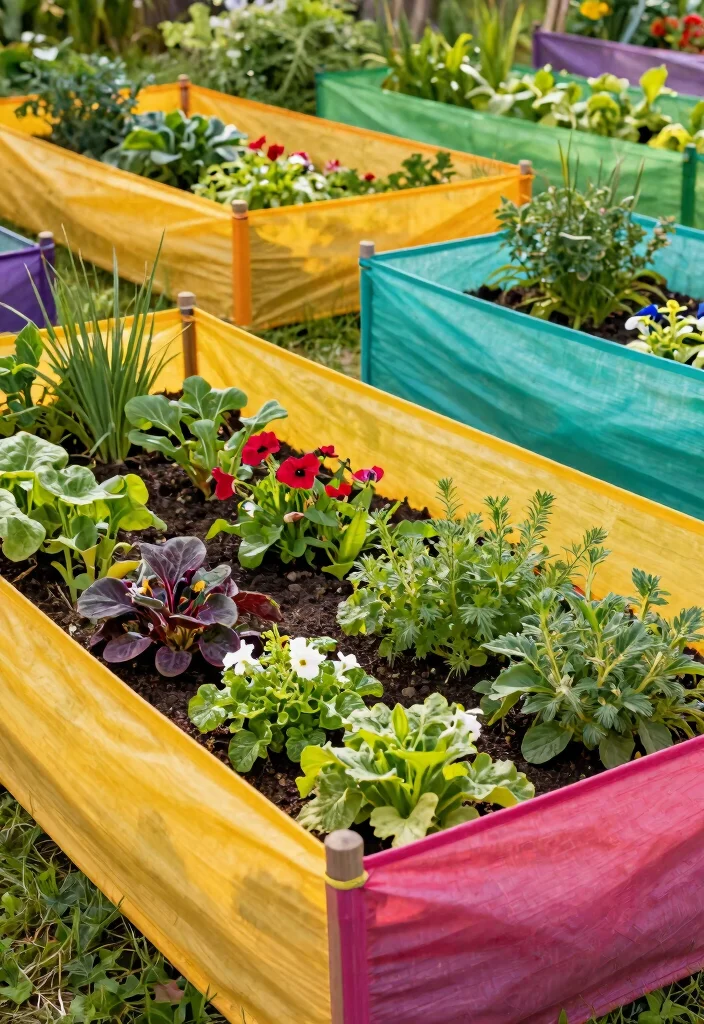
Fabric garden fencing is a creative and budget-friendly option that shields your plants from pests while adding a splash of color. Using landscape fabric or burlap, you can create a temporary fence around your raised beds that is lightweight and effective.
Simply stake the fabric around your garden, allowing enough room for plant growth. This solution is perfect if you’re seeking an economical yet stylish option.
Tips to consider:
– Choose bright fabrics for visual appeal
– Ensure the fabric is secured well to avoid damage
This fencing method combines affordability and functionality, making it an excellent choice for any gardener.
11. Upcycled Materials
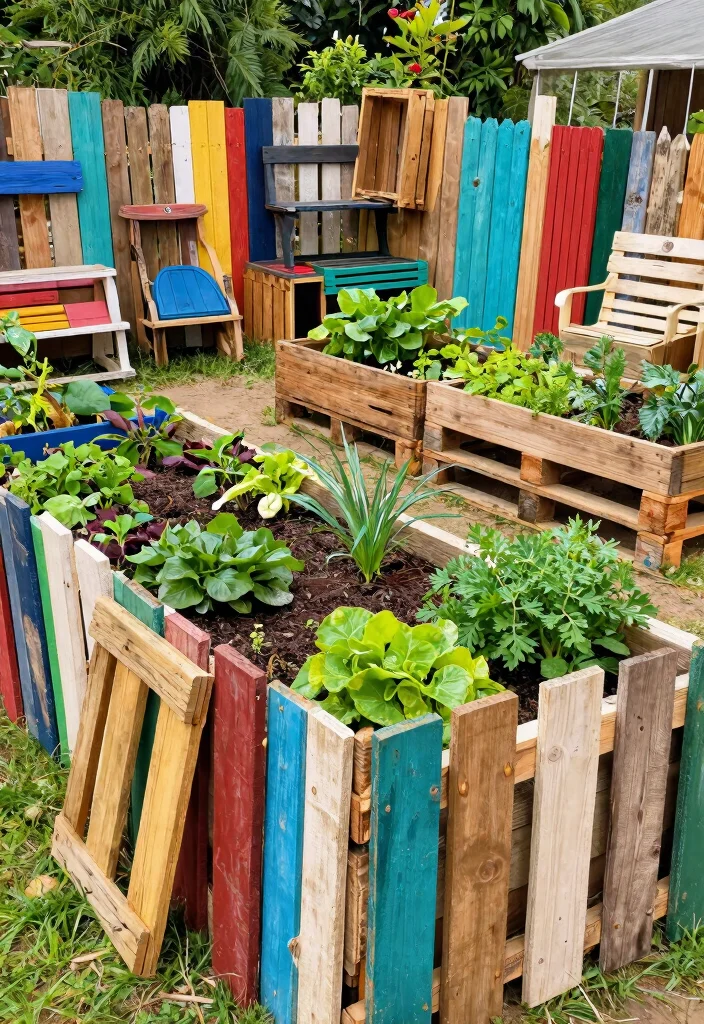
Get creative by using upcycled materials to build a unique fence for your raised garden beds. Old pallets, discarded furniture, or even used doors can be transformed into practical barriers. This not only keeps pests at bay but also adds a personal touch to your garden design.
Think creatively! Combine different materials for an eclectic look, and feel free to paint them in vibrant colors or leave them natural.
Important considerations include:
– Ensure all materials are clean and safe for plants
– Avoid anything that could leach harmful substances
This approach is not only eco-friendly but also allows you to express your individuality in the garden.
Conclusion
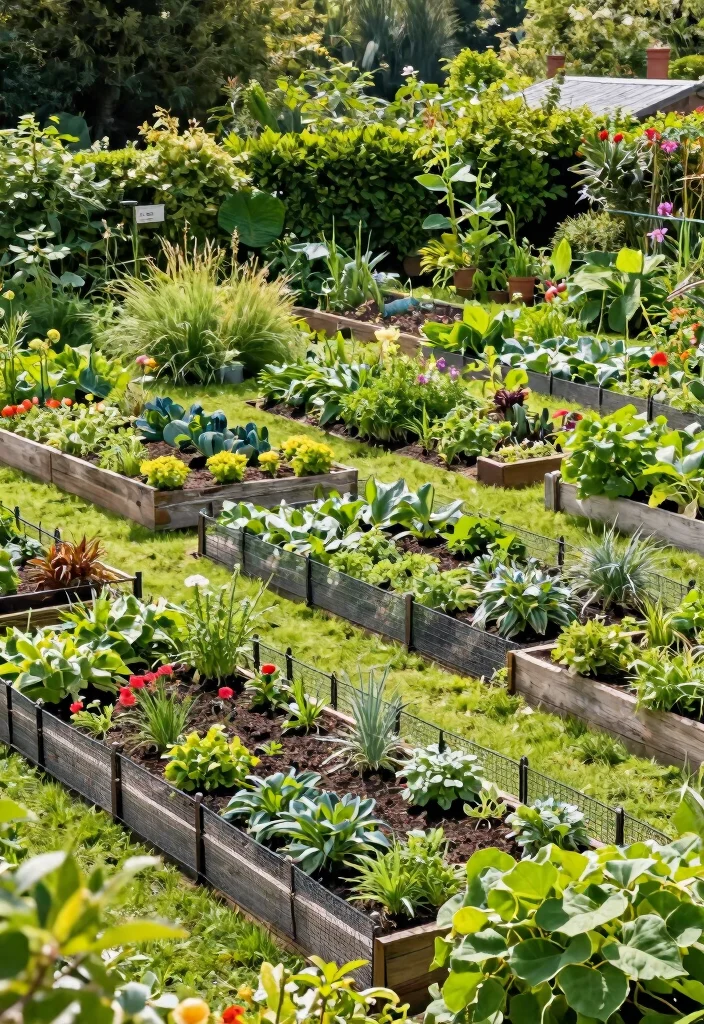
Creating a raised garden bed fence doesn’t have to be a chore; it’s an opportunity for fun and creativity! With these 11 clever ideas, you can keep pests out while adding character to your garden space.
Whether you choose natural wood, modern PVC, or even upcycled materials, each option has its charm and benefits. Remember, protecting your veggie garden can be both functional and aesthetically pleasing! Have you tried any of these ideas already? Let us know how they’ve worked for you!
Note: We aim to provide accurate product links, but some may occasionally expire or become unavailable. If this happens, please search directly on Amazon for the product or a suitable alternative.
This post contains Amazon affiliate links, meaning we may earn a small commission if you purchase through our links, at no extra cost to you.
Frequently Asked Questions
What are some effective raised garden bed fence ideas to keep pests out?
Protecting a vegetable garden starts with a solid plan. Here are popular raised garden bed fence ideas that work with vertical gardening:
Use hardware cloth or welded wire mesh buried 6–12 inches around the bed and extend 6–12 inches above ground to deter digging and burrowing. Seal any gaps with landscape fabric or rocks to prevent rodents from squeezing through.
Build a lightweight wooden frame around the bed and staple a metal mesh on the inside; this keeps rabbits and small critters at bay while still looking tidy as part of your raised bed designs.
Top it with sun-friendly garden netting or row covers for seasonal pest protection without chemicals; this is a key pest control in gardens technique.
For a true vertical twist, attach a lattice or trellis along the fence and train climbers; it creates an extra barrier while serving as vegetable garden protection and freeing up ground space.
With these garden fence ideas, you can keep pests out while maintaining accessible, organic gardening tips.
Which materials work best for a raised garden bed fence while staying affordable and durable?
Choosing the right material is a balance of cost, durability, and garden style. For raised garden bed designs, galvanized hardware cloth or welded wire mesh offers strong pest barriers and longevity. Bury 6–12 inches and extend 6–12 inches above ground to stop digging critters; this is a classic garden fence ideas approach. On a budget, chicken wire or livestock panels are cheaper, but they may sag over time; reinforce with a wooden frame to extend life. For a seamless look, cedar or other rot-resistant wood works well with organic gardening tips—avoid pressure-treated lumber near edible crops. If you want the strongest option, powder-coated steel or stainless steel mesh resists rust and lasts for years, fitting the durable end of the pest control in gardens spectrum.
How can I integrate vertical gardening with bed fences to protect vegetables?
Vertical gardening complements raised garden bed fence ideas by adding height and coverage. Attach a trellis, lattice panel, or wire mesh to the outside of your fence to create a living wall that deters birds and larger pests. Train beans, cucumbers, and peas to climb the structure, freeing ground space for other crops—this is a practical garden fence ideas for raised garden bed designs. Make sure the trellis is securely anchored and spaced to allow sun and airflow; use zip ties or sturdy fasteners. For a cleaner look, pair with a row cover top that blocks pests while still letting light through. This approach aligns with organic gardening tips and overall vegetable garden protection strategy.
Are there organic pest control tips to use with raised bed fences?
Absolutely. Start with physical barriers like breathable row covers and garden netting to deny access to pests. Pair with organic gardening tips like companion planting (marigolds with tomatoes, basil near peppers) to confuse or attract beneficial insects. Keep fences tight and repair any gaps quickly to maintain pest control in gardens. Practice diversified plantings as a natural defense: flowering herbs and perennial nectar sources attract beneficial insects that prey on pests, helping protect your veggies without chemicals.
How do I maintain and adapt my raised bed fence ideas for different pests?
Every garden faces different visitors. Start with height and sealing: deer may require 6–8 feet plus a solid skirt; rabbits and groundhogs require buried fencing. Regularly inspect for gaps, loose fasteners, and wear after storms; repair promptly to maintain vegetable garden protection. If birds are a problem, add a top net or bird spikes along the fence lines. For seasonal changes, swap in lighter netting in spring and heavier mesh in winter. This ongoing tweaking is a practical approach to raised garden bed designs and garden fence ideas that work with your pest pressure and organic garden goals.