Creating a beautiful backyard raised bed garden is more than just a hobby; it’s a way to reconnect with nature, grow your own food, and enhance your outdoor space. With urban living becoming more common, many of us find ourselves limited by small backyards or even just a balcony. That’s why I wanted to share 21 stunning backyard raised bed garden ideas that cater specifically to those tight spaces. These ideas will help you maximize your small garden area while providing lush growth and vibrant colors.
If you’re someone who loves gardening but feels constrained by limited space, you’re not alone. Many urban dwellers share this challenge. Whether you are a seasoned gardener or just starting, these raised bed garden ideas will inspire you to turn that little patch of land into a flourishing oasis. You’ll find designs that are practical, stylish, and even a bit quirky, ensuring there’s something for everyone.
In this blog post, you’ll discover a variety of creative concepts, from vertical gardens to rustic wooden beds. Each idea aims to help you cultivate veggies, herbs, and flowers in an aesthetically pleasing manner. Get ready to transform your backyard into a lush paradise that’s perfect for growing your favorite plants!
Key Takeaways
– Diverse Designs: Explore 21 unique raised bed garden ideas that cater to small spaces, including vertical and tiered designs for maximizing growth.
– Accessibility Focus: Discover raised beds that prioritize accessibility, making gardening easier for everyone regardless of physical ability.
– Plant Variety: Learn about planting a mix of vegetables, herbs, and flowers to create a colorful and productive garden that attracts pollinators.
– DIY Options: Get inspired with DIY raised beds that you can craft from various materials, allowing you to personalize your garden according to your style.
– Seasonal Strategies: Understand the importance of seasonal gardening and how to optimize your raised beds for year-round growth, ensuring you always have fresh produce on hand.
1. Vertical Raised Bed Garden
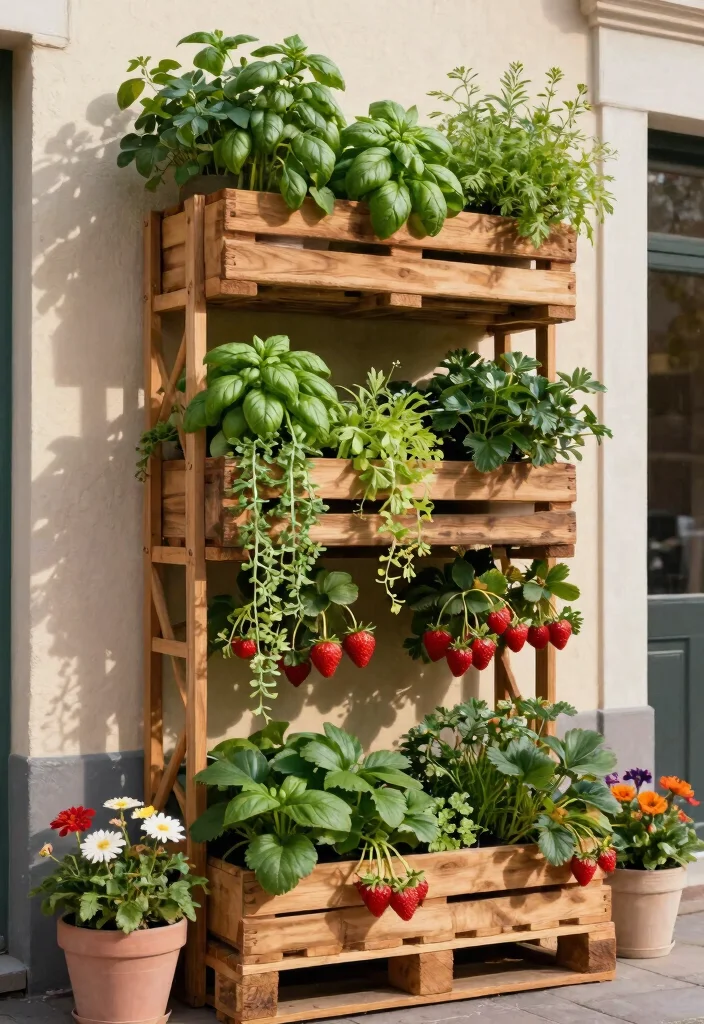
Looking to make the most of your limited outdoor space? A vertical raised bed garden is the perfect solution. This clever design utilizes height by stacking planters or creating tiered shelves, allowing you to grow everything from herbs to strawberries with ease. Not only does this method save space, but it also turns your garden into a stunning green wall that is both attractive and productive.
Begin by assessing the best location for sunlight exposure. Select trailing plants like cherry tomatoes or aromatic herbs like basil to thrive in your vertical setup. You can even get creative with DIY options, using old pallets or hanging pots for a unique touch.
Key benefits of a vertical raised bed garden:
– Maximize space while enjoying a lush garden
– Enhance air circulation for healthier plants
– Simplify harvesting with easy access
– Add visual interest to your outdoor area
With a vertical garden, you’ll enjoy fresh produce right at your fingertips while creating an eye-catching focal point in your yard.
2. Rustic Wooden Raised Beds
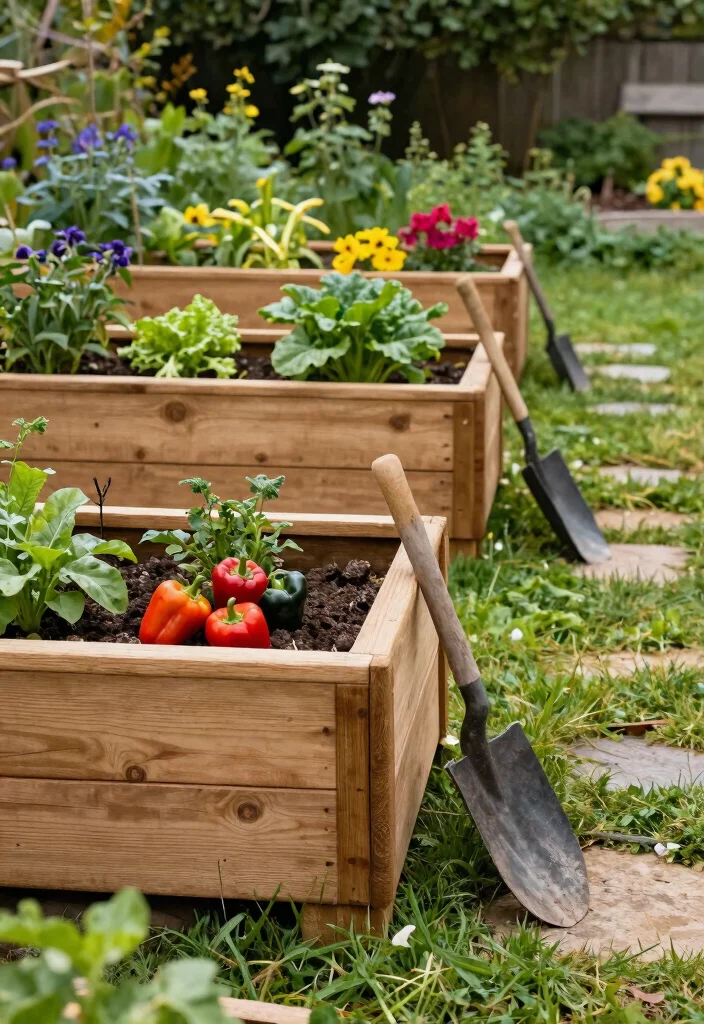
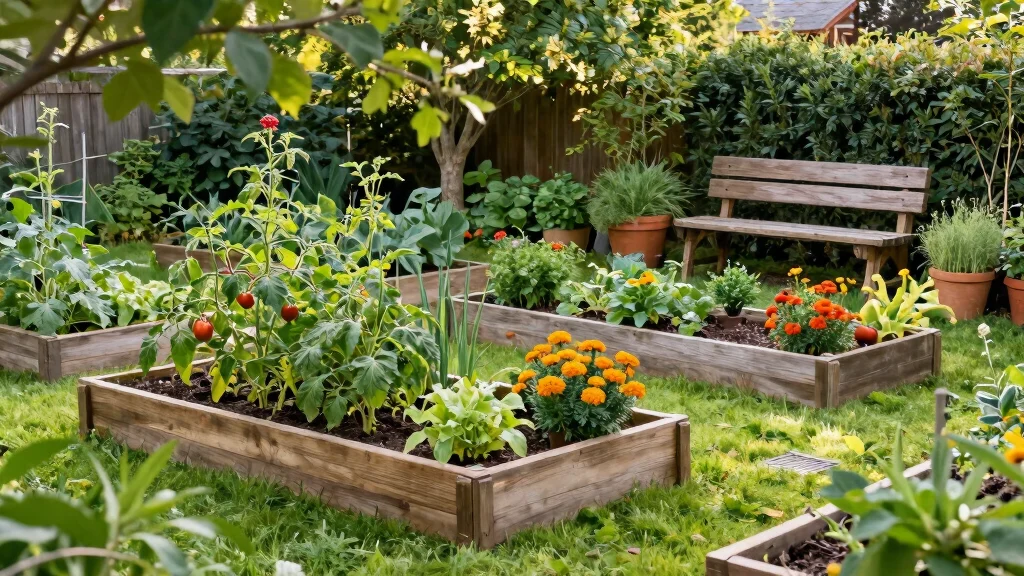
If you’re seeking a timeless aesthetic, rustic wooden raised beds bring both charm and functionality. Crafted from untreated wood or reclaimed materials, these beds seamlessly integrate into any backyard landscape. The warm tones of wood create a cozy atmosphere, perfectly complementing the greenery of your plants.
When building, choose rot-resistant woods like cedar or redwood to ensure durability. Fill your beds with a rich mix of topsoil, compost, and organic matter, promoting optimal growth for your plants. You can even vary the height of the beds to add a dynamic touch or incorporate built-in seating for relaxation.
Essential tips for rustic wooden raised beds:
– Select durable wood for longevity
– Create a nutrient-rich soil mix for best results
– Experiment with heights for visual appeal
– Use mulch to enhance moisture retention
Rustic raised beds transform your backyard into an inviting retreat where you can unwind and cultivate your love for gardening.
3. Elevated Planters for Accessibility
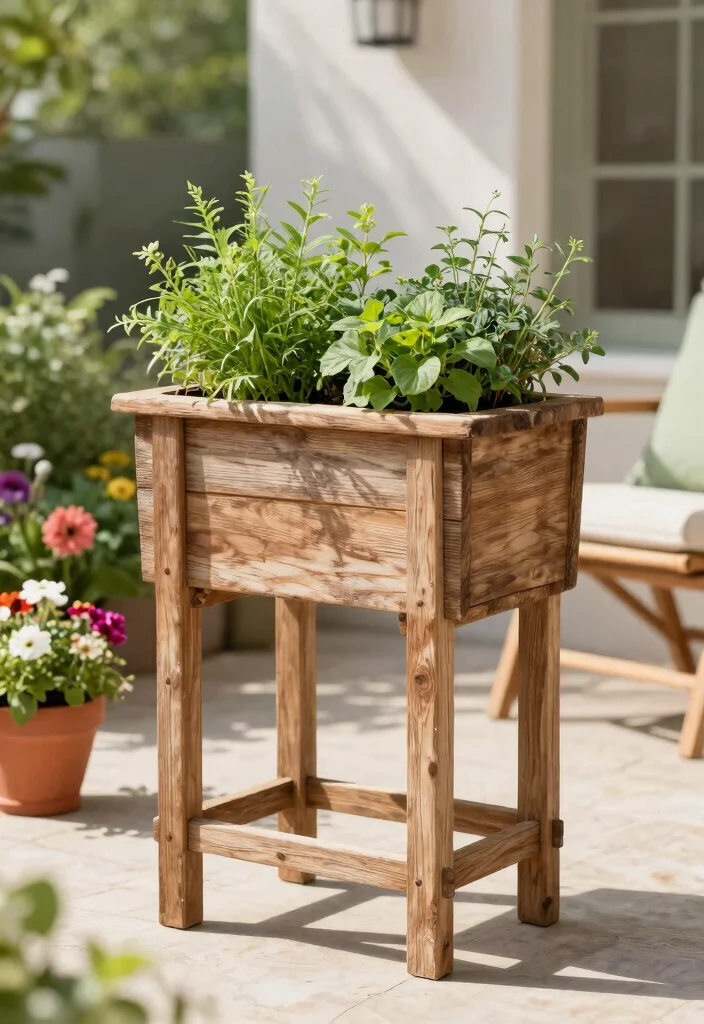
Elevated planters are a game-changer for those who find bending down difficult. These raised beds stand at a comfortable waist height, making gardening accessible and enjoyable for everyone. Available in materials like metal, wood, or composite, these planters can add a modern flair to your garden design.
When selecting your planter height, aim for 30 to 36 inches for optimal comfort. Choose weather-resistant materials to ensure your planter lasts through the seasons. You might even incorporate a bench or storage underneath to keep your gardening tools organized.
Key features of elevated planters:
– Choose the right height for comfort
– Opt for durable materials for lasting use
– Incorporate storage solutions for convenience
– Plant smaller vegetables like radishes and herbs
With elevated planters, you can cultivate your garden effortlessly, enjoying every moment of your gardening journey.
4. Square Foot Gardening
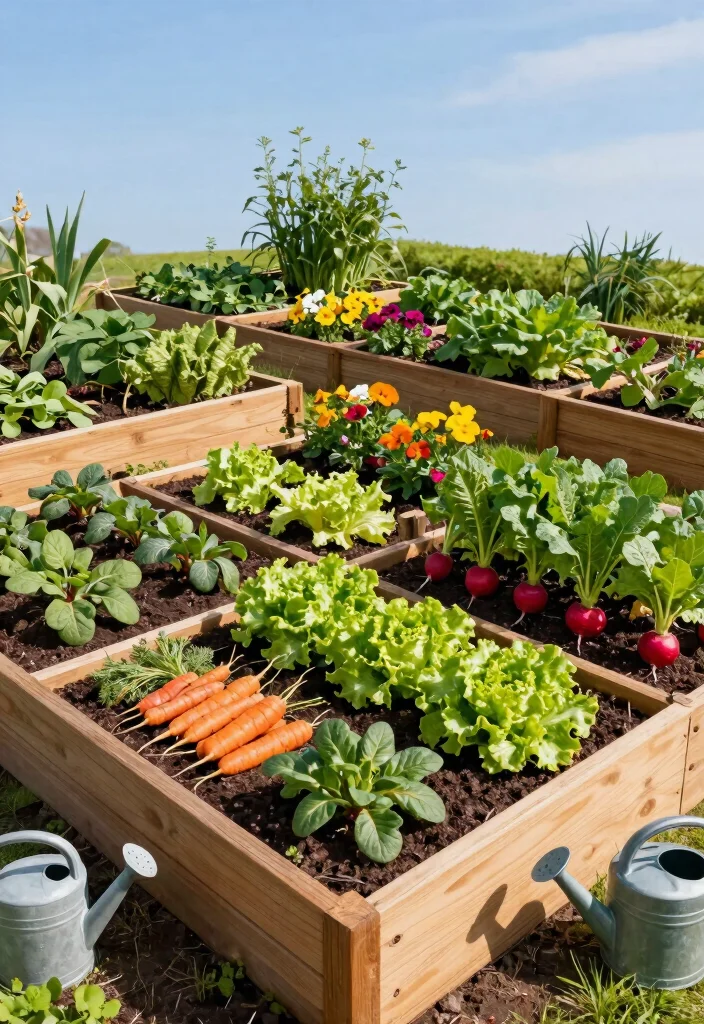
Square foot gardening is an efficient way to maximize your harvest in a smaller area. By dividing your raised bed into square sections, you can cultivate various plants side by side, making gardening both fun and productive. Each square can host a different crop, ensuring a diverse and plentiful garden.
Design a 4×4 foot bed and divide it into 16 squares for easy organization. Consider companion planting to enhance growth and deter pests. Prepare your soil with a mix of peat moss, vermiculite, and compost for a nutritious environment.
Steps to start square foot gardening:
– Design a 4×4 bed for efficient layout
– Pair compatible plants for better yields
– Use a nutrient-rich soil mix for health
– Replant as you harvest for continuous produce
Square foot gardening allows you to create a vibrant, productive space that thrives in limited areas, offering fresh veggies all season long.
Did you know a 4×4 bed divided into 16 squares can host a dozen crops at once? This square-foot gardening approach turns small backyards into productive, diverse harvests—perfect for backyard raised bed garden ideas and companion planting.
5. Geometric Raised Bed Designs
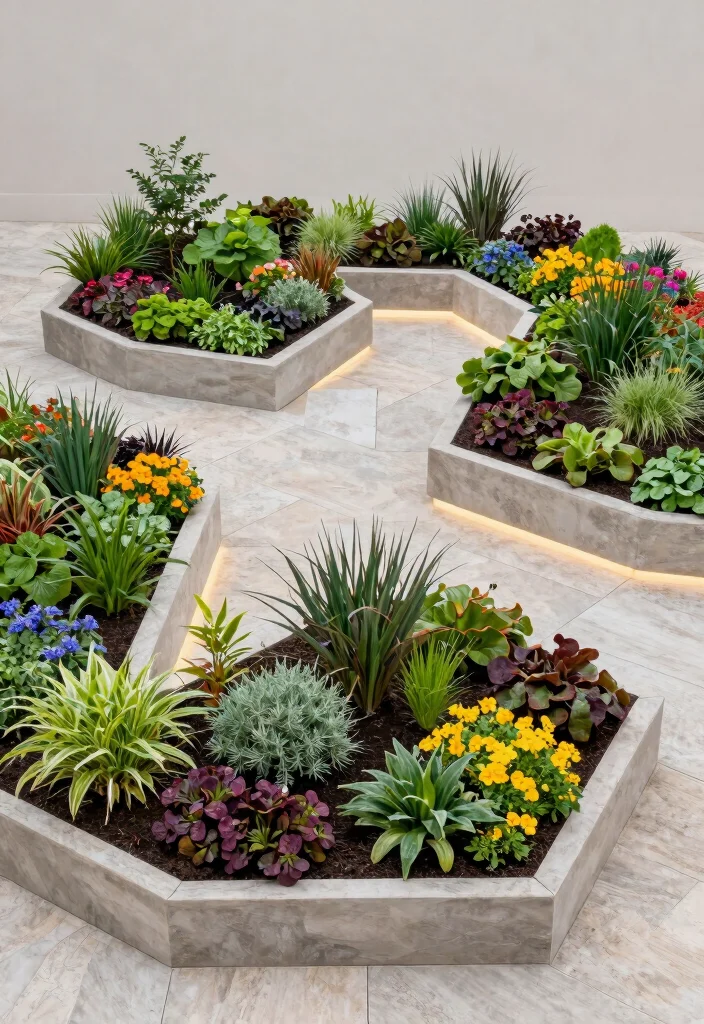
Step away from traditional rectangular shapes and explore the beauty of geometric raised bed designs. Incorporating shapes like hexagons, triangles, or circles can add visual intrigue to your backyard while providing effective growing spaces. These unique styles not only stand out but also cater to a variety of plants.
Mix and match different geometric shapes to create a creative layout that fits your garden’s personality. Group plants according to their sunlight and water needs to ensure a thriving environment. You can use wooden frames or metal edging to enhance the modern aesthetic of your design.
Essential elements of geometric raised beds:
– Mix and match shapes for creativity
– Group plants by needs for optimal growth
– Incorporate metal or wood for style
– Ensure access paths for easy maintenance
Geometric designs will not only enhance the functionality of your garden but also create an artistic space that captivates the eye.
6. Container Gardens
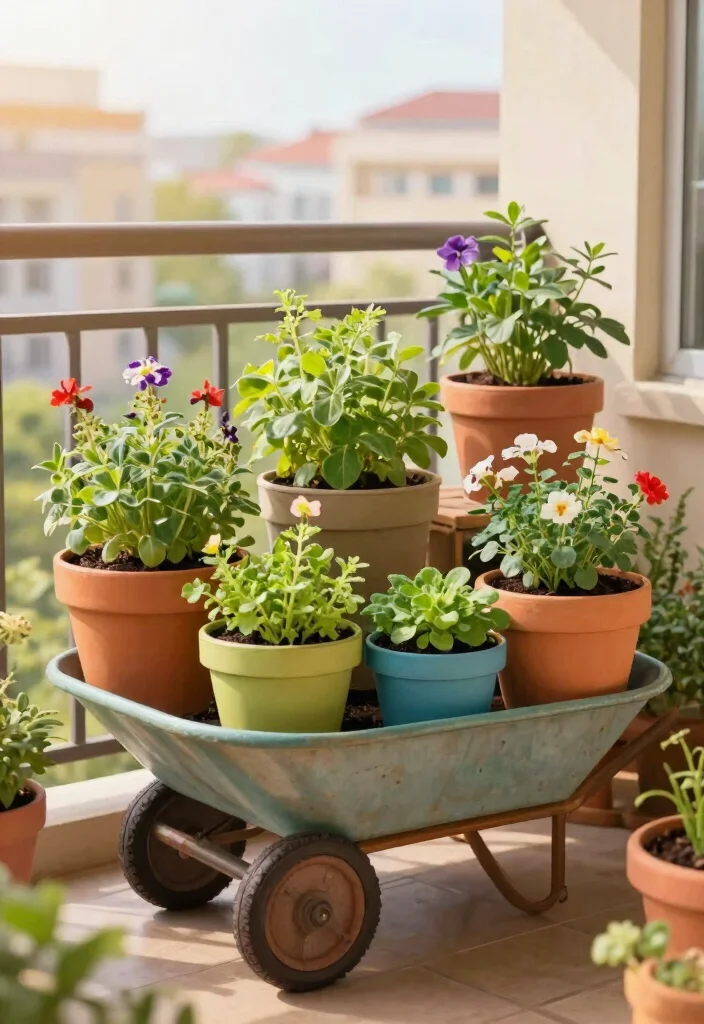
Container gardens are perfect for those living in urban spaces with limited outdoor areas. By using pots, barrels, or even old bathtubs, you can arrange your plants in any location that suits you. This flexible gardening option is especially great for herbs, flowers, and vegetables, adding charm to balconies or patios.
When choosing containers, opt for materials like clay or plastic that provide good drainage. Dwarf varieties of vegetables are ideal for container gardening, allowing you to maximize your harvest. Grouping containers can create a striking display that draws the eye.
Key considerations for container gardens:
– Select well-draining materials for containers
– Choose dwarf plants for limited space
– Group containers for visual impact
– Use wheeled carts for easy movement
With container gardening, you can customize your gardening experience and infuse your small space with beautiful greenery.
7. Herb Spiral Gardens
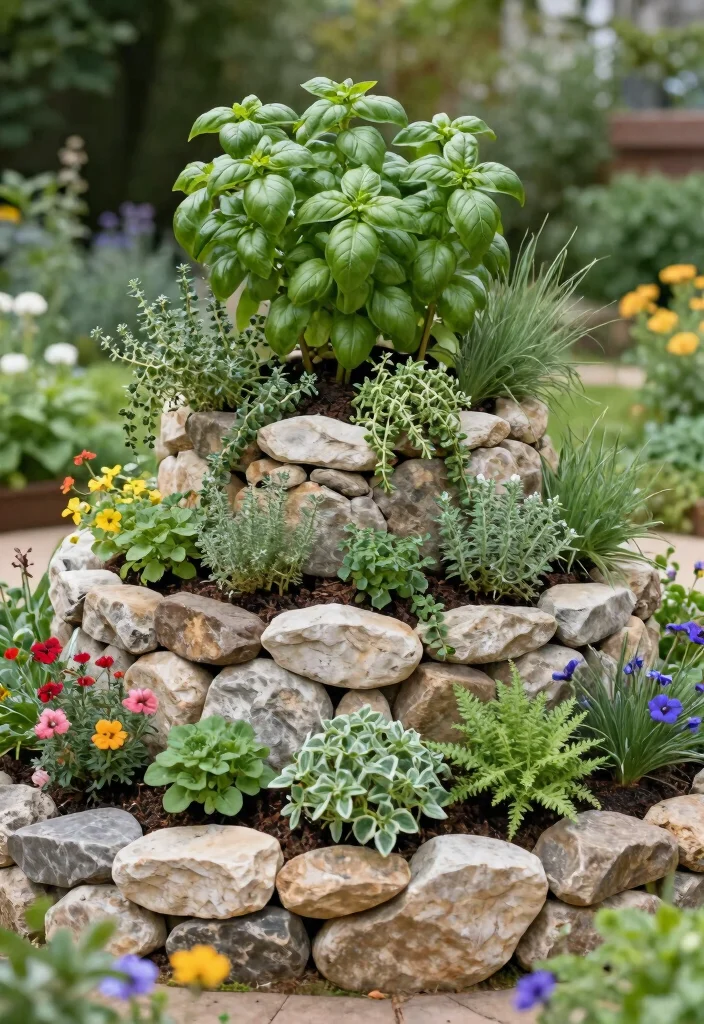
Herb spirals are a delightful way to grow various herbs in an eye-catching, compact design. This spiral structure creates microclimates tailored to different herb needs, allowing you to enjoy fresh herbs throughout the season. Plus, it serves as a striking focal point in your garden.
To build your spiral, use stones or bricks, with the center being the highest point. Water the top, and watch as moisture trickles down to the lower sections. Include culinary favorites like basil, cilantro, and rosemary for a fragrant and functional addition.
Key features of herb spiral gardens:
– Construct with stones for stability
– Water from the top for efficient hydration
– Plant culinary herbs for convenience
– Surround with flowers for added beauty
Herb spirals enhance your garden’s biodiversity and provide a stunning, productive space for fresh herbs all year round.
8. Edible Flower Beds
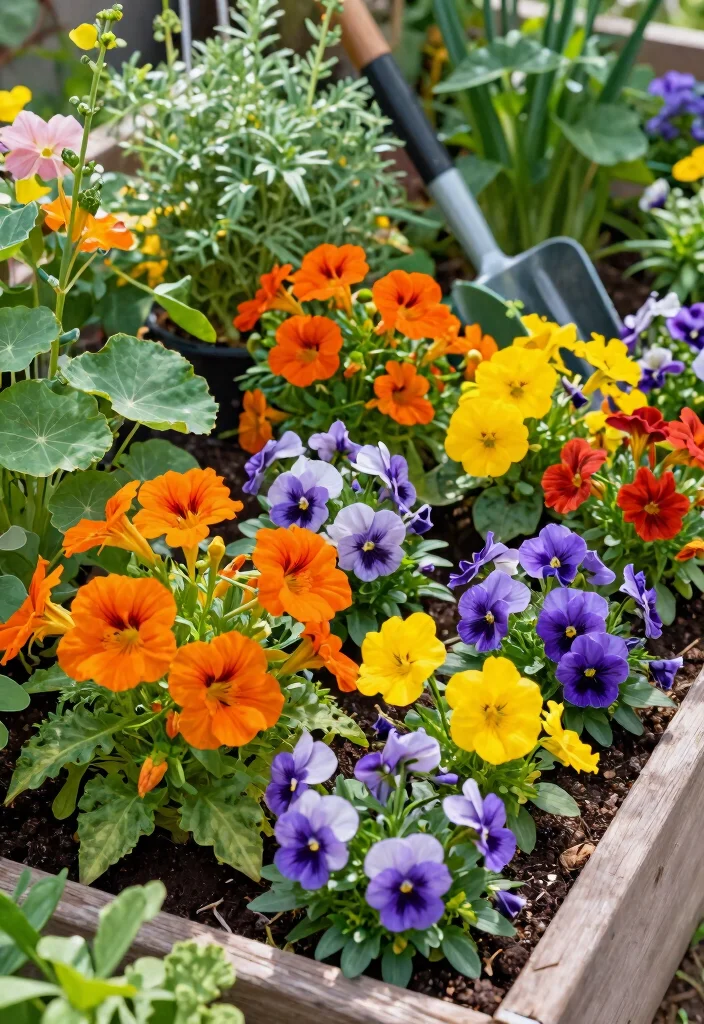
Why not add a splash of color to your garden with edible flowers? These beautiful additions not only enhance the visual appeal but also offer delicious culinary options. Flowers like nasturtiums, pansies, and calendula can create a vibrant and delightful garden experience.
Choose flowers that are safe to eat and consider their seasonal availability. Mixing flowers with vegetables can attract beneficial insects and boost pollination. Use your blooms in salads, as garnishes, or even in baking for a creative touch.
Key aspects of edible flower beds:
– Select safe, edible flowers for your garden
– Interplant with vegetables for benefits
– Use in cooking for flavorful dishes
– Group contrasting colors for visual impact
Edible flower beds allow you to create a stunning garden that is both functional and a feast for the eyes.
Key Trade-offs & Our Top Pick
Option Comparison
1. Vertical Raised Bed Garden
– Pros:
– Maximizes space by growing upward, perfect for small backyards.
– Easy access for maintenance and harvesting.
– Can be visually appealing, adding height and interest to the garden.
– Cons:
– Requires more initial investment for materials.
– May need additional support in windy conditions.
– Limited to certain types of plants that thrive vertically.
– Best for: Urban gardeners with limited floor space who want an eye-catching design.
2. Rustic Wooden Raised Beds
– Pros:
– Natural look that blends well with outdoor spaces.
– Durable if made from treated wood.
– Simple to build, making it a great DIY project.
– Cons:
– Wood can rot over time if not maintained.
– Requires regular upkeep to prevent pests and diseases.
– Limited size options can restrict growing space.
– Best for: Gardeners looking for an aesthetically pleasing, traditional gardening experience.
3. Elevated Planters for Accessibility
– Pros:
– Ideal for individuals with limited mobility.
– Reduces bending and kneeling, making gardening easier.
– Keeps plants away from pests and weeds.
– Cons:
– Can be more costly than ground-level beds.
– Less space for root systems of larger plants.
– Requires careful selection of plants to suit the height.
– Best for: Seniors or anyone with physical limitations who still wants to enjoy gardening.
4. Square Foot Gardening
– Pros:
– Efficient use of space allows for maximum productivity.
– Reduces weeds and improves soil quality with a designated layout.
– Ideal for those who want to grow a variety of vegetables in a small area.
– Cons:
– Initial setup can be time-consuming and meticulous.
– Requires careful planning and monitoring.
– Might need more frequent watering in hot weather.
– Best for: Urban gardeners looking to grow multiple crops in limited space.
5. Container Gardens
– Pros:
– Extremely versatile; you can place them anywhere.
– Easy to manage and relocate as needed.
– Great for renters or those who want to avoid permanent garden installations.
– Cons:
– Limited soil volume can stress plant growth.
– More frequent watering is often needed.
– Requires regular garden maintenance and care.
– Best for: Urban dwellers who want to grow plants without dedicating a large area.
Expert Recommendation:
Best Overall: Vertical Raised Bed Garden
The vertical raised bed garden stands out as the best overall choice for most gardeners. It maximizes space, making it perfect for small backyards while offering an engaging way to grow plants. Its ease of maintenance and accessibility make it an attractive option for various gardeners, from beginners to those with more experience. It not only enhances your garden visually but also fosters healthy plant growth over time, providing excellent value for money.
Why We Picked This:
While the vertical raised bed garden is our top pick, different gardeners may prefer other options based on their specific needs. For instance, those interested in a rustic aesthetic might choose wooden raised beds, while individuals with mobility concerns may find elevated planters more suitable. Ultimately, your choice should align with your gardening goals, space, and personal preferences.
9. Pollinator-Friendly Gardens
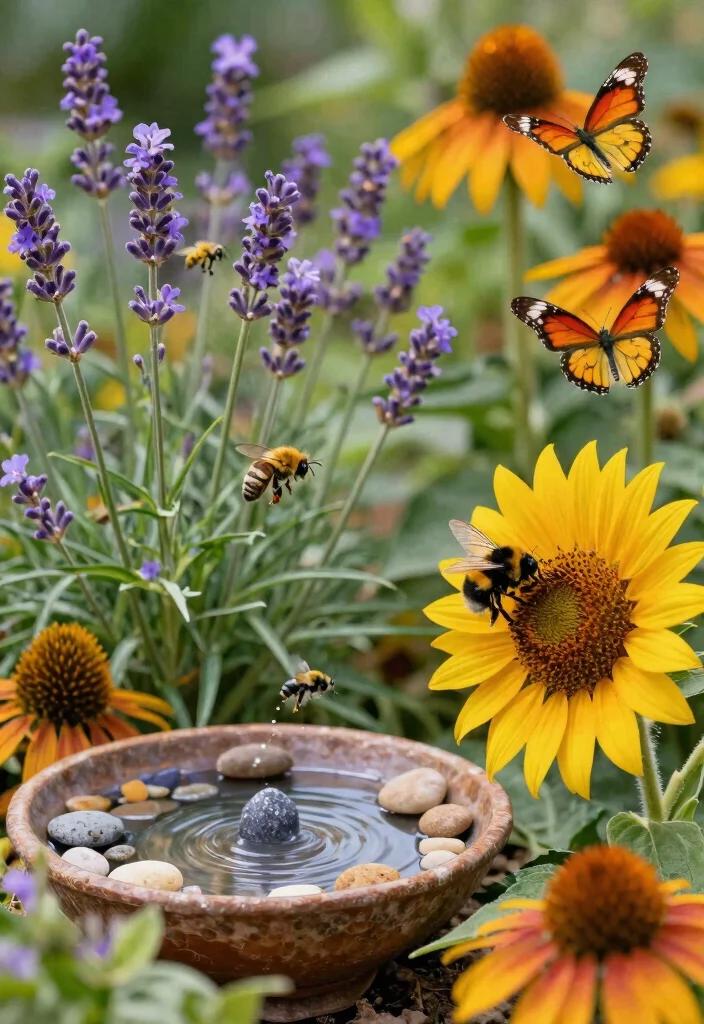
Creating a garden that attracts pollinators like bees and butterflies is a rewarding way to support our ecosystem. By carefully selecting plants for your raised beds, you can cultivate a vibrant sanctuary for these essential creatures. Not only will your garden thrive, but you’ll also contribute positively to the environment.
Choose native flowering plants such as lavender, bee balm, and coneflowers to attract pollinators. Grouping plants in clusters helps these friendly insects locate food sources more easily. Consider adding shallow water dishes for bees to safely land and hydrate.
Essential elements of pollinator-friendly gardens:
– Select native plants to attract local pollinators
– Group plants for easy access
– Provide shallow water sources for hydration
– Avoid chemicals to protect pollinators
Focusing on attracting pollinators will not only help your garden flourish but also support the vital role these creatures play in our ecosystem.
10. Compact Rolling Gardens
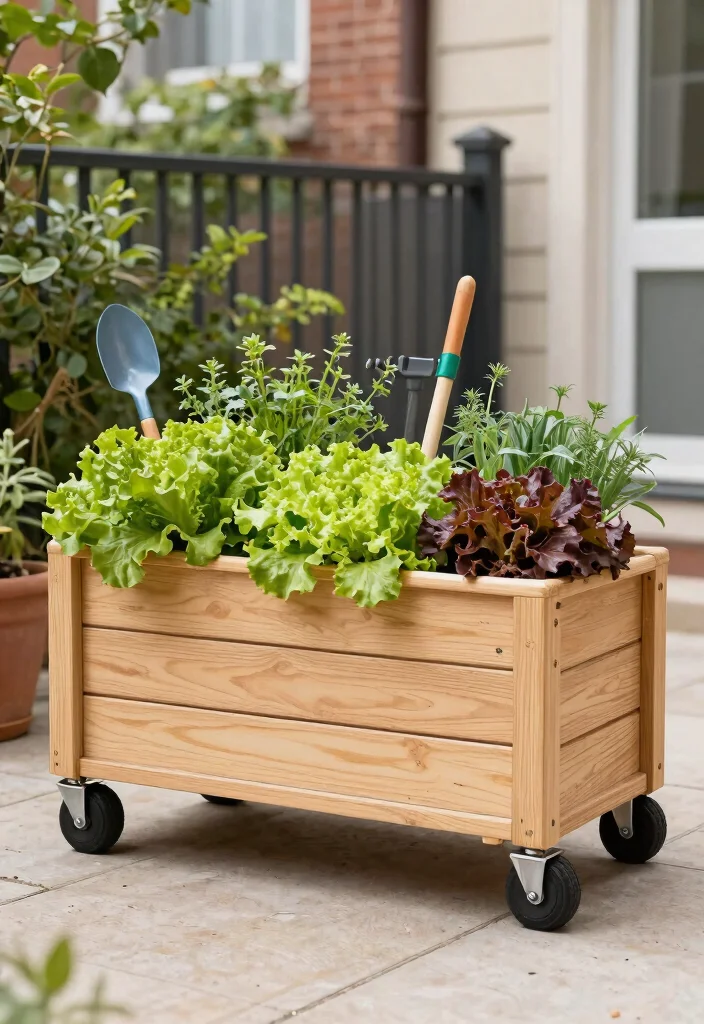
If you have limited space, compact rolling gardens are the perfect solution. These mobile raised beds can be effortlessly moved around, allowing you to take full advantage of sunlight and shade as needed. Incorporating wheels into your design adds flexibility and makes accessing your plants for maintenance a breeze.
When building your rolling garden, use lightweight materials to ensure easy maneuverability. Keep the dimensions small enough for rolling, yet large enough to promote healthy growth. You might even consider adding vertical elements like trellises for extra growing space.
Key features of compact rolling gardens:
– Use lightweight materials for easy movement
– Keep dimensions small yet functional
– Incorporate vertical elements for added space
– Consider self-watering designs for convenience
With a compact rolling garden, effortlessly move your plants to where the sun shines, keeping your garden vibrant and productive.
11. Low-Maintenance Raised Beds
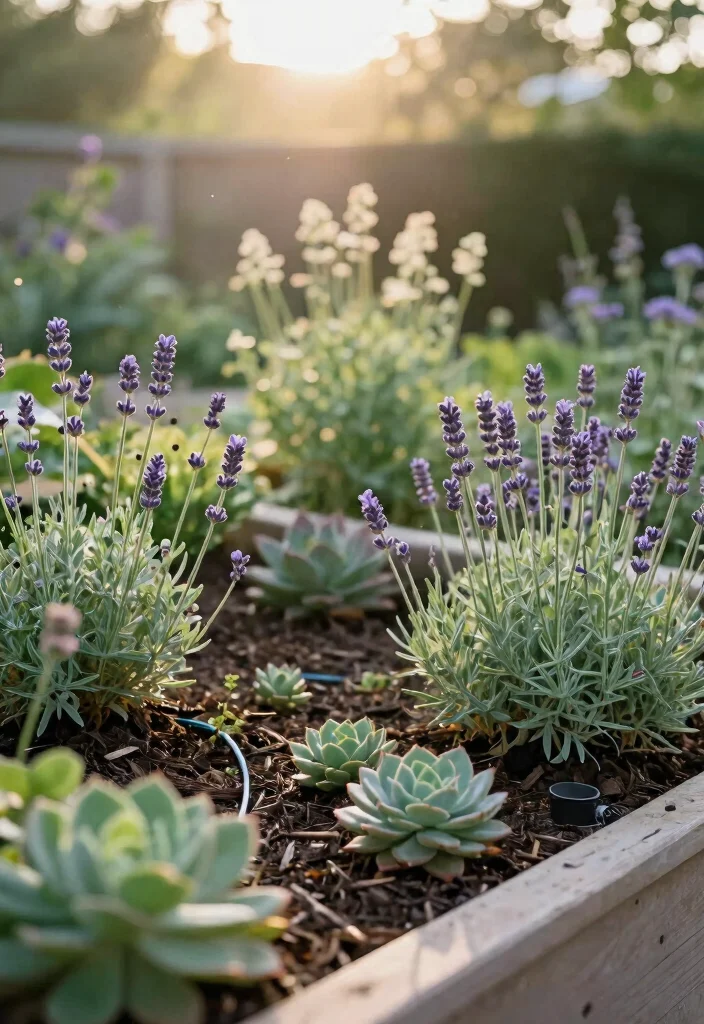
For those who desire a beautiful garden without the constant upkeep, low-maintenance raised beds are the answer. Designed for easy-care plants and efficient growing techniques, these beds make gardening accessible even for the busiest lifestyles. Enjoy the beauty of your garden with minimal effort.
Choose tough, drought-resistant plants like succulents, lavender, or native varieties that require less attention. Applying mulch will help suppress weeds and retain moisture, further reducing maintenance needs. Consider installing automatic watering systems like drip irrigation for consistent hydration.
Key aspects of low-maintenance raised beds:
– Opt for drought-resistant plants for less care
– Use mulch to retain moisture and suppress weeds
– Implement automatic watering systems for convenience
– Incorporate perennials for ongoing beauty without replanting
With low-maintenance raised beds, you can relish the beauty of a thriving garden while spending less time on upkeep.
12. Mixed-Use Garden Beds
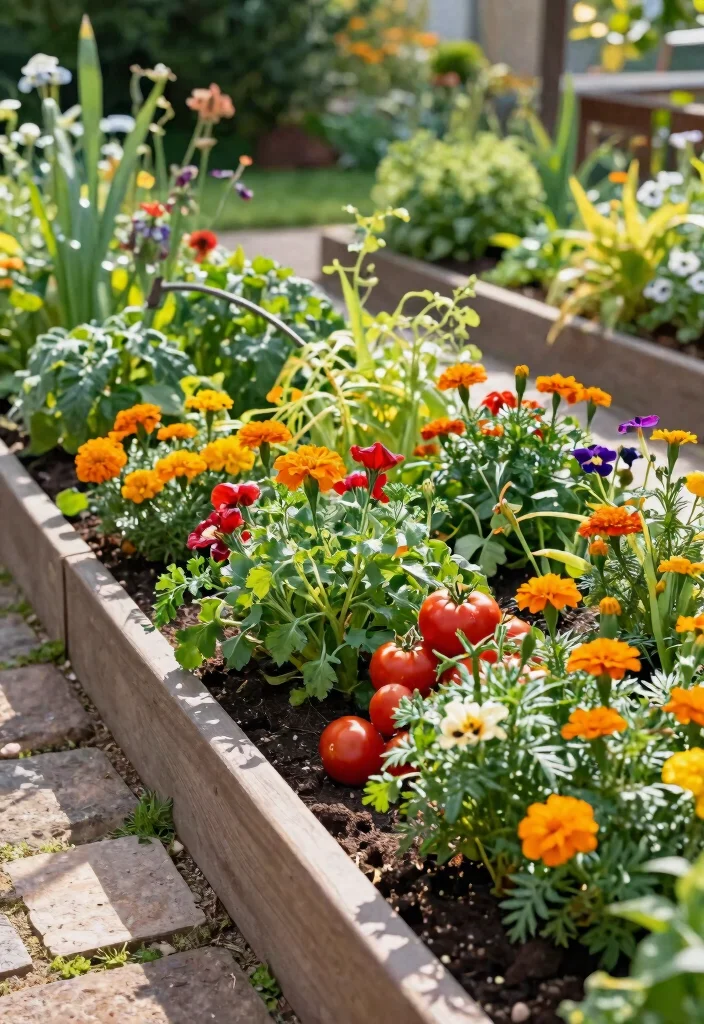
Why limit your garden to just vegetables or flowers when you can have both? Mixed-use garden beds create a diverse ecosystem where different plants thrive together. This approach not only maximizes your space but also enhances the overall health of your garden.
Pair compatible plants through companion planting, such as tomatoes with basil, to boost growth and pest resistance. Combine varying colors and textures for a visually striking effect in your garden bed. Including flowering plants can attract beneficial insects, further enhancing your yields.
Key elements of mixed-use garden beds:
– Pair beneficial plants for better growth
– Combine colors and textures for aesthetics
– Attract pollinators with flowering plants
– Rotate crops seasonally for continuous productivity
Mixed-use garden beds enrich your backyard, providing fresh produce and beautiful blooms all in one delightful space.
Fun fact: backyard raised bed garden ideas show mixed-use beds can boost space efficiency up to 40% when you combine herbs with veggies. Pairing companions like tomatoes with basil not only flavors your harvest but also improves pest resistance—try a colorful mix of textures for a standout, practical garden bed.
13. Tiered Raised Beds
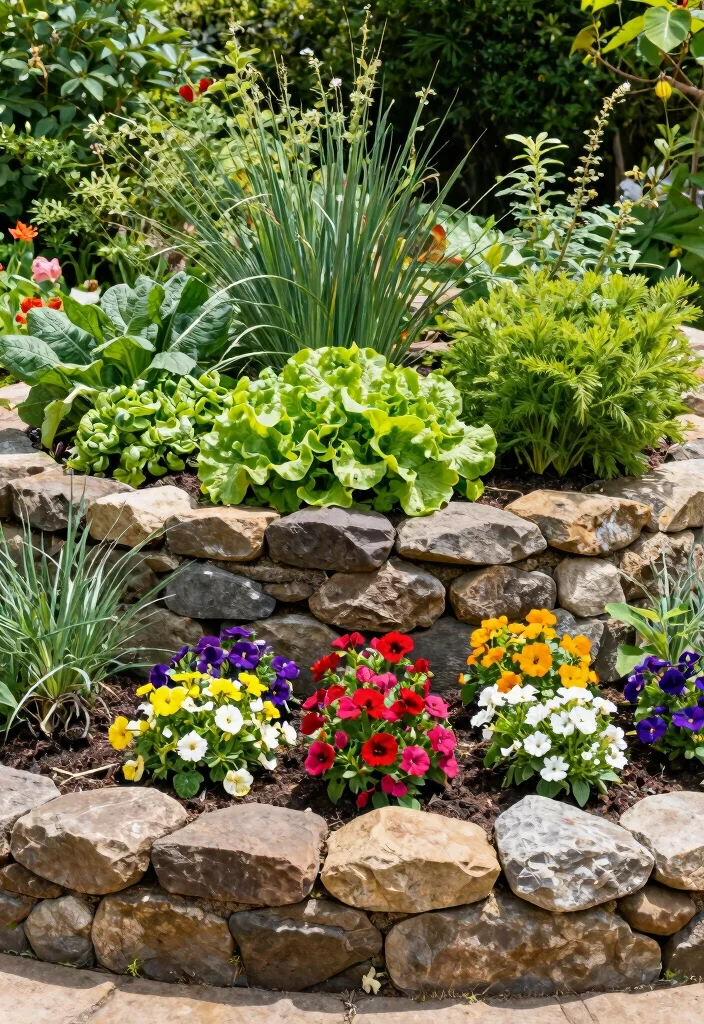
Tiered raised beds are an excellent way to maximize vertical space while creating stunning landscaping features. These beds can be designed in steps or levels, allowing for better drainage and easy access to plants. This innovative approach adds depth and interest to your garden layout.
When designing, use different levels to separate plants based on their height or water needs. Ensure each tier has adequate soil depth for roots to thrive. Include paths between tiers for simplified maintenance and harvesting, making your gardening experience enjoyable.
Key features of tiered raised beds:
– Design with varying levels for visual interest
– Ensure adequate soil depth for plant health
– Include access paths for easy maintenance
– Add decorative edges for enhanced structure
With tiered raised beds, you create a functional and visually captivating garden feature that enhances your outdoor space.
14. Decorative Edging for Raised Beds
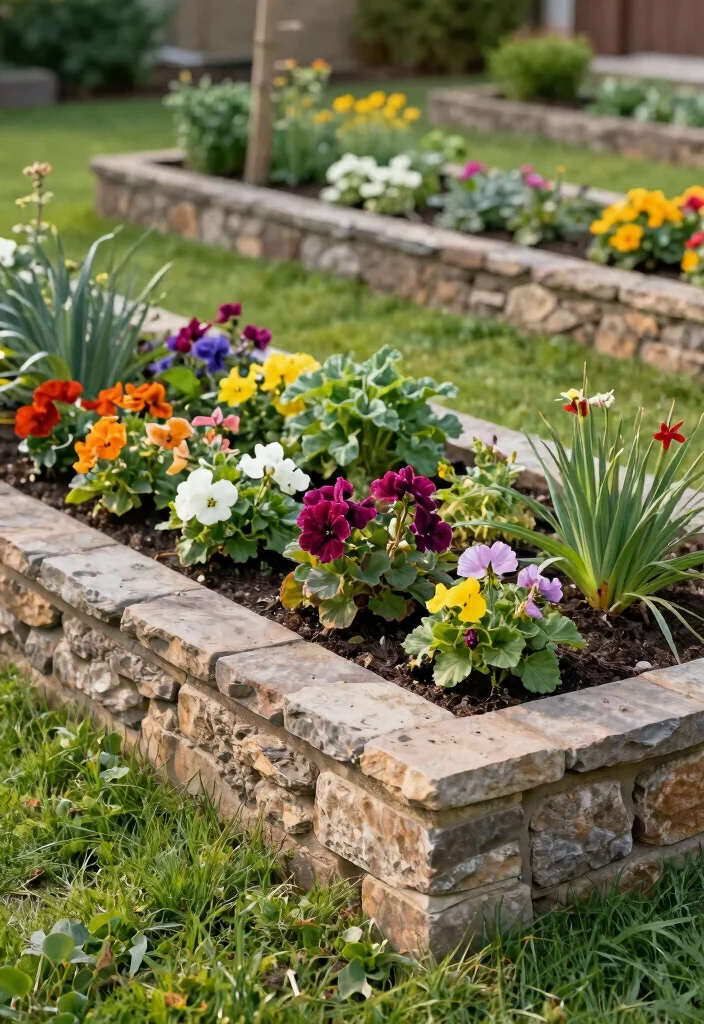
Enhance the aesthetic appeal of your raised beds with decorative edging. Materials like bricks, stones, or reclaimed wood can create a polished look that complements your garden style. This simple addition not only defines your garden beds but also helps maintain soil integrity while adding visual charm.
When choosing materials, select options that fit your overall garden theme, whether it’s modern, rustic, or whimsical. Ensure the edging is level and secure to prevent soil erosion and maintain your garden’s neat appearance.
Essential aspects of decorative edging:
– Choose materials that fit your theme for coherence
– Install edging securely to prevent erosion
– Coordinate colors with your plants for harmony
– Prevent weeds and simplify mowing with edging
With decorative edging, you can elevate your raised beds into beautifully defined spaces that enhance the charm of your backyard.
15. Rainwater Harvesting in Raised Gardens
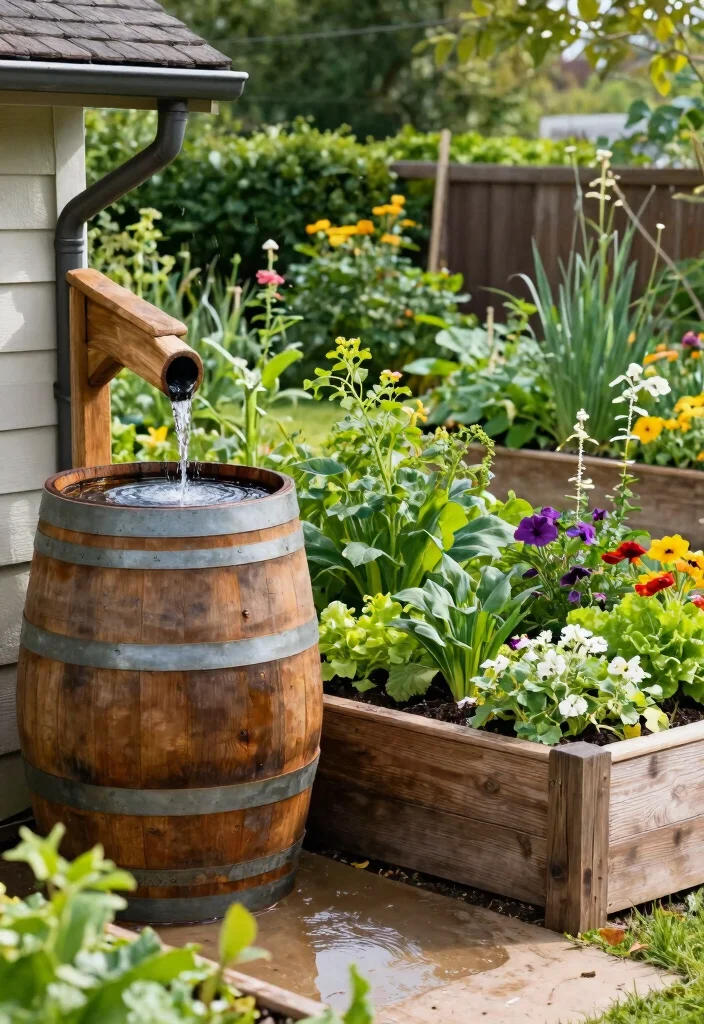
Incorporating rainwater harvesting into your raised beds is a smart, sustainable gardening practice. Collecting rainwater not only conserves resources but also provides your plants with natural hydration, improving their health. Setting up a simple collection system can benefit both your garden and the environment.
Install barrels or cisterns to collect rainwater from downspouts, making it accessible for your plants. Implement a drip irrigation system to ensure efficient watering. Choose drought-resistant plants that thrive on rainwater for a sustainable approach to gardening.
Key points for rainwater harvesting:
– Set up collection barrels for convenience
– Implement drip irrigation for efficient watering
– Select drought-resistant plants for sustainability
– Cover barrels to prevent mosquito breeding
With rainwater harvesting, your raised beds can flourish while contributing to a more environmentally friendly gardening practice.
Did you know a 60-gallon rain barrel can keep a small urban raised bed garden hydrated for weeks? Rainwater harvesting reduces runoff, saves on taps, and fuels your backyard raised bed garden ideas with natural, plant-friendly hydration.
16. Garden Layout Inspiration
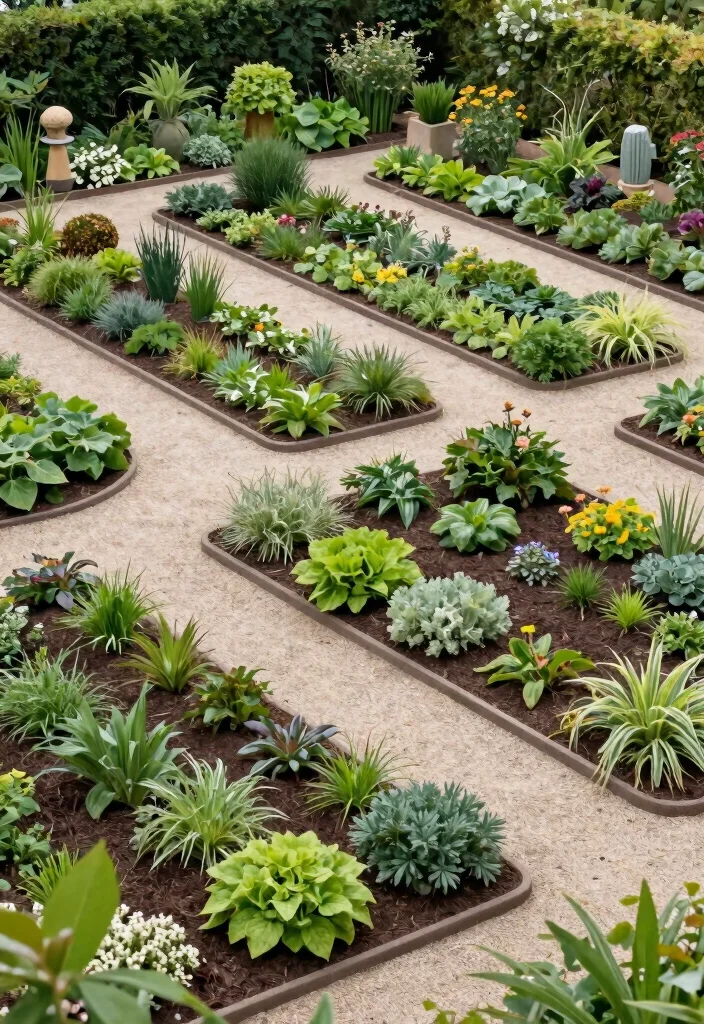
When planning your raised bed garden, layout is crucial for maximizing space and aesthetics. Experimenting with different arrangements can lead to a more visually pleasing and productive garden. Here are some layout ideas to inspire your design:
– Grid Patterns: Organize beds in a grid for easy navigation.
– Curved Edges: Incorporate gentle curves for a softer look.
– Mixed Heights: Use varying heights for visual interest.
– Pathways: Design paths for accessibility and enhanced design.
With thoughtful garden layout, your raised beds can become a beautiful and functional landscape feature, enriching your outdoor space.
17. Warm-Season Vegetables in Raised Beds
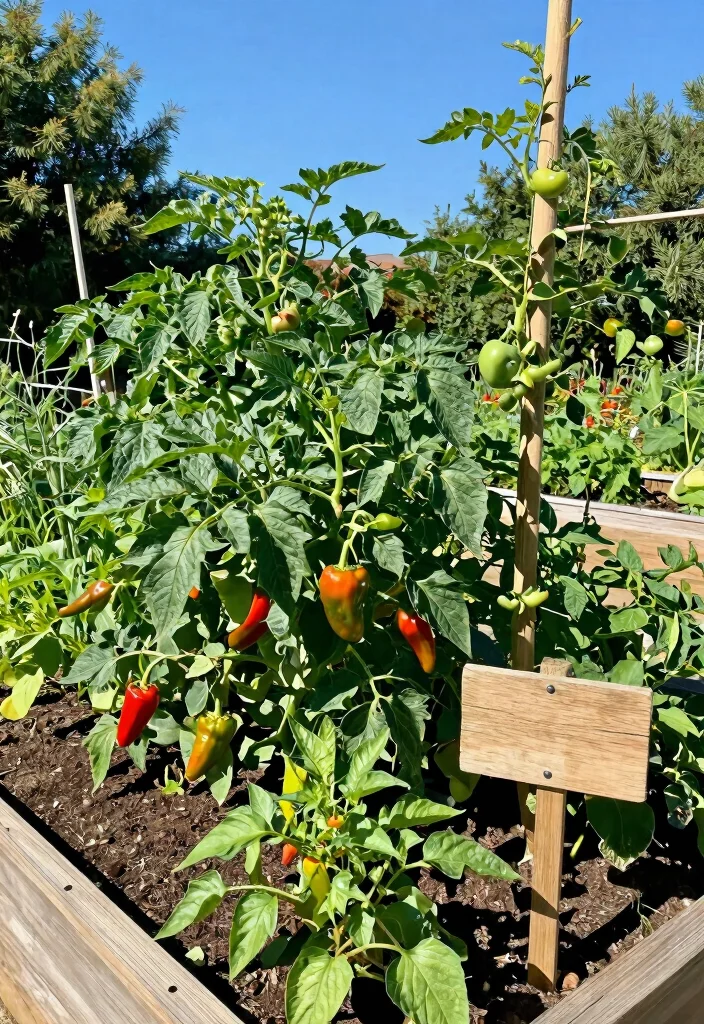
To maximize your harvest, focus on warm-season vegetables in your raised beds. These hearty plants thrive in warmer temperatures, providing a bountiful summer harvest. Incorporate favorites like tomatoes, peppers, and cucumbers for a colorful and productive garden.
Ensure your beds receive full sun to warm the soil, promoting healthy growth. Group warm-season crops together for better pest management and consider succession planting for ongoing harvests. Applying mulch helps retain moisture and regulates soil temperature for optimal growth.
Tips for growing warm-season vegetables:
– Place beds in full sun for best results
– Group crops for enhanced growth
– Plan for multiple plantings throughout summer
– Use mulch to retain moisture
With a focus on warm-season vegetables, your raised beds can yield delicious, fresh produce all summer long.
18. Using Native Plants in Raised Beds
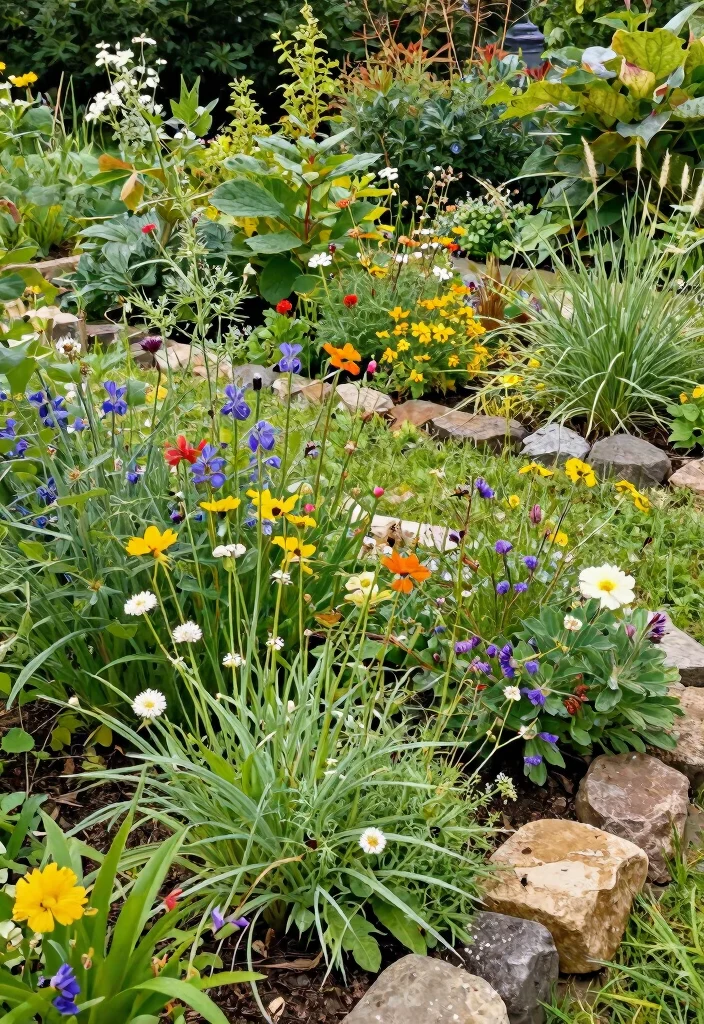
Incorporating native plants into your raised beds helps enhance your garden’s ecological balance. Native plants adapt well to local climates and soils, requiring less water and maintenance compared to non-native species. They also attract local wildlife, including pollinators and beneficial insects, creating a thriving ecosystem.
Research which plants are native to your area and incorporate a mix for biodiversity. Select varieties that bloom at different times to ensure year-round appeal. Native plants often improve soil health through their natural root systems, enriching your garden.
Key benefits of using native plants:
– Research local native plants for best results
– Incorporate diverse varieties for wildlife support
– Select plants for seasonal interest
– Improve soil health naturally with native roots
With native plants in your raised beds, you can cultivate a beautiful garden that supports local ecosystems while thriving effortlessly.
19. Sustainable Organic Gardening in Raised Beds
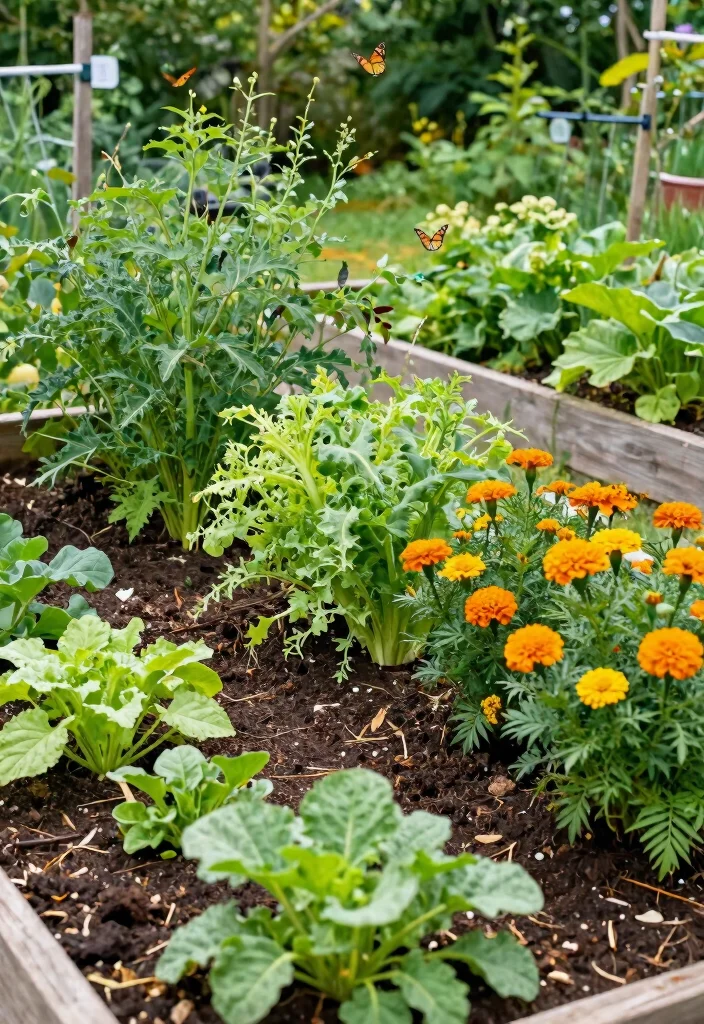
Embrace sustainable organic gardening methods in your raised beds to promote a healthier environment. This approach focuses on using natural techniques to grow plants without chemicals, enhancing both your garden’s health and the surrounding ecosystem.
Begin by enriching your soil with organic compost, improving its fertility naturally. Implement companion planting and encourage natural predators to manage pests effectively. Rotate crops each year to prevent soil depletion and disease while using efficient irrigation methods to conserve water.
Key principles of sustainable organic gardening:
– Use organic compost for soil enrichment
– Implement companion planting for pest control
– Rotate crops annually for soil health
– Conserve water with efficient practices
With sustainable organic gardening, you can enjoy the fruits of your labor while protecting the environment.
20. Community Raised Bed Gardens
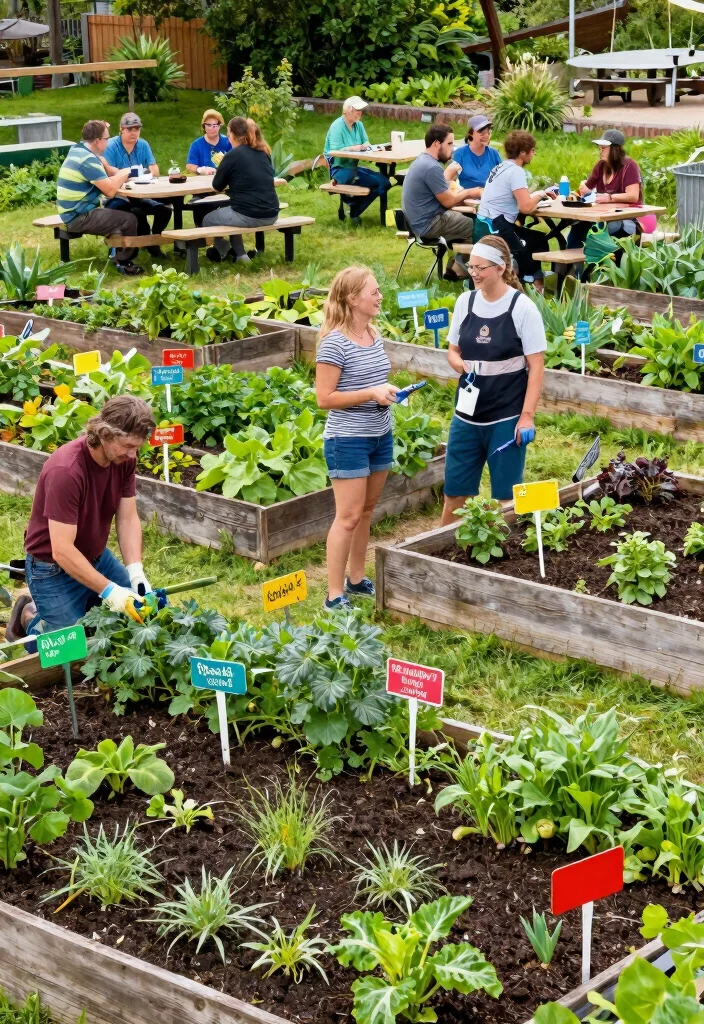
Community raised bed gardens offer a wonderful opportunity to bring people together and promote local growing. These shared spaces encourage neighbors to collaborate, share knowledge, and enjoy the benefits of gardening as a community. Establishing a community garden can foster relationships and provide fresh produce for everyone involved.
Coordinate with local authorities and community members to set up a shared garden space. Design a layout that accommodates multiple gardeners while maximizing available space. Establish clear guidelines regarding maintenance and shared harvests to ensure smooth operations.
Key aspects of community raised bed gardens:
– Coordinate with local authorities for support
– Create a layout for multiple gardeners
– Set clear guidelines for maintenance and harvests
– Organize community events to educate and engage
Community raised bed gardens can create a sense of belonging and promote local sustainability while enhancing community spirit.
21. Seasonal Gardening in Raised Beds
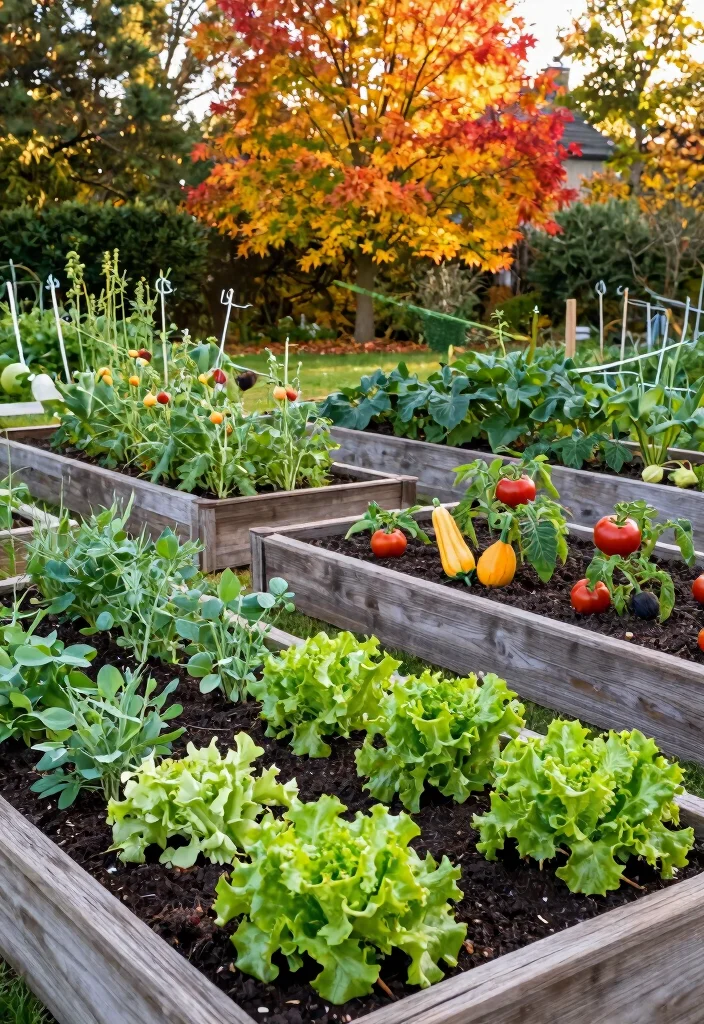
Embrace seasonal gardening by planning your raised beds for year-round cultivation. Different crops are suited for each season, allowing you to maximize your space and enjoy fresh produce throughout the year.
Start your spring planting with cool-season crops like peas and lettuce. Transition to warm-season varieties such as squash and beans in summer. In the fall, grow hearty vegetables like kale and root crops, and consider protective coverings or cold frames to extend your growing season in winter.
Tips for seasonal gardening:
– Start with cool-season crops in spring
– Transition to warm-season plants in summer
– Grow hardy vegetables in the fall
– Use protective coverings for winter gardening
With a commitment to seasonal gardening, your raised bed garden can evolve with the seasons, providing fresh produce all year round.
Conclusion
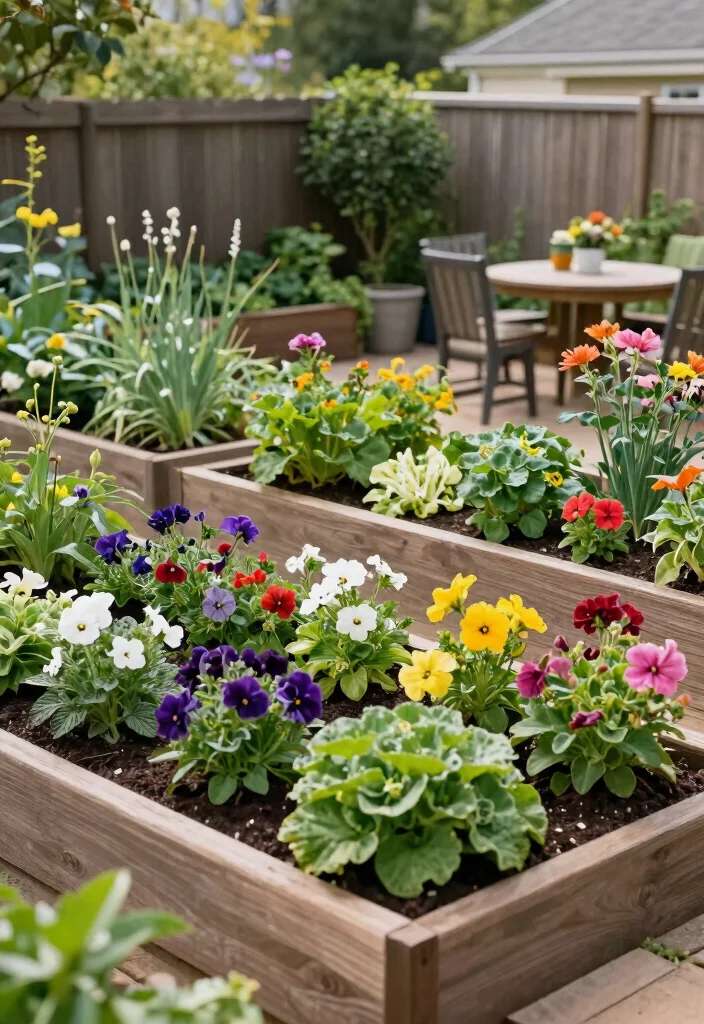
There’s no doubt that backyard raised bed gardens can be both stunning and productive. With these 21 beautiful ideas in mind, you can create a lush paradise, no matter how small your space is. Whether you embrace vertical gardening, low-maintenance options, or vibrant mixed-use beds, each design can enhance the beauty of your outdoor area.
So, grab your gardening gloves and start planning your own raised bed garden today! The possibilities are endless, and the joy of gardening awaits you.
Note: We aim to provide accurate product links, but some may occasionally expire or become unavailable. If this happens, please search directly on Amazon for the product or a suitable alternative.
This post contains Amazon affiliate links, meaning we may earn a small commission if you purchase through our links, at no extra cost to you.
Frequently Asked Questions
What are the best backyard raised bed garden ideas for small urban spaces?
For compact urban yards, focus on space-saving and accessibility. Start with backyard raised bed garden ideas like square-foot beds, tall narrow beds, and multi-level towers to maximize sun and airflow. Choose raised garden bed designs that fit along a fence or in corners, and keep paths clear for easy maintenance. Fill beds with a rich soil mix and plan a quick lineup of vegetable garden ideas that deliver harvests in small spaces. Add a trellis or vertical support for vining crops to stretch your growing space.
How can I design a practical layout for multiple raised beds in a small backyard?
Start with a plan based on garden layout inspiration for your space. Place sun-loving crops in the brightest spots and use narrow or modular beds to squeeze in more plantable area. Keep walkways around 2 feet wide for easy access and crops rotation; consider a central path or side-by-side beds along a fence. Use DIY raised beds that can be reconfigured to fit seasons, and wire in a simple drip system to stay efficient in small space gardening.
What materials are best for DIY raised beds in small urban yards?
For DIY raised beds, choose materials that resist weather and rot: cedar or redwood wood, powder-coated metal, or durable composites. Avoid chemically treated lumber if crops are edible, or line beds with landscape fabric to prevent soil leaching. Keep bed height around 12-18 inches for comfortable reach and good drainage. Add proper drainage holes and a thick organic soil mix for quick, productive growing.
Which vegetables and herbs work best in a small backyard raised bed?
Focus on high-yield, compact crops: bush beans, lettuce, spinach, radishes, and compact tomato or pepper varieties, plus herbs like basil, parsley, and chives. Train vining plants (cucumbers, peas) on trellises to save ground space—great for vegetable garden ideas in small plots. Plan successive plantings so your backyard raised bed garden ideas stay productive from spring through fall.
How can I keep soil healthy and water usage low in a raised bed system?
Keep soil lively with a yearly soil-refresh: compost, leaf mold, and mulch to maintain fertility for ongoing vegetable garden ideas. Water efficiently with a drip irrigation system or soaker hose and collect rainwater whenever possible. Rotate crops each season to reduce disease and keep soil from degrading, and top off beds with fresh compost annually to sustain growth in small space gardening.