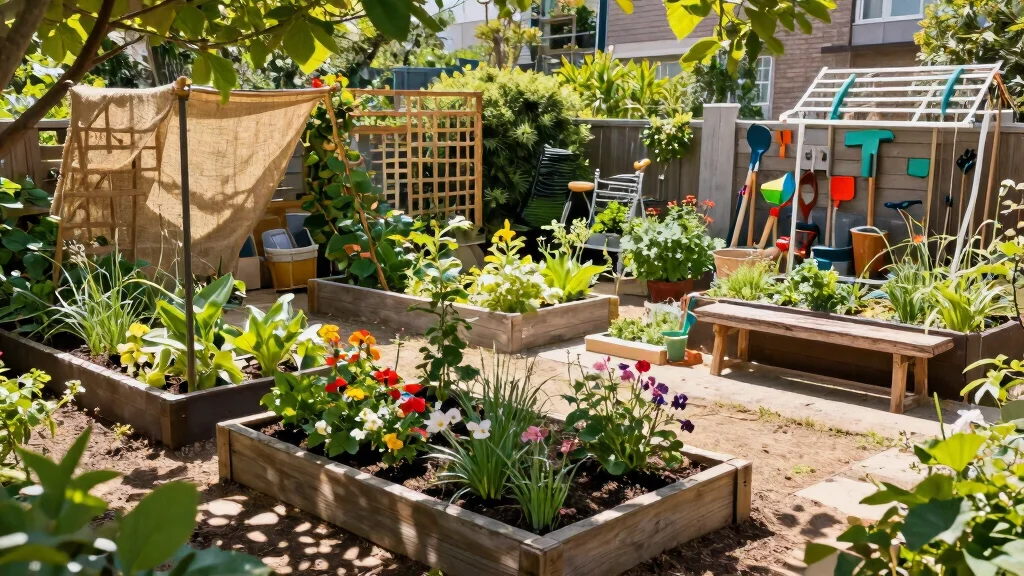
Summer is here, and that means one thing for garden enthusiasts: heat! As temperatures rise, keeping your plants healthy and happy can be a challenge. You might be craving refreshing ideas to protect your raised garden beds from the sweltering sun. This post is designed just for you. I’ve gathered some of the best raised garden bed shade ideas that will keep your plants thriving even during the hottest days of summer.
If you’re a passionate gardener looking for innovative ways to provide shade for your urban raised beds, you’re in the right spot. Whether you’re a seasoned pro or just starting out, you care about creating a flourishing garden space. You want your plants to survive and thrive, and that means finding solutions that work for the unique challenges of summer gardening.
In this post, you’ll discover 11 creative shade ideas that are practical, effective, and easy to implement. From natural canopies to clever designs, these tips will not only help safeguard your plants but also enhance the beauty of your garden. Let’s dive in and explore how you can create a cool oasis for your plants this summer!
Key Takeaways
– Diverse Shade Structures: Explore options like lattice shade structures and trellised plants that not only provide shade but also add visual appeal to your garden.
– Fabric Solutions: Shade cloth canopies are an affordable choice for blocking harmful UV rays while allowing air and moisture through to your plants.
– Natural Shade Options: Consider using shade trees or tall plants as natural canopies to protect your raised garden beds from direct sunlight.
– Innovative Gardening Techniques: Vertical gardens and trellises can create a shaded environment while maximizing your gardening space in urban settings.
– Layering for Protection: Combining multiple shading techniques, such as shade cloth with mulch, can enhance protection against heat while ensuring your plants receive adequate nutrients.
1. Lattice Shade Structures
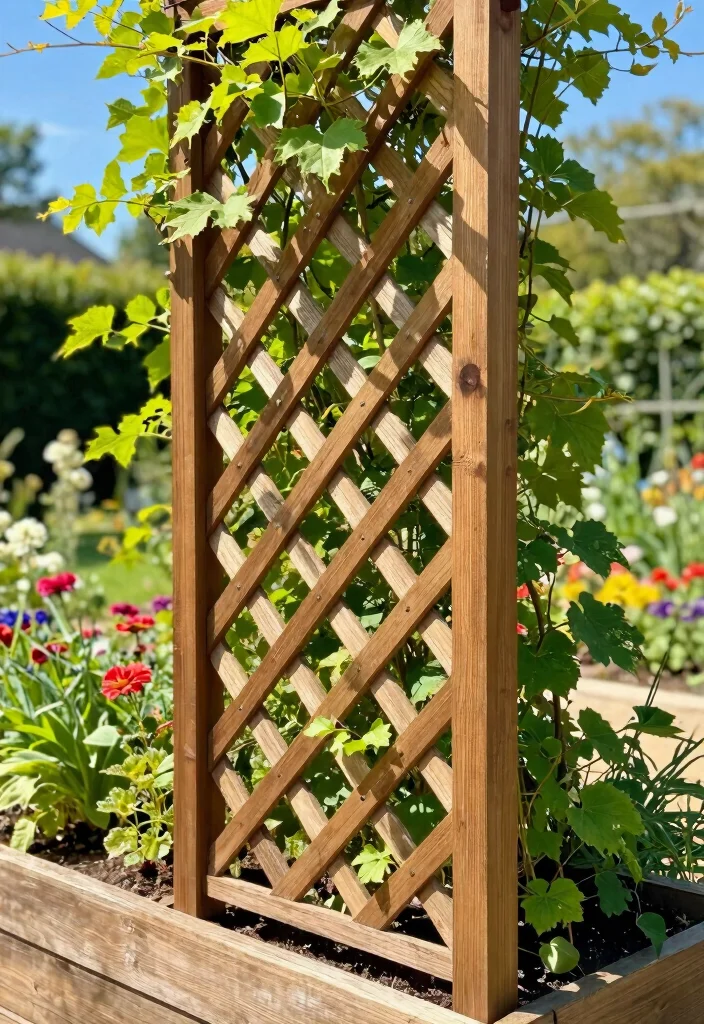
If you’re looking for a stylish way to create shade in your garden, lattice structures are perfect. They not only provide partial shade but also allow climbing plants to thrive. You can customize these wooden frames to suit your garden’s layout and enhance the beauty of your raised beds. Imagine vibrant green vines climbing the lattice while offering cool respite for your plants below.
Building your own lattice is straightforward. Simply construct a rectangular frame from durable wood and add vertical and horizontal strips to form a grid. Here are a few tips:
– Choose Treated Wood: Opt for rot-resistant species like cedar for longevity.
– Plant Climbing Vines: Fast-growing varieties like morning glories will cover the lattice and provide shade quickly.
– Paint or Stain for Protection: A weatherproof finish will help the lattice last longer.
This shade solution not only protects your plants but also adds an elegant touch to your garden space.
Did you know lattice shade structures can reduce soil temperatures by 5–10°C while inviting climbing plants to thrive? It’s a stylish, practical tweak for your raised garden bed shade ideas. Build a simple wooden frame and let vines do the cooling.
2. Shade Cloth Canopies
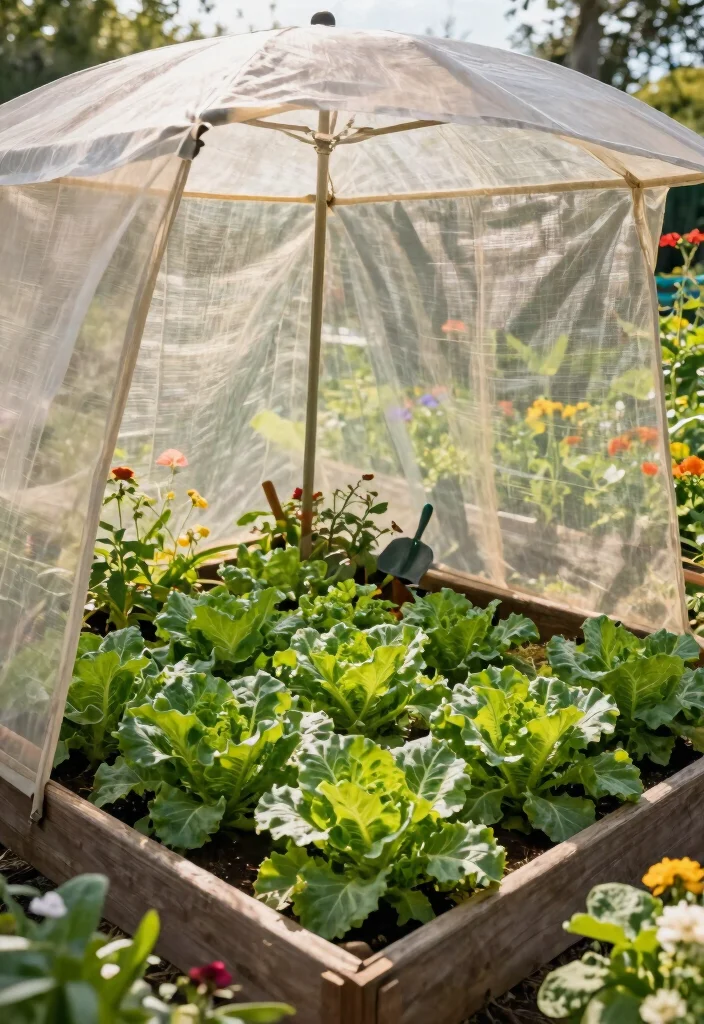
Shade cloth canopies are an effective way to shield your garden from intense sunlight. This flexible fabric comes in various densities, allowing you to customize the level of protection for your plants. Just drape it over your raised beds to block out harsh rays while still letting some sunlight through.
You can easily set this up with PVC pipe frames or existing garden stakes. Here’s how to maximize its effectiveness:
– Choose the Right Density: Use a 30-50% shade cloth for vegetables to balance sunlight and heat.
– Secure It Tight: Ensure the cloth is taut to prevent sagging and water pooling.
– Adjust Seasonally: This canopy can be removed or adjusted as needed throughout the year.
This solution is especially practical for small spaces, as it can be quickly set up and taken down.
3. Trellised Beans for Natural Shade
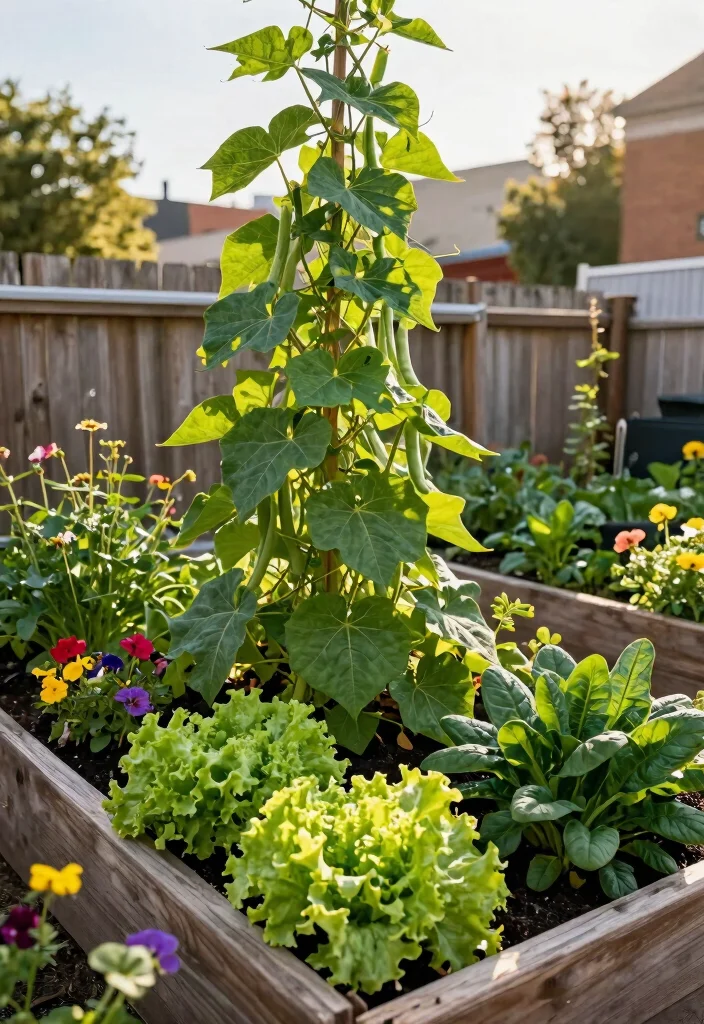
Trellising plants like pole beans not only boosts your garden’s yield but also offers a natural shade solution. These plants grow tall and provide substantial shadow over your raised beds, making them an excellent choice.
To create a trellis, use bamboo poles, chicken wire, or even an old fence panel. Consider these tips:
– Plant Strategically: Position beans on the sunny side for maximum shading.
– Create a Vertical Garden: Encourage upward growth to save space for more planting below.
– Companion Planting: Add lettuce or shade-loving crops beneath the trellis for dual benefits.
This method promotes biodiversity and enhances the aesthetic appeal of your garden.
Fun fact: A 6-foot trellis can shade half of a 4×8 raised garden bed by noon, cooling soil temps by 5–10°F. Plant pole beans on the sunny side to maximize shade and yields — a smart move in raised garden bed shade ideas.
4. Umbrella Shade Solutions
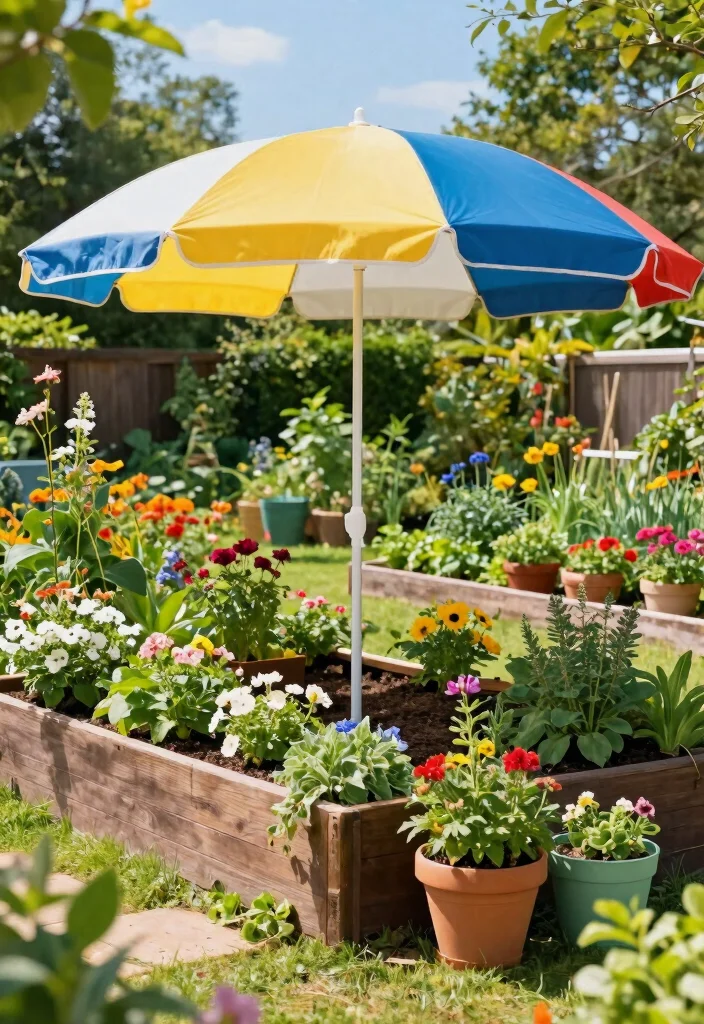
Garden umbrellas offer a chic and flexible way to shade your raised beds. Available in various sizes and colors, they can be easily moved to control sunlight.
To effectively use umbrellas, try these tips:
– Mix Function with Style: Choose colorful umbrellas to add a decorative touch.
– Rotate for Even Light: Adjust the umbrella’s position throughout the day for consistent shade.
– Pair with Planters: Use the umbrella to shield both raised beds and nearby plants.
This solution provides both functionality and aesthetics, making your garden space more inviting.
5. Shade Trees as Natural Canopies
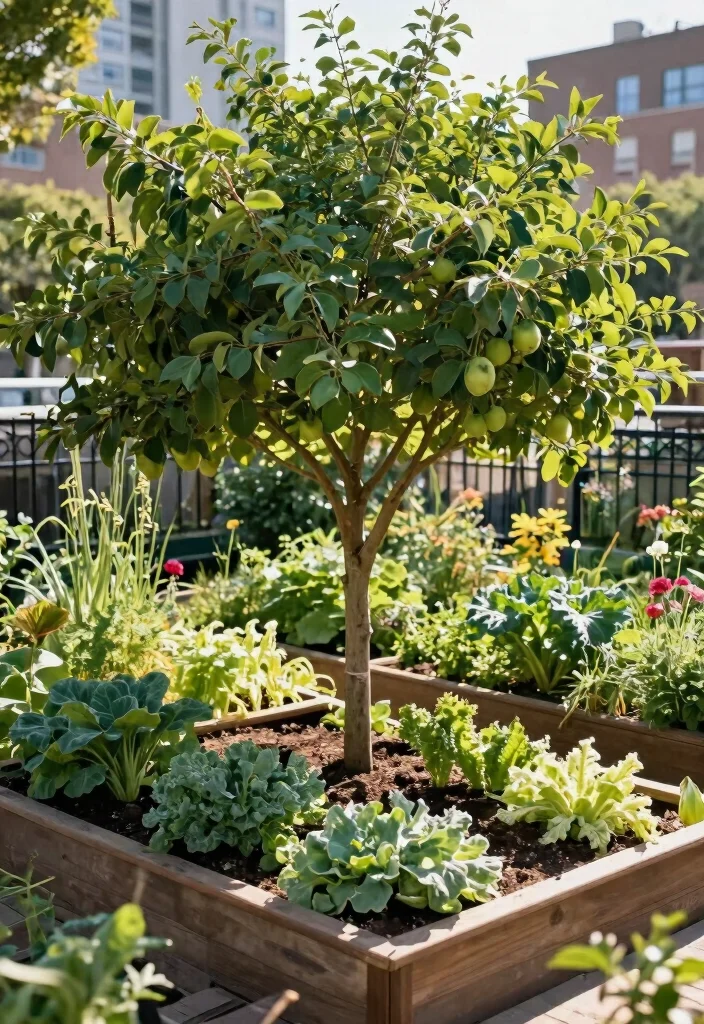
Planting shade trees is a sustainable choice for your garden, offering long-term protection and enhancing local biodiversity. Smaller fruit or ornamental trees work best in urban settings where space is limited.
Keep these suggestions in mind:
– Select Appropriate Species: Choose trees with manageable heights and shallow roots.
– Strategic Placement: Position them nearby, ensuring they don’t compete with your garden beds for nutrients.
– Enjoy the Benefits: Besides shade, these trees attract pollinators and might even bear fruit for your kitchen.
This approach fosters a thriving ecosystem and beautifies your urban environment.
Fun fact: A single shade tree can cut soil temperatures by 5–10°C during peak heat, boosting your raised garden bed shade ideas for a longer, more productive season. Choose species with shallow roots and moderate height, and place them strategically to protect beds without competing for nutrients.
Key Trade-offs & Our Top Pick
When it comes to creating shade for your raised garden beds during those hot summer months, there are several options to consider. Each option has its own set of pros and cons, which can help you decide the best fit for your garden. Below, we’ll break down some popular raised garden bed shade ideas.
Option 1: Lattice Shade Structures
– Pros:
– Provides partial shade while still letting in light.
– Adds visual appeal and can be used to grow climbing plants.
– Cons:
– May require installation skills.
– Not completely effective for plants needing full shade.
– Best for: Gardens where you want a balance of light and shade, and an aesthetic touch.
Option 2: Shade Cloth Canopies
– Pros:
– Easy to set up and remove as needed.
– Available in various densities to control sunlight exposure.
– Cons:
– Might need replacement over time due to wear and tear.
– Can be less attractive if not installed properly.
– Best for: Temporary solutions for specific times when heat is at its peak.
Option 3: Trellised Beans for Natural Shade
– Pros:
– Provides a natural and sustainable shade solution.
– Produces additional food (like beans) while offering shade.
– Cons:
– Requires some time for plants to grow and establish.
– May need regular maintenance like pruning.
– Best for: Gardeners looking to combine aesthetics with productivity.
Option 4: Umbrella Shade Solutions
– Pros:
– Highly portable and adjustable for sun angles.
– Provides immediate shade without any permanent installation.
– Cons:
– Can be blown over in strong winds.
– Limited coverage area, needing multiple units for larger beds.
– Best for: Small urban gardens where portability is key.
Option 5: Shade Trees as Natural Canopies
– Pros:
– Long-lasting and environmentally friendly.
– Enhances the overall garden ecosystem by attracting wildlife.
– Cons:
– Takes years to grow and establish.
– Can compete with garden plants for nutrients and water.
– Best for: Long-term garden planning where aesthetics and shading are desired.
Expert Recommendation:
Best Overall: Shade Cloth Canopies
Shade cloth canopies stand out as the best option for most gardeners. They provide effective and adjustable shade, which is crucial during hot summer months. The versatility of being able to choose different densities makes them ideal for various plant types. Plus, they are easy to set up and take down, offering value for money. Their long-term durability and ease of use make them suitable for both novice and seasoned gardeners alike.
Why We Picked This:
While shade cloth canopies are the best overall choice, some gardeners may prefer lattice structures for their decorative appeal. Others might lean towards trellised beans for added food production. Each option has its unique benefits, and your final choice should align with your garden’s specific needs and aesthetics. Consider what matters most to you—whether it’s immediate results, long-term investment, or ease of installation—before making your final decision.
6. Bamboo Fencing for Shade
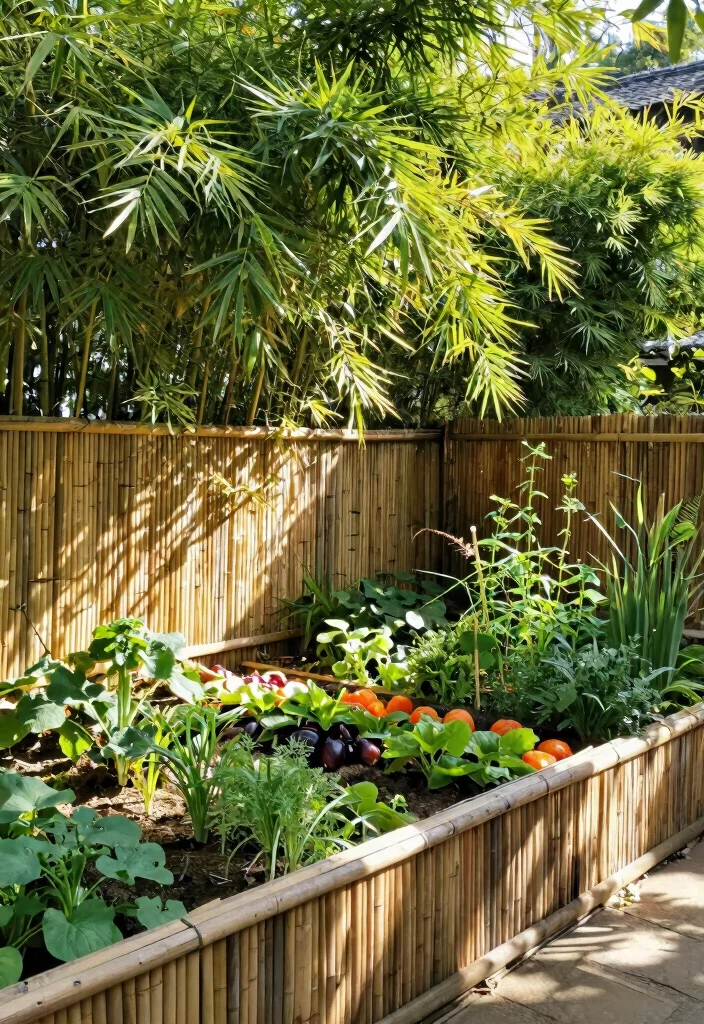
Bamboo fencing adds a touch of the tropics while providing instant shade for your raised beds. You can use it as a backdrop or to create a shaded area above your plants.
Here are some recommendations:
– Height Matters: Build the fence tall enough to filter sunlight while still shading adequately.
– Organic Look: The natural tones of bamboo blend beautifully with garden aesthetics.
– Sturdiness: Ensure the fencing is securely anchored to withstand summer winds.
This sustainable solution looks great and offers practical benefits for delicate plants.
7. Arbors and Pergolas
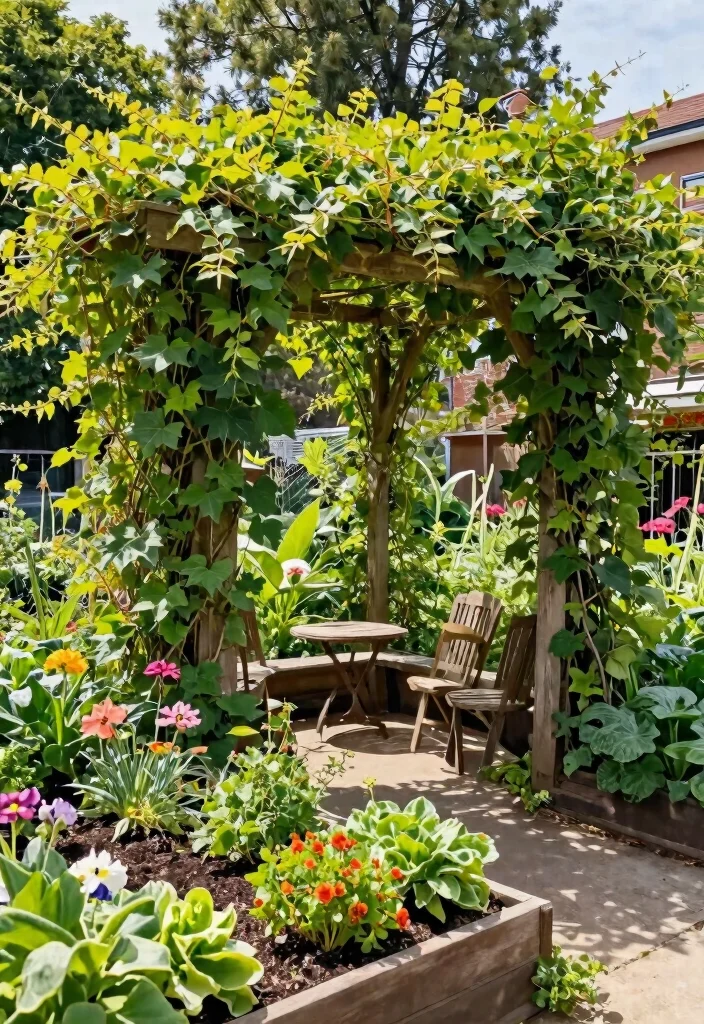
Arbors and pergolas serve as both functional and decorative elements in your garden. These structures can support climbing plants that provide additional shade and visual interest.
When building arbors, consider:
– Design Flexibility: Customize shapes and sizes to fit your garden’s layout.
– Plant Selection: Train climbing plants like clematis to grow over them for a lush effect.
– Use as a Seating Area: Add a bench underneath for a cozy retreat.
This idea not only cools your garden but also becomes an enchanting focal point for relaxation.
8. Shade-Providing Garden Plants
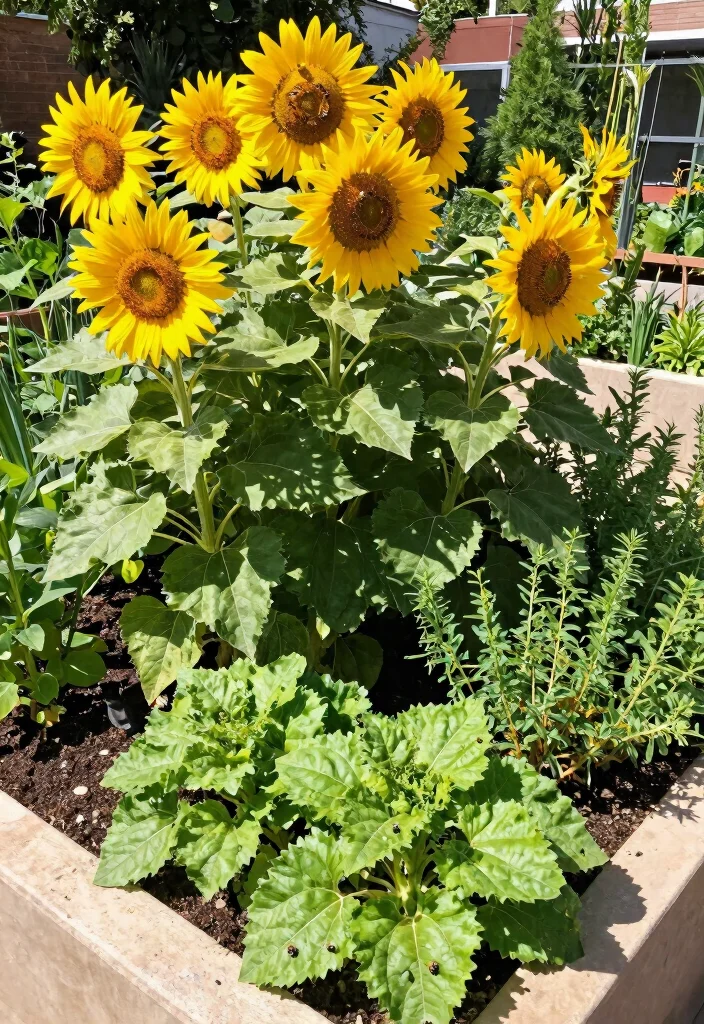
Incorporating shade-providing plants creates a natural canopy over your raised beds. Certain herbs and flowers, like sunflowers, can offer shade while beautifying your garden.
Here’s how to implement this idea:
– Choose the Right Plants: Select tall, bushy plants that cast shade over delicate vegetables.
– Layering Technique: Plant taller species on the northern side, allowing shorter plants sunlight access.
– Maintain Diversity: Encourage a vibrant ecosystem that attracts beneficial insects.
With careful planning, you can cultivate a lush, beneficial environment for all your plants.
9. Vertical Gardens with Shade
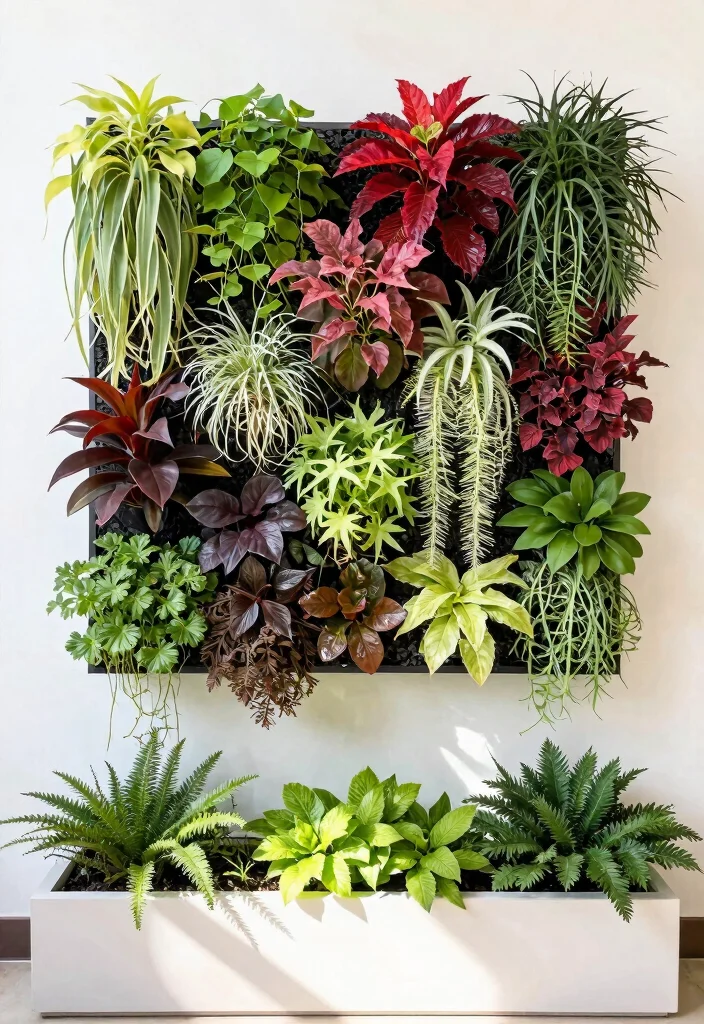
Vertical gardens are a smart way to save space while providing shade for your raised beds. Use wall-mounted planters or trellis systems to support climbing plants.
Consider these tips:
– Choose Space Wisely: Install vertical gardens on walls that receive harsh afternoon sun.
– Combine with Existing Structures: Utilize fences or walls for support, minimizing extra materials.
– Plant Variety: Mix herbs, flowers, and vegetables for a beautiful cascading effect.
This method helps achieve multiple gardening goals: saving space, producing food, and offering shade.
10. Shade-Responsive Mulch
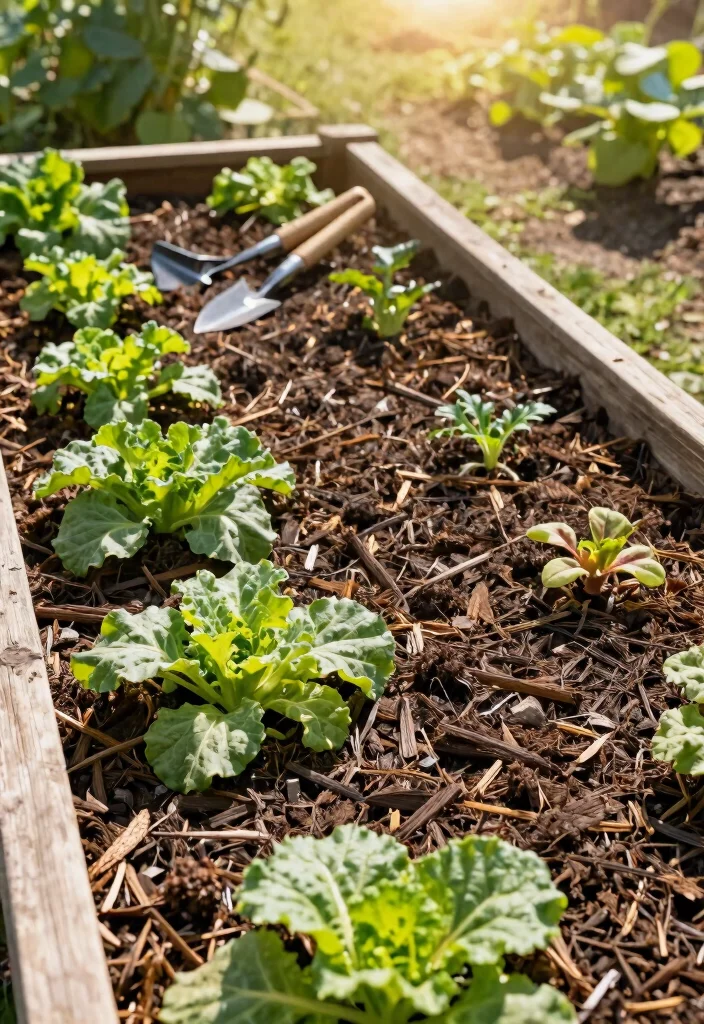
Using mulch around your raised garden beds helps retain moisture and regulates soil temperature in hot weather. Organic mulches like straw or shredded bark provide some shade to the soil.
Keep these pointers in mind:
– Depth Counts: Apply 2-4 inches of mulch for effective heat insulation.
– Keep Moisture: Mulch retains moisture, which is crucial for summer gardening.
– Choose Organic Options: As it breaks down, mulch enriches the soil and boosts garden health.
Using mulch alongside your shade strategies enhances your plants’ resilience during the hottest months.
11. Combination of Techniques
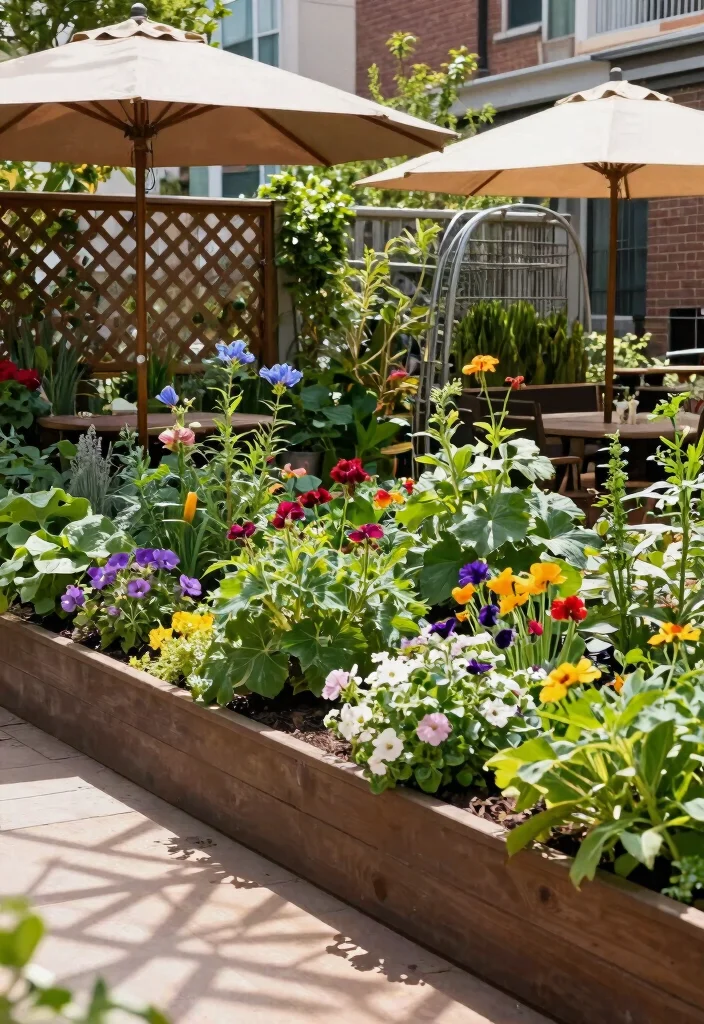
Combining different shading techniques creates a flexible environment for your plants. This layered approach ensures your garden gets the coverage it needs while being tailored to individual plant requirements.
Consider these ideas:
– Mix Structures with Plants: Use lattices and trellises alongside shade cloth for comprehensive solutions.
– Monitor and Adjust: Be open to modifying your methods as the seasons change.
– Be Creative: Every garden is unique; find combinations that work best for you.
With a little experimentation, you’ll cultivate a thriving oasis that remains cool and inviting all summer long.
Conclusion
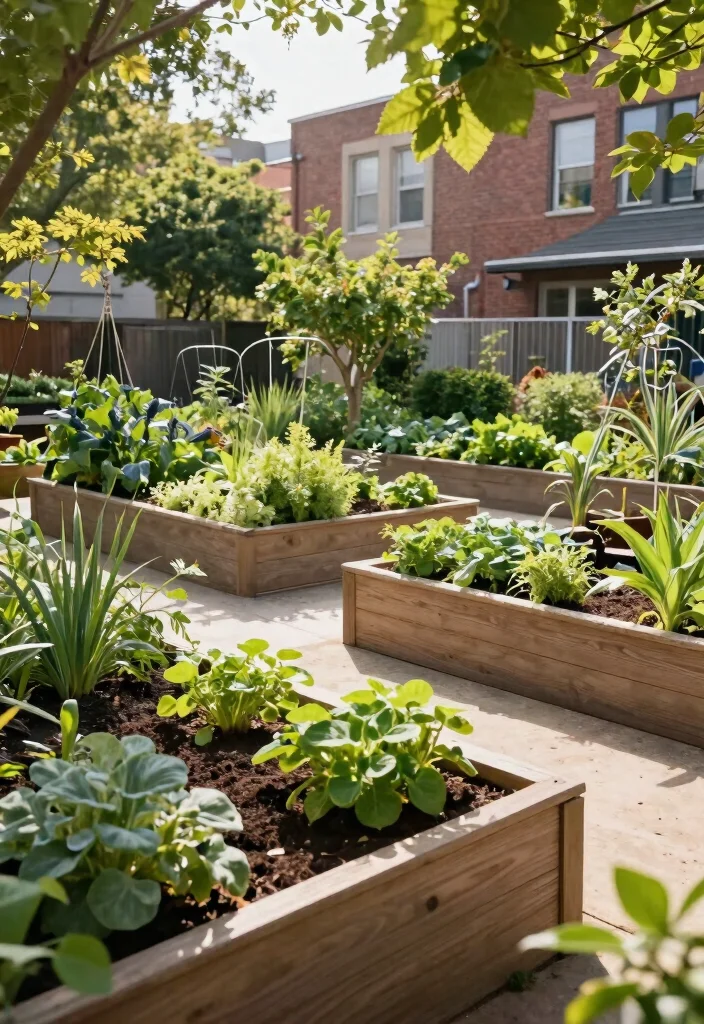
Finding effective shade solutions for your raised garden beds is essential for successful summer gardening. By experimenting with these 11 ideas, you’ll be able to keep your plants cool and flourishing in the hot sun.
Whether you opt for natural shade from trees, stylish umbrellas, or clever plant arrangements, there’s a solution for every garden. Get creative and adaptable, and enjoy a productive summer gardening experience.
Note: We aim to provide accurate product links, but some may occasionally expire or become unavailable. If this happens, please search directly on Amazon for the product or a suitable alternative.
This post contains Amazon affiliate links, meaning we may earn a small commission if you purchase through our links, at no extra cost to you.
Frequently Asked Questions
Question: What are the most effective raised garden bed shade ideas for hot summers?
Discover practical raised garden bed shade ideas that keep roots cooler and plants productive. Start with a breathable shade cloth rated 40–60% for hot afternoons, mounted on lightweight frames above the bed to block harsh sun while preserving airflow. For tight urban spaces, use movable lattice screens or a small pergola you can reconfigure as the sun shifts. Pair shading with a few raised-bed design tweaks: mulch generously, water with a drip system, and choose heat-resistant garden beds or light-colored surfaces nearby to reflect heat. This approach fits raised garden bed shade ideas, summer gardening tips, outdoor gardening solutions, and keeps your heat-resistant garden beds performing in hot weather.
Question: How can I design raised garden beds to maximize shade in small urban spaces?
Think vertical and modular. Start with a freestanding shade frame above the bed using lattice or shade cloth that can be lowered or raised as needed—perfect for rooftops or balconies where space is tight. Position beds to catch prevailing shade from a fence or wall, and install one side with a trellis that supports fast-growing shade-providing vines. Choose light-colored mulch and breathable fabrics to keep heat down and maintain good airflow—this is practical raised garden bed design for urban spaces and hot summers.
Question: Which shade plants for gardens perform best under elevated heat in raised beds?
Focus on shade-tolerant or heat-tolerant greens and herbs that can handle a bit of relief from direct sun. Good options include loose-leaf lettuce, spinach, arugula, Swiss chard, cilantro, and parsley, plus mint for edging or containers nearby. Pair them with partial shade from the shade frame so they get morning sun and afternoon shade for steady yields. Use these selections to support your shade plants for gardens strategy while following summer gardening tips. Keep soil evenly moist with a drip line and refresh mulch to extend their productivity in hot weather.
Question: What outdoor gardening solutions help reduce heat stress in raised beds?
Several practical tools make a big difference. Use a removable shade cloth or bamboo mat that you can roll up on cooler days. Mulch heavily (3–4 inches) to conserve moisture and regulate soil temperature. Install a drip irrigation system or soaker hoses to deliver water directly to roots, reducing evaporation. Consider light-reflective surfaces around the bed to bounce heat away and ensure your raised bed materials are heat-resistant. These steps are core outdoor gardening solutions and perfect for heat-resistant garden beds in hot summers.
Question: How do I maintain and adjust raised garden bed shade ideas as summer progresses?
Monitor sun angles and plant growth, adjusting shade accordingly. In early summer, you may need lighter shade cloth; during peak heat, lower the shade or swap to denser material. Keep an eye on moisture; increase watering during heat waves and mulch to preserve soil temperature. If you notice bolting or stressed plants, rotate crops and switch to shade-loving candidates for the hottest weeks. This ongoing management is part of smart raised garden bed design and outdoor gardening solutions for successfully navigating hot summers.