![10 Best Plants for Garden Pond Ecosystems [No Green Water]](https://homedreamly.com/wp-content/uploads/2026/04/10-Best-Plants-for-Garden-Pond-Ecosystems-No-Green-Water.webp)
Creating a beautiful garden pond can be a rewarding endeavor, but it often comes with challenges, especially when it comes to maintaining clear, clean water. If you’ve ever struggled with murky, green water, you’re not alone. Many garden enthusiasts share this frustration. I crafted this guide to help you discover the best plants for garden pond ecosystems that can prevent that dreaded green water, ensuring your pond remains a serene, tranquil oasis.
If you’re someone who loves the idea of transforming your outdoor space into a lush retreat, filled with vibrant aquatic plants, this post is for you. Whether you are a novice gardener or a seasoned landscape designer, you’ll find valuable insights here. This list of ten exceptional pond plants will not only beautify your water garden but also contribute to a balanced ecosystem, helping to naturally filter your pond’s water.
By the end of this article, you’ll know which aquatic plants to choose for your pond. These plants are not just pretty; they play essential roles in maintaining water quality, supporting wildlife, and enhancing the overall aesthetic of your garden. So, let’s dive in to explore these amazing plants that will help you say goodbye to green water and hello to a thriving garden pond!
Key Takeaways
– Water Lilies (Nymphaea): These stunning blooms provide shade and reduce algae growth, keeping your pond water clear.
– Hornwort (Ceratophyllum demersum): A fast-growing submerged plant that absorbs excess nutrients, promoting a healthier pond environment.
– Cattails (Typha): These tall plants not only add height and interest but also filter pollutants and provide habitat for wildlife.
– Water Hyacinth (Eichhornia crassipes): Known for their beautiful purple flowers, they effectively reduce algae by blocking sunlight.
– Water Mint (Mentha aquatica): This aromatic plant helps oxygenate the water and provides a pleasant scent, enhancing your pond’s atmosphere.
1. Water Lilies (Nymphaea)
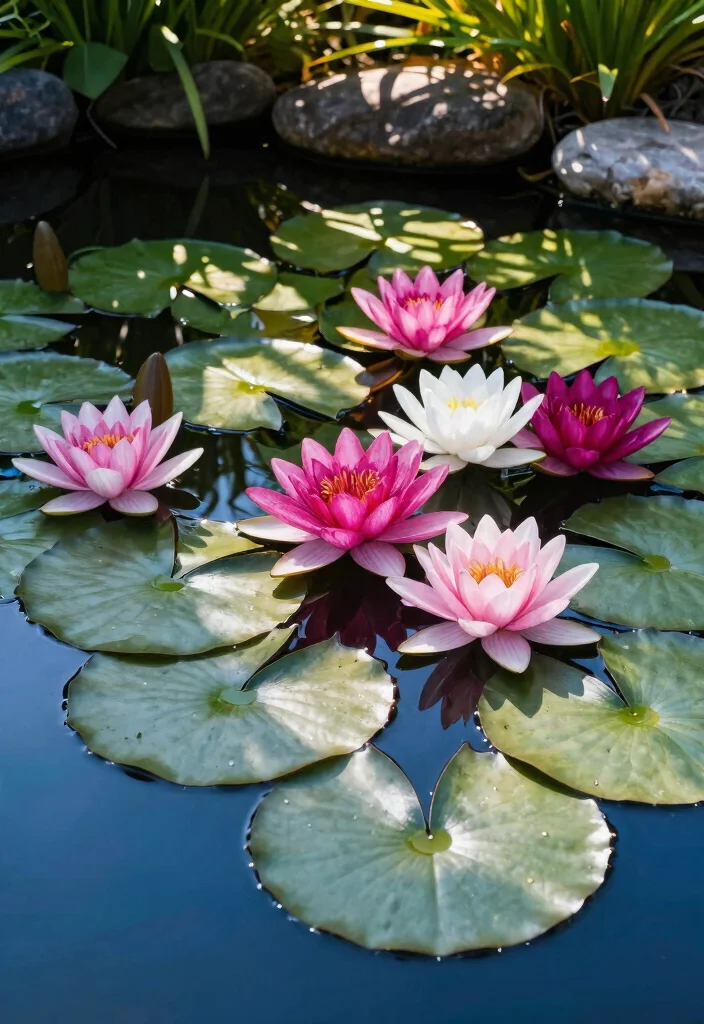
Water lilies are a timeless choice for enhancing any pond, blending beauty with vital ecological benefits. Their exquisite, fragrant blossoms come in shades ranging from delicate pinks to bold yellows, creating a stunning focal point. These plants not only beautify your space but also provide essential shade for fish, helping maintain cooler water temperatures and combating algae growth.
To cultivate water lilies effectively, use aquatic containers filled with nutrient-rich soil. Place them in shallow spots where they can soak up sunlight. Regular fertilization during the growing season will boost blooming and foliage, transforming your pond into a vibrant oasis.
Key benefits of Water Lilies:
– Oxygenates the water for aquatic life.
– Provides habitat for fish and other wildlife.
– Enhances aesthetic appeal with colorful blooms.
Planting tips:
– Utilize containers to control growth.
– Fertilize monthly during the growing season.
Your pond will flourish with the addition of these stunning plants, providing a serene and picturesque environment while supporting local wildlife.
💬 Fun fact: Water lilies shade the pond, often cooling the surface by 2–3°C on hot days, which helps prevent algae and maintain healthier water. As one of the best plants for garden pond, plant them in nutrient-rich aquatic pots for faster blooms.
Ongoing Maintenance & Care Guide
Maintenance Schedule:
Daily/Weekly Tasks:
– Check Water Levels: Ensure your pond’s water is at the right level. If it’s low, add more water. This takes about 5 minutes.
– Inspect Plants for Health: Look for yellowing leaves or signs of disease in your aquatic plants. This should take around 10 minutes.
– Remove Debris: Clean any fallen leaves or debris from the pond’s surface to keep it clear. This task usually takes about 15 minutes.
– Monitor Fish and Wildlife: Observe fish and other wildlife for any unusual behavior. This task can be done while relaxing near the pond, taking about 5-10 minutes.
Monthly/Seasonal Tasks:
– Trim Overgrown Plants: Cut back any aquatic plants that have grown too large. This helps maintain balance in your pond. Expect this to take 30 minutes.
– Clean Filters and Pumps: If you have a filtration system, clean it monthly to ensure it’s working well. This should take around 20 minutes.
– Check Fertilizer Needs: Assess if your plants need nutrients. Apply aquatic plant fertilizer if necessary. This task takes about 15 minutes.
– Test Water Quality: Use a water testing kit to check pH, ammonia, and nitrate levels. This process usually takes about 30 minutes.
– Seasonal Planting: In spring, introduce new aquatic plants or remove cold-sensitive ones before winter. This may take about an hour, depending on your pond size.
Maintenance Summary Table:
| Task | Frequency | Difficulty | Time Needed |
|————————–|——————|————|————–|
| Check Water Levels | Daily/Weekly | Easy | 5 minutes |
| Inspect Plants | Daily/Weekly | Easy | 10 minutes |
| Remove Debris | Daily/Weekly | Easy | 15 minutes |
| Monitor Fish | Daily/Weekly | Easy | 5-10 minutes |
| Trim Overgrown Plants | Monthly | Moderate | 30 minutes |
| Clean Filters | Monthly | Moderate | 20 minutes |
| Check Fertilizer | Monthly | Easy | 15 minutes |
| Test Water Quality | Monthly | Moderate | 30 minutes |
| Seasonal Planting | Seasonal | Moderate | 60 minutes |
Common Issues to Watch For:
⚠️ Yellowing Leaves: This may indicate nutrient deficiency or disease. Check if the plant is getting enough sunlight or nutrients.
⚠️ Cloudy Water: This can signal an imbalance in your pond’s ecosystem. Test the water quality immediately.
⚠️ Foul Odors: Bad smells may come from decomposing plants or fish waste. Clean the pond to prevent harmful conditions.
⚠️ Excess Algae Growth: If green water becomes a problem, consider adding more plants that can outcompete algae for nutrients.
⚠️ Fish Stress: If fish are acting erratically, check for water quality issues or overcrowding. This could harm your pond’s ecosystem.
Care Tips:
💡 Choose the Right Plants: Select plants known for natural filtration. This includes water lilies and hornwort, which help maintain clear water.
💡 Regular Maintenance: Stick to your schedule. Consistency is key in preventing problems before they escalate.
💡 Avoid Overfeeding Fish: Feed fish only what they can consume in a few minutes. Excess food can lead to water quality issues.
💡 Create Shade: Use floating plants or provide other shading methods to keep the water cooler and reduce algae growth.
💡 Educate Yourself: Stay informed about your pond plants and ecosystem. Knowledge about seasonal changes helps you anticipate needs better.
By following this ongoing maintenance guide, you’ll enhance the health of your garden pond ecosystem. Keep those plants thriving, and enjoy the beauty and tranquility they bring to your space!
2. Hornwort (Ceratophyllum demersum)
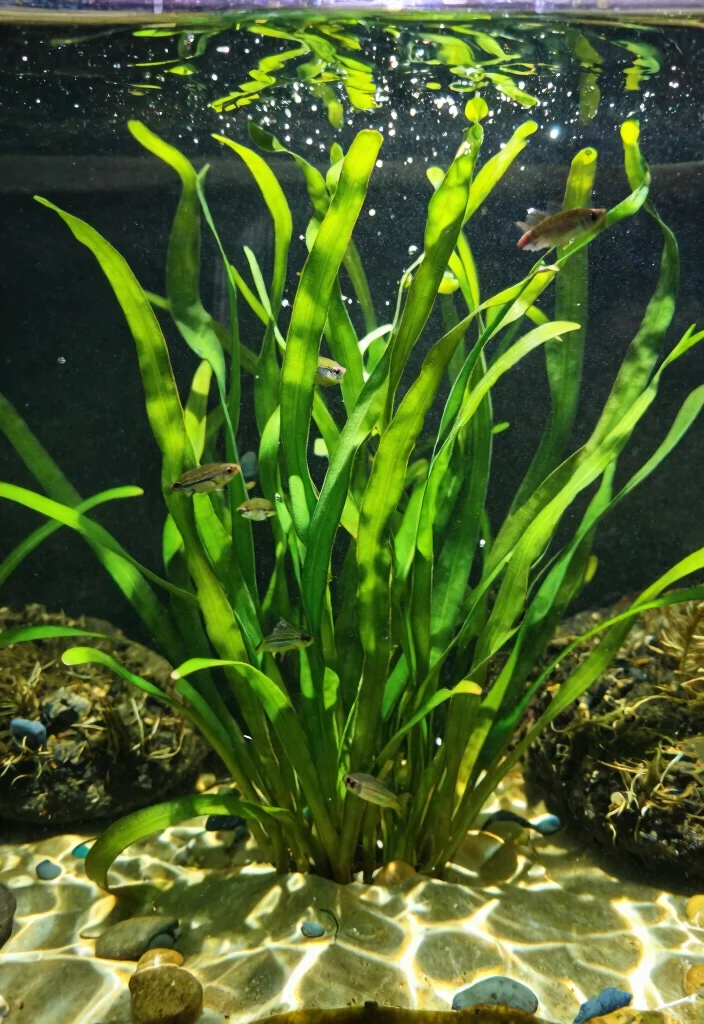
Hornwort stands out as a dynamic aquatic plant, thriving in various water conditions while boasting lush, feather-like foliage. This submerged plant is a powerhouse for filtration, absorbing excess nutrients that can lead to algae blooms, making it an essential addition to your pond ecosystem.
One of hornwort’s unique features is its ability to float freely, allowing it to adapt to different water depths. This makes it an excellent choice for both novice and seasoned pond keepers. Additionally, hornwort serves as a safe haven for fish fry, providing shelter from predators.
Key advantages of Hornwort:
– Natural filtration of pond water.
– Offers shelter for fish and aquatic life.
– Adapts easily to varying conditions.
Care tips:
– Trim back aggressive growth regularly.
– Monitor water clarity and temperature.
With hornwort in your pond, you’ll enjoy cleaner water and a thriving aquatic community, enhancing your garden’s biodiversity.
3. Cattails (Typha)
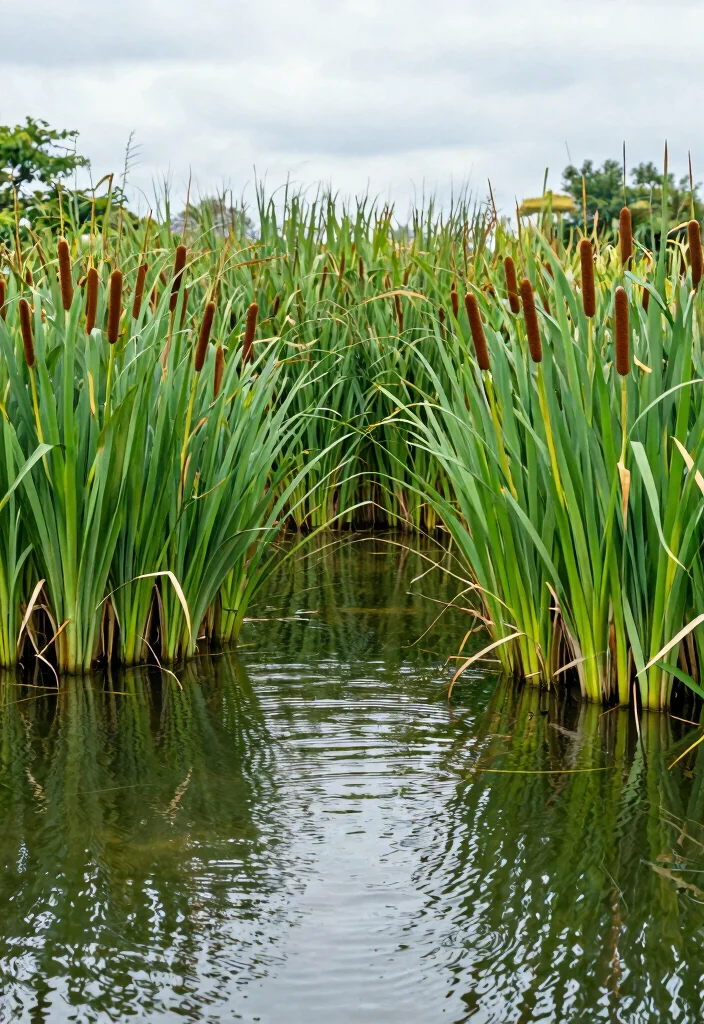
Cattails are more than just a nostalgic sight around ponds; they are vital for a thriving ecosystem. These tall, grass-like plants create natural habitats for various wildlife, including birds and insects, while effectively filtering water by absorbing excess nutrients.
Growing tall, cattails not only beautify your pond but also help stabilize its edges, preventing erosion and offering shelter for small aquatic creatures. Be mindful of their growth, as they can spread quickly; regular trimming will help manage their height and prevent overcrowding. Plant them in clusters at your pond’s edge for a natural, integrated look.
Key benefits of Cattails:
– Natural erosion control for pond banks.
– Habitat for wildlife and insects.
– Efficient nutrient absorption for cleaner water.
Planting suggestions:
– Cluster them along the pond’s edge.
– Trim regularly to manage their growth.
Cattails not only enhance your pond’s aesthetics but also play a crucial role in maintaining ecological balance, making them an essential addition.
4. Water Hyacinth (Eichhornia crassipes)
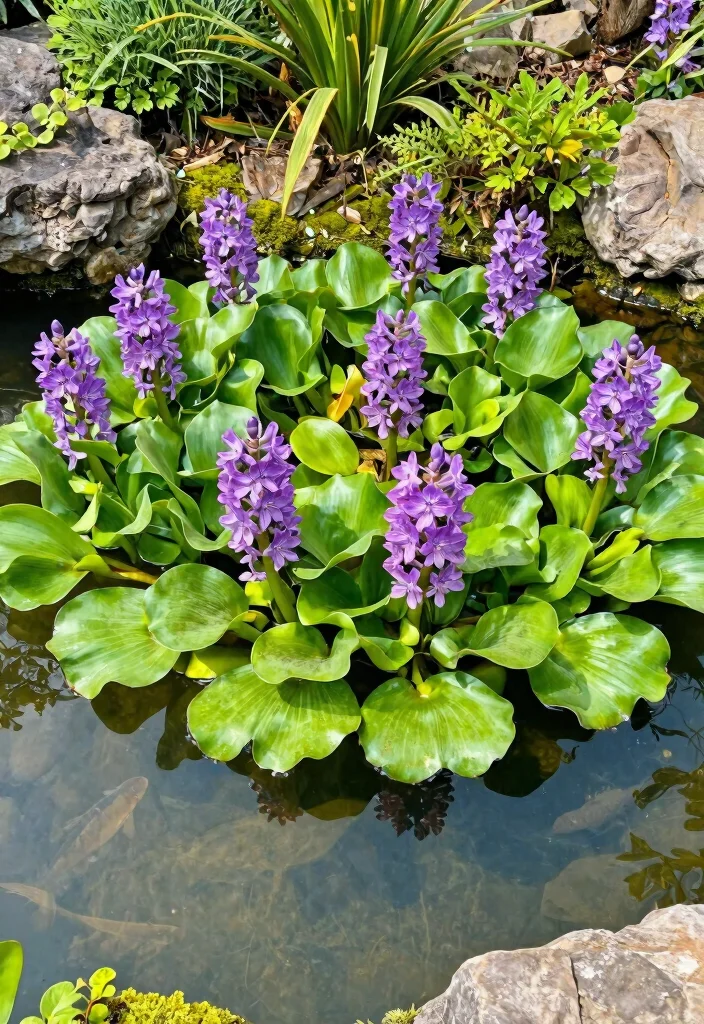
Water hyacinth is a breathtaking floating plant known for its beautiful lavender flowers and glossy, thick leaves. This aquatic gem not only beautifies your garden pond but also serves as an excellent natural filter.
These plants are champions at absorbing excess nutrients and pollutants, helping to stop algae growth in its tracks. Water hyacinths spread rapidly, so managing their growth is key to preventing them from overtaking the pond. They thrive in sunny spots and require warm water temperatures to flourish.
Key advantages of Water Hyacinth:
– Stunning blooms enhance visual appeal.
– Natural water filtration system for healthier ponds.
– Attracts pollinators like bees and butterflies.
Growth tips:
– Thin out regularly to control spread.
– Position in sunny areas for optimal blooming.
With water hyacinth in your pond, you’ll enjoy a vibrant, lively environment that supports pollinators and keeps your water clean.
Water hyacinth is one of the best plants for garden pond ecosystems, acting as a fast natural filter—so it soaks up excess nutrients to curb algae. But prune often, because in warm sun it spreads quickly and can overwhelm the pond.
5. Water Mint (Mentha aquatica)
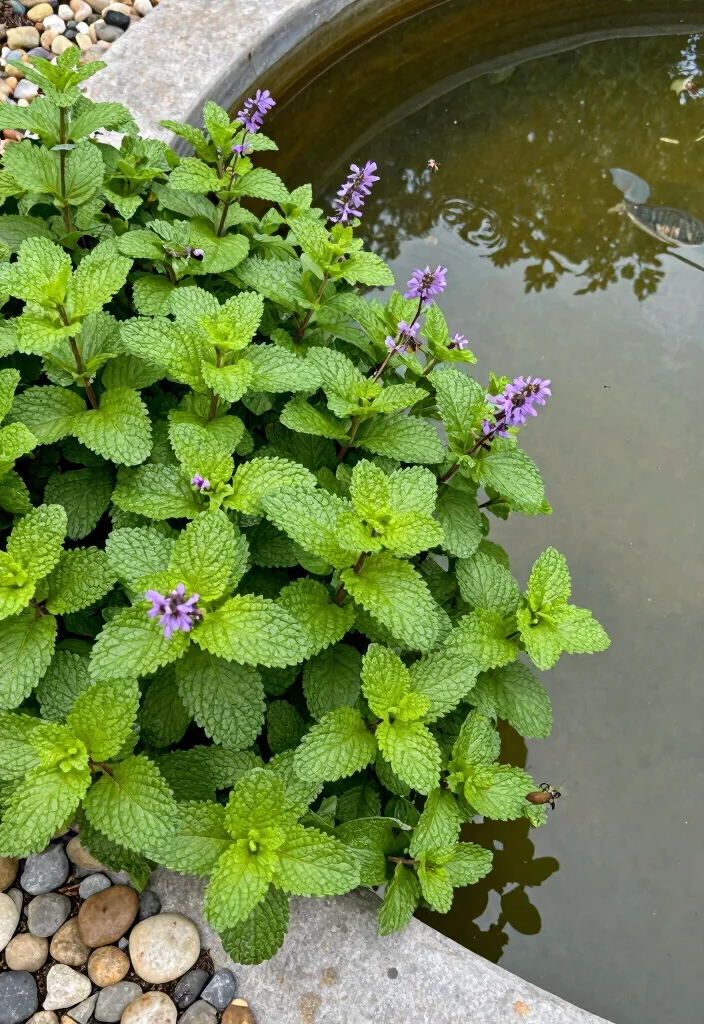
Water mint is a delightful addition to any pond, celebrated for its aromatic leaves and ecological advantages. This plant thrives at your pond’s edges, offering a refreshing scent that elevates your outdoor experience. Its natural oils are effective at repelling pests, making it a perfect companion for your garden ecosystem.
Water mint flourishes in moist soil, so planting it in a container at the water’s edge is ideal. Watch its growth, as it spreads through rhizomes, and trim it back to maintain balance in your pond. During summer, its purple flowers attract pollinators, adding beauty and life to your pond.
Key benefits of Water Mint:
– Delightful fragrance enhances your garden.
– Natural pest repellent for healthier plants.
– Attracts beneficial insects for biodiversity.
Care guidance:
– Use a planted container to manage growth.
– Trim after flowering to encourage new growth.
Incorporating water mint into your pond not only enriches your garden’s scent but also supports a thriving ecosystem.
6. Lotus (Nelumbo nucifera)
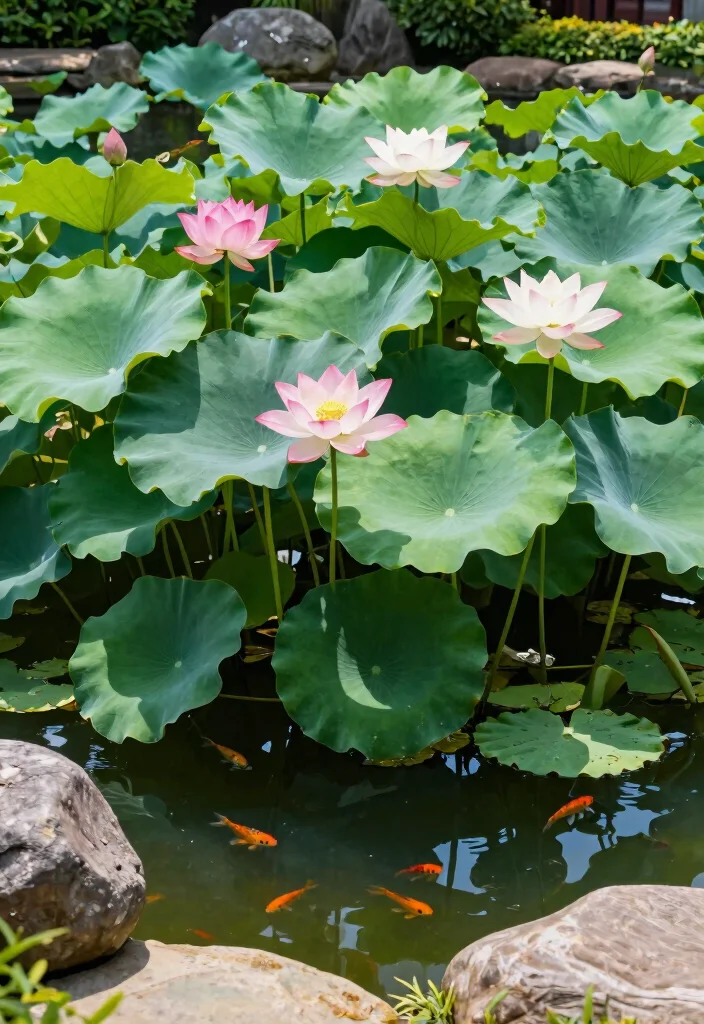
Lotus plants represent the pinnacle of beauty in any garden pond, with their large, lush leaves and stunning flowers that can captivate anyone. Beyond their elegance, they play a crucial role in maintaining water clarity, providing shade that helps reduce algae growth.
These plants thrive best when planted in containers within the pond, basking in full sun. Their blooms come in various colors, adding to the visual allure of your water garden. Keep in mind that lotus plants can grow quite large, so ensure there is ample space for their roots.
Key advantages of Lotus:
– Unmatched beauty with large, vibrant flowers.
– Provides habitat for pond wildlife.
– Controls algae growth by shading the water.
Growth tips:
– Use large containers for planting.
– Fertilize regularly throughout the growing season.
With lotus plants, your pond will not only look spectacular but also contribute to a balanced ecosystem.
7. Anacharis (Egeria densa)
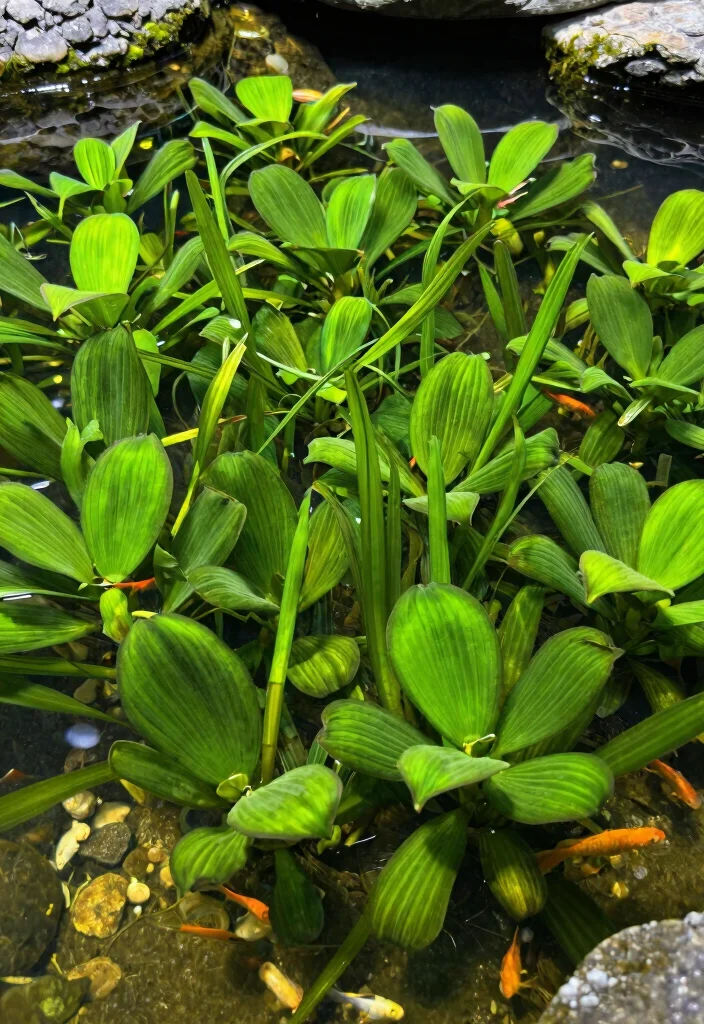
Anacharis, commonly known as Brazilian waterweed, is a remarkable submerged plant that brings numerous benefits to your pond ecosystem. With its long, narrow leaves, it excels at filtration, absorbing excess nutrients and improving water clarity.
This plant is also a fantastic oxygenator, essential for the health of fish and other aquatic organisms. Anacharis can either be planted directly in the substrate or allowed to float, adding flexibility to your pond design. It thrives in various light conditions, although cooler waters are preferable.
Key benefits of Anacharis:
– Natural water purification for clearer ponds.
– Oxygenates water for aquatic life.
– Easy to propagate with cuttings.
Care suggestions:
– Trim regularly to maintain balance.
– Monitor light levels for optimal health.
By adding Anacharis to your pond, you’ll create a healthier aquatic environment that supports diverse life forms.
8. Pickerel Rush (Pontederia cordata)
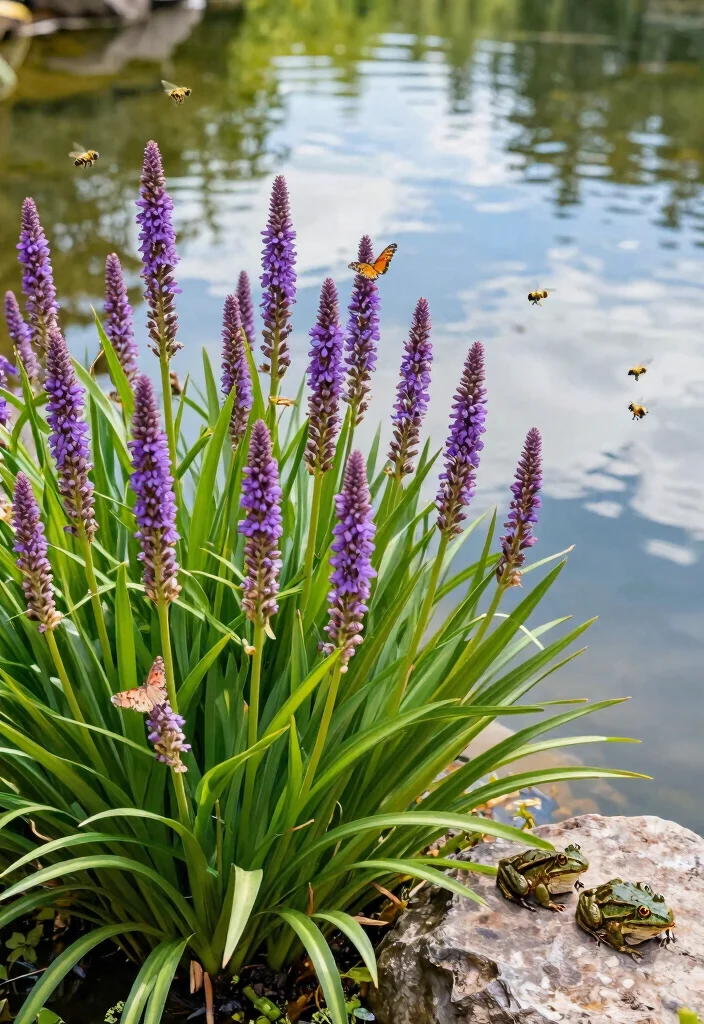
Pickerel rush is a stunning perennial that elevates the beauty of your garden pond while supporting local wildlife. Its tall spikes of purple flowers resemble small torches, creating a striking visual display. This plant is particularly effective in stabilizing pond banks and preventing erosion with its extensive root system.
Pickerel rush flourishes in shallow water and adapts well to various soil types, making it a versatile choice for any pond. Beyond its aesthetic charm, it provides critical habitats for frogs, insects, and other wildlife. Regular division every few years enhances growth and keeps the plant healthy.
Key advantages of Pickerel Rush:
– Stabilizes shorelines to prevent erosion.
– Provides habitat for local wildlife.
– Offers stunning blooms that attract pollinators.
Planting tips:
– Keep in shallow areas of the pond.
– Divide every few years for optimal health.
With pickerel rush, your pond will flourish with life while maintaining its structural integrity.
9. Parrots Feather (Myriophyllum aquaticum)
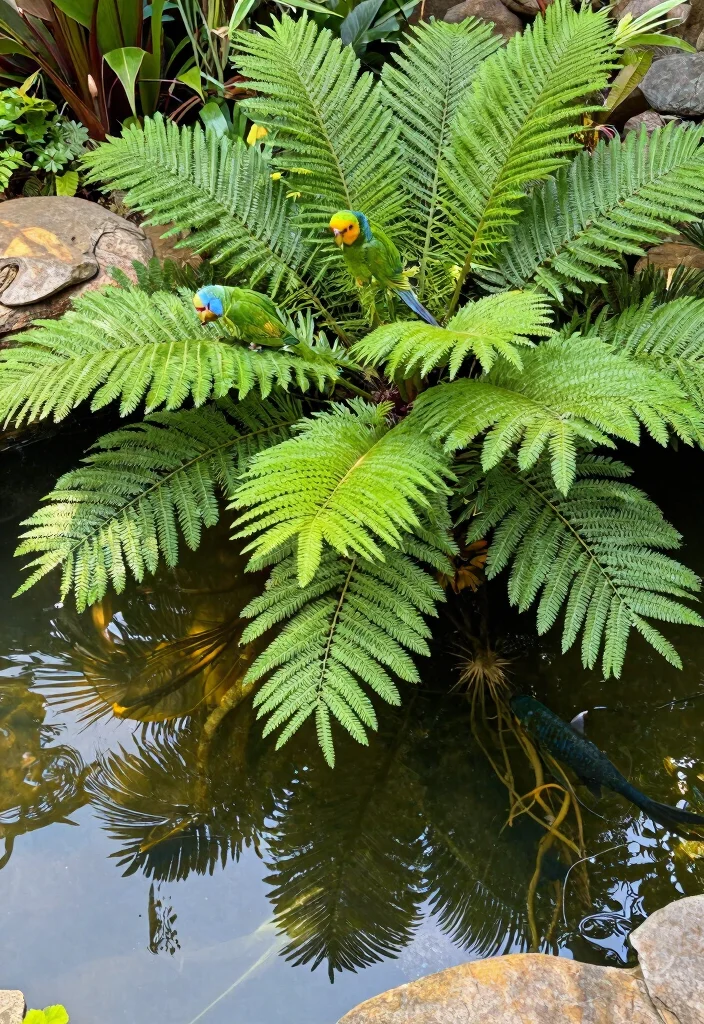
Parrots feather is a captivating and hardy aquatic plant that can enhance your garden pond’s beauty. Its feathery, bright green fronds create a soft texture, contrasting beautifully with other plants. This plant excels at filtering water, absorbing excess nutrients, and providing shelter for aquatic life.
Parrots feather can spread quickly, so it’s crucial to manage its growth to prevent it from overwhelming your pond. It enjoys full sun to partial shade and requires regular pruning to maintain its density. With its unique appearance and ecological benefits, parrots feather is a fantastic choice for pond enthusiasts.
Key advantages of Parrots Feather:
– Adds texture and beauty to the pond.
– Natural water filtration for clearer water.
– Provides shelter for fish and wildlife.
Growth tips:
– Prune regularly to manage density.
– Monitor growth to prevent overcrowding.
Incorporating parrots feather into your pond will create an attractive environment while supporting a healthy ecosystem.
Parrots Feather filters efficiently, boosting pond clarity as its feathery fronds trap excess nutrients. Keep it in check with regular pruning—it’s one of the best plants for garden pond, but it can overwhelm if left unchecked.
10. Water Celery (Oenanthe javanica)
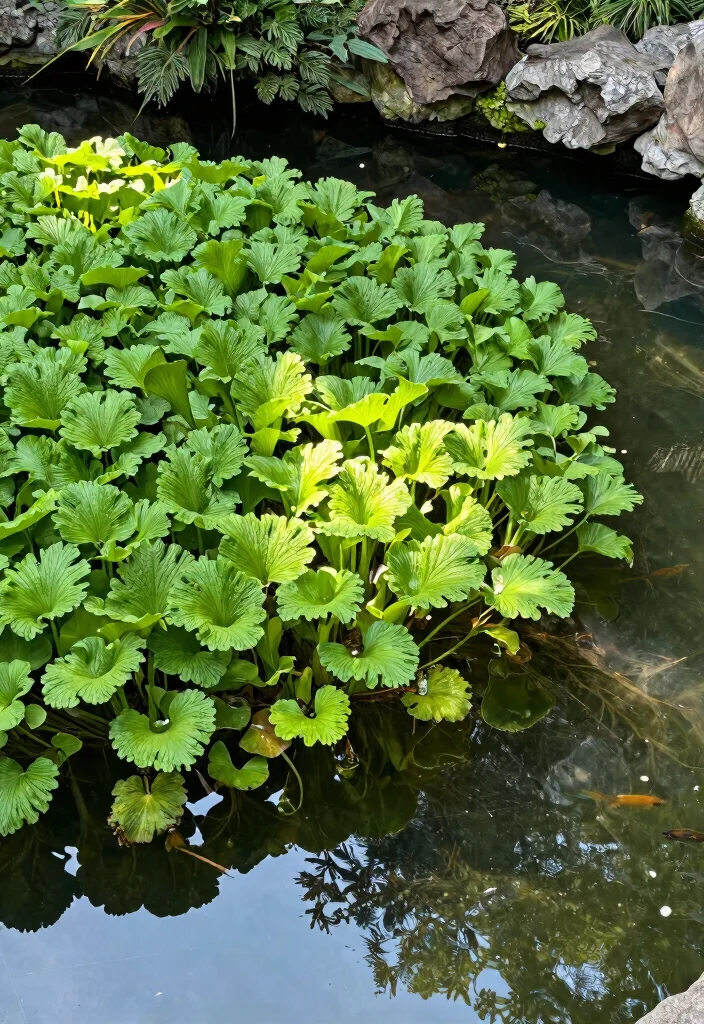
Water celery is a unique and versatile aquatic plant that adds both beauty and functionality to your garden pond. With its lush green leaves, it brings a refreshing look and thrives in shallow water areas. This plant is an excellent oxygenator and nutrient absorber, helping to keep your pond water clear.
Water celery is also edible, making it a multi-purpose choice for gardeners who enjoy foraging. It attracts beneficial insects and wildlife, enhancing your pond’s ecosystem. Planting water celery in clusters can create a visually appealing effect along the pond’s edges, promoting a natural and inviting atmosphere.
Key advantages of Water Celery:
– Natural oxygenation and nutrient absorption.
– Edible and useful for culinary purposes.
– Attracts wildlife and beneficial insects.
Planting considerations:
– Plant in clusters for visual impact.
– Ensure moisture for healthy growth.
Adding water celery to your pond not only elevates its beauty but also supports a thriving, diverse ecosystem.
Conclusion
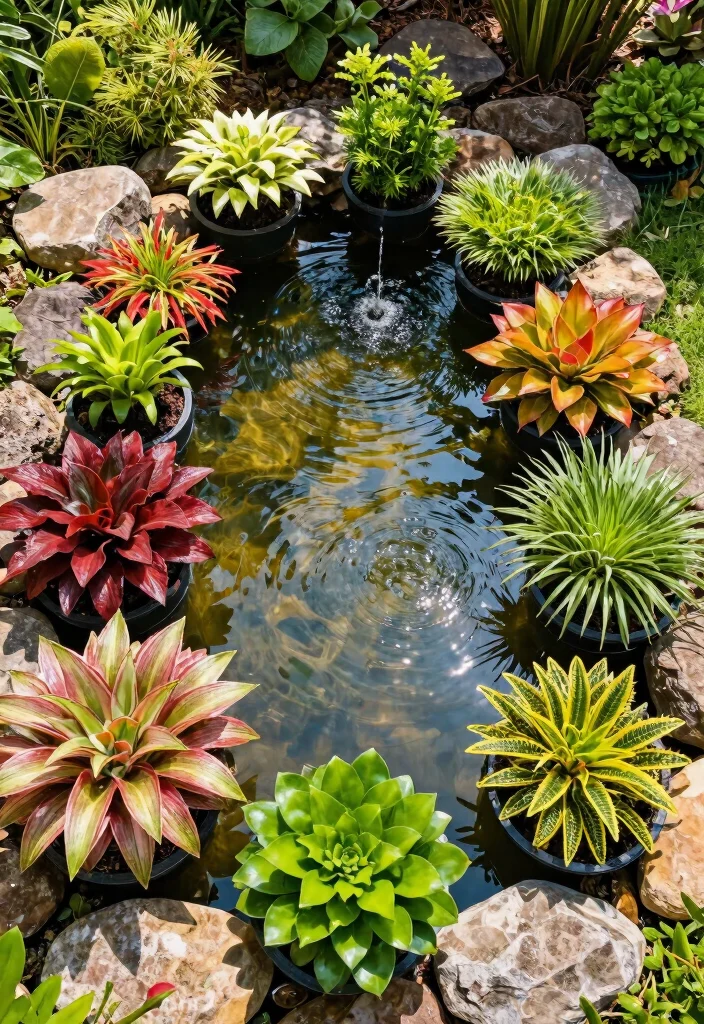
Building a thriving garden pond ecosystem is an exciting journey filled with beauty and life. The plants you choose play a pivotal role in maintaining water quality and providing habitat for wildlife. By incorporating these ten stunning aquatic plants, you can create a visually appealing space while ensuring your pond remains healthy and vibrant.
Embrace the enchanting world of water gardens, and enjoy the rewards they bring to your home. Ready to jump in and start planting?
Note: We aim to provide accurate product links, but some may occasionally expire or become unavailable. If this happens, please search directly on Amazon for the product or a suitable alternative.
This post contains Amazon affiliate links, meaning we may earn a small commission if you purchase through our links, at no extra cost to you.
Frequently Asked Questions
What are the best plants for a garden pond to prevent green water and keep the water clear?
To keep a garden pond clear, focus on a mix of best plants for garden pond across floating, marginal, and submerged categories. Floating plants shade the water and outcompete algae, marginal plants edge the bank and consume nutrients, and submerged plants directly remove nutrients from the water column.
Practical options include marginal choices like water iris or cattails, floating species such as duckweed or water lilies, and submerged varieties like hornwort. Plant in distinct zones and trim regularly to remove decaying material.
With the right combination of pond plants doing the filtering, you’ll enjoy a naturally clearer, ecosystem-friendly pond.
How do aquatic plants provide natural filtration in a pond?
Aquatic plants act as natural filters by absorbing excess nutrients (nitrogen and phosphorus), shading the surface to suppress algae, and hosting beneficial bacteria in their root zones that break down pollutants.
A deliberate planting plan with aquatic plants placed in shallow margins, mid-depth, and deeper zones creates a layered filtering system. Pair your plant layout with good garden pond maintenance habits, like removing debris and preventing nutrient build-up, and you’ll get clearer water without chemicals.
Which pond plants are easiest to maintain for beginners and still effective for natural filtration?
For beginners, choose low-maintenance pond plants that deliver a strong filtration effect with minimal fuss. A simple trio—one marginal plant (like water iris), one floating plant (such as duckweed or water lettuce), and one submerged plant (like hornwort)—can get you started. Regular trimming, removing dead leaves, and avoiding overfertilization keep things balanced. As your pond settles, you can expand to a fuller mix of water garden plants that enhance both habitat and water quality.
How many plants should I have in a garden pond to achieve a balanced ecosystem?
There’s no one-size-fits-all, but a balanced starter plan is helpful. For a small backyard pond, begin with about 4–6 plants total—mix 1–2 marginal, 1 floating, and 1–2 submerged specimens. Space plants across different depths and sides of the pond to promote circulation and even nutrient uptake. Monitor water clarity and plant growth; add more plants gradually as needed. A well-chosen mix of ecosystem-friendly plants steadily supports a healthy balance with less maintenance.
What maintenance tips ensure your pond remains clear without relying on chemical treatments?
Keep your pond clean with a simple garden pond maintenance routine: remove fallen leaves and spent flowers, trim overgrown vegetation, and regularly clear debris from the water surface. Avoid overfeeding fish and excessive fertilizers near the pond; nutrients mostly come from normal biological processes. Maintain a healthy ratio of pond plants to water and consider a seasonal check of any filtration or pump. With these practical steps, your water garden stays clear and vibrant using ecosystem-friendly plants rather than chemicals.