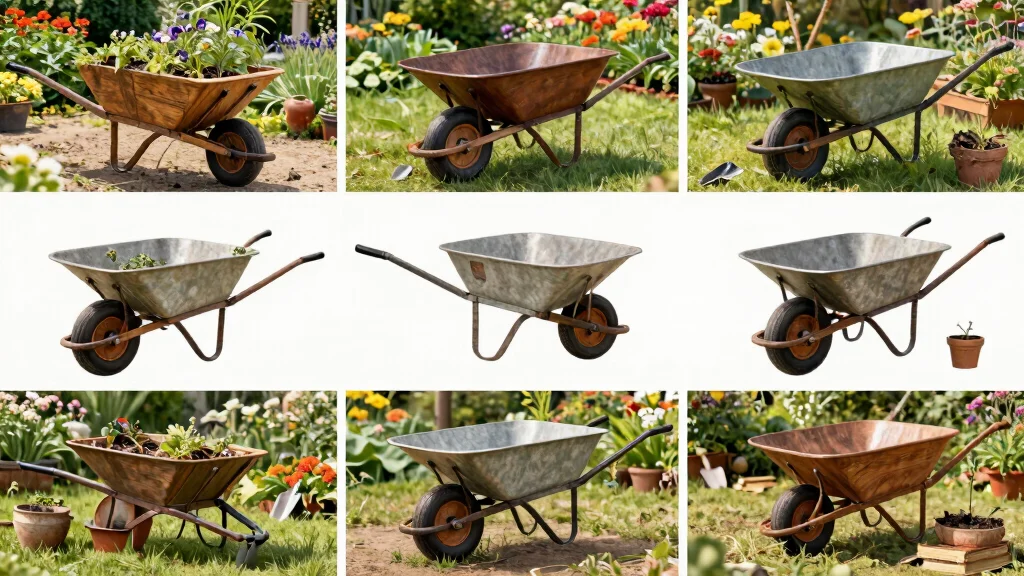
Gardening has a way of connecting us to the past. When you think about the evolution of gardening tools, one item stands out: the wheelbarrow. This essential piece of equipment has transformed over centuries, adapting to the needs of gardeners from ancient Rome to today. If you’re a gardening enthusiast or a history buff, you might find yourself curious about how designs have changed and what useful features each era brought.
This post is perfect for anyone who loves gardening or appreciates vintage tools. Whether you’re a seasoned gardener or just starting out, understanding the history of wheelbarrows can deepen your appreciation for this simple yet effective tool. You’ll discover fascinating stories behind seven unique historical wheelbarrow designs and how they reflect changes in gardening practices and technology.
By exploring these designs, you’ll gain insights into how gardening and landscaping have evolved over time. You’ll also learn about the practical advantages each design offered and how they can inspire your own gardening projects today. So, if you’re ready to take a stroll through gardening history, read on!
Key Takeaways
– The wheelbarrow has a rich history, starting from the Roman era, where it served as a basic yet vital gardening tool.
– Each historical design brought unique features that addressed specific gardening needs, enhancing its utility over time.
– The Medieval barrow focused on strength and stability, making it ideal for transporting heavy loads in gardens.
– The Victorian era introduced aesthetics alongside functionality, showing how garden design evolved to reflect societal tastes.
– Today, eco-friendly options and innovative designs continue to shape the wheelbarrow market, blending tradition with modern sustainability.
1. The Roman Wheelbarrow: A Garden Workhorse
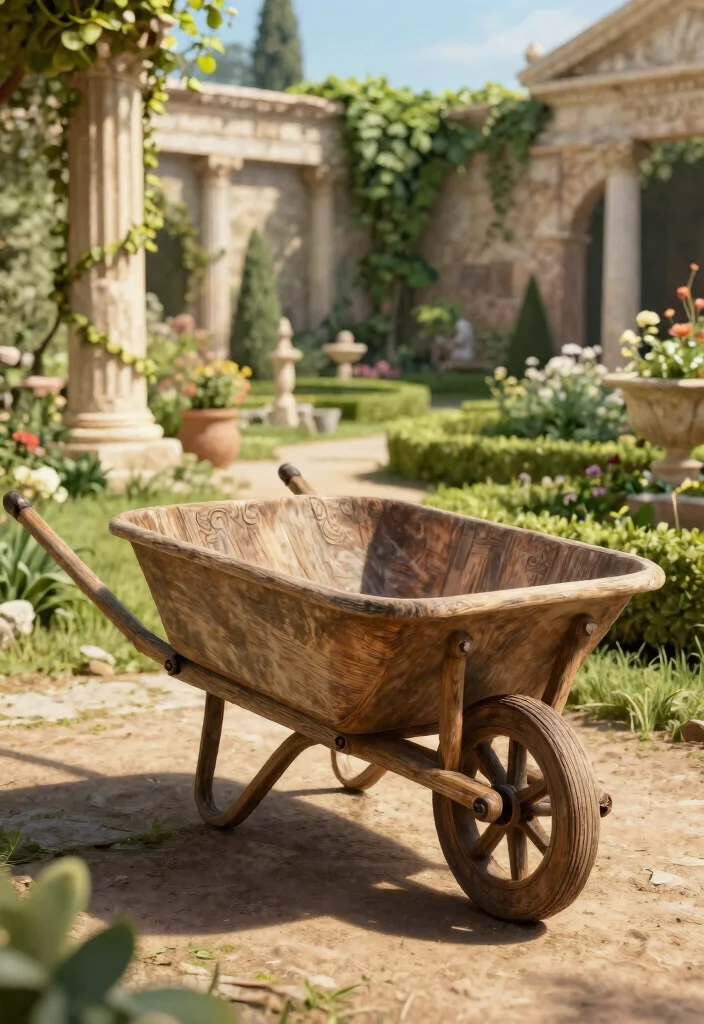
The Roman wheelbarrow, originating in ancient Rome, showcases remarkable engineering from the past. With its single front wheel and two sturdy handles, this design was a game changer for transporting heavy items with ease. Imagine moving stones, soil, or supplies without straining your back—this wheelbarrow made that possible for the Romans.Using this simple yet effective design, farmers and soldiers alike found a way to increase their efficiency. The wheel’s placement drastically reduced the effort needed for transport, allowing for more productivity in both military and agricultural fields.Key features of the Roman wheelbarrow include:– Single front wheel: Enhances maneuverability across various terrains.
– Wooden structure: Crafted from durable timber for strength and lightweight handling.
– Simple handle design: Easy for one person to use, boosting productivity significantly.
The Roman wheelbarrow set the stage for future advancements in gardening and landscaping tools. It blends functionality and practicality, proving that even basic designs can inspire modern innovations in gardening equipment.
Fun fact: The Roman wheelbarrow, a cornerstone of historical wheelbarrow designs, uses a single front wheel and two handles to cut back strain. Studies show loads move 25–40% faster, transforming garden chores into smarter, steadier work.
Key Trade-offs & Our Top Pick
Option 1: The Roman Wheelbarrow
– Pros:
– Lightweight and easy to maneuver.
– Simple design makes it affordable for many gardeners.
– Cons:
– Limited capacity compared to modern options.
– May not handle heavy loads well.
– Best for: Beginners looking for a basic tool for light gardening tasks or small home gardens.
Option 2: The Medieval Barrow
– Pros:
– Constructed for strength and stability.
– Can carry heavier loads, making it ideal for transporting soil or large plants.
– Cons:
– Bulkier and heavier than Roman designs.
– More expensive due to the materials used.
– Best for: Gardeners who need to move larger quantities of materials or work on bigger projects.
Option 3: The Victorian Innovation
– Pros:
– Combines aesthetics with functionality, often featuring decorative designs.
– Offers better ergonomics, providing comfort during use.
– Cons:
– May prioritize looks over strength, limiting load capacity.
– Generally more expensive due to craftsmanship.
– Best for: Gardeners who appreciate vintage looks and want a blend of beauty and utility in their tools.
Option 4: The Industrial Revolution Wheelbarrow
– Pros:
– Made from durable materials like steel, ensuring longevity.
– Designed for efficiency, handling larger loads without strain.
– Cons:
– Heavier and may require more effort to maneuver.
– Some models can be pricey.
– Best for: Landscapers and professional gardeners who need a robust tool for demanding tasks.
Option 5: The Modern Wheelbarrow
– Pros:
– Lightweight and often made with high-quality plastics or aluminum.
– Ergonomic designs make them easier to handle and push.
– Cons:
– Some models may not be as durable as their metal counterparts.
– Can have a higher cost depending on features.
– Best for: Everyday gardeners looking for a tool that balances ease of use with durability.
Expert Recommendation:
Best Overall: The Modern Wheelbarrow
The modern wheelbarrow is our top pick for most gardeners. It offers an excellent balance of lightweight design, comfort, and durability. You can use it for various tasks, from hauling soil to transporting plants. Its versatility and ease of use make it a favorite for both novices and seasoned gardeners alike.
Why We Picked This:
While the modern wheelbarrow is ideal for most, some might prefer the rustic charm of the Victorian model or the heavy-duty capacity of the medieval barrow. If you’re after style, go for the Victorian. If you need strength, the medieval design might suit you better. Always consider your specific gardening tasks and preferences when making a choice.
2. The Medieval Barrow: Strength and Stability
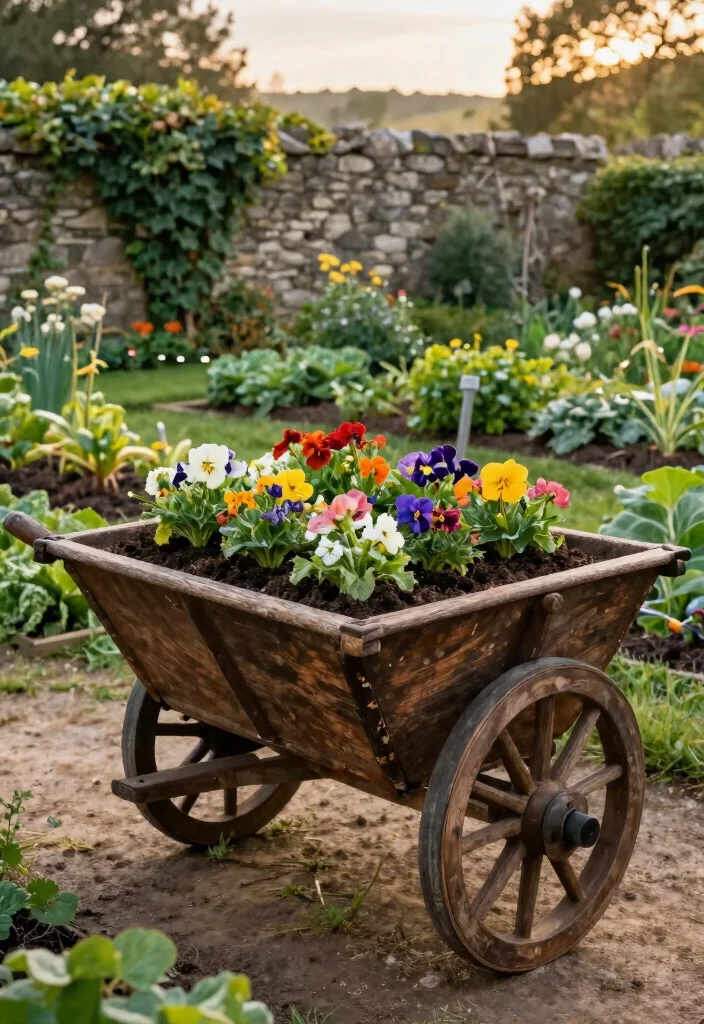
Transitioning into the Middle Ages, the wheelbarrow evolved to meet the demands of a growing society. The Medieval barrow often sported two wheels, providing enhanced stability and the ability to carry heavier loads, making it essential for the expanding agricultural landscape. Imagine hauling larger quantities of soil and tools without the struggle—this design made it all possible.Constructed from robust timber, the Medieval barrow was built to endure the tough conditions of farming life. The innovation of two wheels allowed users to balance their loads better and navigate rough terrains with ease.Characteristics of the Medieval barrow include:– Two wheels for added stability: Improved balance for transporting heavy items.
– Reinforced wooden frame: Designed to withstand rigorous use in farming.
– Decorative elements: Often featured simple carvings, reflecting personal or regional styles.
The Medieval barrow represents a significant development in gardening tools, emphasizing productivity and efficient methods that shaped agricultural practices for years to come.
Two wheels boosted stability, letting medieval farmers haul heavier loads across uneven fields. The robust timber frame was built to endure tough farming life. For modern replication in line with historical wheelbarrow designs, prioritize a wide wheelbase and sturdy joints to keep balance when loading.
3. The Victorian Innovation: Aesthetic and Utility
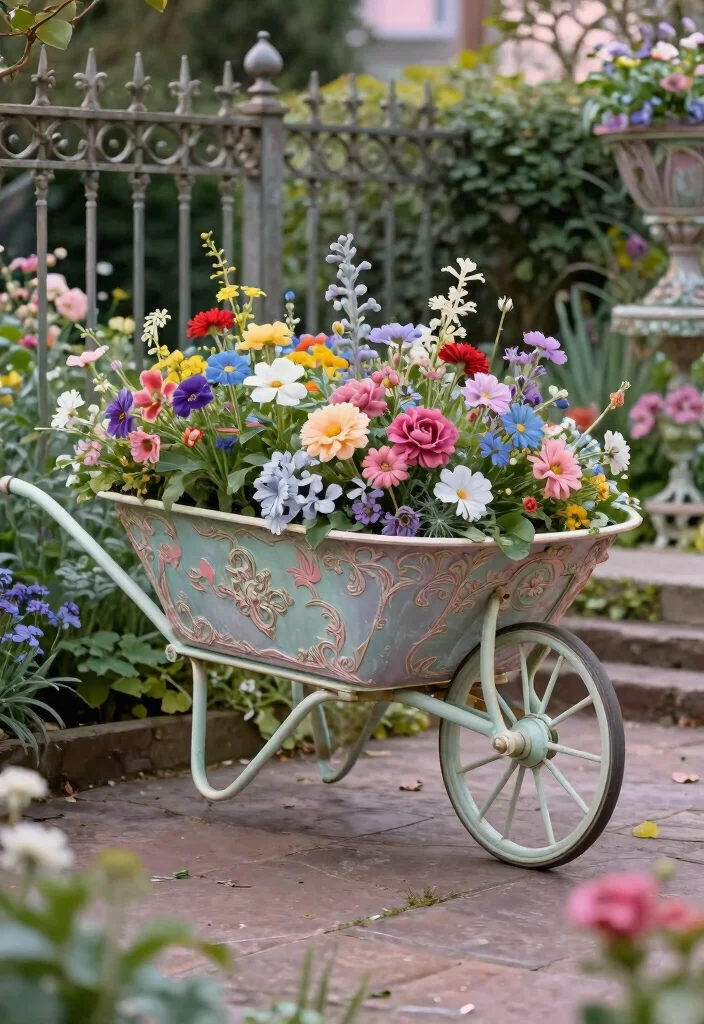
The Victorian era introduced a blend of innovation and artistry in gardening tools, including the beloved wheelbarrow. During this time, wheelbarrows became not just practical tools but also decorative accents in gardens. Picture ornate designs showcasing colorful paint and intricate metalwork—these wheelbarrows were true works of art.Victorian wheelbarrows featured comfortable handles and thoughtful designs aimed at enhancing user experience. They were crafted to be visually appealing while still serving the essential purpose of transporting gardening materials.What makes the Victorian wheelbarrow stand out:– Ornate aesthetics: Elegant designs that transformed functional items into garden highlights.
– Improved ergonomics: Comfort-focused handles designed for prolonged use without strain.
– Versatile uses: Ideal for transporting plants or even displaying flowers.
The Victorian wheelbarrow represents a delightful merge of function and beauty, prompting gardeners to appreciate both utility and visual charm in their gardening tools.
4. The Industrial Revolution: Efficiency at Its Best
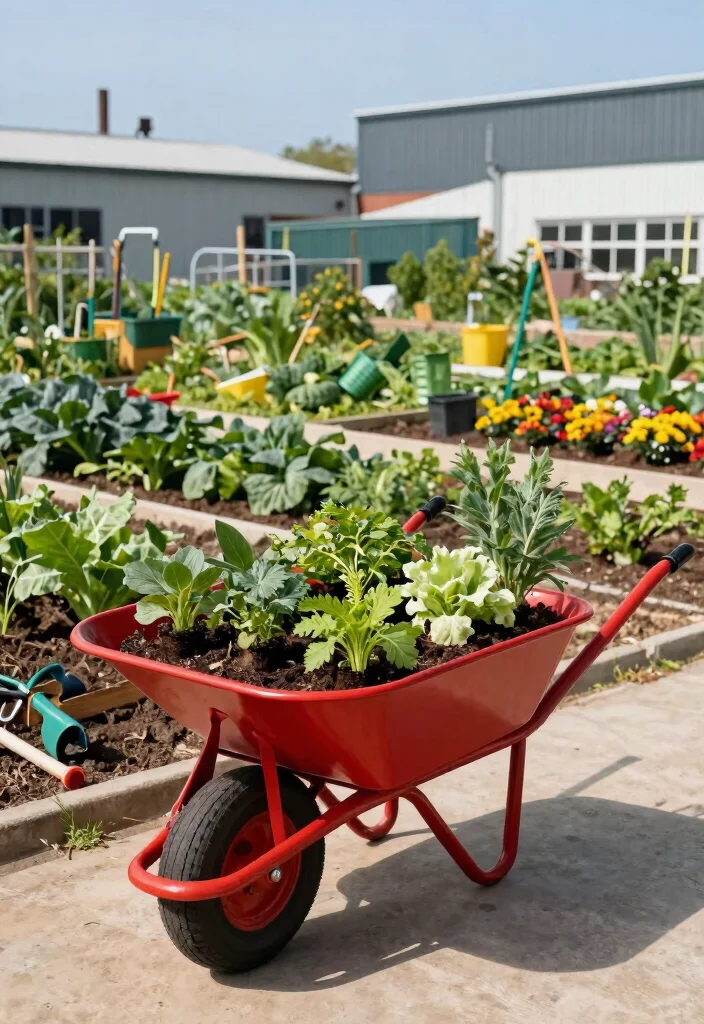
The Industrial Revolution marked a significant shift in how wheelbarrows were manufactured. Thanks to technological advancements, wheelbarrows became more efficient and durable, catering to the needs of an industrialized society. Imagine having tools that could withstand the fast-paced demands of urban gardening—this era made that a reality.Factories began producing wheelbarrows with iron and steel components, making them lighter yet stronger than their wooden ancestors. This transformation was crucial for urban gardens, where durability was a necessity.Key features of industrial wheelbarrows include:– Metal construction: Steel and iron deliver enhanced durability for heavy-duty tasks.
– Standardized designs: Facilitated mass production, making tools accessible to every gardener.
– Innovative features: Pneumatic tires improve comfort and ease on uneven surfaces.
Industrial wheelbarrows exemplify how advancements in manufacturing can lead to practical gardening solutions, making gardening tasks more manageable and efficient.
5. The Modern Wheelbarrow: Redefining Convenience
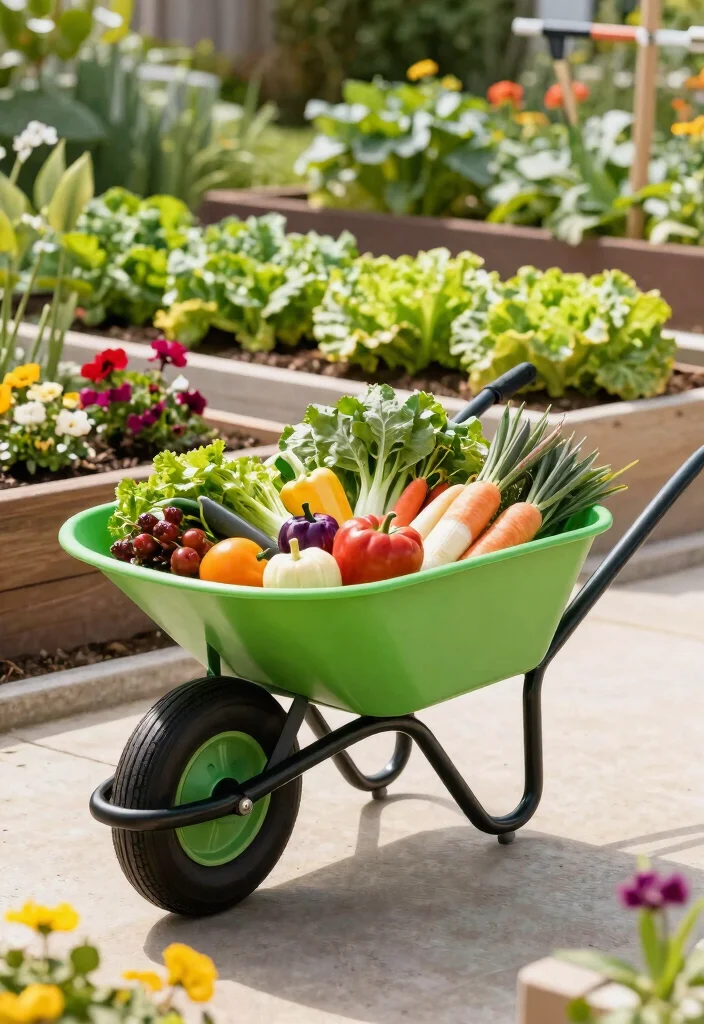
In today’s gardening landscape, modern wheelbarrows have evolved to prioritize both convenience and functionality. Imagine lightweight designs crafted from durable plastics and innovative technologies that simplify gardening tasks. These contemporary wheelbarrows are not just tools; they are essential companions for every gardener.With ergonomic shapes and features designed for user comfort, modern wheelbarrows often include padded handles and mechanisms that make dumping loads effortless. They adapt to various gardening tasks, making your work smoother and more enjoyable.Modern features include:– Lightweight materials: Durable plastics and alloys that make lifting easy.
– Ergonomic designs: Comfort-focused handles that minimize strain during use.
– Multi-functional designs: Some come with attachments for added versatility in gardening tasks.
The modern wheelbarrow showcases a culmination of centuries of design evolution, meeting the needs of today’s gardeners while enhancing the overall gardening experience.
6. Eco-friendly Wheelbarrows: Sustainable Choices

As awareness of environmental issues grows, so does the demand for eco-friendly gardening tools, including wheelbarrows. Today’s designs focus on sustainability without sacrificing durability and functionality. Imagine a wheelbarrow made from recycled materials that helps you garden while caring for the planet.Many eco-friendly wheelbarrows are crafted from recycled plastics and metals, with natural finishes that avoid harmful chemicals. These designs not only serve practical purposes but also promote environmentally responsible gardening practices.Characteristics of eco-friendly wheelbarrows include:– Recycled materials: Crafted from plastics and metals to reduce waste.
– Natural finishes: Use of non-toxic paints and coatings for healthier gardening.
– Sustainable manufacturing: Processes that minimize environmental impact during production.
Choosing an eco-friendly wheelbarrow benefits both the gardener and the environment, showcasing how gardening practices can support broader sustainability goals.
7. Innovative Designs: The Future of Wheelbarrows
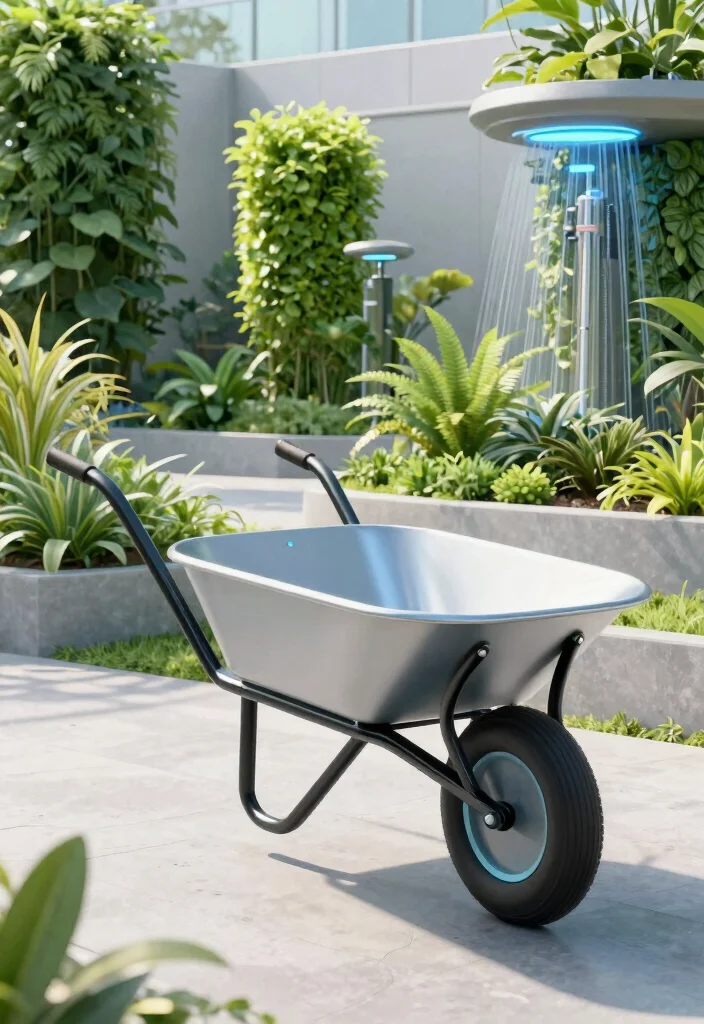
Looking forward, innovative wheelbarrow designs are emerging, driven by advancements in technology and evolving gardening trends. Picture a wheelbarrow with smart features that help you monitor loads or adjust to different terrains effortlessly. These innovations promise to make gardening easier and more efficient than ever before.Some forward-thinking designs even incorporate solar-powered features, enhancing functionality for tasks like lighting or automated dumping. The future of wheelbarrows is bright and full of possibilities.Future trends may include:– Smart technology integration: Sensors or connectivity for real-time gardening feedback.
– Modular components: Customizable designs to fit specific gardening tasks.
– Sustainable innovations: Use of biodegradable or self-healing materials for greener solutions.
These innovative designs are set to redefine gardening experiences, making them more enjoyable and aligned with the needs of future gardeners. As wheelbarrows continue to evolve, they will play a vital role in shaping the gardening landscape for generations.
Fun fact: historical wheelbarrow designs paved the way for smart models that monitor loads and adapt to terrain in real time, cutting unloading spills by up to 40%. Picture solar-powered lighting and automated dumping becoming common in gardens, making tasks smoother and faster for everyone.
Conclusion
The journey of the wheelbarrow through history is not just a tale of a tool but a reflection of how gardening has evolved alongside societal changes. Each design offers a unique glimpse into the priorities and innovations of its time.
As we embrace modern and eco-friendly options, it’s clear that the wheelbarrow will continue to adapt, ensuring it remains an essential companion in our gardening adventures. So, whether you’re partial to vintage gardening equipment or excited about the next wave of innovations, there’s a wheelbarrow design that fits perfectly into your garden story.
Note: We aim to provide accurate product links, but some may occasionally expire or become unavailable. If this happens, please search directly on Amazon for the product or a suitable alternative.
This post contains Amazon affiliate links, meaning we may earn a small commission if you purchase through our links, at no extra cost to you.
Frequently Asked Questions
What are the defining features of historical wheelbarrow designs and how can I identify their era?
Understanding historical wheelbarrow designs helps you date pieces and plan a faithful restoration. Look for era clues like bucket material (wood, tin, or iron), wheel type (solid wooden wheel, iron-rimmed wheel, or early pneumatic tire), frame construction (hand-forged rivets vs welded steel), and handle style. Maker marks and patina often reveal wheelbarrow history trends. Practical steps: take clear photos, measure the wheel diameter and bucket depth, and compare with period catalogs or museum references to place your piece in the garden tools lineage and highlight gardening innovations of the era. Then source authentic hardware and period finishes to honor vintage wheelbarrows and other horticultural equipment heritage.
What are the best restoration techniques for authentic wooden handles and metal frames on vintage wheelbarrows?
Start by assessing wood for rot and wear. Clean, dry, then treat with a preservative and breathable oil like raw linseed oil to revitalize the surface while preserving patina. Replace severely damaged sections with period-appropriate dimensions, keeping original joinery where possible. For metal frames, remove loose rust with a gentle rust remover, apply a rust converter, and finish with a protective coating that matches the era. Reattach using traditional fasteners and finishes that align with the original look. Document your process to honor wheelbarrow history and maintain the integrity of horticultural equipment in your vintage wheelbarrows project.
How can I date a wheelbarrow and decide if restoration is cost-effective?
Dating a wheelbarrow typically comes from maker marks, wheel design, and hardware. Look for branding, rivets versus welds, and the bucket style. Compare with old catalogs, museum guides, and online archives to estimate a period and value. For cost, estimate authentic hardware, wood stabilization, and labor, then compare to the potential value of a well-preserved piece. If the expected value and the satisfaction of preserving gardening heritage outweigh the restoration costs, it’s worth pursuing. This approach keeps your project aligned with garden tools history and the broader wheelbarrow history narrative, including vintage wheelbarrows.
What common mistakes should I avoid when restoring historical wheelbarrows?
Avoid erasing patina or maker marks through over-restoration, and skip replacing authentic rivets with modern hardware. Be careful with finishes—stick to period-appropriate paints and avoid flashy modern coatings that clash with the era. Don’t neglect the structural integrity of the frame or the wooden handles, which can degrade with moisture. Store and display in dry conditions to protect the wood and metal. Document your process to help future restorers and keep the project faithful to the authentic garden tools and horticultural equipment heritage of historical wheelbarrow designs.
Where can I find reliable resources, parts, or community help for maintaining antique wheelbarrows and other garden tools?
Seek guidance from museums, horticultural societies, and antique tool clubs that publish catalogs and guides on historical wheelbarrow designs. Online archives, vintage catalogs, and regional garden clubs often share wheelbarrow history insights. For parts, look to specialized vendors, salvage yards, and dealers who carry period-appropriate hardware for vintage wheelbarrows. Join online forums or local maker spaces where gardening innovations enthusiasts swap tips and pieces. Connecting with fellow collectors helps you keep your restoration aligned with authentic horticultural equipment and the spirit of the era.