Creating a beautiful garden pond can be one of the most rewarding experiences for a gardening enthusiast. As you envision the tranquil water, blooming plants, and lively fish, you might find yourself wondering: what are the best fish for garden pond survival and beauty? I made this post to help you choose the right fish that not only look stunning but also thrive in a pond environment.
If you’re a garden lover, a pond owner, or someone curious about aquatic life, this guide is tailored just for you. You care about creating a harmonious space where plants and fish coexist beautifully. You want a vibrant ecosystem that enhances your garden and brings joy to your outdoor experience. In this post, I’ll share the seven best fish for garden ponds, highlighting their unique characteristics, care needs, and how they contribute to your pond’s ecosystem.
Get ready to dive into a world of colors and life! I’ve gathered essential insights that will help you select pond fish varieties that are not only aesthetically pleasing but also resilient and easy to care for. Whether you’re interested in koi fish care or curious about how aquatic plants for ponds can complement your fish, this guide will provide you with the knowledge you need to create your dream pond.
Key Takeaways
– Consider the seven best fish for garden ponds, including koi, goldfish, and guppies, each offering unique benefits.
– Understand the importance of fish pond ecosystem balance, ensuring that selected fish can coexist with each other and aquatic plants.
– Learn about koi fish care, including their dietary needs and space requirements to thrive in a garden pond.
– Explore how specific aquatic plants for ponds can enhance the beauty and health of your pond while providing shelter for fish.
– Get practical tips on garden pond maintenance to keep your aquatic environment clean and your fish happy.
1. Koi Fish: The Colorful Kings
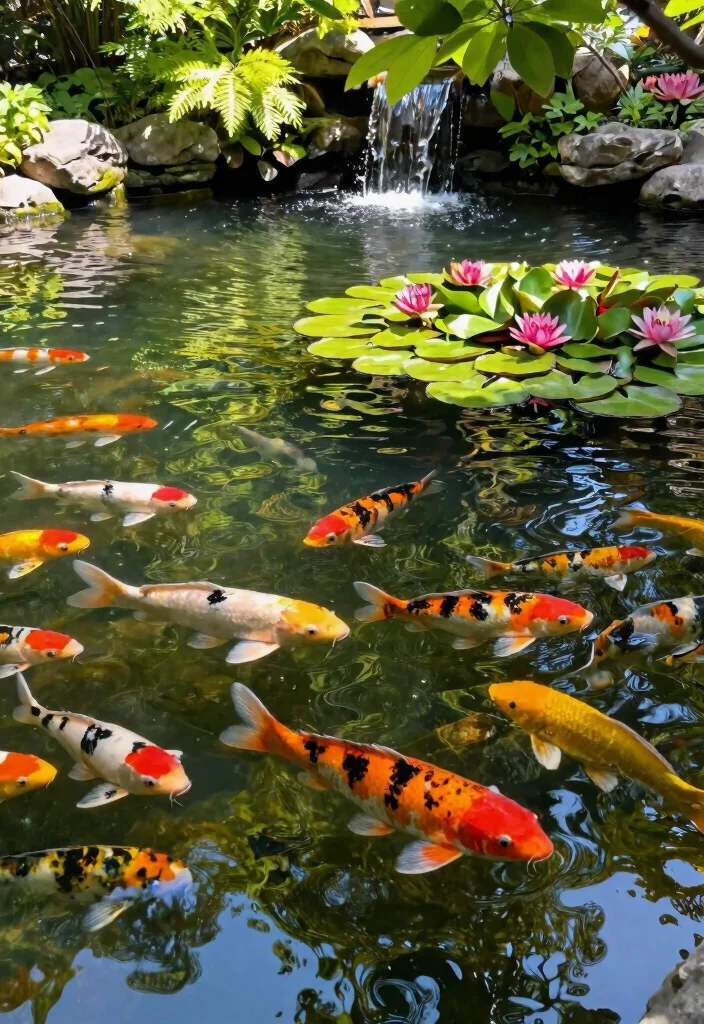
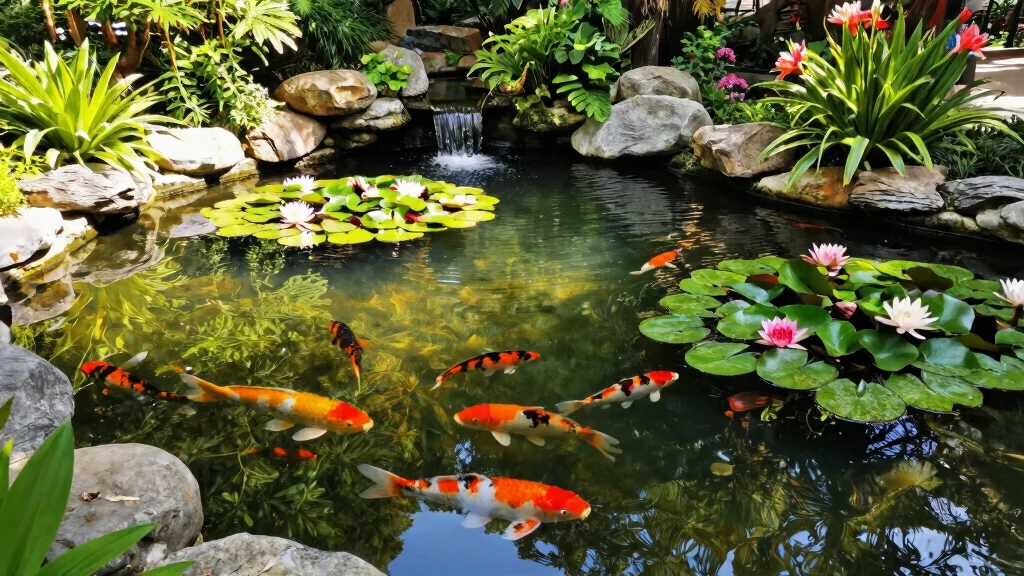
Koi fish are not just a feast for the eyes; they symbolize prosperity and good fortune across various cultures. Their vibrant colors and intricate patterns make them the stars of any garden pond. Koi are incredibly resilient and can thrive in a range of climates, provided that their water conditions are carefully managed. With their love for spacious areas, these fish flourish in larger ponds where they can swim freely and display their beauty.
To ensure your koi live a happy and healthy life, focus on the following aspects of their care:
– Pond Size: Aim for a minimum of 1,000 gallons to promote healthy growth.
– Water Quality: Invest in a quality filtration system to maintain cleanliness and oxygen levels.
– Temperature: While koi can adapt to various temperatures, they thrive best in a range of 65°F to 75°F.
– Feeding: Choose high-quality koi pellets to support their growth and overall health.
By adding aquatic plants like water lilies, you can create shaded areas and natural shelters for your koi. These fish not only enrich your pond visually but also bring a lively and colorful atmosphere that captivates anyone who sees them.
2. Goldfish: The Charming Companions
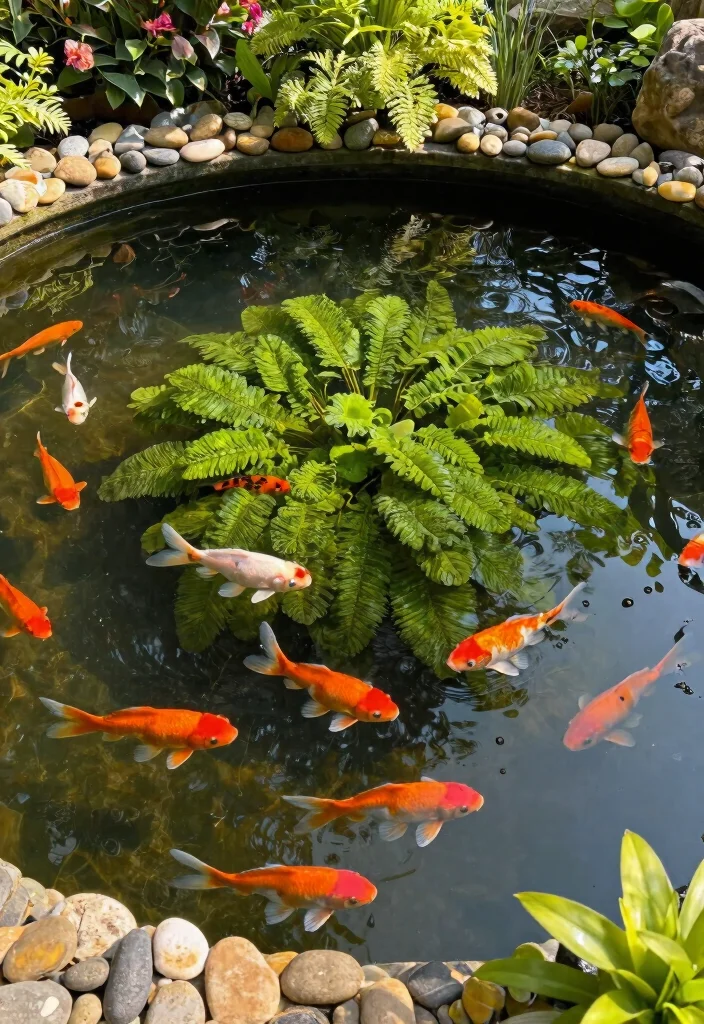
Goldfish are a timeless choice for garden ponds, celebrated for their lively colors and engaging personalities. They are relatively low-maintenance and adapt well to smaller ponds, making them suitable for charming garden spaces. Their inherent hardiness and ability to thrive in various conditions make goldfish a beloved option for pond keepers.
Here are a few essential tips for keeping your goldfish happy and healthy:
– Size Matters: Ensure a minimum of 20 gallons for a small group of goldfish.
– Tank Mates: Goldfish get along with many peaceful fish, but avoid aggressive companions.
– Oxygenation: Proper aeration in your pond is crucial for their health.
– Temperature Tolerance: They flourish best in temperatures between 65°F and 75°F.
By incorporating aquatic plants like hornwort or anacharis, you not only beautify your pond but also enhance the oxygen levels for your goldfish. With their charming presence and vibrant colors, these fish bring delightful energy and life to your garden pond.
Fun fact: Goldfish are among the best fish for garden pond setups, often living 10-20 years when cared for well. Provide at least 20 gallons per fish and steady filtration, and their vibrant color and personality will thrive in your backyard oasis.
3. Guppies: Tiny Treasures
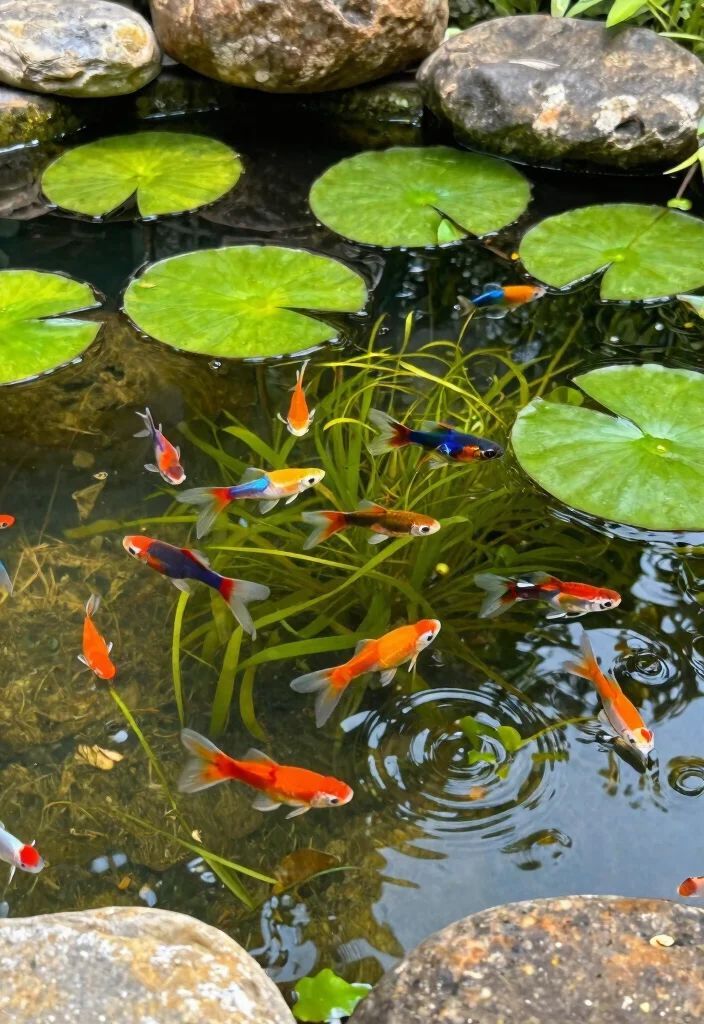
Guppies may be small, but they pack a vibrant punch of color in your garden pond. These lively freshwater fish are easy to care for and adapt well to different water conditions, making them perfect for novices. They do prefer warmer waters, so ensuring your pond is heated during colder months is essential for their well-being.
For the best guppy care, keep these points in mind:
– Schooling Fish: Always keep them in groups to minimize stress and encourage natural behaviors.
– Water Quality: Regular water changes are key to a safe and clean environment.
– Diet: Provide a balanced diet of flakes and live food to enhance their colors.
– Plants: Adding floating plants like duckweed can offer shade and a natural habitat.
With their playful nature and brilliant colors, guppies make any pond more lively and engaging. Their entertaining antics and vibrant presence will surely capture your heart!
4. Betta Fish: The Showstoppers
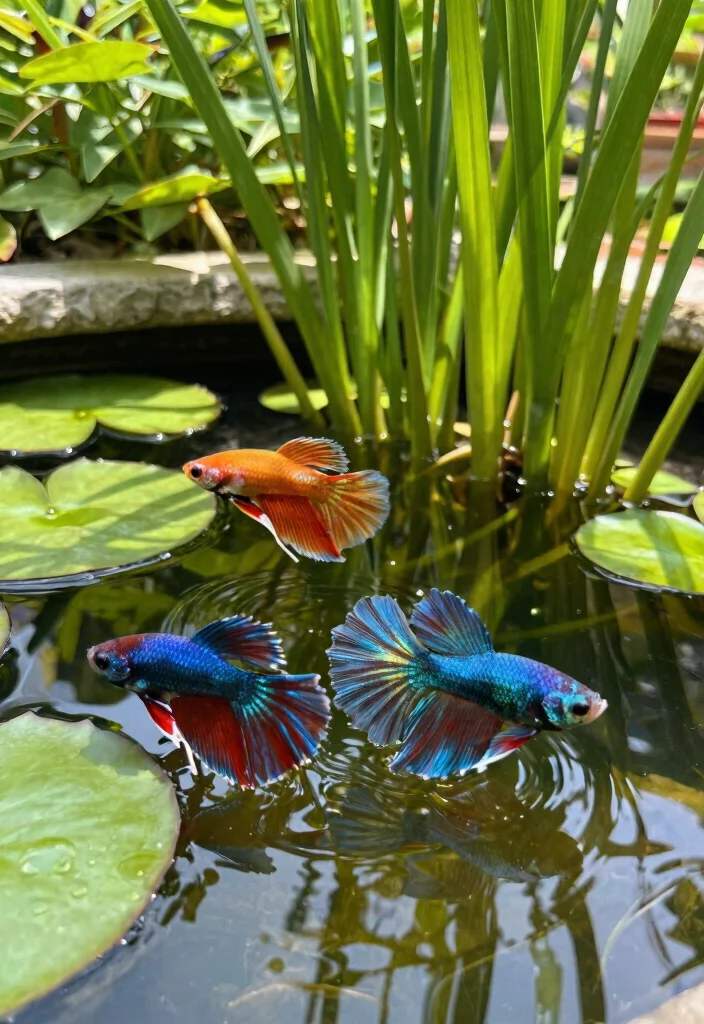
Betta fish are renowned for their dazzling colors and flowing fins, making them a stunning addition to your garden pond. Although they are typically found in aquariums, some bettas can adapt to outdoor ponds in warmer months. Their vibrant appearance adds a thrilling visual element to any water feature.
Keep these care considerations in mind for your bettas:
– Space Requirements: Bettas need ample space; smaller ponds may not be suitable.
– Water Movement: They prefer calm water, so avoid strong currents.
– Compatibility: Bettas can be territorial, so select tank mates wisely.
– Temperature Control: Ideal temperatures for bettas range from 75°F to 80°F.
Planting aquatic species like anacharis and marbles can create a comfortable habitat for bettas, offering shelter and hiding spots. With their brilliant colors and unique behaviors, bettas add a royal touch to your pond!
Fun fact: Betta fish can transform a warm garden pond into a splash of color, peaking when water stays 75–80°F. They’re among the best fish for garden pond setups, bringing dramatic fins and vibrant hues that gardeners love to share.
5. Shubunkins: The Colorful Survivors
Shubunkins are vibrant goldfish known for their beautiful patterns, resembling living works of art. They are hardy fish that adapt well to various pond conditions, making them a fantastic choice for your aquatic garden. Their lively personalities and stunning markings make them a joy to observe.
For effective shubunkin care, consider these tips:
– Pond Size: A minimum of 100 gallons is recommended for healthy growth.
– Water Quality: Regular maintenance and testing will ensure a clean environment.
– Feeding: A high-quality pellet diet keeps their colors bright and health optimal.
– Companionship: Shubunkins thrive in groups, so consider adding several to your pond.
By incorporating aquatic plants like water hyacinth, you can offer shade and help maintain water quality. Shubunkins enhance the beauty of any pond with their unique patterns and vivid colors, bringing joy to all who see them.
Shubunkins bring vibrant color and hardy personalities to your garden pond. For the best fish for garden pond, they adapt well to varied conditions and proudly show off stunning patterns. With regular maintenance and a minimum 100-gallon habitat, your aquatic garden will thrive.
Key Trade-offs & Our Top Pick
Koi Fish
– Pros:
– Stunning colors and patterns that enhance the pond’s beauty.
– Can grow large, turning your pond into a focal point.
– Friendly and interactive when fed by hand.
– Cons:
– Requires a larger pond due to their size (ideally over 1,000 gallons).
– Susceptible to parasites if not cared for properly.
– Higher maintenance needs with specific water quality requirements.
– Best for: Those looking to create a visually striking centerpiece in their garden pond.
Goldfish
– Pros:
– Affordable and widely available in various colors and sizes.
– Hardy and can thrive in smaller ponds.
– Good jumpers, which can help control mosquito larvae.
– Cons:
– Can produce high waste levels, requiring regular water changes.
– Limited color variety compared to koi.
– May not interact with you as much as koi do.
– Best for: Beginners who want a low-maintenance, colorful option for smaller ponds.
Guppies
– Pros:
– Small and vibrant; they add quick pops of color to your pond.
– Very easy to care for and breed, making them fun to watch.
– They help control algae by feeding on it.
– Cons:
– Small size makes them vulnerable to larger fish predators.
– Not as visually impressive as larger fish.
– Limited lifespan, averaging 1-2 years.
– Best for: Gardeners wanting a lively and low-maintenance option that adds color quickly.
Betta Fish
– Pros:
– Unique and beautiful with flowing fins, making them showstoppers.
– Can thrive in smaller volumes of water compared to other pond fish.
– Relatively easy to care for and feed.
– Cons:
– Territorial and may not do well with other fish species.
– Prefers warmer water, which may not be ideal for all ponds.
– Not as hardy as other pond fish and needs more attention.
– Best for: Those who want an eye-catching fish and have a smaller, controlled pond environment.
Shubunkins
– Pros:
– Hardy and can thrive in various water conditions.
– Unique speckled colors make them visually appealing.
– Good for pond ecosystems, helping to maintain balance.
– Cons:
– Can be less interactive than other fish.
– Moderate growth rate, meaning they take time to reach their full size.
– May compete with other fish for food if not fed properly.
– Best for: Gardeners wanting a colorful and hardy fish that adapts well to different pond conditions.
Expert Recommendation:
Best Overall: Koi Fish
Koi fish stand out as the best overall choice for most people. They offer stunning beauty and become a centerpiece in any garden pond. Though they require more space and maintenance, their longevity and social behavior make them rewarding pets. If you’re willing to invest in a larger pond and care, koi can provide years of enjoyment and aesthetic appeal.
Why We Picked This:
While koi fish are a fantastic option, not everyone has the space or time for their needs. If you’re looking for something smaller or more manageable, goldfish or guppies might be your best bet. Each fish has its unique charm and requirements, so choose the one that fits your pond’s size and your maintenance commitment. The right fish will not only beautify your pond but also contribute to a healthy fish pond ecosystem!
6. Pond Loaches: The Bottom Dwellers
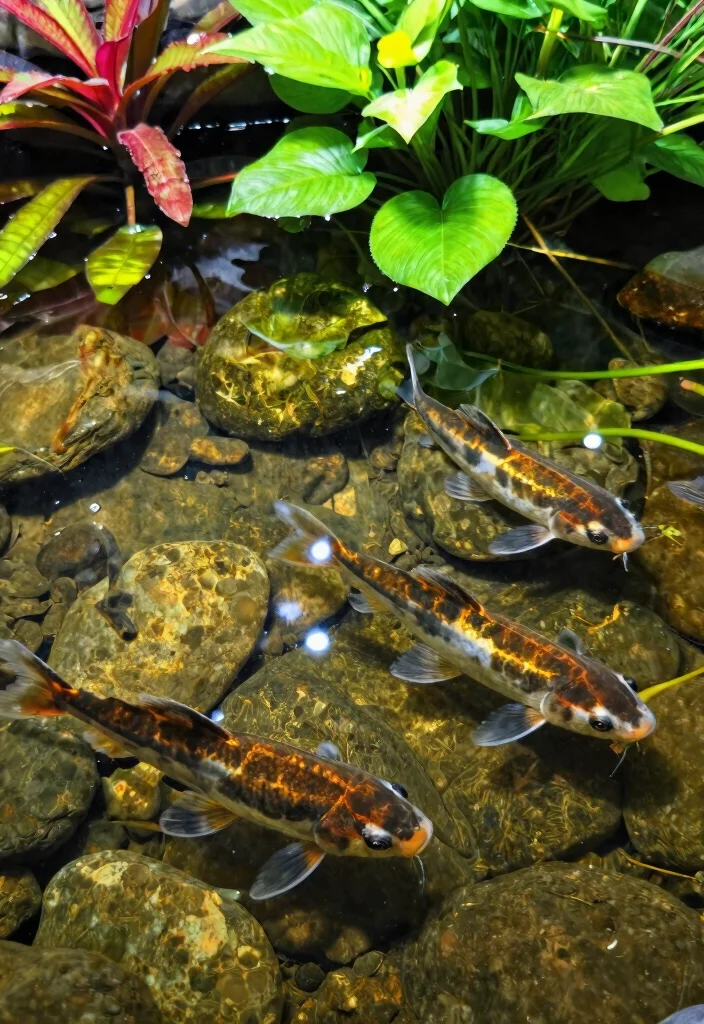
Pond loaches, also known as dojo loaches, introduce diversity to your garden pond while helping to maintain a balanced ecosystem. These bottom-dwelling fish are playful and boast a unique appearance, making them a fun addition to your aquatic environment. They thrive in groups and are relatively easy to care for, appealing to many pond enthusiasts.
Keep these key care points in mind for pond loaches:
– Habitat: Provide plenty of hiding spots using rocks and plants.
– Water Quality: Ensure clean water through good filtration; loaches enjoy slightly muddy conditions.
– Companionship: Keep them in groups of at least three for social interaction.
– Diet: They appreciate a varied diet of sinking pellets and plant matter.
By including aquatic plants like water lettuce, you can offer cover and encourage natural behavior in loaches. These fish not only add character to your pond but also contribute to its health by controlling algae growth.
7. Catfish: The Clean-Up Crew
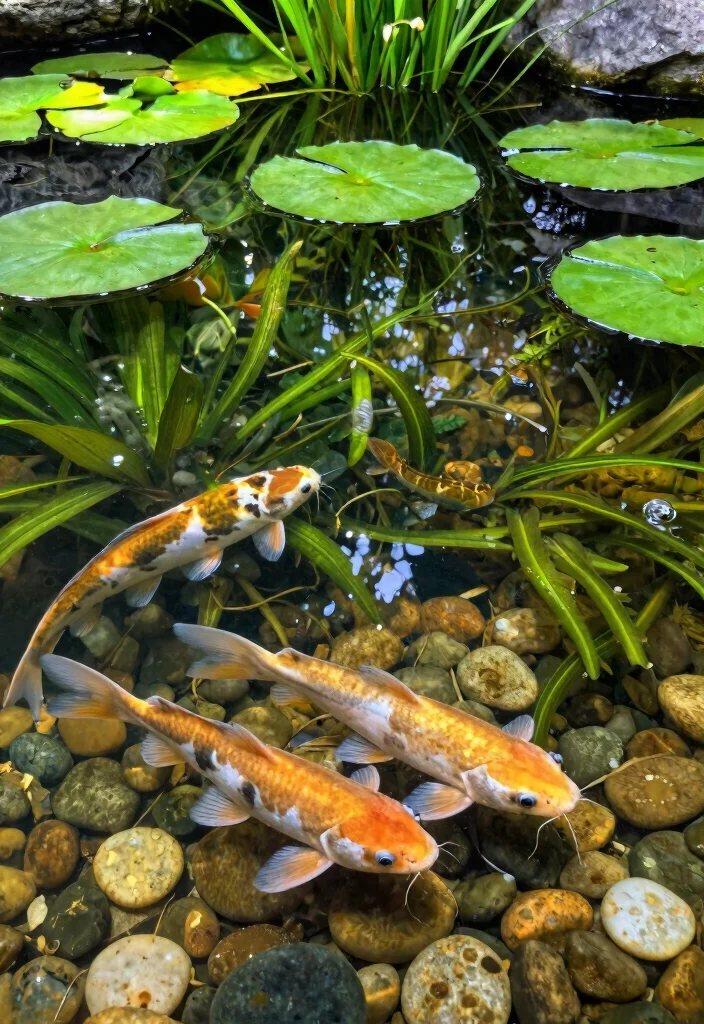
Catfish are unique additions to garden ponds, celebrated for their scavenging habits that help keep your pond clean. They are tough fish that can thrive in various environments, making them a popular choice for pond owners. Plus, their potential size adds an impressive presence to your water garden.
When introducing catfish to your pond, consider these essential tips:
– Space Requirements: Ensure your pond is sufficiently sized; larger species need ample room.
– Water Quality: Regular testing and maintenance are vital for healthy catfish.
– Diet: They are omnivores, enjoying a mix of prepared foods, insects, and plant matter.
– Compatibility: While generally peaceful, catfish may eat smaller fish, so choose companions carefully.
Adding aquatic plants like water lilies can provide shade and shelter for catfish, creating a balanced habitat. With their distinct looks and ecological benefits, catfish enhance your pond experience in meaningful ways.
Conclusion: Create Your Dream Pond
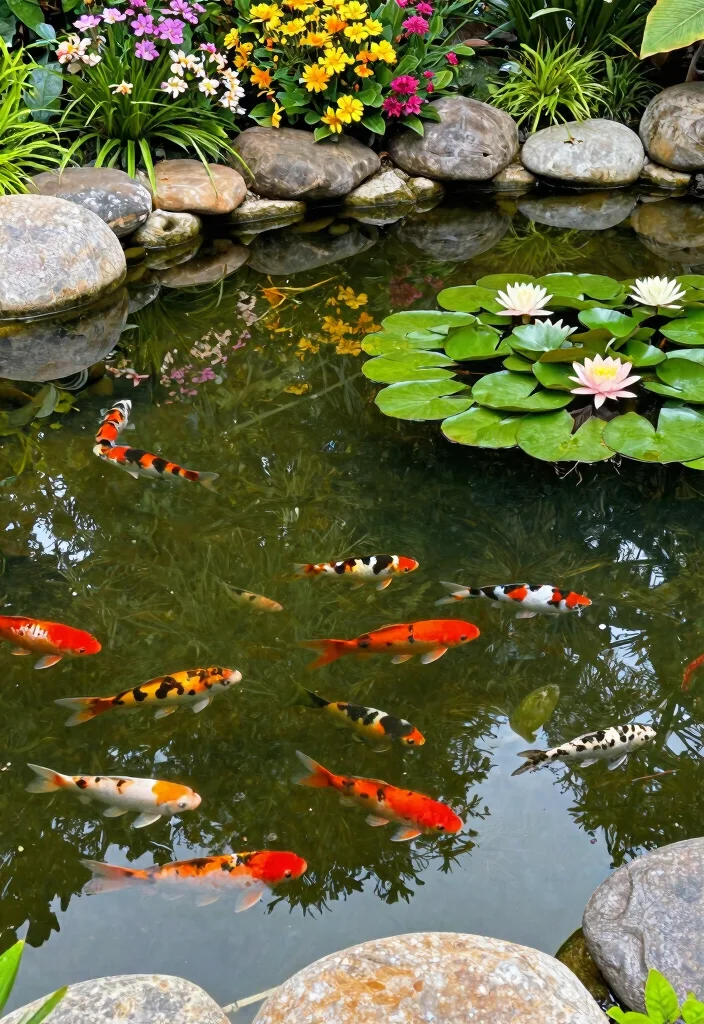
Selecting the best fish for your garden pond can create a stunning visual spectacle while supporting a healthy ecosystem. From the colorful koi and goldfish to the playful guppies and resourceful catfish, each fish contributes a unique charm to your pond. Remember to consider the compatibility of fish with aquatic plants for optimal health and beauty.
Creating a balanced and vibrant pond isn’t just about aesthetics; it’s about fostering a thriving aquatic community that you can enjoy for years to come. Start planning your pond today with these tips, and get ready to enjoy the serenity and beauty it brings to your outdoor space!
Note: We aim to provide accurate product links, but some may occasionally expire or become unavailable. If this happens, please search directly on Amazon for the product or a suitable alternative.
This post contains Amazon affiliate links, meaning we may earn a small commission if you purchase through our links, at no extra cost to you.
Frequently Asked Questions
What are the best fish for garden pond to ensure survival and beauty?
Choosing the best fish for garden pond means balancing color, hardiness, and size with your pond’s environment. Look for species that tolerate outdoor temperatures, avoid aggressive behavior, and stay active without churning the water. In many garden ponds, top picks include koi and goldfish (including comet and shubunkin varieties), plus smaller, hardy pond fish such as rosy barb or danio that can share space if the pond is spacious and well-filtered. Remember that koi are large and need excellent filtration and ample space, while goldfish are more forgiving in smaller setups.
When planning your choice, consider pond fish varieties that suit your climate, your garden pond maintenance routine, and your aquatic plants for ponds preferences. Start with 1-2 species and observe how they interact with plants and other fish to build a balanced fish pond ecosystem.
How can I keep my pond fish healthy and vibrant?
Prioritize water quality and routine care. A reliable filtration system and good aeration are essential. Regularly test water parameters (pH, ammonia, nitrite, nitrate) and aim for stable conditions. Feed high-quality pond food in small amounts and avoid overfeeding, especially in cold weather. Provide shade during hot days and consider adding aquatic plants for ponds to help with oxygen production and algae control. Inspect each fish for signs of stress or disease, and quarantine new arrivals when possible. With consistent garden pond maintenance, your fish will stay colorful and active. For koi, follow koi fish care guidelines to support their specific needs.
Are koi fish compatible with other pond fish, and what should I watch for?
Koi can be compatible with many pond mates if you have a large, clean, well-filtered pond. The key is space, stable water quality, and selecting peaceful species that share similar environmental needs. Avoid very small fish or aggressive species that nip fins or outcompete koi for food. Good companions include goldfish, rosy barbs, and peaceful danios if the pond is spacious and well maintained. Always monitor your fish pond ecosystem and keep koi fish care considerations in mind, especially during temperature changes or nitrite spikes. If your pond becomes crowded, consider a separate area for young koi until they grow.
Which aquatic plants pair best with the best fish for garden pond to create a thriving ecosystem?
Pairing the right aquatic plants for ponds with your fish creates a healthier, more beautiful pond. Use a mix of floating plants (duckweed, water lettuce) to shade the surface, marginal plants (iris, cattails, reeds) for shelter and filtration, and submerged species (hornwort, elodea) to oxygenate the water. Plants help regulate nutrients, reduce algae, and give fish hiding spots, enhancing the pond ecosystem. Be mindful of plant placement to prevent uprooting by larger fish, and tailor plant choices to your climate and pond size for best results.
How often should I service garden pond maintenance and test water parameters?
Set up a simple, steady garden pond maintenance routine and test water parameters regularly. A practical schedule: test pH, ammonia, nitrite, and nitrate at least weekly during the first weeks, then 2-4 times per month once the system stabilizes. Do 10-20% water changes monthly to keep nitrates in check, and clean filters according to the manufacturer’s guidance. In spring and fall, perform seasonal tasks like netting leaves, inspecting liners, and adjusting aeration. With consistent checks, your best fish for garden pond will thrive in a healthy fish pond ecosystem.