![11 Low Maintenance Garden Pond Tips [Lazy Gardener Guide]](https://homedreamly.com/wp-content/uploads/2026/04/11-Low-Maintenance-Garden-Pond-Tips-Lazy-Gardener-Guide.webp)
Creating a garden pond can be a dream come true for many homeowners, especially those who cherish having a tranquil oasis in their backyard. But let’s face it: the thought of maintaining a pond can be daunting, particularly for busy people who are short on time. That’s why I’m excited to share these 11 Low Maintenance Garden Pond Tips. They are designed specifically for those of you who want to enjoy the beauty of a garden pond without spending every weekend tending to it.
If you’re someone who loves the idea of having an aquatic escape but struggles with the time commitment, this guide is for you. Whether you’re a seasoned gardener or just dipping your toes into this hobby, these tips will help simplify the process. You’ll discover easy pond maintenance techniques, smart garden pond design ideas, and the best aquatic plants to keep your pond looking beautiful with minimal effort.
By reading through these 11 tips, you’ll gain practical knowledge that allows you to enjoy your pond without the hassle. You’ll learn how to choose the right container, optimize your pond’s size, and select low-maintenance fish. Plus, I’ll share simple strategies for pond landscaping and caring for aquatic plants. Let’s dive into the world of lazy gardening and let your backyard pond flourish with ease!
Key Takeaways
– Choose the Right Container: Opt for a sturdy container that complements your garden style and is the right size for your space. This helps in easy maintenance and stability.
– Keep It Compact: A smaller pond requires less upkeep. Compact designs can create a cozy spot that looks great without overwhelming your schedule.
– Utilize Aquatic Plants: Incorporate native aquatic plants to naturally filter the water and provide habitat for wildlife. They require less care and add beauty to your pond.
– Install a Simple Filtration System: A basic filtration system keeps the water clean without needing constant attention. It’s a crucial step for maintaining a healthy pond environment.
– Plan for Winter: Preparing your pond for colder months ensures its longevity. Know which plants and fish can survive the winter and what steps to take for their care.
1. Choose the Right Container
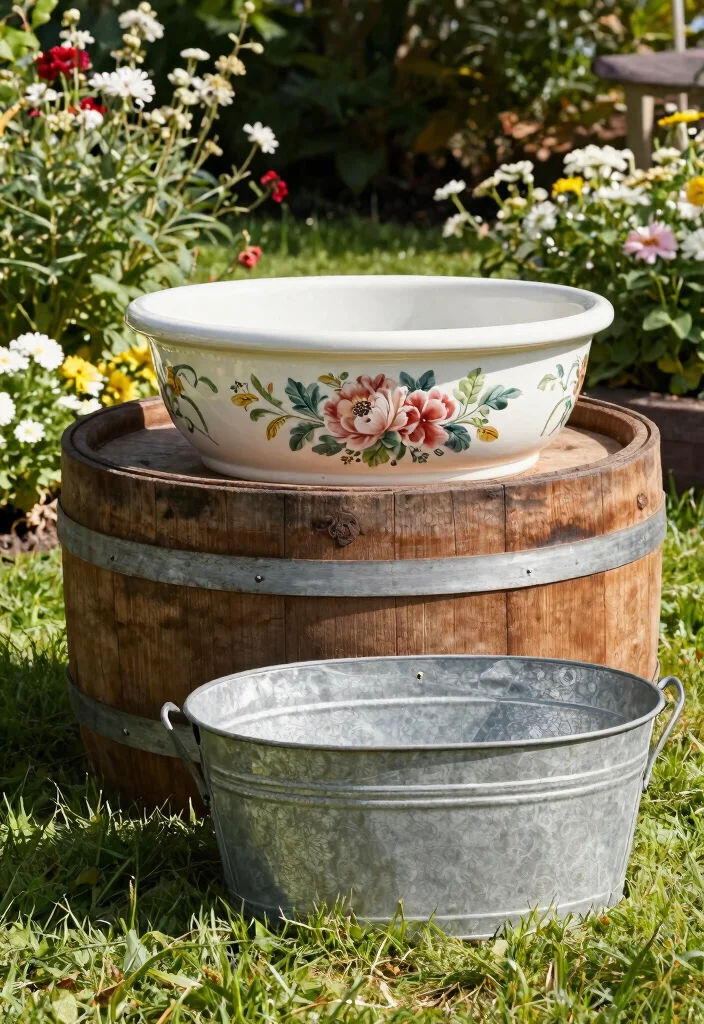
Selecting the perfect container is the first step in creating a low-maintenance garden pond that draws attention. You want something that is both functional and aesthetically pleasing, like a large ceramic tub, a rustic half-barrel, or a sleek stock tank. These containers provide ample space for aquatic life while being durable enough to withstand the elements. Keep an eye on the base’s sturdiness to support the weight of the water and plants inside.
Make sure your choice complements your outdoor style and enhances the overall look of your garden. Here are some pointers to help you decide:
– Choose materials that endure outdoor wear and tear.
– Ensure the container is deep enough for plants and fish.
– Select colors and textures that match your garden theme.
A well-chosen container can transform your pond into a stunning focal point in your yard.
Choosing the right container is half the battle in low maintenance garden pond tips. Go with a sturdy, roomy option—ceramic tub, rustic half-barrel, or stock tank—and you’ll cut upkeep while keeping your pond beautiful.
2. Keep It Compact
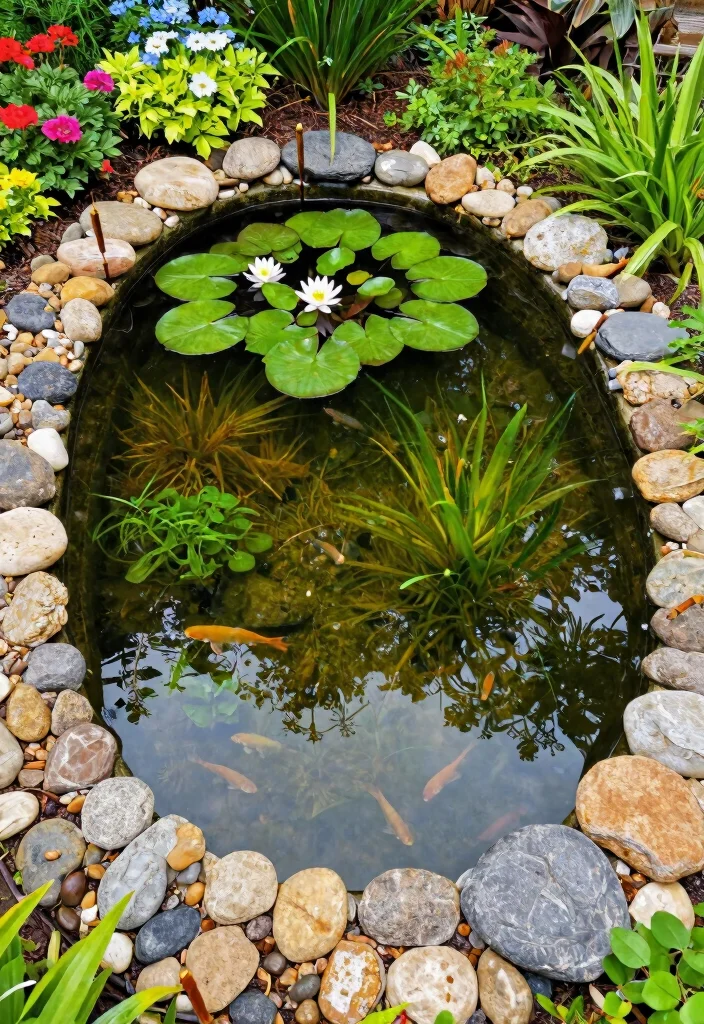
Think small when planning your garden pond! A compact pond is easier to manage, making it ideal for busy homeowners. Smaller ponds require less water and fewer plants, while still offering a vibrant ecosystem. You’ll be surprised at how much life and beauty you can fit into a smaller space.
Here are some ideas to maximize your compact pond’s charm:
– Use floating plants to create a natural cover, aiding in algae control.
– Incorporate small aquatic plants like dwarf cattails for added interest.
– Select small fish species, such as guppies, for easy maintenance.
A smaller pond can make a big impact, giving you the joys of water features without the heavy workload.
Fun fact: a compact 4×6 ft pond can use up to 60% less water than a larger setup. Smaller space, bigger payoff: floating plants and tiny aquatic species turn this into practical, low maintenance garden pond tips you can implement now.
3. Utilize Aquatic Plants
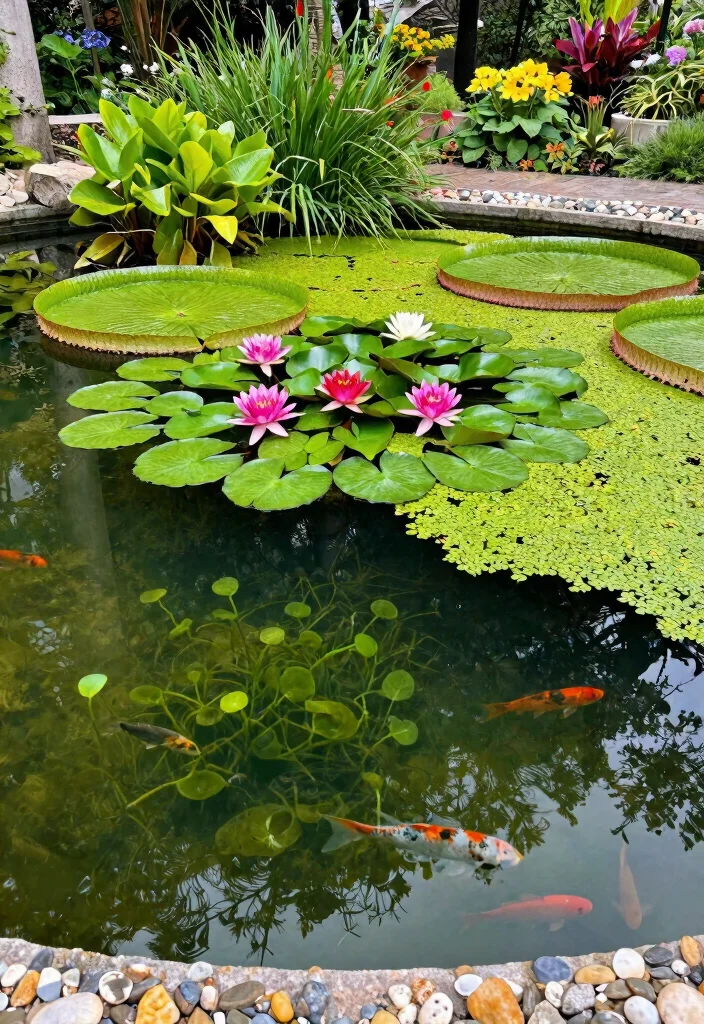
Aquatic plants are essential for a thriving low-maintenance garden pond. They not only enhance the beauty of your water feature but also help maintain a balanced ecosystem. These plants provide shade, absorb excess nutrients, and oxygenate the water, creating a healthier environment for fish and other wildlife.
Consider these fantastic plant options:
– Water lilies: Their broad leaves float, offering shade and minimizing algae.
– Duckweed: A quick-growing floating plant that covers water surfaces, reducing algae.
– Hornwort: This submerged plant oxygenates water and provides shelter for fish.
Aim for a balanced mix of plants to maintain an effortlessly thriving ecosystem.
4. Install a Simple Filtration System
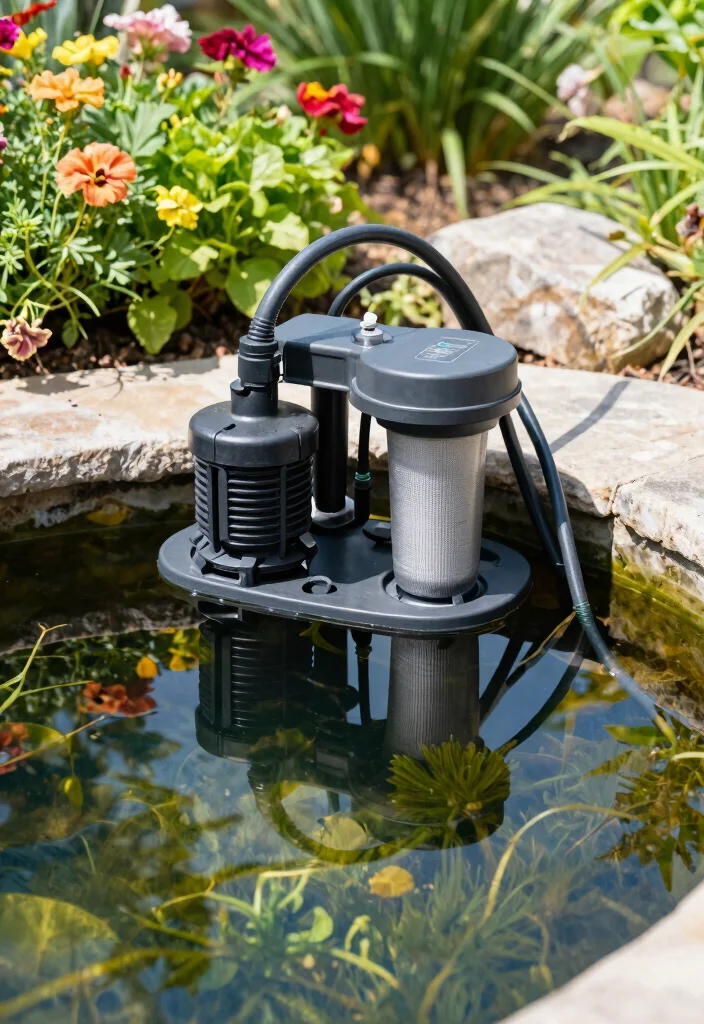
A filtration system is key to keeping your garden pond clean with minimal effort. Look for an easy-to-install pond filter suited to your container’s size. This will help clear debris, excess nutrients, and harmful bacteria, ensuring a healthy habitat for aquatic life.
Keep these tips in mind as you choose your filter:
– Select a filter with a pump that matches your pond’s water volume.
– Clean the filter regularly but allow beneficial bacteria to flourish.
– Use a pre-filter to catch larger debris for easier maintenance.
With the right filtration system, your pond can stay crystal clear and fresh with little fuss.
5. Opt for Low-Maintenance Fish
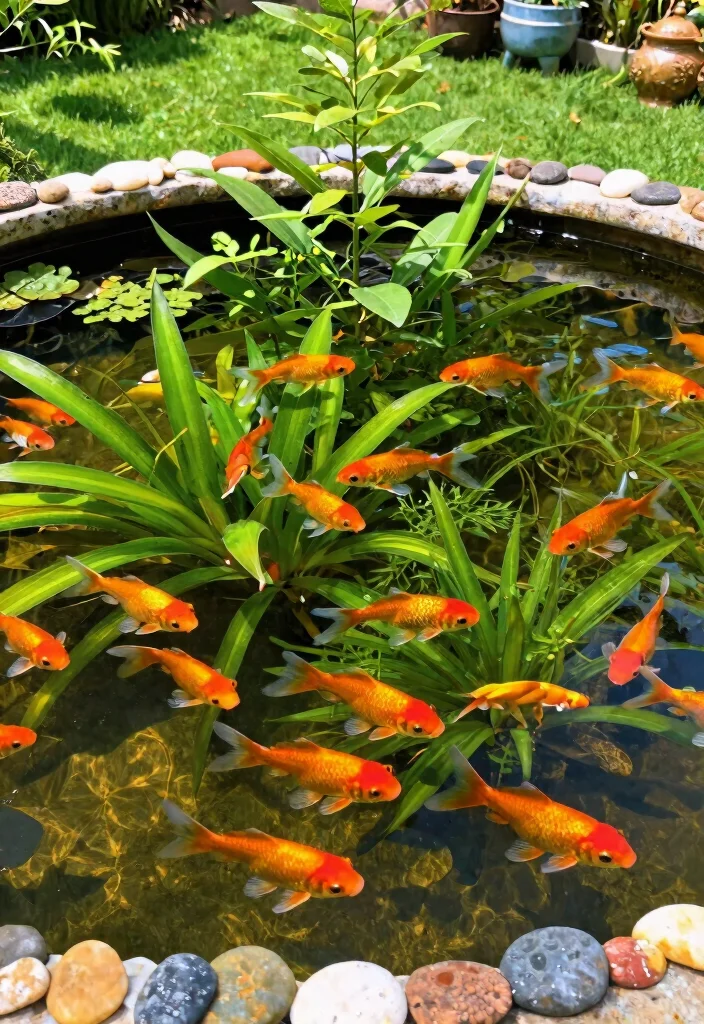
If you want fish in your garden pond, selecting low-maintenance species is crucial. Small fish like goldfish or minnows are hardy, eat algae, and require less feeding. They adapt well to various water conditions, making them perfect for busy lifestyles.
Here are some tips for choosing and caring for your fish:
– Research suitable species for your pond size and climate.
– Avoid overcrowding; fewer fish lead to easier maintenance.
– Feed them once daily with quality fish food, allowing foraging for a hands-off approach.
By choosing low-maintenance fish, you can enjoy aquatic life without the extra worry.
6. Create Natural Shade
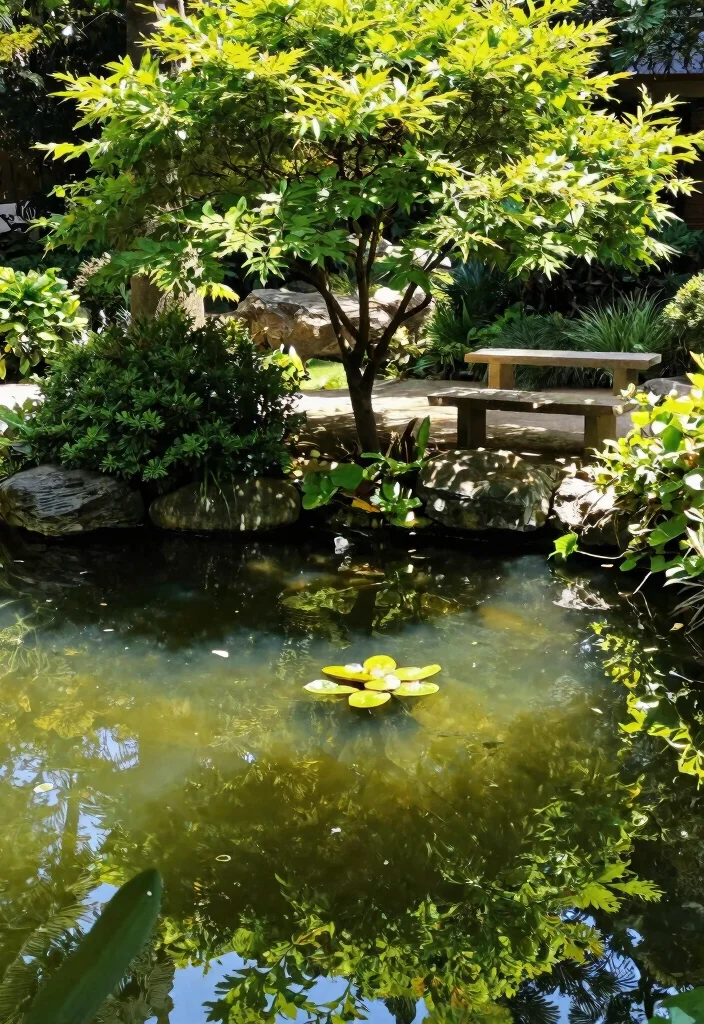
Natural shade helps keep your pond cool and controls algae growth effectively. Planting shrubs or using larger pots can filter sunlight, while trees provide significant shade and enhance your garden’s charm.
Here are some strategies for creating shade:
– Select plants that won’t shed too many leaves into the water, as they can affect water quality.
– Use a pergola or arbor for a shaded seating area by the pond.
– Add floating plants to cover the surface and reduce sunlight exposure.
With natural shade, your pond will maintain stable temperatures and healthier conditions for all its inhabitants.
7. Regular Check-Ups
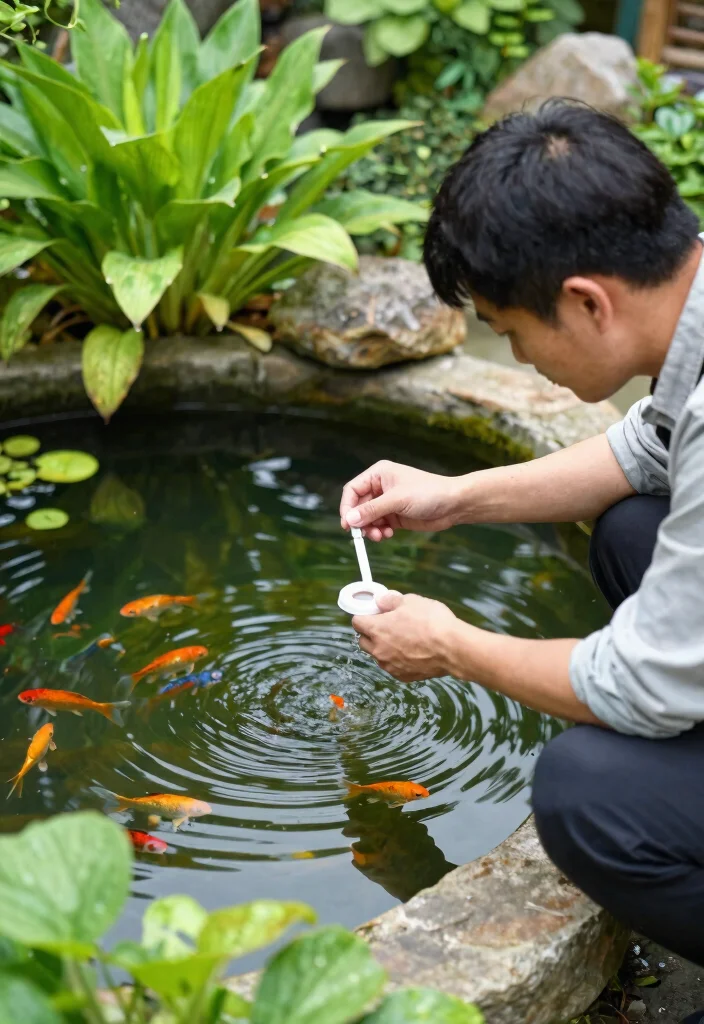
Regular check-ups on your pond will help maintain its health with minimal effort. Take a quick glance at the water clarity, plant health, and fish behavior at least once a week. This simple routine allows you to catch any problems before they escalate.
Here are some key check-up tips:
– Monitor water levels, especially in hot weather, and top off with fresh water as needed.
– Watch your fish for signs of distress or illness, adjusting feeding as necessary.
– Keep an eye out for algae blooms and deal with them quickly to prevent further growth.
By implementing these check-ups, you’ll ensure your pond remains a beautiful, low-maintenance oasis.
Ongoing Maintenance & Care Guide
Maintenance Schedule:
Daily/Weekly Tasks:
– Check Water Level: Ensure the water level stays consistent. This usually takes about 5 minutes. If it drops significantly, you may need to refill it.
– Remove Debris: Look for leaves or debris on the pond surface. Spend about 10 minutes scooping it out to keep the pond clean.
– Observe Fish and Plants: Take a quick look at your fish and plants. Make sure they look healthy and are behaving normally. This should take just a few minutes.
Monthly/Seasonal Tasks:
– Test Water Quality: Check the pH and ammonia levels monthly. This should take around 15 minutes. Healthy water is crucial for fish and plants.
– Clean Filter System: Clean or replace your filter as needed. This task typically takes about 20-30 minutes, depending on the filter type.
– Trim Aquatic Plants: Snip any dead or overgrown leaves from your aquatic plants. This helps them thrive and takes about 15 minutes.
– Inspect Pump and Fountain: Check the pump and fountain system for clogs. This should only take about 10 minutes. Keeping these clear helps with water circulation.
– Apply Algaecide: If you notice algae growth, apply a natural algaecide monthly. This step usually takes around 10 minutes and can save you from bigger problems later.
Maintenance Summary Table:
| Task | Frequency | Difficulty | Time Needed |
|——————————|—————-|————|————–|
| Check Water Level | Daily/Weekly | Easy | 5 minutes |
| Remove Debris | Daily/Weekly | Easy | 10 minutes |
| Observe Fish and Plants | Daily/Weekly | Easy | 5 minutes |
| Test Water Quality | Monthly | Moderate | 15 minutes |
| Clean Filter System | Monthly | Moderate | 20-30 minutes|
| Trim Aquatic Plants | Monthly | Easy | 15 minutes |
| Inspect Pump and Fountain | Monthly | Easy | 10 minutes |
| Apply Algaecide | Monthly | Easy | 10 minutes |
Common Issues to Watch For:
⚠️ Algae Bloom: If your pond water turns green, it’s a sign of excessive algae growth. This can be harmful to fish and plants.
⚠️ Fish Behavior Changes: If your fish are swimming erratically or staying at the surface, check your water quality. They may be stressed due to poor conditions.
⚠️ Odor: A foul smell coming from the pond can indicate rotting organic matter or poor water quality. This indicates you need to clean the pond and address water conditions.
⚠️ Decreased Water Level: If the water level drops faster than usual, check for leaks or evaporation issues.
⚠️ Plant Health Decline: Yellowing or wilting plants may suggest nutrient issues or poor water quality. You may need to test the water and adjust accordingly.
Care Tips:
💡 Use a Pond Skimmer: Invest in a simple pond skimmer to help remove leaves and debris easily. It can save you time and effort.
💡 Balance Fish Population: Avoid overcrowding your pond with fish. A good rule is one inch of fish per gallon of water to maintain a healthy ecosystem.
💡 Feed Fish Sparingly: Only feed your fish what they can eat in 5 minutes. Overfeeding can pollute the water.
💡 Choose Hardy Plants: Select native aquatic plants that are easier to care for. Examples include water lilies and duckweed, which help with natural filtration.
💡 Plan for Seasons: Prepare your pond for each season. In winter, consider covering it to prevent ice formation and protect aquatic life.
Keeping your garden pond maintained doesn’t have to be a chore. By following this ongoing care guide, you can ensure that your pond remains a beautiful, peaceful oasis without too much effort on your part. Enjoy your time by the water!
8. Use Natural Pond Products
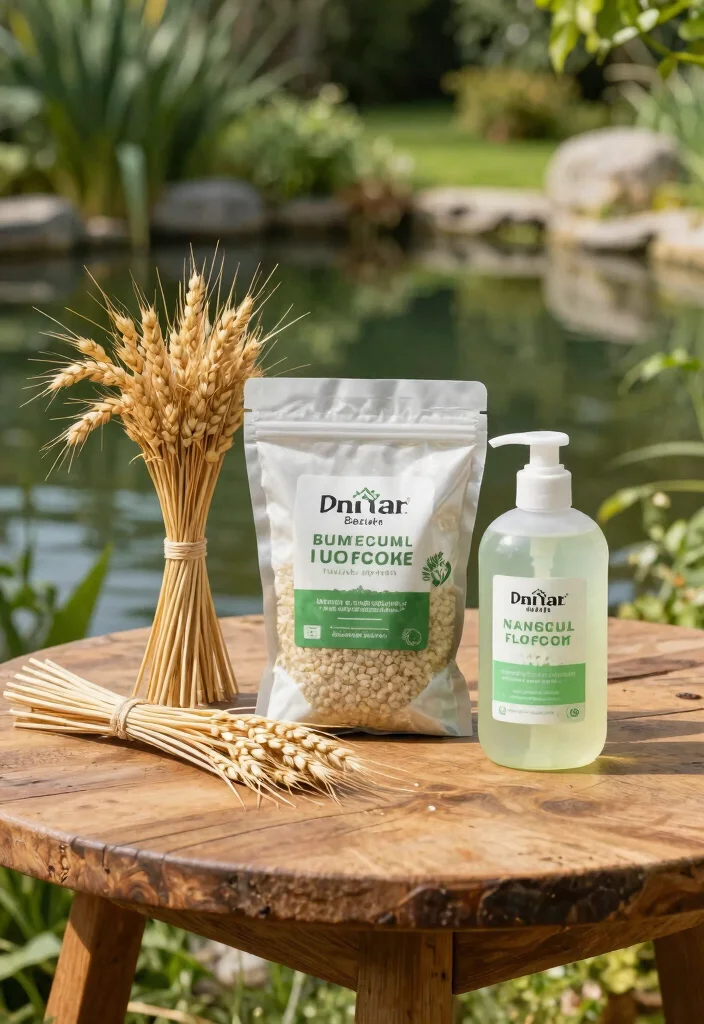
Incorporating natural pond products can simplify maintenance and enhance water quality. Opt for organic solutions for algae control and water balance, avoiding harsh chemicals. These natural options are safer for your fish and plants while effectively keeping your pond clean.
Consider these beneficial products:
– Beneficial bacteria: Helps break down organic matter and keeps water clear.
– Barley straw: Reduces algae growth as it decomposes in your pond.
– Natural flocculants: Clarify muddy water by clumping particles together for easier removal.
Using natural solutions fosters a healthier ecosystem, making maintenance simpler and more effective.
9. Mulch Around the Pond
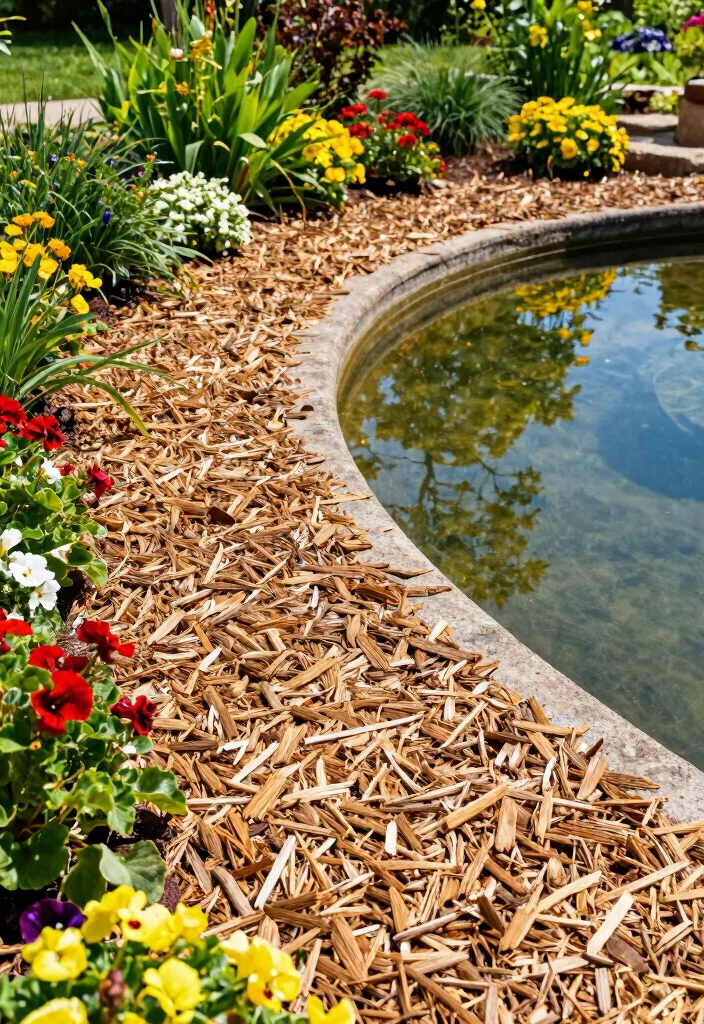
Adding mulch around your pond enhances its appearance and reduces maintenance needs. It helps control weeds, retains soil moisture, and adds nutrients as it decomposes.
Here’s how to effectively use mulch:
– Choose organic materials like wood chips or straw that complement your landscape.
– Apply a 2-3 inch layer around the edges, avoiding direct contact with water.
– Refresh the mulch regularly to keep it looking its best.
This simple touch creates a tidy appearance while supporting your pond’s ecosystem effortlessly.
10. Plan for Winter
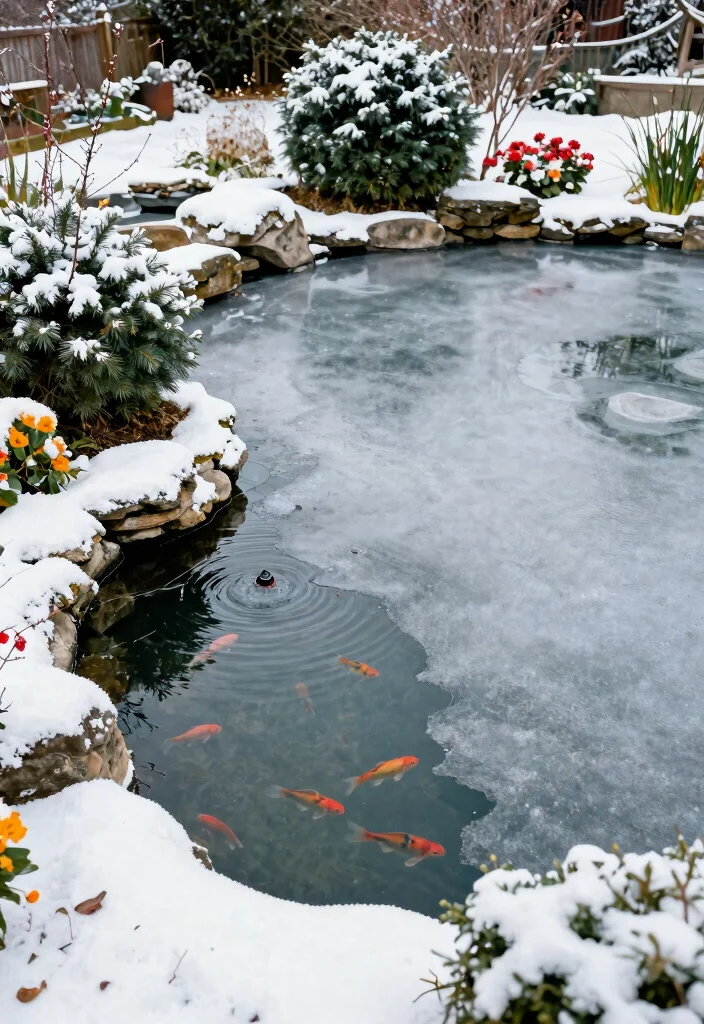
Preparing your garden pond for winter is vital for its longevity, but it doesn’t have to be a daunting task. If you live in colder regions, proper preparation ensures your pond survives the winter months.
Here are some straightforward winter tips:
– Ensure your pond has a depth of at least 24 inches for fish survival during winter.
– Use a pond heater or de-icer to keep a section of the surface open for gas exchange.
– Clean up debris in the fall to prevent excess organic matter from decomposing beneath the ice.
With these simple preparations, your pond will thrive through winter and be ready to flourish in spring.
Low maintenance garden pond tips you can actually use: deepen your pond to at least 24 inches; deeper water equals better fish survival in winter. A 6-12 inch surface opening with a heater or de-icer keeps gas exchange going and makes winter maintenance simpler.
11. Enjoy Your Pond!
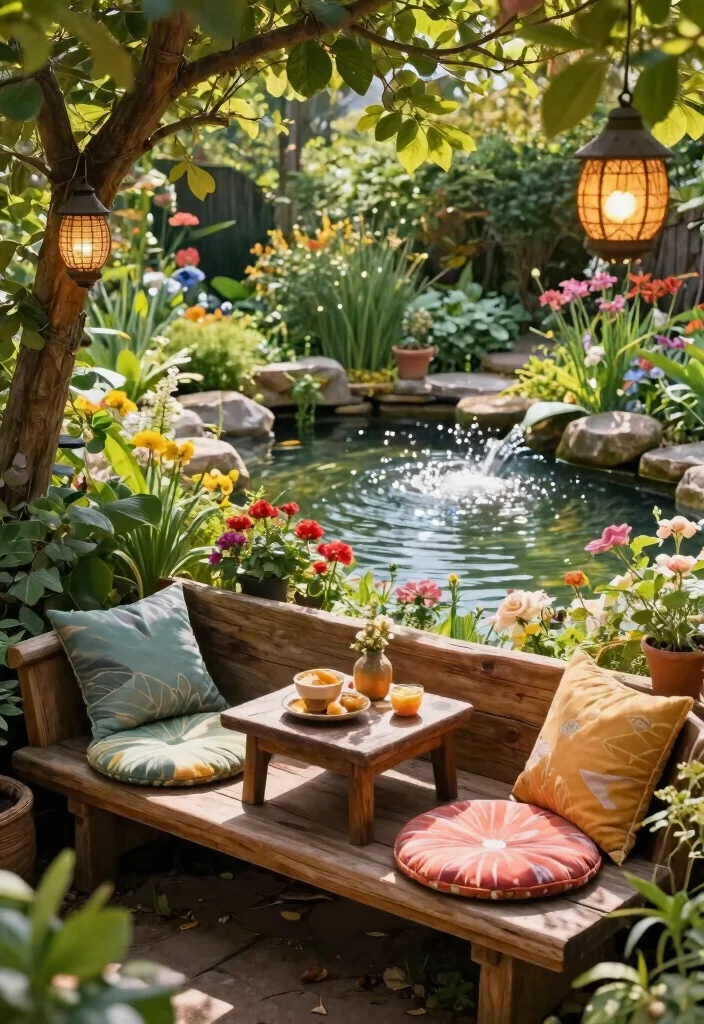
Ultimately, the best tip for your low maintenance garden pond is to simply enjoy it! Create a cozy seating area nearby to relax and take in the beauty of your water feature. Invite friends over for a garden gathering or take a moment each day to unwind by the pond. Remember, gardening should be a joy, not a chore.
Here are some ideas to enhance your enjoyment:
– Add comfortable seating with cushions for a serene spot by the water.
– Incorporate decorative elements like lanterns or garden art to personalize the area.
– Consider a small water feature, like a fountain, to add soothing sounds and enhance relaxation.
Your pond is a retreat, a beautiful addition to your home that deserves to be cherished.
Conclusion
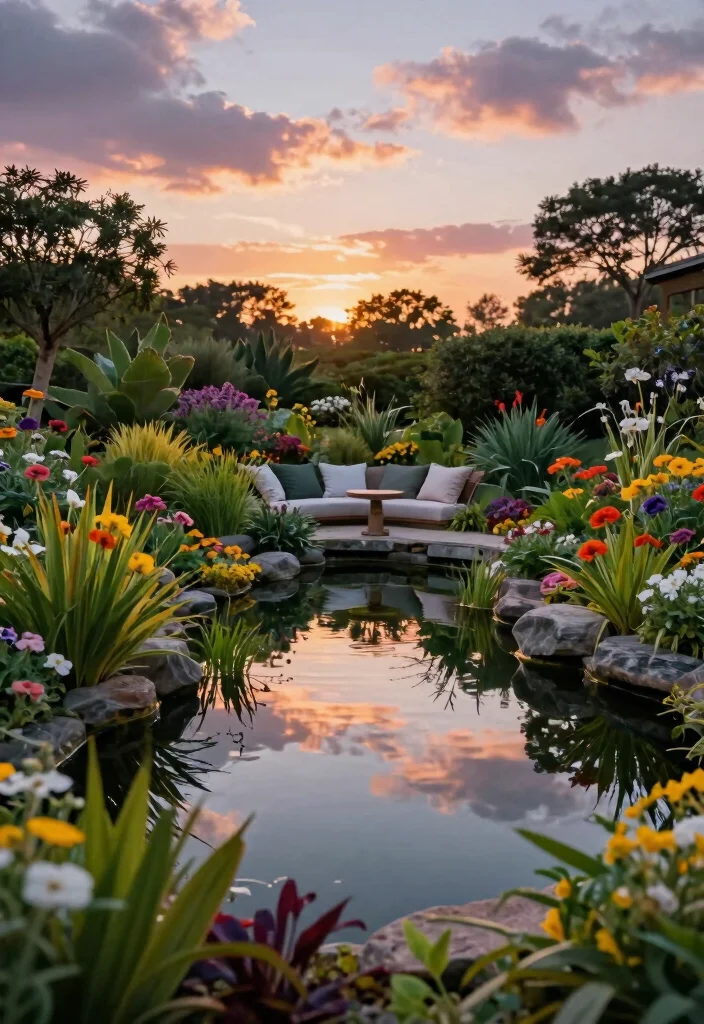
Creating a low maintenance garden pond is an achievable dream, especially with these 11 tips.
By choosing the right container, opting for aquatic plants, and utilizing simple maintenance strategies, your pond can become a beautiful focal point without overwhelming your schedule.
So, take a deep breath and let your pond flourish while you enjoy its beauty, tranquility, and the joy it brings to your outdoor space.
Note: We aim to provide accurate product links, but some may occasionally expire or become unavailable. If this happens, please search directly on Amazon for the product or a suitable alternative.
This post contains Amazon affiliate links, meaning we may earn a small commission if you purchase through our links, at no extra cost to you.
Frequently Asked Questions
What are the top tips for a low maintenance garden pond design that fits a busy lifestyle?
Think simple, manageable, and pretty. Start with a container pond that’s easy to clean and fits a small footprint. Pair it with a compact all‑in‑one pump and filter (UV clarifier optional). Add an auto‑fill/top‑up valve to keep water level steady and cut weekly checks. Choose hardy aquatic plants that require minimal care and plant them in pots to keep roots tidy. Place the pond where it gets some shade to reduce algae, and keep pond landscaping ideas simple to minimize debris. Finally, commit to a straightforward monthly routine: skim leaves, inspect the pump, top up water, and refresh filter media as needed. These low maintenance garden pond tips and easy pond maintenance strategies make garden pond design achievable for any lazy gardener tips.
Which aquatic plants are best for easy pond maintenance and how should I care for them in a container pond?
To keep aquatic plants care easy, choose hardy varieties and keep roots contained in pots. In a container pond, use a mix of floating plants (duckweed, water lettuce) to shade the water and suppress algae, marginal plants (water iris, bog beans) at the edge, and a couple of deeper submerged plants for oxygenation. Plant in baskets with pond soil so you can control growth, and prune dead leaves monthly. Don’t overplant—the right balance makes easy pond maintenance a reality. With these choices, your pond landscaping ideas stay interesting without heavy lifting.
What common mistakes increase maintenance time, and how can lazy gardeners avoid them?
Mistakes that increase maintenance time include overfeeding fish, which creates waste; overcrowding plants or fish; skipping routine filtration and water testing; using chlorinated tap water without a dechlorinator; and letting debris pile up. To avoid them: feed sparingly and only what fish eat in a few minutes, keep plants and fish balanced for the pond size, install a simple all‑in‑one filter with ready‑to‑use media, dechlorinate water before refilling, and skim debris regularly. Following these low maintenance garden pond tips keeps easy pond maintenance manageable and preserves pond landscaping ideas in your garden pond design.
How can I automate pond maintenance to suit a lazy gardener lifestyle?
Automation is your best friend. Use an auto‑top‑up valve on your container pond to maintain water level, a programmable timer for the pump and lights, and a compact all‑in‑one filter that minimizes components. If possible, choose a solar option for cleaner power and quieter operation. Keep a simple water‑quality test routine so you know when to refresh media, but otherwise let the system handle most chores. With these lazy gardener tips, you’ll enjoy low maintenance garden pond tips and easy pond maintenance without daily fuss.
What are practical steps to winterize a container pond while keeping maintenance light?
Winter is about protection and reducing work. If you keep fish, bring them indoors or move them to a winter‑safe setup; otherwise stop feeding and reduce aeration as temperatures drop. Clean and rinse the filter, prune back delicate aquatic plants or move them to a sheltered spot, and insulate the container with foam or pond insulation. Consider a pond heater or de‑icer to prevent a complete freeze, cover the pond at night if needed, and monitor water depth so plants aren’t exposed. These practical steps fit the low maintenance garden pond tips and align with smart garden pond design for colder months.