![11 Cheap Raised Garden Bed Filler Ideas [Save Money on Soil]](https://homedreamly.com/wp-content/uploads/2026/04/11-Cheap-Raised-Garden-Bed-Filler-Ideas-Save-Money-on-Soil.webp)
Gardening can be a fulfilling hobby, but the costs can add up quickly—especially when it comes to filling raised garden beds. If you’ve found yourself scratching your head over expensive soil options, you’re not alone. This post is for anyone who dreams of growing their own vegetables or flowers, but wants to do it on a budget. I created this guide to share some creative and affordable raised garden bed filler ideas that won’t break the bank while helping you cultivate your green thumb.
If you’re looking to garden sustainably while saving money, you’re in the right place! Whether you’re a seasoned gardener or just starting out, this list of low-cost filler options will help you transform your raised beds without emptying your wallet. You’ll discover innovative materials that revive your soil and enhance plant growth. Let’s dive into these 11 budget-friendly ideas that will keep your gardening journey flourishing and eco-conscious.
Key Takeaways
– You can fill your raised garden beds with affordable materials like straw, wood chips, and cardboard, saving money while benefiting your plants.
– Composting kitchen scraps not only reduces waste, but enriches your soil, promoting healthy plant growth.
– Using leaves and yard waste as fillers can turn a landfill problem into valuable garden resources.
– Consider incorporating sustainable practices such as coir from coconut husks and rocks for drainage in your raised beds.
– Upcycling old furniture or materials like tires can give your garden beds character while being budget-friendly and eco-conscious.
1. Straw and Hay
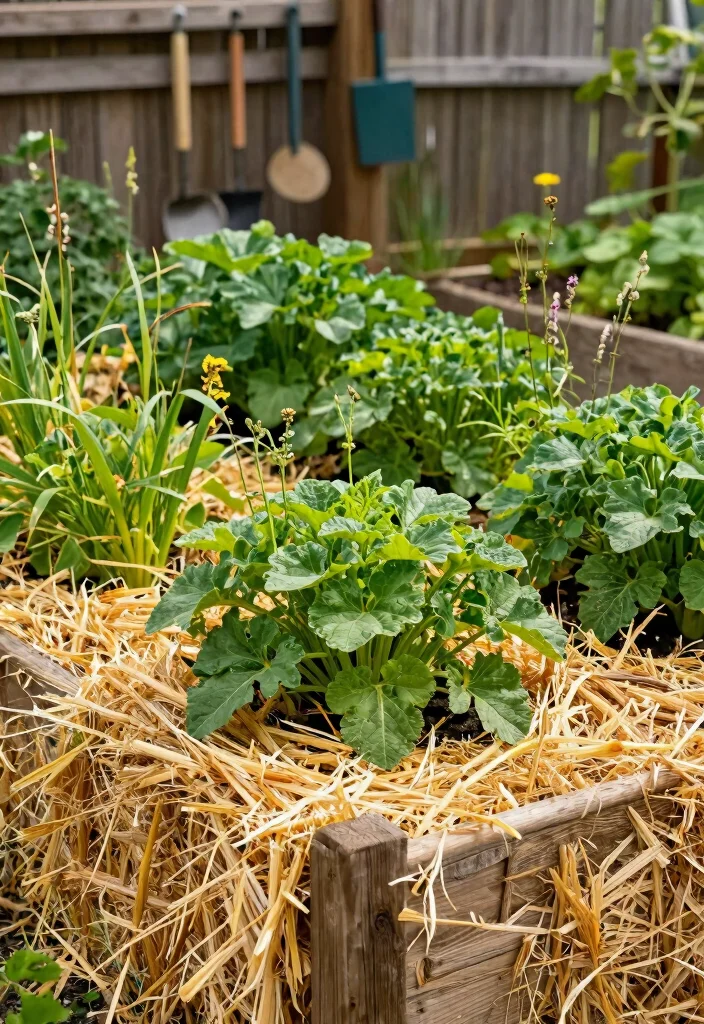
You might be surprised to learn that straw and hay are fantastic, budget-friendly fillers for your raised garden beds. These materials are lightweight, allowing for excellent aeration and moisture retention, which is essential for healthy plant growth. As they break down, they enrich the soil with organic matter, making your garden flourishing and productive.
To get started, simply layer a thick amount of straw or hay at the bottom of your raised bed. Follow this with compost or topsoil to create a healthy growing environment. This method also minimizes the need for frequent watering during hot spells and helps keep pesky weeds at bay. It’s a great way to recycle materials from local farms or even your backyard!
Key tips for using straw and hay:
– Choose straw over hay to avoid unwanted seeds
– Check local farms for affordable straw bales
– Layer with compost for added nutrients
This simple approach not only saves money but also supports a thriving garden ecosystem.
Fun fact: A thick straw or hay layer at the bottom acts like a natural sponge, holding moisture for about 2–3 weeks and improving aeration. It’s one of the budget-friendly raised garden bed filler ideas that keeps roots happy and watering smarter.
2. Wood Chips and Mulch
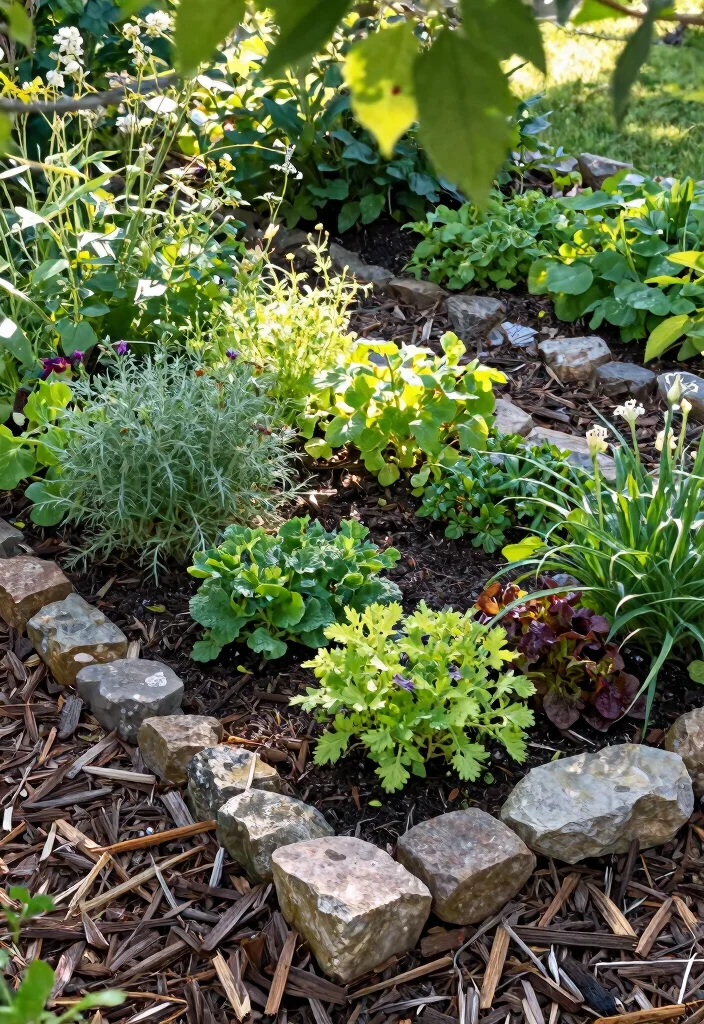
Consider using wood chips or mulch for filling your raised beds. Not only do they give your garden a polished look, but they also effectively help maintain consistent soil temperature and moisture levels. As wood chips decompose, they release essential nutrients back into the soil, enhancing its overall quality.
To implement this, you can purchase wood chips from garden centers or even gather them for free from local tree services. Spread a generous layer at the bottom of your raised bed, and watch your soil improve over time. Mixing hardwood chips with faster-decomposing materials can speed up the process for better results.
Quick tips for using wood chips:
– Mix different types of wood chips for color variety
– Avoid treated wood to prevent chemical leaching
– Layer with compost for added benefits
This method not only beautifies your garden but also promotes healthy soil.
Wood chips and mulch are budget-friendly bed fillers that do more than look neat. They stabilize soil temperature and moisture, and as they decompose, they feed your soil—just snag them from local tree services or the garden center.
3. Cardboard and Newspaper
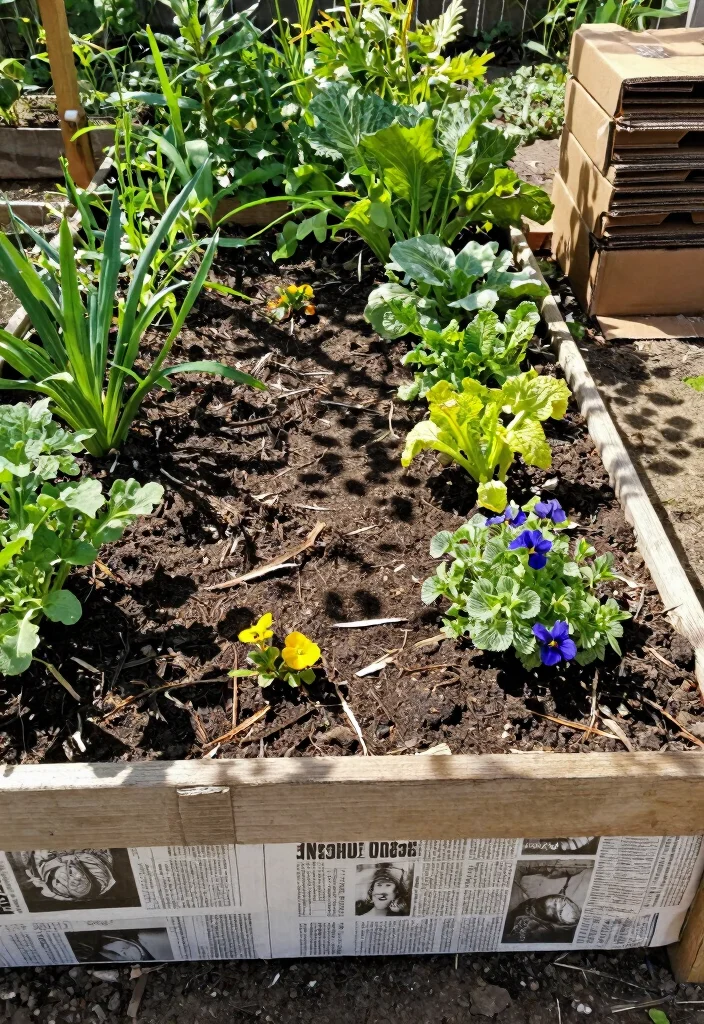
You may find cardboard and newspaper to be unexpectedly effective materials for your raised beds. Just be sure to use non-glossy, unprinted paper to avoid introducing harmful chemicals into your soil. These items can help suppress weeds and enrich your soil as they decompose over time.
To use, layer cardboard or newspaper at the bottom of your raised bed, which also helps retain moisture—a key factor for plant growth. After laying down the cardboard, you can add organic materials like compost or straw on top for additional nutrients.
Helpful tips for cardboard and newspaper:
– Wet the cardboard beforehand to speed up decomposition
– Use this as a fun recycling project with your kids
– Layer with other organic materials for best results
This approach not only recycles waste but also engages the whole family in gardening.
4. Compost and Kitchen Scraps
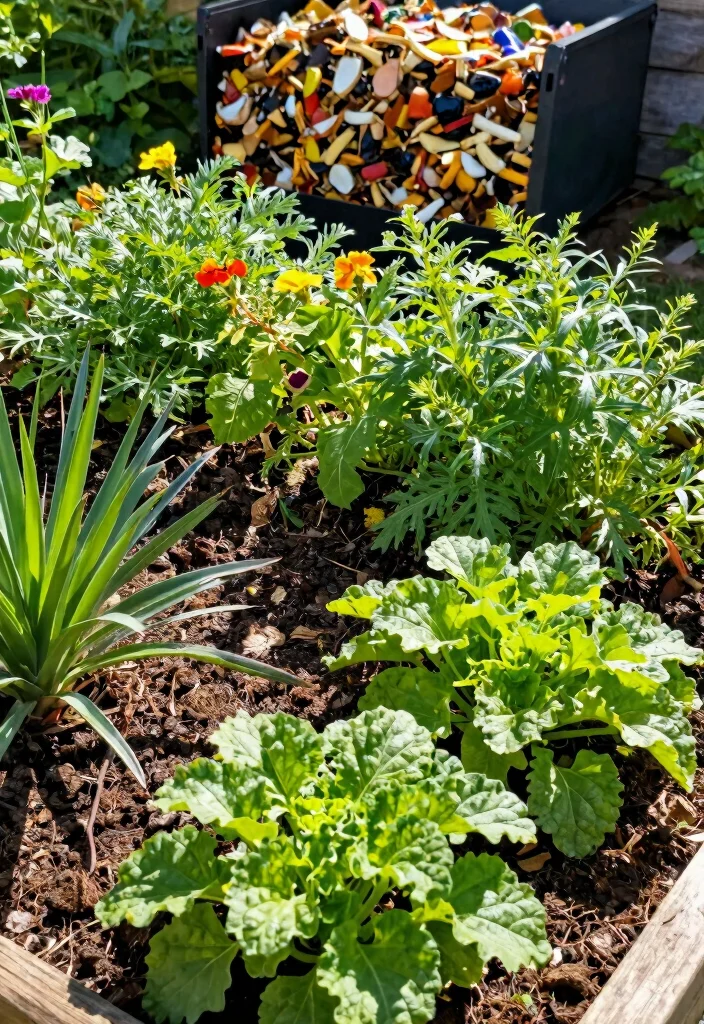
Utilizing compost and kitchen scraps can significantly enhance your garden’s nutrient levels while reducing waste. Instead of discarding vegetable peels, fruit scraps, or coffee grounds, toss them into your compost bin. Once they’re fully decomposed, they create a rich soil amendment perfect for filling your raised beds.
By incorporating compost, you save money and practice sustainable gardening, creating a closed-loop system right in your backyard! When filling your raised beds, layer compost at the bottom and mix it with other fillers for a nutrient-rich environment.
Key points for compost use:
– Regularly turn your compost for optimal results
– Balance kitchen scraps with dry materials to deter pests
– Use finished compost for best soil enrichment
This method not only improves soil quality but also supports eco-friendly gardening.
Key Trade-offs & Our Top Pick
When choosing the right filler for your raised garden bed, you have several options that can save you money while being eco-friendly. Here’s a breakdown of some of the best choices to help you decide.
Option 1: Straw and Hay
– Pros:
– Inexpensive and readily available.
– Lightweight, making it easy to transport.
– Excellent for moisture retention.
– Cons:
– May break down quickly, requiring replacement.
– Can attract pests if not well-contained.
– Not the best choice for heavy feeders.
– Best for: Gardeners looking for a quick, budget-friendly option that aids in moisture retention.
Option 2: Wood Chips and Mulch
– Pros:
– Provides excellent drainage and aeration.
– Can be sourced for free from local tree trimming services.
– Breaks down slowly, enriching the soil over time.
– Cons:
– Can compact over time, reducing aeration.
– May require regular topping off to maintain depth.
– Some types may leach nitrogen when decomposing.
– Best for: Those seeking a sustainable option that improves soil quality over time.
Option 3: Cardboard and Newspaper
– Pros:
– Readily available and often free.
– Suppresses weeds effectively.
Breaks down into organic matter, enriching the soil.
– Cons:
– Can be slow to decompose initially.
– Needs to be layered properly to avoid matting.
May attract pests if not covered adequately.
– Best for: Budget-conscious gardeners looking for an eco-friendly way to suppress weeds.
Option 4: Compost and Kitchen Scraps
– Pros:
– Provides rich nutrients for plants.
Reduces waste and is environmentally friendly.
Helps improve soil structure and moisture retention.
– Cons:
– Requires time and effort to compost properly.
Needs to be balanced with other materials to avoid odor.
Not all scraps are suitable, so careful selection is essential.
– Best for: Those who are willing to invest time for the sake of soil health and plant growth.
Expert Recommendation:
Best Overall: Compost and Kitchen Scraps
Compost and kitchen scraps stand out as the top choice for many gardeners. They provide great value for money since they recycle waste into nutrient-rich soil. This option is easy to use once you get the hang of it, and it’s highly versatile. You can tailor your compost mix based on what your plants need, making it a sustainable practice that pays off in the long run.
Why We Picked This:
We chose compost and kitchen scraps because they offer the best balance of cost, nutrients, and environmental impact. However, if you’re after something immediately available or need to suppress weeds, straw, or cardboard might suit you better. Each option has its unique benefits, so consider what works best for your gardening style and needs.
5. Leaves and Yard Waste
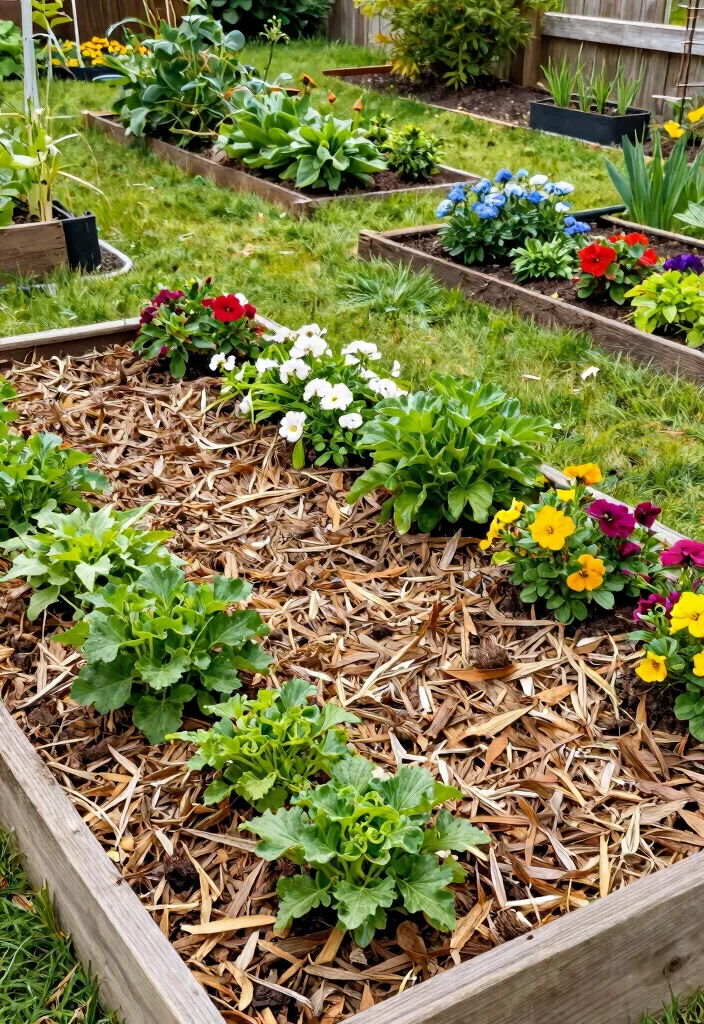
Leaves and yard waste can be excellent fillers for your raised beds, often overlooked by many gardeners. Shredded leaves are particularly beneficial as they break down quickly, enhancing soil structure and fertility. Instead of bagging up those autumn leaves, consider using them to enrich your garden.
Simply shred the leaves with a lawn mower or rake them into smaller pieces and layer them in your raised beds. They help retain moisture and provide organic matter as they decompose, which is beneficial for your plants.
Useful tips for using leaves:
– Mix in yard waste like grass clippings or small twigs
– Ensure the leaves are dry for better decomposition
– Use a mix of materials for balanced soil
This method not only improves soil health but also promotes a diverse ecosystem in your garden.
6. Peat Moss
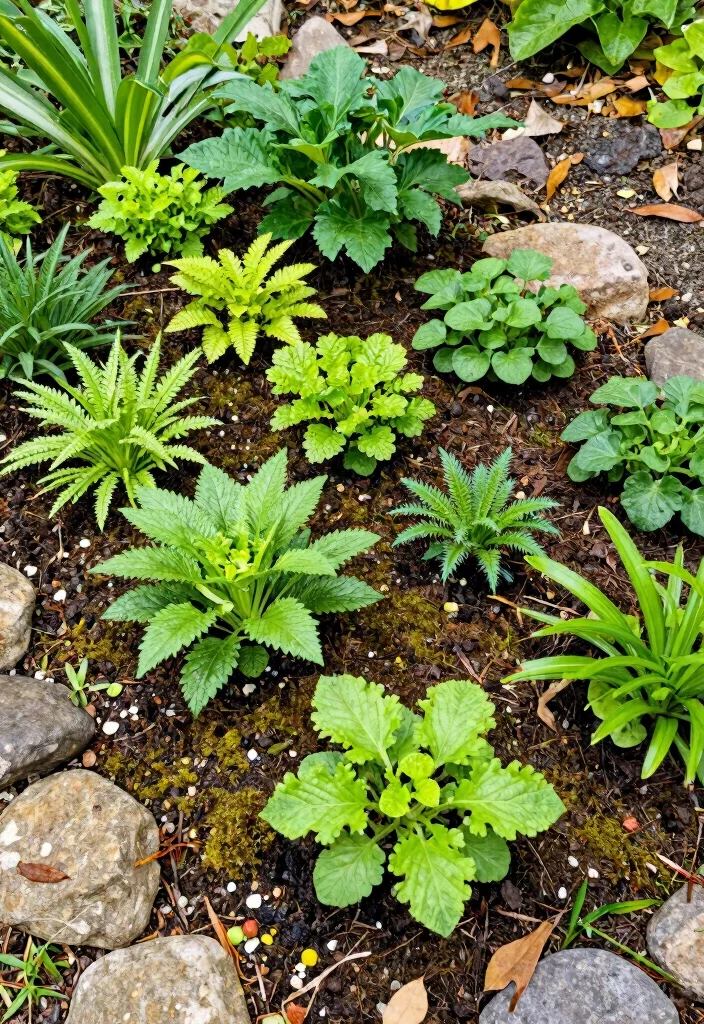
Peat moss is a classic filler choice known for its lightweight properties and excellent moisture retention. While it may not be the cheapest option, sourcing it sustainably can be economical in the long run. It helps maintain moisture levels, which is particularly beneficial for plants that prefer damp conditions.
To use peat moss, layer it at the bottom of your raised bed to create a healthy environment for your plants. Be mindful of its environmental impact; choose sustainably harvested products whenever possible.
Key tips for using peat moss:
– Mix peat moss with other fillers for improved soil texture
– Consider its drainage benefits in heavy soils
– Avoid overusing to maintain ecological balance
This method supports healthy plant growth and enhances soil quality.
7. Coconuts and Coir
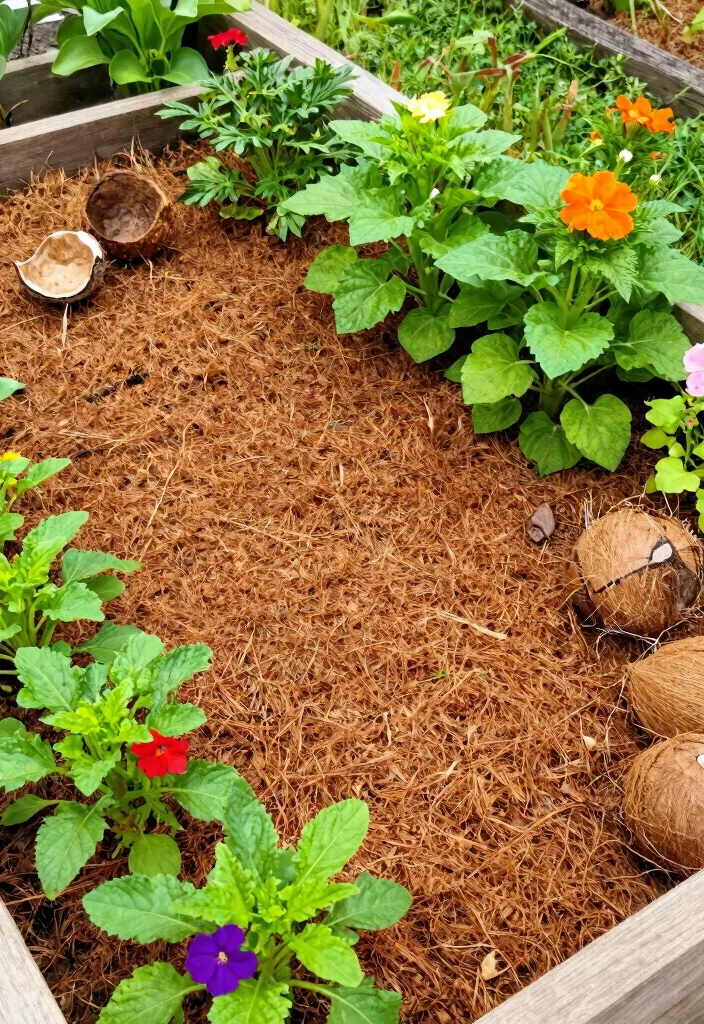
You might want to try coconut coir, a remarkable filler option gaining popularity in sustainable gardening. Made from the fibrous husk of coconuts, this renewable resource excels in moisture retention while providing good aeration. It’s especially beneficial in areas prone to drought.
To use coir, soak it in water until it expands, then mix it with other fillers or soil. This prevents soil compaction while creating a lush environment for your plants.
Helpful tips for coconut coir:
– Look for sustainably sourced coir products
– Mix with organic materials for versatility
– Use it to enhance moisture retention in dry areas
This approach not only boosts plant health but also promotes eco-friendly practices.
8. Rocks and Gravel
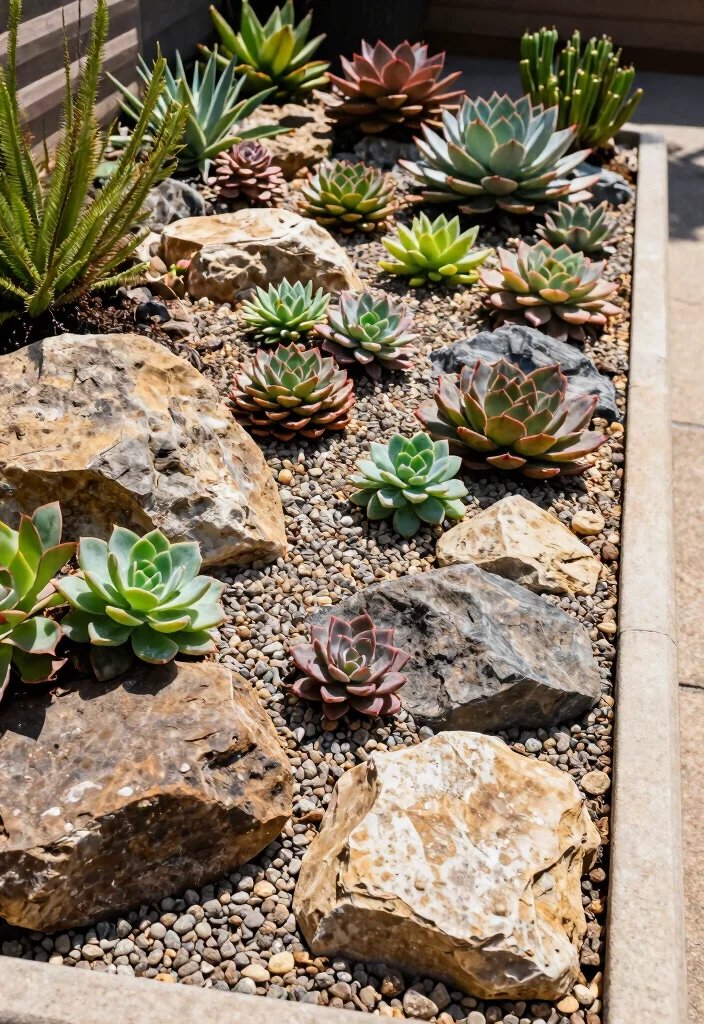
Rocks and gravel can be excellent fillers for raised beds, especially for plants that thrive with good drainage. They help prevent soil erosion during heavy rain and improve overall soil structure. When using rocks or gravel, ensure they are clean and free from chemicals.
Layer them at the bottom of your raised bed, followed by lighter materials like compost and soil for a well-draining environment. This method is particularly effective for succulents, cacti, or herbs that prefer dry conditions.
Quick tips for using rocks and gravel:
– Use a mix of different sizes for texture
– Ensure proper drainage to avoid waterlogging
– Layer with organic materials for best results
This method reduces soil needs, saving money while creating a functional garden.
9. Concrete Blocks and Bricks
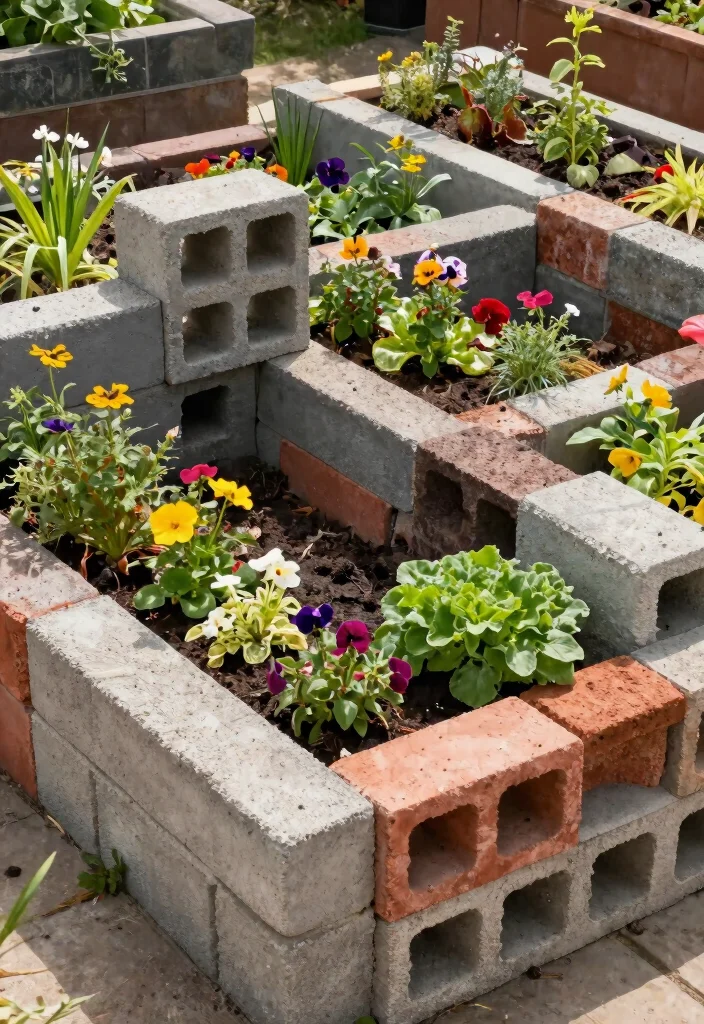
Concrete blocks and bricks present a sturdy and creative filler option for raised beds, especially for decorative purposes. Using these materials elevates plants, improving drainage while adding visual interest to your garden design. They’re perfect for repurposing leftover materials from other projects.
Arrange the blocks or bricks securely and fill the gaps with soil or organic material. This not only creates a unique aesthetic but also allows easy access to your plants.
Essential tips for concrete blocks and bricks:
– Paint the blocks or bricks for a personalized touch
– Arrange them in stable patterns for safety
– Use them to improve airflow around plants
This approach enhances garden aesthetics while promoting healthy plant growth.
10. Tires and Recycled Materials
Tires and recycled materials can provide a quirky, eye-catching filler for your raised beds. Old tires can be stacked and filled with soil, making unique planters for vegetables, herbs, or flowers. This not only adds a fun touch but also promotes recycling, appealing to eco-conscious gardeners.
To use, stack the tires and fill them with a blend of soil and compost for good drainage. Additionally, consider cutting up plastic bottles or containers and adding them to your raised bed for extra filler.
Fun tips for using tires and recycled materials:
– Paint the tires to create a playful garden atmosphere
– Experiment with different stacking designs
– Mix in other recycled items for added interest
This method is budget-friendly and encourages a creative approach to gardening.
11. Old Furniture and Wooden Pallets
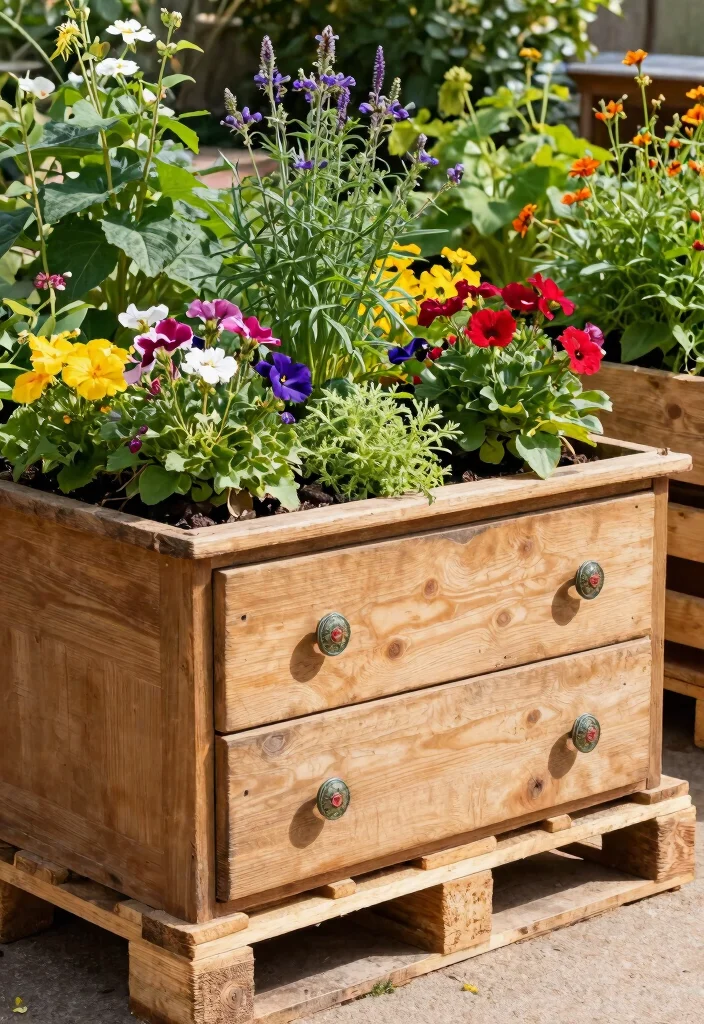
Old furniture and wooden pallets can be repurposed into stylish and functional raised beds while providing a unique filler option. Transforming items like dressers or bookshelves allows for creative designs that stand out in your garden. Breaking down wooden pallets can also contribute to a rustic look.
This method gives your garden a personalized touch while helping to reduce waste. When using pallets, ensure they are untreated to prevent harmful chemicals from leaching into your soil.
Key tips for using old furniture and pallets:
– Sand down rough edges for safety and aesthetics
– Arrange creatively for visual appeal
– Use leftover materials to enhance your garden’s design
This approach not only saves money but also adds character to your gardening space.
Fun fact: upcycling old furniture and pallets is one of the best raised garden bed filler ideas, slashing soil costs by 40-60%. This eco-friendly filler adds character and sturdy structure—just ensure pallets are untreated.
Conclusion
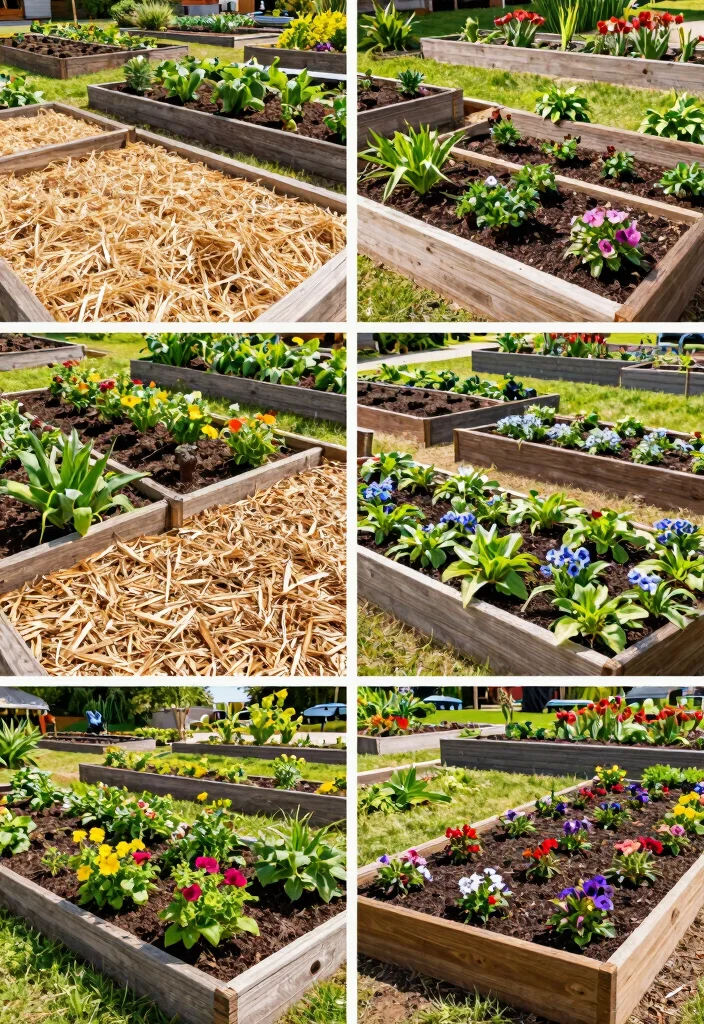
With these 11 cheap raised garden bed filler ideas, you can transform your gardening experience while saving money and promoting sustainability. From using kitchen scraps to creative recycling, every option offers unique benefits. Don’t hesitate to experiment with different fillers and find what works best for your garden.
Sustainable gardening practices are not just about saving money; they’re about nurturing the Earth and creating beauty. Share your own gardening experiences and let us know which of these ideas inspired you the most!
Note: We aim to provide accurate product links, but some may occasionally expire or become unavailable. If this happens, please search directly on Amazon for the product or a suitable alternative.
This post contains Amazon affiliate links, meaning we may earn a small commission if you purchase through our links, at no extra cost to you.
Frequently Asked Questions
What are raised garden bed filler ideas that won’t break the bank?
Here are budget-friendly raised garden bed filler ideas that still boost soil health: start with a base of compost from kitchen scraps and yard waste (great if you compost at home); add leaf mold for a long-lasting, nutrient-rich structure; mix in well-rotted manure if you have access; tuck in straw or shredded leaves for carbon-rich material that improves moisture retention; layer cardboard or newspaper to smother weeds and create a smooth bed bottom; top with a portion of garden soil or a light topsoil + compost mix. A simple layering method (nutrient-rich base, carbon-packed middle, light top layer) keeps costs down while delivering a healthy root zone.
Tip: avoid materials that compact or release weed seeds; source locally when possible and reuse yard waste whenever you can. This approach aligns with sustainable gardening practices and uses soil alternatives for raised beds that are friendly to the planet and your wallet.
How can I use cheap garden bed options while staying eco-friendly with sustainable gardening practices?
Start by sourcing freebies or low-cost inputs from neighbors and local green waste programs: leaves, grass clippings, coffee grounds, shredded paper, and cardboard; combine with DIY compost to create leaf mold and compost for your bed. Use a layering method to build soil alternatives for raised beds that are budget-friendly and sustainable. Mulch well to conserve moisture and reduce watering. Avoid peat-based products and synthetic fertilizers; opt for compost tea or worm castings when available. This keeps budget-friendly gardening at the core and supports sustainable gardening practices.
What soil alternatives for raised beds are budget-friendly and sustainable?
Great options include leaf mold, finished compost, and well-rotted manure (where allowed). Layer with straw or shredded leaves to add carbon and improve drainage. Use cardboard beneath to suppress weeds, then top with a mix of soil and compost. For a simple ratio, aim for a base of nutrient-rich compost plus carbon materials, topped with a lighter topsoil layer. These soil alternatives for raised beds keep costs down while delivering a healthy growing environment and align with budget-friendly gardening and sustainable gardening practices.
What is a quick DIY garden bed filler plan I can start today?
Here’s a simple plan you can follow:
1) Gather materials: cardboard/newspaper, leaves, straw, compost, topsoil, water.
2) Clear the bed and water it lightly.
3) Line the bed with damp cardboard or newspaper to smother weeds.
4) Add 2–3 inches of compost mixed with well-rotted manure if available.
5) Layer 6–8 inches of carbon-rich material like straw or shredded leaves.
6) Top with 2–3 inches of garden soil or a light topsoil + compost mix.
7) Mulch with straw or wood chips to lock in moisture. Plant or seed, then replenish with a yearly top-dress of compost. This DIY garden bed filler plan is practical and inexpensive.
How can I maximize budget-friendly gardening and sustainable gardening practices when filling raised beds?
Plan crops to minimize fertilizer needs and rotate them every season to keep soil healthy. Replenish with homemade compost and leaf mold rather than buying new soil mixes. Mulch aggressively to reduce water use and weed growth, and collect rainwater for irrigation. Reuse and recycle materials like cardboard, leaves, and grass clippings, and avoid peat-based amendments. Regularly refresh the bed with a light top-dress of compost and monitor drainage to prevent compaction. These steps help you grow more sustainably while keeping costs low.