Spring is a time for renewal, and what better way to embrace the season than by transforming your yard into a tranquil oasis with a stunning garden pond? With warmer weather beckoning us outside, many of us find ourselves craving a peaceful retreat in our backyards. Whether you’re looking to attract wildlife, enhance your garden aesthetic, or simply enjoy the soothing sounds of water, creating a pond can be a delightful project. That’s why I compiled these spring garden pond ideas to help you wake up your yard and make the most of the vibrant season.
If you’re a gardening enthusiast, nature lover, or someone simply seeking ways to improve your outdoor space, this post is for you. You’ll discover a variety of pond designs that cater to your specific interests and eco-friendly values. From DIY projects to unique water features, I’ve gathered nine refreshing ideas that are sure to inspire you. Each concept is crafted to complement your garden while offering benefits like enhancing biodiversity and creating a serene environment.
In this guide, you’ll learn how to incorporate various aquatic plants, select materials, and even implement your own DIY garden pond projects. Prepare to immerse yourself in the joy of creating a beautiful water feature that will not only elevate your yard but also provide a sanctuary for both you and local wildlife. Let’s dive in and explore these vibrant spring garden pond ideas!
Key Takeaways
– Explore unique garden pond designs that can transform your outdoor space into a serene retreat.
– Discover backyard water features like waterfalls and solar-powered ponds to enhance your garden’s appeal and functionality.
– Learn spring landscaping tips that incorporate aquatic plants, making your pond not only beautiful but also beneficial to the environment.
– Consider simple DIY garden pond projects that fit any size yard, allowing you to create a personal touch while sticking to your budget.
– Find inspiration for eco-friendly options like wildlife-friendly ponds that attract beneficial creatures to your garden, boosting biodiversity.
1. Solar-Powered Garden Pond
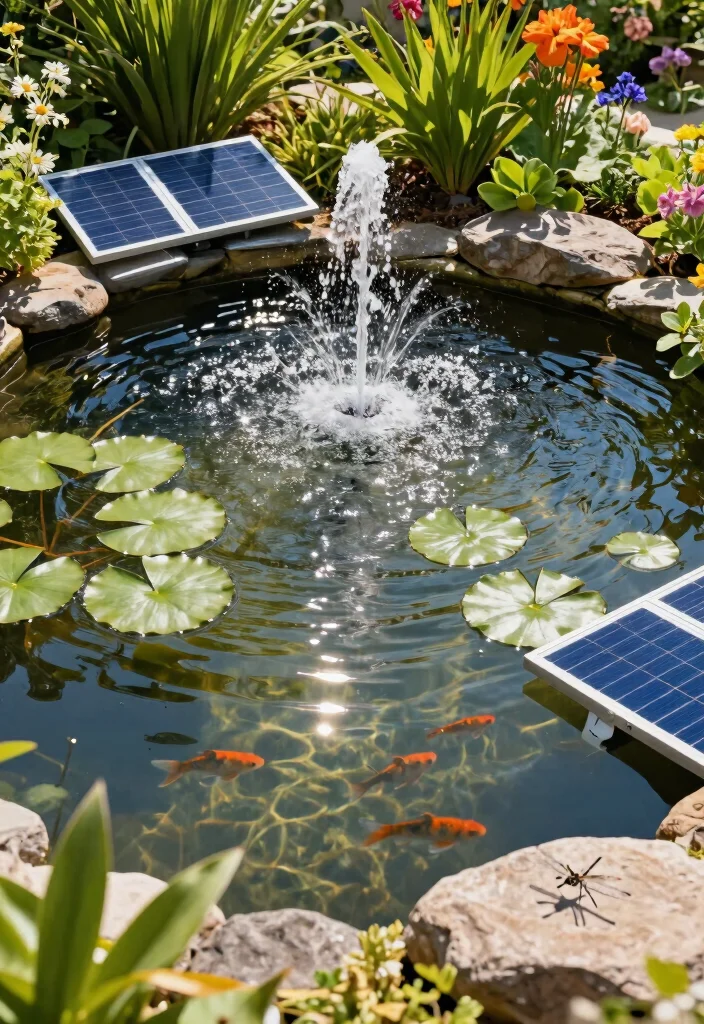
Imagine a garden pond that runs entirely on solar energy! This eco-friendly choice not only reduces your carbon footprint but also introduces a sleek, modern vibe to your yard. With a solar pump, the water stays fresh and lively, inviting birds and butterflies to visit. Picture vibrant lily pads soaking up the sun while colorful fish swim beneath the surface.
Start by selecting a pump that matches your pond size for optimal efficiency. Enhance the ambiance by adding solar lights around your pond for enchanting nighttime views. Choose local aquatic plants that flourish in your region to support biodiversity. Incorporate natural stones and logs, creating inviting spaces for wildlife. Don’t forget to clean the solar panels regularly to keep everything running smoothly.
Key features to consider:
– Choose an energy-efficient solar pump suitable for your pond size
– Add solar lights for a magical evening glow
– Select native plants to promote local wildlife
– Incorporate natural materials for habitat spaces
– Regularly clean solar panels for optimal performance
This solar-powered pond not only enhances your garden’s beauty but also showcases your commitment to sustainability.
2. Natural Rock Pond
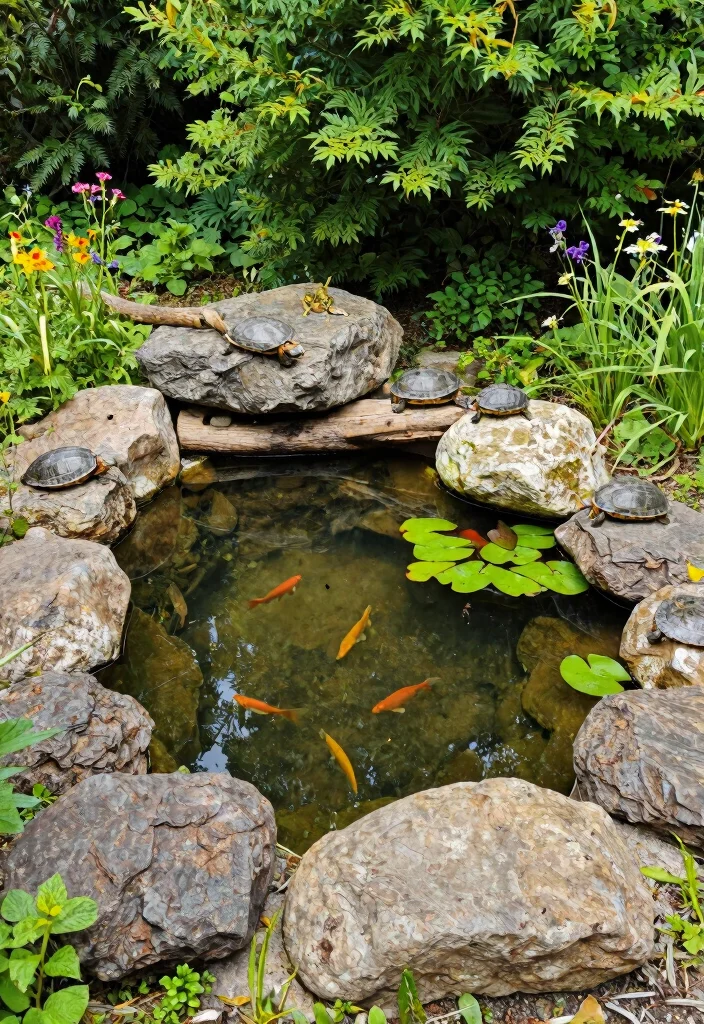
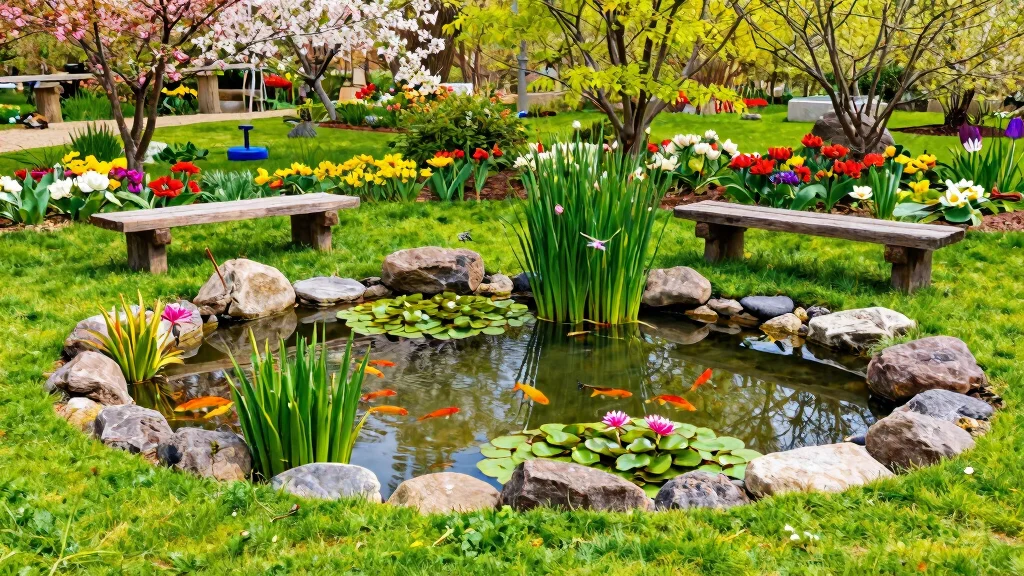
Transform your outdoor space with a stunning natural rock pond that fits perfectly into your landscape. This design brings an organic feel to your garden, making it an excellent habitat for local wildlife. It mimics the charm of nature, encouraging frogs, birds, and aquatic plants to thrive together.
Begin by using rocks of various sizes to create visual interest and depth. Choose native plants that flourish in your area, like water lilies or marsh marigolds, to enhance the ecosystem. Introduce fish to help manage mosquito populations while adding life to the pond. Create log edges for frogs and turtles to bask upon, making it a welcoming environment. Regular maintenance is key; always check for algae and ensure the water remains clear.
Essential elements to include:
– Use diverse rock sizes for depth and texture
– Plant native species suited for your local climate
– Add fish to help control pests
– Incorporate logs for wildlife basking spots
– Maintain water quality regularly to prevent algae
This natural rock pond becomes a delightful focal point while supporting a vibrant, healthy ecosystem.
3. Container Water Garden
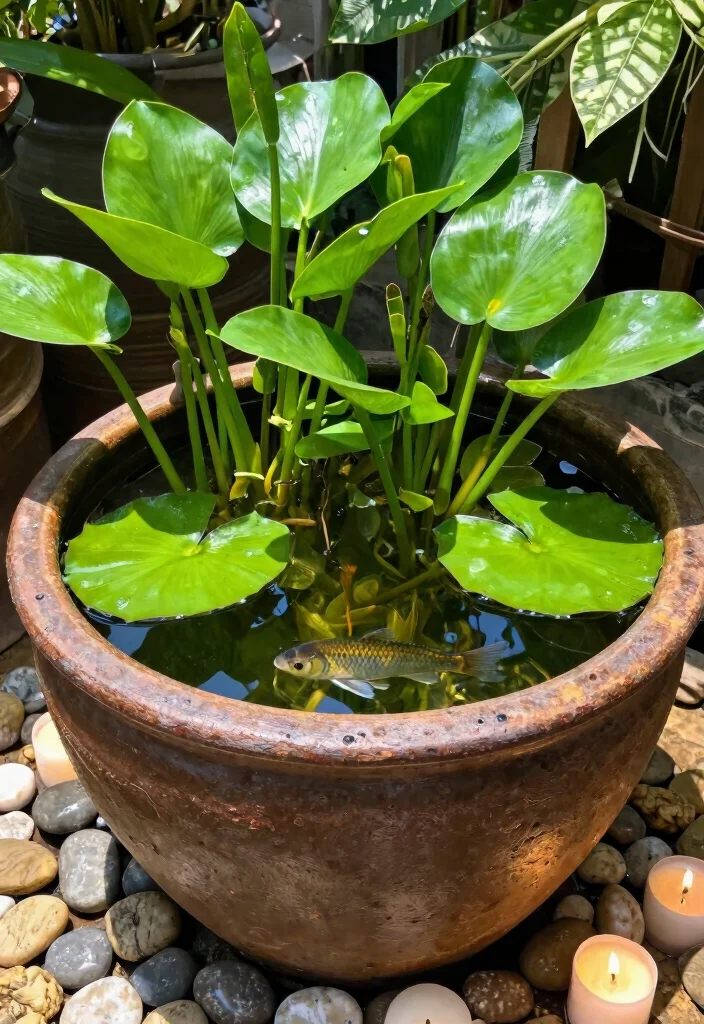
Short on space? A container water garden is a perfect solution to bring a touch of paradise to your patio! Using large pots or troughs, you can create a miniature pond filled with vibrant aquatic plants and lively fish. It’s an easy way to add flair to your outdoor area without extensive landscaping.
Opt for containers that are at least 12 inches deep to accommodate plant roots. Choose resilient plants like water hyacinths or dwarf cattails, which thrive in contained environments. Consider housing small fish, such as goldfish, to keep your water clean and active. Enhance the charm with decorative elements like floating candles for a romantic evening setting. Remember to ensure your container has drainage holes to prevent overflow during heavy rain.
Steps to create your container garden:
– Choose deep containers for plant roots
– Plant hardy species like water hyacinths
– Include small fish to maintain water quality
– Add decorative touches for ambiance
– Ensure proper drainage to avoid overflow
A container water garden not only beautifies your space but also offers a delightful escape into nature, all while requiring minimal maintenance.
4. Garden Pond with a Waterfall
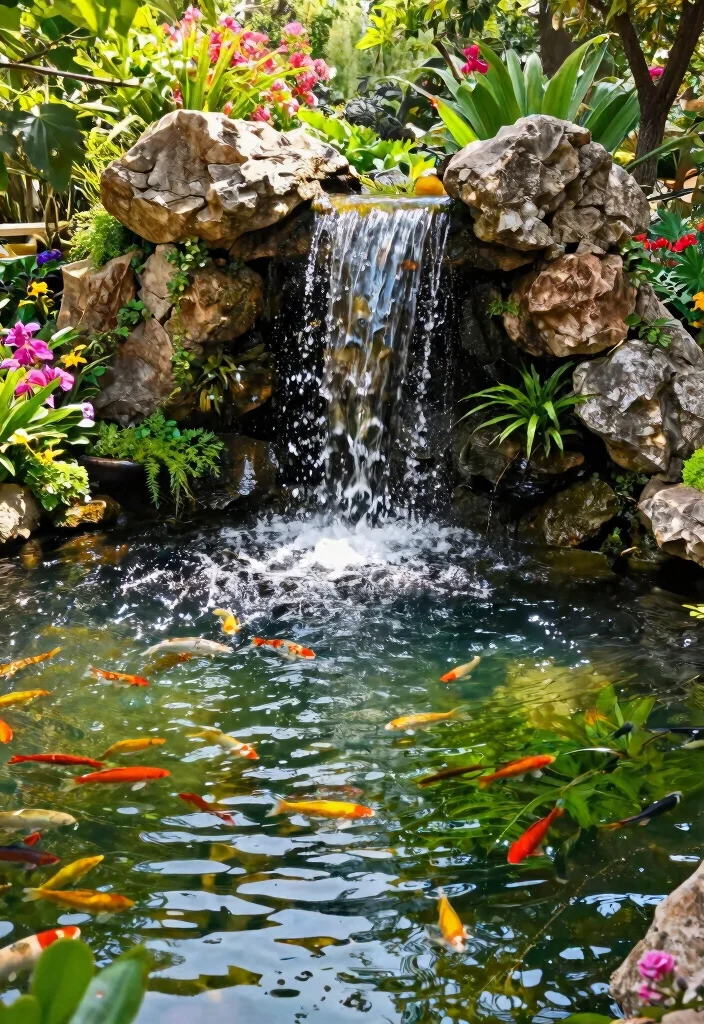
Elevate your garden’s aesthetic with a stunning pond featuring a graceful waterfall! The soothing sound of trickling water creates a peaceful atmosphere, perfect for relaxation. This design not only enhances visual appeal but also helps aerate the water, benefiting local fish and plants.
Use natural stones to construct your waterfall for an authentic appearance. Plan the waterfall’s height and flow to achieve the desired sound and visual effect. Ensure your pond is deep enough to support both fish and plant life. Incorporate a variety of aquatic plants for added beauty and habitat diversity. Regularly check the water flow to prevent any blockages that could disrupt the serene environment.
Important features to consider:
– Use natural stones for a realistic waterfall
– Plan the height for desired sound and visuals
– Ensure the pond is deep for fish and plants
– Select diverse aquatic plants for beauty
– Monitor water flow to avoid blockages
This waterfall pond design transforms your garden into a lush retreat, inviting you to unwind and appreciate nature’s wonders.
5. Eco-Friendly Pond with Native Plants
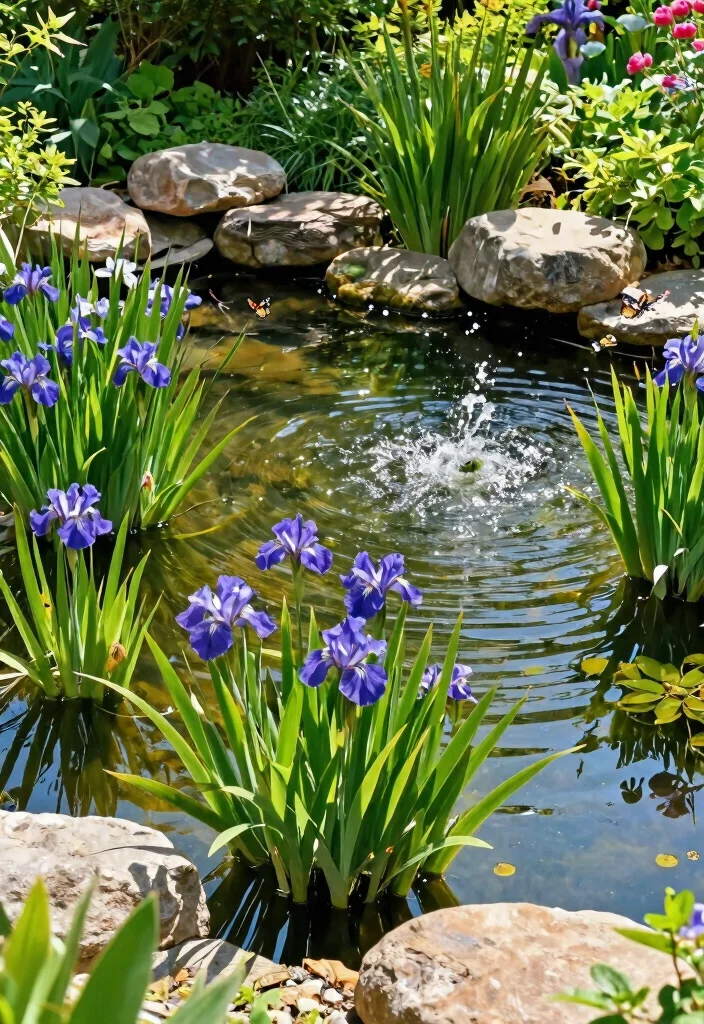
Design an eco-friendly pond that thrives with native plants perfectly suited to your local climate. These plants are low-maintenance, require less water, and provide vital habitats for local wildlife. A pond filled with native species will attract pollinators and birds, enriching your garden’s biodiversity.
Start by researching local aquatic plants ideal for your area, such as cattails, blue flag iris, or beautiful water lilies. Create distinct zones within your pond for various plant types, from fully submerged to those flourishing at the water’s edge. Consider installing a small fountain or bubbler to keep the water oxygenated for both plants and wildlife. Use natural materials like stones and gravel to line your pond, enhancing its organic look. Keep a close eye on your plants’ health, replacing any that struggle to thrive.
Steps to create your eco-friendly pond:
– Research native plants suitable for your area
– Create plant zones for optimal growth
– Install a fountain for oxygenation
– Use natural materials for lining
– Monitor plant health for best results
This eco-friendly pond not only beautifies your garden but also supports a rich and thriving ecosystem.
“Fun fact: Native plants cut pond maintenance by up to 40% and use less water. Start by selecting local aquatic natives—cattails, blue flag iris, water lilies—and design distinct zones to support wildlife, turning your spring garden pond ideas into a busy, pollinator-friendly oasis.”
6. DIY Miniature Pond
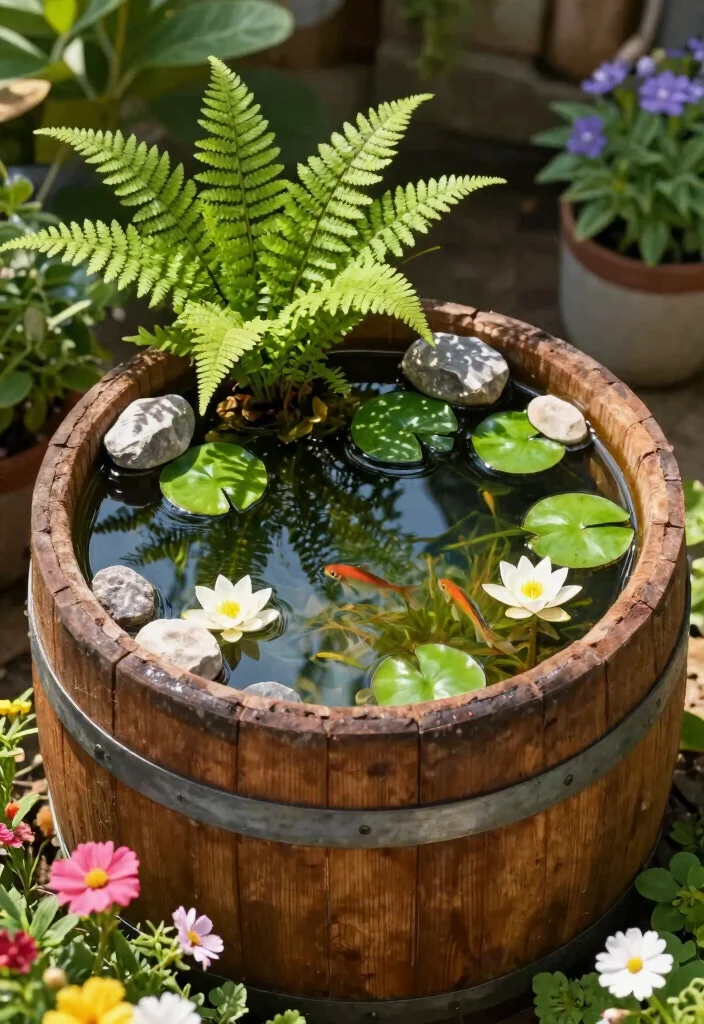
Looking for a fun weekend project? A DIY miniature pond can be a charming addition to your garden! This creative venture can be completed in just a few hours, transforming items like old bathtubs or wooden barrels into delightful water features.
Choose your container and ensure it’s clean before setting it up. If necessary, create a drainage system to avoid overflow during rain. Fill your container with water and introduce aquatic plants like floating ferns or small water lilies for a splash of color. Consider adding decorative rocks or small sculptures to enhance its character. Don’t forget to include small fish, like guppies, which can thrive in this cozy environment if the water remains clean.
Steps to craft your miniature pond:
– Choose and clean your container thoroughly
– Create drainage if needed to prevent overflow
– Fill with water and add aquatic plants
– Add decorative elements for charm
– Include small fish for a lively touch
This DIY project adds a creative flair to your garden without a hefty commitment, making your outdoor space more inviting.
7. Wildlife-Friendly Pond
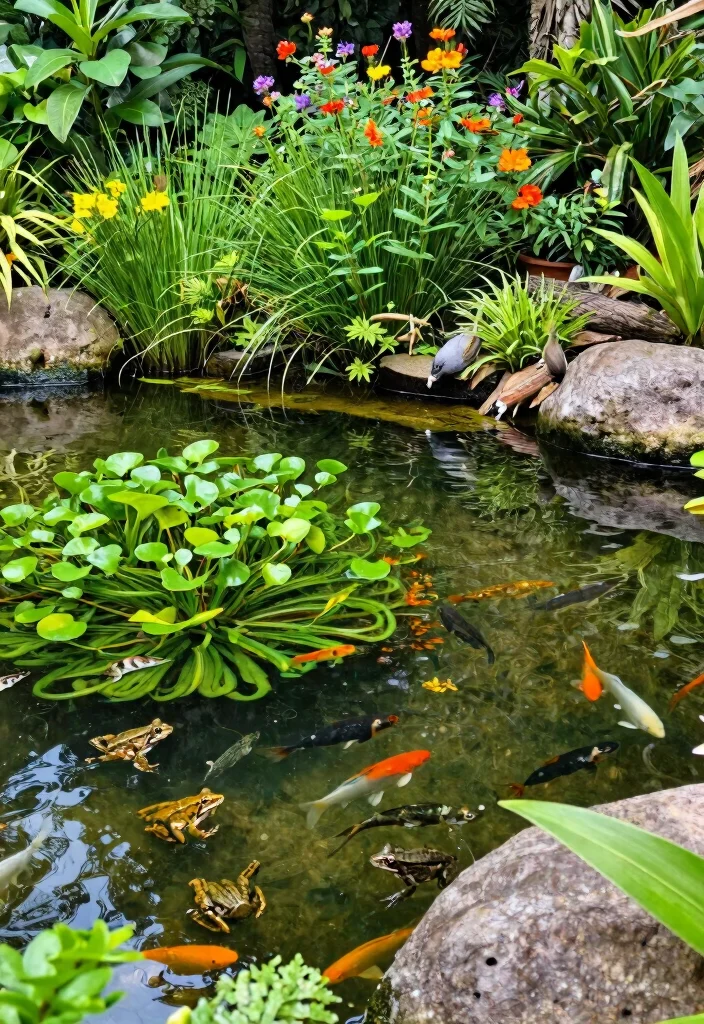
Create a wildlife-friendly pond that becomes a sanctuary for local creatures. Such ponds provide essential habitats for frogs, birds, and beneficial insects, encouraging a vibrant ecosystem to flourish. By incorporating native plants and natural landscaping, you’ll enhance biodiversity in your garden.
Design shallow areas within your pond to make it accessible for frogs and other wildlife. Use native aquatic plants for shelter and sustenance, attracting various creatures. Create gentle banks or ledges that allow animals to safely enter and exit the water. Minimize chemical use around your garden to protect the delicate ecosystem. Add rocks or piles of logs nearby, offering basking spots and hiding places for wildlife.
Key features to enhance your pond:
– Design shallow areas for easy access
– Use native plants for food and shelter
– Create gentle banks for safe entry
– Limit chemical use for ecosystem protection
– Add rocks or logs for wildlife spots
This wildlife-friendly pond nurtures a flourishing environment while offering you the joy of observing nature up close.
Fun fact: Wildlife-friendly ponds with shallow edges and native vegetation attract more frogs, birds, and pollinators—often 2x biodiversity in spring. Try these practical spring garden pond ideas: plan gentle slopes, native aquatic plants, and natural landscaping to wake up your yard with a thriving, easy-to-care-for ecosystem.
8. Floating Pond Islands
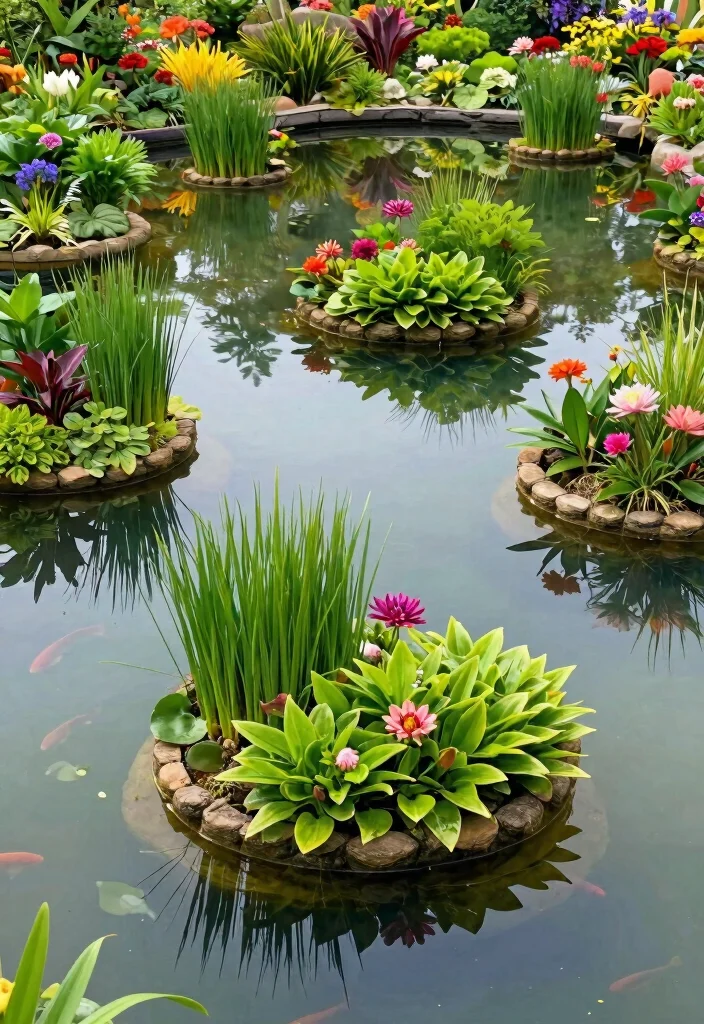
Introduce floating islands to your pond, adding a unique aesthetic while benefiting the ecosystem. These islands crafted from natural materials can be planted with aquatic plants, providing essential shelter and food for wildlife while naturally filtering the water.
To create floating pond islands, construct a base using materials like bamboo or expanded polystyrene. Cover the base with biodegradable materials such as coir or jute for a natural approach. Plant native aquatic plants like water lilies or hornwort on top for a vibrant display. Anchor the islands to the pond bottom to prevent drifting. Regularly check and maintain the plants to ensure they stay healthy and flourishing.
Essential steps to create floating islands:
– Construct a base from natural materials
– Cover with biodegradable material for planting
– Plant native species on top for beauty
– Anchor islands to prevent drifting
– Monitor and maintain plants for health
Floating islands enhance your pond’s beauty and greatly improve water quality and wildlife habitats!
9. Aromatic Herb Pond
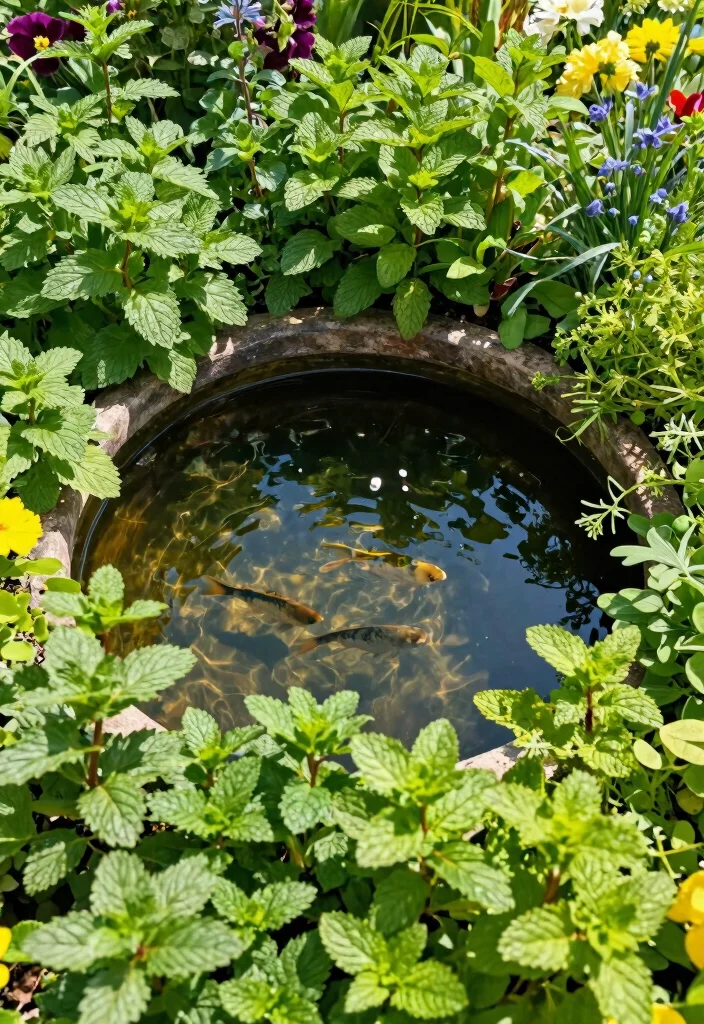
Merge your love for gardening with culinary delights by creating an aromatic herb pond! This innovative idea combines the charm of a pond with fragrant herbs that can be used in your cooking. Surrounding your pond with herbs allows you to enjoy fresh flavors while enhancing the visual appeal of your garden.
Start by selecting a pond design that complements your garden layout, ensuring easy access for harvesting. Choose herbs that thrive in moist environments, such as mint, lemon balm, or watercress. Designate planting areas around the pond’s edges for easy picking. Incorporate decorative stones and driftwood to beautify the area and provide resting spots for beneficial insects. Regularly maintain the herbs through pruning and watering to keep them vibrant.
Steps to craft your aromatic herb pond:
– Choose a pond design that fits your garden
– Select moisture-loving herbs for planting
– Designate areas for easy harvesting
– Add stones and driftwood for aesthetics
– Maintain herbs with regular care
This aromatic herb pond not only beautifies your garden but also offers fresh ingredients for your kitchen, making your outdoor space truly multifunctional!
Fun fact: A small aromatic herb pond can save you 2-3 trips to the herb bed each week, thanks to mint and lemon balm’s moisture-loving charm. In spring garden pond ideas, harvest fresh herbs right at the water’s edge for cooking and garnishes.
How To Choose The Right Garden Pond Design
Choosing the perfect garden pond design involves several important factors. Let’s dive into what you should consider before starting your spring garden pond project.
1. Size
The size of your pond is crucial. Consider the space available in your yard. A smaller yard may benefit from a compact pond, while a larger area can accommodate a more expansive design. Measure the area where you plan to install the pond, ensuring you leave room for landscaping and aquatic plants. A size of around 6 feet by 8 feet works well for most backyards, allowing ample space for fish and plants without overwhelming the area.
2. Material
Choosing the right material for your pond is essential for durability and appearance. Common materials include pre-formed plastic, rubber liners, and concrete. Pre-formed ponds are easy to install, while rubber liners allow for custom shapes. Concrete ponds are long-lasting but can be more labor-intensive. Think about your budget and the look you want to achieve. For eco-friendly options, look for recycled materials or natural stone.
3. Water Features
Decide if you want additional water features, like waterfalls or fountains. These features provide aesthetic appeal and help aerate the water, promoting a healthy pond environment. If you choose a waterfall, ensure it’s not too high, as water splashing out can lead to water loss. A small fountain can also be a great addition for a calming effect.
4. Aquatic Plants
Incorporating aquatic plants is key to creating an eco-friendly pond. Select native plants that thrive in your region. These plants help filter the water and provide habitats for wildlife. Consider adding lilies or lotus flowers for beauty and shade. A mix of submerged and floating plants can enhance your pond’s ecosystem. Be sure to research which plants work best for your pond’s depth and sunlight exposure.
5. Budget
Your budget will significantly influence your pond design. Estimate the costs for materials, plants, and any additional features. Simple DIY projects can save money, while professional installations can increase costs. Plan for ongoing maintenance, such as water treatments and plant care. Aim for a balance between high-quality materials and your budget to create a sustainable pond.
6. Local Wildlife
Consider the wildlife you want to attract. A pond can serve as a habitat for frogs, birds, and beneficial insects. Ensure your design accommodates these creatures, such as adding shallow edges for easy access. If you want to keep fish, make sure your pond is deep enough to prevent freezing in the winter. Creating a wildlife-friendly environment can enhance the biodiversity of your yard.
Pro Tip:
Before finalizing your pond design, sketch it out. Visualizing your ideas can help you see what works and what doesn’t. Don’t hesitate to ask for feedback from local garden centers or community gardening groups for additional insights. Your pond should be a beautiful, functional, and enjoyable part of your spring garden. Happy pond planning!
Conclusion
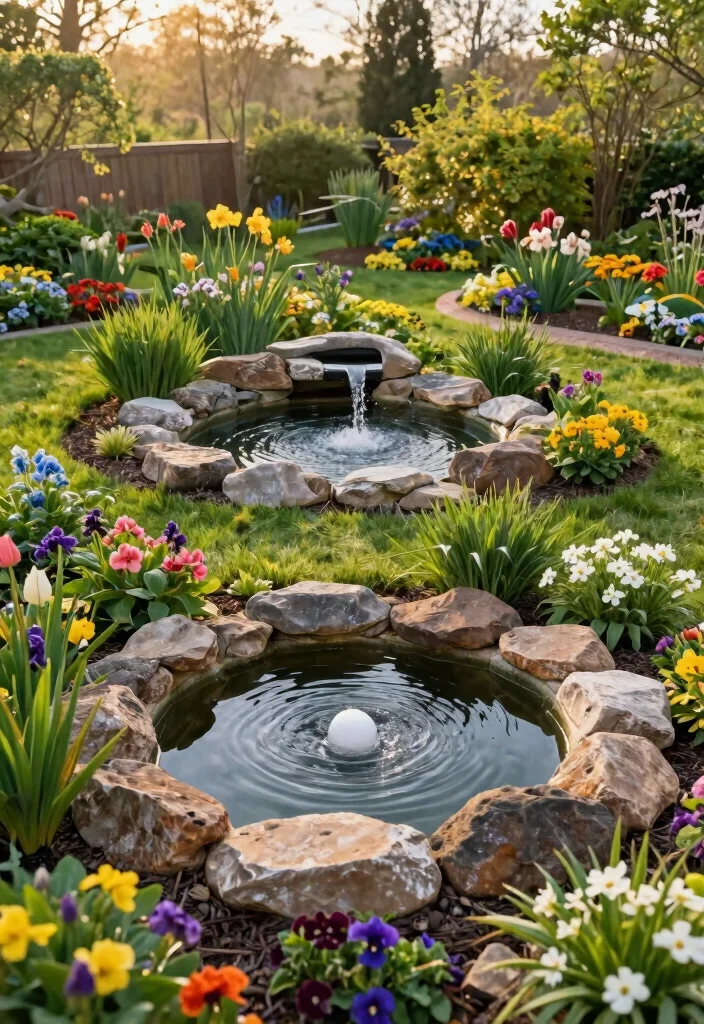
Spring is the perfect time to let your creativity flow by incorporating a pond into your garden. Each idea presented here not only enhances the aesthetic appeal of your outdoor space but also promotes sustainability and biodiversity. From solar-powered options to DIY projects, there’s something for everyone. Take this opportunity to connect with nature, attract wildlife, and enjoy the serenity that a garden pond can bring!
Which idea are you most excited to try? Share your thoughts and let’s inspire one another to create beautiful, eco-friendly gardens!
Note: We aim to provide accurate product links, but some may occasionally expire or become unavailable. If this happens, please search directly on Amazon for the product or a suitable alternative.
This post contains Amazon affiliate links, meaning we may earn a small commission if you purchase through our links, at no extra cost to you.
Frequently Asked Questions
What are spring garden pond ideas to wake up your yard?
Kick off your spring with wildlife-friendly tweaks that wake up your yard and bring life to your water feature. Start by choosing a sunny spot and adding native aquatic and bog plants to create instant color and habitat for pollinators. Collect rainwater in a barrel and use it to top up the pond, saving water and avoiding chlorinated tap water. Install a small solar fountain or pump to aerate the water with clean energy and keep surface scum under control. Finish with natural edging—rocks, mulch beds, and softly sloped banks—so the pond blends with your landscape and supports local wildlife. Finally, avoid chemical algaecides; instead build balance with plants, beneficial bacteria, and regular light maintenance.
How can I create eco-friendly garden pond designs for a spring setup?
Design eco-friendly garden pond designs by planning zones: a sunny shallow shelf for marsh plants, a deeper center for water features, and gentle access for wildlife. Use natural filtration with a bog garden and scattered rocks so beneficial bacteria can thrive. Choose sustainable materials like salvaged rocks or a dark liner that blends with the yard, and consider a liner-free option if local regulations allow. Add a solar-powered pump and low-energy LED lighting to minimize energy use while still enjoying your space after dark. Plant with native species to support wildlife and filter water naturally; avoid heavy chemical treatments for clearer spring water.
Which backyard water features work best with spring landscaping tips for an eco-friendly pond?
Start with a plan that ties backyard water features into spring landscaping tips: place the feature where it’s visible from the patio, sheltered from strong winds, and near seating for easy enjoyment. Choose features that fit your space, like a small waterfall, a spilling rock, or a shallow pond with a gentle stream. Use a solar-powered pump to circulate water and a rain barrel to top it up, keeping operating costs down. Surround the feature with native, moisture-loving plants to support wildlife and filter water naturally. Create a simple maintenance routine: skim leaves weekly, clear debris in spring, and check for leaks after heavy rain. These steps give you a relaxing, eco-friendly focal point while waking up your yard.
Which aquatic plants for ponds are ideal for a pollinator-friendly, low-maintenance spring pond?
Create a balanced mix of floating, submerged, and marginal plants. Floating options like duckweed or water lettuce provide surface shade and nutrient uptake; submerged oxygenators such as hornwort or elodea keep water clear; marginal or floating-leaved plants like native water lilies and iris add color and habitat. Plant depth matters: lilies in 12-18 inches of water, submerged plants in 6-12 inches, bog plants in the 2-6 inch fringe. Choose native species to support pollinators and wildlife and avoid invasive varieties. Feed sparingly and let beneficial bacteria do the filtering; in spring, stagger plantings so blooms appear across the season.
What simple DIY garden pond projects can beginners tackle to wake up a yard this spring?
Yes you can start small with DIY garden pond projects that fit most spaces. Use a container such as a stock tank, tub, or repurposed basin as the pond and seal it properly with underlay to protect the liner. Create a bog filter by layering gravel and planting moisture-loving bog plants at the edge to filter water naturally. Install a solar-powered pump or fountain to aerate and circulate water with no ongoing electricity costs. Edge the pond with natural stones and mulch to blend with the yard while keeping pets safe. Water wisely by using rainwater and avoiding chlorine; maintain a simple schedule of weekly skimming and monthly plant checks to keep your eco-friendly spring pond thriving.