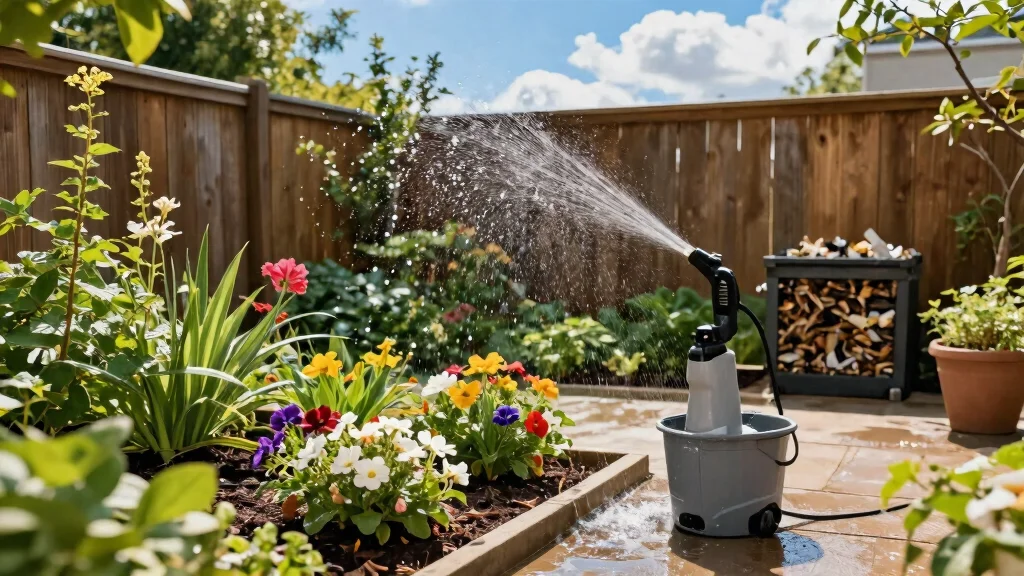
Maintaining a vibrant garden in an urban environment can be a fulfilling experience. However, with gardening comes the responsibility of keeping your tools and space clean. High-pressure washers can be a lifesaver for outdoor cleaning but disposing of the waste water they produce can be tricky. That’s why I’ve created this guide on high-pressure washer disposal tips to help you navigate this essential aspect of garden maintenance.
If you’re an urban gardener who cares about the environment, this post is just for you. You likely want to keep your garden both beautiful and eco-friendly while ensuring that your cleaning methods are responsible. In this guide, you’ll discover seven practical tips that are safe, sustainable, and easy to implement. By following these tips, you will not only maintain a clean outdoor space but also contribute positively to your urban ecosystem.
These tips will arm you with the knowledge you need to dispose of high-pressure washer water safely and effectively. You’ll learn how to reuse clean water, create filtration systems, and even compost organic matter. Whether you’re a novice or an experienced gardener, these insights will enhance your cleaning practices and help you become more environmentally conscious. Let’s dive in and make your gardening routine both clean and green!
Key Takeaways
– Reuse Clean Water for Irrigation: Save water by rerouting the clean water from your pressure washer directly to your garden, ensuring your plants receive a much-needed drink.
– Create a Filtration System: Design a simple filtration system to separate dirt and debris from wastewater, allowing you to reuse cleaner water while reducing garden waste.
– Compost Organic Matter: If your pressure washing generates organic debris, compost it. This not only reduces waste but also enriches your soil.
– Check Local Regulations: Always be aware of local laws regarding water disposal. Each area may have specific guidelines that help keep the community safe.
– Use Biodegradable Detergents: If you use cleaning solutions, choose biodegradable options. This ensures that any leftover residues in the wastewater are less harmful to your garden and the environment.
1. Reuse Clean Water for Irrigation
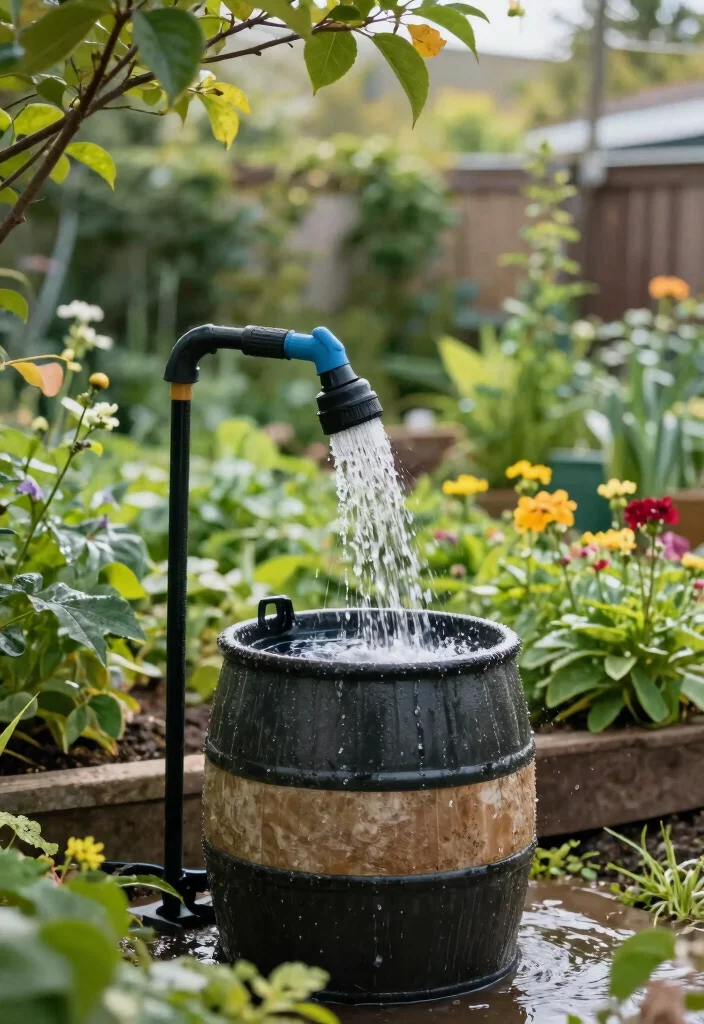
Using a high-pressure washer can generate a lot of water, and the good news is that you can put that clean water to good use. Imagine saving water while nurturing your garden! By collecting the runoff in a barrel or bucket, you can easily irrigate your plants and contribute to sustainability at the same time.
To make this work for you, position your pressure washer on a slight incline, guiding the water into your container. A rain barrel with a convenient spigot makes access even easier. Before you water your plants, just double-check that the water is clear and free of debris. This simple practice not only conserves precious resources but also enhances your gardening efforts.
Key steps to reuse water effectively:
– Position your washer to direct water flow
– Use a rain barrel for easy collection
– Ensure water is clean before use
By reusing water, you create a more sustainable gardening routine and reduce waste in your home.
Fun fact: Just 3 gallons of clean runoff from a high-pressure washer can irrigate a small herb bed for days. By following the high-pressure washer disposal tips, you turn waste into a watering win and save water for urban gardens.
How To Choose Eco-Friendly Disposal Methods for High-Pressure Washers
When it comes to disposing of water and materials from your high-pressure washer, making eco-friendly choices is key. Here are some important factors to consider when selecting the right disposal method:
1. Water Quality
Before you dispose of any water, check its quality. If it’s dirty and contains chemicals, you need to treat it properly. Use filters or let it settle so solid particles can sink to the bottom. Clean water can be reused for irrigation, making it a sustainable choice for your garden.
2. Local Regulations
Every city has different laws about waste disposal. Research and understand your local regulations regarding high-pressure washer runoff. Some areas may have specific rules on how to dispose of wastewater. Ignoring these rules can lead to fines or other legal issues. Always follow the guidelines set by your local authorities.
3. Biodegradable Detergents
If you use detergents in your pressure washer, opt for biodegradable options. These products break down naturally, reducing harm to the environment when disposed of. Always read labels and choose products marked as eco-friendly. This small change can significantly lessen your environmental impact during garden maintenance.
4. Filtration Systems
Consider installing a simple filtration system to clean the water before disposal. A basic system can filter out large particles and help separate oils and contaminants. This way, you can reduce the amount of harmful waste going into the environment while enhancing your outdoor cleaning efforts. Look for DIY tutorials online for easy installation tips.
5. Composting Organic Material
If you clean up organic materials like leaves or grass clippings, compost them! Instead of disposing of them in a landfill, use your high-pressure washer to tidy up your compost pile. This method not only reduces waste but also provides nutrient-rich soil for your garden. It’s an excellent way to stay eco-friendly while enhancing your gardening experience.
6. Dispose of Water in Green Spaces
If possible, choose to dispose of your cleaned water in green spaces, like parks or gardens. Ensure the area doesn’t contain drains that lead to water systems. This helps nourish local plant life without causing harm. Just make sure the water is free from harmful chemicals or debris before doing this.
Pro Tip: Always keep a checklist of your eco-friendly disposal methods handy. This will help you remember the right steps to take each time you finish using your high-pressure washer. Keeping it simple and organized will make your outdoor cleaning routine both effective and environmentally friendly!
2. Create a Filtration System
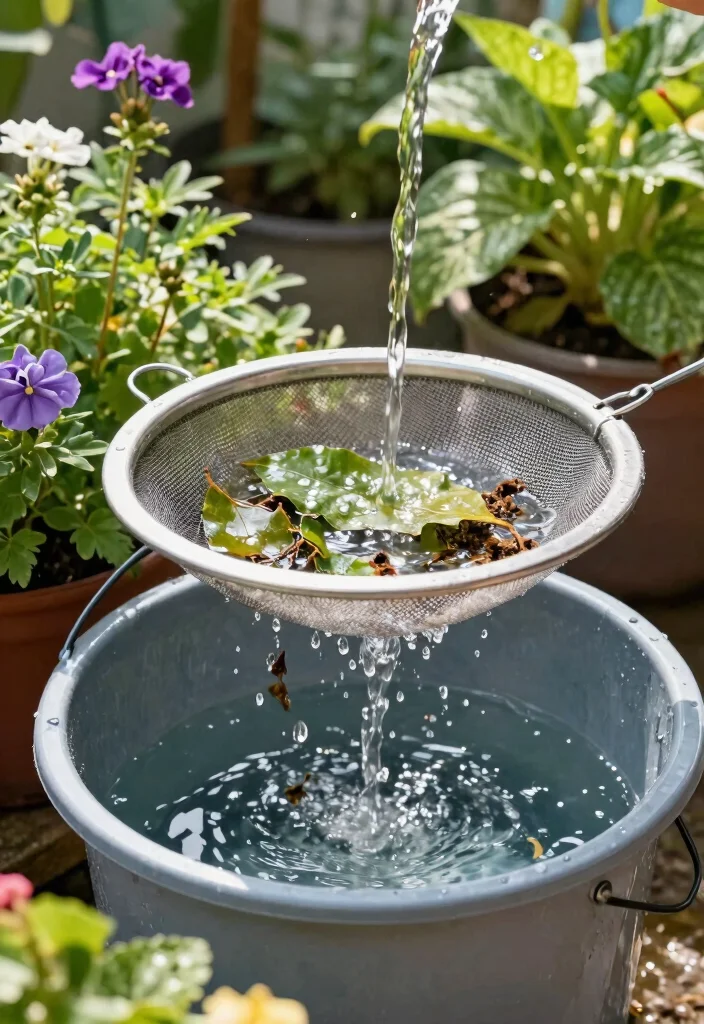
Establishing a basic filtration system can help ensure safe disposal of water used in high-pressure washing. By filtering out unwanted debris, you can direct clean water into your garden beds or drains. This not only protects the environment but also supports healthier plant growth.
To set up your filtration system, lay a mesh screen over a bucket or drain to catch larger particles. After washing, let the water sit for a while, allowing sediment to settle to the bottom. Carefully pour off the clean water, leaving the dirt behind. This method is simple yet effective, making your outdoor cleaning process more eco-friendly.
Here’s how to implement a filtration system:
– Use a mesh or cloth to catch debris
– Let water sit to settle sediments
– Pour off clean water for reuse
This approach not only aids in responsible disposal but also enhances your gardening success.
3. Compost Organic Matter
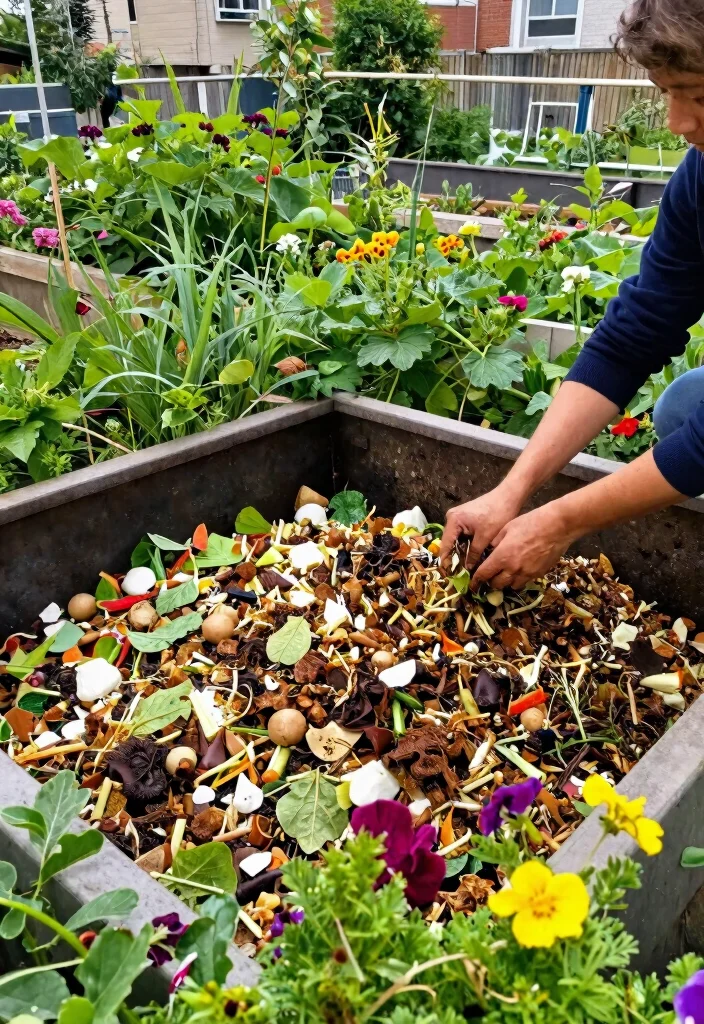
If your high-pressure washer collects organic debris like leaves and twigs, why not turn that waste into compost? Composting enriches your soil and is an excellent way to minimize waste while giving back to your garden.
To compost effectively, gather all organic materials collected during your washing. Create a compost pile in a shady spot in your garden. Layer the organic debris with dry materials like leaves and cardboard to maintain the right balance of nutrients. Keep the pile moist and turn it regularly for the best results. This process transforms waste into a valuable resource, promoting healthier soil and plants.
Steps to compost organic matter:
– Collect organic debris from washing
– Designate a shady compost area
– Layer with dry materials for balance
Composting not only reduces waste but also enriches your garden, creating a thriving ecosystem.
4. Check Local Regulations
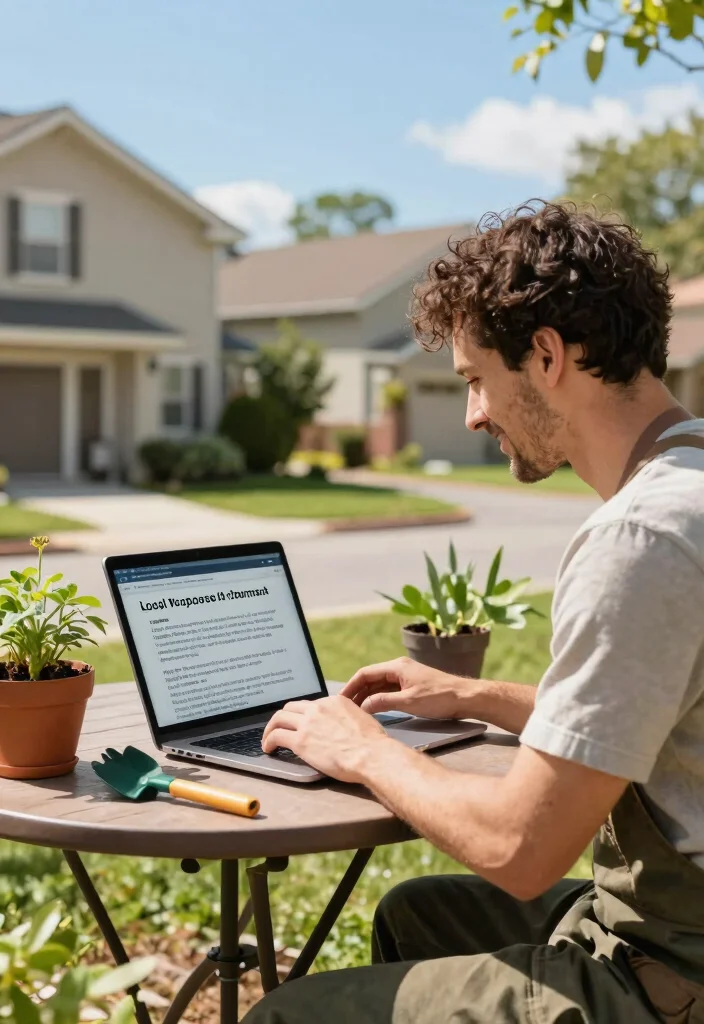
Being aware of local regulations regarding water disposal is crucial for responsible high-pressure washing. Different areas have specific guidelines to protect the environment from harmful runoff.
Before you start washing, take the time to research local rules about outdoor cleaning and water disposal. You can also reach out to local waste management for clarification on compliant methods. Many municipalities offer clear guidelines on what can be washed and how to dispose of the water. By staying informed, you not only comply with the law but also contribute to the protection of nearby water bodies and ecosystems.
Steps to ensure compliance:
– Research local disposal regulations
– Contact waste management for guidance
– Follow municipal guidelines for washing
Understanding these regulations helps you wash responsibly while safeguarding the environment.
Fun fact: In many urban areas, up to 40% of outdoor wash water must be collected or treated before disposal. Checking local regulations first helps you avoid fines and protects waterways.
5. Use Biodegradable Detergents

When cleaning with a high-pressure washer, choosing eco-friendly, biodegradable detergents is a smart choice. These products break down naturally, making them much safer for the environment compared to harsh chemicals.
To switch to biodegradable options, look for certified products when shopping, as they are clearly labeled. Steer clear of phosphates and other harmful ingredients that could damage your garden or local waterways. Testing a small area first will help ensure the detergent works well without harming your plants. By opting for biodegradable cleaners, you not only protect your garden’s health but also support sustainable cleaning practices.
Here’s how to make the switch:
– Choose certified biodegradable products
– Avoid harmful chemicals in your cleaners
– Test on a small area before full use
This choice contributes to a healthier environment and promotes responsible outdoor maintenance.
Fun fact: Biodegradable detergents break down naturally within 24–72 hours, protecting rivers and runoff in urban gardens. When you choose certified eco-options and skip phosphates, you’re cutting chemical runoff and keeping your high-pressure washer disposal tips practical and planet-friendly.
6. Dispose of Water in Green Spaces
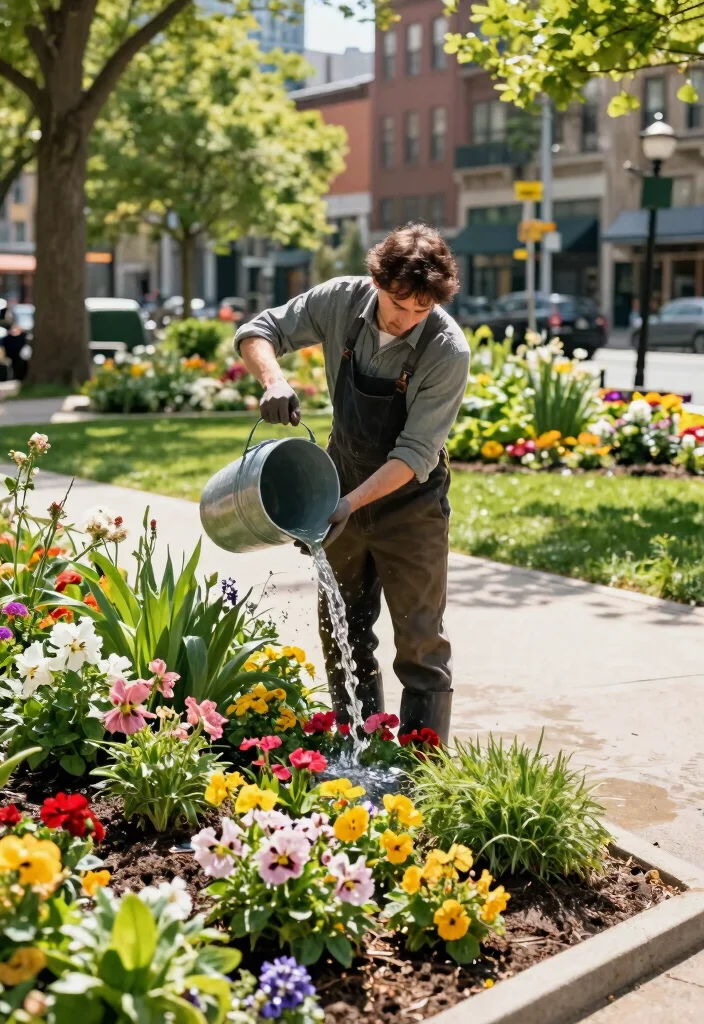
If you have excess water after washing, consider pouring it into green spaces like parks or communal gardens. This practice is beneficial for urban greenery and contributes to a healthier environment.
Before doing this, check with your local community about designated disposal areas. Avoid sensitive plant habitats when choosing a location. Make sure that the water is free from chemicals or pollutants before you pour it out. This eco-friendly tip not only helps nourish urban plants but also encourages community involvement in caring for local green areas.
Tips for safe disposal:
– Check for local disposal guidelines
– Avoid sensitive areas with delicate plants
– Ensure water is chemical-free
This practice promotes healthy ecosystems and strengthens community bonds.
7. Educate Others About Eco-Friendly Practices

One of the best ways to foster sustainable practices is by sharing your knowledge with fellow gardeners. Encouraging others to adopt safe disposal methods can create a positive impact in your community.
Start by hosting a workshop or discussion at a community center or garden club. Create engaging social media content that highlights your eco-friendly practices. Sharing your experiences, including successes and challenges, makes the information relatable and inspiring. By educating others, you help build a culture of environmental responsibility that benefits everyone involved.
Ways to spread the word:
– Host workshops or discussions in your community
– Share eco-friendly practices on social media
– Discuss personal experiences to connect with others
This effort can lead to a more environmentally conscious community and encourage collective action.
Conclusion
Making eco-friendly choices in garden maintenance is essential for the wellbeing of our environment. By implementing these high-pressure washer disposal tips, you can ensure a healthier garden and contribute positively to your urban community.
Every small action counts, and together, we can foster a responsible gardening culture. Are there any tips you find particularly helpful? Share your thoughts and join the conversation about sustainable gardening practices!
Note: We aim to provide accurate product links, but some may occasionally expire or become unavailable. If this happens, please search directly on Amazon for the product or a suitable alternative.
This post contains Amazon affiliate links, meaning we may earn a small commission if you purchase through our links, at no extra cost to you.
Frequently Asked Questions
What are the essential high-pressure washer disposal tips for eco-friendly urban gardening?
Here are the essential high-pressure washer disposal tips for eco-friendly urban gardening:
1) Check local guidelines and look for manufacturer take-back programs or community recycling events that accept pressure washers. This keeps waste out of landfills and supports responsible garden maintenance.
2) Safely drain all fuels, oils, and detergents before disposal. Store used fluids in labeled containers and dispose of them at approved facilities, never pour them onto soil or down a drain.
3) Separate and recycle metal, plastic, and electrical components where accepted. Many recyclers will handle the metal frame and plastic housings; electronics recyclers can reclaim motors and wiring.
4) If the unit still runs, consider donating to a local community garden, tool library, or neighbor in need. A functioning machine helps others with eco-friendly cleaning tasks like outdoor cleaning tips and garden maintenance.
5) For non-working washers, contact your city’s e-waste program or a certified waste hauler for safe disposal or take-back options. This ensures hazardous materials are handled properly.
6) Reuse what you can and consider eco-friendly disposal methods for future purchases by choosing models with longer lifespans and easy repairability.
How can I dispose of dirty rinse water from a pressure washer safely in a small garden while keeping things eco-friendly?
Start by collecting rinse water in a leak-proof container so it doesn’t run onto sidewalks or storm drains.
Use eco-friendly, biodegradable detergents if you need cleaning agents; avoid harsh chemicals that harm soil. If you must use soap, route water to a curbside garden bed or a designated permeable area where it can dilute and soak in.
Never pour rinse water into storm drains or onto the street. Check your local rules on greywater disposal; some areas allow it in the yard with restrictions. If you have lots of dirty water, treat it with a DIY filtration (sand/gravel) before disposal or consider a professional greywater or wastewater disposal option.
Finally, wash near pervious surfaces to help with infiltration and minimize runoff.
What are eco-friendly disposal methods for old or damaged pressure washer parts and detergents?
Begin by separating fluids from solids; take detergents to household hazardous waste if required.
Recycle metal frames, screws, and motors at metal recyclers; plastic housings at curbside plastics if accepted. Check if the manufacturer offers a take-back or refurbishment program.
Donate still-working parts to repair cafés or local maker spaces; repurpose hoses as garden irrigation lines in eco-friendly ways.
Dispose of old hoses, nozzles, and fittings at proper facilities. Avoid dumping parts in regular trash to reduce environmental impact.
What safety steps should I follow to prevent damage to plants and soil during outdoor cleaning with a high-pressure washer?
Before you start, raise the nozzle to keep a safe distance from plants; test spray on a trash area. Use wide fan settings to avoid concentrated jets hitting roots or delicate leaves.
Keep the unit on stable ground away from garden beds; use a low pressure or spray angle near plants; cover sensitive plants or move them away.
Use eco-friendly cleaning solutions or plain water whenever possible to protect soil ecology; never spray chemicals near edible crops; clean spray lines to avoid chemical drift.
Wear eye protection and gloves; check electrical cords and outlets; keep kids and pets away. After washing, inspect soil compaction and reseed or adjust as needed.
How can urban gardeners use eco-friendly disposal methods to recycle or donate a used pressure washer rather than discarding it?
Look for local e-waste events or household hazardous waste programs that accept pressure washers; many urban areas offer bulky-item pickup with eco-friendly disposal options.
If the unit still runs, donate to a community garden, tool library, or nonprofit that helps neighbors with garden maintenance and outdoor cleaning tips. This extends the life of the machine and supports sustainable gardening practices.
For parts that still work, salvage hoses or nozzles for personal use or share them with neighbors. When the unit is beyond repair, recycle the metal and plastic components through certified facilities and ensure any fluids are disposed of properly through an approved facility.