![13 Expert Plant Shelf Styling Ideas [Designer Looks]](https://homedreamly.com/wp-content/uploads/2026/04/13-Expert-Plant-Shelf-Styling-Ideas-Designer-Looks.webp)
Creating a beautiful space in your home can feel overwhelming, especially when it comes to displaying your beloved plants. The joy of indoor gardening has me craving fresh ideas for plant shelf styling. If you love plants and are looking to enhance your indoor plant decor, you’ve come to the right place. This post is designed for home enthusiasts and budding gardeners who wish to elevate their plant display game and create chic, organized plant arrangements.
In this guide, you will discover 13 expert plant shelf styling ideas that are not only stylish but also practical. From creating visual layers to adding natural wood accents, these tips will help you turn any shelf into a green oasis. You’ll find inspiration for minimalist styling that resonates with your home’s aesthetic, making it easy to integrate plants into your everyday life while keeping things fresh and visually appealing.
Get ready to explore creative plant display ideas that will transform your shelves into designer looks. With these actionable ideas, you can create lively, inviting spaces that reflect your personal style and passion for home gardening.
Key Takeaways
– Create Visual Layers: Position your plants at different heights to add depth and interest to your shelf.
– Embrace Monochrome Magic: Stick to a single color palette for a cohesive and stylish look that lets your plants shine.
– Mix Materials for Interest: Combine different materials like ceramic pots, woven baskets, and metal stands to create a unique display.
– Use Floating Shelves: Maximize space and create an illusion of more room by installing floating shelves for your plants.
– Personalize with Collections: Showcase your favorite plant varieties or decorative items to make your shelf truly yours.
1. Create Visual Layers
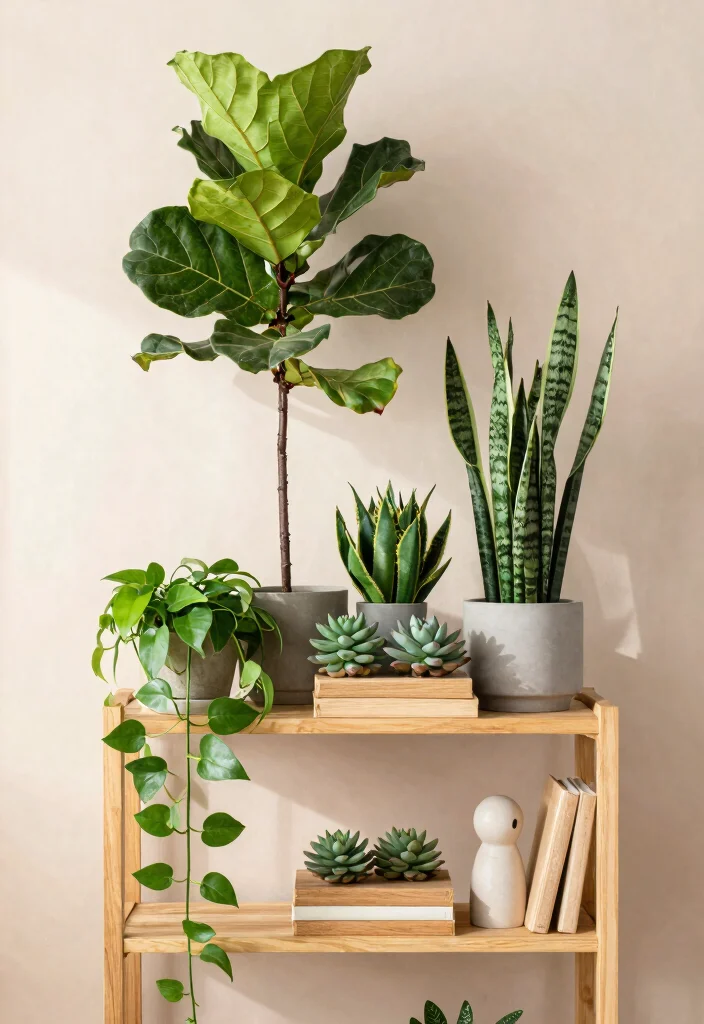
Layering is a vital technique for styling your plant shelf effectively. By arranging plants at varied heights, you create a visually stimulating display that captures attention and enhances aesthetics. Start with taller plants on the upper shelves to frame your arrangement, then include medium and smaller plants below to create a sense of depth and highlight the unique shapes and textures of each plant.
To maximize this technique, consider using plant stands or pieces of wood to elevate certain plants even further. Mixing trailing plants with upright varieties adds dynamic interest. For example, let a pothos cascade down while a tall fiddle leaf fig stands proudly beside it.
Consider these elements to elevate your plant shelf design:
– Use risers or plant stands for added height variations.
– Group plants with similar care needs together to simplify watering.
– Incorporate decorative items like books or small sculptures to enhance the aesthetic.
– Play with colors and textures to create a balanced look.
This layering approach breathes life into your plant shelf, transforming it into a captivating focal point in your space.
Fun fact: when you stack three height levels on a plant shelf, your space feels 30% larger. Arrange tall, medium, and small plants to create depth—this is a simple set of plant shelf styling ideas anyone can pull off tonight.
2. Embrace Monochrome Magic
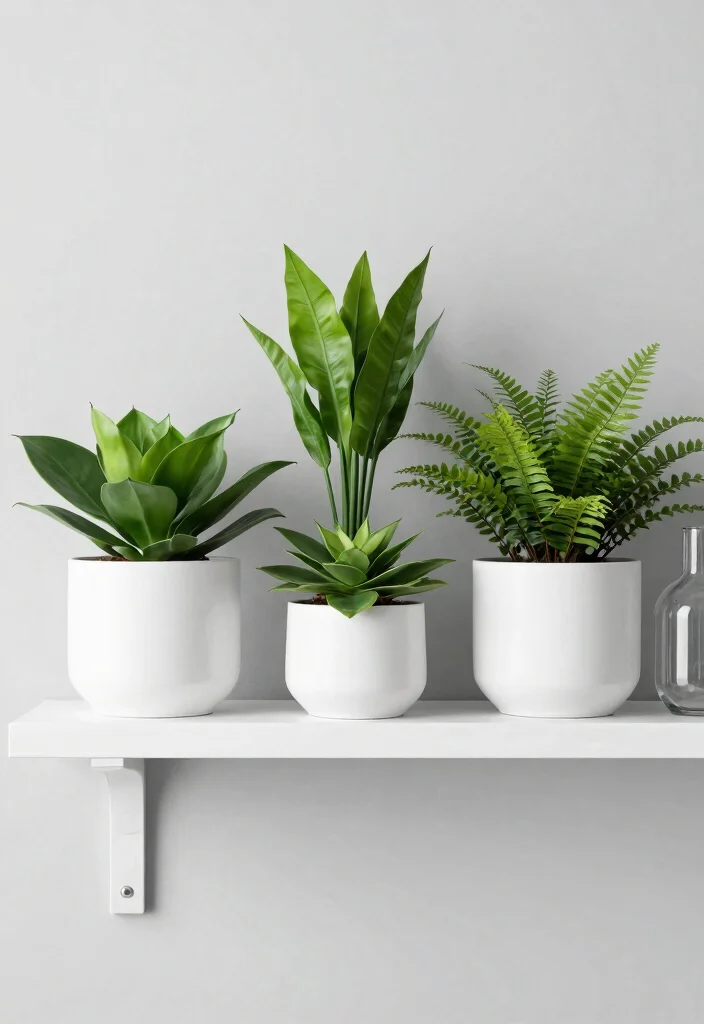
Adopting a monochrome palette for your plant shelf creates a sleek and sophisticated vibe that feels cohesive. Choose pots and plants in similar colors to forge harmony within your display. For instance, white pots paired with an array of green plants can evoke a fresh and clean appearance, while black pots introduce an edgy flair.
The beauty of a monochrome scheme lies in the interplay of shades and textures. You might consider incorporating various plant styles, like the smooth leaves of a ZZ plant against the textured foliage of a fern, to enrich the visual experience.
Here are ways to make the most of this design choice:
– Opt for white ceramic planters for a light and airy feel.
– Use dark matte pots for a modern, bold statement.
– Experiment with plant varieties in different shapes but similar hues.
This monochrome approach creates a striking visual impact while maintaining a minimalist aesthetic, allowing your plants to shine.
3. Mix Materials for Interest
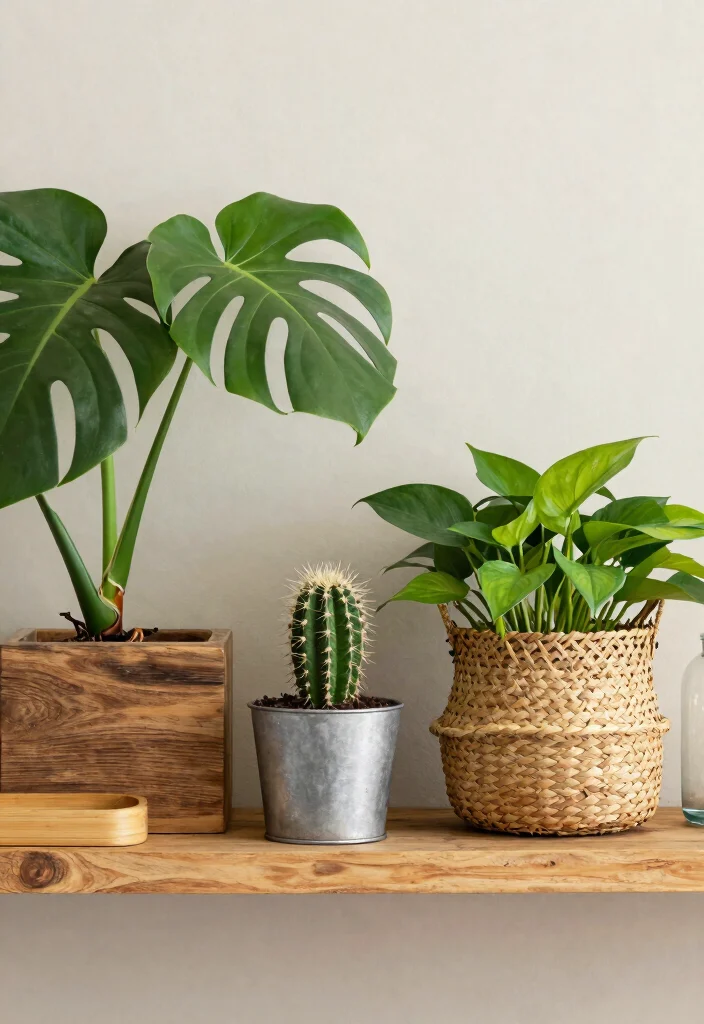
Incorporating various materials into your plant display can significantly enhance texture and visual appeal. Go beyond traditional ceramic or plastic pots and explore materials like wood, metal, or woven baskets. Each material brings its own character to the arrangement, making your display more intriguing.
For instance, a rustic wooden planter paired with a sleek metal stand creates an eye-catching contrast. Similarly, using a woven basket for a larger plant softens the overall look while adding warmth. Don’t shy away from mixing and matching for a unique result.
Consider these tips for a captivating mix:
– Use a variety of pot textures to keep the eye moving across the shelf.
– Incorporate woven plant hangers for added dimension.
– Choose stands or plant containers in contrasting materials for a modern touch.
Experimenting with materials allows you to craft a plant shelf that feels layered and thoughtfully designed, inviting guests to engage with your greenery.
Did you know that mixing three different materials on a plant shelf can boost perceived texture by up to 40%? Try wood, metal, and woven baskets to create contrast, depth, and a more dynamic display.
4. Incorporate Art and Decor
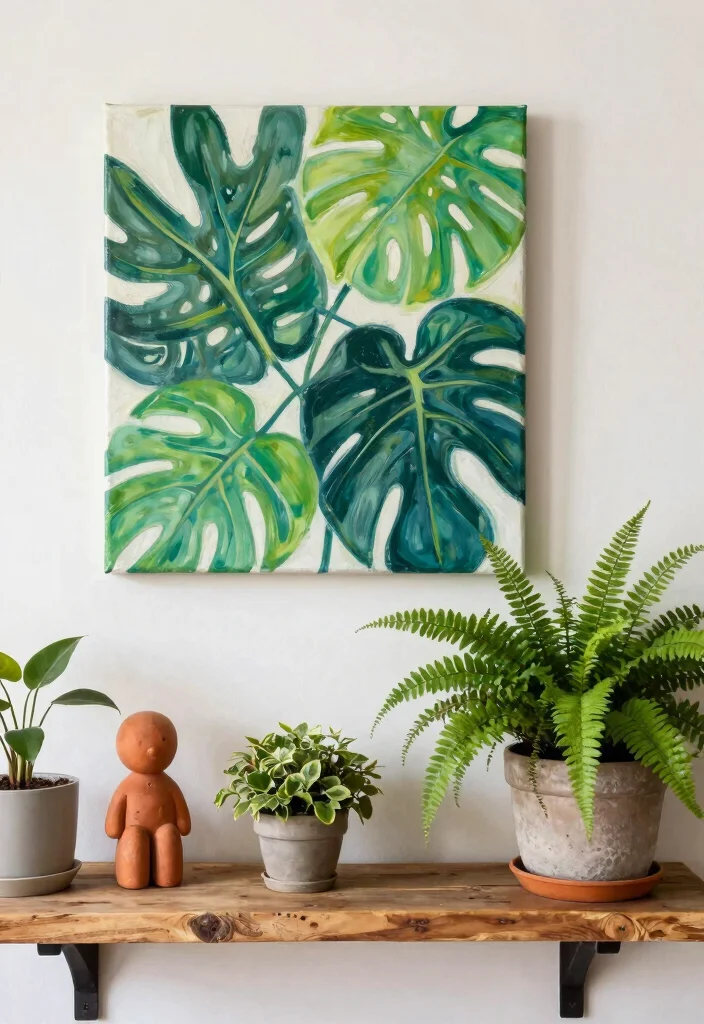
Your plant shelf can transcend mere plant display; incorporating art and decor elevates the entire setup. Adding framed photos, artwork, or decorative objects creates a more personalized and curated look. Choose items that resonate with your style and complement your plant selections.
For example, position a framed botanical print next to your favorite plant or add a small sculpture that echoes the colors of your pots. This interplay of art and nature weaves a cohesive narrative within your shelf design.
To enhance this interplay, consider:
– Use artwork with colors that echo your plant pots for continuity.
– Choose decorative items that add height and interest without overshadowing the plants.
– Allow breathing room by spacing out the art and plants to avoid clutter.
This blend of art with botanical beauty not only enhances visual appeal but also showcases your personality, making the plant shelf a true reflection of you.
5. Use Floating Shelves
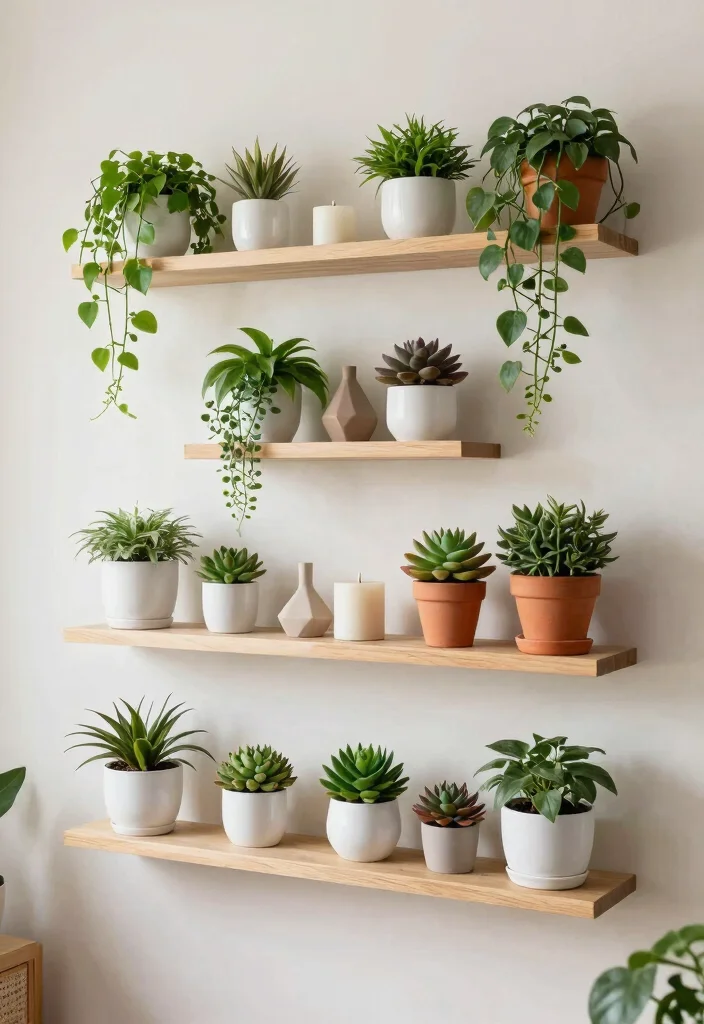
Floating shelves offer a stylish way to save space while showcasing your plant collection. These shelves create an illusion of more floor space and allow for creative arrangements. Position them at varying heights on the wall to add visual interest and maximize your plant display.
Floating shelves serve as a gallery for your plants, drawing the eye upward and enhancing the room’s verticality. By selecting pots that complement your wall color, you can seamlessly integrate plants into your home decor.
Try these ideas for effective floating shelf styling:
– Experiment with different shelf heights to create a cascading effect.
– Use wall colors that contrast with the pots for a striking look.
– Incorporate small decorative items alongside plants to enhance the display.
Floating shelves provide an excellent opportunity to showcase your plant collection in a chic, minimalist way, making your greenery a vital part of your home’s aesthetic.
6. Focus on Color Coordination
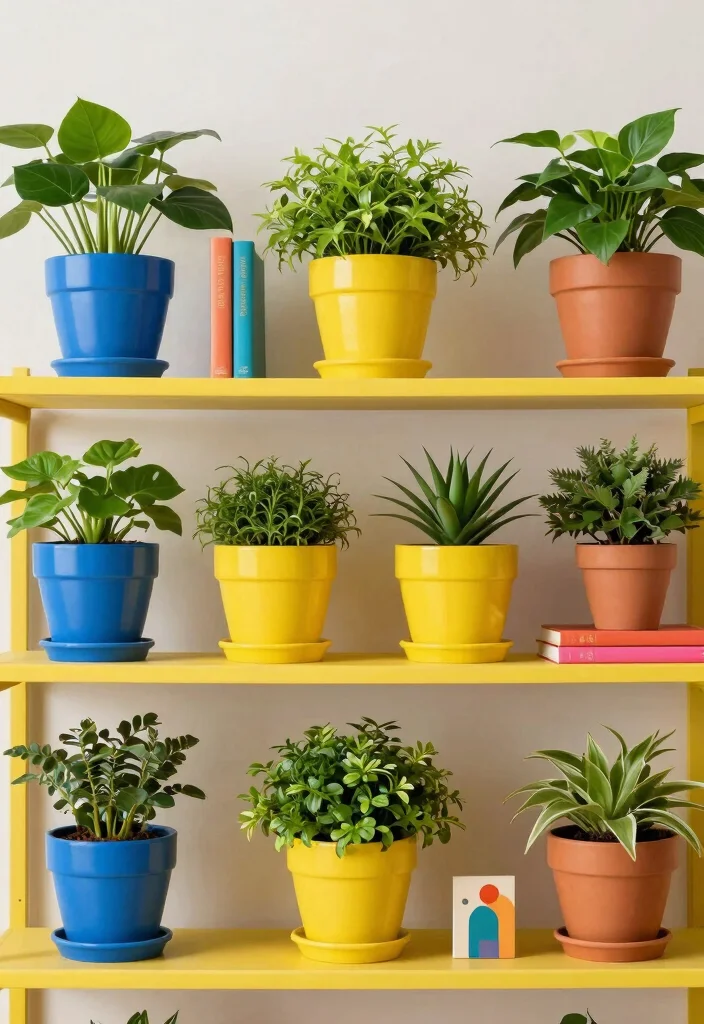
Color plays a crucial role in the success of your plant shelf styling. By coordinating the colors of your pots, plants, and surrounding decor, you can achieve striking visual harmony. Opt for a color palette that resonates with your overall home decor, whether it be warm earth tones, monochromatic shades, or vibrant pops of color.
When selecting plants, consider their foliage colors as well. For example, pairing deep green plants with bright white pots creates a fresh, modern look. Alternatively, mixing colorful pots with rich green plants enhances the lively atmosphere.
Keep these tips in mind for effective color coordination:
– Stick to a maximum of three colors to avoid overwhelming the space.
– Use accent colors in pots or decor items to create focal points.
– Incorporate greenery that complements the chosen color scheme.
With a keen focus on color coordination, your plant shelf not only enhances your space but also serves as a vibrant display of botanical beauty.
7. Showcase Unusual Plant Varieties
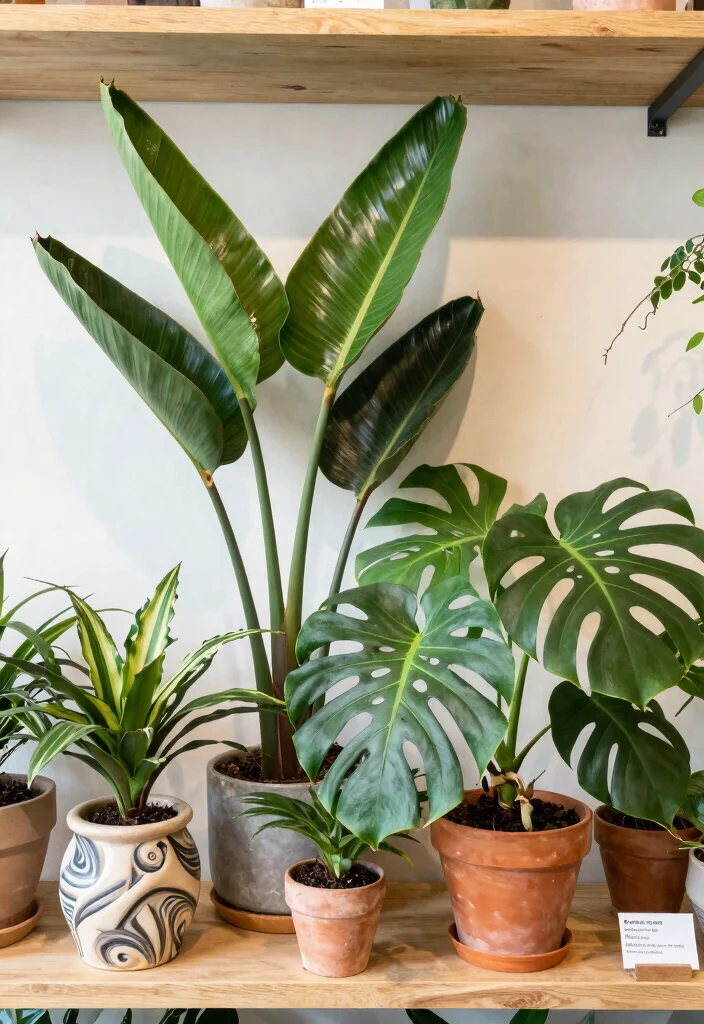
When styling your plant shelf, consider featuring unique and unusual plant varieties to create a standout display. Exotic plants like a Bird of Paradise or a rare Monstera can serve as instant conversation starters. Mixing commonly known plants with rarities crafts a fascinating botanical collection.
The allure of incorporating unusual plants lies not only in their appearance but also in the stories they can tell. Collectors often have intriguing tales about their origins and care. Consider sharing these stories alongside your plant display.
Here are some tips for showcasing unusual plants:
– Research unusual plant varieties that thrive indoors for proper care.
– Use decorative labels or notes to share the story behind the rarities.
– Group unusual plants together for a striking visual impact.
By embracing unique plant varieties, your plant shelf transforms into a beautiful testament to your gardening passion, making it a stunning focal point in your home.
8. Implement a Seasonal Rotation
To keep your plant shelf fresh and engaging, consider implementing a seasonal rotation strategy. Changing out your plants and decor according to the seasons maintains a lively and dynamic display. In spring, opt for vibrant flowers or fresh herbs; in fall, incorporate warm-toned foliage and pumpkins for a cozy feel.
This rotation not only keeps your space looking new but allows you to enjoy a variety of plants throughout the year. Use seasonal decorative items, like holiday ornaments or seasonal colors in your pots, to highlight the changes.
Here are some practical tips for seasonal rotation:
– Schedule regular updates to coincide with seasonal changes.
– Store out-of-season plants in a cool, dry area until needed again.
– Use plants that can adapt to different seasonal themes.
Embracing seasonal rotation makes your plant shelf a true reflection of nature’s beauty throughout the year, resulting in a delightful and ever-changing display.
Fun fact: A simple seasonal rotation boosts visual appeal by up to 40% on a plant shelf—the perfect tactic for plant shelf styling ideas. Swap in spring flowers, fall foliage, and cozy decor every 3–4 weeks to keep the display fresh and engaging.
9. Create a Focal Point
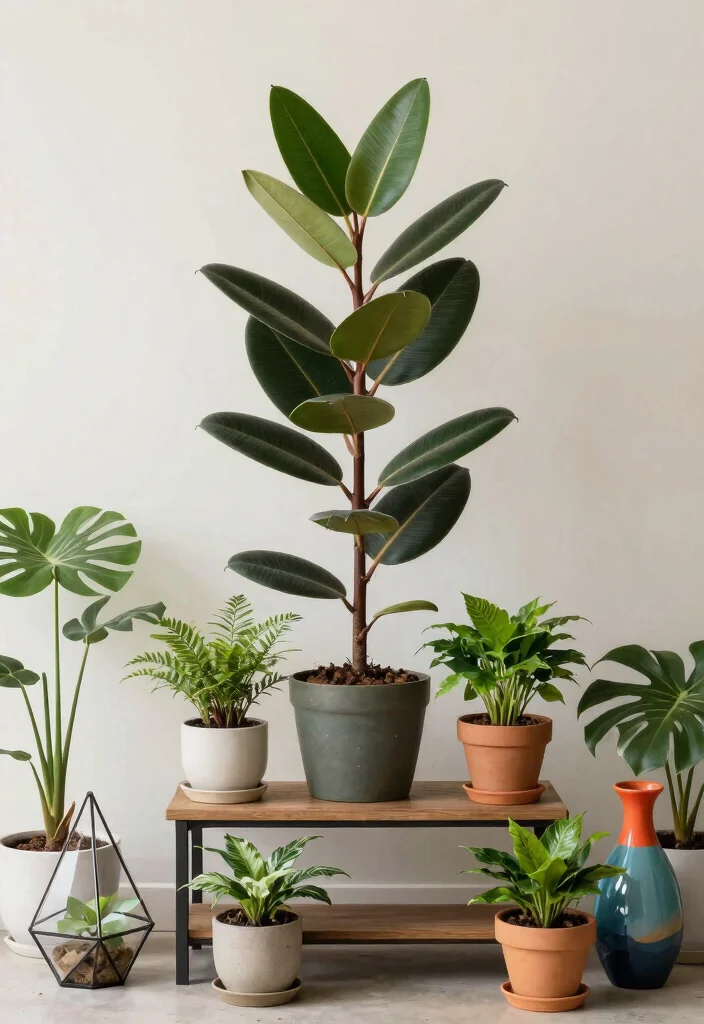
A well-defined focal point is essential in any plant display. It draws the eye and sets the tone for the entire shelf. Select a standout plant or decorative piece to serve as the centerpiece of your arrangement, such as an oversized plant like a rubber tree or a unique decorative item like a striking sculpture.
Position your focal point at eye level for maximum impact, arranging smaller plants around it to complement the centerpiece. This creates a sense of balance and aesthetic harmony in the overall composition.
Consider these tips for establishing a focal point:
– Experiment with different focal points to find what works best.
– Keep surrounding plants low-key in color or texture to let the focal point shine.
– Consider the shapes and sizes of surrounding plants to enhance the overall look.
Establishing a well-defined focal point enhances visual interest while showcasing your creativity in plant shelf styling.
How To Choose the Right Plant Shelf Styling Ideas
When it comes to styling your plant shelf, making the right choices can elevate your indoor plant decor to the next level. Here are some expert tips to help you select the perfect plant shelf styling ideas that align with your personal taste and space.
1. Assess Your Space
Before diving into styling, take a good look at your available space. Measure the area where you plan to place your plant shelf. Knowing the dimensions will guide you in selecting the right size shelf and the number of plants to display. Consider the height and width to avoid overcrowding or leaving too much empty space.
2. Choose the Right Shelf Material
The material of your shelf plays a significant role in the overall aesthetic. Common materials include wood, metal, and glass. Wood adds warmth and a natural feel, while metal can provide a more modern and industrial touch. Glass shelves create a sense of openness but may require more maintenance to keep clean. Think about the vibe you want to create and select a material that complements your home decor style.
3. Color Coordination
Color harmony is vital when styling your shelf. Consider the colors of your plants, pots, and the shelf itself. You could select pots that match the shelf color for a cohesive look or choose contrasting colors for a pop of interest. Neutral tones allow greenery to stand out, while bold colors can make your shelf a statement piece. Think about how each color will interact in the space.
4. Plant Variety and Size
Mixing different plant types adds texture and visual interest. Incorporate a variety of sizes and shapes, from tall snake plants to trailing pothos. This creates depth and layers in your display. Ensure that taller plants are at the back and shorter ones in front, allowing each plant to be seen clearly. Avoid overcrowding by limiting the number of plants to what can comfortably fit without looking cluttered.
5. Incorporate Decorative Items
To enhance your shelf’s appeal, mix in decorative items such as books, candles, or art pieces. These elements can break up the greenery and add personality. Remember to balance these decor items with your plants. For instance, a small sculpture can complement a tall plant, creating a focal point. Be careful not to overdo it; you want your plants to be the stars of the show.
6. Seasonal Changes
Consider rotating your plant display with the seasons. This keeps your decor fresh and allows you to showcase seasonal plants or decorations. In spring, you might add vibrant flowers, while autumn could feature earthy tones and pumpkins. This approach not only refreshes your space but also keeps your indoor plant decor dynamic and engaging.
Pro Tip: Take a photo of your shelf after you’ve styled it. This will help you remember your layout and make future adjustments easier. Plus, you can document your plant journey as they grow and change over time!
By following these selection tips, you’ll create a stunning plant shelf that not only showcases your green friends but also enhances your home’s overall aesthetic. Choose wisely, enjoy the process, and let your plant shelf reflect your personal style!
10. Use Natural Wood Accents
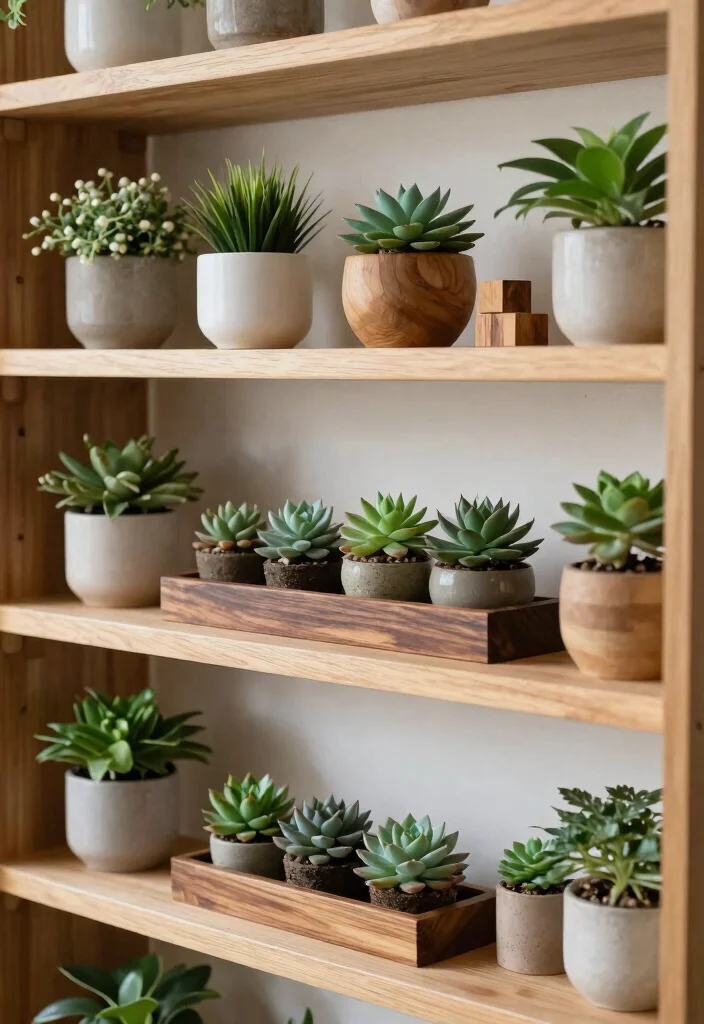
Integrating natural wood accents into your plant shelf design brings warmth and a rustic charm. Wooden elements, such as plant stands, shelves, or wooden trays for organizing smaller plants, add an earthy quality that beautifully complements the greenery.
Wood introduces organic beauty and pairs well with various plant types. Whether you choose light or dark wood, the natural grain and texture enhance the overall aesthetic, helping your plants feel more at home.
Here are some ways to incorporate wood accents:
– Choose wood tones that harmonize with your existing decor.
– Use wooden trays to organize smaller plants or plant care items effectively.
– Incorporate wood pots or planters for added rustic charm.
By weaving natural wood into your plant shelf design, you create an inviting atmosphere that feels connected to nature.
11. Opt for Hanging Plants
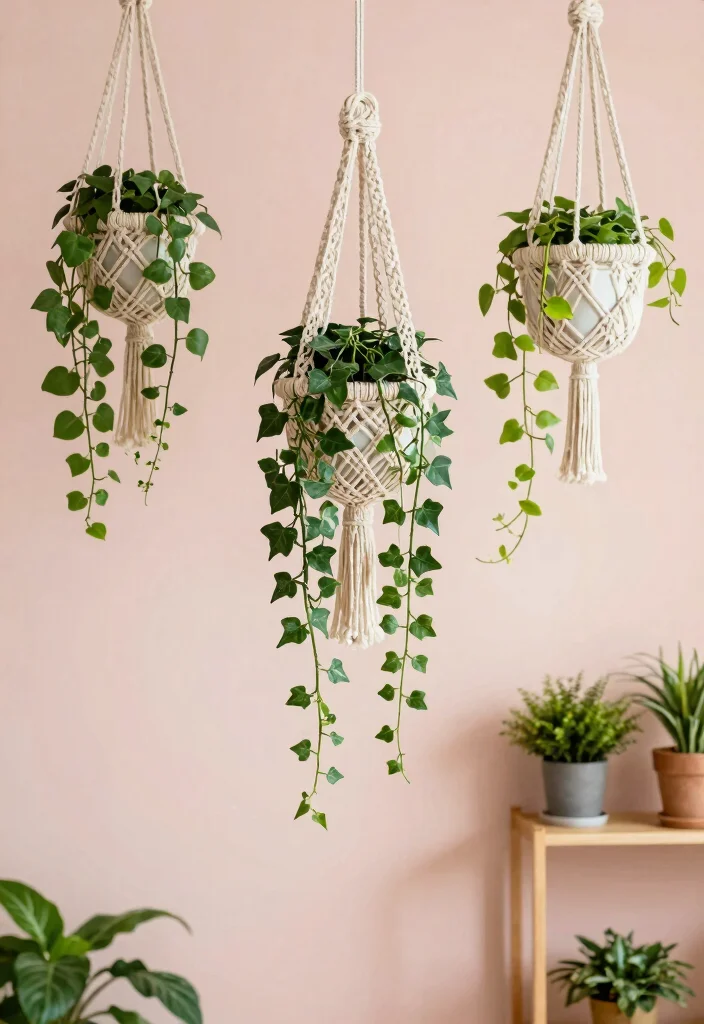
Hanging plants offer an exciting way to introduce greenery into your space without occupying valuable shelf space. Utilizing hooks or wall-mounted planters creates a beautiful cascading effect that draws the eye upwards. This approach frees up surface area while adding depth to your plant arrangement.
Consider using a mix of hanging plants, such as string of hearts or trailing ivy, to create a lively atmosphere. They can dangle playfully from shelves or hooks, enhancing the space’s dynamism. This method is particularly effective in smaller areas where floor space is limited.
To optimize your hanging plant display, consider:
– Choosing lightweight pots that won’t weigh down hanging plants.
– Mixing different types of hanging plants for visual variety.
– Placing hanging plants near windows for optimal light exposure.
By incorporating hanging plants, you create an enchanting, layered effect that enhances your home’s overall aesthetic.
12. Personalize with Collections
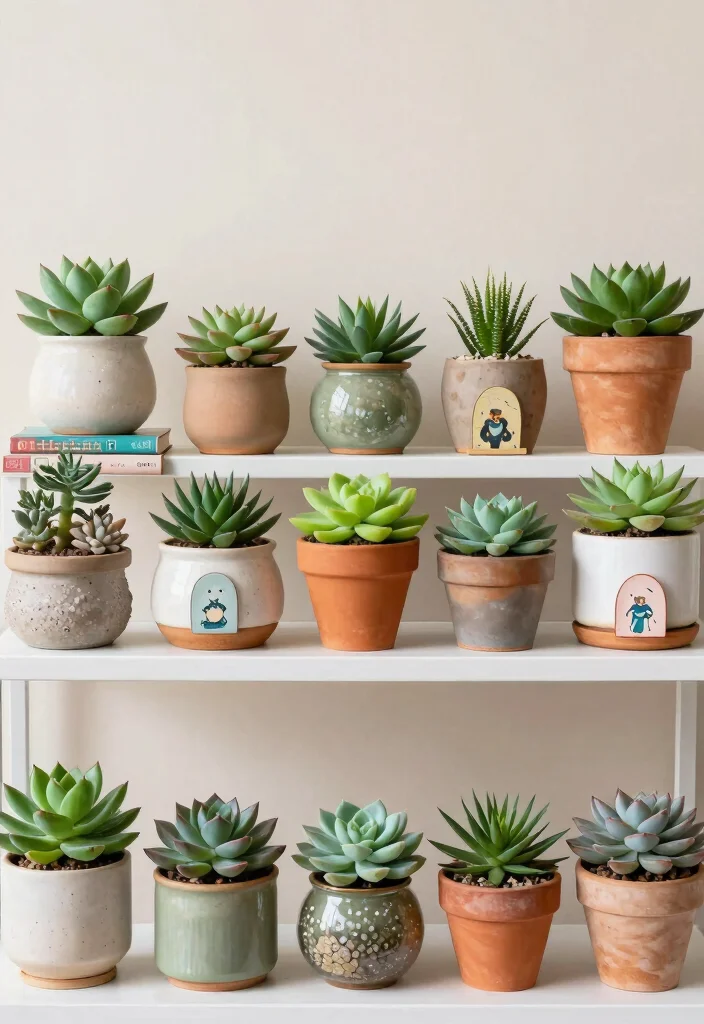
Showcasing collections is a fantastic way to reflect your personal style on your plant shelf. Whether it’s a series of succulents in unique pots or an assortment of ferns, grouping similar plants or themed decor creates a striking display. This approach tells a story about your interests and adds layers of intrigue to your shelf.
Highlighting collections allows for cohesive use of color, shape, and texture. For example, gather your favorite hanging plants and display them together for a charming look. Alternatively, focus on a specific type of plant, like cacti, and arrange them beautifully in various pot designs.
Here are some tips for effective collection displays:
– Use a designated corner for themed collections to create focus.
– Consider displaying plants alongside books or personal mementos for a personalized touch.
– Change out the collections seasonally for variety.
By personalizing your plant shelf with collections, you craft a unique, inviting atmosphere that reflects your journey as a plant lover.
13. Create a Minimalist Zen Garden
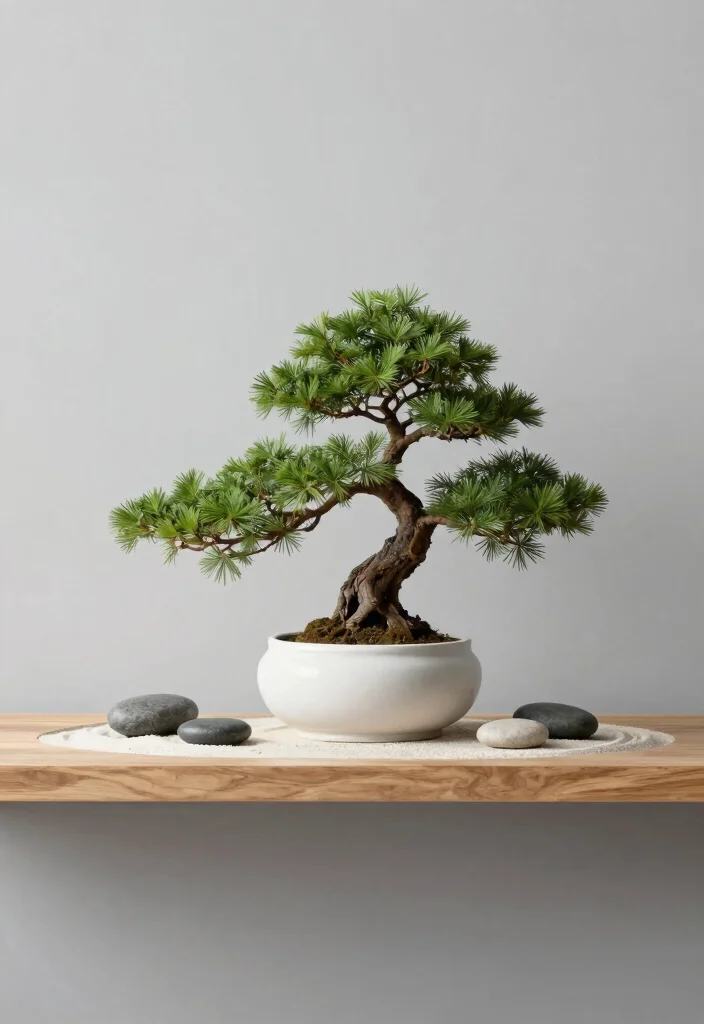
For a serene plant shelf, consider creating a minimalist zen garden vibe. This approach emphasizes simplicity and tranquility, allowing each plant to stand out beautifully. Choose a few calming plants, like a bonsai tree or peace lily, and arrange them in a clean, uncluttered manner.
Utilize simple pots and minimal decorations to maintain the zen aesthetic. Incorporating elements like smooth stones or sand can enhance the serene atmosphere, mimicking a traditional Japanese zen garden. This minimalist look invites relaxation and mindfulness while offering stunning visual appeal.
To create a minimalist zen garden, keep these tips in mind:
– Limit the number of plants for a clean appearance.
– Use neutral-colored pots and natural materials.
– Incorporate elements like stones, sand, or small sculptures to elevate the theme.
By adopting a minimalist zen garden approach, your plant shelf becomes a beautiful sanctuary for both plants and your personal well-being.
Conclusion
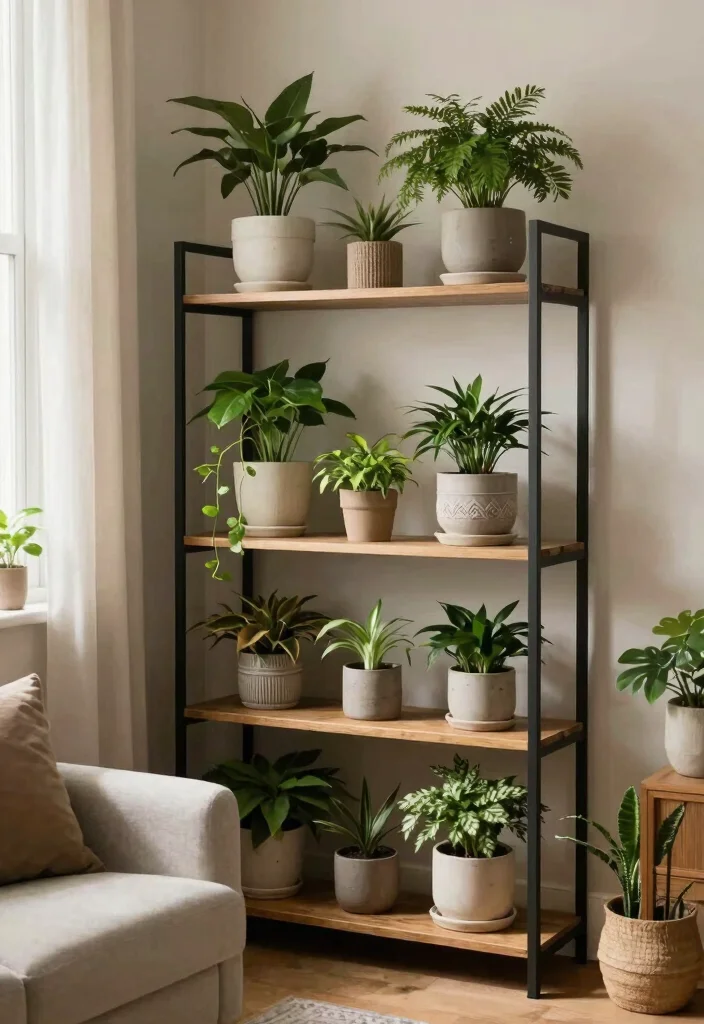
Styling your plant shelf is an art that can transform your home into a mini botanical haven. With these 13 expert ideas for minimalist plant shelf styling, you now have the tools to create a stunning display that showcases your personality and love for greenery. Experiment with colors, materials, and arrangements to find what resonates with you, and don’t hesitate to let your creativity flow. A well-styled plant shelf not only beautifies your space but also brings a sense of calm and connection to nature.
Start your plant styling journey today, and enjoy the process of curating a living display that reflects your unique style and green thumb.
Note: We aim to provide accurate product links, but some may occasionally expire or become unavailable. If this happens, please search directly on Amazon for the product or a suitable alternative.
This post contains Amazon affiliate links, meaning we may earn a small commission if you purchase through our links, at no extra cost to you.
Frequently Asked Questions
What are the best plant shelf styling ideas for a minimalist home?
Start with a clean canvas: clear the shelf, measure depth, and choose a restrained color palette to keep things calm and cohesive.
Pick a focal plant as your anchor—something sculptural like a monstera or a fiddle-leaf fig adds drama without clutter.
Layer by height and texture: tall plants in the back, mid-size pieces in front, and trailing varieties at the edge to create depth.
Unify the look with a single pot finish (matte white, concrete, or ceramic) and add one or two textural accents. Use risers or plant stands to create levels without crowding. Leave negative space so each plant can breathe. Rotate seasonal greens and decorative items to keep the display fresh and inspiring, a practical example of plant shelf styling ideas that also supports indoor plant decor goals.
How can I organize indoor plant decor on a shelf without clutter?
Keep the shelf tidy with practical shelf organization tips: designate zones to separate care tools from plant displays, then keep a small kit nearby.
Use a uniform pot family or a small set of finishes to create a cohesive plant shelf styling ideas look that also nails indoor plant decor.
Leverage vertical space with risers or tiered stands so each plant gets light without crowding.
Protect surfaces with moisture-safe saucers and wipeable mats, and keep a simple rotation plan so you refresh the look without moving everything around.
Finally, label care notes near each plant to simplify maintenance and stay on top of shelf organization tips.
What plant display ideas maximize small spaces on a shelf?
Small-space plant shelf display ideas: start with compact or trailing plants that tuck into corners, and mount a wall shelf to free floor space.
Place a tall plant in back, a mid-size specimen in front, and a trailing variety along the edge to create depth without crowding.
Choose a monochrome planter set or two similar finishes to keep the look minimal and cohesive as part of plant display ideas for small spaces and home gardening inspiration.
Finish with a slim vertical plant stand and a couple of decorative accents to tie the theme together.
What shelf organization tips help keep a plant shelf tidy and stylish?
Seasonal refresh tips for minimalist shelves: swap in seasonal greens or herbs to keep things lively.
Prune, dust, and reflow plants every month so the shelf stays neat and healthy.
Stick to a restrained color palette and a small set of textures to uphold plant shelf styling ideas while honoring shelf organization tips and indoor plant decor aesthetics.
This approach makes your display feel intentional year-round.
How can I create stylish plant arrangements that reflect home gardening inspiration?
Create stylish plant arrangements that echo home gardening inspiration: start with a color story and repeat it across pots, stands, and decor.
Incorporate edible greens like herbs or small veggies where space allows to blend home gardening inspiration with indoor plant decor.
Mix leaf shapes and textures—large leaves, fine fronds, and smooth succulents—to craft visually interesting stylish plant arrangements.
Keep the overall look calm by limiting each shelf to 3–5 focal plants and using simple, high-quality planters.