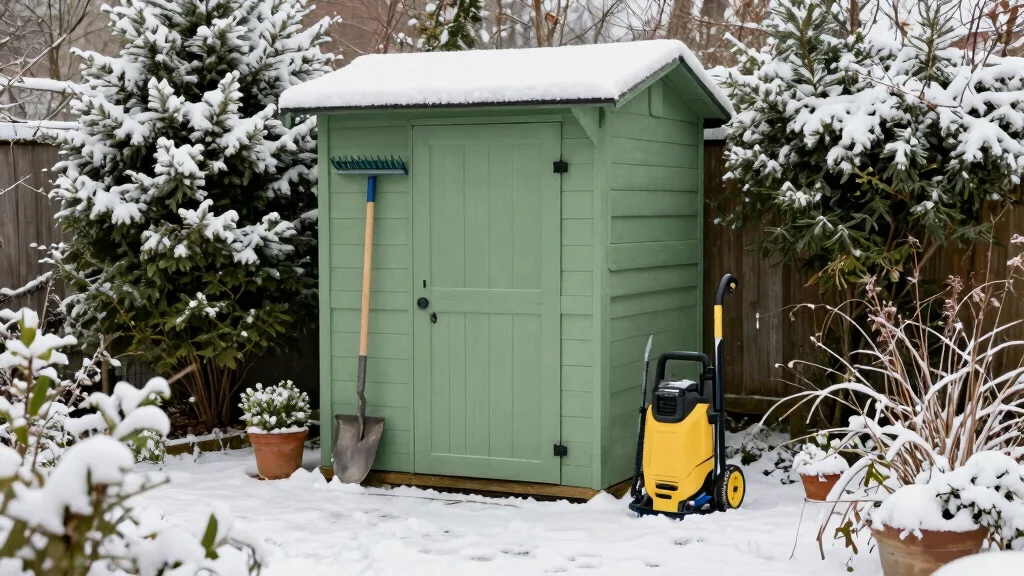
Winter is fast approaching, and for those who love their gardens, it’s the time to prepare. As the temperatures drop, it’s crucial to keep your gardening tools in top shape, specifically your pressure washer. This post is here to help you with that very task! I created this guide because I know how easy it is to overlook winterizing garden equipment. A pressure washer is a significant investment, and neglecting it during the cold months can lead to costly repairs or replacements later.
If you’re a garden enthusiast or someone who takes pride in maintaining your outdoor spaces, this guide is for you. You probably care about keeping your tools functioning and your garden looking fantastic all year round. In this blog post, you’ll find seven essential tips for winterizing your pressure washer. These tips are practical, straightforward, and will help you protect your equipment from freezing temperatures. You’ll also learn how to ensure that your pressure washer is ready for action when spring rolls around.
By following these winterizing pressure washer tips, you’ll not only extend the life of your machine but also enhance your outdoor equipment protection strategy. This means fewer worries and more time to enjoy your beautiful garden once the frost melts away. Let’s dive in and explore how to keep your pressure washer in perfect condition this winter!
Key Takeaways
– Drain All Water from the Pressure Washer: Ensure that you remove any remaining water from the machine to prevent freezing and cracking of internal components.
– Use Pump Saver or Anti-Freeze Solution: Apply a protective solution to safeguard the pump during cold weather, reducing the risk of damage.
– Clean Your Pressure Washer Thoroughly: A well-maintained machine performs better; clean the nozzle, hoses, and other parts to remove dirt and grime.
– Store in a Temperature-Controlled Environment: Keep your pressure washer in a warm and dry place to avoid exposure to harsh winter elements.
– Inspect Hoses and Nozzles for Wear and Tear: Regular checks can help you catch any damage early, ensuring your equipment remains safe and efficient for the next season.
1. Drain All Water from the Pressure Washer
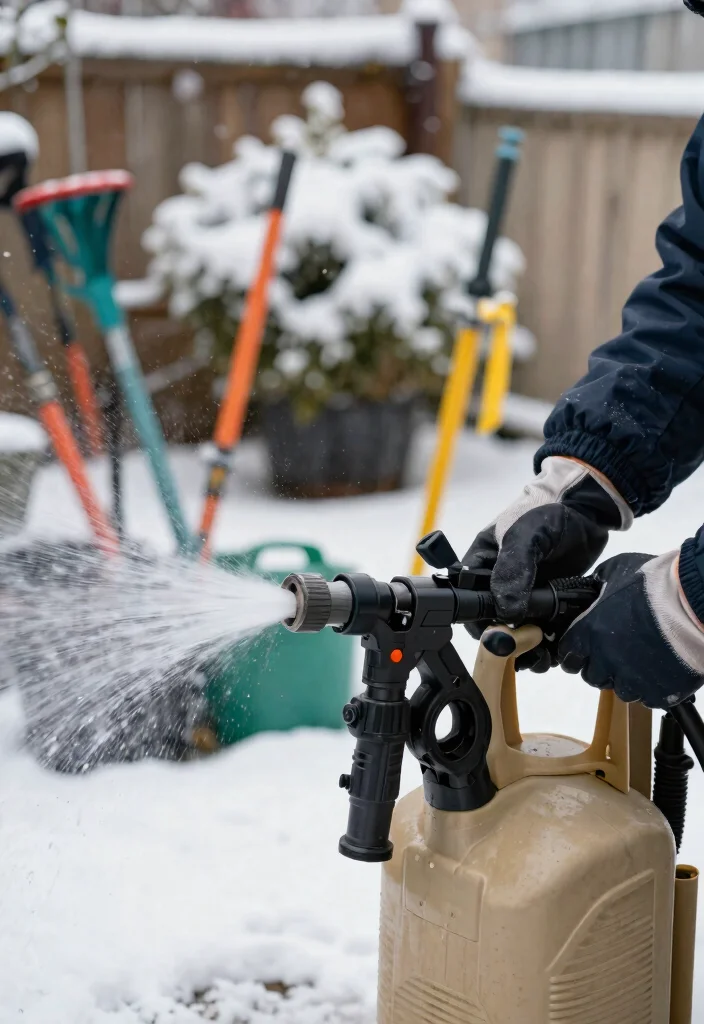
Leaving water in your pressure washer during winter can cause major issues. When temperatures drop, that water can freeze, expanding and damaging your pump and hoses. To keep your equipment safe, it’s crucial to drain every drop before the cold hits.
Begin by disconnecting your garden hose and letting any water drain from the nozzle and wand. Turn on the pressure washer for a few seconds to push out any lingering moisture. Don’t forget to empty the fuel tank and, if applicable, the oil as well. This not only prevents freezing but also keeps your machine in top shape.
Key steps to ensure thorough draining:
– Use a towel to wipe down the wand and nozzle interiors.
– Store hoses in a dry area, protected from the elements.
If you have a hot water pressure washer, let the water cool before draining to avoid burns.
Fun fact: Even a single cup of water can freeze in your pump and hoses, causing cracks. Drain every drop before winter to save time, money, and headaches—it’s the simplest step in winterizing pressure washer tips.
2. Use Pump Saver or Anti-Freeze Solution

After draining the water, think about using a pump saver or antifreeze solution. This step is essential to stop any remaining moisture from freezing.
Pump saver solutions are designed to lubricate and protect your pressure washer’s internal parts. Just follow the instructions provided on the product label for optimal results. Pour it into the pump’s inlet and run the washer briefly to circulate the solution.
Why this is important:
– Prevents corrosion and extends the life of internal components.
– Ensures smooth operation when you fire it up in the spring.
Make sure any antifreeze you use is suitable for garden tools to avoid damaging your pressure washer.
Ongoing Maintenance & Care Guide
Maintenance Schedule:
Daily/Weekly Tasks:
– Clean the filter and nozzle: Remove debris to ensure optimal performance. (Time estimate: 5 minutes)
– Inspect hoses: Look for any cracks or leaks. This can prevent bigger issues down the road. (Time estimate: 5-10 minutes)
– Check fuel level: Keep an eye on your fuel levels if you use a gas-powered pressure washer. (Time estimate: 2 minutes)
– Wipe down the machine: Clean off dirt and grime after each use. This helps maintain its appearance and functionality. (Time estimate: 5 minutes)
Monthly/Seasonal Tasks:
– Flush the system: Run clean water through the unit to prevent buildup. (Time estimate: 10 minutes)
– Inspect and change the oil: Check oil levels and replace if dirty or low. (Time estimate: 15 minutes)
– Check spark plug: Inspect for wear and replace if necessary. This ensures easy starts. (Time estimate: 10 minutes)
– Grease the fittings: Apply grease to moving parts to keep everything running smoothly. (Time estimate: 10 minutes)
– Test the pressure gauge: Ensure it is functioning correctly for accurate readings. (Time estimate: 5 minutes)
Maintenance Summary Table:
| Task | Frequency | Difficulty | Time Needed |
|——————————-|—————-|————|—————|
| Clean filter and nozzle | Daily/Weekly | Easy | 5 minutes |
| Inspect hoses | Daily/Weekly | Easy | 5-10 minutes |
| Check fuel level | Daily/Weekly | Easy | 2 minutes |
| Wipe down the machine | Daily/Weekly | Easy | 5 minutes |
| Flush the system | Monthly | Medium | 10 minutes |
| Inspect and change the oil | Monthly | Medium | 15 minutes |
| Check spark plug | Monthly | Medium | 10 minutes |
| Grease the fittings | Monthly | Medium | 10 minutes |
| Test the pressure gauge | Monthly | Easy | 5 minutes |
Common Issues to Watch For:
⚠️ Warning Signs:
– Unusual noises: If your pressure washer makes strange sounds, it could mean mechanical issues. Check the motor and components.
– Low pressure: If the pressure drops significantly, inspect hoses and filters. Blockages can prevent efficient operation.
– Leaky hoses: Any leaks may indicate wear. Replace hoses to prevent further damage.
– Difficulty starting: If it takes several tries to start, the spark plug or fuel could be the problem. Check and replace as needed.
– Overheating: If the machine gets too hot, it may lead to internal damage. Allow it to cool down and check for issues.
Care Tips:
💡 Practical Tips:
– Use a pump saver: This prevents damage caused by freezing temperatures. It’s a good investment for winterizing your pressure washer.
– Store it properly: Keep your pressure washer in a cool, dry place, ideally indoors. This protects it from extreme weather and moisture.
– Keep the manual handy: Refer to your user manual for specific maintenance advice related to your model. This can save you time and trouble.
– Clean after each use: A quick clean can help extend the life of your machine and ensure it’s ready for your next project.
– Follow a checklist: Create a maintenance checklist to help you remember what tasks to complete and when. This helps keep everything on track.
Taking care of your pressure washer isn’t just about winterizing; it’s a year-round commitment. By following these ongoing maintenance tips, you can prevent cracks and ensure your machine remains in good working condition. Regular upkeep leads to better performance and longer life for your outdoor equipment. Happy washing!
3. Clean Your Pressure Washer Thoroughly
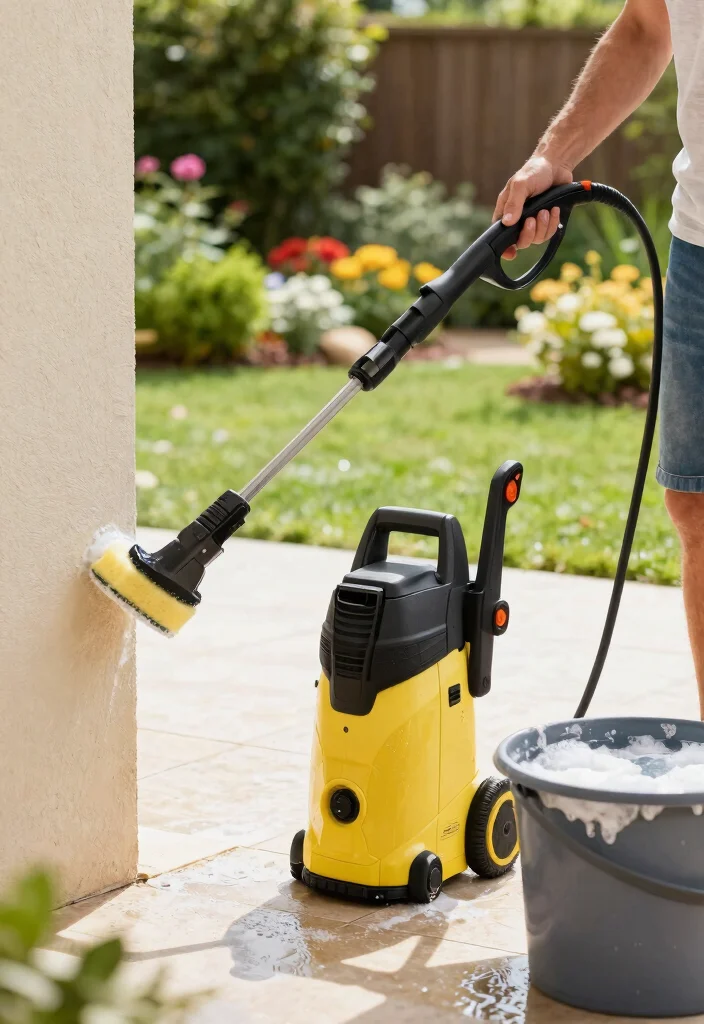
Cleaning your pressure washer before winter storage is a must. Not only does it keep your equipment looking great, but it also prevents dirt build-up that can harm the machine.
Start by removing debris from the nozzle and wand. Use a brush to clean the filters and check for clogs. Wipe down the body of the machine with a damp cloth, using soap for any stubborn spots.
Cleaning checklist:
– Inspect and clean the air filter thoroughly.
– Remove the spray tip and clear any blockages.
– Ensure the fuel tank is clean, if applicable.
A clean pressure washer ensures efficient operation when spring arrives, ready to tackle those garden tasks.
4. Store in a Temperature-Controlled Environment
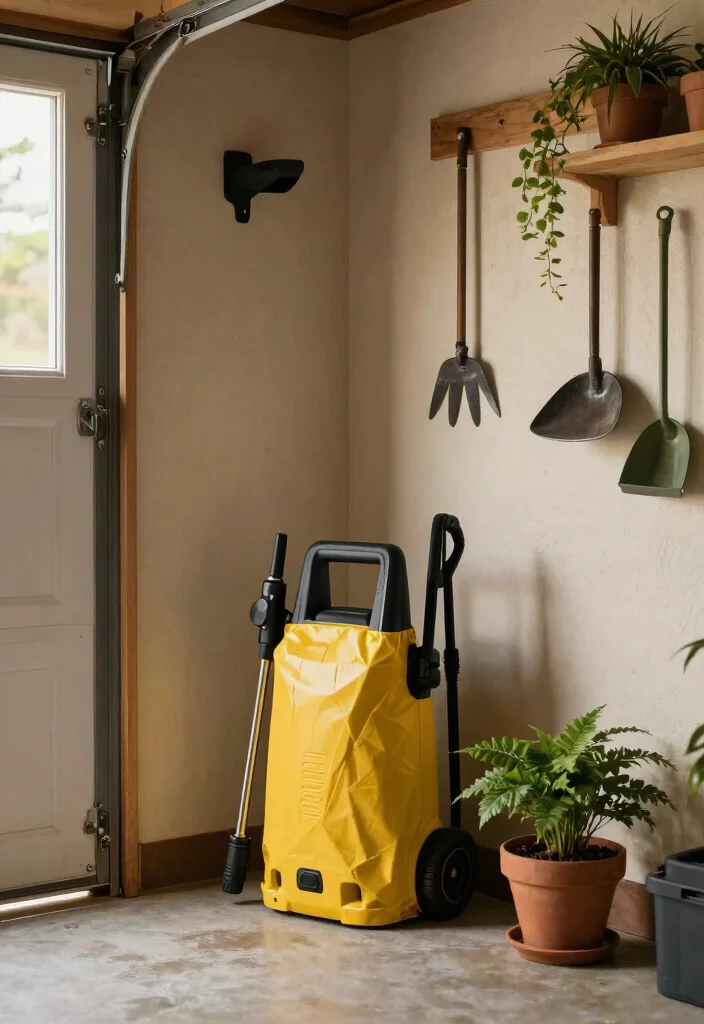
Choosing the right storage spot for your pressure washer is vital to its longevity. A dry, temperature-controlled area like a garage or shed is ideal.
Indoor storage keeps your machine shielded from freezing temperatures and excess moisture, which can cause rust. If you must store it outside, cover it with a tarp or blanket for protection.
Storage tips:
– Elevate the pressure washer on a platform to prevent moisture.
– Keep it out of direct sunlight to avoid degrading plastic parts.
– Consider using a winter storage cover designed specifically for pressure washers.
Proper storage helps extend your pressure washer’s lifespan, ensuring it’s ready to go when you need it.
❝ Fun fact: Storing your pressure washer in a temperature-controlled space at 40–60°F can cut rust and corrosion risk by up to 70% versus outdoor storage. Elevate it, shield it from sun, and you’ll extend its life.
5. Inspect Hoses and Nozzles for Wear and Tear
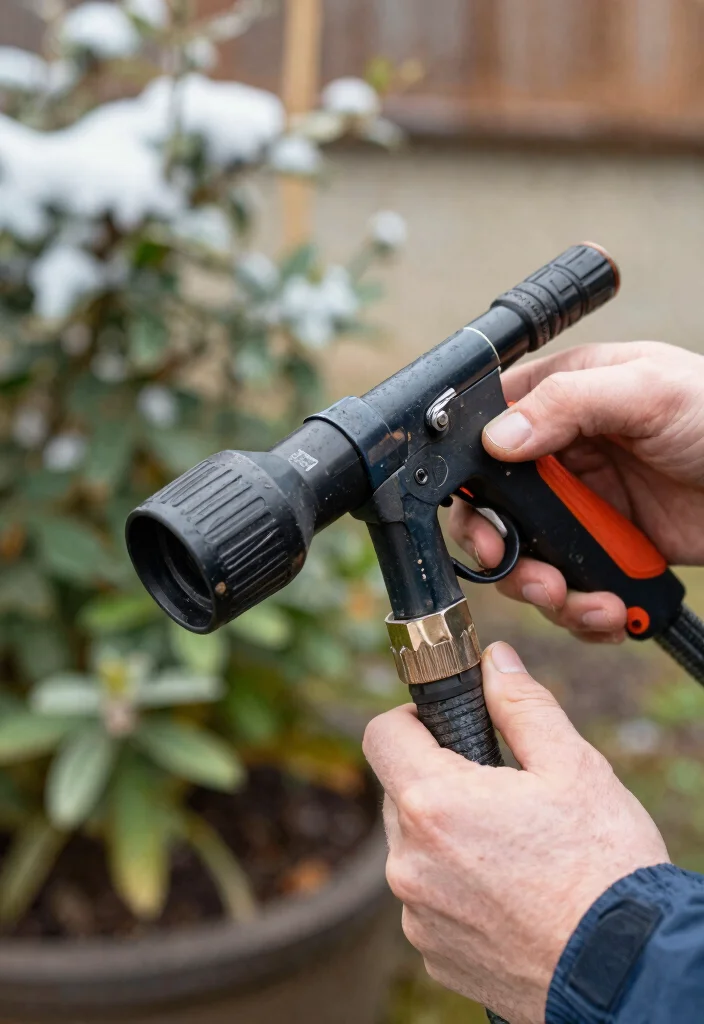
Before winter sets in, take a good look at your pressure washer’s hoses and nozzles. Over time, these parts can wear out, leading to leaks when you use them again.
Examine hoses for cracks, frays, or other damage. It’s wise to replace any worn-out components now to avoid surprises come spring.
Inspection checklist:
– Look for kinks or bends that could cause breakage.
– Ensure the fittings are secure and leak-free.
– Clean the nozzles and replace them if they’re clogged.
Keeping your hoses and nozzles in good condition will enhance your pressure washer’s efficiency when it’s time to get back to work.
6. Check the Oil Levels and Change if Necessary
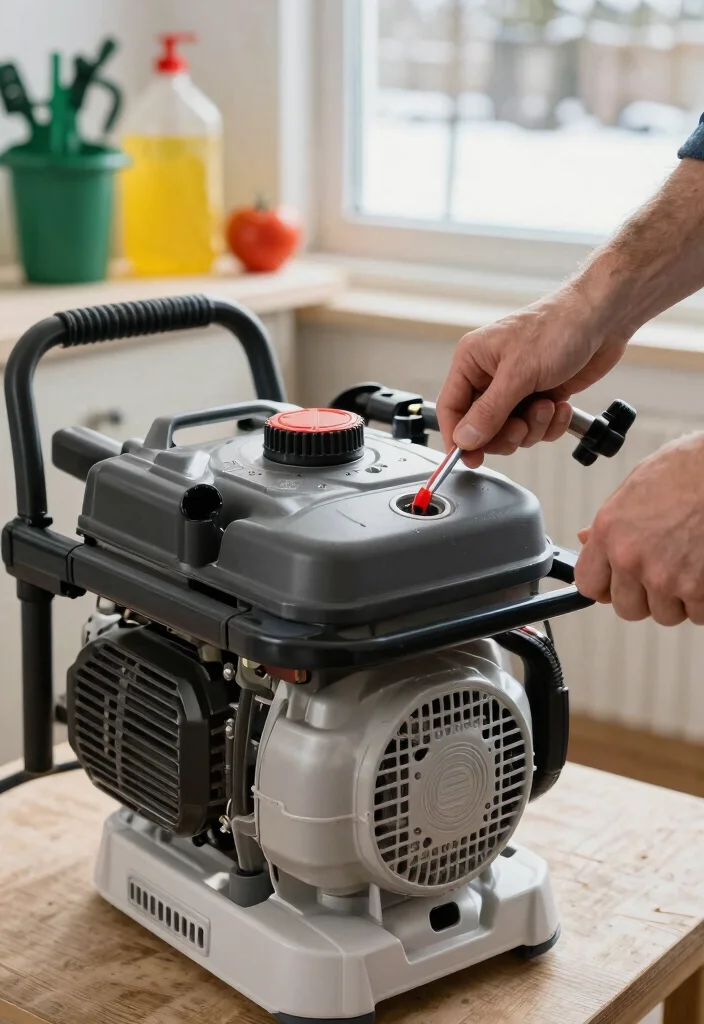
For gas-powered pressure washers, checking oil levels is crucial during winter prep. Dirty oil can wreak havoc on your engine and lead to expensive repairs.
Start by checking the oil level with the dipstick. If it’s dark or contaminated, drain the old oil and refill with fresh oil that meets the manufacturer’s specifications. This simple step helps maintain your engine’s integrity and ensures smooth operation next season.
Maintenance tips:
– Choose high-quality oil that meets recommended standards.
– Run the machine briefly after changing the oil to circulate it.
– Store excess oil in a cool, dry place away from sunlight.
Proper oil care contributes to your pressure washer’s longevity and performance when spring cleaning rolls around.
7. Document and Organize Your Maintenance Routine
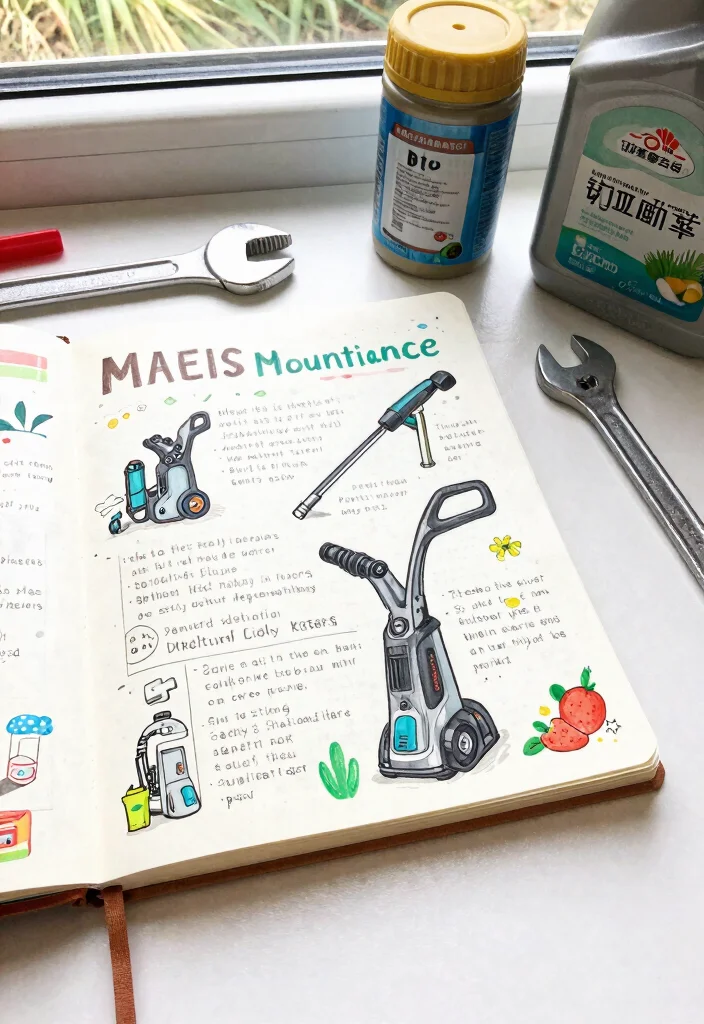
Lastly, tracking your maintenance efforts is vital for your pressure washer’s longevity. Start a simple log to note when you winterize it, record repairs, or parts replaced. This keeps you organized and provides valuable insights for future maintenance.
Consider creating a seasonal checklist for all your garden equipment, including your pressure washer. This will serve as a helpful reminder of the tasks needed as seasons change.
Organizational tips:
– Use a notebook or digital tool for maintenance records.
– Include photos of parts replaced or issues encountered.
– Set reminders for seasonal maintenance check-ups.
A well-documented routine helps you stay proactive about caring for your equipment, making it easier to keep your garden in top shape when warmer weather arrives.
Fun fact: A simple maintenance log can cut surprise repairs by 35% and extend your pressure washer’s life through winterizing pressure washer tips. Track every winterization, part replacement, and repair so you know what to do next season.
Conclusion
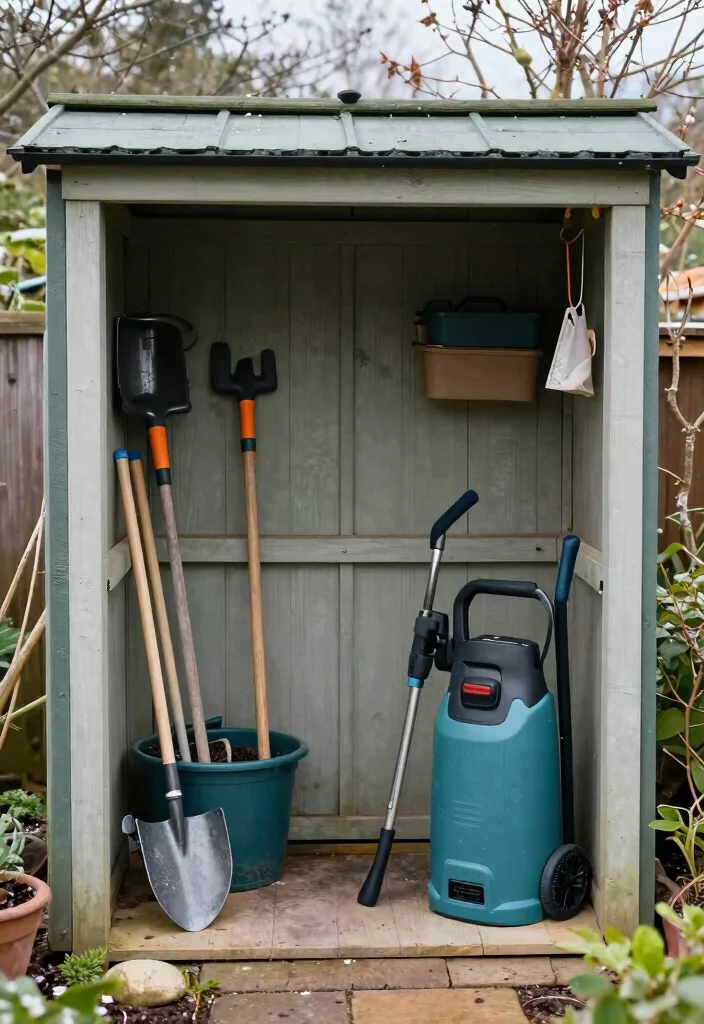
Taking the time to winterize your pressure washer will pay off big when spring rolls around. By following these seven crucial tips, you’ll not only protect your investment but also ensure that your pressure washer is ready to tackle all your outdoor cleaning tasks.
Don’t forget to enjoy the beauty of winter in your garden, knowing that you’ve taken the steps to care for your equipment. So gather your tools, check off those tasks, and be ready for a fresh start once the snow melts away!
Note: We aim to provide accurate product links, but some may occasionally expire or become unavailable. If this happens, please search directly on Amazon for the product or a suitable alternative.
This post contains Amazon affiliate links, meaning we may earn a small commission if you purchase through our links, at no extra cost to you.
Frequently Asked Questions
What are the essential winterizing pressure washer tips to protect my equipment this season?
Here are the essential winterizing pressure washer tips you want this season to prevent cracks.
Drain water from the pump, hoses, and wand to avoid ice damage.
Flush with clean water, then run a small amount of non-toxic RV antifreeze through the system to protect the pump and seals.
For gas models, add fuel stabilizer and consider running the engine briefly with stabilized fuel, or drain the tank if you won’t use it all winter.
Lubricate external O‑rings and connectors, and store the unit upright on a dry surface.
Inspect hoses and fittings for cracks and replace as needed.
Cover or shelter the unit to protect it from moisture and freezing temperatures.
Following these steps is a key part of pressure washer maintenance and outdoor equipment protection during winter garden care.
How do winterizing pressure washer tips fit into overall pressure washer maintenance for garden gear?
Winterizing tips are a core part of pressure washer maintenance. When you fold them into your seasonal cleaning tips, you safeguard the pump, seals, and hoses from cracking in freezing weather. Include these steps: drain and flush the system, protect the pump with antifreeze, stabilize fuel or drain it on gas models, inspect hoses and fittings, lubricate moving parts, and store properly. This approach keeps your garden gear ready for spring and supports outdoor equipment protection and winter garden care.
What are common signs that a pressure washer isn’t protected from freezing?
Watch for these common signs that your pressure washer isn’t protected from freezing:
cracked or swollen hoses,
frost or ice on the pump,
oil or fluid leaks,
reduced spray pressure or strange noises when starting,
and white crystallization or rust on fittings. If you spot any of these, revisit your winterizing pressure washer tips and apply proper freezing weather precautions.
Is it safe to use RV antifreeze when winterizing a pressure washer, and how should I apply it?
Yes, using a non-toxic RV antifreeze is a safe and effective method when winterizing a pressure washer, especially in freezing conditions. Run RV antifreeze through the water passages until it exits the nozzle to protect the pump and seals. Do not use automotive antifreeze or mix antifreeze with fuel. After winter, flush with clean water before first use in spring and follow your manufacturer’s recommendations. This supports winter garden care and outdoor equipment protection.
What are the best ways to store a pressure washer outdoors during winter to protect garden equipment?
Store outdoors only if necessary and with proper protection:
drain all water from the pump, hoses, and wand,
empty or stabilize fuel,
store upright on a dry, elevated surface,
cover with a breathable, weatherproof cover and shelter from wind,
disconnect power if it’s electric and secure cords,
keep attachments clean and dry. These steps align with pressure washer maintenance, winter garden care, and outdoor equipment protection.