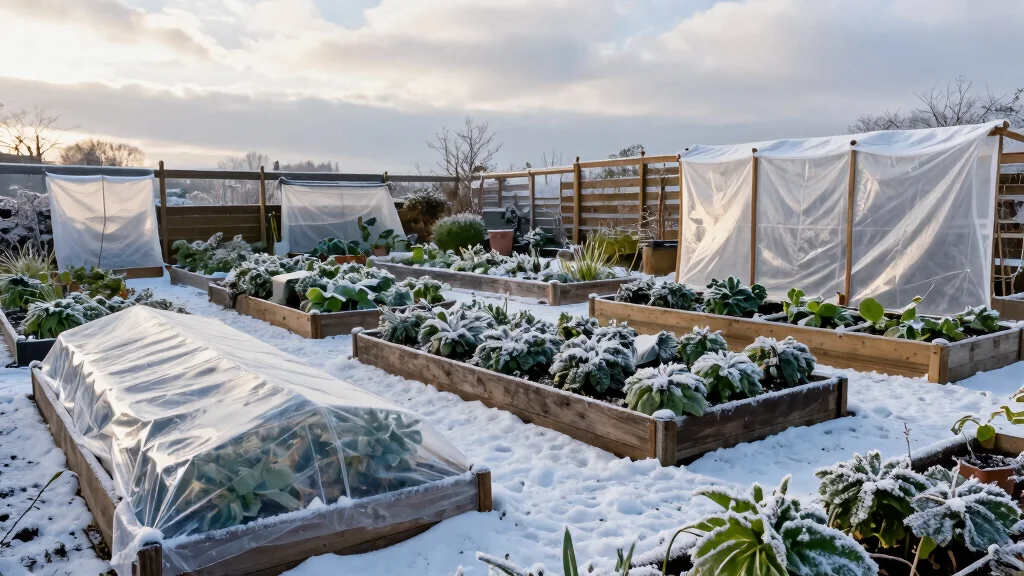
Winter is upon us, and if you’re like me, you’re probably thinking about how to keep your cherished plants safe from the biting frost. It’s that time of year when frost protection becomes crucial for gardens, especially for those with raised beds. I created this post to help you find practical and straightforward ideas to protect your plants during the chilly months.
If you’re a gardening enthusiast worried about your plants surviving the frost, you’ve landed in the right place. Whether you’re an experienced gardener or just starting, protecting your plants from frost can be challenging. This guide focuses on raised garden bed cover ideas that are not only effective but also budget-friendly. You’ll discover nine practical solutions that can help you keep your plants cozy and thriving throughout winter.
In this post, you’ll learn about various materials and techniques for frost protection for gardens. From clear plastic covers to innovative mini greenhouses, each idea offers unique benefits and easy implementation. Let’s dive into these creative solutions so you can ensure your garden remains vibrant even in the depths of winter.
Key Takeaways
– Explore various raised garden bed cover ideas to shield your plants from cold temperatures and frost damage.
– Discover materials like clear plastic, fabric row covers, and straw bales that help with raised bed insulation.
– Learn about DIY options, such as using old windows for covers, which can be both fun and cost-effective.
– Each cover idea offers practical insights for protecting plants from frost, helping you choose the best fit for your garden’s needs.
– Implement these strategies to maintain a flourishing garden, ensuring your plants are ready for a successful growing season come spring.
1. Clear Plastic Covers
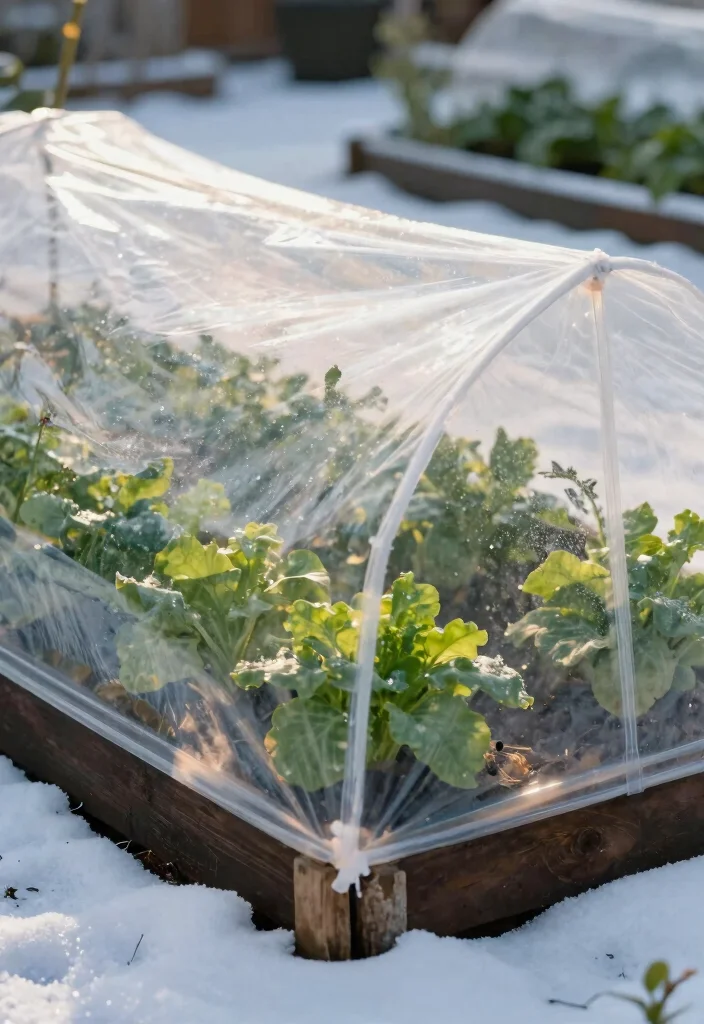
If you’re looking for an effective way to shield your plants from frost, clear plastic covers might just be your best bet. These covers create a cozy greenhouse environment, letting in sunlight while keeping the chill away. Made from transparent, UV-resistant materials, they are tailored to fit various raised bed sizes, ensuring maximum protection.
To make the most of your clear plastic covers, ensure they are ventilated on sunny days to prevent overheating. You can also layer them with other materials for added warmth, especially during the harshest winter nights.
Key steps to enhance your frost protection:
– Secure the covers with weights or stakes to prevent them from blowing away.
– Check regularly for condensation buildup to avoid mold issues.
– Combine with other insulating materials for extra warmth.
Using clear plastic covers not only protects your plants but also creates a vibrant visual appeal in your winter garden.
2. Lightweight Fabric Row Covers
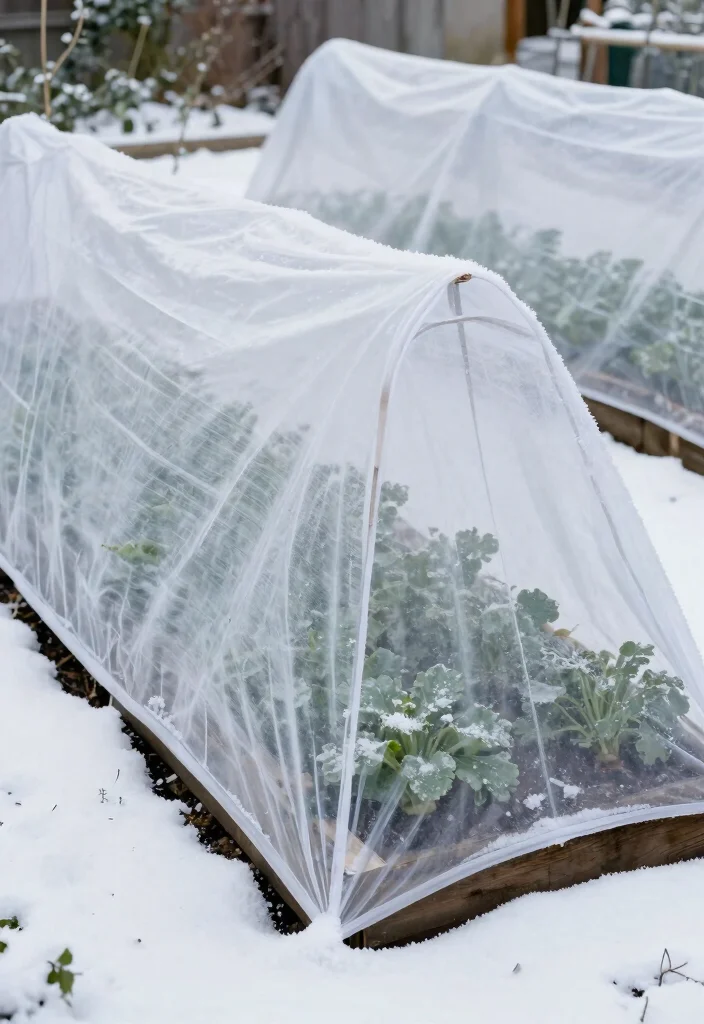
Lightweight fabric row covers are a gardener’s secret weapon against frost. These breathable fabrics provide warmth while allowing air circulation, making them perfect for a variety of plants. Available in various thicknesses, you can easily select the one that fits your climate best.
These covers not only shield your plants from frost but also deter pests and can even help seeds germinate quicker. They work wonders in early spring and late fall, extending your growing season significantly.
Essential tips for effective use:
– Frame them with hoops for easy access and additional space for your plants.
– Secure them with soil or weights to prevent them from blowing away.
– Use them for pest protection during the growing season.
With lightweight fabric row covers, you’ll keep your garden lush and thriving, even in chilly conditions.
Fun fact: lightweight fabric row covers can lift nighttime temps by 3–6°F, turning frost into a non-issue. They breathe, deter pests, and boost germination—one practical addition to your raised garden bed cover ideas for early spring and late fall.
3. Wooden Frames with Tarp Covers
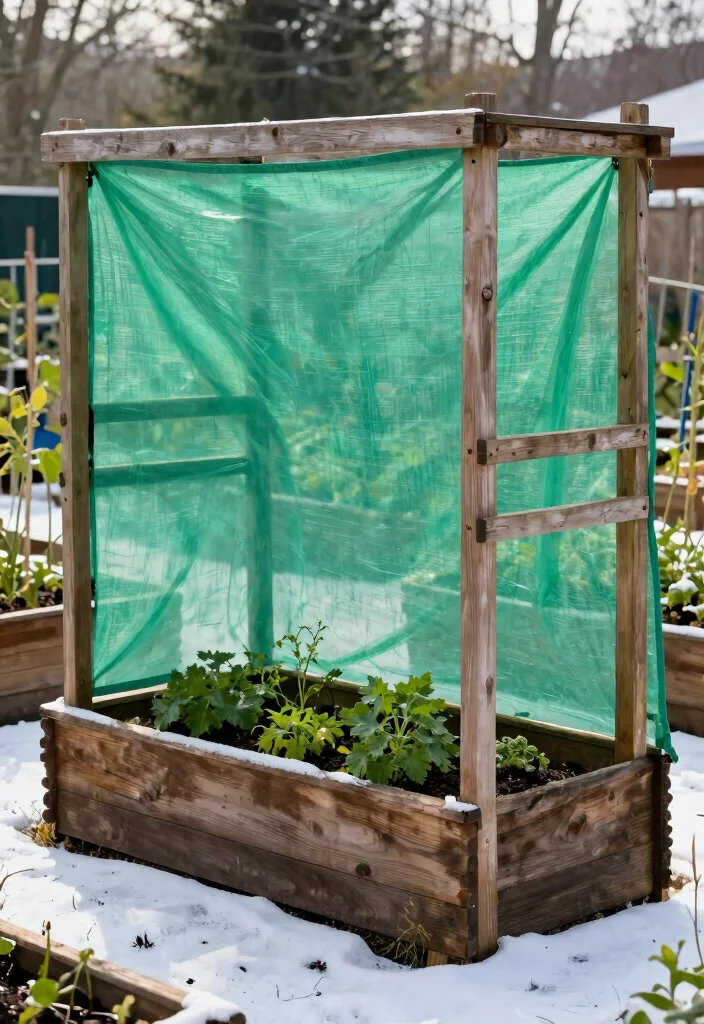
Constructing wooden frames covered with tarps is a robust way to safeguard your raised garden beds from frost. This method creates a solid barrier against cold weather, effectively protecting your plants. Using leftover lumber from projects, you can easily build a frame and drape a weather-resistant tarp over it.
This option not only provides durability against harsh weather but also allows for easy access. Remember to remove the tarp during sunny days to let in sunlight and warmth.
Helpful tips for this approach:
– Ensure the frame height accommodates your tallest plants.
– Opt for UV-treated tarps for enhanced longevity.
– Use hooks or ropes to lift the tarp for easy access.
With wooden frames and tarp covers, you’ll create a reliable winter shelter for your garden, keeping your plants safe throughout the cold months.
4. Bubble Wrap Insulation
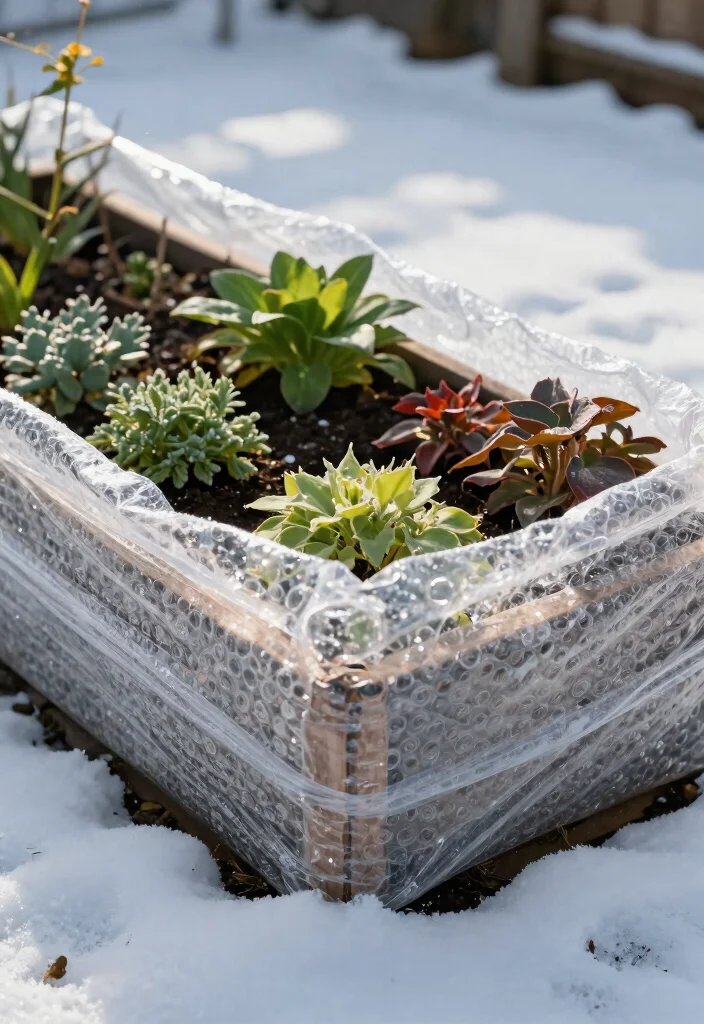
While bubble wrap might seem unconventional, it’s a surprisingly effective frost protection method! Wrapping bubble wrap around your raised beds provides an extra layer of insulation while still allowing light to penetrate. You can use it to cover the sides or directly over your plants, creating a cozy environment.
The air pockets in bubble wrap act similarly to a warm blanket, keeping your plants snug against the cold. Plus, using recycled materials is an eco-friendly choice that adds a unique twist to your garden.
Pro tips for using bubble wrap:
– Secure it with garden twine or clips to keep it in place.
– Layer it for added protection during extreme cold.
– Remove it on warmer days to prevent overheating.
By incorporating bubble wrap, you provide a smart, resourceful solution to keep your plants cozy through winter, enhancing your gardening experience.
Key Trade-offs & Our Top Pick
1. Clear Plastic Covers
– Pros:
✔ Easy to find and affordable
✔ Allows sunlight in while protecting from frost
✔ Lightweight and simple to set up
– Cons:
❌ May trap heat, causing plants to overheat on sunny days
❌ Less durable during strong winds
❌ Can degrade over time with UV exposure
– Best for: Quick protection for delicate seedlings and smaller plants on cooler nights.
2. Lightweight Fabric Row Covers
– Pros:
✔ Breathable fabric provides frost protection while allowing moisture and light
✔ Can be laid directly over plants without frames
✔ Easy to store and reuse season after season
– Cons:
❌ May not provide enough insulation for very cold temperatures
❌ Can be blown away by strong winds unless secured
❌ Some fabrics can tear easily with rough handling
– Best for: Protecting rows of plants in moderate climates without heavy frost.
3. Mini Greenhouses
– Pros:
✔ Offers excellent insulation and protection from frost
✔ Can be used for starting seeds or protecting young plants
✔ Provides a controlled environment for growing
– Cons:
❌ Can be expensive compared to other options
❌ Requires space and may be cumbersome to move
❌ Needs ventilation to prevent overheating during sunny days
– Best for: Serious gardeners wanting to extend their growing season or start plants early.
4. Old Windows for DIY Covers
– Pros:
✔ Eco-friendly and cost-effective if you have old windows
✔ Durable and can last many seasons
✔ Provides solid protection against frost and strong winds
– Cons:
❌ Heavy and may be difficult to manipulate
❌ Requires some DIY skills to build a frame
❌ Can block light if not positioned properly
– Best for: Gardeners looking for a sturdy, homemade solution to protect larger beds.
5. Commercial Frost Protection Covers
– Pros:
✔ Specifically designed for frost protection, ensuring effectiveness
✔ Available in various sizes for different garden beds
✔ Often reusable, providing good long-term value
– Cons:
❌ Can be more expensive than DIY options
❌ May not be as customizable as homemade solutions
❌ Availability may vary by region
– Best for: Gardeners seeking a reliable, ready-to-use solution with minimal effort.
Expert Recommendation:
Best Overall: Lightweight Fabric Row Covers
Lightweight fabric row covers stand out as the best choice for most gardeners. They balance cost and effectiveness while being easy to use and store. You can simply lay them over your plants, and they protect against frost while allowing light and moisture to reach the plants. Their versatility in various weather conditions makes them a smart investment for both novice and experienced gardeners alike.
Why We Picked This:
While lightweight fabric row covers are ideal for general use, you may prefer other options based on your specific needs. If you have a larger garden or want a more permanent solution, consider mini greenhouses. For those who favor more sustainable choices, old windows can provide a unique, eco-friendly cover. Each option has its merits, so consider factors like budget, ease of use, and the specific plants you are protecting when making your choice.
5. Mini Greenhouses
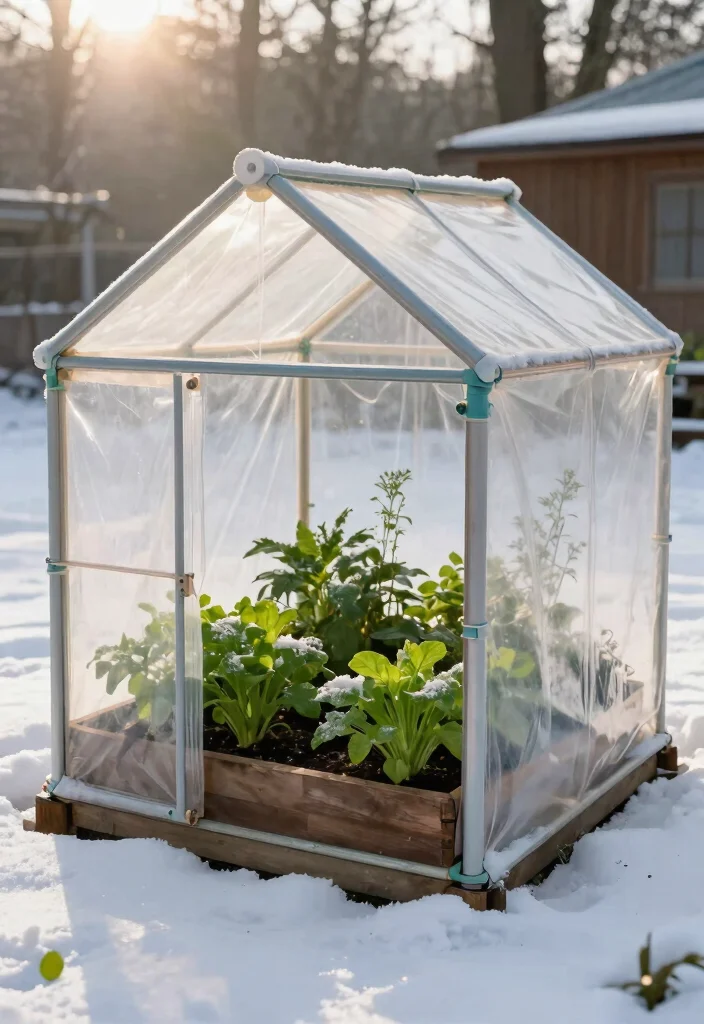
Setting up a mini greenhouse over your raised garden beds is an excellent strategy for frost protection and year-round growth. Whether you buy a pre-made structure or build one using PVC pipes and plastic sheeting, this option traps heat effectively to support your plants.
Mini greenhouses are perfect for nurturing seedlings or protecting delicate plants during winter. They create a warm, inviting space that encourages growth even in colder months.
Key considerations for your mini greenhouse:
– Ensure proper ventilation with roll-up sides or small openings.
– Place it in a sunny location for maximum warmth.
– Use temperature gauges to keep an eye on the internal climate.
With a mini greenhouse, your garden transforms into a vibrant oasis in winter, ensuring healthy plants regardless of the weather.
Fun fact: A lightweight mini greenhouse can raise air temperatures by 5–10°C overnight, turning frost into a growing window. This is one of the most practical raised garden bed cover ideas, perfect for protecting seedlings and extending your season. Build with PVC frames and clear plastic for quick setup.
6. Straw Bales for Insulation
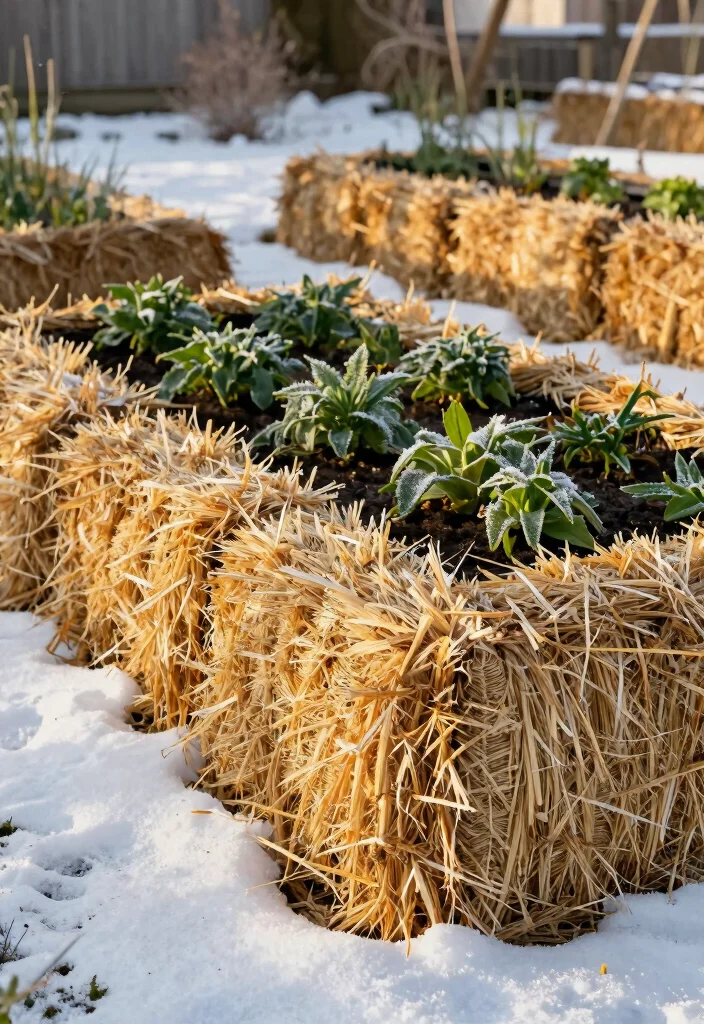
Using straw bales around your raised garden beds offers a natural solution for frost protection. Straw provides excellent insulation, keeping the soil warm while creating a protective barrier against cold temperatures. By stacking straw bales around your beds, you can effectively trap heat and shield your plants.
After winter, the straw can be repurposed as mulch in your garden or added to your compost pile, making this method eco-friendly and practical.
Helpful tips for using straw bales:
– Pack the bales tightly to minimize gaps for cold air.
– Use straw for weed control in the coming spring.
– Monitor moisture levels, as straw can decompose over time.
With straw bales, you not only keep your plants warm but also enhance your garden’s sustainability, benefiting it long after winter.
Did you know straw bales around raised beds can boost soil warmth by about 5–7°F during frost? That simple setup gives roots a crucial buffer, and the bales can be repurposed as mulch after winter.
7. Heavy Blankets or Quilts
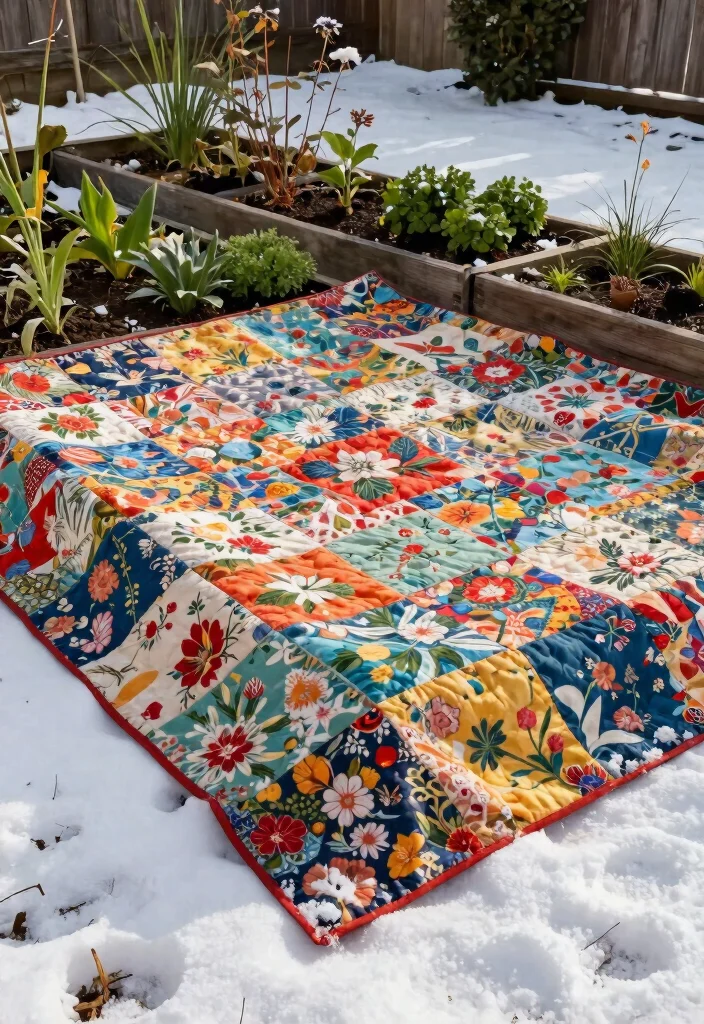
Heavy blankets or old quilts can serve as an effective and charming layer of frost protection for your raised beds. This method works especially well for delicate plants, allowing you to drape the blankets over them at night and remove them during the day when temperatures rise.
This practical approach adds a personal touch to your garden, creating a beautiful patchwork display of colors against the winter backdrop. If you have vibrant quilts, they’ll stand out beautifully in the snow.
Essential tips for using blankets:
– Secure them with heavy-duty clips on windy days.
– Remove during sunny days to avoid overheating.
– Layer for extra insulation when needed.
By using blankets and quilts, you combine creativity with functionality, ensuring your plants stay warm while adding charm to your winter garden.
8. Old Windows for DIY Covers
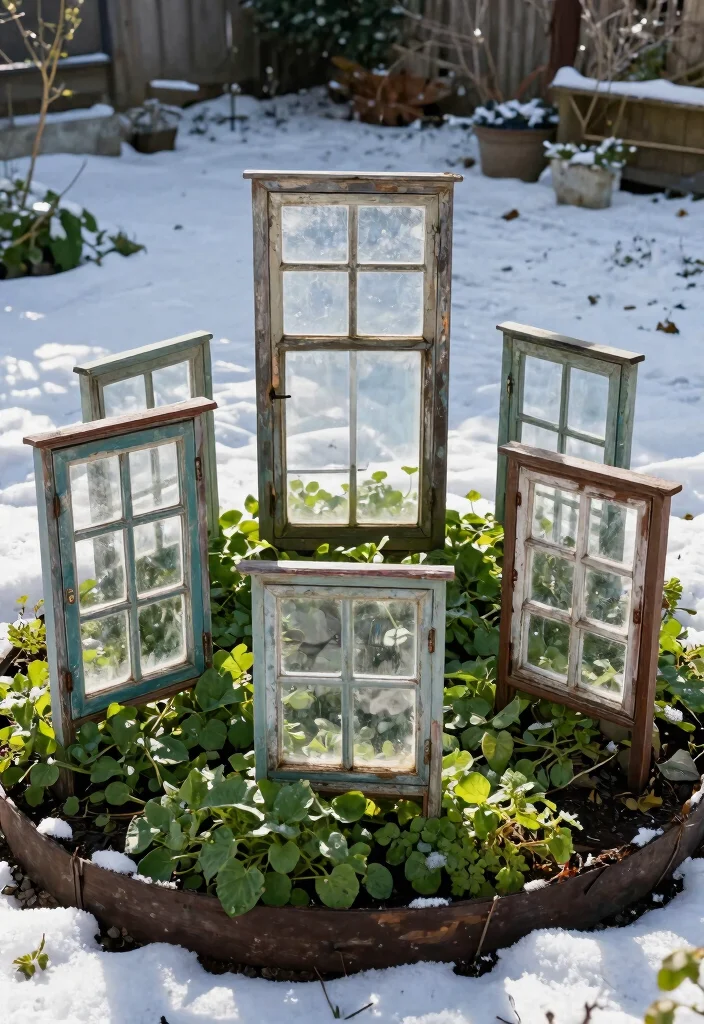
Repurposing old windows is a clever way to create DIY covers for your raised garden beds. This method provides excellent insulation while allowing sunlight in, creating a mini greenhouse effect. You can hinge the windows for easy access or lean them against a frame for quick entry.
Not only does this protect your plants from frost, but it also adds rustic charm to your garden. Scoring old windows from thrift stores or sales makes this a budget-friendly option.
Tips for using old windows:
– Clean the glass well to maximize sunlight.
– Secure the windows to withstand wind.
– Use various window sizes for a whimsical touch.
With old windows, you gain a stylish and eco-friendly solution that enhances both function and aesthetics in your winter garden.
9. Commercial Frost Protection Covers
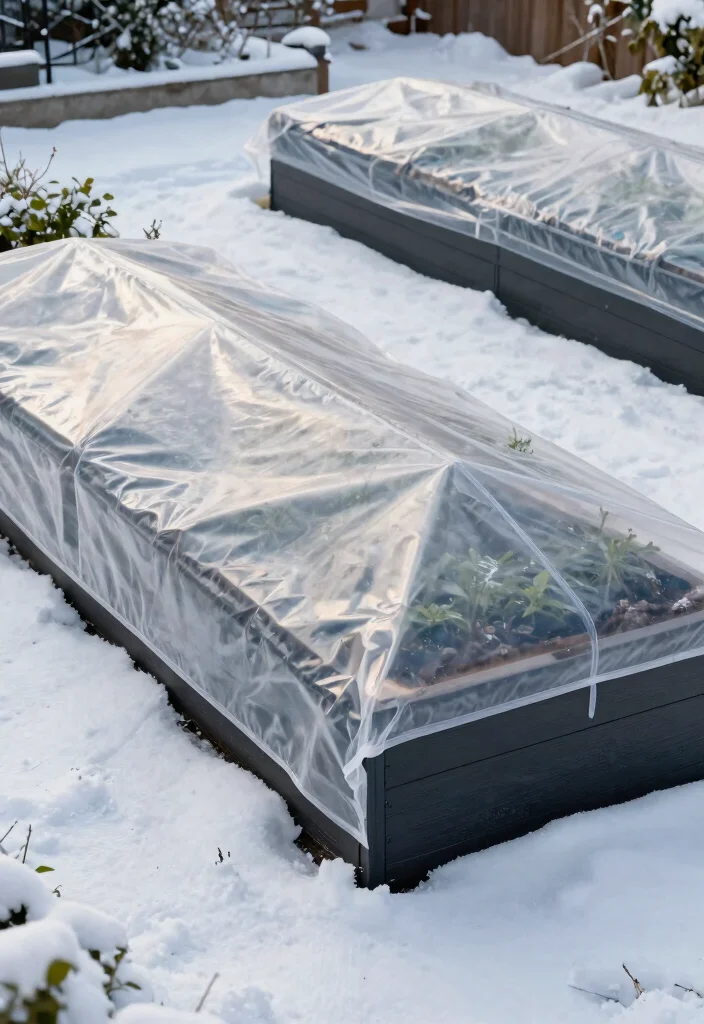
For gardeners seeking convenience, commercial frost protection covers are specifically designed to shield plants from frost. Ranging from simple sheets to specialized structures, these covers fit over raised beds and are made from breathable, lightweight materials.
They allow sunlight and moisture to reach your plants while insulating them from frost. Investing in these covers can save you time and effort, making them ideal for busy gardeners.
Benefits of using commercial covers:
– Ready-to-use and easy to set up.
– Many designs include built-in ventilation systems.
– Made from durable, weather-resistant materials.
With commercial frost protection covers, you can ensure your plants are well-protected with minimal effort, allowing you to enjoy gardening throughout winter without worry.
Conclusion

Protecting your raised garden beds during winter is crucial for a bountiful spring harvest.
From clear plastic covers to creative DIY solutions, there are plenty of options to keep your plants cozy and thriving. Consider trying different methods to see which works best for your garden and climate.
Share your experiences and favorite frost protection techniques with fellow gardeners in your community.
Note: We aim to provide accurate product links, but some may occasionally expire or become unavailable. If this happens, please search directly on Amazon for the product or a suitable alternative.
This post contains Amazon affiliate links, meaning we may earn a small commission if you purchase through our links, at no extra cost to you.
Frequently Asked Questions
What are the most effective raised garden bed cover ideas for frost protection?
Trying to protect your crops from frost? Here are some highly effective raised garden bed cover ideas you can mix and match. Start with a lightweight floating row cover or frost cloth stretched over hoops to create a breathable barrier that blocks frost but still lets light through, keeping frost protection for gardens steady.
For stronger insulation, add a DIY hoop house or small cold frame over the bed, or use clear plastic sheeting to form a temporary winter greenhouse.
Finally, top the bed with a thick mulch layer of straw or shredded leaves to boost raised bed insulation and reduce heat loss. Tip: vent on sunny days and remove covers when temperatures stay above freezing to avoid overheating.
How can I insulate a raised bed for winter using simple garden bed cover materials?
Keep it simple and effective with common garden bed cover materials. Place hoops over the bed and drape frost cloth or a lightweight blanket (or bubble wrap taped to form a sheath) to create a snug, insulated shell. Secure edges with soil, rocks, or stakes. Add 2–4 inches of mulch on top to boost raised bed insulation and reduce soil temperature swings. If you’re using plastic, choose breathable options to prevent moisture buildup and rot, and always provide some ventilation on warmer days. This approach protects protecting plants from frost while staying budget-friendly.
What are the best garden bed cover materials for winter garden covers on raised beds?
Different materials work in different situations. For light protection, breathable garden bed cover materials like spun-bond row covers (50–70 gsm) are affordable and let light in. For heavier frost or wind, use clear plastic or poly film to create a mini greenhouse, or install a rigid winter cover like polycarbonate panels on a hoop frame. If aesthetics matter, textiles with good UV resistance last longer. Always choose materials that balance frost protection for gardens, light transmission, and airflow.
How do I set up a temporary hoop house or cold frame to protect raised beds from frost?
Here’s a quick setup: mark the bed, then install 4–6 ft tall hoops (PVC or metal) along the bed. Drape a cover (frost cloth, clear plastic, or a poly sheet) over the hoops and secure the edges with soil, rocks, or stakes. If using plastic, use end walls or zip doors for ventilation. Add a layer of mulch and soil to increase raised bed insulation. In the morning, remove heat-retaining covers on sunny days to prevent overheating and to keep a healthy microclimate for your winter crops.
What maintenance tips help raised garden bed covers stay effective through freezing temperatures?
Maintenance is key to long-lasting frost protection. Check covers weekly for tears or gaps, replace damaged sections, and ensure edges stay snug so cold air can’t blow under. Keep an eye on moisture buildup—mildew loves damp covers—so ventilate properly on sunny days. Keep an eye on soil moisture and drainage; if beds stay soggy, lift covers slightly to improve airflow. Finally, regularly adjust mulch depth and cover placement as weather changes, so you’re always protecting plants from frost without starving them of light.