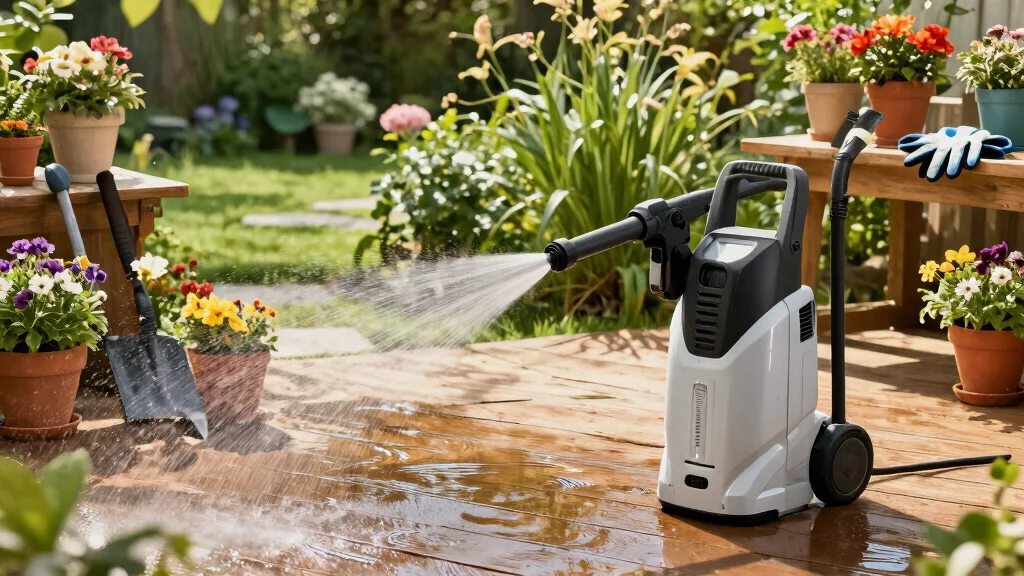
When it comes to maintaining your garden, there’s nothing more refreshing than a good pressure washing session. The sight of dirt and grime disappearing in seconds is downright satisfying! That’s why I created this post—because I know how daunting it can be to tackle outdoor cleaning tasks. Whether you’re prepping for summer barbecues or just want to keep your garden looking pristine, knowing the best pressure washer tips can make all the difference.
If you’re a homeowner who loves your outdoor space but feels overwhelmed by the cleaning process, this guide is tailored for you! You don’t need to be an expert to get fantastic results. With these tips, anyone can achieve a spotless garden with ease. I’ve gathered 15 essential pressure washer tips that are practical, straightforward, and perfect for anyone looking to spruce up their yard.
Get ready to transform your outdoor area! By the end of this post, you’ll have a wealth of knowledge about pressure washing techniques, safety practices, and effective cleaning methods. Say goodbye to stubborn stains and hello to a clean, inviting garden!
Key Takeaways
– Choose the right pressure washer for your needs; consider the surface you’ll be cleaning and the type of grime you’re tackling.
– Familiarize yourself with different nozzles because using the right one is key to effective pressure washing without damaging surfaces.
– Always prep your area by removing obstacles and covering delicate plants to ensure a thorough and safe cleaning process.
– Protective gear is a must! Always wear safety glasses, gloves, and sturdy footwear to keep yourself safe while pressure washing.
– Maintain your pressure washer regularly; clean the filters and check hoses to ensure it operates smoothly and effectively for future use.
1. Choose the Right Pressure Washer
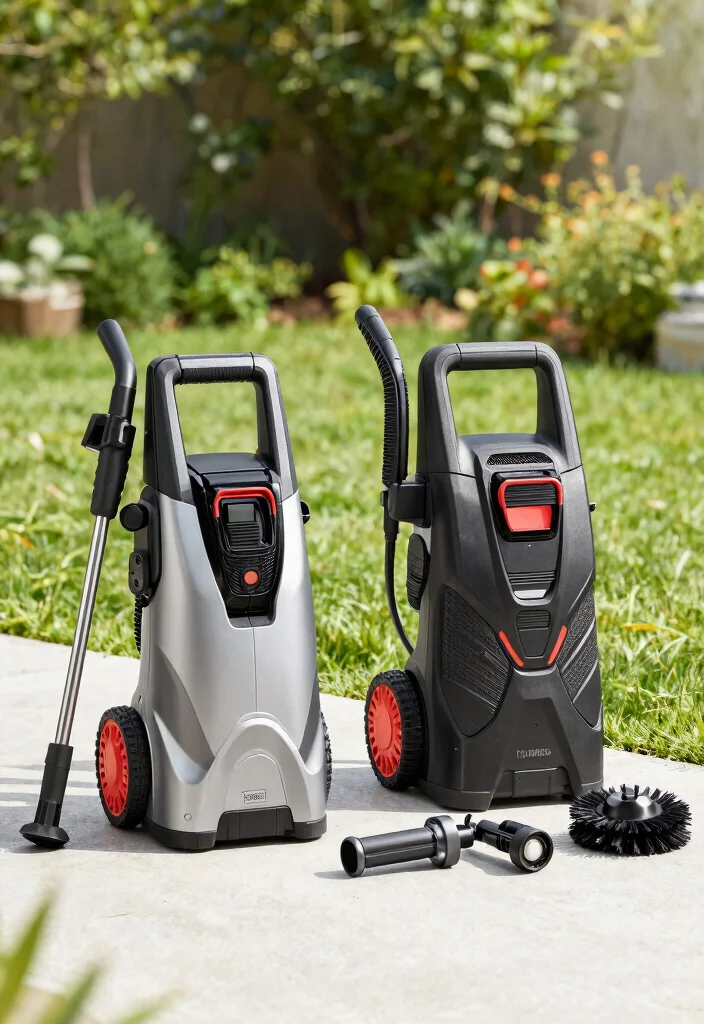
Finding the right pressure washer is crucial for effective outdoor cleaning. Electric models are lightweight and perfect for small tasks like washing patio furniture, while gas-powered versions are robust and ideal for larger jobs such as cleaning driveways. Pay close attention to the PSI (pounds per square inch) and GPM (gallons per minute) ratings; typically, a unit with over 2000 PSI will handle most home projects efficiently.
Start by determining the types of tasks you’ll be doing most often. For small jobs, an electric model might be sufficient, but for heavy-duty cleaning, a gas-powered unit is worth considering. Ensure your pressure washer has the right attachments for your specific needs, such as various nozzles and surface cleaners.
Key considerations for your purchase:
– Electric vs. Gas: Choose electric for light jobs and gas for heavy-duty tasks.
– Standard PSIs: Aim for 1300-1900 PSI for light cleaning and 2000+ for tougher stains.
– Attachments: Match your pressure washer with compatible nozzles and surface cleaners.
By selecting the right pressure washer, you set yourself up for successful and efficient cleaning, making your outdoor spaces shine.
2. Know Your Nozzles
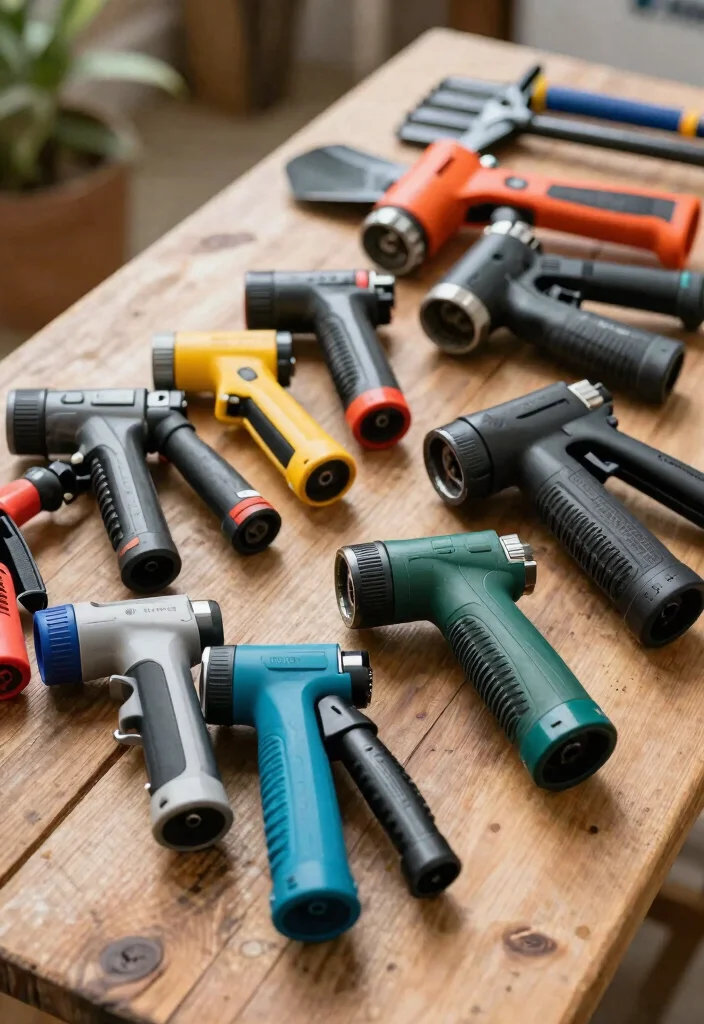
Understanding pressure washer nozzles is essential for tackling different cleaning tasks effectively. Each nozzle is color-coded to indicate its spray angle and power, helping you choose the right one for the job.
Familiarize yourself with the different nozzle types to avoid damaging surfaces. Using the correct nozzle can significantly improve efficiency and ensure a thorough clean without risk. Always keep a set of nozzles handy for various cleaning scenarios.
Types of nozzles to remember:
– Red (0 degrees): Powerful spray for tough stains on concrete.
– Yellow (15 degrees): Good for removing paint or mildew.
– Green (25 degrees): Ideal for general cleaning tasks like driveways.
– White (40 degrees): Gentle enough for delicate surfaces like wood.
– Black (soap nozzle): Designed for applying soap to enhance cleaning.
Mastering your nozzles will enhance your cleaning efficiency and protect your surfaces from unnecessary damage.
3. Prep the Area Before Pressure Washing
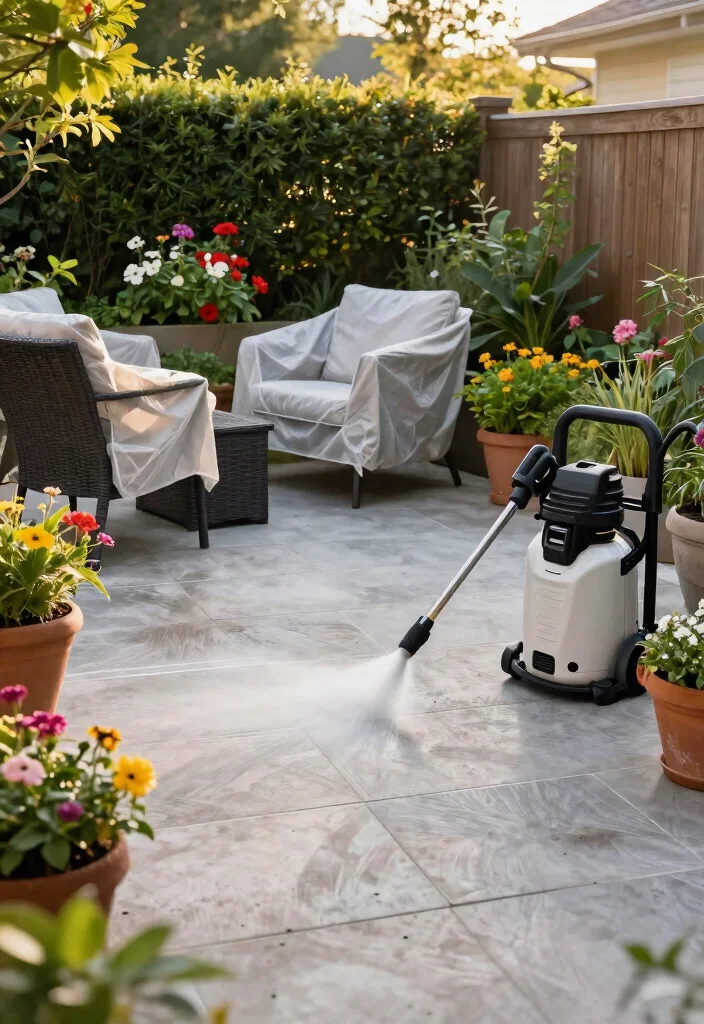
Preparation is key before you start pressure washing. Take the time to clear away furniture, potted plants, and garden tools to ensure you can access every part of the area you want to clean.
By removing obstacles, you not only protect your belongings but also maximize your cleaning efficiency. Check for any damage on the surfaces and clear out delicate plants that might be harmed during the washing.
Steps for proper preparation:
– Clear the Space: Remove any items that could block your cleaning.
– Check for Damage: Look for cracks or peeling paint that need attention.
– Cover Nearby Plants: Use old sheets or plastic to shield plants from chemicals.
Taking these preparatory steps allows you to focus on getting your outdoor areas sparkling clean without unnecessary interruptions.
4. Always Wear Protective Gear
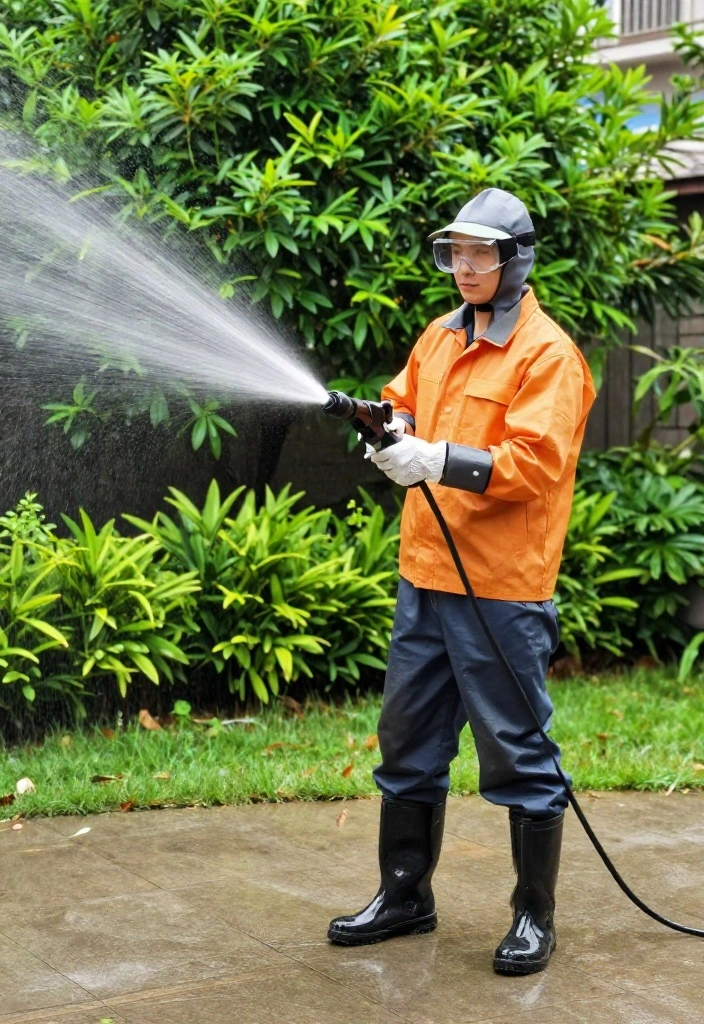
Safety comes first when using a pressure washer. These powerful machines can spray water at high speeds, posing risks if not handled correctly.
Make sure to equip yourself with protective gear to safeguard against potential injuries. This ensures a safer working environment so you can concentrate on achieving excellent results without worry.
Essential safety gear includes:
– Safety Goggles: Protect your eyes from debris and water.
– Gloves: Use sturdy gloves to shield your hands from chemicals.
– Waterproof Boots: Keep your feet safe from slips and splashes.
– Ear Protection: Gas models can be loud; earplugs can help.
By prioritizing safety, you set the stage for a successful and worry-free cleaning experience.
5. Test Spray on a Small Area
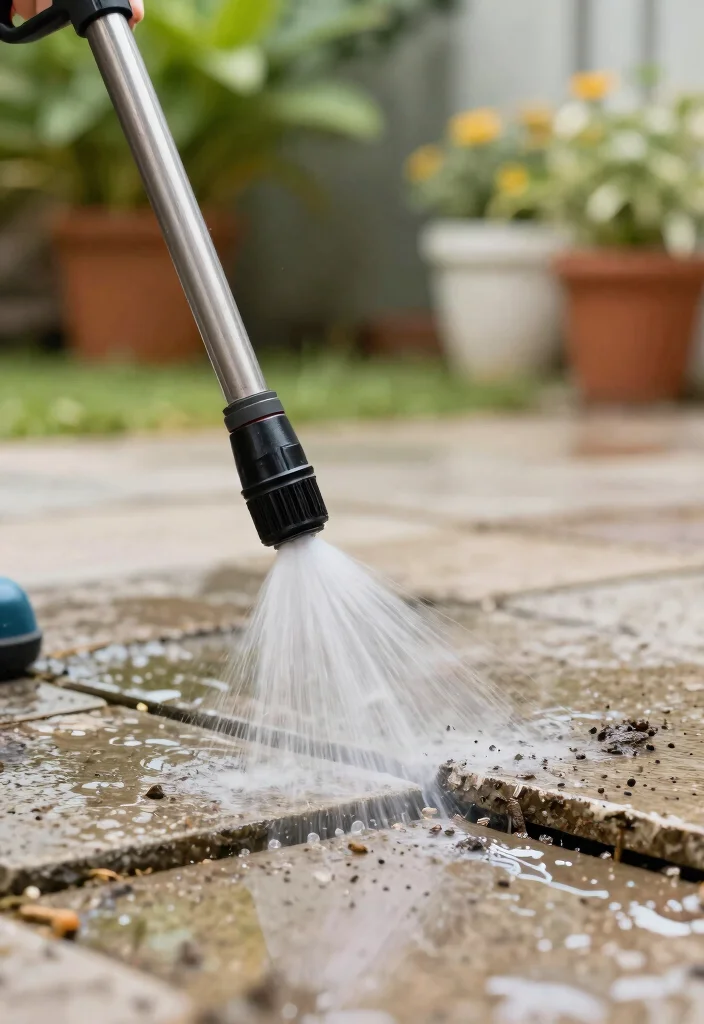
Before starting your main cleaning project, it’s smart to test the pressure washer on a small, hidden area. This allows you to gauge the pressure and effectiveness of the nozzle without risking damage to the visible surfaces.
Choosing an inconspicuous spot lets you assess how the surface responds to the pressure applied. If it shows signs of distress, you can easily adjust your approach before cleaning larger areas.
Testing tips to follow:
– Choose a Hidden Spot: Look for an area that’s not easily seen.
– Assess the Response: Watch for any damage while testing.
– Adjust Accordingly: Change the pressure or nozzle if needed.
Conducting this simple test ensures both safety and effectiveness, making your cleaning task more manageable.
Fact: A 10-second test spray on a hidden spot reveals whether the nozzle tip, pressure, and spray pattern will harm surfaces. Master your pressure washer tips to protect your garden while getting the job done, efficiently and safely.
6. Use Detergent Wisely
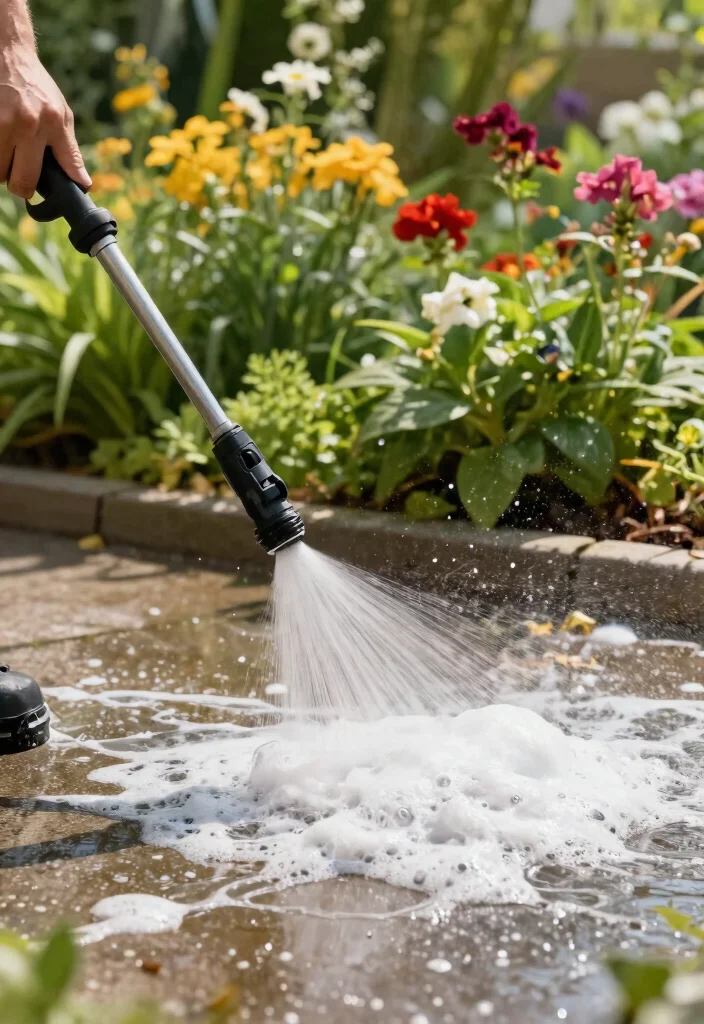
Using the right detergent can be a game changer for tackling tough stains. However, it’s important to apply it correctly to get the best results while protecting your garden.
Opt for environmentally-friendly detergents designed specifically for pressure washers to prevent damage to your plants. Apply soap using the correct nozzle, and allow it to sit for a few minutes for optimal stain breakdown.
Detergent application tips:
– Choose the Right Type: Select eco-friendly detergents.
– Apply with the Soap Nozzle: Ensure an even coat.
– Let it Sit: Wait 5-10 minutes for best results.
– Rinse Thoroughly: Wash off all soap to avoid residue.
Using detergent effectively will elevate your cleaning, making it much easier to tackle stubborn stains.
7. Adjust Your Technique
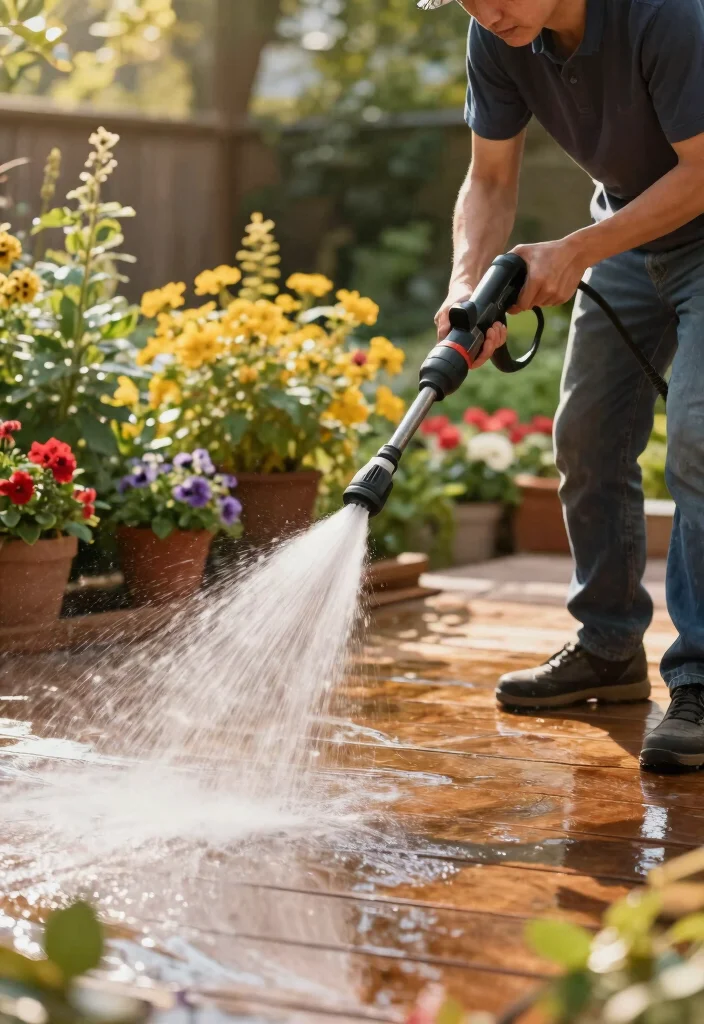
Your technique plays a vital role in how well you clean with a pressure washer. It’s not just about the machine; how you use it can make all the difference.
Maintaining a consistent distance from the surface helps prevent damage, while moving in sweeping motions ensures even coverage. Overlapping your passes can also help avoid streaks and provide a thorough clean.
Technique adjustments to consider:
– Maintain a Consistent Distance: Keep at least 12 inches from the surface.
– Move in Sweeping Motions: Cover areas evenly without lingering.
– Overlap Your Passes: Slightly overlap each pass for thoroughness.
– Follow the Grain: For wood surfaces, clean with the grain.
By refining your technique, you can enhance your cleaning results while protecting your surfaces from potential harm.
8. Take Care of Your Equipment
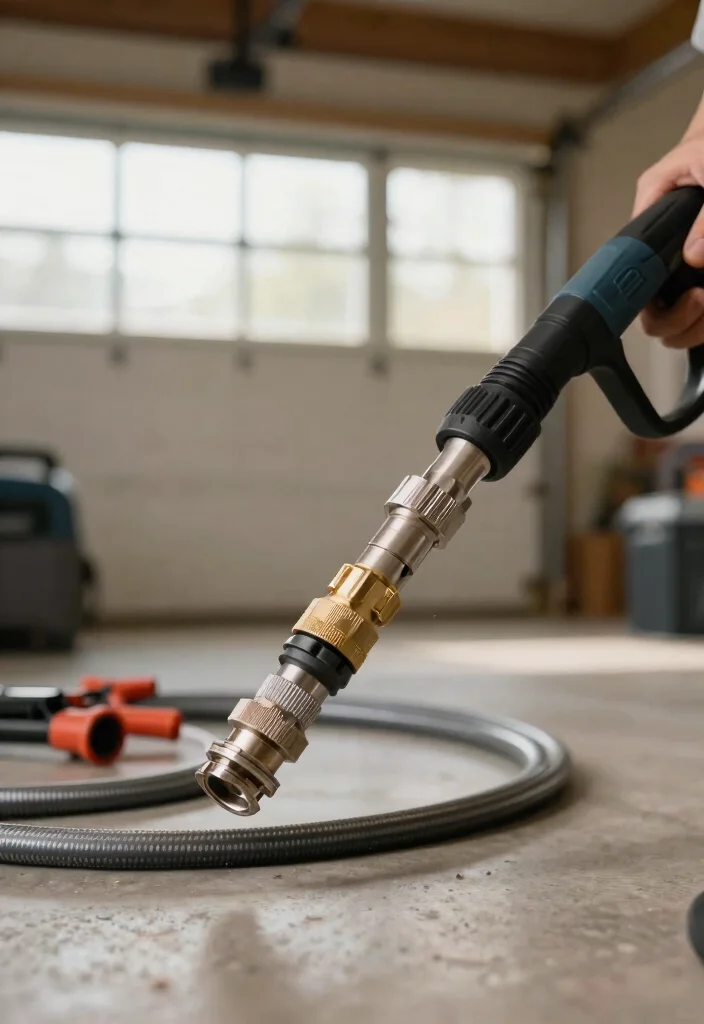
Maintaining your pressure washer is essential for its longevity and performance. Regular upkeep will keep it running smoothly and ready for your cleaning tasks.
After each use, ensure that you flush out any detergent or debris to prevent buildup. Periodically inspect the hose for damage and store your machine properly to protect it from the elements.
Maintenance tips to follow:
– Flush the System: Clear it of any leftover detergent after use.
– Inspect the Hose: Look for cracks or wear that could cause leaks.
– Store Properly: Keep it in a dry area away from freezing temperatures.
– Follow Manufacturer’s Instructions: Adhere to care guidelines for warranty protection.
Investing time in maintenance will extend your pressure washer’s lifespan, ensuring it remains effective for years to come.
Fun fact: Flushing out detergent after every use can reduce buildup by up to 80% and extend hose life. Regular inspections and proper storage can slash repair needs by nearly half over a season. These pressure washer tips pay off with smoother, longer-lasting cleaning.
9. Keep Your Garden Safe
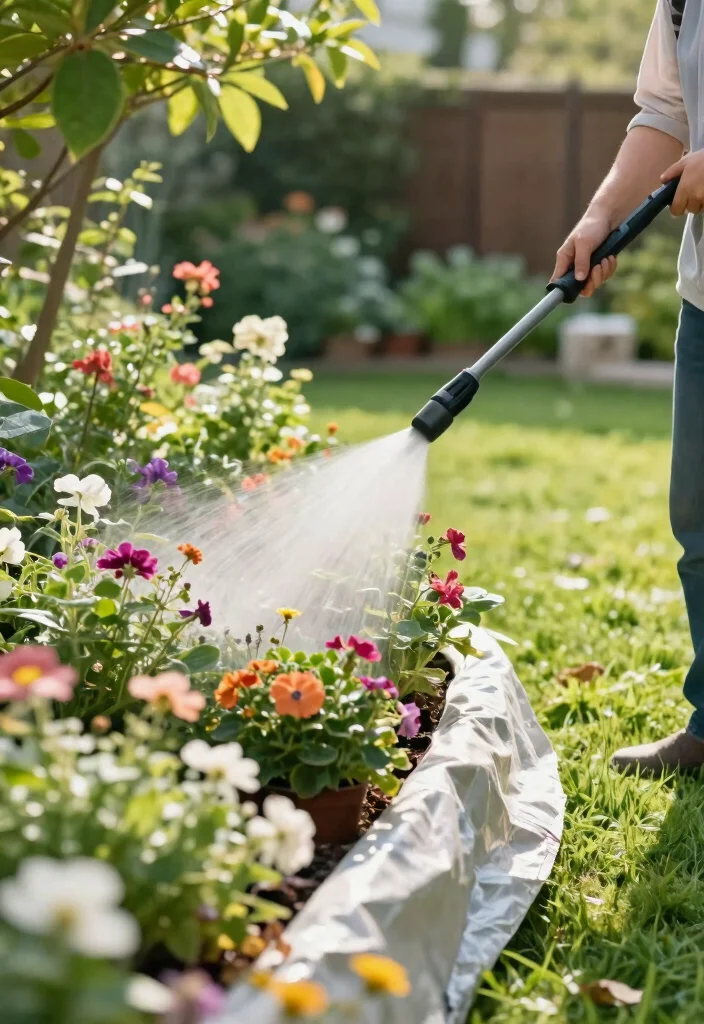
While pressure washing is great for cleaning, it’s crucial to protect your plants and landscaping from potential damage. Taking precautions will help keep your garden flourishing.
Shield delicate plants with tarps or coverings when washing, and adjust the pressure when working near flower beds. Timing your washing sessions during cooler parts of the day can also help minimize stress on your plants.
Garden protection strategies:
– Cover Plants: Use tarps or plastic to protect them.
– Adjust Pressure on Soft Surfaces: Lower pressure near delicate plants.
– Avoid Over-spraying: Don’t spray directly on flower beds for long.
– Time It Right: Wash early morning or late afternoon.
Being proactive about your garden’s safety will ensure it remains healthy while you enjoy your cleaning tasks.
How To Choose The Right Pressure Washer
When it comes to pressure washing for garden maintenance, choosing the right pressure washer makes all the difference. With many types and features available, knowing what to look for can help you find the best fit for your needs. Here are some key points to consider:
1. Consider the Power Source
Pressure washers come in electric and gas models. Electric washers are quieter and ideal for light tasks like washing patios or garden furniture. Gas models, on the other hand, offer more power and are best for heavy-duty tasks like cleaning driveways or siding. Think about your needs and the size of the areas you’ll be cleaning.
2. Look at the PSI and GPM Ratings
PSI stands for pounds per square inch, and it measures the pressure of the water. GPM stands for gallons per minute, indicating the flow rate. A pressure washer with at least 1,500 PSI and 1.2 GPM is a good choice for most home tasks. For tougher jobs, look for at least 3,000 PSI.
3. Check for Versatile Nozzles
Most pressure washers come with various nozzle tips, each serving a different purpose. A wide-angle nozzle is perfect for rinsing surfaces, while a narrow nozzle is great for tough stains. Ensure that your washer has interchangeable nozzles so you can adapt to different tasks easily.
4. Think About Portability
Consider the weight and design of the pressure washer. If you have a large yard, look for models with wheels and a lightweight frame for easy transport. Some models even come with long hose lengths, allowing you to reach farther without moving the unit constantly.
5. Review Maintenance and Cleaning Features
Check if the pressure washer has easy-to-clean filters or self-priming capabilities. Features like detergent tanks can also simplify the washing process. Keeping your machine maintained will extend its lifespan and ensure effective cleaning.
6. Set Your Budget
Pressure washers can vary widely in price. Set a budget that reflects your cleaning needs. While you can find basic models for a few hundred dollars, high-end options might cost more. Be sure to balance between quality and what you can afford.
Pro Tip: When selecting a pressure washer, consider renting one first if you’re unsure of what you’ll need. This allows you to test different models without committing to a purchase. This way, you’ll better understand what works for your garden maintenance tasks.
10. Clean from Top to Bottom

When pressure washing, always start from the top and work your way down. This method prevents dirt and debris from flowing down onto already cleaned areas.
Begin with vertical surfaces like fences and walls, then move to horizontal surfaces such as decks and patios. This strategy not only streamlines your cleaning but also guarantees a spotless finish.
Effective cleaning order:
– Begin with Vertical Surfaces: Clean fences and walls first.
– Move to Horizontal Surfaces: Shift to decks and patios next.
– Final Touches: Wipe away any remaining dirt from above.
This approach ensures you achieve stunning results without leaving any traces of dirt behind.
11. Use the Right Technique for Decks
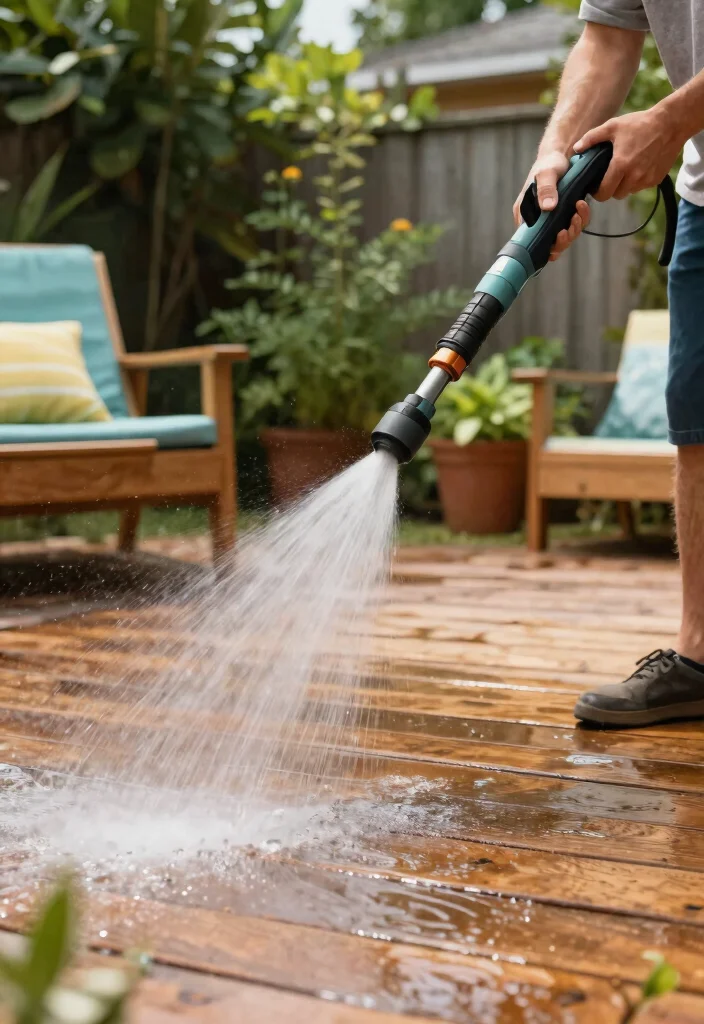
Decks require special care during pressure washing to avoid damage. Using the right techniques will help maintain the wood and enhance its appearance.
Opt for a wider spray angle and keep the nozzle in motion to prevent gouging the wood. Rinsing thoroughly afterward will ensure no detergent residues remain.
Best practices for cleaning decks:
– Choose the Right Spray Angle: Use a wide angle to protect the wood.
– Keep the Nozzle Moving: Avoid lingering in one spot.
– Rinse Well: Ensure all detergent is washed away.
– Consider Wood Condition: Use lighter pressure for older decks.
By caring for your deck properly, you’ll maintain its beauty and prolong its life, creating a welcoming space for gatherings.
12. Know When to Call a Professional
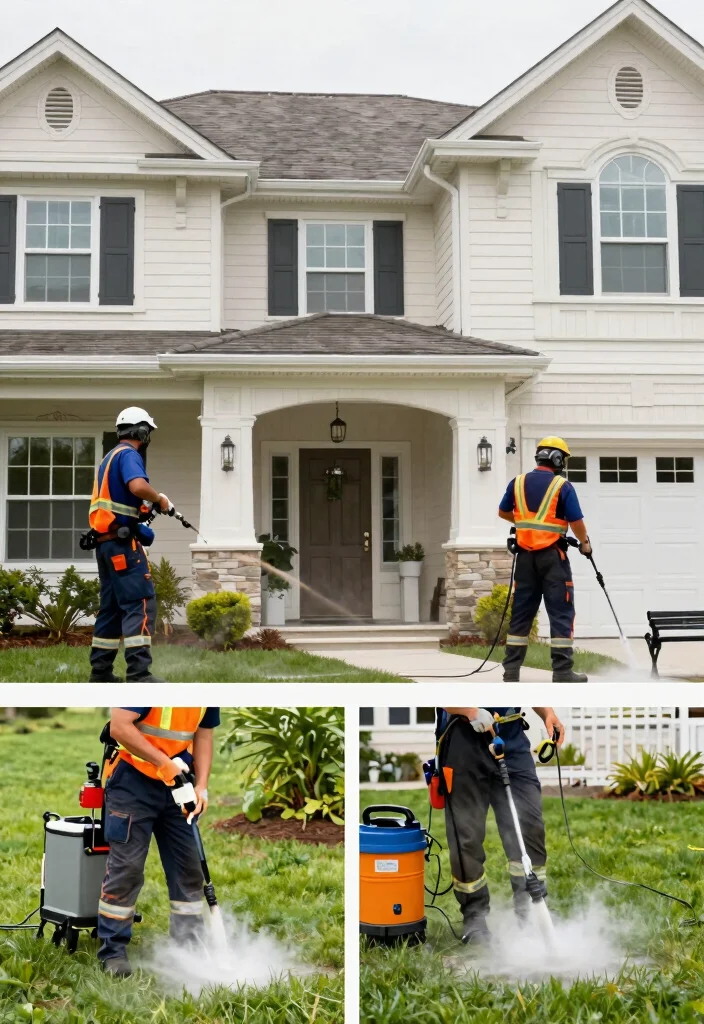
Sometimes, tackling a pressure washing job can feel overwhelming. It’s perfectly acceptable to seek professional help for larger tasks or intricate surfaces.
If your project involves complex surfaces, high areas, or materials you’re unsure how to clean, hiring a professional can save you time and potential damage. It’s all about knowing when to let the experts take over.
Situations to consider professional help:
– Complex Projects: Involve multiple surfaces or intricate designs.
– High Areas: Clean roofs or upper decks that are hard to reach.
– Uncertain Surfaces: If unsure about material handling, call in an expert.
– Time Constraints: Professionals often complete jobs faster.
Recognizing when to hire a pro can alleviate stress and ensure the job is done right.
When in doubt, call in the pros—it’s part of smart pressure washer tips. If a surface is delicate or high up, or built for intricate details, hiring a professional can save time, avoid damage, and deliver a showroom-clean finish.
13. Follow Up with Maintenance
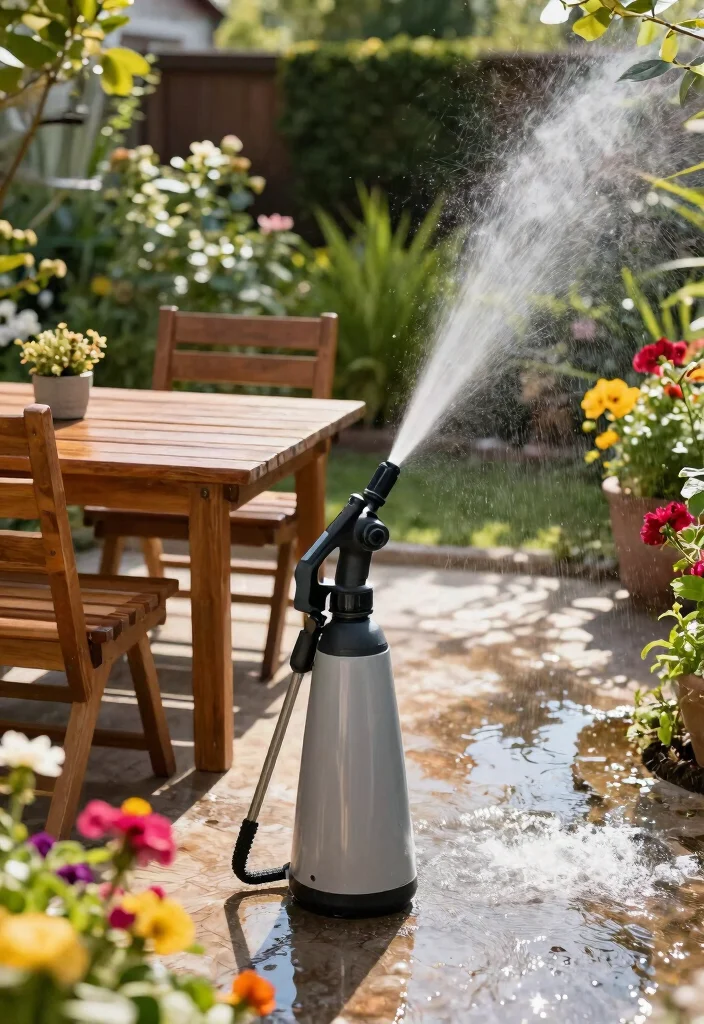
After pressure washing, maintaining your garden and outdoor spaces is essential to keep them looking pristine. Establishing a follow-up routine will help prevent dirt build-up.
Regularly inspect surfaces for wear, and consider applying sealants to wooden areas to enhance their longevity after cleaning. Keeping your plants well-cared-for is also important.
Follow-up maintenance tips:
– Regular Cleaning Schedule: Set up a routine to prevent dirt accumulation.
– Inspect for Damage: Check for wear on surfaces regularly.
– Apply Sealants: Use sealants on wooden surfaces after washing.
– Plant Care: Water and protect plants from debris.
Taking these steps will ensure your hard work pays off, keeping your outdoor areas looking their best.
14. Be Mindful of Water Usage
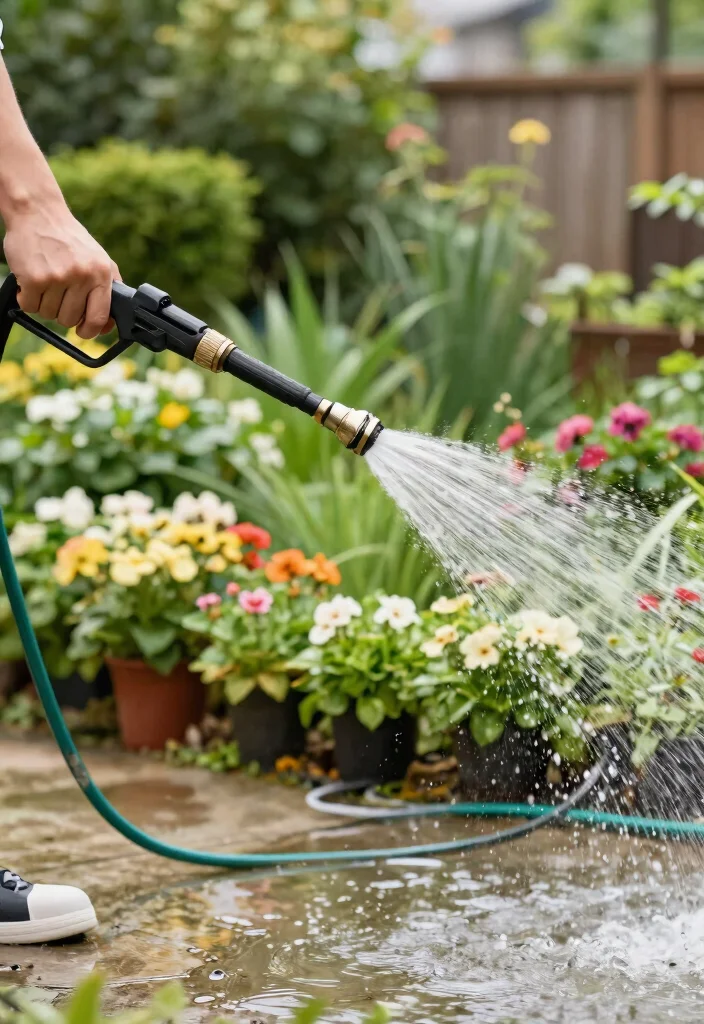
Pressure washing can consume a lot of water, so it’s important to be mindful of your usage. Efficient practices can help conserve water while maintaining your garden.
Plan your washing sessions to reduce waste, and consider using a trigger gun for better control over water flow. If rain is in the forecast, take advantage of the natural moisture to lessen the need for washing.
Water usage tips:
– Optimize Your Workflow: Work systematically to avoid waste.
– Use a Trigger Gun: Control water flow with a trigger gun.
– Consider Rainy Days: Wash when rain is expected to reduce water use.
Being conscious of your water consumption not only conserves resources but also helps lower your utility bills while keeping your garden beautiful.
15. Enjoy Your Clean Garden!

After all your hard work pressure washing, take a moment to enjoy your beautifully cleaned garden. A pristine outdoor space not only looks inviting but also enhances your enjoyment of outdoor activities.
Consider hosting gatherings to showcase your clean garden or setting up a cozy seating area to relax. This is also a perfect time to think about future plants or landscaping ideas.
Ways to enjoy your clean garden:
– Host a Garden Party: Share your clean space with friends and family.
– Create Cozy Seating: Set up a relaxing area with cushions.
– Plan for Future Care: Think about new plants or landscaping.
Taking pride in your freshly washed garden allows you to appreciate the effort you’ve put into maintaining your outdoor sanctuary.
Conclusion
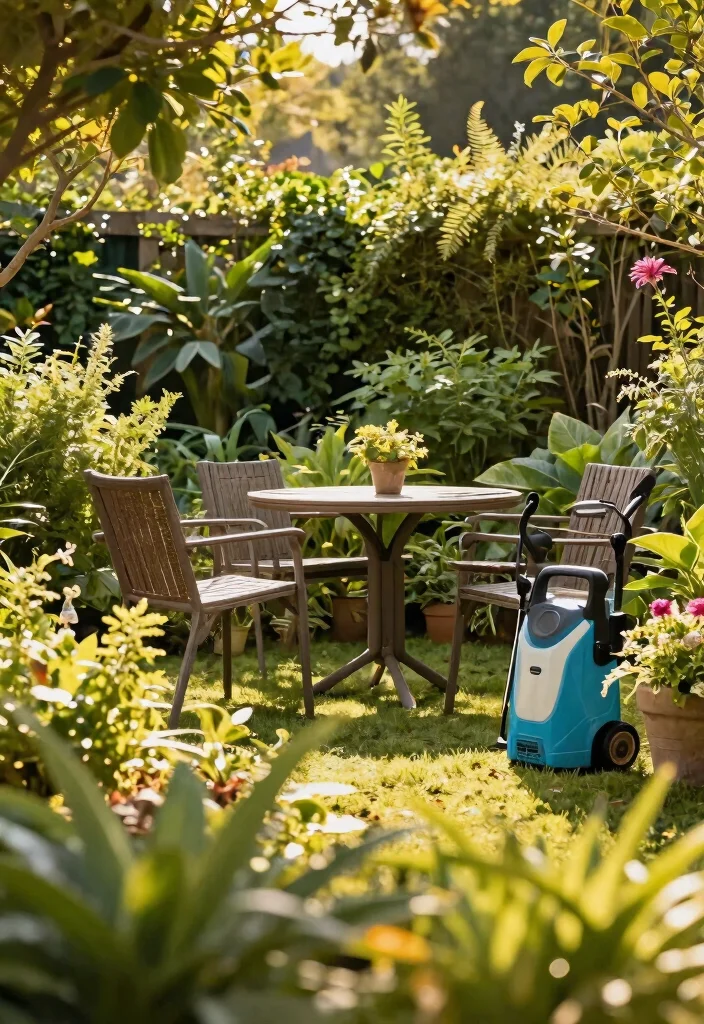
Mastering pressure washing techniques can elevate your garden maintenance to new heights, making your outdoor space a pristine backdrop for relaxation and fun. From choosing the right equipment to maintaining safety and enjoying the results, these tips will empower you to keep your garden flourishing and inviting year-round. Don’t forget to incorporate these ideas into your routine for a truly enchanting outdoor oasis!
Note: We aim to provide accurate product links, but some may occasionally expire or become unavailable. If this happens, please search directly on Amazon for the product or a suitable alternative.
This post contains Amazon affiliate links, meaning we may earn a small commission if you purchase through our links, at no extra cost to you.
Frequently Asked Questions
What are the essential pressure washer tips for garden maintenance?
Here are the essential pressure washer tips for garden maintenance.
Choose the right pressure and nozzle: for most garden surfaces, start with a 25-degree nozzle at 1800–2000 PSI, and keep the nozzle moving to avoid etching. Avoid 0-degree jets near leaves and bark.
Protect plants and soil: pre-wet greenery, cover delicate shrubs, and rinse anything accidentally splashed. Maintain a safe distance between the nozzle and plants (about 12–24 inches) and use sweeping motions.
Prep surfaces and test: test on a small area first, then work from clean to dirty with even passes.
Use cleaners wisely: if you need detergent, choose a garden-safe cleaner and follow label directions; rinse thoroughly after application.
Safety and maintenance: wear eye protection, disconnect power when adjusting, check hoses, and avoid spraying electrical outlets or wiring.
How can I safely use a pressure washer around plants and landscaping?
Protect plants and soil first: pre-wet greenery, cover delicate shrubs, and rinse anything accidentally splashed. Keep the nozzle at a safe distance (12–24 inches) and use a broad spray at low pressure.
Move the wand in slow, overlapping strokes to avoid gouging bark or disturbing mulch. If you need to clean close to roots, use a shield or switch to a gentler setting. For beds and soil, prefer a low-pressure approach or hand spraying.
Finish with a thorough rinse and avoid spraying directly into plant crowns. Always shut off the machine and relieve pressure before changing tips.
Which pressure washing techniques are best for outdoor surfaces near the garden without damaging plants?
For outdoor cleaning near the garden, use these pressure washing techniques:
1) Use a wide spray (25-degree) at low to medium PSI and keep the nozzle at a safe distance.
2) Sweep with smooth, overlapping passes and work from the outer edges toward the center to reduce splash toward plants.
3) Pre-wet and protect nearby vegetation, then rinse surfaces thoroughly after cleaning.
4) For stubborn dirt on concrete or pavers, switch to a surface cleaner attachment or a gentle brush with low pressure.
5) Always test a small area first and avoid aggressive scrubbing near roots or bark.
What common mistakes should I avoid when pressure washing for garden maintenance?
Common mistakes to avoid include using too much pressure on wood, fences, or garden furniture; blasting near roots or delicate bark; not testing on a hidden area first; using the wrong nozzle or spray pattern; failing to protect plants and soil; using harsh cleaners near vegetation; and skipping safety gear. For each job, start with the gentlest setting, keep the wand moving, and protect plants with coverings or barriers.
What tools and garden maintenance gear should I have besides the pressure washer?
Beyond the pressure washer, gather a few handy items: a nozzle kit with 25-degree and wider nozzles, a surface cleaner attachment for flat outdoor surfaces, biodegradable garden-safe cleaners, spray shields or plant protection barriers, tarps or sheets to cover plants, an extension wand, extra hoses, and safety gear like gloves, goggles, and non-slip boots. Having these garden maintenance tools ready makes outdoor cleaning safer and more effective.