Creating a beautiful flower garden is more than just a hobby; it’s a way to connect with nature and bring joy into your space. With the rise of cut flower gardening, many people find themselves craving a vibrant oasis filled with blooms. This blog post is designed to inspire and guide you with 13 vibrant raised bed flower garden ideas specifically tailored for cut flowers. Whether you’re a seasoned gardener or someone just starting out, there’s a world of colorful possibilities waiting for you.
If you love the idea of cultivating your own flowers while supporting pollinators and being eco-friendly, this post is for you. You’ll discover unique raised bed designs and layouts that not only look stunning but also serve a purpose. From seasonal flower planting tips to integrating recycled materials, each section offers practical insights that will make your gardening experience enjoyable and fulfilling.
By diving into these ideas, you’ll gain the knowledge and confidence to create your own cut flower garden. Imagine stepping outside and picking fresh blooms for your home or sharing them with friends. With our guide, you’ll be well-equipped to build a garden that’s not only beautiful but also beneficial to the environment. Let’s make your gardening dreams a reality!
Key Takeaways
– Explore a variety of raised bed designs that maximize space and aesthetics, making your garden both functional and attractive.
– Learn about seasonal flower planting to ensure year-round blooms, enhancing your garden’s appeal through different seasons.
– Discover pollinator-friendly flower mixes that attract essential insects, fostering a healthier ecosystem in your garden.
– Incorporate sustainable practices by using recycled materials and biodynamic gardening methods to minimize waste while gardening.
– Get tips on creating educational pollinator gardens, perfect for teaching kids about nature while beautifying your surroundings.
1. Colorful Companion Planting
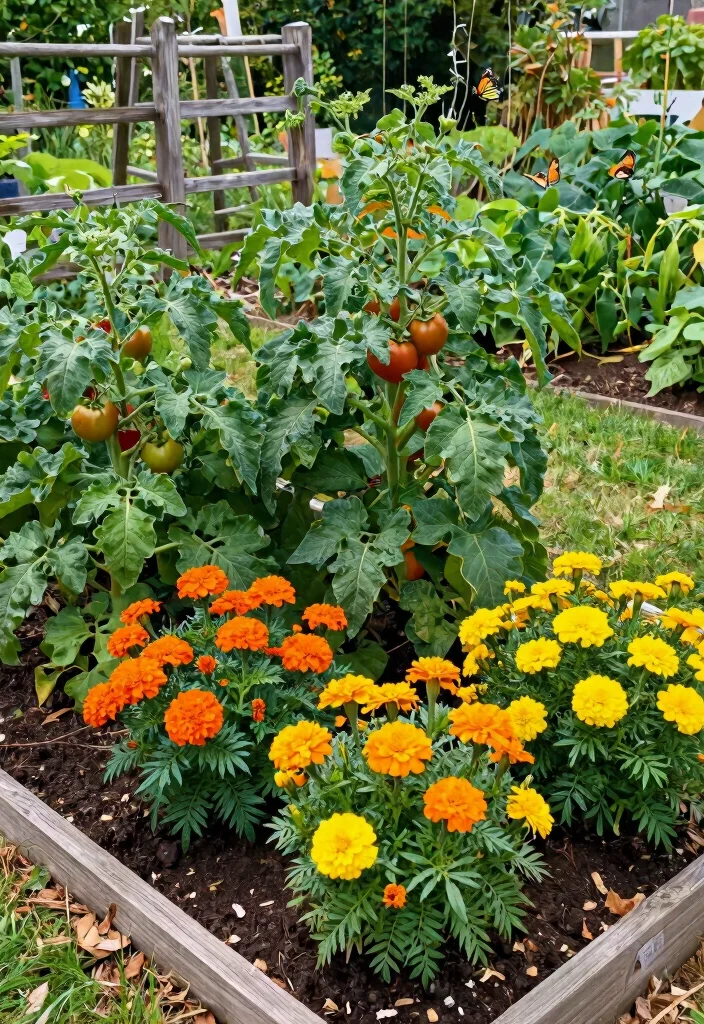
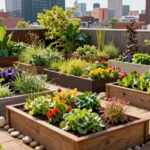
If you’re eager to beautify your raised bed while boosting plant health, colorful companion planting is the perfect solution. By pairing vibrant flowers with your favorite vegetables, you can create an eye-catching garden that thrives on diversity. Imagine the bold orange marigolds standing guard next to your juicy tomatoes, or the cheerful nasturtiums wrapping around leafy greens, attracting pollinators and adding a pop of color.
To get started, think about the plants you want to grow together. Choose flowers that bloom at varying times to keep the visual interest alive throughout the seasons. Mixing heights can add dimension, and experimenting with color contrasts will give your garden a lively feel.
Essential tips for colorful companion planting:
– Choose flowers that bloom at different times for continuous color.
– Combine low-growing flowers with taller ones for depth.
– Experiment with contrasting colors for a lively display.
– Rotate your plants regularly to keep soil healthy and pests at bay.
This approach not only enhances the beauty of your garden but also fosters a rich ecosystem that supports local wildlife.
Colorful companion planting makes gardening feel like a team sport—plants helping each other in your raised bed flower garden ideas. Watching marigolds guard the tomatoes while nasturtiums invite pollinators is proof that practice beats guesswork.
2. Vertical Flower Gardens
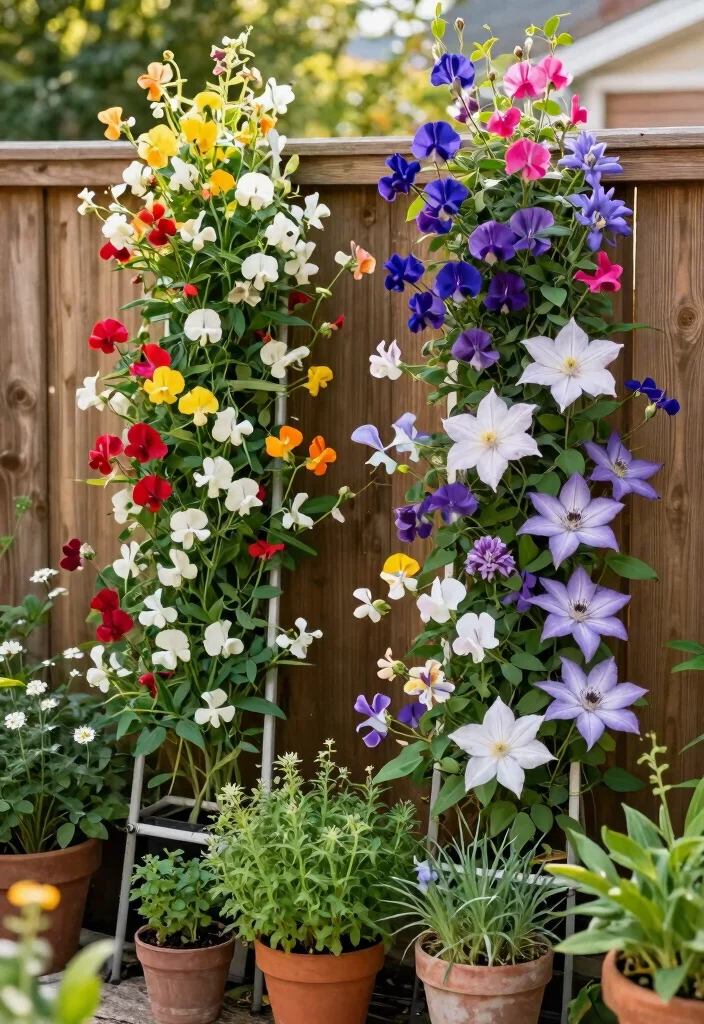
Struggling with limited space? Vertical flower gardening might just be your best friend. By using trellises or wall-mounted racks, you can create stunning displays of climbing flowers like sweet peas or clematis that draw the eye upward. This technique not only maximizes your planting area but also transforms your garden into a visually striking landscape.
When planning your vertical garden, think about the benefits it offers. Not only does it save ground space, but it also improves air circulation around your plants, which is crucial for preventing diseases. Recycled materials, like pallets or crates, can add an eco-friendly touch to your flower setup.
Consider these ideas for vertical flower gardens:
– Utilize trellises to support climbing flowers for a striking effect.
– Create a vertical wall of blooms using wall planters.
– Incorporate recycled materials to add character to your space.
– Ensure adequate light and water for your vertical plants.
This method enriches your garden and invites more pollinators, further enhancing your floral paradise.
Vertical flower gardens maximize space and invite pollinators to your raised bed flower garden ideas. Use trellises or wall-mounted racks for climbing beauties like sweet peas or clematis to transform a small yard into a wall of color. Practical tip: plan height, spacing, and sun exposure for a stunning display.
3. Seasonal Flower Rotations
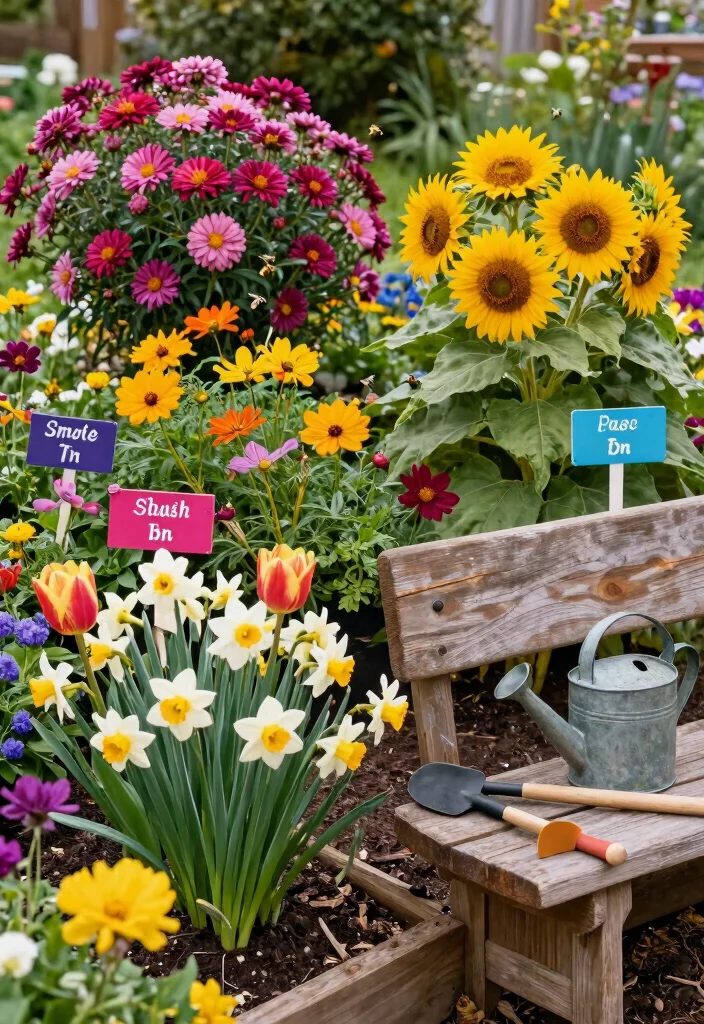
Keeping your garden vibrant throughout the year is easy with seasonal flower rotations. By planning your plantings according to the changing seasons, you can ensure your raised bed remains a colorful haven. For instance, spring welcomes tulips and daffodils, while summer can be alive with sunflowers and cosmos, and fall offers stunning asters and dahlias.
This thoughtful planning not only provides year-round beauty but also responds to the needs of pollinators as they emerge. Keep a gardening journal to help track your successes and adapt your strategy based on local climate conditions.
Tips for effective seasonal rotations:
– Choose flowers that thrive in your specific climate throughout the year.
– Keep a gardening journal to monitor what works best.
– Research native plants to enhance your garden’s resilience.
– Plan for varying heights and sunlight needs to achieve balance.
This strategy results in a captivating garden that supports local wildlife while providing a feast for the eyes.
4. Aromatic Flower Gardens
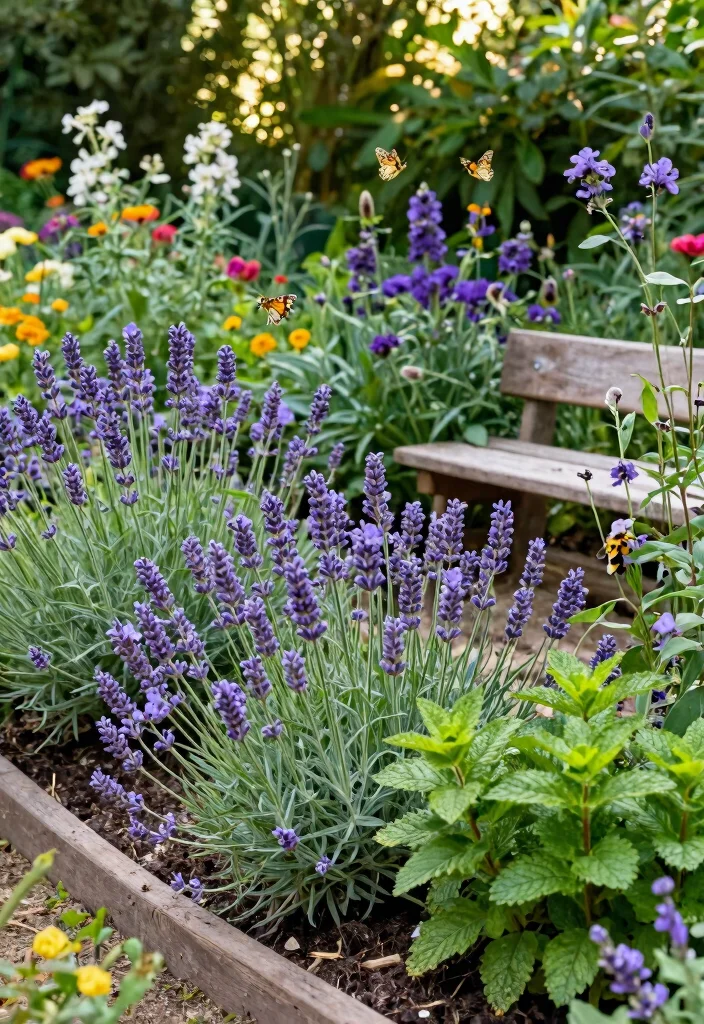
Imagine stepping into a garden filled with delightful scents that uplift your spirits. Creating an aromatic flower garden allows you to enjoy fragrances from flowers like lavender, bee balm, and mint while also attracting beneficial insects. These plants not only beautify your space but also contribute to a relaxing outdoor environment.
Incorporating aromatic varieties into your raised bed can enhance your culinary creations too. Use lavender in desserts or mint in refreshing beverages, adding layers to your gardening experience.
Ideas for aromatic flower gardens:
– Pair purple lavender with sunny yellow flowers for a striking contrast.
– Use herbs like rosemary and thyme to frame your beds with fragrance.
– Design a sensory pathway for an immersive experience.
– Trim aromatic plants regularly to encourage bushier growth.
This garden approach is a sensory delight and a practical addition to your cooking and relaxation.
Fun fact: Raised bed flower garden ideas packed with lavender, bee balm, and mint can attract 40% more pollinators in peak season. Plant these aromatic varieties to boost fragrance, support beneficial insects, and enrich desserts and beverages from your own harvest.
5. Biodynamic Gardening Practices
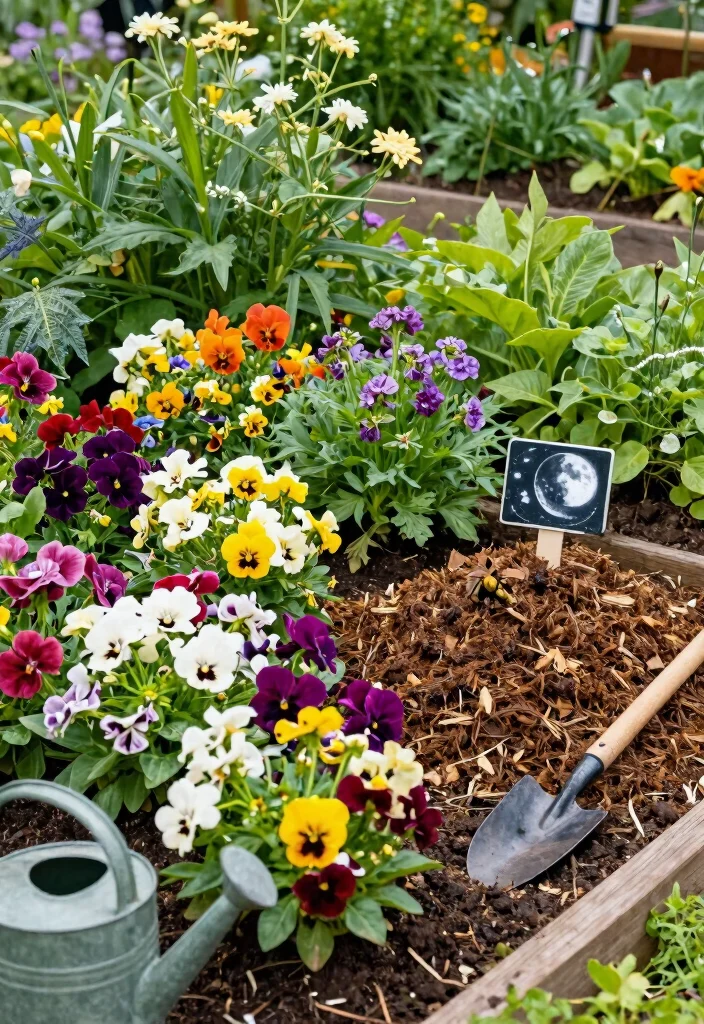
Biodynamic gardening offers a unique way to nurture your garden while respecting nature. This approach emphasizes a holistic view of gardening, focusing on soil health, plant diversity, and even lunar cycles. By using organic methods and encouraging beneficial insects, you can cultivate a vibrant flower garden in your raised beds.
Start by incorporating compost made from kitchen scraps and planting flowers that attract helpful pollinators. These practices not only contribute to a healthy ecosystem but also enhance the resilience of your garden.
Steps to implement biodynamic practices:
– Invite beneficial insects like ladybugs to manage pests naturally.
– Create compost heaps to enrich your soil.
– Rotate crops to maintain soil health and prevent pests.
– Align planting with lunar phases for optimal growth.
Embracing these practices will make your garden a thriving habitat for local wildlife while enhancing its beauty.
How To Choose the Right Raised Bed Flower Garden Design
Tools You’ll Need:
– Measuring tape
– Garden spade
– Level
– Ruler or straight edge
– Soil test kit
– Compost and planting soil
Step 1: Measure & Plan Your Space
Begin by determining where you want your raised bed flower garden. Use a measuring tape to find a flat area with good sunlight. Keep in mind that most flowers need at least six hours of sunlight each day. Once you have your location, measure the space to decide on the size of your raised bed. Consider making it at least 4 feet wide so you can reach the center easily.
✔ Decide on the length and width of your bed.
✔ Ensure it’s near a water source for easy irrigation.
Step 2: Choose the Right Materials
The materials you select can affect the longevity and look of your raised bed. Common options include wood, bricks, or composite materials. For a more eco-friendly choice, consider using untreated cedar or recycled plastic lumber. If you’re on a budget, reclaimed wood from pallets can also work. Keep in mind that wood beds last about 5-10 years, while composite materials can last even longer.
✔ Avoid treated wood as it may leach harmful chemicals into the soil.
✔ Choose materials that blend with your garden’s aesthetic.
Step 3: Design Your Flower Layout
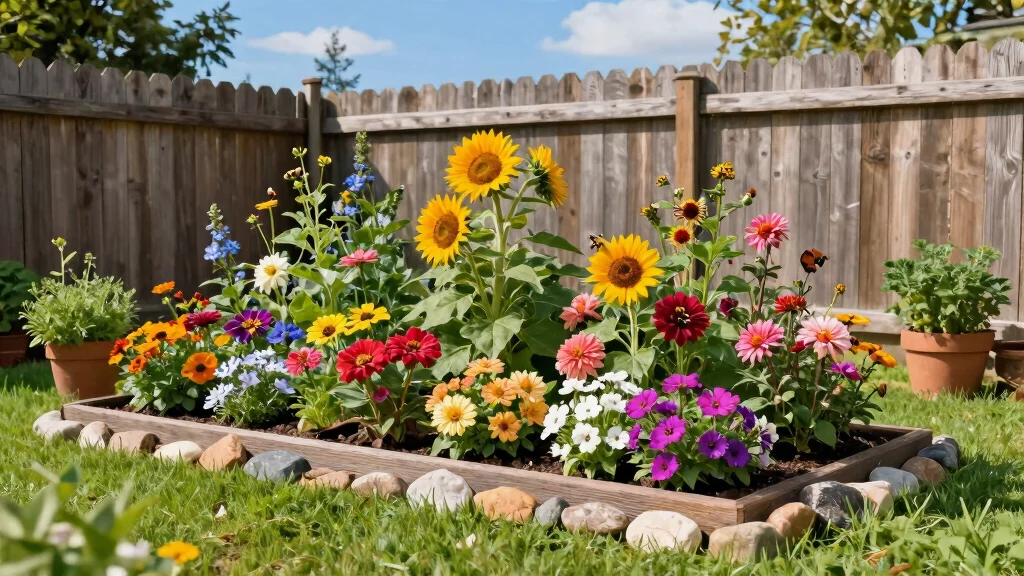
Next, think about the flower layout to ensure a beautiful mix. Group flowers by their height and color for a visually appealing arrangement. Taller flowers like sunflowers should be at the back if the bed is against a wall. Compact flowers such as marigolds can fill in the front. This not only looks great but also promotes better pollination.
✔ Use a ruler to sketch your layout on paper before planting.
✔ Consider companion planting to enhance growth and repel pests.
Step 4: Prepare and Fill the Raised Bed
Before planting, ensure your raised bed is level. If it’s not, adjust the soil or base layers to create a flat surface. Next, fill the bed with a mix of high-quality garden soil and compost for nutrients. Aim for a depth of at least 12-18 inches of soil to accommodate root systems adequately. Testing your soil pH can help determine if you need to add lime or sulfur for optimal conditions.
✔ Layer the soil with different organic materials like leaves or straw.
✔ Leave a few inches at the top for mulch to retain moisture.
Step 5: Choose the Right Flowers
Select flowers based on the seasons and your local climate. For spring, consider planting tulips and daffodils. Summer brings sunflowers and zinnias, while fall can showcase asters and chrysanthemums. Consider incorporating edible flowers like nasturtiums, which can add both beauty and flavor to your garden.
✔ Check local gardening zones to ensure selected flowers thrive.
✔ Plan for continuous blooms by staggering planting times throughout the seasons.
Step 6: Maintain Your Garden
Once your garden is planted, it’s essential to maintain it for successful growth. Water your flowers regularly, especially during dry spells. Mulching helps retain moisture and control weeds. Regularly deadhead spent blooms to encourage new growth and check for pests or diseases.
✔ Keep a gardening journal to track growth and changes throughout the seasons.
✔ Use natural pest control methods to protect your pollinators and the environment.
Pro Tip: Don’t hesitate to ask local gardening groups or extension services for advice specific to your area. They can provide tips on native plants that support local pollinators and improve your garden’s health.
⏱ Time: ~2-3 hours for installation | 💡 Tip: Work on it in the early morning or late afternoon to avoid the heat!
6. Pollinator-Friendly Flower Mixes
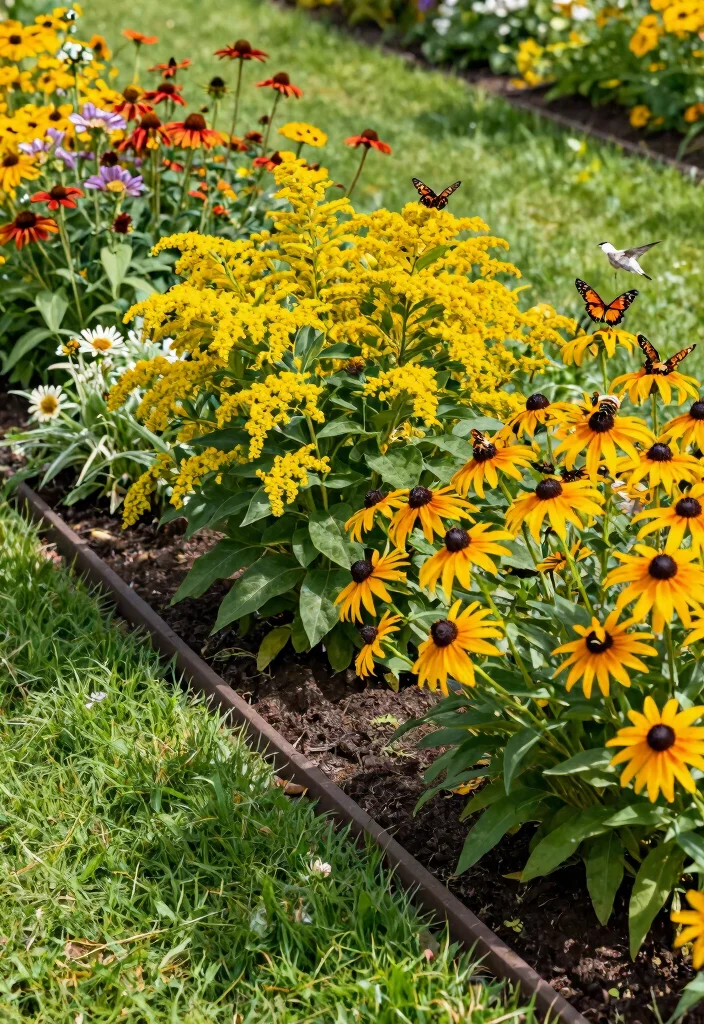
Designing a pollinator-friendly garden is a rewarding way to support the environment. By selecting flowers favored by bees, butterflies, and other pollinators, you create a lively ecosystem right in your backyard. Flowers like goldenrod, coneflowers, and black-eyed Susans will not only beautify your garden but also attract essential pollinators.
Mixing these plants in your raised beds ensures a colorful display while providing a haven for wildlife. Focus on native species that thrive in your area for best results.
Choosing pollinator-friendly flowers involves:
– Selecting native plants that flourish in your local climate.
– Incorporating various colors and shapes to attract different pollinators.
– Grouping flowers to create an inviting cluster for pollinators.
– Leaving some garden areas a bit wild to foster insect habitats.
This strategy turns your garden into a buzzing hub of activity, enhancing both beauty and biodiversity.
7. Edible Flower Integration
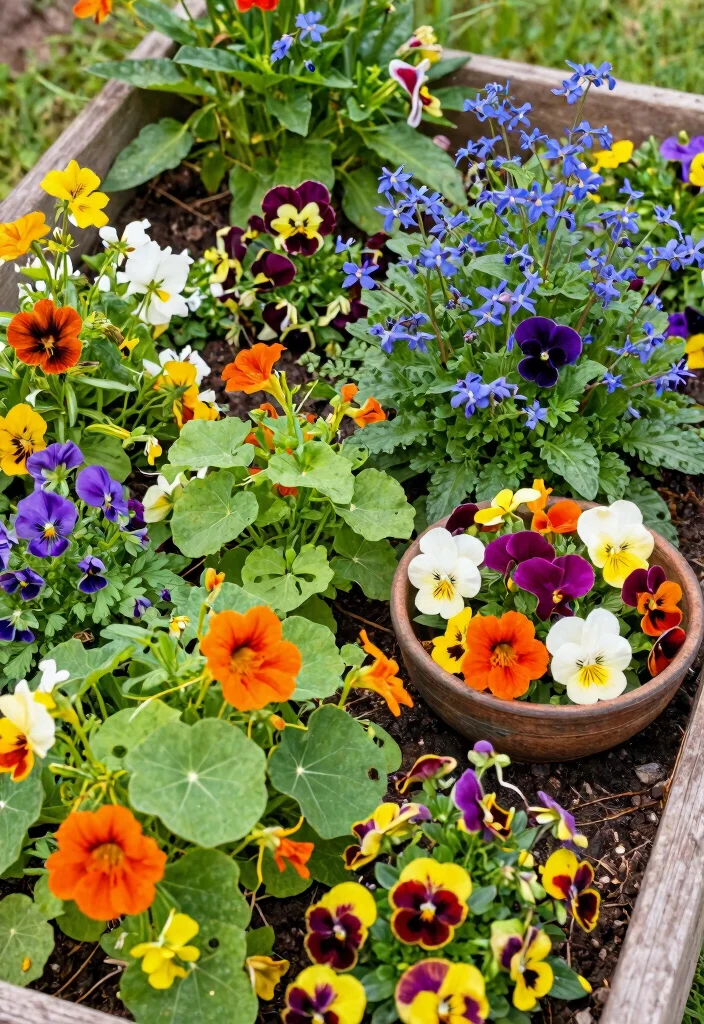
Edible flowers can add both beauty and flavor to your garden. By incorporating flowers like nasturtiums, pansies, and borage, you not only enhance your raised bed’s appearance but also elevate your culinary dishes. These vibrant blooms are perfect for salads, cocktails, and garnishes, making your garden a feast for the senses.
Moreover, many edible flowers attract pollinators, benefiting your entire garden ecosystem. This dual-purpose approach makes gardening even more rewarding.
Tips for growing edible flowers:
– Avoid pesticides to keep flowers safe for consumption.
– Experiment with various edible varieties to discover favorites.
– Harvest flowers when they’re fresh for the best taste and appearance.
– Use them creatively in your meals and drinks.
This strategy makes your garden not just visually appealing, but also a delightful source of flavor.
8. Using Recycled Materials
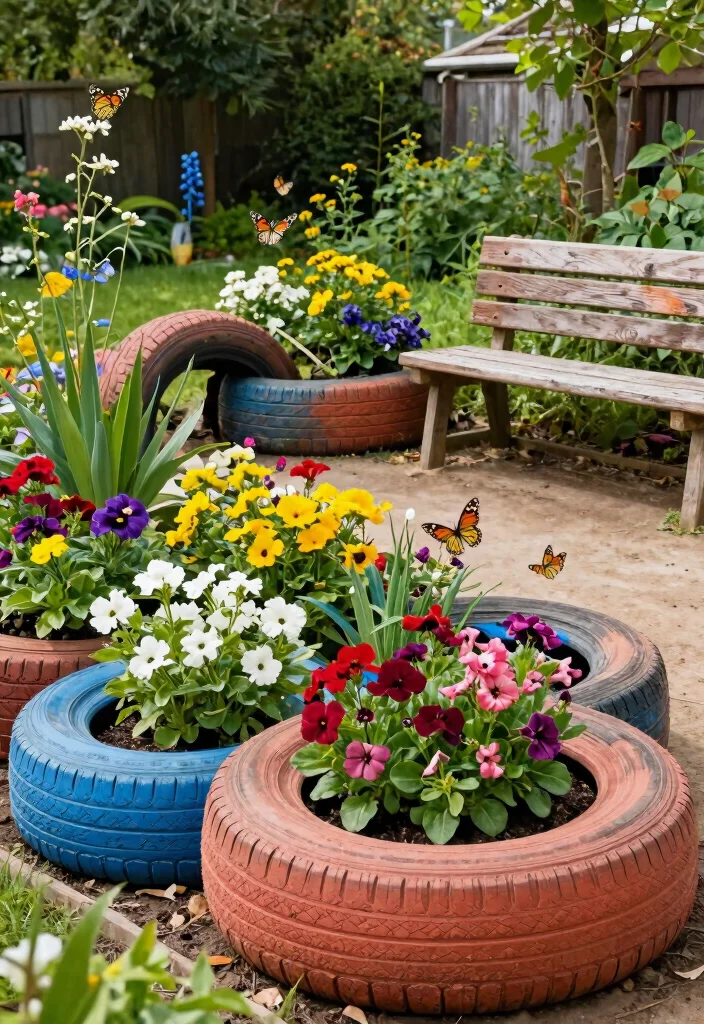
Unleash your creativity by incorporating recycled materials into your raised bed designs. Old wooden pallets, bricks, or even tires can be transformed into unique planters, adding character and charm to your garden. This eco-friendly approach reduces waste while showcasing your personal style.
For a tiered flower garden, consider using reclaimed wood, or stack bricks for a rustic look. These inventive designs can make your garden stand out while promoting sustainability.
Ideas for recycled material projects:
– Create a colorful pallet garden by painting it in vibrant hues.
– Use old tires to craft a playful, whimsical flower arrangement.
– Stack stones or bricks to form a natural-looking raised bed.
– Implement a drip irrigation system with recycled bottles for efficient watering.
These projects not only enhance your garden’s beauty but also tell a story of eco-conscious creativity.
9. Butterfly Gardens
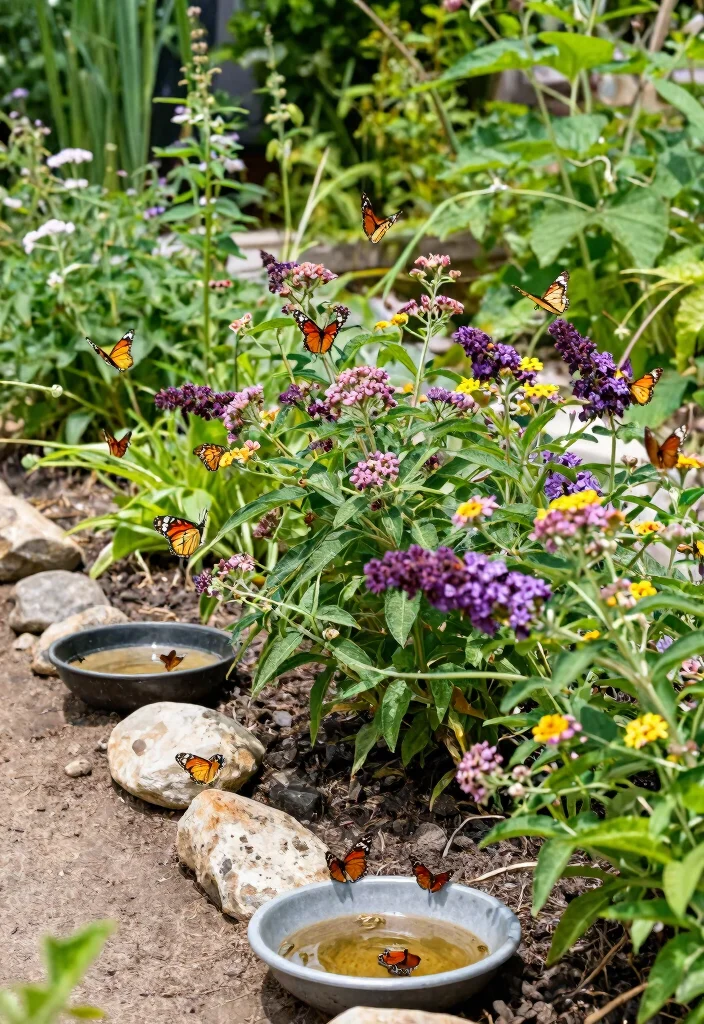
Creating a butterfly garden is a delightful way to invite these enchanting creatures into your outdoor space. Planting nectar-rich flowers that bloom at different times will ensure a continuous flow of butterflies visiting your garden. Consider integrating flowers like milkweed, lantana, and butterfly bush to provide nourishment and habitat for these lovely insects.
By planting both nectar and host plants, you can support the entire lifecycle of butterflies, making your garden a thriving sanctuary.
Steps to create a butterfly-friendly garden:
– Select a sunny, sheltered spot that butterflies prefer.
– Include both nectar sources and host plants for caterpillars.
– Set out shallow water dishes or stones for butterflies to hydrate.
– Avoid pesticides that can harm butterflies.
With a little planning, your garden can become a beautiful haven for butterflies, enriching your gardening experience.
10. Low-Maintenance Flower Options
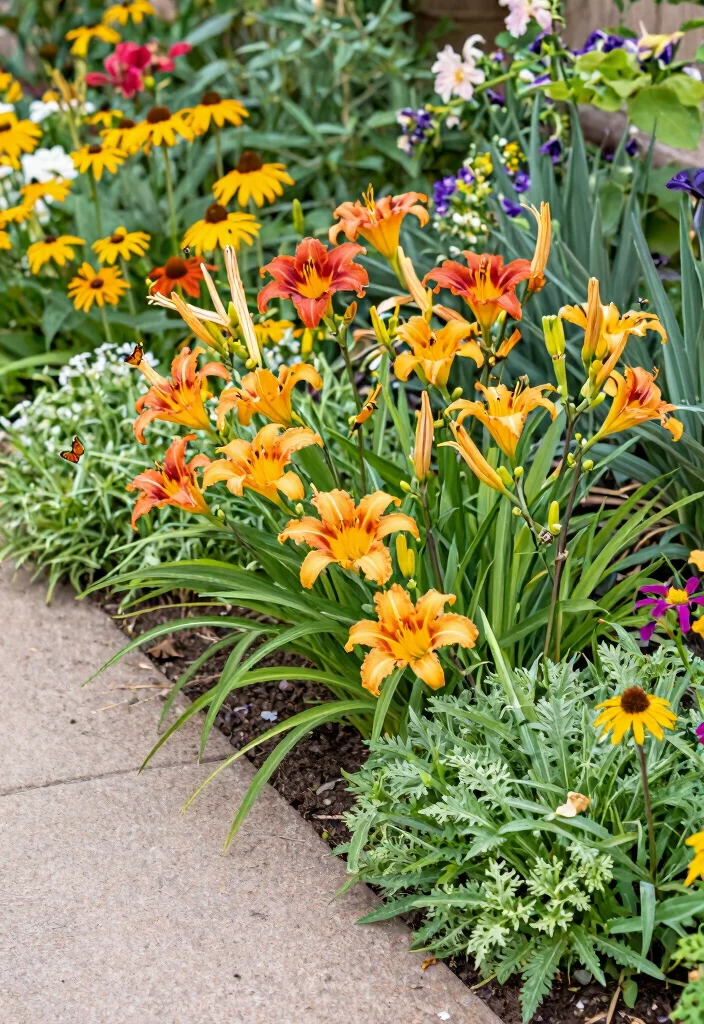
If you crave a stunning garden without the hassle, low-maintenance flower options are ideal for you. Varieties like daylilies, coneflowers, and sedums thrive with minimal care yet provide breathtaking blooms. These resilient plants adapt well to various conditions and are often drought-resistant, making them perfect for novice gardeners.
Additionally, they attract pollinators, enhancing the biodiversity of your garden. Embracing low-maintenance flowers means more time for enjoyment and less time spent on upkeep.
Benefits of low-maintenance flowers:
– Spend less time on gardening tasks and enjoy your space more.
– They generally experience fewer pest issues and adapt well to weather changes.
– Many bloom for prolonged periods, ensuring ongoing visual appeal.
– Group plants for a cohesive look that requires little effort.
These options allow you to cultivate a beautiful garden with ease.
11. Native Flower Focus
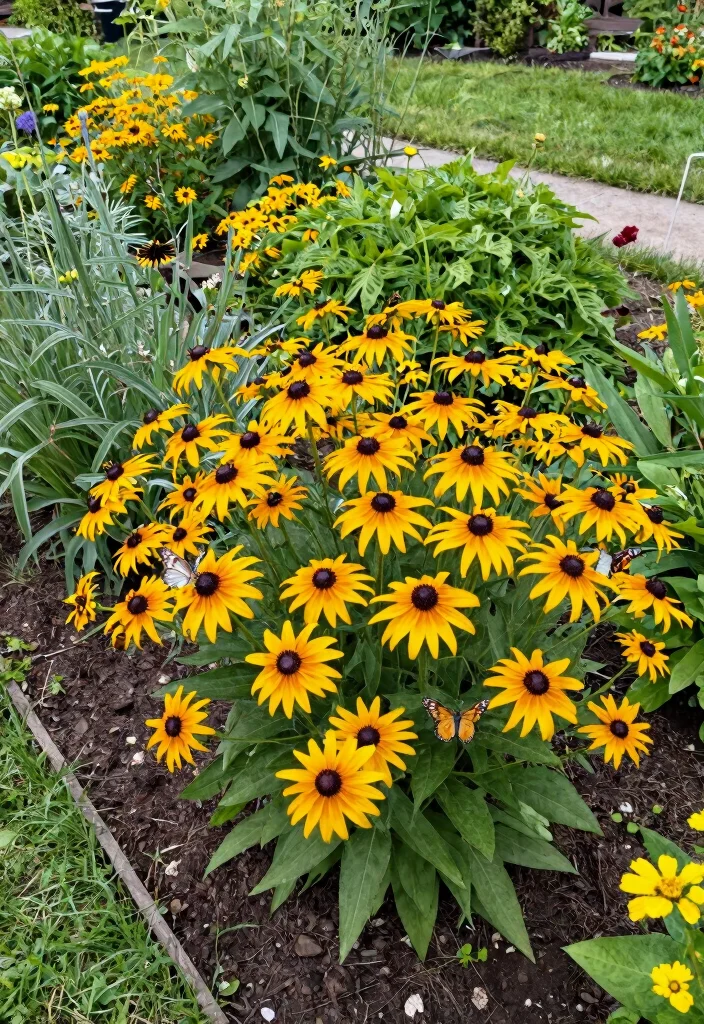
Focusing on native flowers in your raised bed garden is a meaningful way to support local ecosystems. Native plants are naturally adapted to your region, requiring less water and care while providing essential habitat and food for local wildlife, especially pollinators. Flowers like echinacea, black-eyed Susans, and butterfly weed will flourish in your garden, creating a vibrant display.
These plants not only enhance biodiversity but also promote soil health and reduce erosion. By incorporating native species, you contribute to a sustainable landscape that benefits both you and your local environment.
Benefits of native flowers:
– Enrich local biodiversity, attracting a variety of wildlife.
– Require less maintenance, saving time and resources.
– Help improve soil quality and prevent erosion.
– Combine various native flowers for a stunning, sustainable landscape.
By choosing native plants, you’ll beautify your garden and significantly impact your local ecosystem.
12. Rain Garden Integration
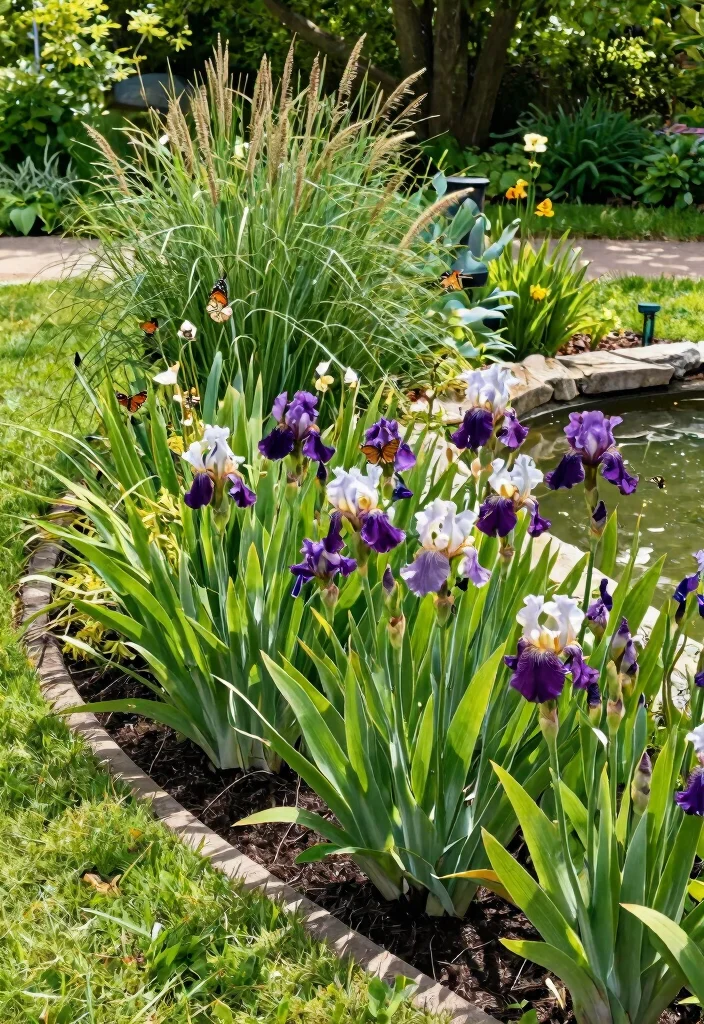
Integrating a rain garden into your landscape can enhance your raised bed while promoting ecological health. Designed to capture and utilize rainwater runoff, these gardens feature water-loving plants that thrive in wet conditions. Consider adding flowers like irises and sedges, which not only beautify your garden but also improve local water quality.
By planting strategically in lower areas where water naturally collects, you can create an eco-friendly feature that benefits both your garden and the surrounding environment.
Steps to create your rain garden:
– Identify a naturally low area that collects rainwater.
– Use native plants that can thrive in both wet and dry conditions.
– Incorporate varied heights and textures for visual interest.
– Regularly check for invasive species to maintain biodiversity.
This garden addition will not only enhance your flower garden’s beauty but also contribute positively to environmental sustainability.
13. Educational Pollinator Gardens
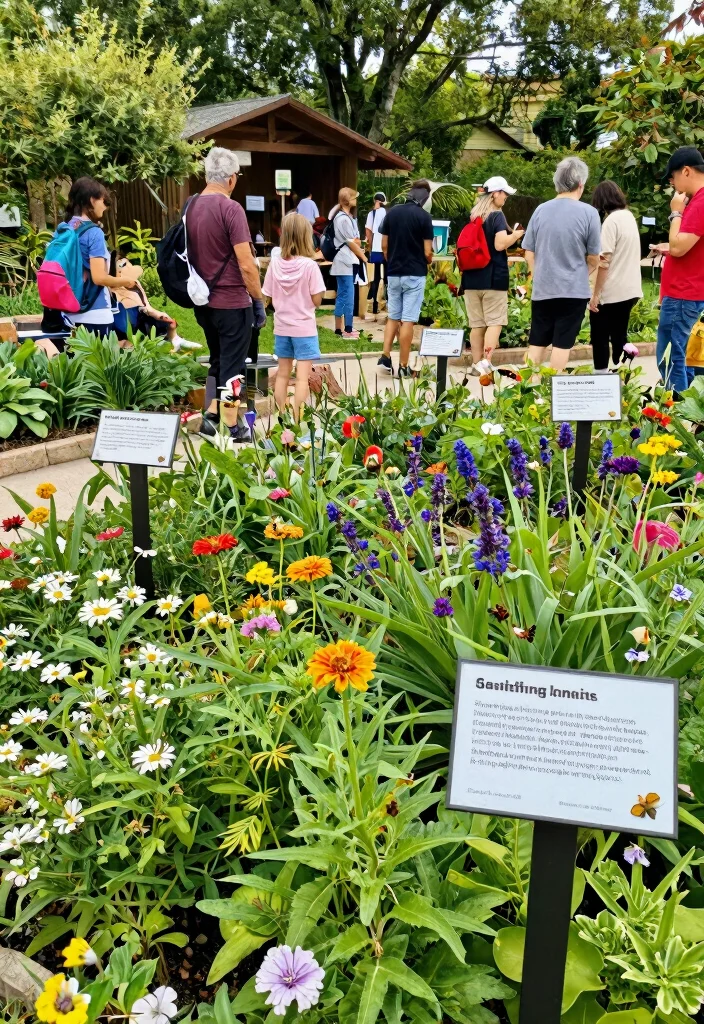
Establishing an educational pollinator garden is a fantastic way to engage your community and raise awareness about the importance of pollinators. This garden can offer workshops, guided tours, or informative signage to educate visitors about the plants that support bees and butterflies. By incorporating a variety of flowers that provide food and habitat, you can create a beautiful and educational space.
Engaging the community with your garden can foster a deeper understanding of sustainability and ecological balance.
Ideas for educational gardens:
– Include diverse flower types that bloom at different times to highlight plant diversity.
– Set up signs near each plant with information on their benefits to pollinators.
– Host community events to share knowledge about gardening and pollinator care.
– Collaborate with local schools to involve children in gardening activities.
This type of garden not only enhances your space’s beauty but also serves an important educational purpose.
Conclusion
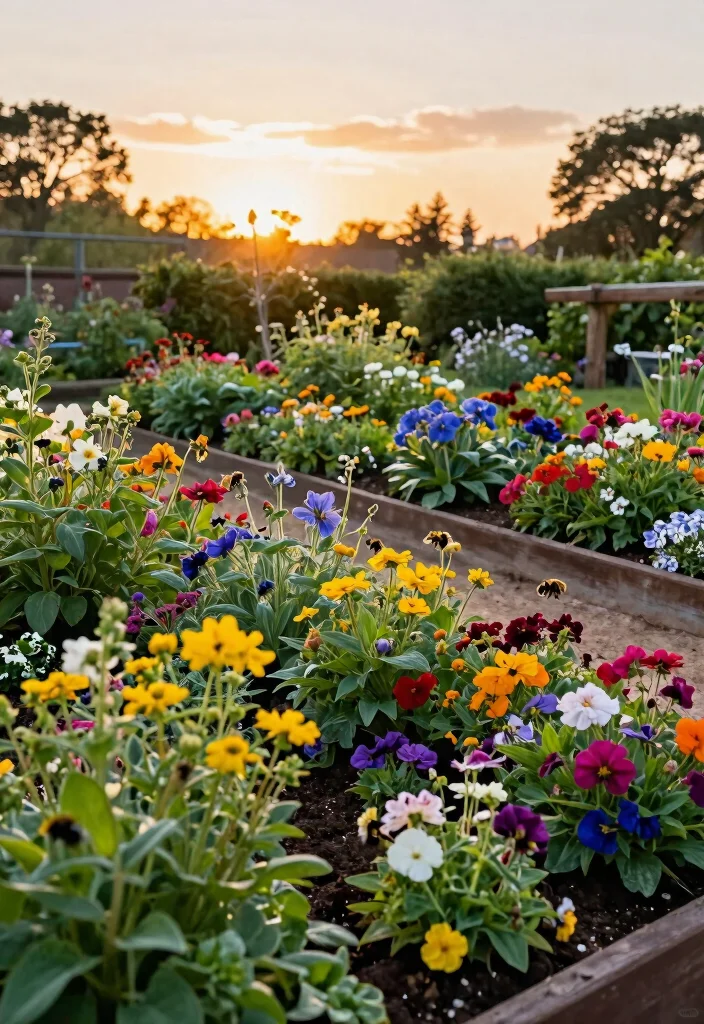
With these 13 vibrant raised bed flower garden ideas, you can create a stunning oasis that not only serves as a beautiful backdrop for your home but also supports local pollinators and the environment.
From incorporating seasonal rotations to utilizing recycled materials, there are endless ways to personalize your garden while making it eco-friendly.
Dive into these creative concepts, and let your garden flourish as a vibrant hub of life and color.
Note: We aim to provide accurate product links, but some may occasionally expire or become unavailable. If this happens, please search directly on Amazon for the product or a suitable alternative.
This post contains Amazon affiliate links, meaning we may earn a small commission if you purchase through our links, at no extra cost to you.
Frequently Asked Questions
Question: What makes a raised bed flower garden eco-friendly for pollinators and cut flowers?
Answer: An eco-friendly raised bed flower garden prioritizes nectar-rich native plants, minimal chemical inputs, and water-smart practices.
Build a thriving pollinator garden by selecting a continuous bloom mix and staggering plantings so bees and butterflies have food from spring through fall. For cut flower gardening, pair long-stem varieties (like cosmos, zinnias, and dahlias) with companion flowers to support pollinators. Use organic compost, mulch to conserve moisture, and a simple irrigation plan (drip or soaker hoses) to reduce water waste. Avoid synthetic pesticides and rotate plant families each season to keep soil healthy.
Question: How can I design a layout for a raised bed flower garden that supports pollinators and makes cutting easy?
Answer: Start with sun exposure and practicality. Typical sizes like 4×6, 4×8, or two 2×6 beds keep tasks manageable. Place tall varieties at the back or center so you can reach stems from the edges for cutting. Create distinct zones: a pollinator-friendly perennial border, a cut-flower bed with succession plantings, and a nectar corridor along the outer edge. For a clear flower garden layout, group like bloom times and colors so you have ongoing vase-worthy stems. Use raised bed designs that are accessible from all sides and plan regular seasonal flower planting every 2–3 weeks for continuous color.
Question: What are some beginner-friendly raised bed designs for a vibrant cut flower and pollinator garden?
Answer: Try these beginner-friendly layouts: 1) a simple rectangular bed with a low edge for easy reaching, 2) modular, interlocking raised beds you can rework as you learn, or 3) a curved border bed that maximizes edge habitat. Each design should mix pollinator-friendly annuals and perennials with reliable cut flower gardening performers like cosmos, zinnias, nasturtiums, and dahlias. Add a trellis for climbers, mulch to improve moisture retention, and keep paths wide enough for easy harvest. These are classic raised bed designs that support seasonal flower planting while remaining approachable for beginners.
Question: When should I plant seasonal flowers in raised beds to ensure a continuous bloom for cut flowers?
Answer: Plan around your last frost date and aim for continuous bloom with regular sowing. In temperate climates, start cool-season flowers (poppies, sweet peas, snapdragons) 4–6 weeks before last frost for spring color; as the soil warms, sow warm-season varieties (cosmos, zinnias, sunflowers) every 2–3 weeks through early summer. Add fall favorites like asters or hardy chrysanthemums for autumn color. Use seasonal flower planting schedules to keep blooms coming from spring through fall, and adjust timing for your local climate.
Question: What essential gardening tips should beginners know for a raised bed flower garden for pollinators?
Answer: Here are the must-know basics for gardening tips for beginners in a raised bed: start with a light, rich soil mix (loam + compost) with excellent drainage; pick a full-sun site (6–8 hours) for most flowers; install a simple irrigation system and mulch to conserve moisture; choose a diverse mix of pollinator-friendly and cut flower gardening varieties to ensure year-round blooms; practice seasonal flower planting and succession sowing; and keep a harvest-friendly routine—cut stems regularly but avoid removing too many plants at once, and deadhead to encourage more blooms. Avoid chemical pesticides and invite beneficial insects into your garden.