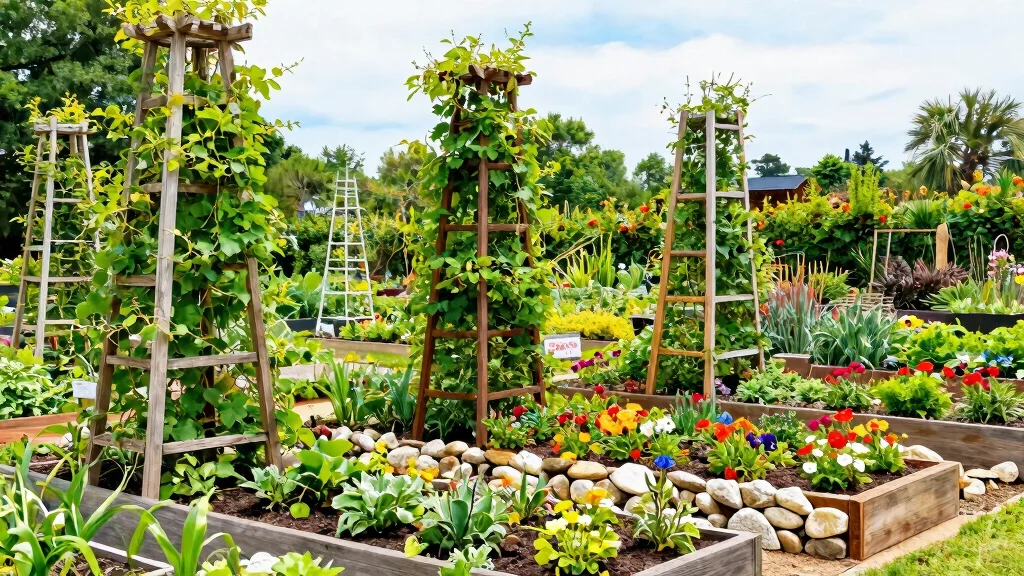
Gardening season is here, and I can’t help but feel excited about growing climbing plants. Raised garden beds are a fantastic way to maximize your space and keep things organized. I created this post to help you discover the best raised garden bed trellis ideas that not only support your plants but also add a beautiful touch to your garden.
If you’re someone who loves gardening but struggles with limited space, this post is tailored just for you. You might be looking for effective climbing plant support or simply wanting to enhance your vertical gardening solutions. Either way, you’ll find plenty of inspiration here. I’ve pulled together 15 creative trellis ideas that are functional, stylish, and perfect for transforming your garden into a lush, vertical paradise.
From classic wooden designs to modern metal structures, these trellis ideas will cater to a variety of tastes and skill levels. Whether you want to build a DIY garden trellis or simply get some raised bed gardening tips, you’ll find practical solutions that elevate your gardening game. Let’s dive into these trellis ideas that will make your climbing plants thrive and your garden shine!
Key Takeaways
– Explore various trellis designs that add vertical elements to your garden, maximizing limited space for climbing plants.
– Discover how different materials like wood, metal, and bamboo can enhance your garden’s aesthetic while providing sturdy support.
– Find DIY garden trellis options that allow you to customize your gardening setup based on your specific needs and preferences.
– Learn useful raised bed gardening tips that can help you effectively integrate trellises into your gardening routine for healthier plants.
– Get inspired by creative designs such as the rustic ladder trellis and elegant archway trellis to elevate your garden’s visual appeal.
1. Classic Wooden A-Frame Trellis
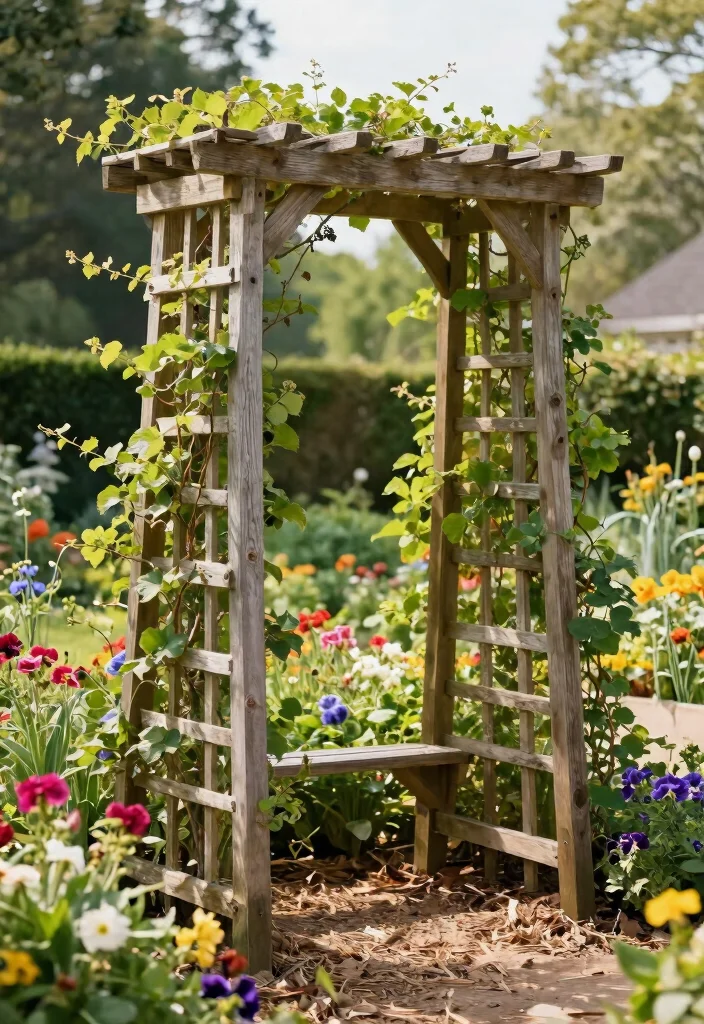
If you’re looking for a charming yet functional addition to your garden, a classic wooden A-frame trellis is a fantastic choice. This sturdy design not only provides excellent support for climbing plants like peas and cucumbers but also adds a rustic aesthetic to your outdoor space. You can customize it using different types of wood, and painting or staining can enhance its visual appeal to match your garden’s theme.
To get the most out of your A-frame trellis, make sure it’s securely anchored to withstand strong winds. You can also check the wood regularly for any signs of decay, especially if you opted for untreated wood. Enhance your garden further by planting colorful flowers at the base to attract pollinators.
Key features to consider:
– Ensure the frame is firmly anchored for stability.
– Regularly inspect for wear and tear.
– Add flowers at the base for visual interest and pollinator attraction.
This classic trellis not only supports your plants but also transforms your garden into a picturesque retreat.
2. Vertical Grid Trellis System
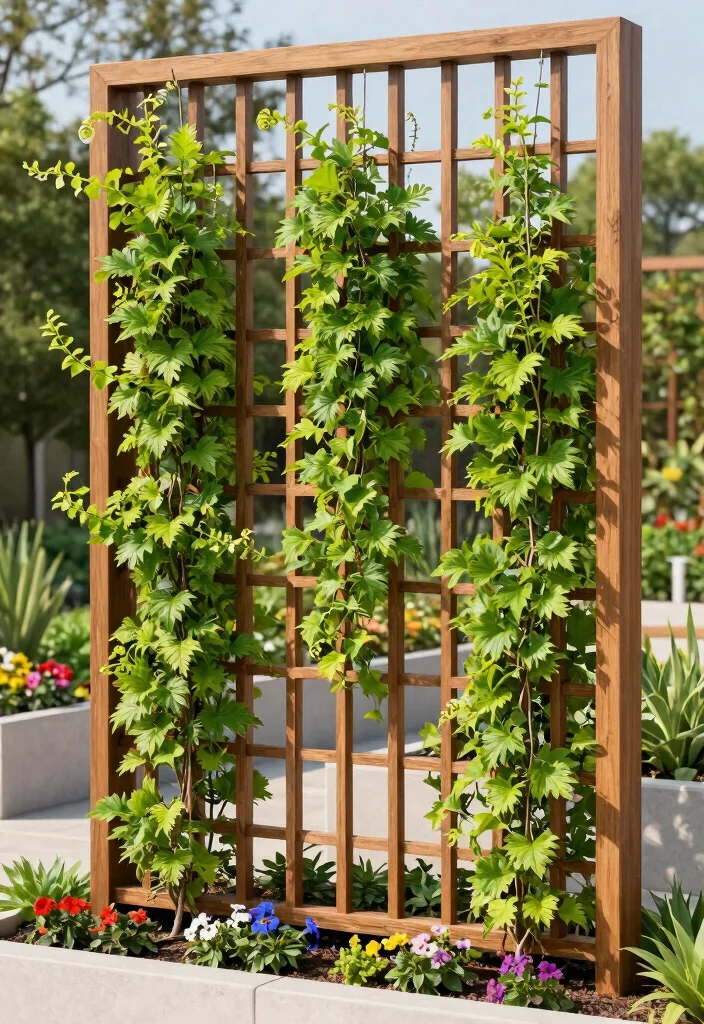
For a modern and stylish approach, consider a vertical grid trellis system that makes a bold statement in your garden. This design involves a grid of horizontal and vertical slats, allowing climbing plants to grow in various directions while creating an eye-catching structure. You can choose between materials like cedar or metal, tailoring the look to your personal style.
This grid system maximizes vertical space, making it perfect for smaller gardens. To add a unique touch, you might mix materials, pairing wood with metal for a contemporary vibe. Bright colors can also bring a lively element against the greenery, and you can integrate hooks or shelves for additional plant storage.
Actionable ideas to implement:
– Combine materials for a mixed-media effect.
– Paint the trellis in vibrant colors for contrast.
– Add hooks or shelves for extra decorative options.
This trellis not only supports your plants but also enhances the overall design of your garden.
3. Rustic Ladder Trellis
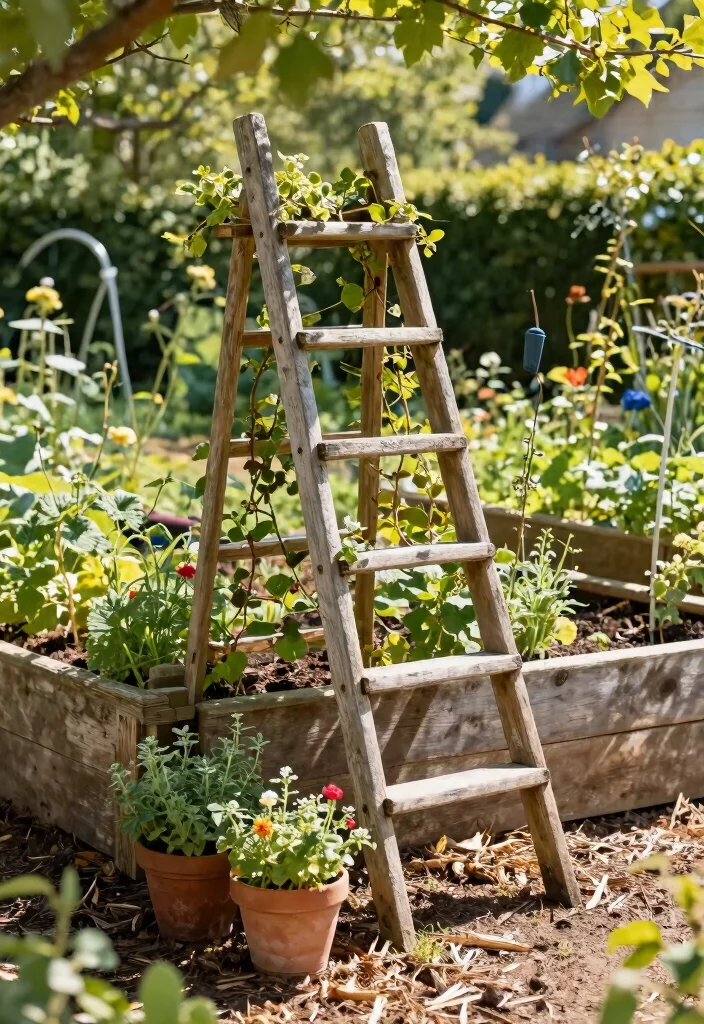
A rustic ladder trellis adds a delightful farmhouse touch to your garden. By simply leaning a ladder against your raised bed, you create a unique support system for climbing plants like beans or grapes. This DIY project can be made from reclaimed wood or an old ladder, giving your garden a charming vintage feel.
The open slots of the ladder allow plants to twine through, creating an airy atmosphere. Plus, it’s a fantastic way to recycle materials that might otherwise go to waste. To make it even more functional, consider placing potted herbs on the lower rungs.
DIY tips for success:
– Secure the base of the ladder to prevent tipping.
– Paint or stain to match your garden’s aesthetic.
– Use the lower rungs for potted herbs to maximize space.
This rustic trellis not only supports your plants but also enhances your garden’s charm.
4. Wire Mesh Trellis
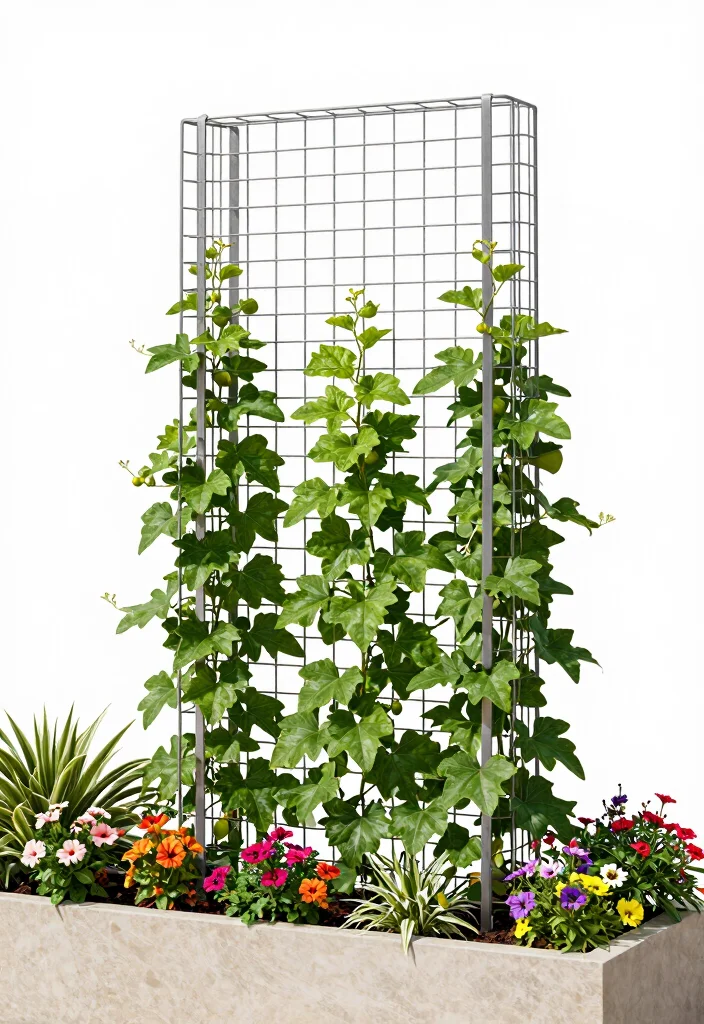
If you prefer a minimalist approach, a wire mesh trellis is an excellent option that combines functionality and simplicity. This straightforward design allows climbing plants to latch on and grow, all while maintaining a clean look. You can easily attach wire mesh to the sides of raised beds or set it up as a freestanding structure.
Ideal for vining crops like tomatoes and peas, the open design promotes air circulation and sunlight, ensuring healthy growth. To enhance its stability, opt for heavy-duty wire mesh and use garden ties to guide your plants as they climb.
Key considerations for installation:
– Use heavy-duty wire mesh for durability.
– Secure plants with ties or clips as they grow.
– Add decorative posts for an aesthetic touch.
This wire mesh trellis is not only functional but also keeps your garden looking neat and organized.
5. Bamboo Trellis
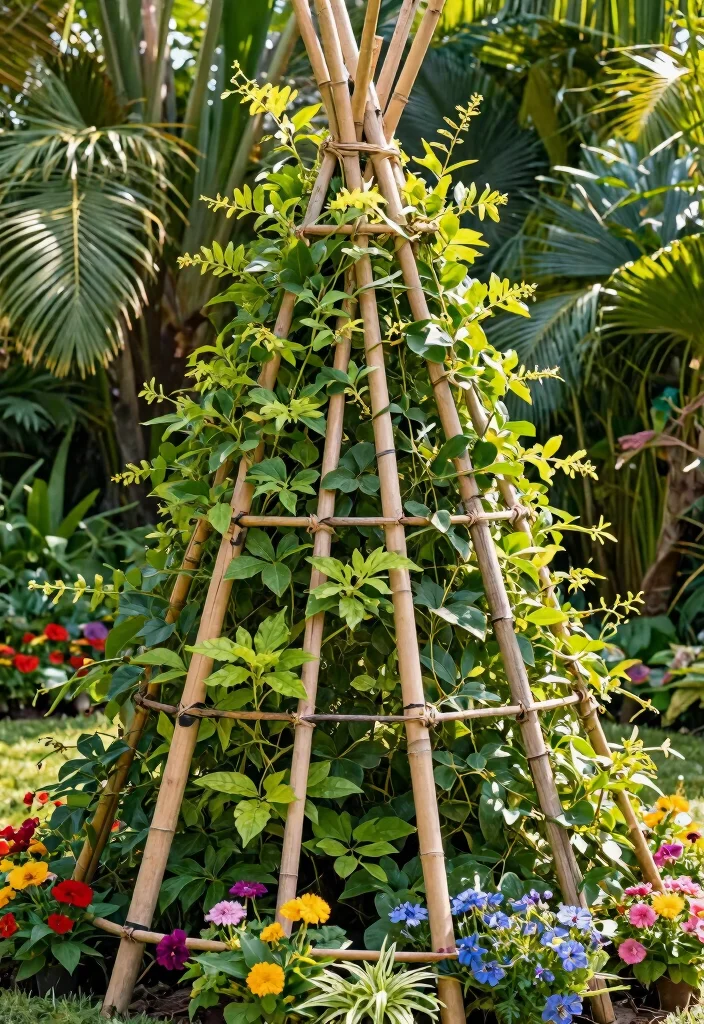
Bamboo is an eco-friendly, fast-growing material that makes for a stunning trellis option. A bamboo trellis adds a tropical vibe to your garden while providing sturdy support for climbing plants like peas and beans. You can create a simple teepee shape or a more complex design, depending on your creativity.
This natural material blends beautifully into garden settings and is lightweight, making it easy to move as needed. Additionally, bamboo enriches the soil as it breaks down over time, making it an excellent choice for sustainability.
Suggestions for building your bamboo trellis:
– Use twine to securely tie the poles together.
– Add horizontal slats for extra support.
– Consider staining or leaving natural for a rustic appearance.
This bamboo trellis not only supports your climbing plants but also enhances your garden’s eco-friendly appeal.
6. Repurposed Pallet Trellis
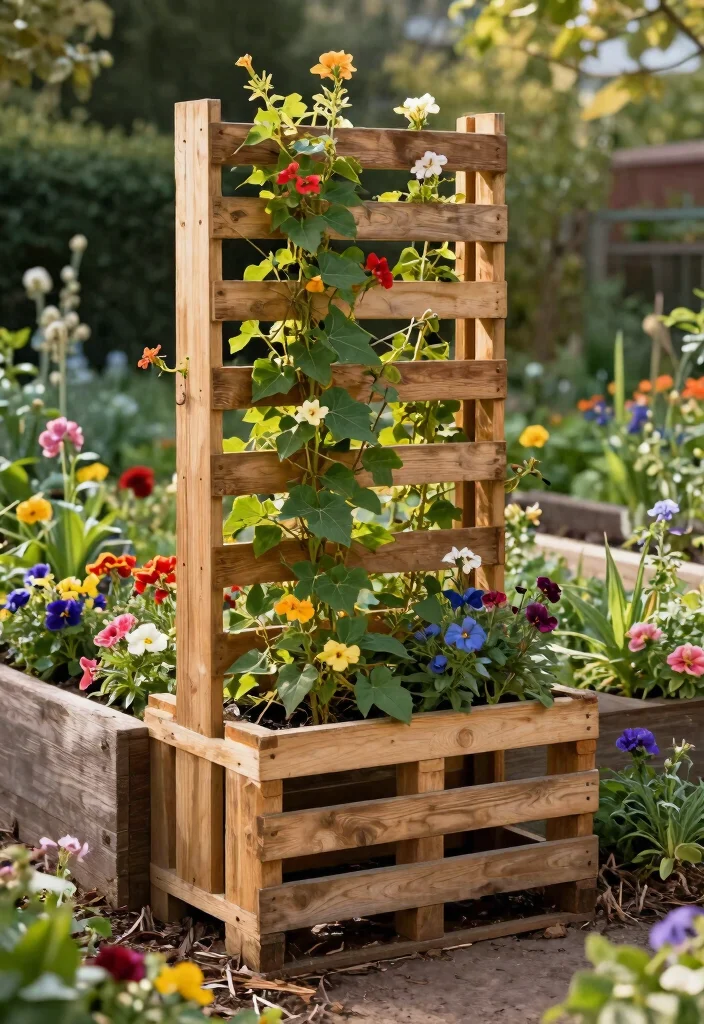
For those who care about sustainability, a repurposed pallet trellis is a creative and eco-friendly addition to your garden. Old wooden pallets can be transformed into unique trellises that effectively support climbing plants while adding character to your space. Simply stand the pallet upright or lean it against your raised bed for an inventive structure.
Plants like cucumbers and squash will thrive as they climb the slats. This design is budget-friendly and adds a rustic charm to any garden. Before starting, make sure to sand down any rough edges for safety.
DIY tips to enhance your pallet trellis:
– Sand rough edges to prevent splinters.
– Paint or stain to complement your garden theme.
– Plant trailing flowers at the base for extra beauty.
This pallet trellis not only supports your plants but also showcases your commitment to sustainability.
7. Archway Trellis
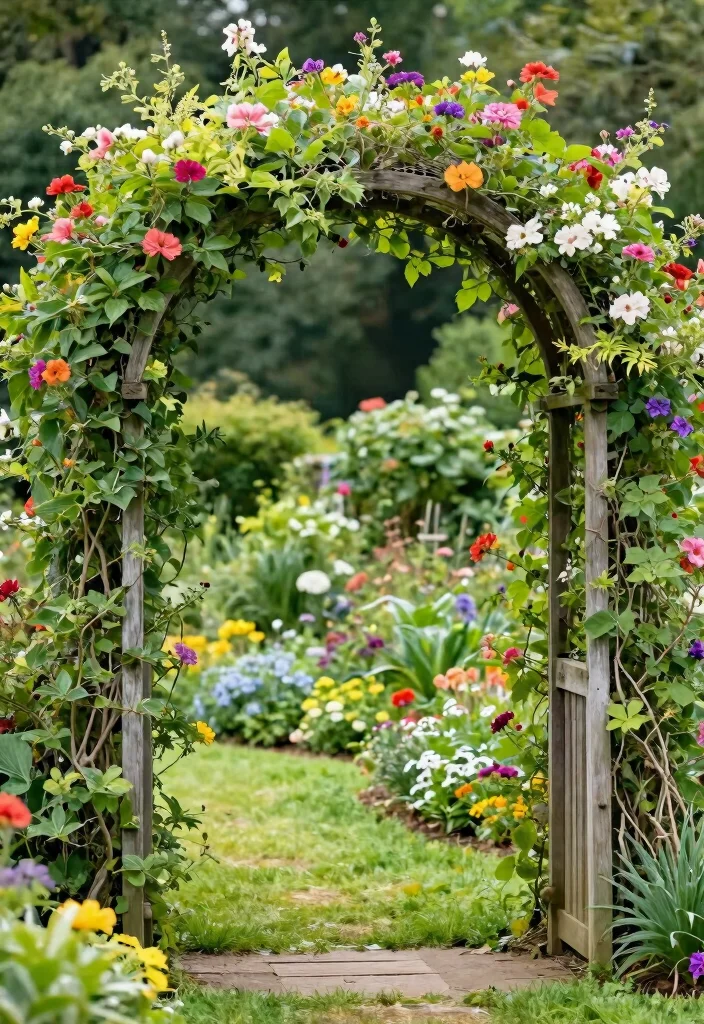
An archway trellis can serve as a stunning entrance to your garden while supporting climbing plants. This elegant structure creates a beautiful arch adorned with blooms, making your garden feel enchanting. Using materials like wood or metal, you can craft an arch that fits perfectly with your raised bed.
Train climbing plants such as sweet peas or roses to cover the arch, providing shade and a picturesque view. To enhance its stability, make sure the archway is securely anchored in the ground.
Tips for creating your archway trellis:
– Anchor securely to withstand weather conditions.
– Plant perennials at the base for continuous beauty.
– Use lights or hanging decor to add charm during evenings.
This archway trellis not only supports your plants but also creates a magical atmosphere in your garden.
8. Gothic Arch Trellis
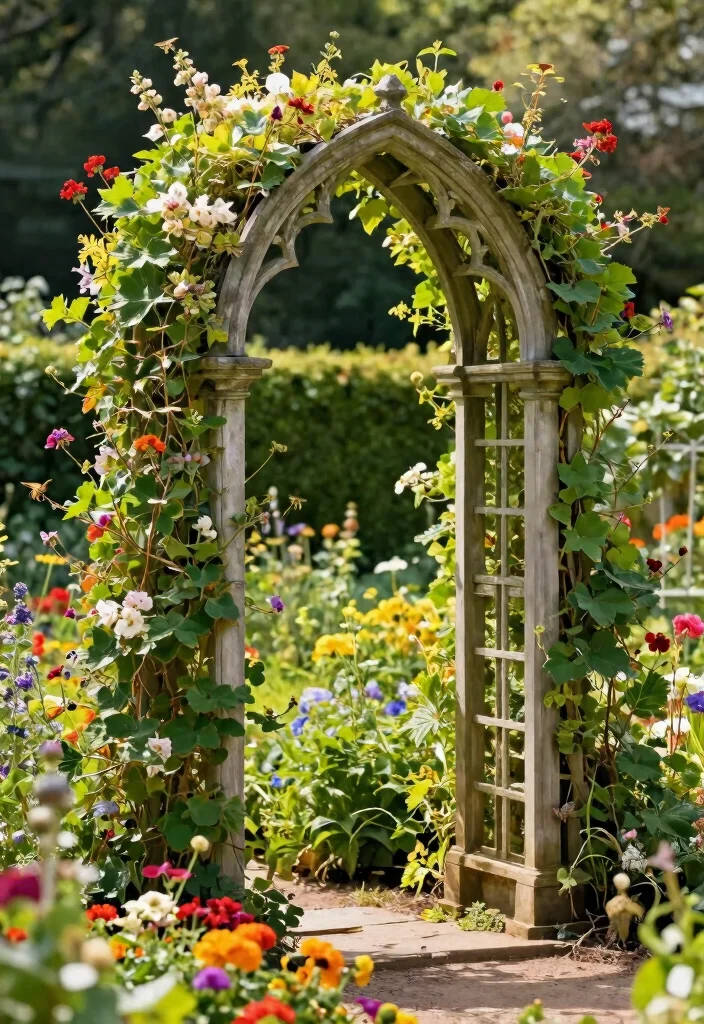
For a dramatic and elegant touch, a gothic arch trellis is perfect for enhancing your garden’s visual appeal. This architectural design not only supports climbing plants but also adds a unique silhouette to your outdoor space. The pointed arches create a striking feature that complements any garden.
Choose materials like wrought iron or treated wood for durability and style. Climbing plants such as clematis or morning glories will thrive on this trellis, creating a lush backdrop. For added interest, you might consider combining different plants to showcase varied colors and textures.
Suggestions for maximizing your gothic arch trellis:
– Secure the base for stability against wind.
– Mix plants for a vibrant display.
– Place seating nearby to enjoy the view.
This gothic arch trellis not only supports climbing plants but elevates the overall aesthetics of your garden.
Fun fact: Gothic arch trellises can double climbing space—each arch adds up to 20% more vertical reach for vines like clematis. For raised garden bed trellis ideas, choosing durable wrought iron or treated wood turns slender spaces into dramatic, blooming backdrops.
Key Trade-offs & Our Top Pick
1. Classic Wooden A-Frame Trellis
– Pros:
✔ Sturdy and visually appealing
✔ Easy to build with basic tools
✔ Provides ample support for various climbing plants
– Cons:
❌ Can rot if not treated or maintained
❌ May require replacement after a few seasons
❌ Takes up more space than some other options
– Best for: Gardeners looking for a traditional aesthetic and solid support for heavier vines like cucumbers or beans.
2. Vertical Grid Trellis System
– Pros:
✔ Maximizes vertical space for small gardens
✔ Ideal for a variety of climbing plants
✔ Offers a modern look to your garden
– Cons:
❌ May need additional anchoring for stability
❌ Can be more complex to install
❌ Might require special materials that can increase costs
– Best for: Urban gardeners with limited space who want a contemporary touch that supports diverse crops.
3. Rustic Ladder Trellis
– Pros:
✔ Adds a charming rustic look
✔ Great for multiple plants at different heights
✔ Easy to make using reclaimed materials
– Cons:
❌ Less stable than solid trellis types
❌ May not support heavy plants well
❌ Requires maintenance to prevent degradation
– Best for: Gardeners who enjoy DIY projects and want an aesthetic piece that supports lighter plants like peas or decorative vines.
4. Wire Mesh Trellis
– Pros:
✔ Durable and lightweight
✔ Easily customizable to fit any space
✔ Inexpensive and can be made from readily available materials
– Cons:
❌ Can rust if not coated properly
❌ Lacks the visual appeal of wooden options
❌ May require additional support for tall plants
– Best for: Budget-conscious gardeners who prioritize function and flexibility over aesthetics.
5. Bamboo Trellis
– Pros:
✔ Eco-friendly and sustainable option
✔ Lightweight yet strong
✔ Easy to set up and move as needed
– Cons:
❌ Limited lifespan compared to metal or treated wood
❌ Can wobble if not secured properly
❌ Requires regular checking for wear and tear
– Best for: Gardeners looking for a natural look who want a trellis that can adapt to various plant types without heavy investment.
Expert Recommendation:
Best Overall: Classic Wooden A-Frame Trellis
The Classic Wooden A-Frame Trellis stands out as the top choice for most gardeners. It offers a perfect balance of aesthetics and functionality. You can build it easily, and it provides reliable support for a wide range of climbing plants. With proper care, it can last many seasons, making it a great investment for your garden.
Why We Picked This:
We understand that some might prefer the sleek design of the Vertical Grid Trellis or the charm of a Rustic Ladder Trellis. Each option has its unique appeal and functionality. If you’re after something budget-friendly, a Wire Mesh Trellis may be your go-to. For those focused on sustainability, a Bamboo Trellis shines. Ultimately, your choice should depend on your garden’s style, the types of plants you want to grow, and your maintenance preferences.
9. Vertical Plant Wall
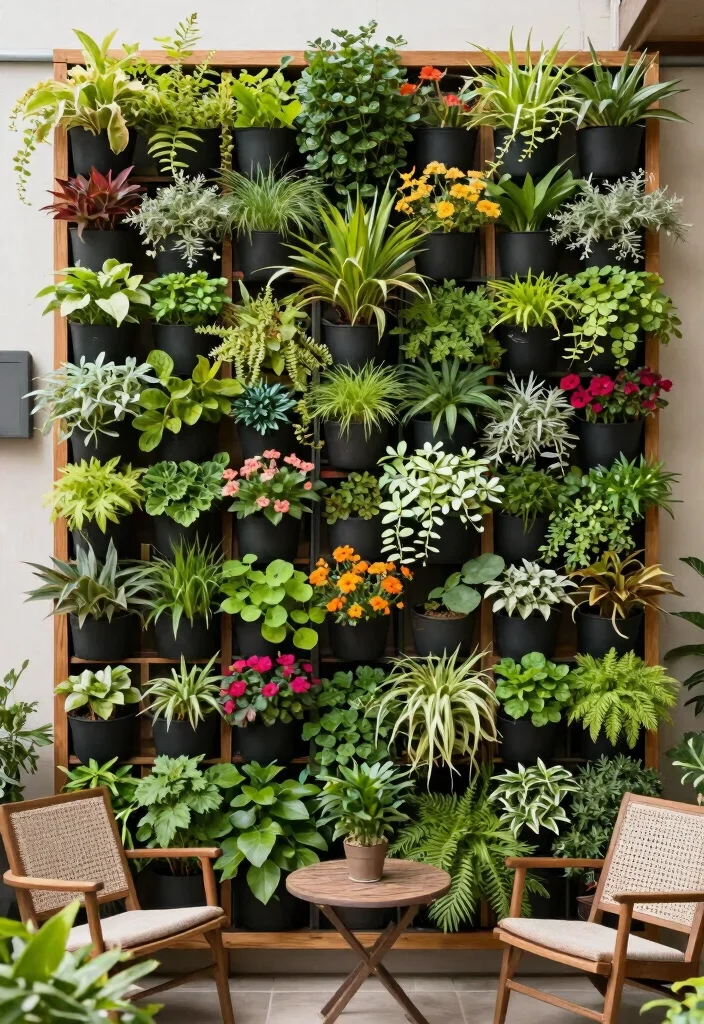
Transforming a wall into a vertical garden is a brilliant way to support climbing plants while making a stunning visual impact. A vertical plant wall can be created using a wooden frame with pockets for soil or pre-planted modules. This innovative design is ideal for small spaces, maximizing vertical real estate.
Climbing plants like ivy and strawberries can thrive in this setup, creating a beautiful backdrop for gatherings. To ensure durability, use high-quality, moisture-resistant materials and avoid overcrowding to give each plant room to flourish.
Suggestions for building your vertical plant wall:
– Use moisture-resistant materials for longevity.
– Space plants adequately for healthy growth.
– Consider a drip irrigation system for convenience.
This vertical plant wall not only supports your plants but also enhances your garden’s visual appeal.
Fact: Vertical walls can multiply your growing space by up to 3x, turning a small balcony into a lush micro-garden. This is the essence of raised garden bed trellis ideas—use a wooden frame with pockets to hold soil and climbing plants like ivy and strawberries.
10. Trellis Panel Fencing
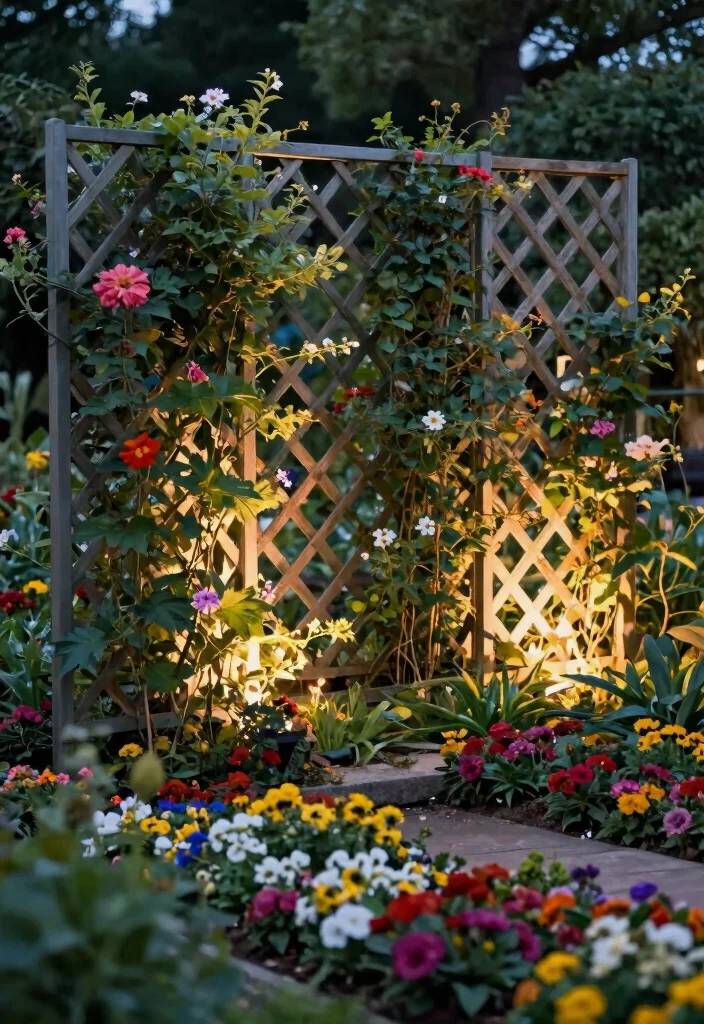
If you’re looking to combine style with functionality, trellis panel fencing is an excellent choice. This type of trellis serves as both a boundary and a support structure for climbing plants, making it ideal for small or shared gardens. With various designs available, such as crisscross or diamond patterns, you can add visual interest to your outdoor space.
Grow a mix of flowering vines and leafy greens to enhance your garden’s beauty while maintaining a stylish appearance. To ensure stability, make sure the panels are securely installed, and consider adding lighting for ambiance at night.
Key ideas to implement:
– Securely install trellis panels for stability.
– Incorporate lighting for nighttime charm.
– Choose climbers with fragrant flowers for sensory delight.
This trellis panel fencing not only supports your climbing plants but also enhances the overall design of your garden.
11. Horizontal Slat Trellis
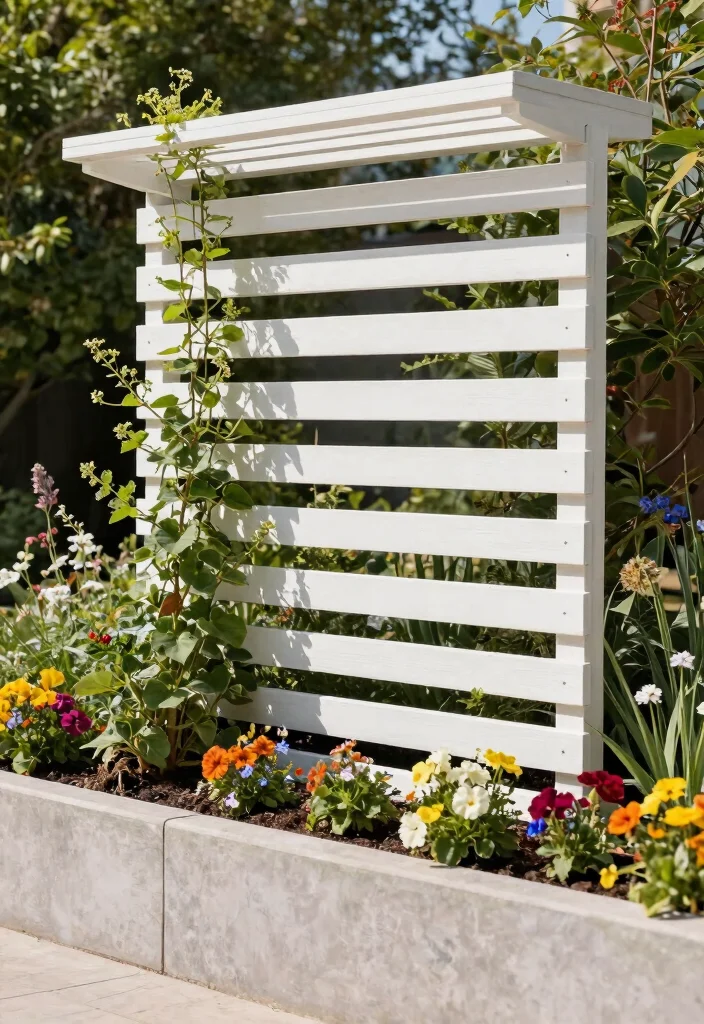
For a sleek, modern aesthetic, consider a horizontal slat trellis design. This style features evenly spaced wooden slats that provide excellent support for climbing plants while maintaining a contemporary look. Ideal for raised garden beds, the horizontal slats allow plants like beans and cucumbers to climb vertically without cluttering the space.
You can customize the width and spacing of the slats, making it a versatile option for any garden style. Opt for weather-resistant wood to ensure durability, and consider a bold color for a striking contrast against the green.
Suggestions for your horizontal slat trellis:
– Choose weather-resistant materials for longevity.
– Paint slats in vibrant colors for a stylish touch.
– Train your plants to ensure they grow properly.
This horizontal slat trellis not only supports your plants but also elevates the overall design of your garden.
12. DIY Pipe Trellis
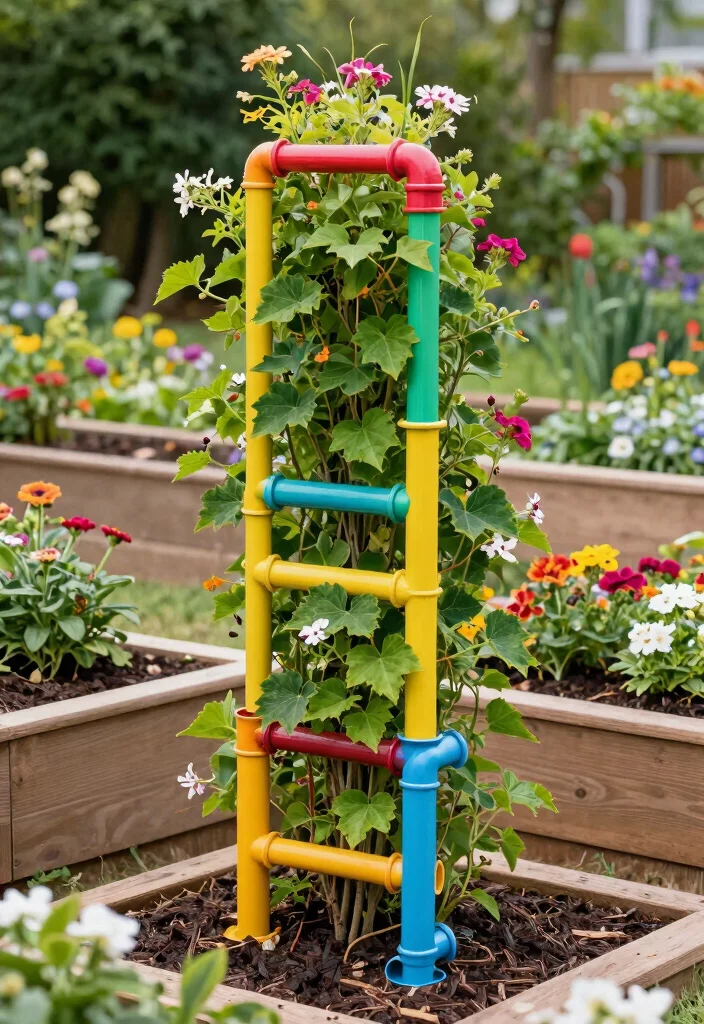
For the DIY enthusiast, a pipe trellis is a straightforward and effective project. Using PVC or metal pipes, you can create a sturdy trellis that supports climbing plants while adding an industrial touch to your garden. These trellises are highly customizable, allowing you to adjust the height and width to fit your needs.
Pipes can be painted in bright colors or left metallic for a modern look. Plants like peas and tomatoes will thrive with this support, creating an attractive display in your garden. To ensure stability, anchor the tubes securely in the ground.
DIY tips for success:
– Anchor pipes well for stability.
– Use connectors for flexibility in designs.
– Add decorative elements like lights for added charm.
This DIY pipe trellis not only supports your plants but also enhances your garden’s industrial flair.
13. Decorative Metal Trellis
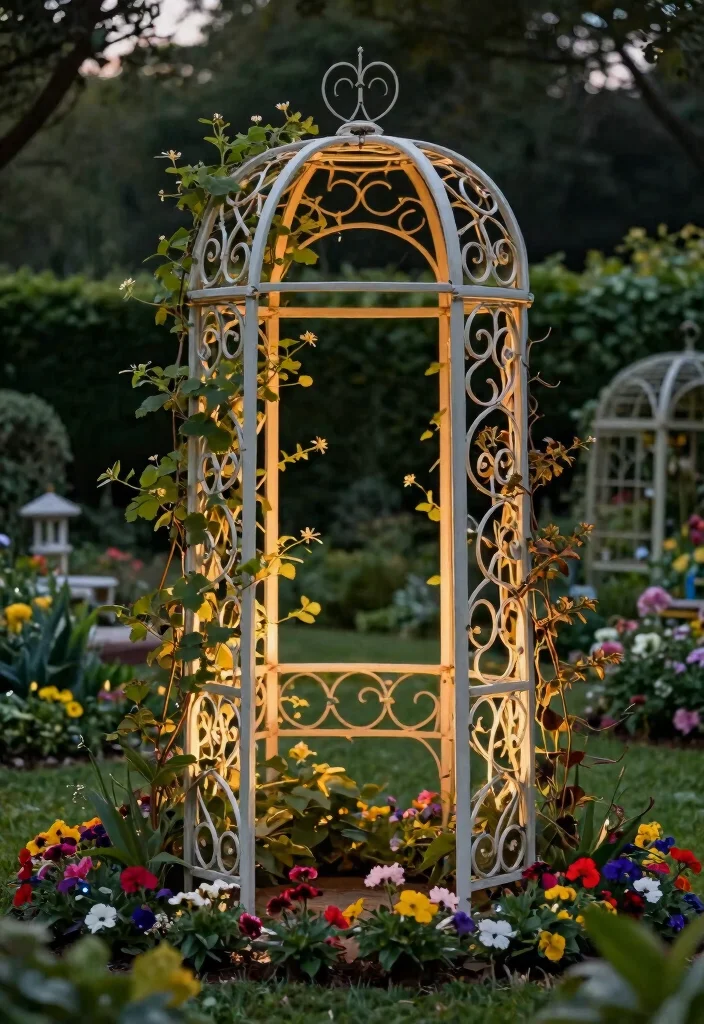
Bring an artistic touch to your garden with a decorative metal trellis. These trellises come in various intricate designs, offering elegance and robust support for climbing plants. The durable metal frame withstands various weather conditions, ensuring longevity while enhancing your garden’s beauty.
Vines like clematis and sweet peas will flourish on this trellis, creating a lush backdrop against its sleek design. Many decorative metal options feature beautiful scrollwork or patterns, adding character to your outdoor space. To ensure durability, look for rust-resistant materials.
Suggestions for utilizing your decorative metal trellis:
– Choose rust-resistant designs for lasting use.
– Pair with colorful flowers for visual interest.
– Use lighting to highlight the trellis at night.
This decorative metal trellis not only supports climbing plants but also enhances your garden’s artistic appeal.
Fun fact: A decorative metal trellis can last 15–25 years with proper coating, turning your space into a thriving vertical garden. When paired with vines like clematis and sweet peas, these pieces become staple elements in your raised garden bed trellis ideas.
14. Collapsible Trellis
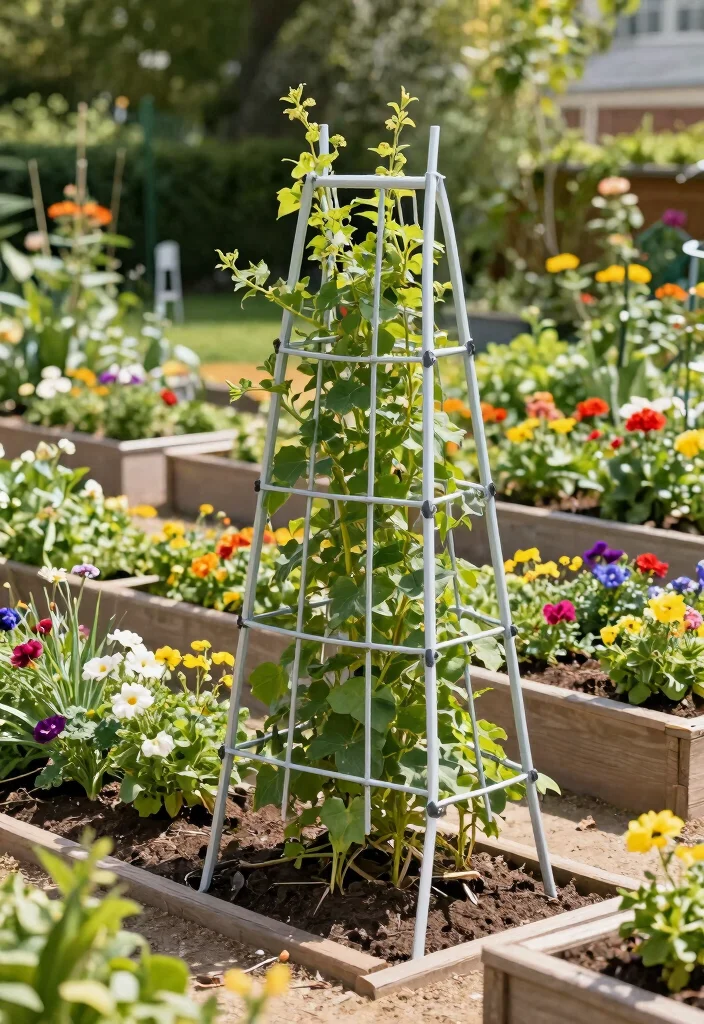
Collapsible trellises offer flexibility and convenience for gardeners with limited space or changing garden layouts. These easy-to-set-up structures can be adjusted based on your plant needs and garden design. Made from lightweight materials, they can support a variety of climbing plants, allowing you to adapt your garden as the seasons change.
Ideal for containers or temporary setups, collapsible trellises are perfect for renters or those new to gardening. Look for designs that include anchoring systems to ensure stability.
Suggestions for maximizing your collapsible trellis:
– Choose designs that come with anchoring systems.
– Use them for outdoor events to create beautiful backdrops.
– Consider using them for both flowering and edible plants.
This collapsible trellis not only supports your plants but also offers versatility for your gardening needs.
15. Greenhouse Trellis
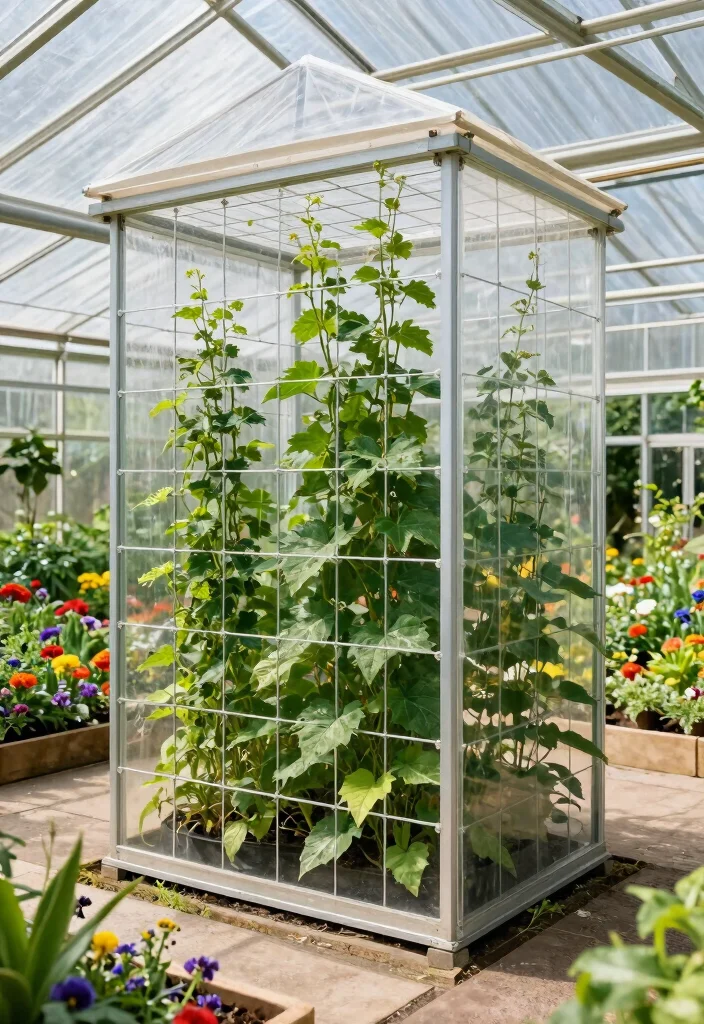
Combining the benefits of a trellis with a small greenhouse, a greenhouse trellis allows you to grow climbing plants in a protected environment. This innovative setup promotes a controlled climate, maximizing growth potential for delicate plants. Whether you choose a mini greenhouse with integrated trellis sections or build a dedicated structure, this solution lets you garden year-round while shielding your plants from pests and harsh weather.
Make sure to ensure proper ventilation inside to manage humidity levels. Use trellis materials that allow light penetration for optimal plant growth, and consider adding shelving for efficient storage and organization.
Key tips for your greenhouse trellis:
– Ensure proper ventilation for humidity control.
– Use light-penetrating materials for plant health.
– Include shelving for tool and supply organization.
This greenhouse trellis not only supports your climbing plants but also enables year-round gardening success.
Conclusion
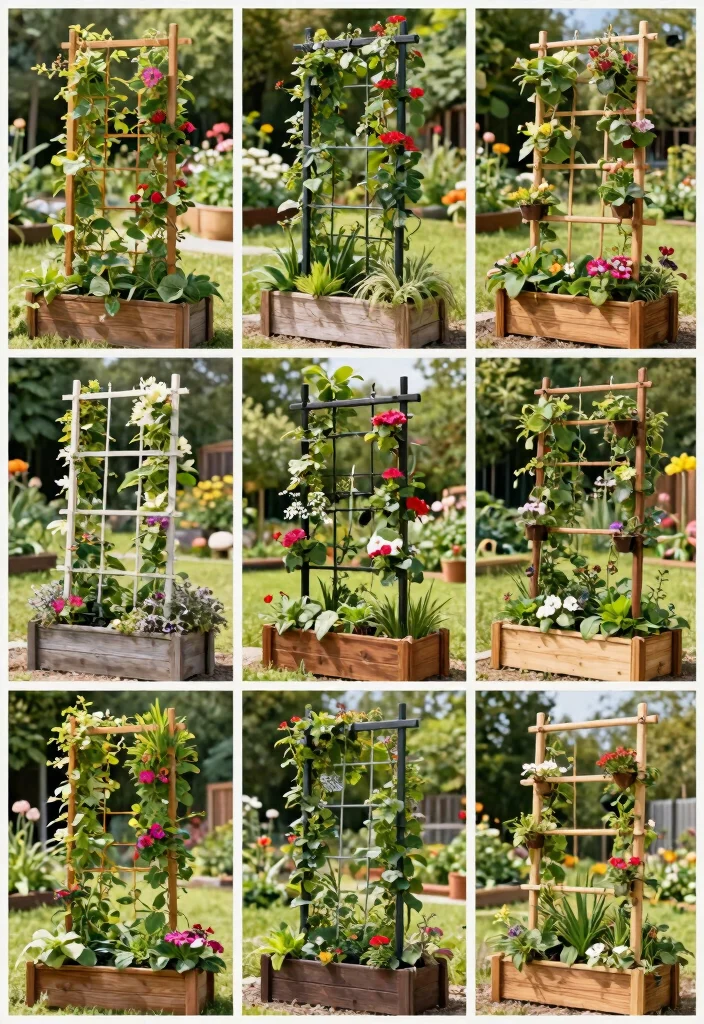
Elevating your gardening game with raised garden bed trellises can transform the way you approach vertical gardening.
These 15 ideas showcase various styles, materials, and designs that not only maximize plant growth but also enhance the aesthetic of your garden. Whether you opt for a classic wooden trellis or a modern metal design, each brings its unique charm and functionality.
Explore these designs, adapt them to fit your personal style, and enjoy the thrill of nurturing climbing plants in your own vertical oasis!
Note: We aim to provide accurate product links, but some may occasionally expire or become unavailable. If this happens, please search directly on Amazon for the product or a suitable alternative.
This post contains Amazon affiliate links, meaning we may earn a small commission if you purchase through our links, at no extra cost to you.
Frequently Asked Questions
What are the best raised bed trellis ideas for climbing plants?
Here are the best raised bed trellis ideas to maximize space and airflow while keeping climbing plants happy. Think DIY garden trellis projects like timber frames wrapped with sturdy wire, freestanding teepees, lattice panels, or an A-frame that fits a narrow bed—each offering solid climbing plant support and great garden trellis designs for small spaces.
Tip: match the design to your bed size and light, then choose weatherproof materials for lasting performance in raised bed gardening tips.
How do I choose a garden trellis design for a raised bed in a small space?
Start with your bed measurements and sun exposure, then pick a vertical option that keeps ground space open. Popular choices include lattice panels, compact A-frames, and integrated wire meshes—perfect vertical gardening solutions for tight spots.
Also consider weight, wind, and ease of maintenance. Use durable, weatherproof materials to support long-lasting raised bed gardening tips and a tidy look.
Can I DIY a raised bed trellis, and what materials work best?
Definitely. A DIY garden trellis can be built from cedar or other durable wood, galvanized wire, or powder-coated metal. Plan your design, cut to size, assemble with rust-resistant hardware, and seal or paint to weatherproof the finish. This DIY garden trellis approach is affordable and lets you tailor it to your space while keeping garden trellis designs in mind.
Pro tip: add adjustable tie points and sturdy anchors so the structure can handle sun, wind, and a heavy load as climbers grow.
Which climbing plants work best with raised bed trellises, and how should I train them?
For raised beds, great options include beans, peas, cucumbers, and certain tomatoes or melons that climb well. Start near the base and train stems with soft ties or clips, guiding growth up the trellis as they thicken. Choose a design that ensures airflow and sun exposure—the keys to solid climbing plant support and effective vertical gardening solutions.
Tip: prune and harvest regularly to keep vines neat and prevent crowding on your raised bed trellis ideas.
What maintenance tips keep a raised bed trellis sturdy year after year?
Check anchors and screws monthly, tighten as needed, and seal or paint wood to protect against weather. Clean debris, inspect for rust or rot, and refresh mulch at the base to control moisture. With careful upkeep, your garden trellis designs stay sturdy and your climbing plants stay productive, delivering reliable vertical gardening solutions in any raised bed.
Bonus: rotate trellis positions or swap designs every few seasons to maximize sun and prevent disease buildup.