![10 Handy Pressure Washer Tips Chart [Nozzle Guide]](https://homedreamly.com/wp-content/uploads/2026/04/10-Handy-Pressure-Washer-Tips-Chart-Nozzle-Guide.webp)
Pressure washing can feel like a daunting task, especially when it comes to maintaining your garden. You might be craving a sparkling clean outdoor space, but the thought of using a pressure washer can be overwhelming. That’s why I created this handy post—it’s here to simplify your approach and make your garden shine with minimal effort.
If you’re passionate about gardening and want to keep your outdoor area looking pristine, this one’s for you. Whether you’re a seasoned gardener or a weekend warrior, understanding how to use a pressure washer can elevate your maintenance game. You’ll find practical tips that will help you clean garden tools, maintain pathways, and protect your beloved plants—all while ensuring your pressure washer operates at its best.
In this guide, you’ll discover 10 essential pressure washer tips, along with a handy nozzle guide. Each tip is designed to be straightforward and useful for your gardening needs. Let’s dive in and arm you with the knowledge to make your outdoor cleaning tasks efficient, effective, and even enjoyable!
Key Takeaways
– Understanding your nozzles is key for effective cleaning; different colors represent different spray angles for various surfaces.
– Keeping your pressure washer clean and well-maintained increases its lifespan and efficiency.
– Knowing your surface materials helps you choose the right pressure settings to avoid damage while achieving optimal results.
– Eco-friendly cleaners are a great choice for protecting your plants and the environment while still getting the job done.
– Timing your pressure washing tasks around the weather and plant growth can lead to better results and a healthier garden.
1. Understand Your Nozzles
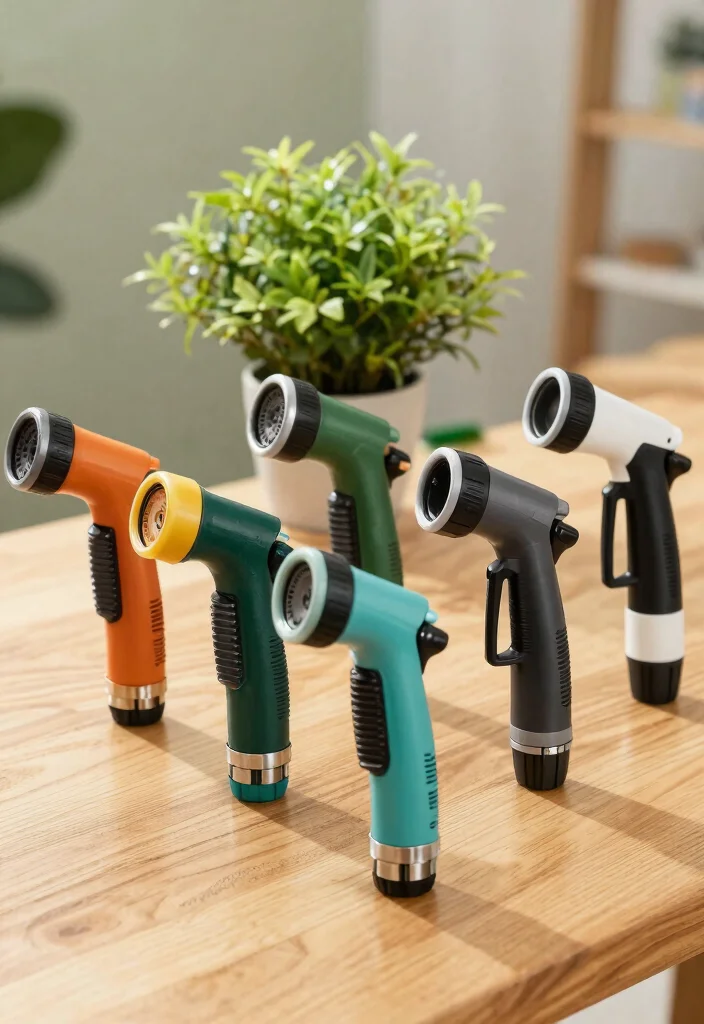
Knowing the different pressure washer nozzles is essential for effective cleaning. Each nozzle color – yellow, green, red, and white – serves a unique purpose, helping you tackle various tasks with ease. For instance, the red nozzle delivers a concentrated jet perfect for stubborn stains, while the white nozzle offers a gentle spray for delicate surfaces like your plants. Understanding these differences can significantly impact your cleaning efficiency and results.
When using your pressure washer, always match the nozzle to the job at hand. Consider the surface type and the level of dirt before selecting your nozzle. This awareness can save you time and prevent damage to your belongings.
Key nozzle functions:
– Red (0 degrees): High-pressure for tough dirt removal.
– Yellow (15 degrees): Effective on hard surfaces with difficult stains.
– Green (25 degrees): Balanced power for all-round cleaning.
– White (40 degrees): Gentle spray for sensitive areas.
Selecting the right nozzle ensures safety for your plants while keeping your outdoor spaces pristine.
2. Keep Your Pressure Washer Clean
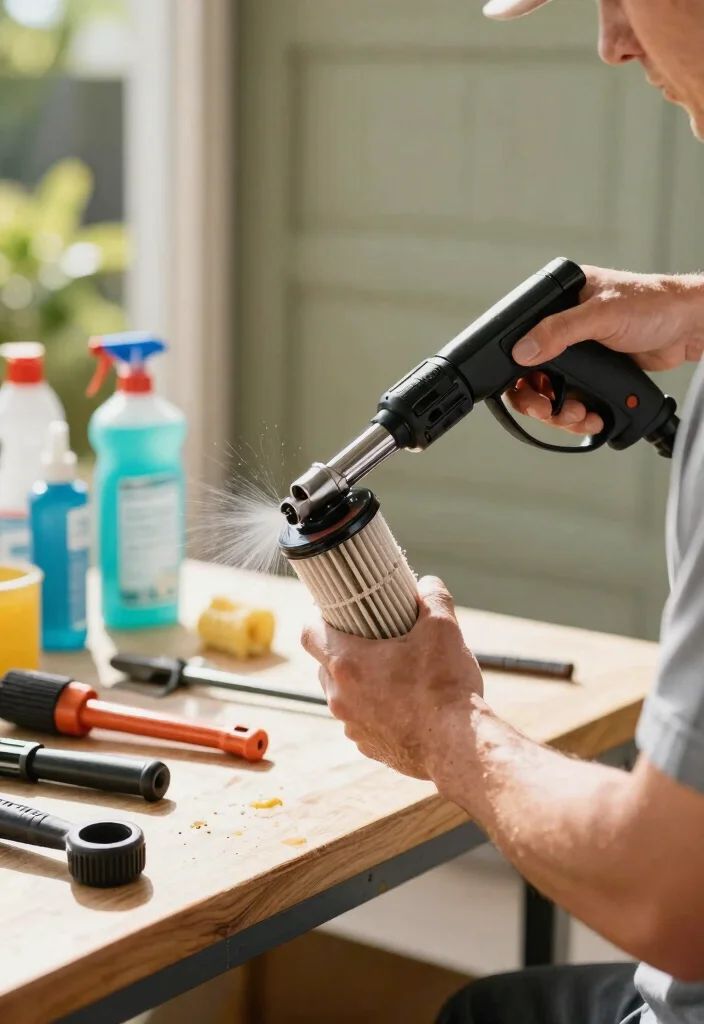
Regular cleaning of your pressure washer is vital for its longevity and performance. Dirt and clogs can hinder its effectiveness, making it crucial to check filters and hoses before each use. A clean nozzle is also essential; a blocked nozzle may waste water and time, impacting your cleaning outcomes.
To keep your pressure washer in top shape, make a habit of routine checks and maintenance. Clean all components thoroughly and store them properly to avoid damage.
Maintenance tips:
– Remove debris from the pump and motor regularly.
– Inspect and clean filters as needed.
– Flush the system after each use to prevent buildup.
– Store in a cool, dry place to minimize damage.
By maintaining your pressure washer, you’ll ensure efficient cleaning and enjoy a beautiful garden with minimal effort.
3. Know Your Surface Materials
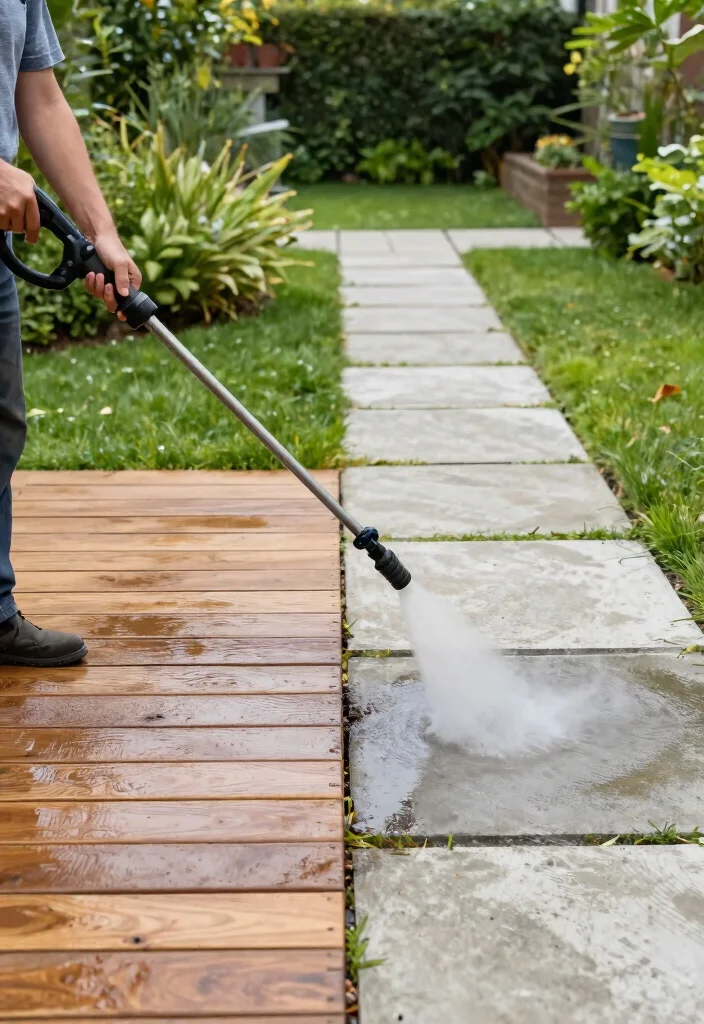
Different garden surfaces require specific cleaning techniques to avoid damage. For example, high pressure on wooden decks might lead to splinters, while concrete can handle stronger jets without issue. Recognizing the material you’re working with helps you select the right pressure and nozzle for the task.
When cleaning, always gauge the surface type and adjust your approach accordingly. This knowledge protects your garden’s beauty and ensures a safe environment for both you and your plants.
Surface cleaning guidelines:
– Wood: Use lower pressure with green or white nozzles.
– Concrete: Higher pressure is safe; use yellow or red nozzles.
– Plants: Stick to a gentle spray; the white nozzle is best.
Understanding your surfaces helps maintain their integrity, ensuring your garden remains a lovely space.
4. Pressure Settings Matter
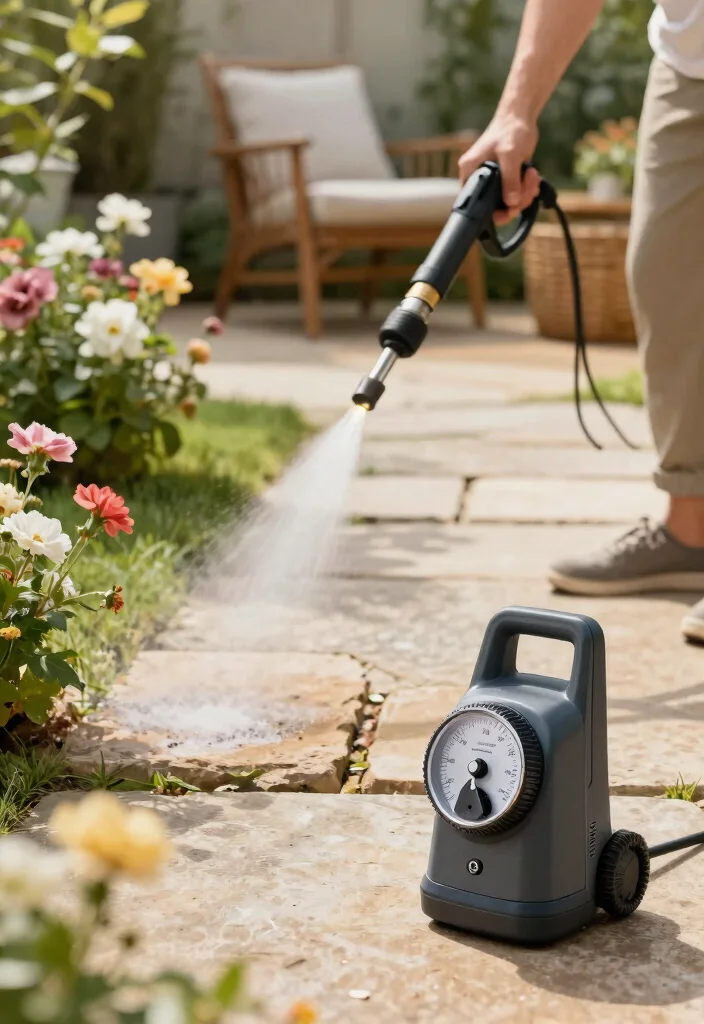
Adjusting the pressure settings on your pressure washer is key to effective cleaning without causing harm. Most models allow you to customize the pressure based on the task. For delicate items, like garden furniture, lower settings will usually suffice, while tougher jobs may require more power.
Always test your pressure settings before tackling larger areas. This practice helps you find the right balance to avoid damaging surfaces while achieving a clean finish.
Pressure adjustment tips:
– Use lower pressure (1000-1400 PSI) for soft surfaces.
– Increase pressure (up to 3000 PSI) for tough jobs.
– Test a small area first to gauge effectiveness.
Adjusting your pressure settings can enhance cleaning efficiency, leading to spotless results without damage.
5. Clean Garden Tools with Ease
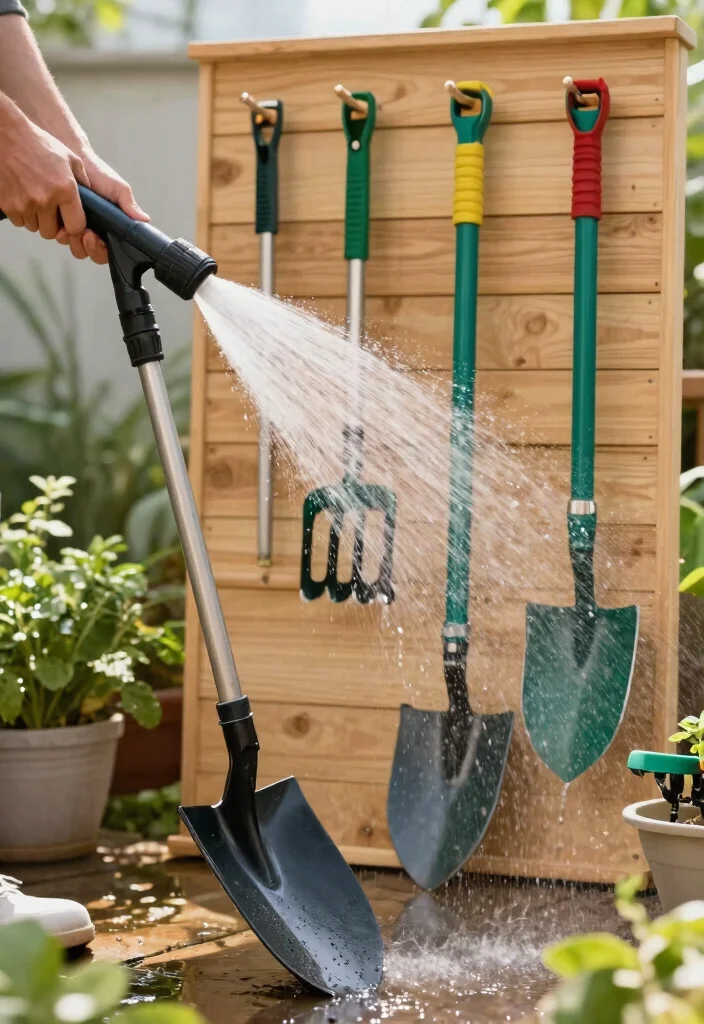
Your garden tools need regular cleaning to stay effective and last longer. A pressure washer simplifies this task, quickly removing dirt and grime. Just remember to use a low-pressure nozzle and keep the spray at a safe distance from the tools.
Effective cleaning starts with removing loose dirt and using the right nozzle. Follow up with a thorough rinse to ensure no soap residue remains on the tools.
Steps for cleaning tools:
– Tap tools against a hard surface to remove loose dirt.
– Use the green or white nozzle at a safe distance.
– Rinse thoroughly to eliminate soap residue.
Taking care of your tools not only improves their function but also creates a tidy workspace, making gardening more enjoyable.
6. Maintain Your Pathways
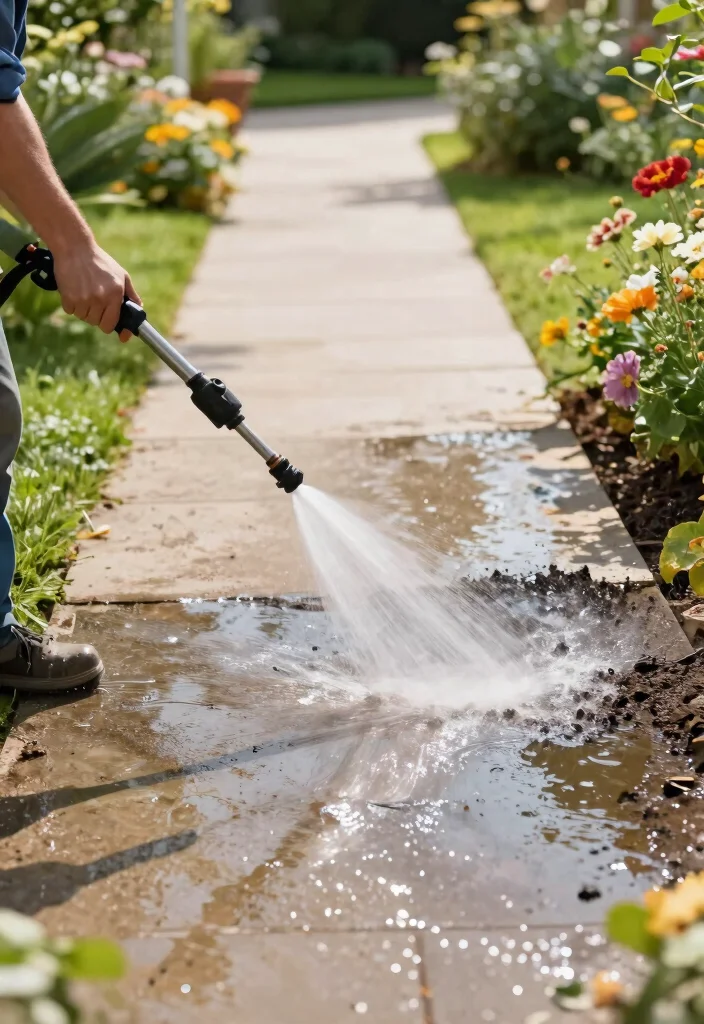
Over time, pathways can accumulate dirt and algae, making them slippery and uninviting. Regular pressure washing keeps your pathways safe and enhances their appearance. With the right nozzle and technique, you can effectively tackle tough stains from moss, mud, and more.
Start by clearing away loose debris before using your pressure washer. This preparation ensures a thorough clean without damaging the surface.
Pathway cleaning steps:
– Sweep the area to remove loose debris.
– Use a yellow or green nozzle for effective cleaning.
– Rinse thoroughly to clear away residue.
Regularly maintaining your pathways not only keeps them looking great but also ensures safety for everyone using them.
Did you know the right nozzle can cut cleaning time on pathways by up to 40%? With a pressure washer tips chart, pick the best nozzle for moss, mud, and algae, and start by clearing debris for a safe, thorough clean.
7. Protect Your Plants
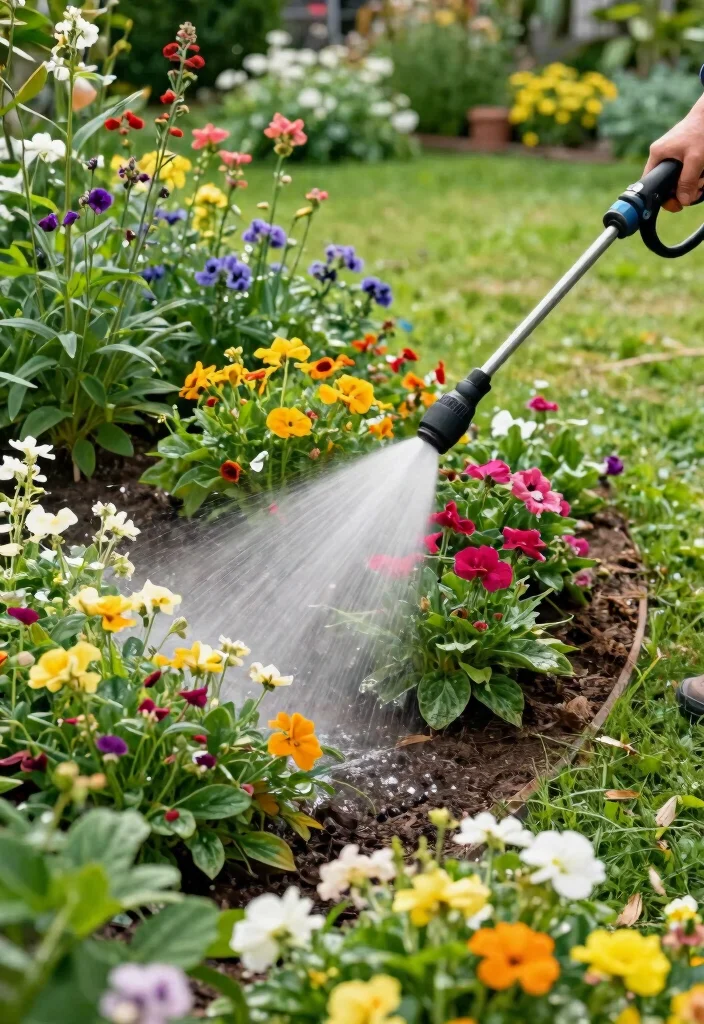
When pressure washing near plants, proceed with caution. High-pressure sprays can harm delicate leaves and blossoms. To protect your garden, use a wider spray angle and keep a safe distance from plants.
Taking precautions can easily safeguard your plants while you clean. Cover sensitive areas if needed and aim to clean around them rather than directly spraying.
Plant protection tips:
– Use the white nozzle while maintaining a distance of at least two feet.
– Cover sensitive plants with tarps or sheets.
– Clean around plants instead of directly spraying whenever possible.
Being thoughtful in your cleaning efforts will enhance your garden’s health and beauty, creating a vibrant outdoor space.
In our pressure washer tips chart, protecting plants comes first. Keep the white nozzle at least two feet away to avoid shredding petals and blasting soil. Protect your plants, then clean around them for a pristine garden, every time.
8. Use Eco-Friendly Cleaners
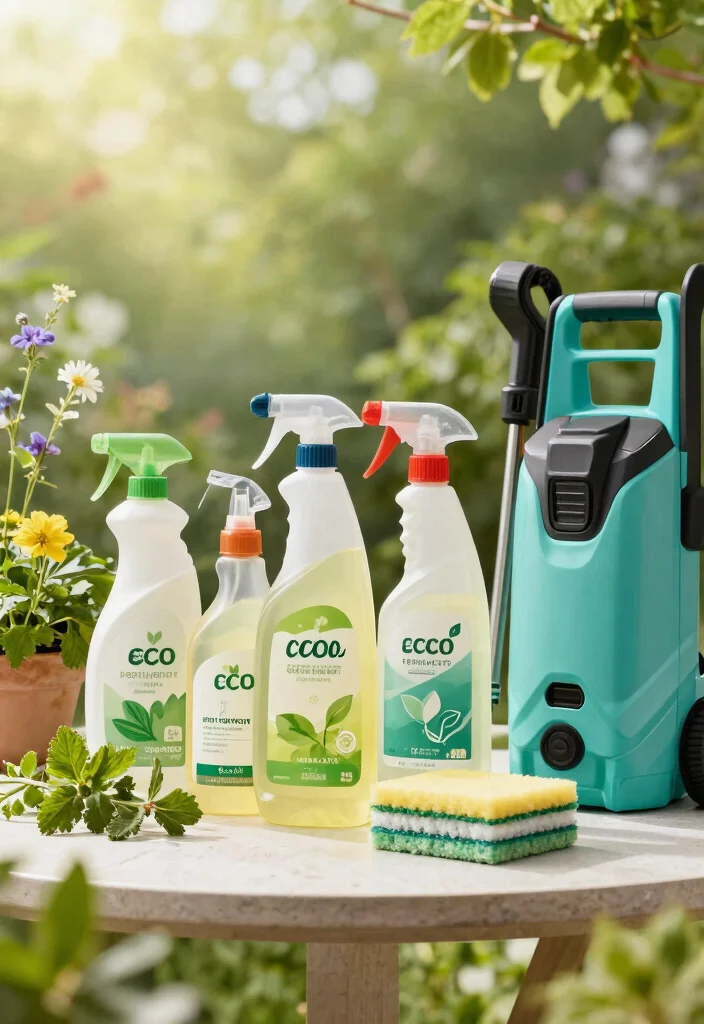
Pressure washing is effective, but using eco-friendly cleaning agents can boost results while protecting the environment. Opt for biodegradable cleaners that won’t harm plants or wildlife. Always read labels to choose non-toxic options for your garden.
Incorporating green products into your cleaning routine aligns your gardening efforts with sustainability, contributing to a healthier environment.
Eco-friendly cleaning tips:
– Look for biodegradable products during cleaning.
– Rinse surfaces thoroughly after applying any cleaners.
– Avoid harsh chemicals that can harm surrounding plants.
Using eco-friendly products promotes a healthy garden and environment, making your efforts worthwhile.
9. Timing is Everything
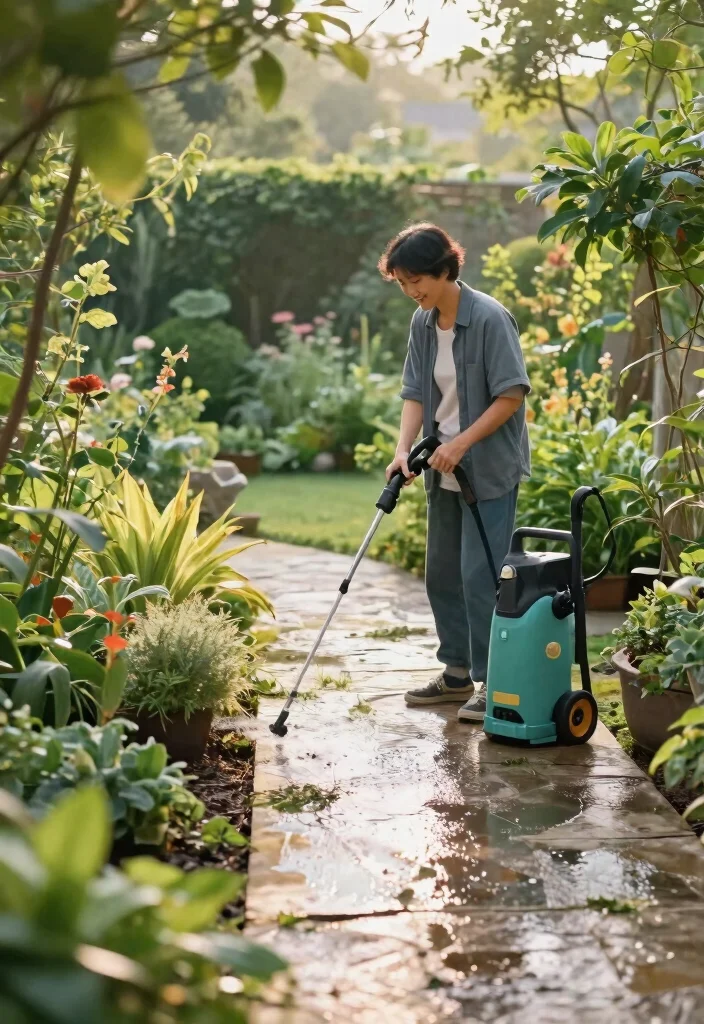
Timing your pressure washing tasks is just as important as knowing your techniques. The best time to wash is during dry weather when dirt and debris are easily removed. Avoid windy conditions; dirt can blow back onto clean surfaces, negating your hard work.
Consider the time of day and weather conditions when planning your cleaning tasks to achieve optimal results.
Timing tips:
– Clean early in the morning or late in the afternoon.
– Avoid washing after rain; surfaces may be slippery.
– Plan tasks based on your garden’s needs and forecasts.
By being mindful of timing, you’ll enhance the effectiveness of your pressure washing efforts.
How To Choose The Right Pressure Washer Nozzle
When it comes to pressure washing your garden, choosing the right nozzle is crucial. Different nozzles serve different purposes, and using the right one can save you time and effort. Here are some key points to help you select the best nozzle for your needs:
1. Understand the Nozzle Types
There are typically four main types of pressure washer nozzles: 0°, 15°, 25°, and 40°. Each nozzle size corresponds to a specific spray pattern. A 0° nozzle provides a concentrated, powerful jet of water, great for tough stains. In contrast, a 40° nozzle offers a wider spray, making it suitable for gentle cleaning tasks, like washing delicate plants. Understanding these types will maximize your cleaning efficiency.
2. Know Your Cleaning Tasks
Consider what you will be cleaning. For heavy-duty tasks like cleaning driveways or concrete, a 15° nozzle is often ideal. If you’re cleaning outdoor furniture or delicate garden tools, a 25° or 40° nozzle will provide effective cleaning without damaging the surface. Identifying the cleaning requirements will guide your nozzle choice.
3. Check Your Pressure Washer Specs
Before purchasing a nozzle, check your pressure washer’s specifications. Ensure the nozzle you choose matches the machine’s pressure rating. For most home pressure washers, the maximum pressure is around 3000 PSI. Using a nozzle that can’t handle your machine’s pressure can lead to damage or ineffective cleaning.
4. Consider Adjustable Nozzles
If you’re looking for versatility, consider an adjustable nozzle. These nozzles allow you to change the spray pattern simply by turning the nozzle head. You can switch from a focused spray to a wide spray with ease. This option saves you money and space as you won’t need to buy multiple nozzles.
5. Budget Wisely
Nozzle prices can vary. Basic nozzles are often inexpensive, while specialized ones can be pricier. Set a budget before shopping. Remember that investing in a high-quality nozzle can lead to better cleaning results and longevity. Look for reputable brands that offer warranties to ensure quality.
6. Read Reviews and Recommendations
Before making a final decision, read user reviews and recommendations online. Other users’ experiences can help you gauge the effectiveness and durability of a nozzle. Websites, forums, and even social media platforms can provide valuable insights into which nozzles work best for different tasks.
Pro Tip: Always have multiple nozzle sizes on hand! This way, you can tackle any cleaning task that arises in your garden, from washing tools to cleaning the patio. Having options can help you adjust for different surfaces, ensuring you achieve the best results every time.
10. Enjoy the Results!
After all your hard work, take a moment to enjoy the beautiful results! A clean garden not only enhances your outdoor aesthetic but also fosters a healthier environment for your plants. Appreciate how pressure washing can transform your space into an inviting haven.
Key reminders:
– Clean regularly to keep your garden vibrant.
– Use appropriate techniques to protect your plants.
– Step back and admire your hard work.
Embrace the joy of a well-maintained garden – it truly reflects your dedication!
Take a moment to savor a garden that sparkles—clean paths, vibrant plants, and inviting calm. From the pressure washer tips chart, use gentle techniques, keep a safe distance, and step back to truly admire the transformation you’ve achieved.
Conclusion
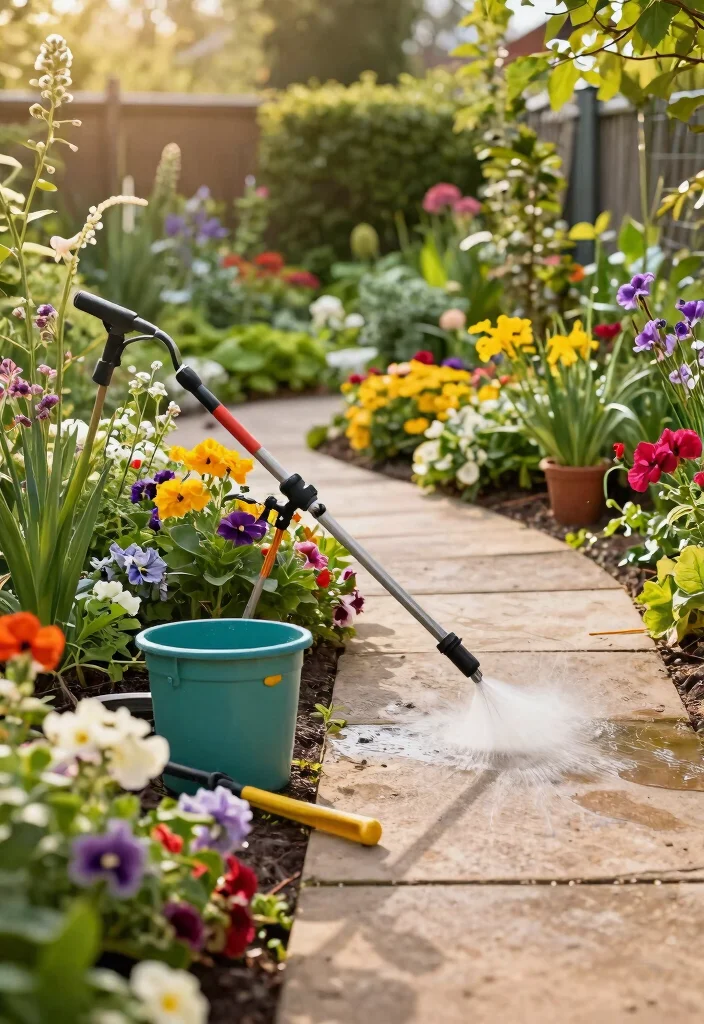
Pressure washing is a game changer for garden maintenance, providing efficient ways to keep your outdoor space looking its best. By utilizing the right techniques and tips outlined in this article, your garden can flourish under your care.
Now that you’re armed with this handy pressure washer tips chart, it’s time to roll up your sleeves and get cleaning! Your garden will thank you for it!
Note: We aim to provide accurate product links, but some may occasionally expire or become unavailable. If this happens, please search directly on Amazon for the product or a suitable alternative.
This post contains Amazon affiliate links, meaning we may earn a small commission if you purchase through our links, at no extra cost to you.
Frequently Asked Questions
What exactly is a pressure washer tips chart and how can I use it for garden maintenance?
A pressure washer tips chart is a quick-reference guide that maps common garden tasks to the right nozzle and pressure settings. It helps you choose the correct pressure washer nozzle guide and avoid damaging plants, wood, or stone.
How to use it: identify the task (patio cleaning, garden tool upkeep, fence care), look up the matched nozzle and PSI on the chart, start with the lowest effective setting and test on a small area, then sweep the wand evenly while keeping a safe distance.
By following the gardening pressure washer tips listed in the chart, you’ll clean efficiently and safely.
Which nozzle should I use for gardening tasks and how do I follow the pressure washer nozzle guide?
In most pressure washer nozzle guide references, spray angles range from narrow to wide: 0° or 15° for stubborn grime, 25° for most outdoor surfaces, and 40° for delicate jobs. This aligns with pressure washing plants and garden surfaces.
Practical rule: start with the widest nozzle (40°) and the lowest pressure, then switch to a tighter angle only if the surface needs it. Keep the wand 12–18 inches away from plants and never blast directly at foliage.
With these gardening pressure washer tips, you’ll pick the right combo for each task.
What are safe techniques for cleaning garden tools and outdoor surfaces without damaging them?
Start by testing on a hidden area. Use a gentler nozzle (40°) for tools, planters, and furniture, and reserve tighter angles for stubborn grime. Maintain a steady distance (about 12–18 inches) and spray at a slight angle to protect wood and finishes. If needed, use a mild detergent and a soft brush, then rinse. For outdoor cleaning techniques, avoid blasting live plants and fresh mulch. The pressure washer tips chart will guide you to the proper nozzle and settings for each task.
How can I prevent damage to plants and soil while pressure washing the garden?
Shield vulnerable plants with a lightweight sheet or plastic, and work from the top down with a wide-angle spray. Keep the nozzle at a safe distance (generally 12–18 inches) and use the lowest effective pressure near garden beds. Use the widest nozzle first and gradually move to a tighter angle if needed, always testing on a small area first. This approach is part of your outdoor cleaning techniques and is outlined in the pressure washer tips chart.
What are some practical garden maintenance tasks where a pressure washer tips chart saves time?
The pressure washer tips chart shines for quick, repeatable tasks like cleaning patios and stone pathways, garden furniture, fences, sheds, and irrigation valves. It also helps with cleaning garden tools and removing heavy dirt from wheelbarrows or tool racks. By using the right nozzle and pressure from the chart, you’ll tackle these jobs faster while protecting plants and surfaces, making your outdoor cleaning techniques more efficient.