Creating a vibrant indoor space has never been more appealing, especially as many of us spend more time at home. We’ve all craved that touch of greenery to liven up our surroundings, but finding the right way to showcase plants can be tricky. That’s why I put together this guide on the 11 best large indoor planter ideas. It’s not just about adding some plants; it’s about making a statement in your space!
If you’re passionate about indoor gardening, home decor, or just want to bring a bit of nature indoors, this post is for you. Whether you’re aiming for a cozy corner filled with lush greenery or a bold centerpiece that grabs attention, you’ll find plenty of inspiration here. From eco-friendly materials to stylish designs, I’m sharing ideas that reflect your personality and enhance your home.
Get ready to discover large indoor planter ideas that are not only functional but also eye-catching. You’ll find practical tips for choosing the right decorative plant containers, along with insights on how to integrate them into your indoor plant design. Let’s dive in and transform your living space into the green sanctuary you’ve always wanted!
Key Takeaways
– Explore various styles: Discover how different materials like concrete, wood, and metal can change the look of your indoor garden.
– Eco-friendly options: Learn about sustainable planter choices that align with your eco-conscious lifestyle.
– Size matters: Understand the importance of selecting large pot options to make a bold visual statement.
– Design tips: Get indoor gardening tips that help you arrange and display your plants effectively.
– Creative solutions: Uncover unique decorative plant containers that add character and charm to your home.
1. Concrete Elegance
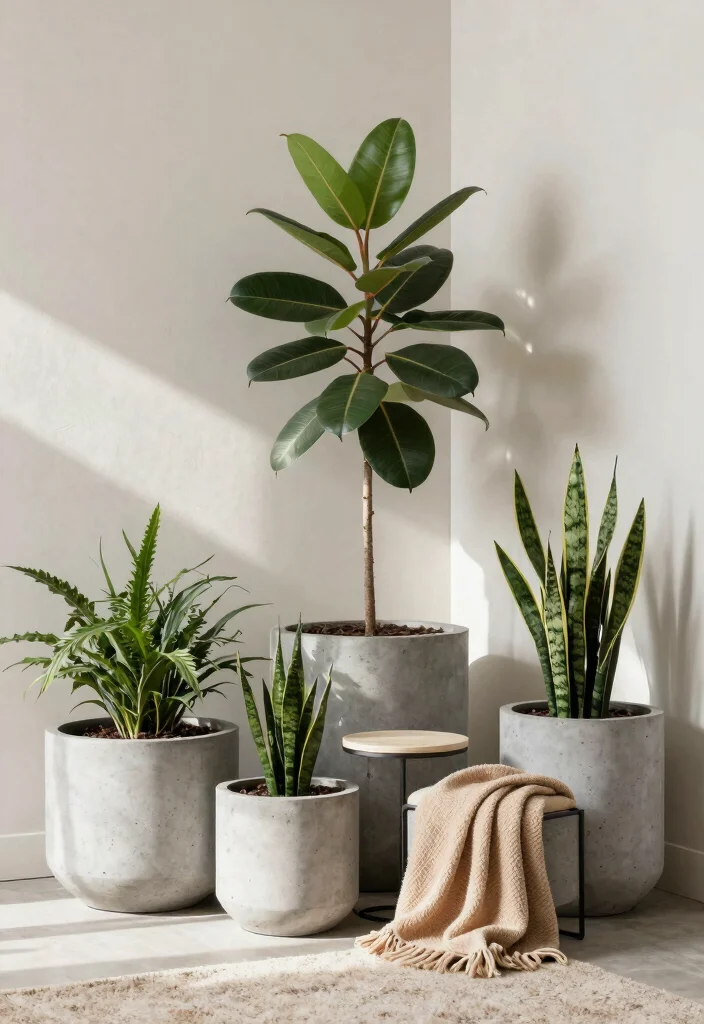
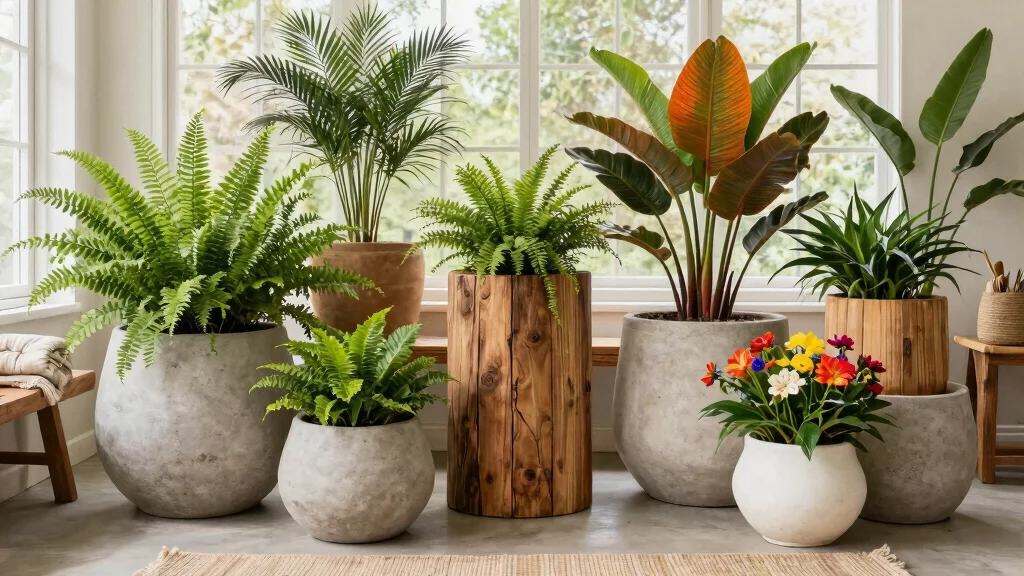
Concrete planters bring a modern, industrial vibe to your home while being highly functional. Their sturdy construction and minimalist style can fit seamlessly into any decor, making them a popular choice among plant lovers. Whether you prefer sharp geometric designs or softer curves, concrete offers versatile options that can enhance your indoor greenery.
These planters come in various sizes, making them perfect for supporting taller plants that require stability. Pair them with eye-catching species like snake plants or rubber trees to create a striking contrast against the gray backdrop.
Indoor gardening tips: Ensure your concrete planters have drainage holes to prevent water buildup.
– Add pebbles or colored gravel on top of the soil for a polished look.
– Group different sizes together for added visual appeal.
This approach not only enhances your indoor space but also showcases your plants beautifully, creating a harmonious atmosphere.
Fun fact: Concrete planters can last 25–30 years with proper sealing, offering durable, low-maintenance style. Their heavyweight build stabilizes even tall tropicals, making large indoor planter ideas feel secure and chic. It’s the practical, statement-making choice your space deserves.
2. Wooden Wonders
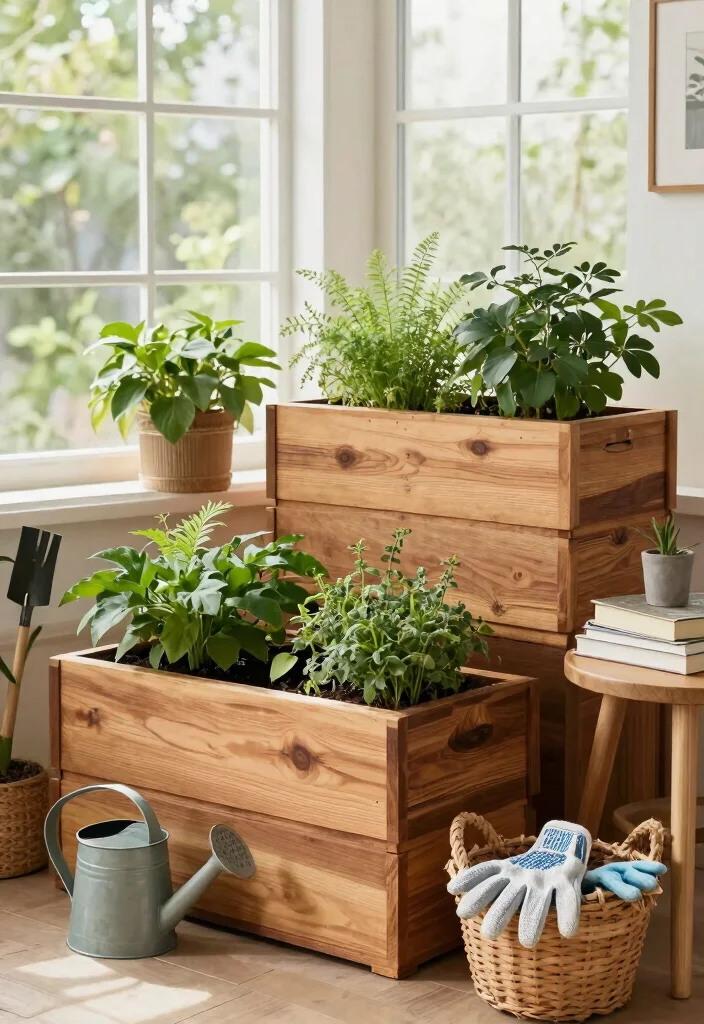
Wooden planters infuse warmth and character into your indoor garden, making them a charming addition to any room. Whether you choose reclaimed wood for a rustic touch or sleek cedar for a modern feel, these planters can elevate your space. Large wooden boxes are especially striking when filled with vibrant flowers or fresh herbs.
Not only do wooden planters look great, but they are also environmentally friendly. You can paint or stain them to match your decor or leave them in their natural state to highlight the wood’s beauty.
Indoor gardening tips: Ensure the wood is treated to resist moisture and prevent rot.
– Consider lining the inside with plastic to extend the planter’s lifespan.
– Mix plants of varying heights and colors for a dynamic display.
Embracing wooden planters can create a cozy, inviting atmosphere in your home, making your indoor gardening experience even more enjoyable.
3. Woven Baskets
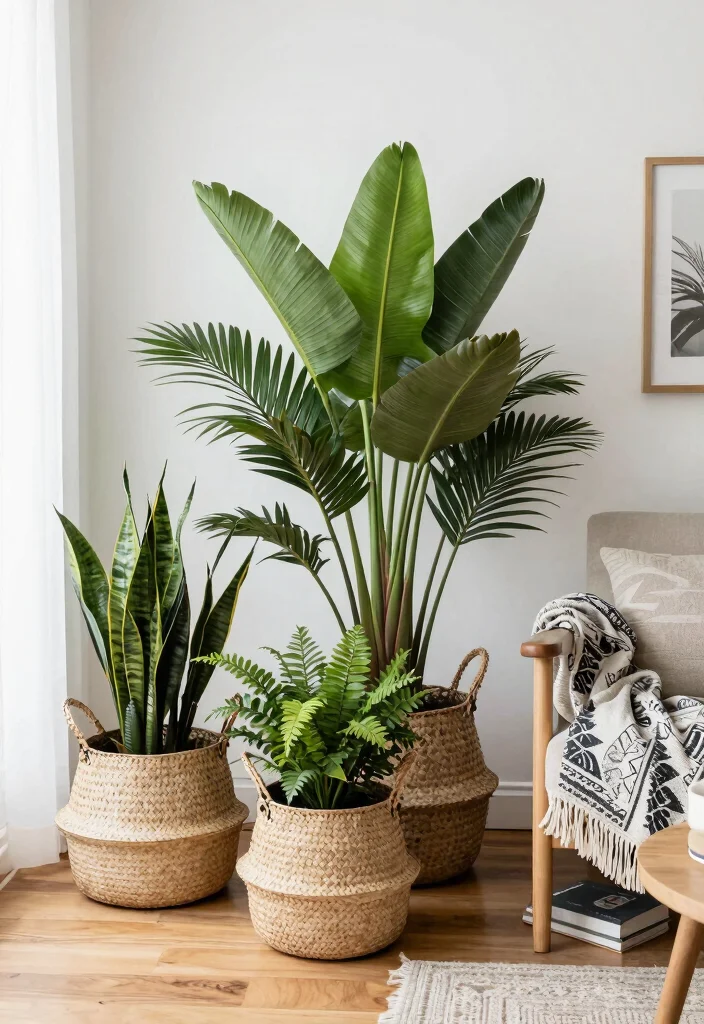
Woven baskets are a delightful way to add a bohemian flair to your indoor plants. Crafted from natural fibers like seagrass or rattan, these planters serve as stylish containers for larger plants. Their open design allows for excellent drainage, creating a relaxed and organic aesthetic.
Pair woven baskets with tropical plants like monstera or philodendron to create a lush, vibrant corner in your living space.
Indoor gardening tips: Line the inside with a plastic liner to prevent soil spillage.
– Group different sizes for an eclectic vibe.
– Mix in materials like ceramic or metal for added texture.
Using woven baskets not only beautifies your space but also creates a cozy atmosphere, perfect for unwinding after a long day.
Key Trade-offs & Our Top Pick
Concrete Elegance
– Pros:
– Extremely durable and weather-resistant.
– Offers a modern, minimalist look that fits many decor styles.
– Easy to clean and maintain.
– Cons:
– Heavy and difficult to move once positioned.
– Prone to cracking if not properly cared for.
– Limited in color options, usually only available in grays.
– Best for: Urban homes and modern interiors looking for a sleek, contemporary look.
Wooden Wonders
– Pros:
– Provides a warm and natural aesthetic to your space.
– Renewable material that aligns with eco-friendly values.
– Versatile; can complement various styles from rustic to modern.
– Cons:
– Can warp or swell in humid environments.
– May require regular treatment or sealing to prevent damage.
– Tend to be pricier than some other options, depending on the type of wood.
– Best for: Those seeking a cozy atmosphere with a touch of nature indoors.
Woven Baskets
– Pros:
– Lightweight and easy to move around as needed.
– Adds texture and warmth to the space.
– Often made from natural materials like seagrass, making them eco-conscious.
– Cons:
– May not hold water well; often requires a liner.
– Less durable than other materials; can fray over time.
– Limited in size and shape options compared to rigid planters.
– Best for: Casual settings and those who want a flexible, adaptable planter option.
Terracotta Tradition
– Pros:
– Natural clay allows for excellent drainage and air circulation for roots.
– Timeless aesthetic that fits well with many plant types.
– Generally affordable and widely available.
– Cons:
– Can crack in freezing temperatures.
– Heavy and may need a saucer to catch excess water.
– Requires regular cleaning to avoid mineral buildup.
– Best for: Gardeners who prioritize plant health and prefer a classic look.
Metal Marvels
– Pros:
– Gives an industrial feel that can be very stylish.
– Extremely durable and resistant to the elements.
– Can often be found in unique shapes and sizes.
– Cons:
– Can overheat in direct sunlight, which may harm plants.
– Heavy or sharp edges can be less safe for children and pets.
– Typically requires drainage holes to prevent water issues.
– Best for: Modern homes or outdoor patios looking for a statement piece.
Expert Recommendation:
Best Overall: Wooden Wonders
Wooden Wonders stand out as a top choice for most people due to their balance of aesthetic appeal, sustainability, and versatility. They provide warmth and can fit into various design styles, making them perfect for any indoor space. They also resonate with eco-conscious individuals, promoting the use of renewable materials. Even though they may require some maintenance, their beauty and natural element are worth the effort.
Why We Picked This:
While Wooden Wonders are our top pick, some may prefer Concrete Elegance for a more modern, sleek look, or Terracotta Tradition if they’re focused on plant health. Each option has its strengths and weaknesses, so consider your space and lifestyle when making your choice. Whether you value sustainability, aesthetics, or practicality, there’s a large indoor planter idea that will suit your needs.
4. Terracotta Tradition
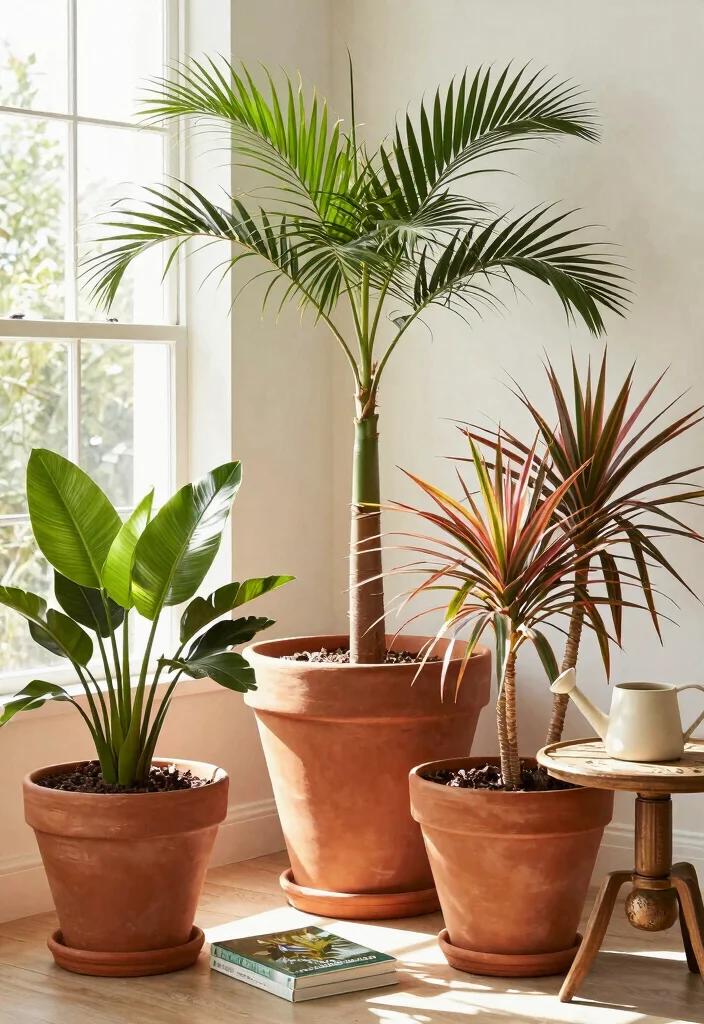
Terracotta planters are a classic choice that effortlessly blends with various indoor styles. Their warm, earthy tones create a natural connection to the plants they hold. Large terracotta pots are particularly stunning when showcasing tall plants like palm trees or dracaenas.
Thanks to their breathable material, terracotta promotes healthy airflow to plant roots and helps prevent over-watering, a common issue for indoor gardeners.
Indoor gardening tips: Be cautious of drainage, as larger terracotta pots can retain more moisture.
– Add a layer of gravel at the bottom for improved drainage.
– Consider decorative saucers or painting the exterior with safe, non-toxic paint for a pop of color.
Incorporating terracotta planters can enhance your indoor garden’s aesthetic while promoting healthier plants, enriching your living space.
5. Hanging Planters
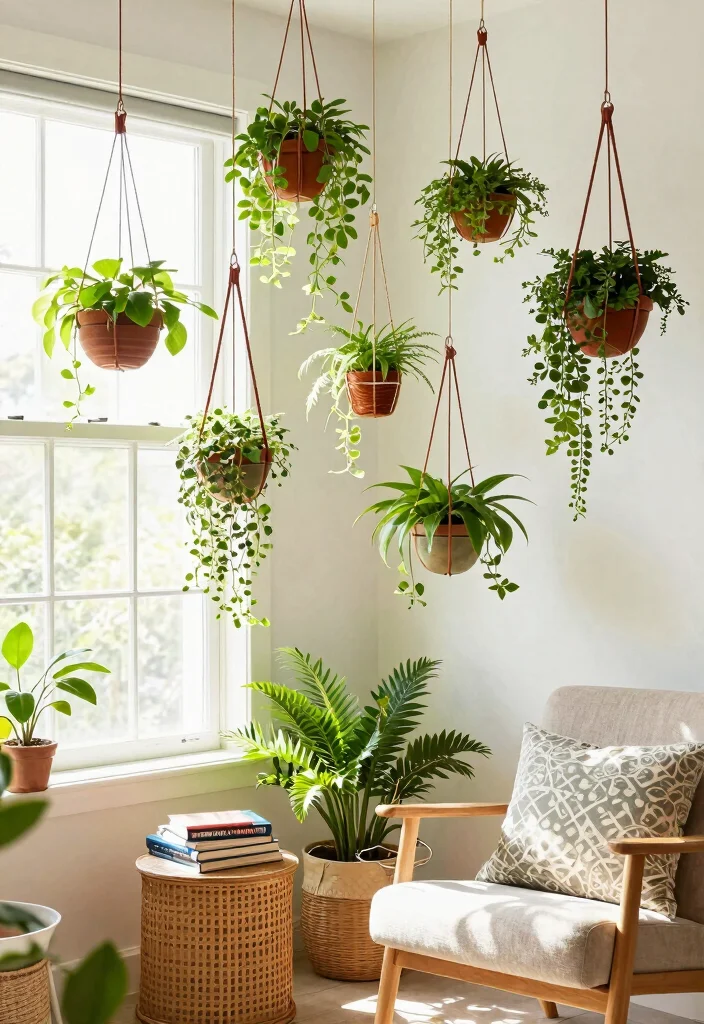
Hanging planters are a creative way to maximize vertical space in your indoor garden. They can add depth and intrigue to your room, especially when placed over furniture or in corners. This style encourages interesting layering of plants, resulting in a beautiful cascade of greenery.
Choose between woven or ceramic designs to match your decor, and pair them with trailing plants like pothos or string of pearls for a stunning display.
Indoor gardening tips: Make sure your hanging planters are securely fastened and can hold the weight of the soil and plants.
– Use differing heights of hanging planters to create a dynamic flow.
– Enhance the look with colorful macramé hangers or twinkling fairy lights for a charming evening atmosphere.
Adding hanging planters not only saves space but also transforms your indoor environment into a lush oasis that invites relaxation.
6. Metal Marvels
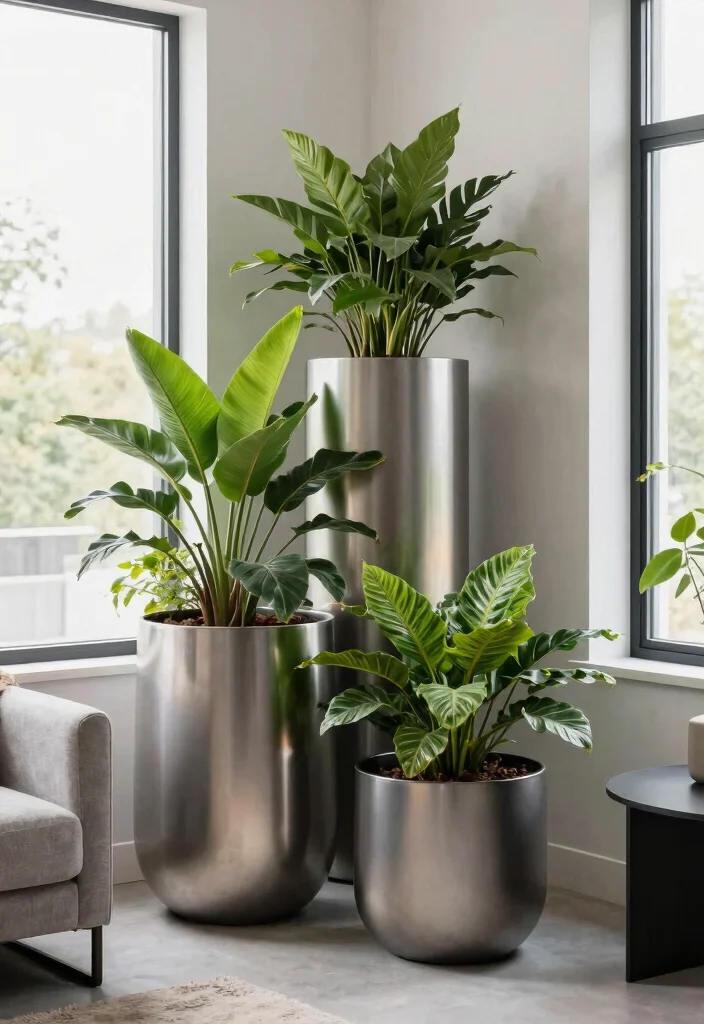
Metal planters introduce a sleek, modern edge to your indoor decor. Available in materials like aluminum or galvanized steel, they come in various sizes and finishes. Large metal pots can serve as striking statement pieces, especially in minimalist homes, while their reflective surfaces make plants truly stand out.
These durable planters can withstand wear and tear, making them ideal for homes with children or pets.
Indoor gardening tips: Ensure your metal planters have proper drainage holes, as metal can retain heat and affect moisture levels.
– Mix textures by pairing smooth metal with soft plants like ferns or succulents for a captivating contrast.
Utilizing metal planters can elevate your indoor garden’s style while ensuring your plants thrive in a functional environment.
7. Upcycled Containers
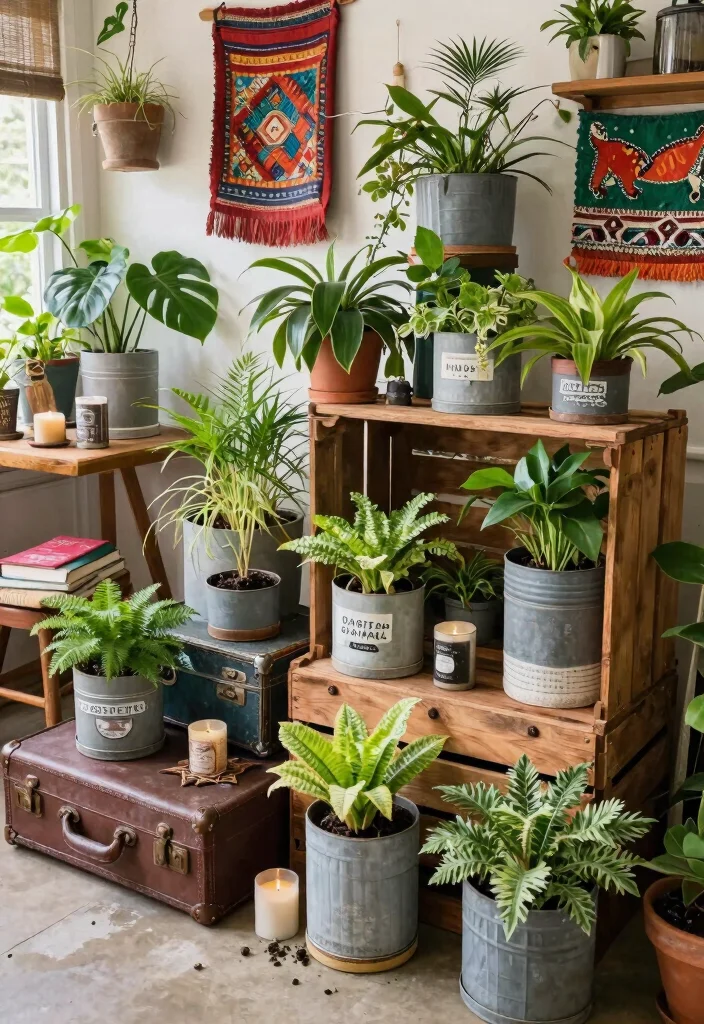
Embrace creativity and sustainability by using upcycled containers as unique planters. Items like old wooden crates, tin cans, or vintage suitcases can transform into charming homes for your plants. This approach not only revives forgotten items but also adds an eclectic twist to your indoor garden.
Select larger containers for bigger plants or arrange smaller ones to create a cascading effect.
Indoor gardening tips: Drill drainage holes and line the bottom with pebbles to avoid water accumulation.
– Decorate the containers to match your decor or keep their rustic charm for added character.
Using upcycled containers allows for personal expression while making your indoor space more vibrant and inviting.
Did you know? Upcycled containers can reduce plastic pot waste by up to 60% in a single room—perfect for large indoor planter ideas. Embrace bigger planters for drama, and pair smaller ones for a cascading green display at home.
8. Glass Terrariums
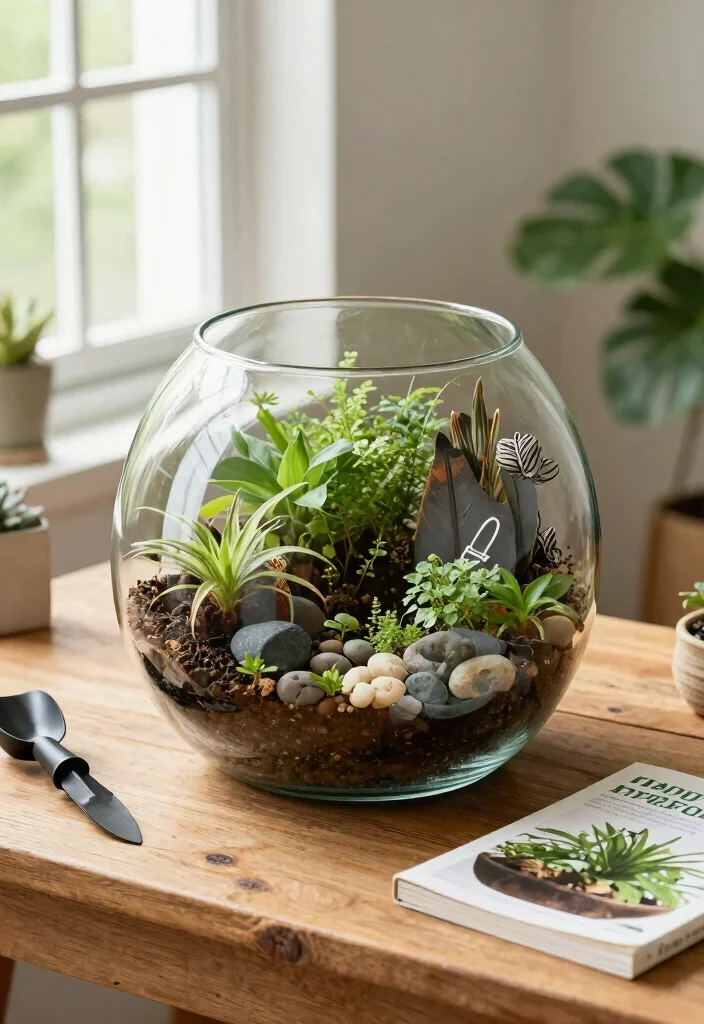
Glass terrariums are perfect for showcasing larger plants as stunning centerpieces in your home. These planters allow you to create mini ecosystems filled with various plants, stones, and decorative elements like driftwood or figurines. Their transparent design provides a unique glimpse into the roots and soil, making them a living piece of art.
Position your terrarium in an area with indirect sunlight to prevent overheating, ensuring your plants thrive.
Indoor gardening tips: Layer soil and stones for added texture within the terrarium.
– Choose plants that thrive in humidity, such as ferns or small tropical species.
Incorporating glass terrariums into your decor not only beautifies your space but also fosters a deeper connection with nature.
9. Artistic Display
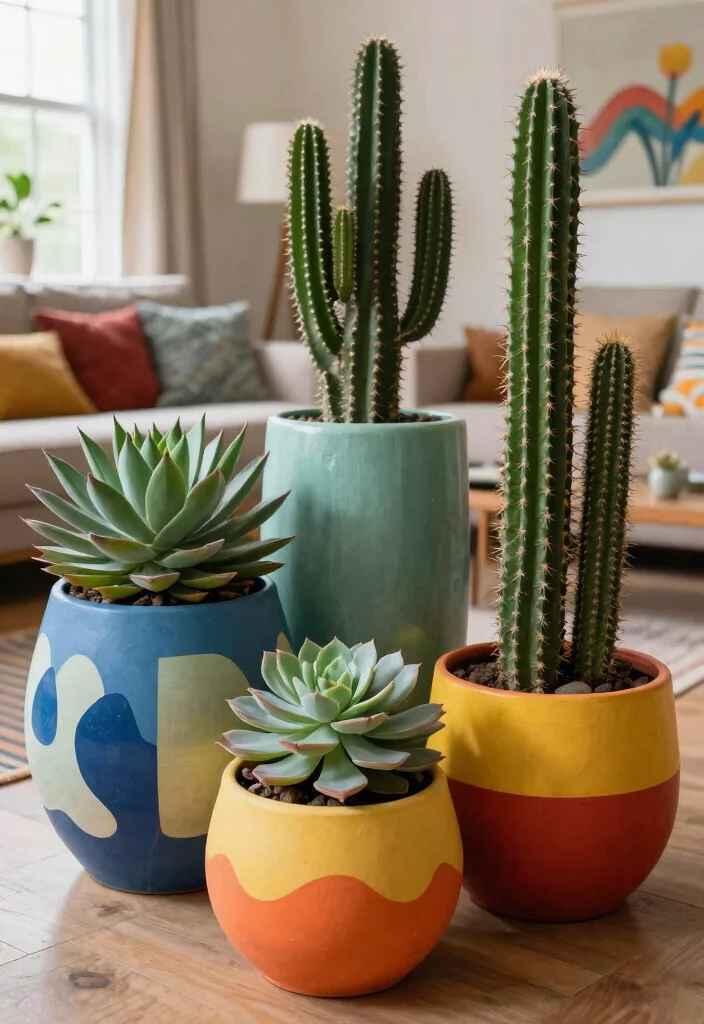
Transform your large indoor planters into artistic masterpieces! Oversized planters painted in bold colors or adorned with unique patterns can serve as striking focal points in your space. Whether you opt for hand-painted designs or stencils, the options are limitless. Place these statement pieces in entryways, living rooms, or even on patios for maximum impact.
Select plants that complement your artistic vision—succulents and cacti are excellent choices due to their interesting shapes and colors.
Indoor gardening tips: Use non-toxic paint suitable for indoor use, ensuring drainage is maintained.
– Pair plants with contrasting colors to make your planter stand out even more.
Embracing artistic planters enhances your indoor environment, creating a vibrant atmosphere that reflects your personality.
10. Vertical Gardens
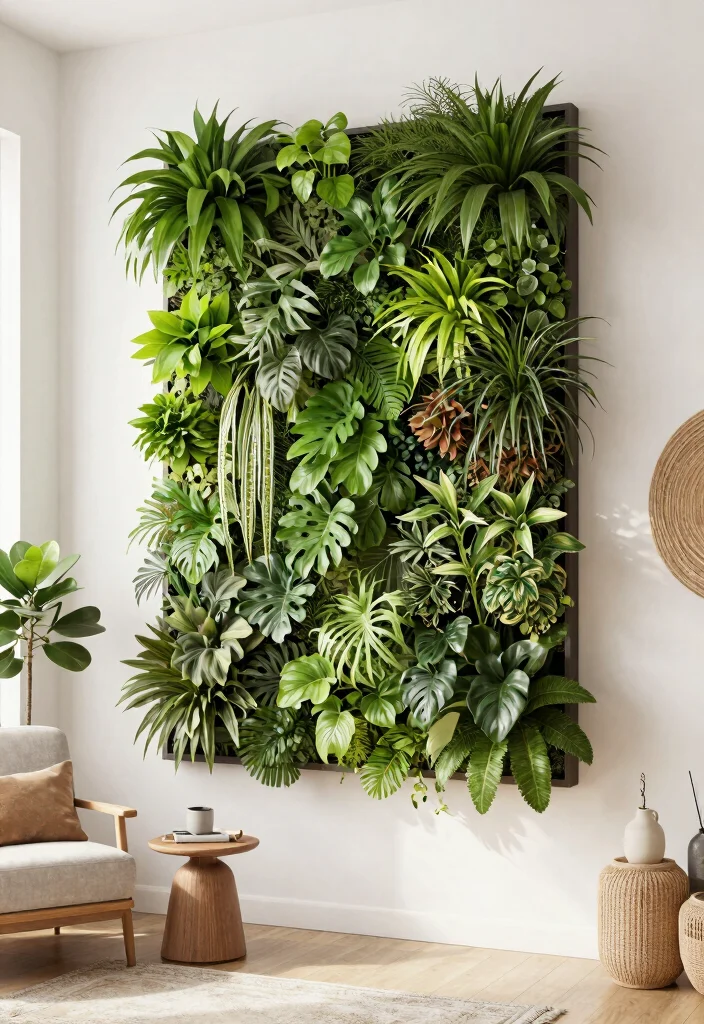
Vertical gardens are not just for outdoor spaces; they can beautifully incorporate greenery into your indoor areas! Large vertical planters can be as simple as wall-mounted pots or elaborate freestanding systems. This style is perfect for small spaces, allowing for a diverse array of plants without taking up too much room.
Choose leafy greens or flowering plants to create a lush wall that brings life and color into your home.
Indoor gardening tips: Ensure your vertical planters have proper irrigation systems to manage water drainage effectively.
– Create themed gardens, like herb gardens for the kitchen or floral displays for living areas.
Adopting vertical gardens not only saves space but also transforms your indoor areas into vibrant and engaging environments.
11. Biophilic Design
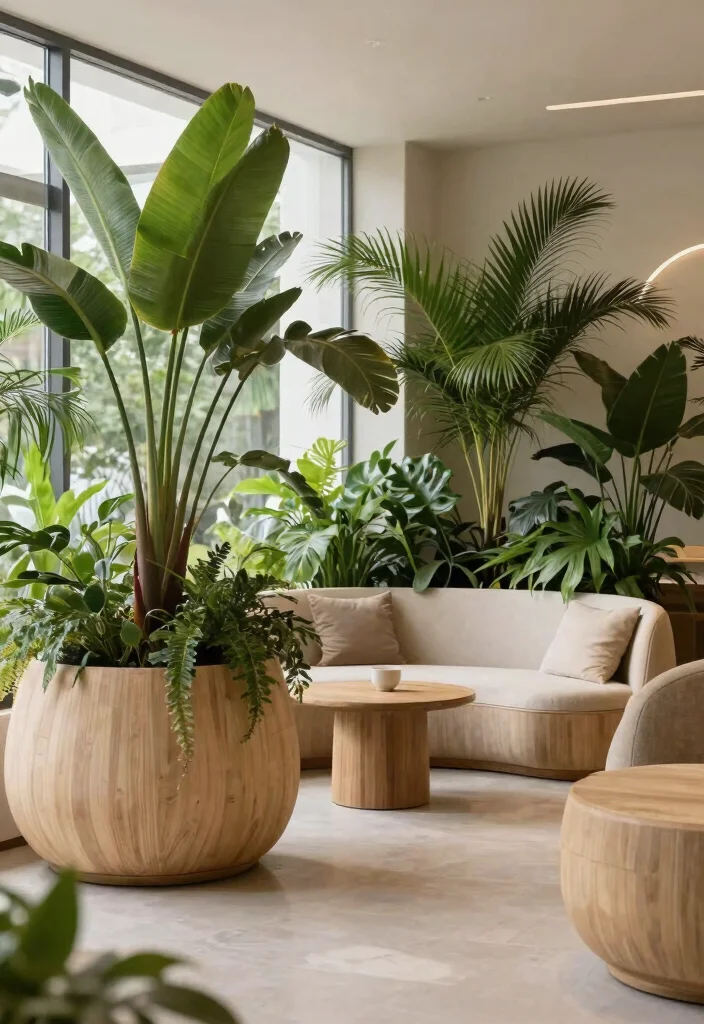
Integrating biophilic design into your home is all about fostering a connection with nature, and large indoor planters are key to this concept. Opt for planters that emphasize organic shapes and natural materials like wood or stone to enhance this connection. Incorporate air-purifying plants such as peace lilies or spider plants to promote well-being and tranquility.
Position your plants where you spend the most time to maximize their benefits, creating a calming atmosphere in your home.
Indoor gardening tips: Mix different plant heights and textures for a layered, inviting landscape.
– Create a harmonious setup that feels like a natural retreat within your indoor space.
Embracing biophilic design enriches your living environment, making it a serene and rejuvenating place to be.
Biophilic design starts with a simple habit: place large indoor planters where you linger most. Choose organic shapes and natural materials like wood or stone, and add air-purifying plants—peace lilies, spider plants—to boost calm, focus, and well-being at home.
Conclusion
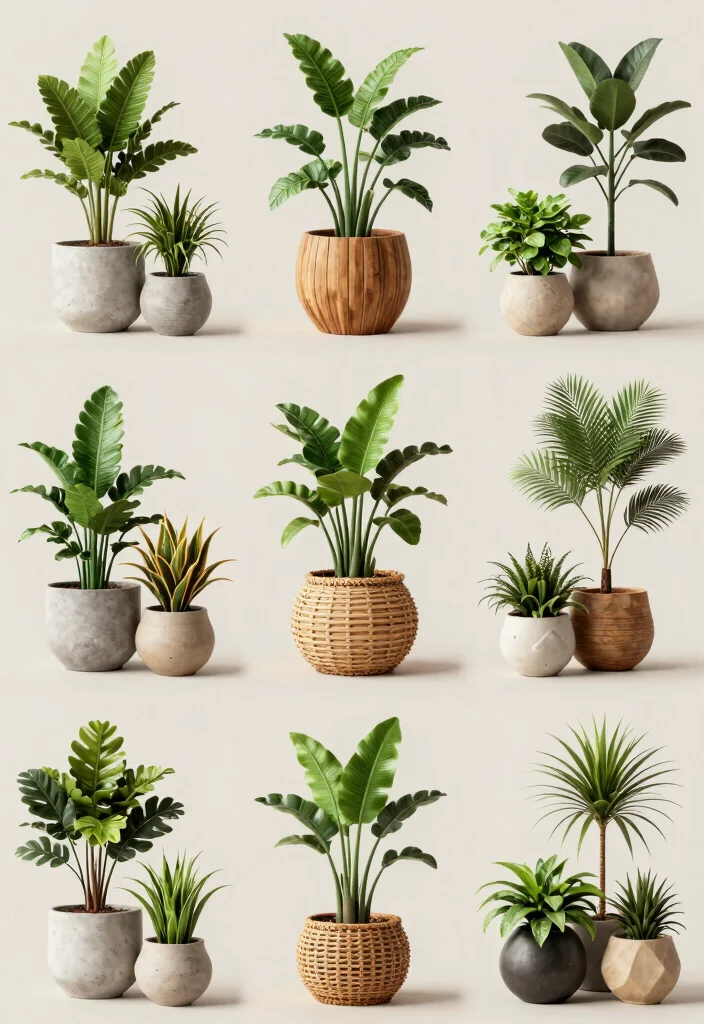
Large indoor planters are more than just vessels for plants; they’re a way to express your personal style and bring nature’s beauty into your home. Each of the ideas shared here adds a unique flair while promoting sustainability and eco-friendliness. Whether you choose a concrete elegance or a whimsical upcycled container, there’s an option for every plant lover!
Start experimenting with these large indoor planter ideas and watch your indoor garden flourish!
Note: We aim to provide accurate product links, but some may occasionally expire or become unavailable. If this happens, please search directly on Amazon for the product or a suitable alternative.
This post contains Amazon affiliate links, meaning we may earn a small commission if you purchase through our links, at no extra cost to you.
Frequently Asked Questions
What are the best large indoor planter ideas to make a statement in an eco-friendly home?
To create a bold, sustainable look, start with large indoor planter ideas that use materials like reclaimed wood, concrete, or recycled metal. Place a tall floor planter in an entryway or beside a sofa to anchor the room, and mix textures with decorative plant containers to add interest.
Use inner pots with drainage and a smart saucer to protect floors, and consider a few statement planters that showcase your plants without clutter. Keeping a cohesive color palette and aligning with indoor plant design principles helps the whole space feel intentional and eco-friendly. For mobility, choose large pot options with stable bases or casters when needed.
How do I choose sustainable large pot options that still look stylish in indoor plant design?
Focus on materials with low embodied energy like ceramic with sustainable glazes, concrete, bamboo composites, or recycled metal. Check for proper drainage and a breathable liner, and pick planters with a stable base for statement planters that won’t tip. If you want to mix form and function, pair decorative plant containers with durable inner pots and wheels for easy rearranging, keeping your indoor plant design sharp and practical. Finally, ensure the large pot options you choose fit your space and weight constraints.
What indoor gardening tips help maintain healthy plants in oversized planters?
Start with a high-quality, well-draining soil mix and ensure your planters have drainage holes. Water deeply but infrequently, and let the top inch dry before the next soak. Match plant choices to light levels, and rotate plants for even growth. Use a humidity tray or occasional misting for tropical species, and keep an eye on pests with routine checks. These indoor gardening tips help your large indoor planter ideas thrive year-round.
How can I create budget-friendly large indoor planter ideas without sacrificing style?
Think upcycling first: repurpose old containers with fresh finishes, paint, or linings to become dramatic statement planters. Look for affordable sustainable materials like fiberstone or recycled plastic that mimic natural textures, and couple them with a few focal decorative plant containers in coordinating colors. Scale matters: one bold large pot option can anchor the room while a couple of smaller pots fill key gaps, delivering a high-end look on a budget.
How can I incorporate eco-friendly planters into existing decor without clashing?
Start by choosing planters that echo your room’s color palette and materials. Use large indoor planter ideas as anchors, then balance with plants that add height, texture, and movement. Mix finishes (matte vs gloss) and mix shapes to keep it dynamic, and keep maintenance in mind with practical options like self-watering inserts. With a little planning, you’ll have chic, indoor plant design that feels intentional and sustainable.