Gardening is one of those activities that can turn a mundane space into a lush sanctuary. If you’ve ever felt overwhelmed by a small yard or a concrete patio, you’re not alone. Urban gardening has become a trend, and many people are craving fresh greenery right outside their doors. That’s why I created this guide on large planter hacks. These tips will help you make the most of your space and get your hands dirty in a fun, creative way.
This post is for urban gardeners who want to maximize their planting potential, whether you’re a seasoned pro or just starting out. You care about aesthetics, sustainability, and the joy of growing your own plants. You want to create a beautiful environment without feeling boxed in by limited space. With these hacks, you’ll discover how to transform ordinary large planters into extraordinary gardening solutions.
In this article, I’ve compiled 13 life-changing large planter hacks that are practical, clever, and sure to inspire your inner gardener. From upcycling old furniture into planters to creating stunning vertical gardens, these ideas will help you unleash your creativity while making your gardening experience more enjoyable. Get ready to dive into an exciting world of container gardening tips and creative planter ideas that you can easily implement in your own urban oasis.
Key Takeaways
– Discover how to upcycle old furniture into unique planters for added character and sustainability.
– Learn to create a vertical garden wall, making use of limited space while adding visual interest.
– Explore space-saving techniques to maximize your gardening potential in compact areas.
– Find out how to install a simple irrigation system to keep your plants healthy and thriving.
– Join a gardening community to share ideas, get support, and celebrate your gardening achievements.
1. Upcycle Old Furniture into Planters
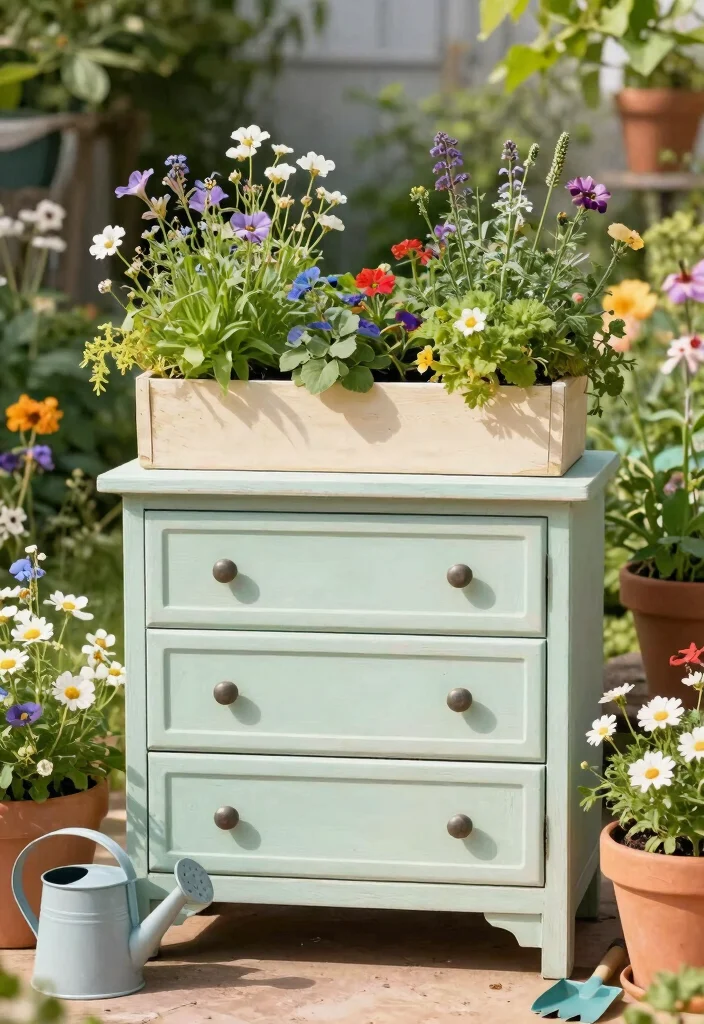
Are you looking for a unique way to spruce up your garden? Upcycling old furniture into planters is a fantastic solution that combines creativity with sustainability. Imagine turning an old dresser into a vertical garden or converting a wooden chair into a charming planter holder that adds character to your space. With a little effort and imagination, you can transform discarded pieces into eye-catching garden features.
Begin by removing drawers or cutting openings for planting, ensuring you drill drainage holes to keep your plants healthy. A fresh coat of paint or weatherproofing can enhance the rustic charm, making your garden feel inviting and personalized.
Tips for Success:
– Select furniture made from sturdy materials for longevity.
– Use liners to protect against moisture damage.
– Layer pebbles at the bottom for improved drainage.
Upcycled planters not only showcase your style but also tell a story, making your garden truly one-of-a-kind.
2. Create a Vertical Garden Wall
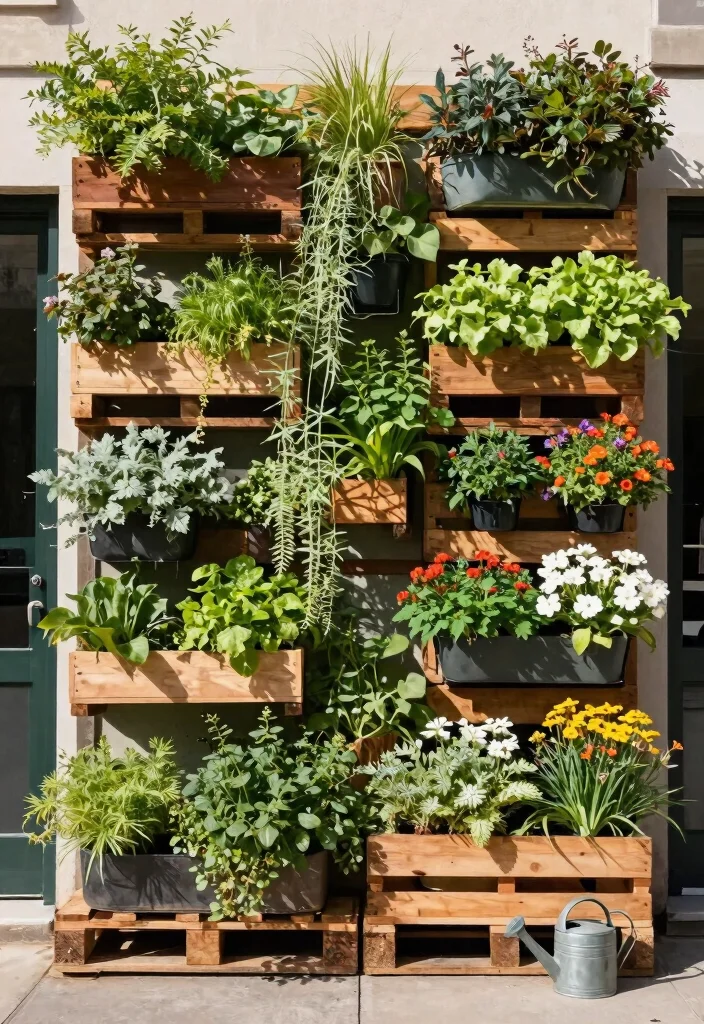
If space is tight but you crave greenery, a vertical garden wall might be your best bet! This clever method maximizes wall space by stacking planters vertically, creating a stunning focal point that also saves room. You can repurpose wooden pallets, use wall-mounted planters, or set up tiered shelving to achieve a lush, green wall.
Fill your planters with a variety of herbs, succulents, or trailing vines to weave a tapestry of life and color. This vertical approach not only beautifies your area but can also improve air quality and provide fresh herbs right at your fingertips.
Considerations:
– Ensure proper drainage for each planter to avoid waterlogging.
– Opt for lightweight plants on the upper levels to keep the structure safe.
– Install a drip irrigation system for hassle-free watering.
Vertical gardens can transform dull walls into vibrant displays, offering a fresh take on gardening in urban settings.
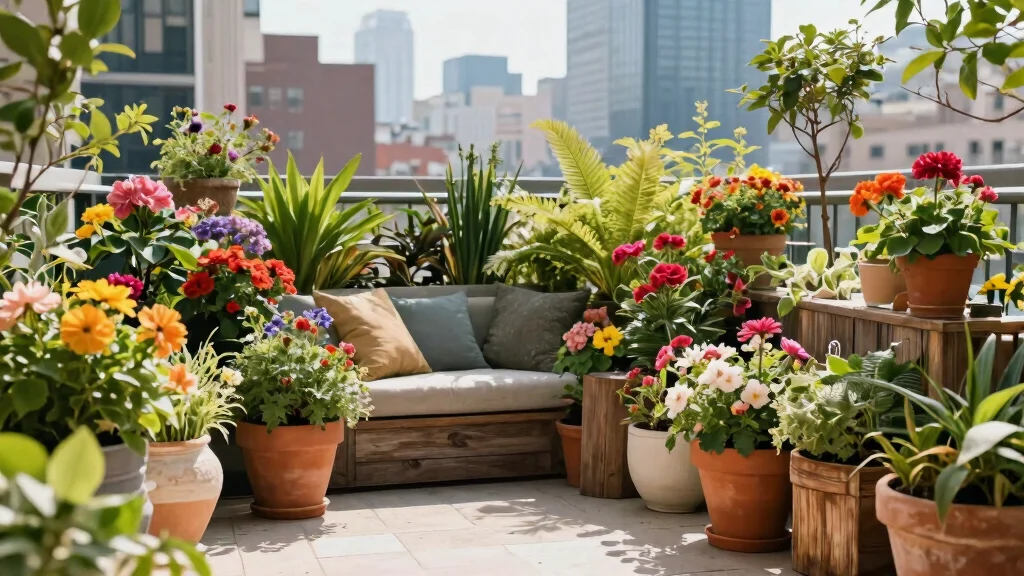
3. Use Large Planters for Container Gardening
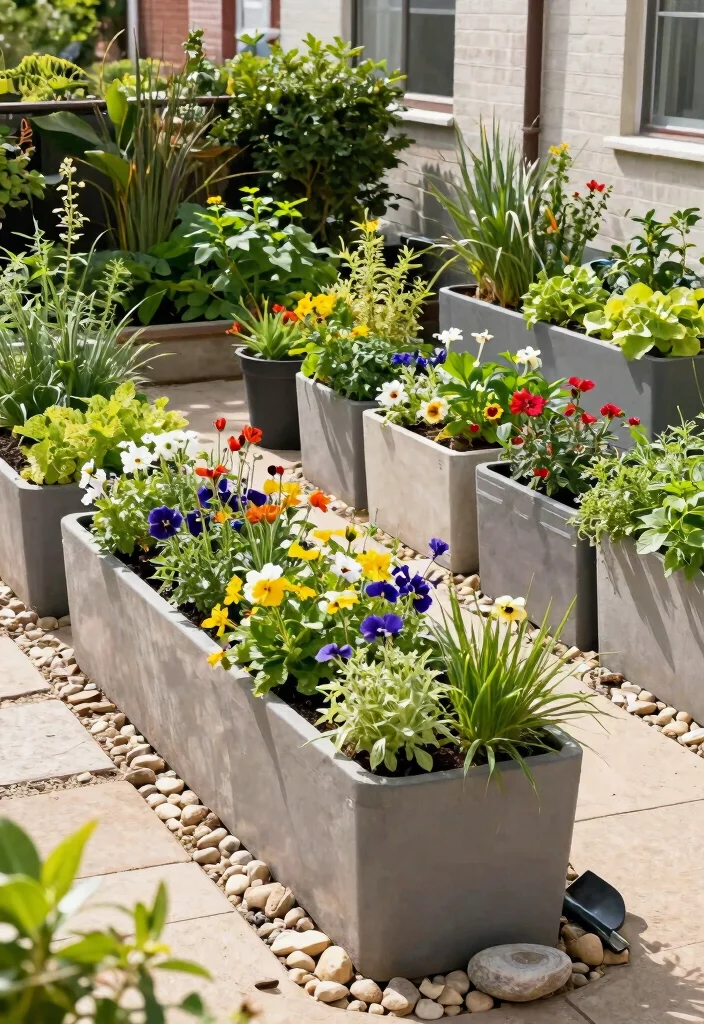
Container gardening is a brilliant way to cultivate plants in small spaces, and utilizing large planters unlocks endless possibilities. These spacious containers not only hold more soil, fostering healthier plants, but they also serve as stunning focal points in your outdoor space.
You could plant a bold hibiscus for a striking look or combine colorful flowers and lush foliage for a cascading effect that adds vibrancy. Consider arranging planters of varying heights to create a dynamic visual appeal that draws the eye.
Container Gardening Tips:
– Choose appropriately sized planters for your selected plants.
– Opt for high-quality potting soil for optimal growth.
– Rotate plants regularly to ensure even sunlight exposure.
With large planters, your gardening creativity knows no bounds, allowing you to cultivate a flourishing urban oasis.
4. Utilize Space-Saving Techniques
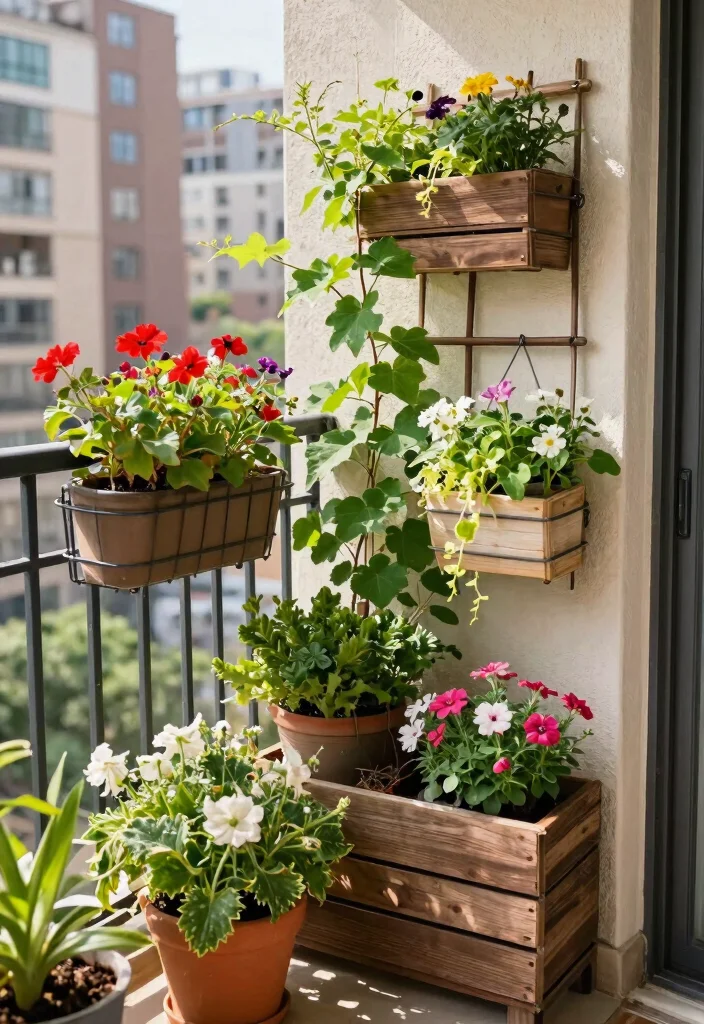
If you’re an urban gardener, maximizing your planting space is crucial. Layering planters is a fantastic technique; try putting smaller planters atop larger ones or hanging them from balcony railings to create levels of greenery.
You can also use trellises and vertical supports for climbing plants, freeing up ground space for your flowers or vegetables. Group plants with similar watering and light needs to simplify your gardening routine.
Space-Saving Tips:
– Select plants that thrive in vertical spaces, like peas or beans.
– Ensure taller plants don’t block sunlight from shorter varieties.
– Consider wall-mounted planters for herbs or compact flowers.
These strategies can transform even the tiniest balcony into a vibrant garden sanctuary, bursting with life.
Fun fact: a simple two-tier planter stack can double your usable growing space in a tight urban balcony. These large planter hacks—layering planters, vertical trellises, and grouping by water needs—turn slim spaces into lush, productive gardens without crowding your railing.
5. Install an Irrigation System
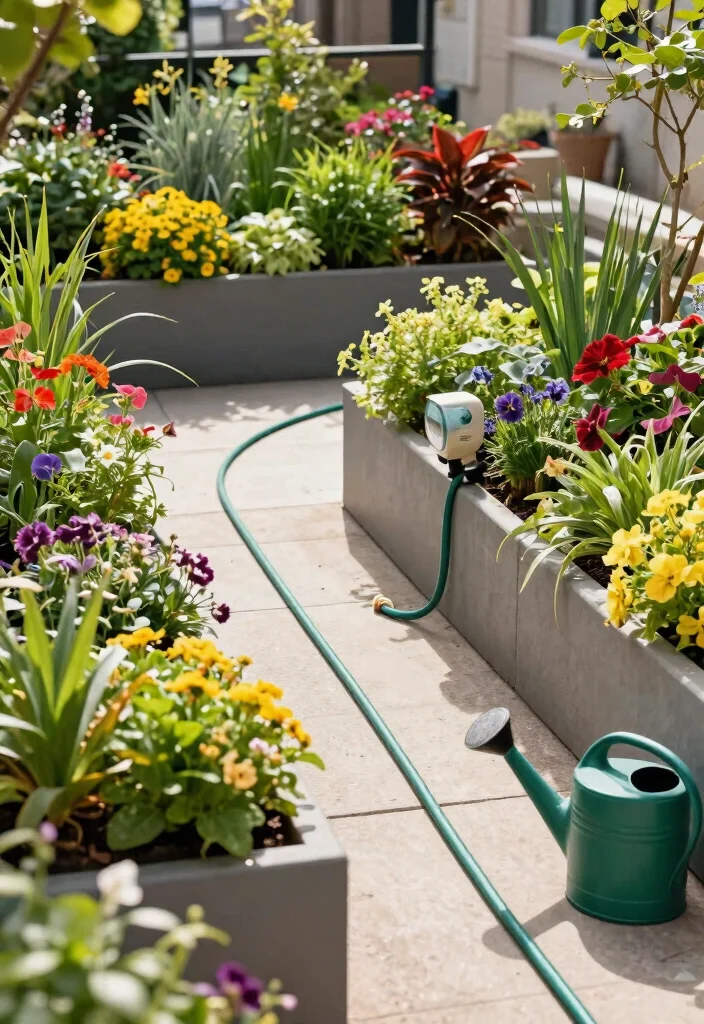
Tired of the daily watering routine? Installing an irrigation system for your large planters can make your life easier. Automated watering systems save you time and ensure your plants receive consistent moisture, especially during those hot summer days.
Drip irrigation is a great option, delivering water directly to the roots while minimizing evaporation and waste. You can even set a timer to automatically water your plants, making garden maintenance a breeze.
Advantages of Irrigation Systems:
– Save time and focus on enjoying your garden.
– Maintain optimal moisture levels for plant health.
– Reduce water waste, promoting a more sustainable garden.
With an effective irrigation setup, your garden can thrive with minimal daily upkeep, allowing you to spend more time admiring your plants.
6. Embrace Companion Planting
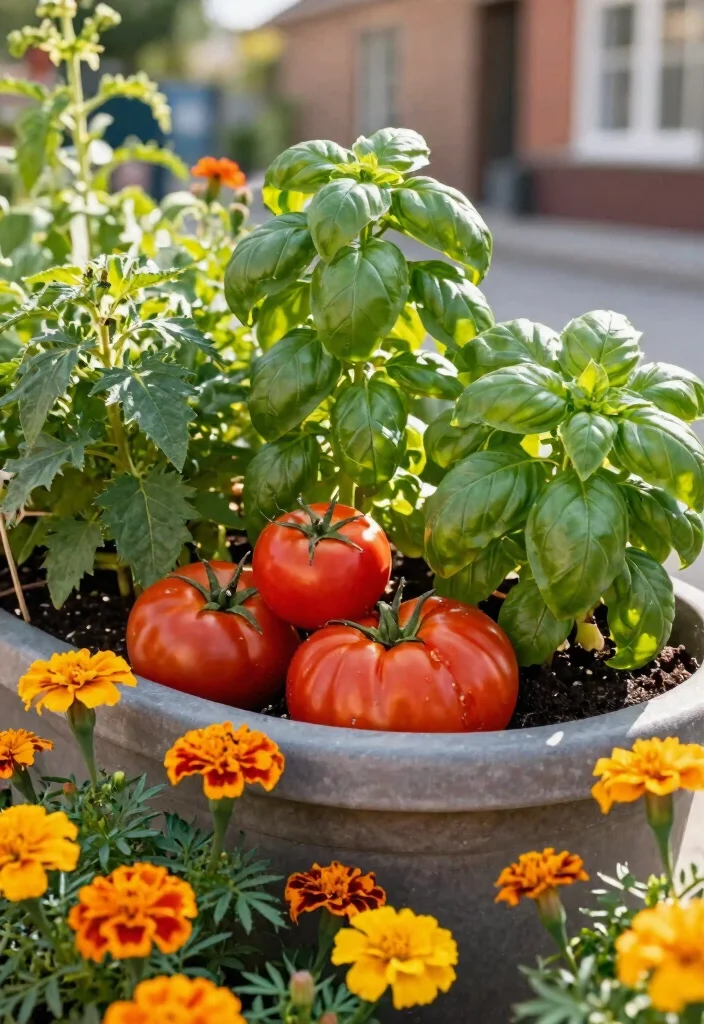
Companion planting is an engaging method that can boost your garden’s health and productivity. By strategically planting certain species together, you can naturally deter pests, enhance soil quality, and increase yields. For instance, pairing tomatoes with basil not only elevates their flavor but also helps keep pests away.
With large planters, you have the flexibility to mix and match plants for optimal results. Consider including flowers like marigolds that attract beneficial insects while repelling harmful ones.
Companion Planting Insights:
– Research compatible plant pairings before starting your garden.
– Avoid crowding similar plants to prevent disease.
– Rotate plants seasonally to sustain soil health.
Embracing companion planting can make your urban garden more resilient, creating a balanced ecosystem that flourishes together.
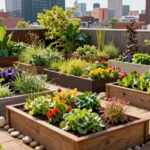
7. Incorporate Edible Plants
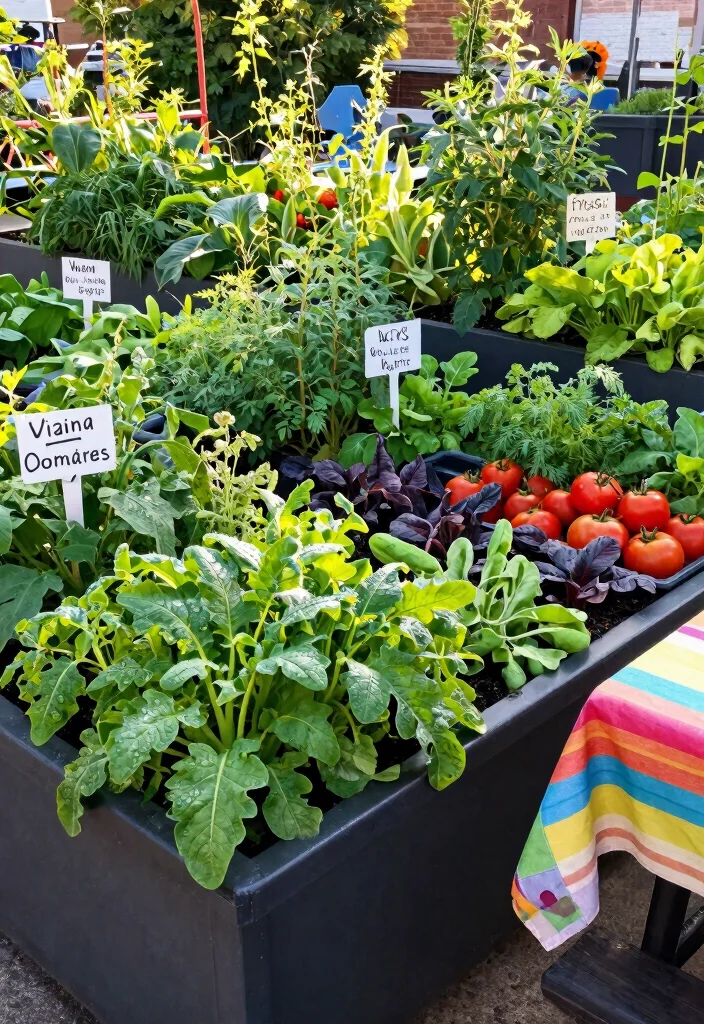
Urban gardening can be both beautiful and practical! Adding edible plants to your large planters not only provides fresh produce but also makes your garden more visually appealing. Imagine stepping out to pick fresh herbs, strawberries, or lettuce right from your own patio.
Dedicate a planter to herbs like basil, cilantro, and parsley, while larger containers can host tomatoes, peppers, or zucchinis. When arranged thoughtfully, edibles can be just as stunning as ornamental plants.
Edible Gardening Tips:
– Identify which edible plants thrive in your climate.
– Rotate crops seasonally for optimal yields.
– Monitor for pests and address them organically.
Incorporating edible plants not only beautifies your garden but also enriches your culinary experiences, making every meal special.
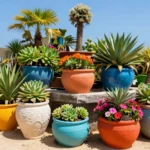
8. Mix and Match Textures
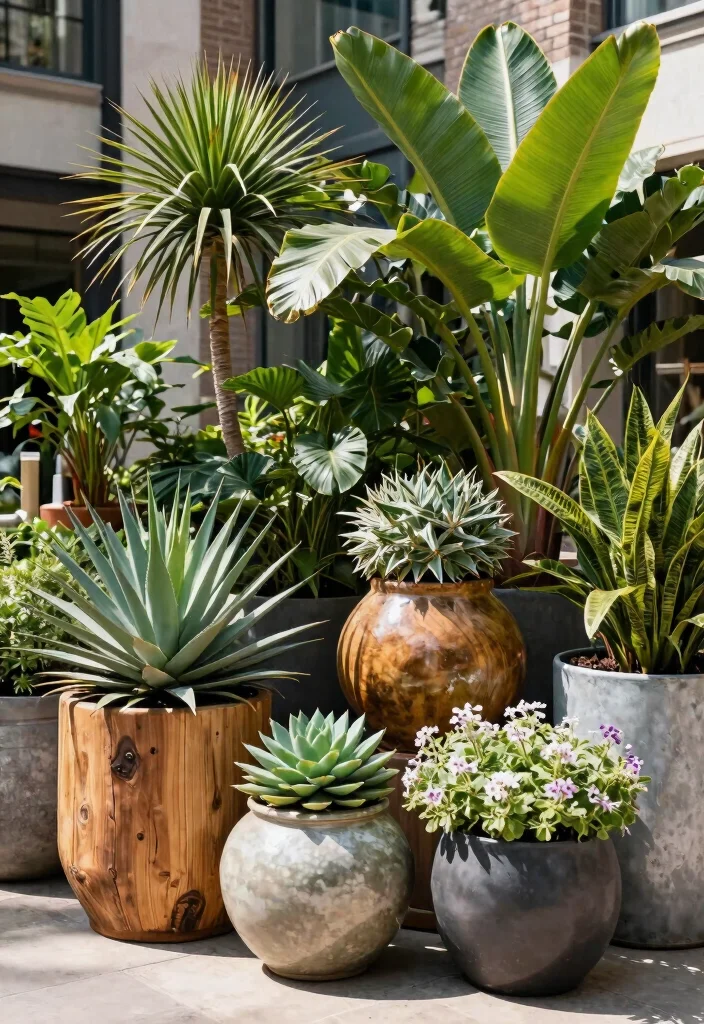
Texture plays a vital role in enhancing your garden’s appeal. By combining planters made from various materials—ceramic, wood, and metal—you can create a visually rich display. Each material interacts with light differently, providing a unique backdrop for your plants.
Additionally, mix plants with contrasting textures; pair spiky succulents with soft ferns or broad-leaved plants with delicate flowers. This layering creates depth, making your garden feel vibrant and alive.
Textural Mixing Tips:
– Balance heavier planters with lighter ones for visual harmony.
– Use plants with diverse shapes and leaf structures.
– Group planters together for a cohesive look.
Mixing and matching textures can elevate your urban garden, turning it into an inviting retreat.
9. Add Decorative Elements
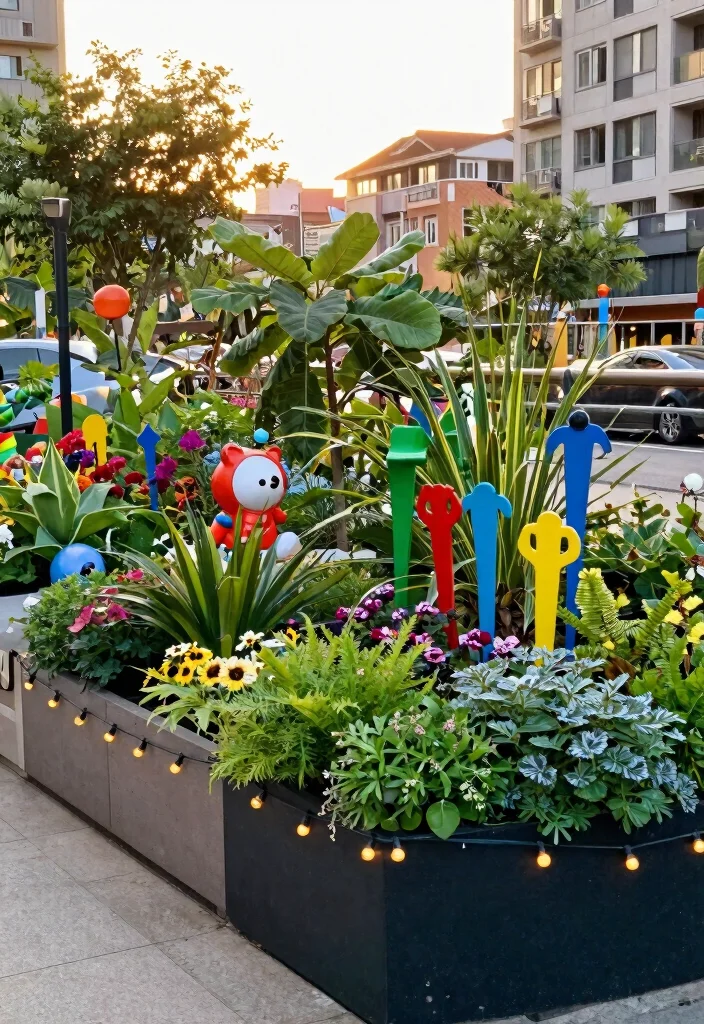
Elevate your large planter areas by incorporating decorative elements that add charm to your urban garden. From colorful garden stakes to whimsical sculptures, these details can infuse joy and personality into your space. Consider wrapping string lights around your planters for a magical glow in the evening or adding colorful stones for a vibrant touch.
You can also personalize your planters with fun designs or motifs, transforming them into statement pieces in your garden.
Decoration Tips:
– Choose decor that complements the colors of your plants.
– Ensure your decorations can withstand the weather for durability.
– Avoid overcrowding; let your plants shine through.
Decorative elements can turn a simple garden into a delightful escape, showcasing your unique style and the beauty of your plants.
How To Choose Large Planters for Your Garden
When selecting large planters for your garden, it’s essential to consider several factors. This ensures that you pick the right type that suits your needs and enhances your space. Let’s break it down into key criteria.
1. Size Matters
Choosing the right size is crucial for the health of your plants. Consider the plants you want to grow and their root systems. A planter that is too small can restrict growth, while one that is too large may hold too much moisture. As a rule of thumb, a planter should be at least 12 inches deep for most vegetable plants. You can also think about height; tall planters can make gardening easier on your back!
2. Material Choice
The material of your planter can affect both its durability and functionality. Common options include clay, plastic, fiberglass, and metal. Clay pots are porous and good for airflow but can crack in extreme weather. Plastic is lightweight and resistant to cracking, while metal can create a stylish look but may get hot in the sun. Assess your climate and aesthetic preferences before deciding.
3. Drainage Features
Proper drainage is vital to prevent root rot in your plants. Look for planters with drainage holes at the bottom. If your chosen planter lacks holes, consider drilling some or using a layer of gravel at the bottom to aid water flow. This simple feature can save you a lot of headaches down the line!
4. Style and Design
Planters come in various designs, and your choice should complement your garden’s overall aesthetic. Opt for colors and textures that blend with your surroundings. For a modern look, consider sleek geometric shapes. If you prefer a rustic vibe, wooden or terracotta planters may be the way to go. Remember, well-placed planters can also serve as decorative elements in your space.
5. Budget Considerations
Planters vary widely in price. Set a budget that reflects how many you need and their intended use. While it may be tempting to opt for the cheapest option, investing a little more in durable, high-quality materials can save you money in the long run. Look for sales or explore local markets to find unique and affordable pieces.
6. Weight and Mobility
Consider the weight of the planters, especially if you plan to move them around. Lighter materials like plastic and resin are easier to shift but may not withstand strong winds as well as heavier materials like stone or ceramic. If you want to rearrange your garden frequently, opt for lighter options.
Pro Tip: Don’t forget to check for UV resistance if your planters will be in direct sunlight. This feature can prolong the life of your planters, keeping them looking fresh and vibrant for years to come!
By keeping these points in mind, you can confidently choose large planters that will not only suit your gardening style but also support the healthy growth of your plants!
10. Create a Seasonal Rotation Plan
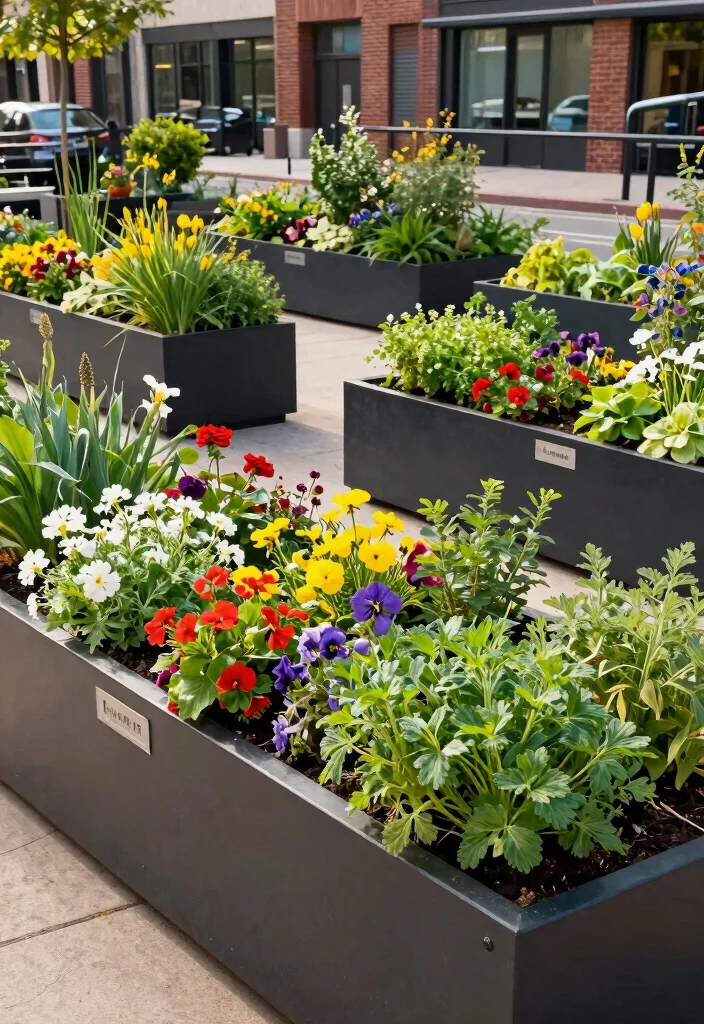
To keep your garden fresh and exciting, embrace the idea of seasonal rotations. By changing the plants in your large planters with the seasons, you can enjoy a variety of colors and textures throughout the year. For example, spring might welcome annuals and vibrant blooms, while summer could bring heat-tolerant plants and herbs.
This approach not only keeps your garden lively but also ensures you’re growing what thrives in the current climate. Documenting your rotations helps maintain a balanced ecosystem and allows you to learn what works best in your unique space.
Rotation Planning Tips:
– Create a seasonal calendar for planting and harvesting.
– Track plant preferences for sunlight and watering needs.
– Experiment with various combinations each season.
A thoughtful seasonal rotation plan keeps your urban garden vibrant, ensuring it feels new and exciting with every transition.
11. Incorporate Wildlife-Friendly Features
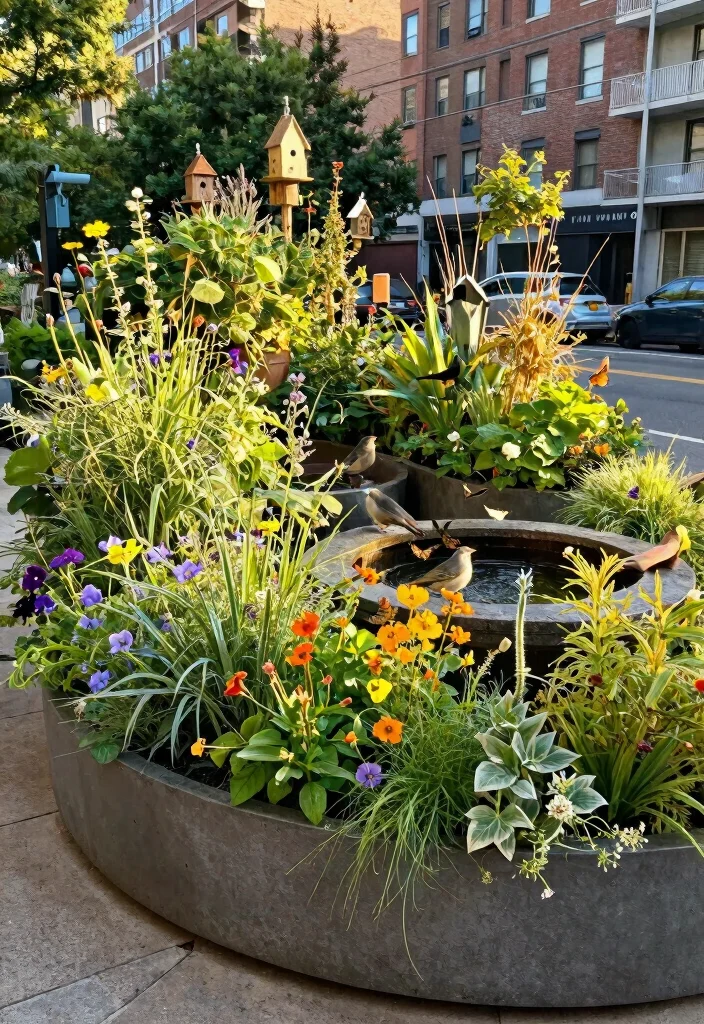
Building a wildlife-friendly garden can enhance your urban space and attract beneficial creatures like butterflies and bees. Simple additions such as a small water dish, birdhouses, or a bee hotel invite local wildlife into your garden. Use large planters to showcase native plants that provide food and shelter for these visitors.
Consider planting nectar-rich flowers or hardy shrubs that produce fruit, supporting local pollinators while enriching your garden experience.
Wildlife-Attracting Tips:
– Select plants that bloom at different times for year-round interest.
– Provide nesting materials such as twigs and dried leaves.
– Avoid pesticides to protect beneficial insects.
Your urban garden can become a sanctuary for wildlife, adding beauty and life to your planting efforts.
Fun fact: A single large planter with a water dish, native nectar plants, and a bee hotel can attract 10–20 pollinators daily. Small features mean big wildlife wins in urban spaces.
12. Showcase Your Planters Creatively
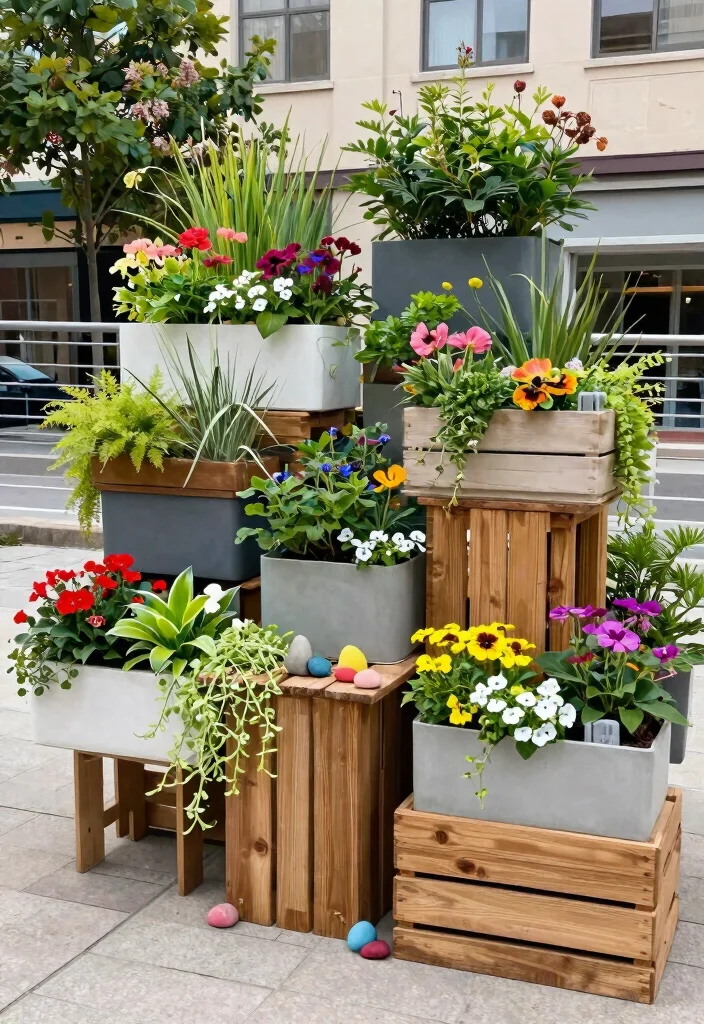
Showcasing your large planters in creative ways can greatly enhance your garden’s aesthetic. Rather than simply lining them up, think about varying heights and arrangements that catch the eye. Group similar themes or colors together to create a harmonious look.
You can also achieve a layered effect by placing taller plants in the back and shorter ones in front, ensuring every plant gets noticed. Consider using unconventional structures like a staircase-style setup to maximize vertical space.
Showcase Tips:
– Use repurposed items like crates or ladders as unique stands.
– Arrange planters according to sunlight needs for optimal growth.
– Regularly rotate your plants for fresh displays.
By creatively showcasing your planters, you can turn your urban garden into a beautiful gallery of greenery.
Show off your large planter hacks by layering heights and grouping colors; your garden will read like a gallery. Place taller pots at the back and stack a few on a sturdy stand to create a staircase. Small changes, big impact: planters become conversation starters.
13. Join a Gardening Community
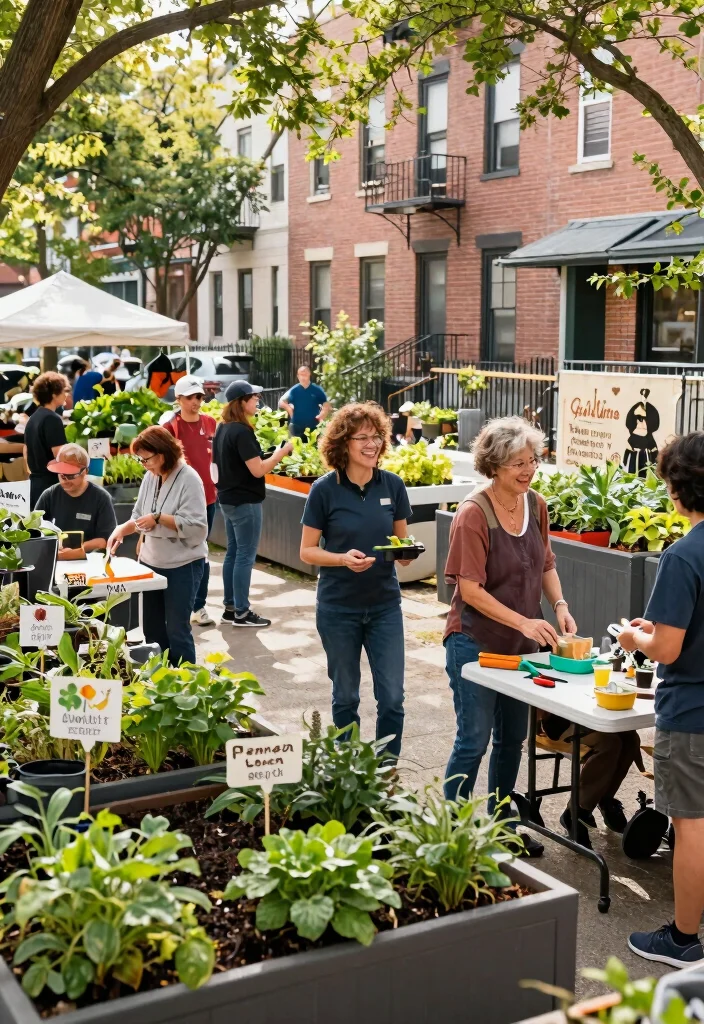
Gardening can sometimes feel like a solitary pursuit, but joining a community can greatly enhance your experience. Connecting with fellow urban gardeners allows you to share tips, swap plants, and participate in local gardening events. Being part of a community can provide inspiration, support, and even friendships.
Many neighborhoods have gardening clubs or online forums where gardeners can exchange experiences, ask questions, and collaborate on projects. This network is invaluable, especially for newcomers, as you can learn from others’ successes and trials.
Community Benefits:
– Access shared resources and tools to enhance your gardening.
– Opportunities for plant swaps and giveaways.
– A supportive network to encourage your gardening journey.
Becoming part of a gardening community can transform your urban gardening experience, making it richer and more enjoyable.
Conclusion
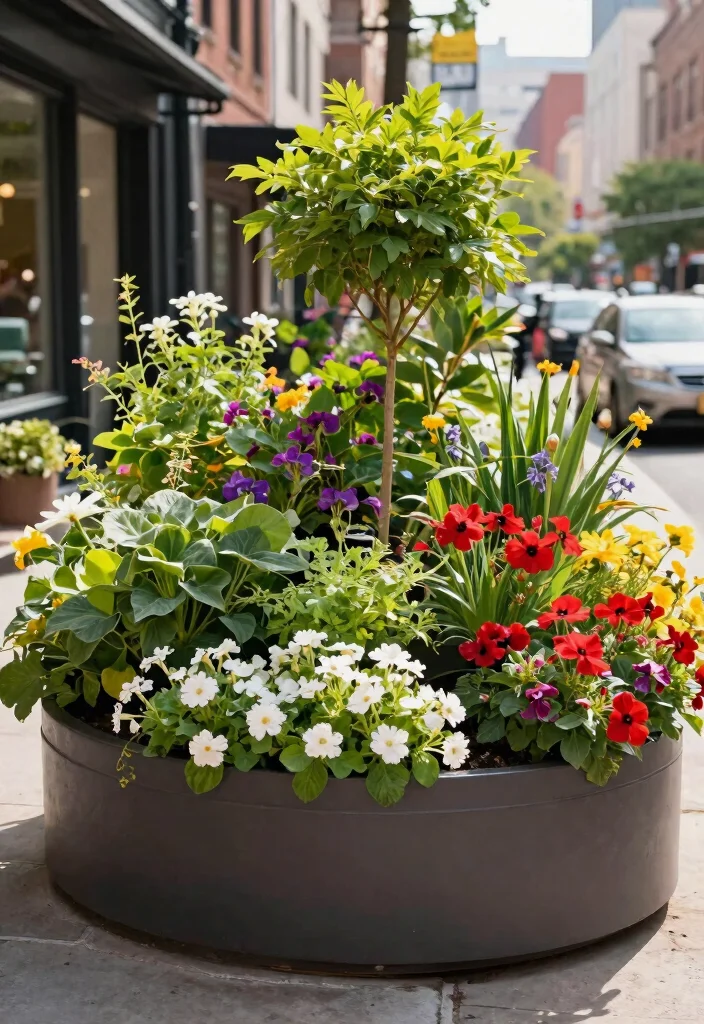
Urban gardening, especially with large planters, is a rewarding way to cultivate your green thumb while enhancing your living space. With these 13 life-changing large planter hacks, you can transform your garden into an oasis of beauty and productivity.
Each tip serves to simplify your gardening journey while encouraging creativity and sustainability. Embrace these techniques and watch your little urban corner flourish!
Note: We aim to provide accurate product links, but some may occasionally expire or become unavailable. If this happens, please search directly on Amazon for the product or a suitable alternative.
This post contains Amazon affiliate links, meaning we may earn a small commission if you purchase through our links, at no extra cost to you.
Frequently Asked Questions
Question: What are the best large planter hacks for urban gardening?
Urban gardening with big planters calls for smart hacks. Here are practical large planter hacks that maximize space and plant health.
Use planters with built-in drainage and a simple saucer to keep roots dry and happy. Add a basic self-watering reservoir or wick system to maintain moisture during hot spells. Choose lightweight, durable materials so you can rearrange setups without a sweat, enabling space-saving gardening techniques on balconies and patios.
Go vertical with rolling stands or tiered shelves to create vertical gardening solutions. Group containers by sun needs and rotate them seasonally to boost yields and curb pests. For a personal touch, try a DIY planter project to tailor the shapes to your space.
Question: How can I implement vertical gardening solutions with large planters on a balcony?
On a small balcony, building a living wall is doable with vertical gardening solutions using large planters. Start with railing boxes and wall-mounted pockets to add greens without crowding floor space.
Then stack planters on a freestanding tier or connect a trellis to create height. If you move often, choose portable planters on wheels so you can reconfigure light and shade daily. Finish with smart grouping by sun exposure to make the most of every sunny corner.
Question: What are practical DIY planter projects I can complete this weekend?
Here are easy DIY planter projects to boost your urban garden fast. Repurpose an old wooden pallet into a raised planter frame, or build a compact cedar planter box with basic tools. Convert a sturdy tote or storage bin into a built-in planter with drainage holes, or fashion a rolling planter cart from inexpensive caster wheels.
Experiment with fabric grow bags over a simple frame for a lightweight vertical bed, or stack crates to create a green staircase along a balcony wall.
Question: What are container gardening tips for healthy growth in large planters?
Smart container gardening tips for large planters start with soil. Use a high-quality potting mix blended with compost and slow-release fertilizer for steady nutrition.
Ensure drainage, add a layer of mulch to retain moisture, and water deeply to reach roots. Choose plants suited to your sun exposure and rotate containers so every plant gets enough light. Topdress with organic matter to feed microbes and reduce weeds.
Question: How do I maximize space when using large planters for urban gardening?
Maximizing space with large planters is all about flexible arrangement and mobility. Try space-saving gardening techniques like vertical stacking, tiered stands, and rotating layouts to fit more into a small footprint.
Group planters by sun needs, place tall plants at the back, and fill front edges with low-growing herbs or groundcovers. Add wheels or dollies to heavy pots for easy movement as light shifts, and consider DIY planter projects to tailor sizes to fences, railings, or window bays.