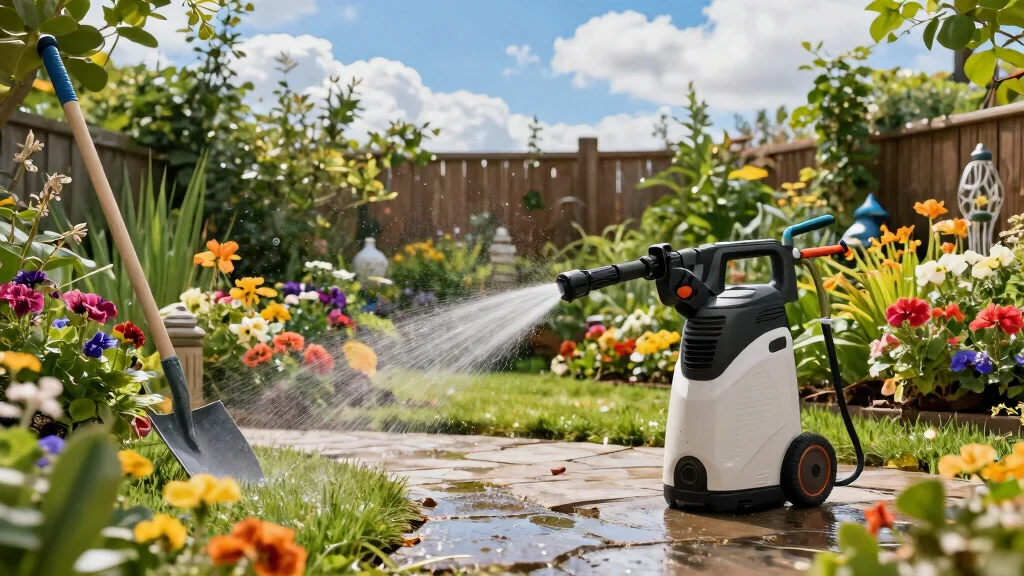
Cleaning your outdoor spaces can feel like a daunting task, especially when grime and dirt have settled in. That’s why I made this post—because the right tools can turn cleaning from a chore into a breeze. If you’re someone who loves maintaining a beautiful garden or keeping your outdoor areas spotless, these pressure washer attachment tips are just what you need.
In this guide, you’ll discover 13 actionable tips that will enhance your pressure washing experience. Whether you’re trying to spruce up your patio, driveway, or garden furniture, these insights will help you utilize pressure washer accessories effectively. Each tip is designed to help you achieve better results with less effort, ensuring your outdoor cleaning tasks are not only easier but also more enjoyable.
Get ready to dive into a world of effective cleaning techniques! From choosing the right pressure washer nozzles to understanding how to maintain your equipment, this post has everything you need for exceptional garden maintenance. Let’s explore how to make the most of your pressure washer and keep your outdoor spaces shining bright.
Key Takeaways
– Select the Right Nozzles: Choosing the correct pressure washer nozzles is crucial for different surfaces. Each nozzle provides varying spray patterns and pressure, ensuring you clean effectively without causing damage.
– Invest in Attachments: Surface cleaner attachments can save time and energy, making it easier to clean large flat areas like driveways and patios without leaving streaks.
– Use Detergents Wisely: Applying the right detergents can boost cleaning efficiency, particularly for stubborn stains. Always follow manufacturer guidelines to avoid damaging your surfaces.
– Maintain Equipment: Regular cleaning and checking of your pressure washer attachments can prolong their lifespan and ensure optimal performance during use.
– Know When to Seek Help: Some jobs may require professional assistance. If the task seems too big or risky, don’t hesitate to call in the pros to avoid potential mishaps.
1. Choose the Right Pressure Washer Nozzles
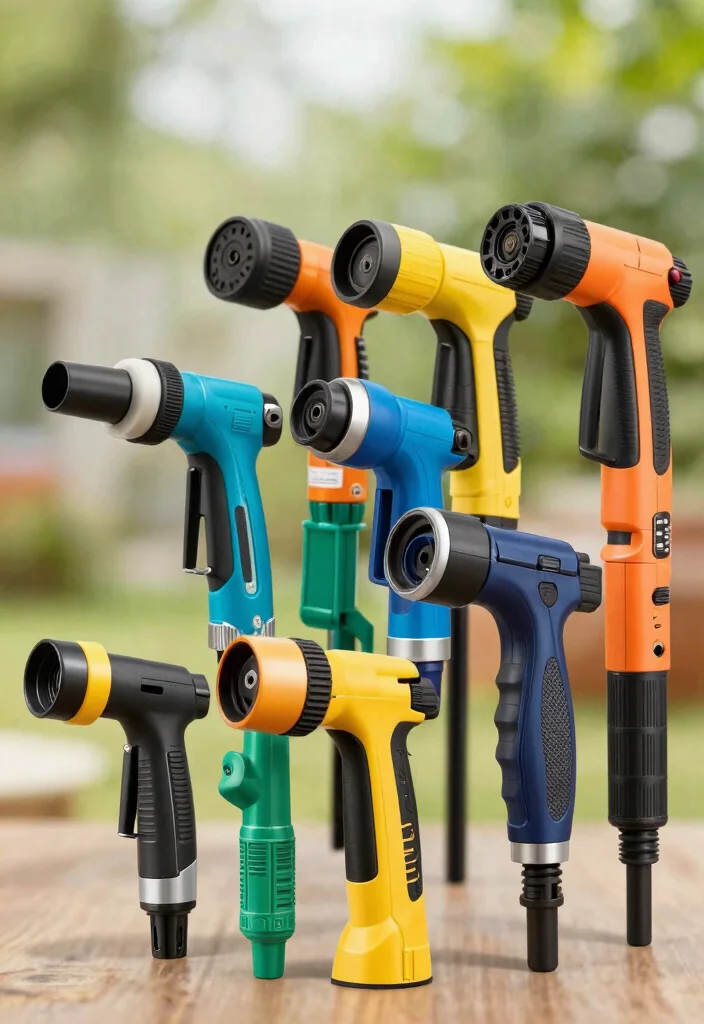
Selecting the right nozzle is essential for effective pressure washing. Each nozzle size offers a unique spray pattern, making it easier for you to tackle different cleaning tasks. Whether you’re cleaning a driveway or washing delicate plants, the right choice can make all the difference in your results.
Start by choosing a wide fan nozzle for general cleaning on patios and sidewalks. For tougher stains, switch to a narrower nozzle that concentrates the pressure on a small area. If you’re just rinsing light dust from flowers, a gentle 40-degree nozzle will protect your plants while doing the job.
Here are some quick tips:
– Test on a small, inconspicuous area first.
– Adjust your distance based on the nozzle you select.
– Use a sweeping motion for vertical surfaces to avoid streaks.
These adjustments can greatly enhance your cleaning efficiency and effectiveness.
2. Invest in a Surface Cleaner Attachment
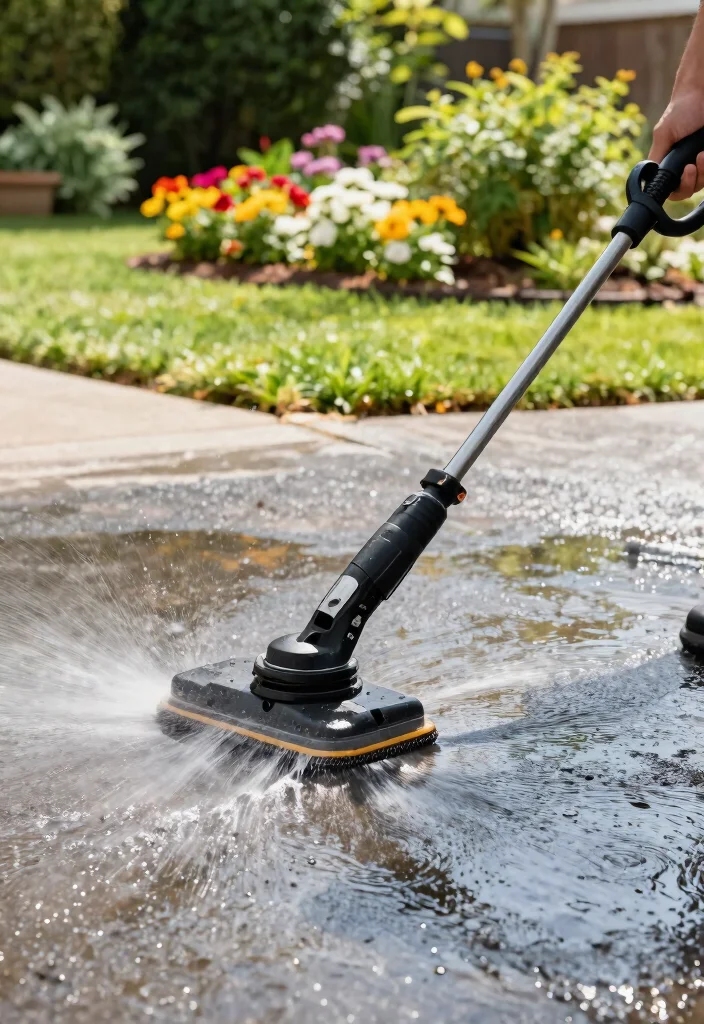
Looking to speed up your cleaning routine? A surface cleaner attachment might be your best bet. This handy tool connects to your pressure washer and covers a broader area, making cleaning flat surfaces like driveways and decks a breeze.
With its rotating jets, you’ll achieve consistent pressure and avoid those pesky streaks often left by traditional nozzles. Plus, it significantly cuts down on cleaning time, letting you enjoy your outdoor space sooner.
Why use a surface cleaner?
– It dramatically reduces cleaning time.
– Perfect for removing stubborn stains like oil and mildew.
– Maintains even pressure to protect surfaces.
Investing in a surface cleaner can elevate your garden maintenance game.
3. Use a Turbo Nozzle for Tough Jobs
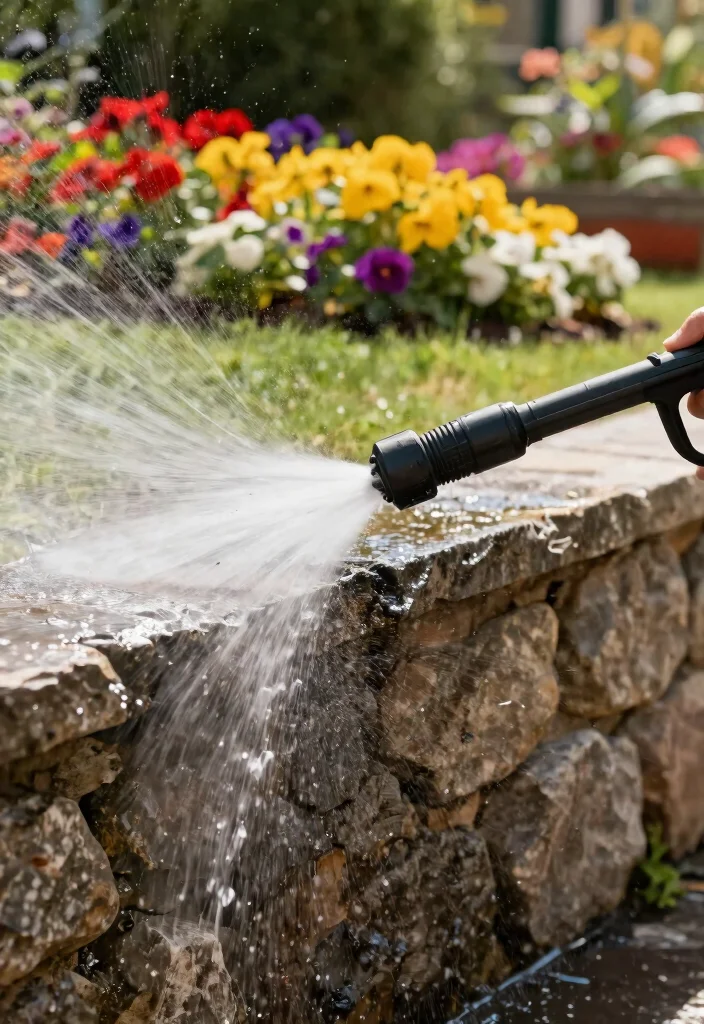
When facing really tough cleaning challenges, a turbo nozzle is your go-to tool. This attachment spins water in a powerful pattern, making it highly effective for heavy-duty tasks like removing mud or mold.
Turbo nozzles work wonders on surfaces needing a deeper clean. However, be cautious, as the intense spray can damage more delicate materials, so always keep a safe distance.
Here’s how to use turbo nozzles effectively:
– Maintain distance to prevent surface damage.
– Move slowly to cover all areas without missing spots.
– Use specialized detergents to boost your results.
With a turbo nozzle, you can confidently tackle the toughest messes with ease.
4. Don’t Forget About Chemical Injectors
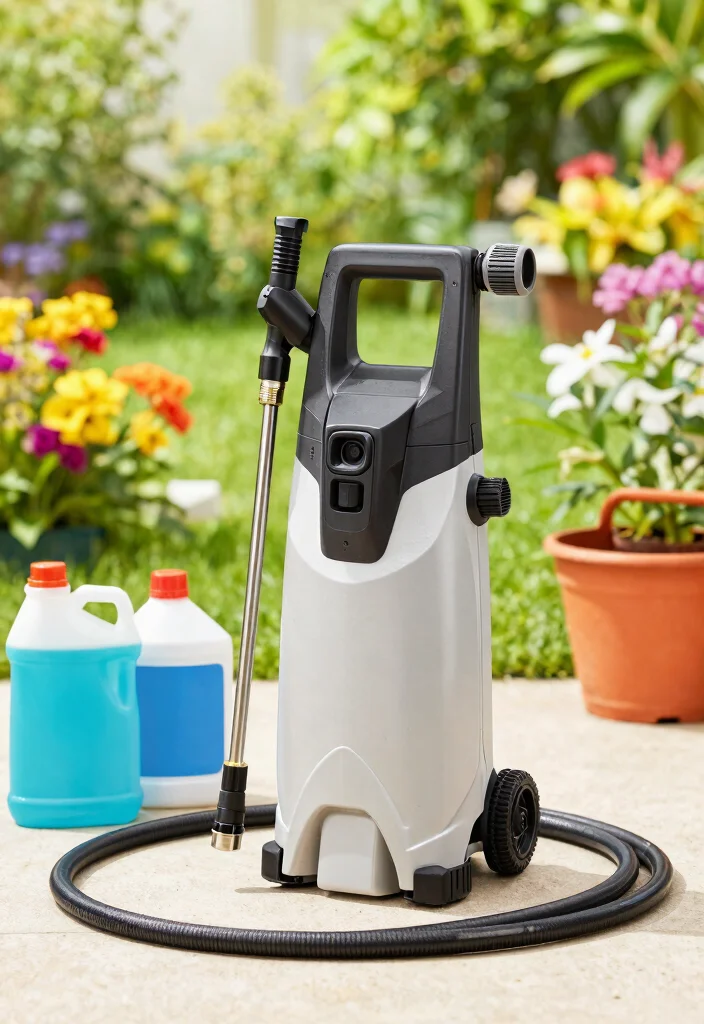
Chemical injectors are excellent tools that enhance your pressure washing efforts. These attachments mix cleaning solutions with water, making it easier to eliminate tough stains and algae on your outdoor surfaces.
Using the right chemicals can lead to a deeper clean without excessive scrubbing. Always read product instructions to ensure safety and compatibility with your pressure washer.
Best practices for chemical injectors:
– Choose the right detergent for each task.
– Rinse thoroughly after cleaning to avoid residue.
– Test new chemicals on a small area first.
With the right techniques, chemical injectors can revolutionize your garden cleaning routine.
5. Use Detergents Wisely
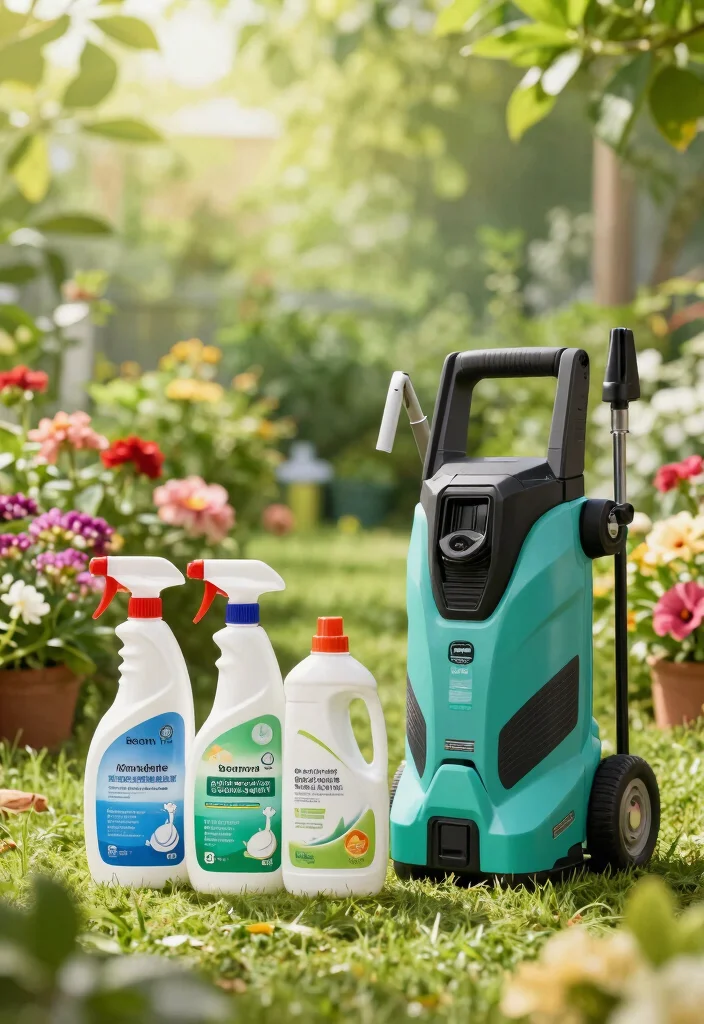
Using detergents effectively with your pressure washer is crucial. Not all surfaces can handle the same cleaning agents, and the wrong choice can lead to damage.
Opt for biodegradable and eco-friendly detergents to keep your garden safe. Applying detergent before pressure washing helps lift grime, making your job easier.
Here’s a quick guide on using detergents effectively:
– Apply with a low-pressure nozzle to minimize overspray.
– Allow the detergent to sit for a few minutes.
– Rinse thoroughly to ensure no residue remains.
Choosing the right detergents enhances your cleaning while protecting your garden’s beauty.
Fun fact: Biodegradable detergents boost cleaning power in your pressure washer while protecting your plants—paired with a low-pressure nozzle, overspray drops by up to 60%. Use eco-friendly formulas and let the detergent sit briefly for a deeper clean.
6. Maintain the Right Distance
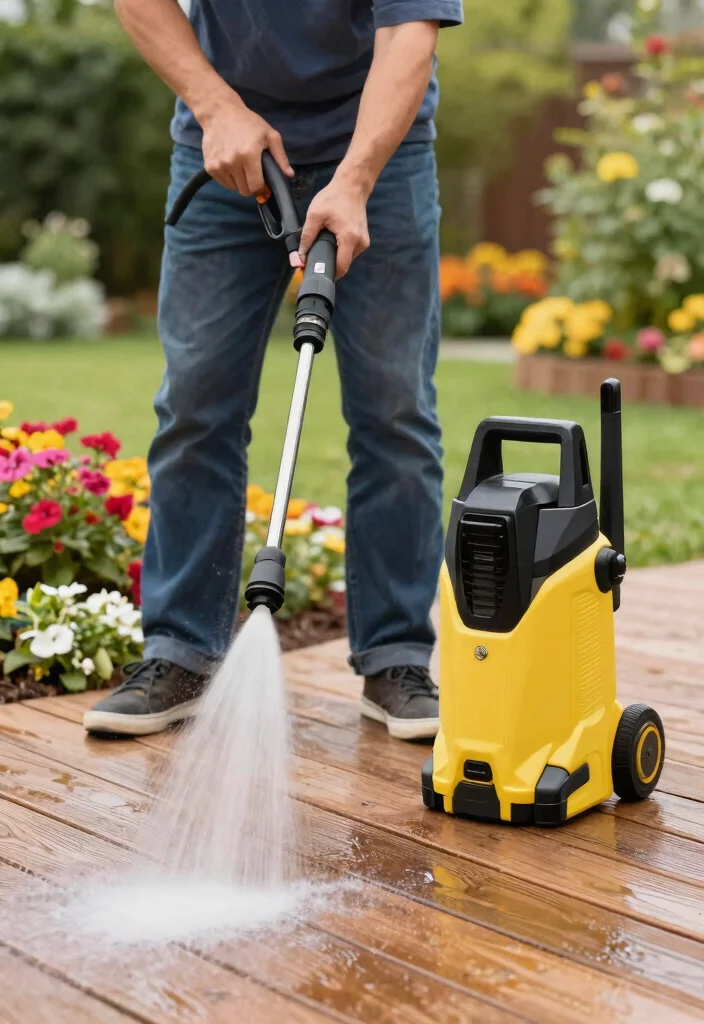
Maintaining the correct distance from the cleaning surface is key to effective pressure washing. Being too close can damage surfaces, while being too far can result in ineffective cleaning.
A distance of 12 to 24 inches is generally advisable, but it may vary based on the nozzle in use. For instance, a turbo nozzle often requires a greater distance than a fan nozzle.
Pro tips for proper distance:
– Start far away and gradually move closer.
– Use a sweeping motion for wider coverage.
– Adjust based on the condition of the surface.
Finding your ideal distance can significantly improve your cleaning results.
How To Choose The Right Pressure Washer Accessories
When maintaining your garden, the right pressure washer accessories can make a world of difference. Selecting the right attachments can enhance your cleaning efficiency and effectiveness. Here are key points to consider when choosing pressure washer accessories:
1. Compatibility
Before you purchase any attachment, ensure it is compatible with your pressure washer model. Different brands and models may have unique fittings. Most manufacturers provide a list of compatible accessories, so check this information to avoid buying the wrong products.
2. Purpose
Identify the specific tasks you need to accomplish with your pressure washer. Are you looking to clean driveways, patio furniture, or garden tools? Each task may require different attachments, such as surface cleaners for large areas or nozzles for more intricate jobs. Knowing your purpose will help guide your selection.
3. Material Quality
Consider the material of the attachments. Durable materials, such as stainless steel or high-grade plastic, typically last longer. Cheaper materials may wear out quickly or break under pressure. Always read reviews to get insights into the longevity and performance of the accessories you’re considering.
4. Adjustable Features
Look for attachments with adjustable features. For instance, nozzles that allow you to change the spray pattern can help you customize your cleaning experience. This versatility is crucial for tackling different surfaces and dirt levels, making your cleaning more effective.
5. Ease of Use
Choose accessories that are straightforward to use and attach. Some designs may require complicated setups, while others might be user-friendly with quick-connect features. Read the product descriptions and reviews to gauge how easy they are to handle, especially if you’re new to pressure washing.
6. Price and Warranty
Lastly, consider your budget. You don’t have to break the bank, but investing in quality accessories often pays off. Check for warranties as well; a good warranty can be an indicator of product quality and gives you peace of mind in your purchase.
Pro Tip: When buying pressure washer accessories, look for sets that include multiple attachments. These sets often provide better value and cover a wider range of cleaning tasks, making them perfect for comprehensive garden maintenance!
7. Schedule Regular Cleaning
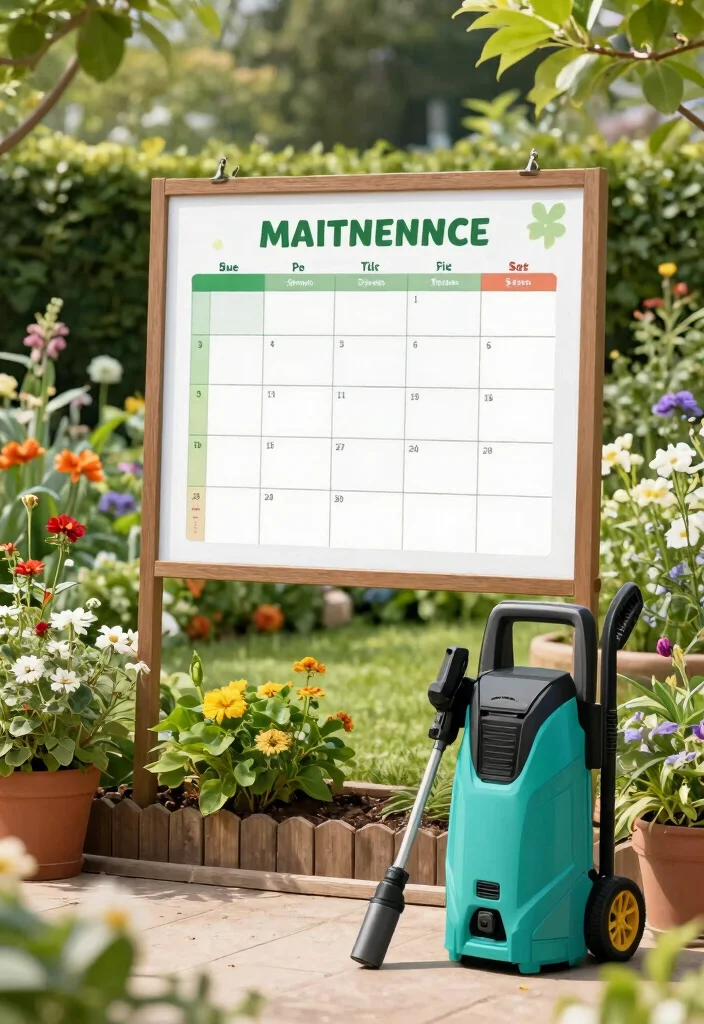
To keep your garden looking pristine, make regular pressure washing a habit. Depending on your climate, this could mean cleaning once per season or even monthly during growth peaks.
Regular maintenance prevents dirt, algae, and mold from building up, which can be harder to remove later. Plus, it keeps your garden looking fresh and vibrant all year long.
Set a cleaning schedule by:
– Marking seasonal changes on your calendar.
– Looking for growth or stains needing immediate attention.
– Dedicating a specific day each month for cleaning.
Staying proactive saves you time and effort down the line.
8. Clean Your Pressure Washer Attachments
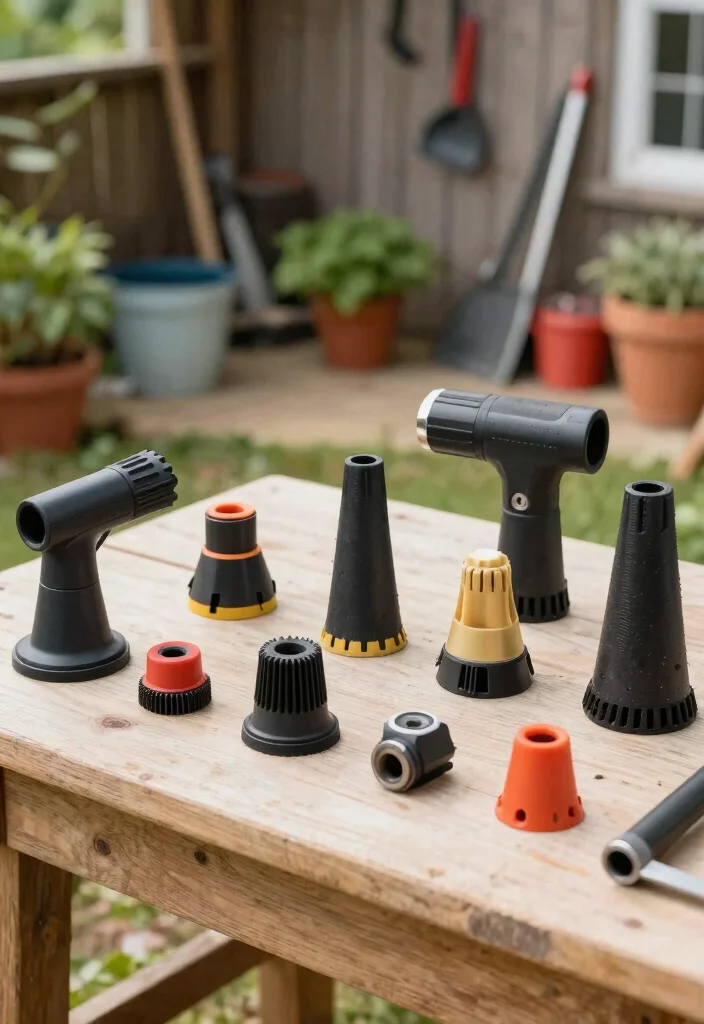
Just as your garden needs attention, so do your pressure washer attachments. After each use, rinse and inspect your nozzles and tools for clogs and wear.
This simple practice extends the life of your equipment and ensures optimal performance. Always check for any debris that might block water flow and replace any worn parts.
Best practices include:
– Rinse attachments thoroughly after each use.
– Store them in a designated container.
– Regularly inspect hoses for kinks or leaks.
By maintaining your pressure washer, you’ll always be ready for your next cleaning task.
Did you know that rinsing and inspecting pressure washer attachments after every use can extend their life by 2x? Small habits like storing attachments in a designated container and checking for debris keeps water flow steady and performance strong—these pressure washer attachment tips actually pay off.
9. Test Your Pressure Washer Before Full Use
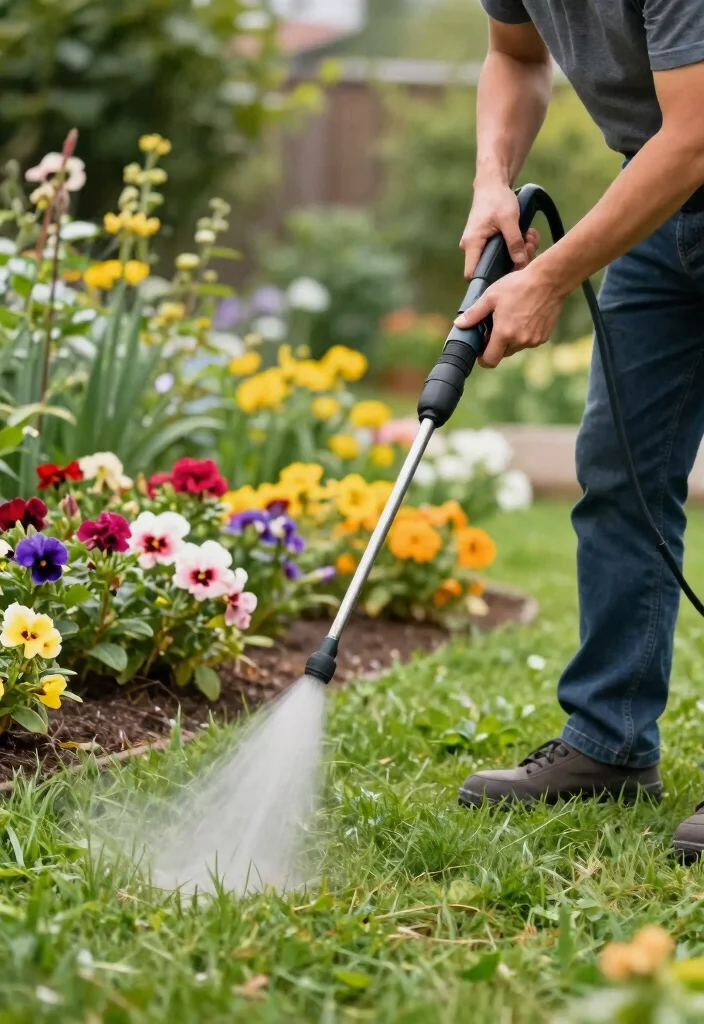
Before diving into a full cleaning session, take a moment to test your pressure washer. This ensures that everything is working correctly and allows you to adjust settings for the best results.
Choose a hidden area to test, adjusting the nozzle and distance as necessary. Keep an eye out for leaks and listen for any unusual sounds.
Quick test checklist:
– Start with the lowest pressure setting.
– Experiment with different nozzle angles.
– Check hoses and connections for leaks.
A quick test can save you from frustration later!
10. Consider Safety Gear
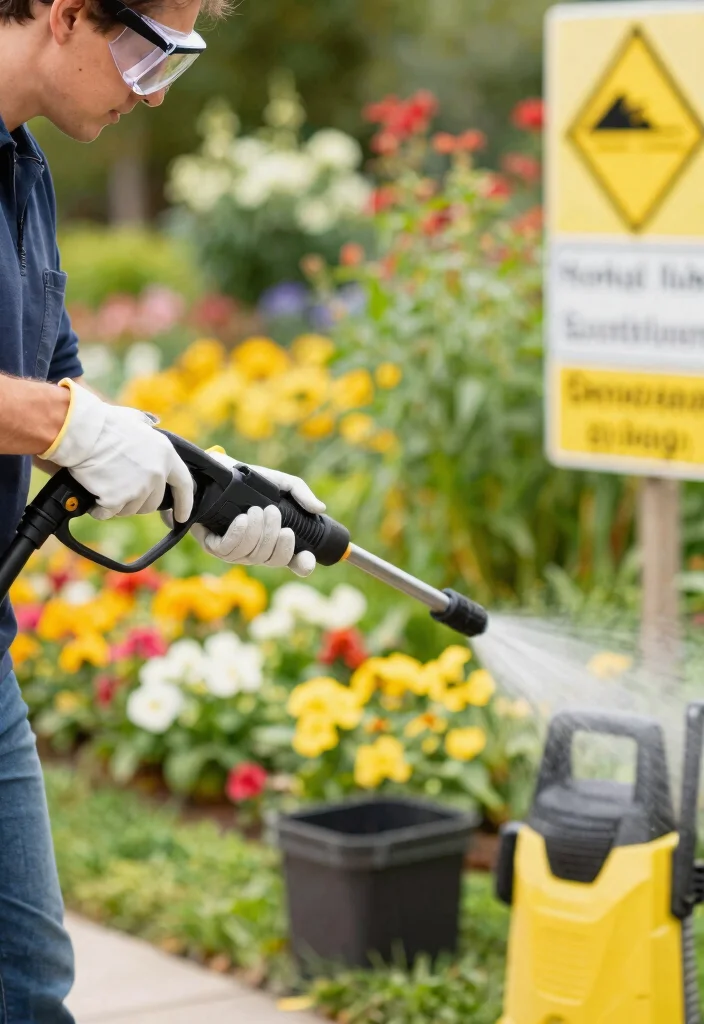
Safety should always be your top priority when using a pressure washer. While these tools are powerful and effective, they can also pose risks if not handled correctly.
Investing in safety gear like goggles, gloves, and waterproof boots protects you from splashes and debris. Wearing old clothing is also wise since high-pressure water can cause wear and tear.
Safety tips include:
– Follow the manufacturer’s guidelines for safe operation.
– Keep children and pets at a safe distance.
– Be aware of your surroundings for potential hazards.
Being cautious enables you to clean confidently and safely.
Fun fact: About 70% of pressure washer injuries happen when safety gear is skipped. Wearing goggles, gloves, and waterproof boots drastically lowers the risk and keeps outdoor cleaning sessions drama-free. Follow manufacturer guidelines and start with old clothes for peace of mind.
11. Don’t Overdo It
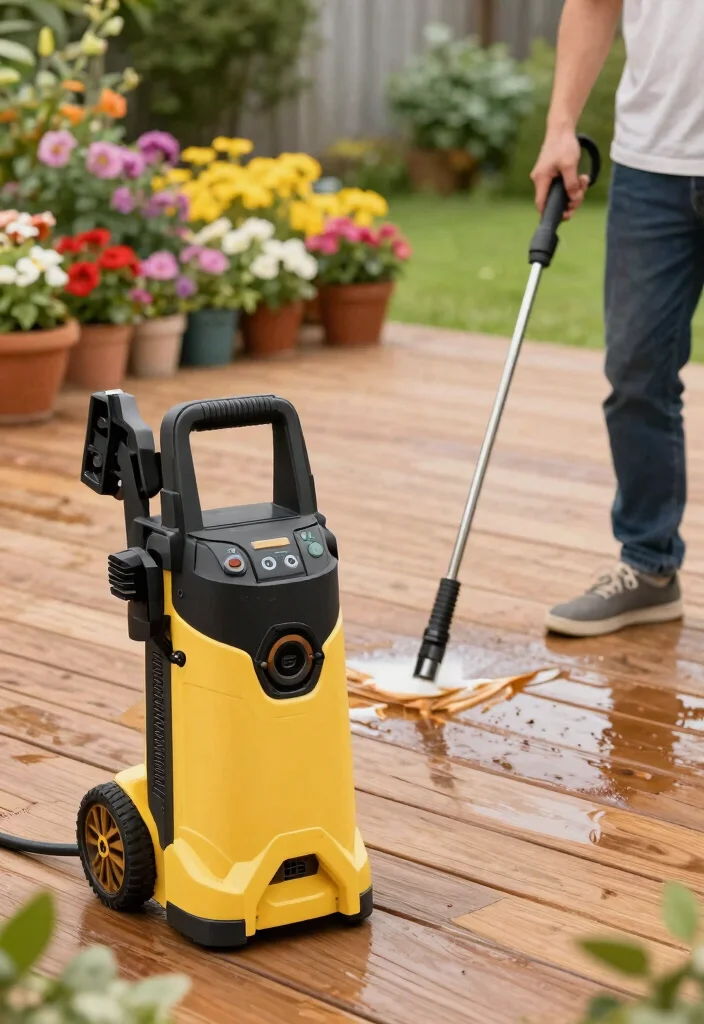
It’s easy to assume that more pressure equals a better clean, but that’s not always the case. Using too much pressure can damage delicate surfaces like wood or paint.
Stick to recommended pressure settings for each task to protect your surfaces.
Guidelines for pressure settings:
– Use lower settings for wood (about 1200-1500 PSI).
– Reserve high settings (2000 PSI and above) for tougher materials.
– Always err on the side of caution with delicate areas.
Finding the right balance ensures you protect your garden while achieving excellent cleaning.
12. Know When to Call a Professional
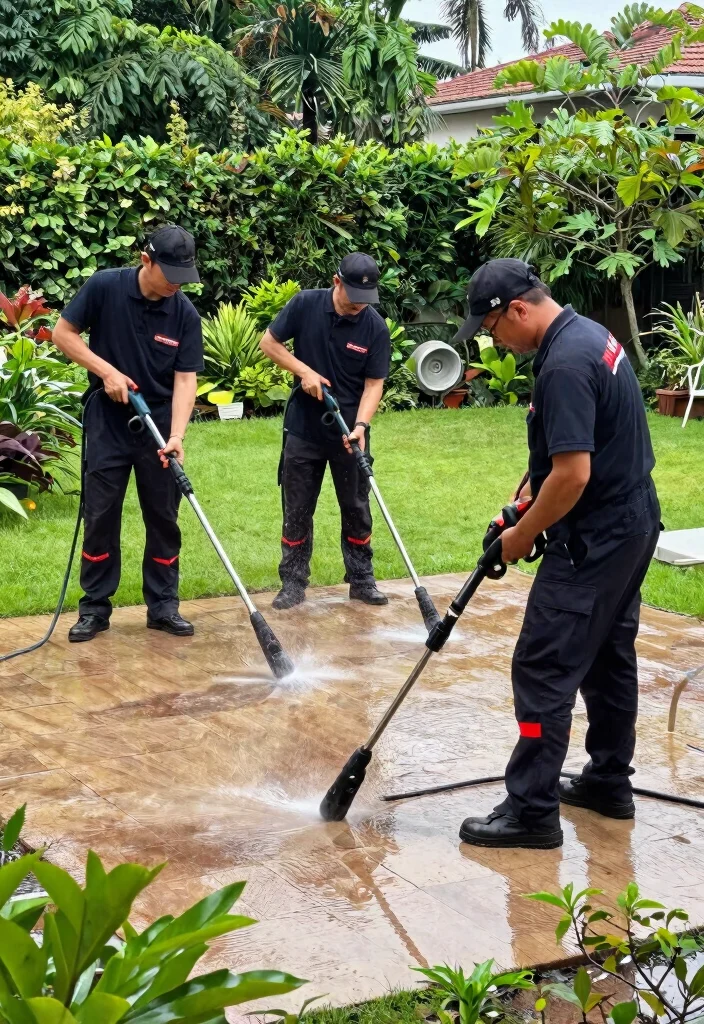
Sometimes, despite your best efforts, certain cleaning tasks are best left to professionals. If you’re facing extensive mold or stubborn stains, hiring an expert may be the best option.
Professionals have the right training and equipment to handle challenging jobs without risking damage to your property. Plus, this choice can save you time and ensure a thorough clean.
When to consider hiring a pro:
– When specialized knowledge or equipment is required.
– For large areas that seem overwhelming to clean alone.
– When safety concerns arise due to heights or electrical hazards.
Knowing your limits helps you maintain your garden’s integrity.
13. Always Rinse After Cleaning
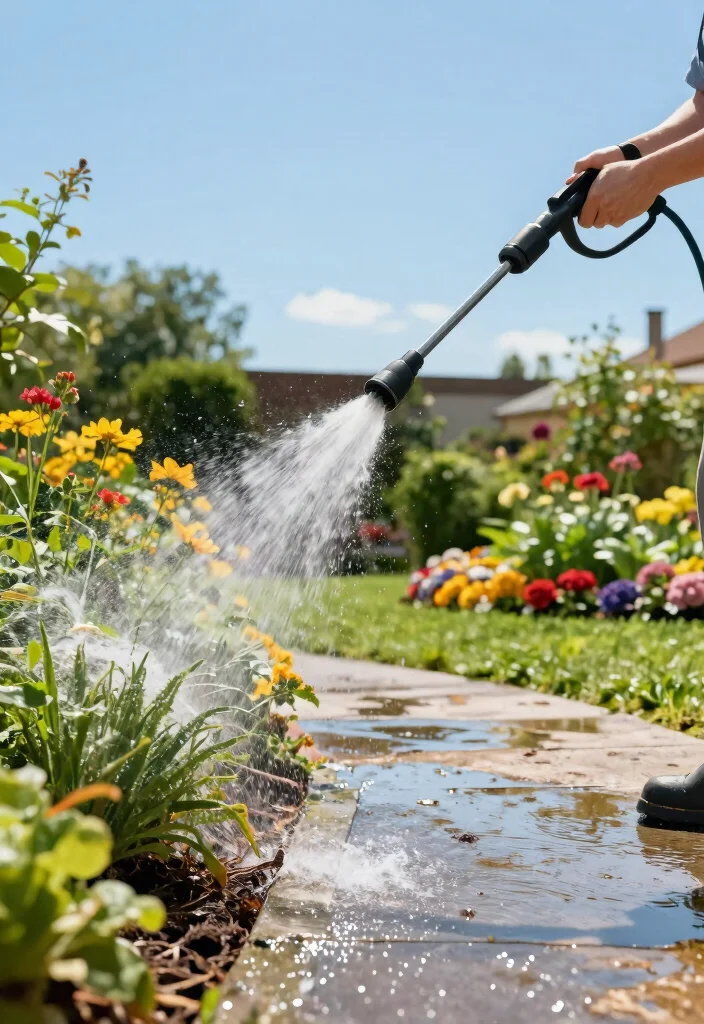
Finally, don’t forget to rinse surfaces after a cleaning session. This step removes any detergent residues that could harm your plants or surfaces over time.
Rinsing also ensures a clean, streak-free finish, allowing your hard work to shine. Just like how a chef finishes a dish, a thorough rinse is the perfect final touch.
Rinsing tips:
– Use the same nozzle but adjust for a wider spray if needed.
– Rinse plants too, protecting them from chemicals.
– Check your work for missed spots before finishing.
These finishing touches will leave your garden looking its absolute best!
Conclusion
With these pressure washer attachment tips, your garden can shine like never before! Regularly using the right nozzles and accessories will not only save time but also protect your plants and surfaces.
Transforming your garden into a beautiful oasis is within your reach. Happy cleaning, and may your outdoor space reflect the love you put into it!
Note: We aim to provide accurate product links, but some may occasionally expire or become unavailable. If this happens, please search directly on Amazon for the product or a suitable alternative.
This post contains Amazon affiliate links, meaning we may earn a small commission if you purchase through our links, at no extra cost to you.
Frequently Asked Questions
What are essential pressure washer attachment tips for garden maintenance?
Great results come from safety, the right attachments, and steady technique. Here are practical pressure washer attachment tips for garden maintenance tips:
First, safety and prep: wear eye protection, gloves, and shield plants from the spray.
Second, pick the right attachments: use a surface cleaner for patios and walkways; a 15–25 degree nozzle for general grime; a 40 degree nozzle for wood and near plants; a soft-bristle brush for fences; and a detergent injector for outdoor furniture and tools.
Third, test and adjust: test on a hidden area, then begin at the lowest pressure; keep the nozzle about 12 inches away and sweep with overlapping passes to avoid streaks.
Fourth, protect greenery: cover delicate beds or use a spray shield, and never aim at leaves or blossoms.
Fifth, rinse and store: rinse detergent with plain water, inspect for damage, dry attachments, and store them in a dry place to extend their life.
Which pressure washer attachments are must-haves for garden maintenance?
For garden maintenance tips, the must-haves are: surface cleaner for patios and driveways, pressure washer nozzles (15°, 25°, 40°) for different tasks, rotary brush or soft-bristle brush for wooden surfaces, detergent injector for cleaning tools and outdoor furniture, extension wand for hard-to-reach spots, and a spray shield to protect plants. Use them with caution to avoid damage to wood and plants.
Use a surface cleaner for large flat surfaces; 15°/25° for masonry; 40° for wood; never use 0° near plants. This is part of pressure washer accessories selection and outdoor cleaning tools approach.
Pro tip: pair attachments with effective cleaning techniques like overlapping passes and working top-to-bottom.
How can I protect plants and shrubs when using a pressure washer outdoors?
Protecting plants is part of garden maintenance tips. Steps: cover tender plants and shrubs with a tarp or protective shield; use a low-pressure nozzle (40° or higher) and keep the spray at a safe distance; work from top to bottom to avoid spraying dirty water onto foliage; deflect spray with shields or adjust your angle; after cleaning, rinse with plain water and inspect leaves for damage. Always test on a hidden area first. With these precautions, you can keep your outdoor spaces clean without harming greenery.
What is the right nozzle for different garden surfaces?
Nozzle choices matter when applying pressure washer attachment tips to different garden surfaces. For concrete, brick, and stone surfaces, use a 15–25 degree nozzle from a safe distance (about 12 inches). For wood fences, decks, and garden furniture, use a 40 degree nozzle or a dedicated brush. Avoid using 0 degree on wood or near plants. Always test on an inconspicuous spot first and use effective cleaning techniques like overlapping strokes and working top-down. For delicate surfaces, consider a soft brush or lower pressure with a surface cleaner designed for flat surfaces.
How should I maintain and store pressure washer attachments after a garden cleaning session?
Maintenance is key to long-lasting pressure washer accessories. After finishing, rinse attachments, flush the hose with clean water, and remove any detergent residue. Dry all metal and plastic parts thoroughly, coil hoses neatly, and store in a dry, frost-free place. Check O-rings and seals for wear, and replace as needed to keep pressure washer nozzles functioning well. Keep nozzle tips capped and organized in a labeled case to prevent damage. Regular maintenance saves you time on your next outdoor cleaning tools session and keeps your garden looking sharp.