Everyone loves the beauty of a garden, but not every space is blessed with sunshine. If you’ve ever found yourself dreaming of a lush outdoor oasis filled with vibrant plants, while the only available light is filtered through the leaves of towering trees, you’re not alone. This post is created for you, the shade lover, who seeks to bring life and color to those dim corners of your outdoor space.
With this in mind, I’ve gathered 11 lush large planter ideas that cater specifically to outdoor shade plants. If you’re passionate about container gardening and want to explore decorative planters for shade, this guide is just what you need. You’ll discover various planter styles—from oversized terracotta to modern concrete—that not only enhance your outdoor design but also provide the perfect homes for shade-loving flowers. Get ready to transform your outdoor areas into vibrant retreats!
Key Takeaways
– Explore 11 large planter ideas designed specifically for outdoor shade, offering both style and functionality.
– Discover a range of materials, including terracotta, concrete, and wood, each perfect for housing your favorite shade plants.
– Learn about container gardening ideas that maximize space and aesthetic appeal while ensuring your plants thrive in low light.
– Find out how to use decorative planters for shade to create stunning focal points in your garden or patio.
– Get inspired by unique designs, including vertical planters and hanging options, that can add depth and texture to your outdoor areas.
1. Oversized Terracotta Planters
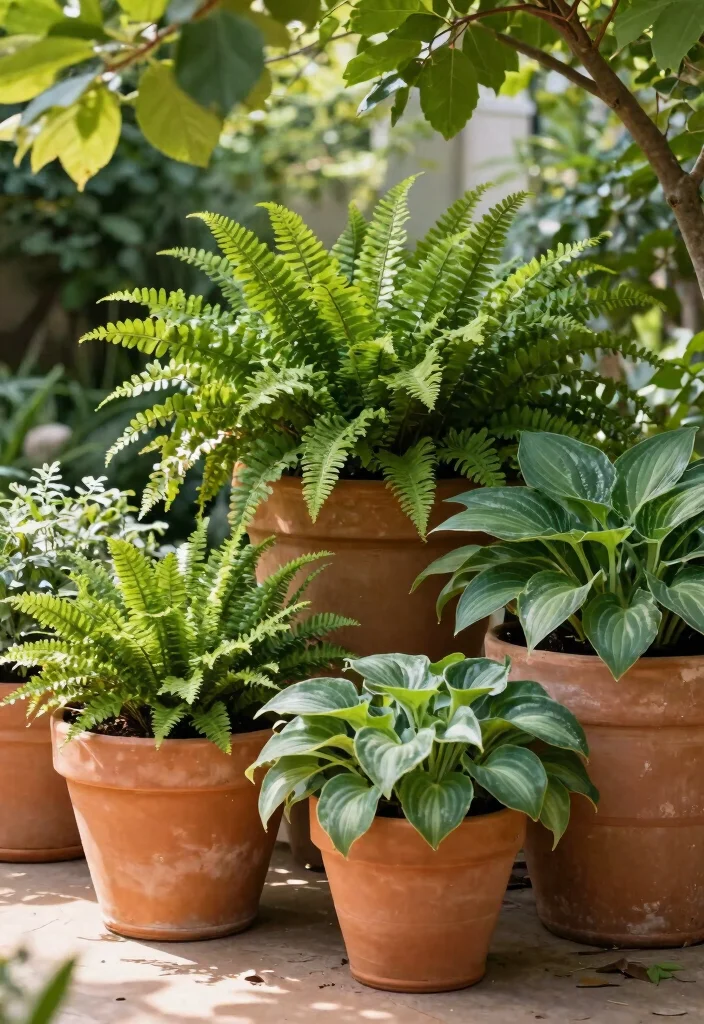
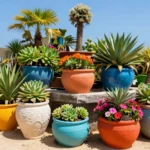
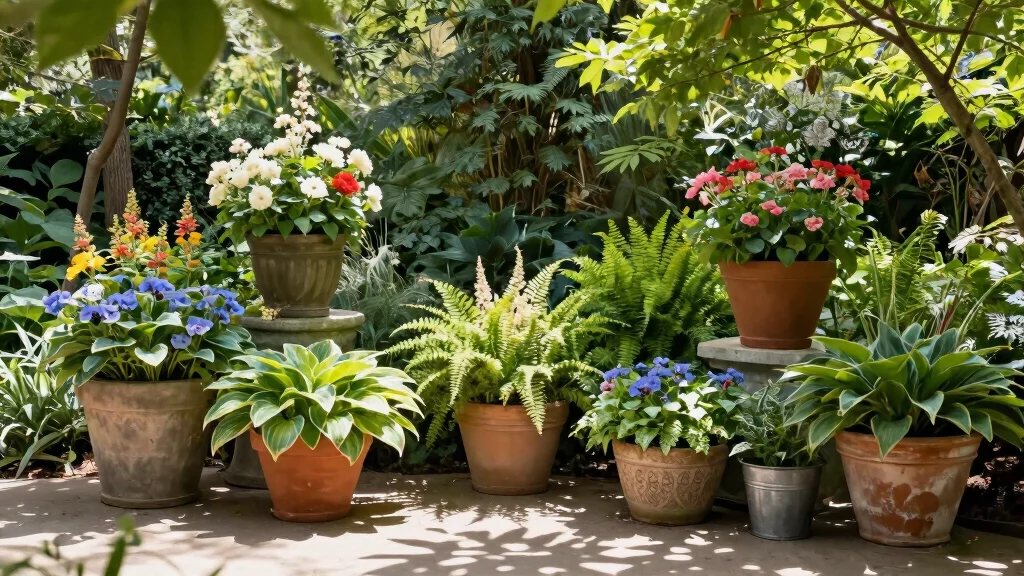
Oversized terracotta planters bring a rustic charm that enhances any outdoor space. Their warm, earthy tones beautifully harmonize with lush greenery, creating a visual feast that feels timeless. Imagine a tranquil garden filled with these pots, showcasing vibrant shade-loving plants like ferns and hostas, each one adding depth and character to your landscape. The natural texture of terracotta complements the organic forms of plants, making your garden feel inviting and grounded.To make the most of these planters, consider mixing various shapes and sizes for added visual interest. Using potting soil blended with organic compost will enrich the plants’ nutrient intake, promoting healthy growth. Grouping several planters at different heights creates a stunning focal point, while ensuring proper drainage with rocks or gravel will keep your plants thriving.Tips for Using Terracotta Planters:– Choose diverse shapes and sizes for an engaging display.
– Mix potting soil with organic compost for richer growth.
– Group planters at varying heights for added drama.
– Place rocks or gravel at the base for drainage.
The earthy beauty of terracotta enhances your garden’s appeal, while its porous surface ensures your plants receive the air and moisture they need to flourish.
2. Modern Concrete Planters
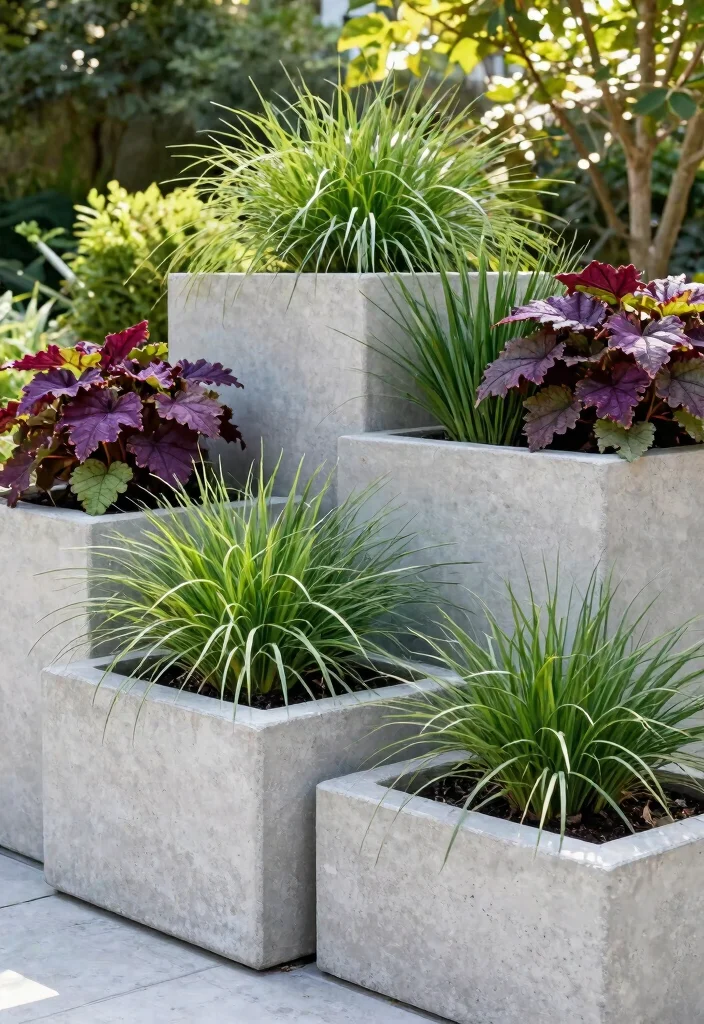
Modern concrete planters stand out with their sleek, minimalist design. Ideal for contemporary outdoor aesthetics, these sturdy containers not only withstand the elements but also add a striking visual element to your garden. Picture large concrete pots filled with elegant shade-loving plants, like heucheras or Japanese forest grass, creating a stunning juxtaposition between rugged material and delicate foliage.To implement this design, select geometric shapes that align with your modern theme. You might even personalize these planters with paint or stencils for a unique touch. Arranging them at varying heights will add depth and intrigue to your outdoor space, making it visually captivating.Ideas for Using Concrete Planters:– Select geometric shapes to enhance a modern theme.
– Personalize with paint or stencils for added flair.
– Arrange planters at different heights for visual depth.
Concrete planters are versatile and can be placed strategically near entryways or under trees, seamlessly complementing any shady outdoor environment.
Key Trade-offs & Our Top Pick
Option 1: Oversized Terracotta Planters
– Pros:
– Excellent at retaining moisture, perfect for shade-loving flowers.
– Classic design adds a natural look to outdoor spaces.
– Durable and can withstand various weather conditions.
– Cons:
– Heavy and can be difficult to move once filled with soil.
– Prone to cracking in extreme temperature changes.
– Can be more expensive compared to other materials.
– Best for: Gardeners who want a timeless look and are willing to invest in durable planters.
Option 2: Modern Concrete Planters
– Pros:
– Sleek and stylish, perfect for contemporary gardens.
– Very durable and can last for years with minimal upkeep.
– Good insulation for roots, protecting them from temperature extremes.
– Cons:
– Can be quite heavy, making them difficult to reposition.
– May require sealing to prevent moisture problems.
– Limited color options compared to ceramic or glazed pots.
– Best for: Those seeking a modern aesthetic who value long-lasting materials.
Option 3: Colorful Glazed Ceramic Planters
– Pros:
– Wide range of colors and designs to match any garden style.
– Lightweight, making them easier to move around.
– Color helps reflect sunlight, reducing heat for plants.
– Cons:
– Can chip or crack if mishandled.
– Higher cost compared to basic unglazed terracotta.
– May not retain moisture as well as other materials.
– Best for: Gardeners wanting to add a splash of color to their outdoor spaces while keeping it stylish.
Option 4: Rustic Wooden Planters
– Pros:
– Natural look blends well with outdoor gardens.
– Can be built to custom sizes for unique spaces.
– Lightweight and movable when empty.
– Cons:
– Prone to rot if not properly treated or maintained.
– May need regular sealing or staining.
– Lifespan can be shorter than other materials without care.
– Best for: DIY enthusiasts who enjoy crafting and want to create a cozy garden feel.
Option 5: Vertical Planter Systems
– Pros:
– Maximizes space, ideal for small gardens or patios.
– Keeps plants off the ground, making them easier to tend.
– Can create stunning visual displays with minimal effort.
– Cons:
– Limited to smaller plants or flowers.
– Might need regular watering due to faster drying of soil.
– Can be more expensive due to the engineering involved.
– Best for: Urban gardeners who have limited outdoor space and want to grow a variety of plants.
Best Overall: Colorful Glazed Ceramic Planters
Colorful glazed ceramic planters strike a great balance between aesthetics and functionality. They offer a vibrant pop of color, making them visually appealing in any shade garden. Their lightweight nature makes them easy to move, which is perfect if you like to rearrange your plants. Plus, with proper care, they can last a long time, providing good value for your investment.
Why We Picked This:
While colorful glazed ceramic planters are our top pick, different gardeners might prefer other options based on their unique needs. For those prioritizing durability and a modern look, concrete planters are a solid choice. If you seek a rustic charm with DIY appeal, wooden planters can be perfect. Finally, if you have limited space, vertical planter systems allow you to grow a variety of plants without taking up much ground space.
3. Colorful Glazed Ceramic Planters
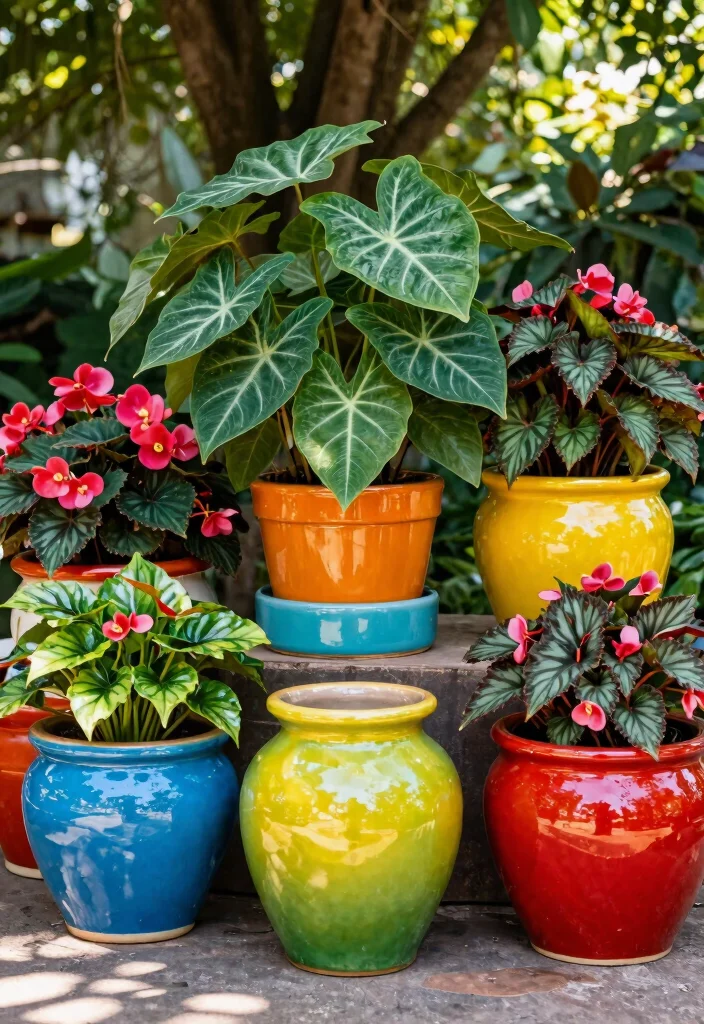
Brighten your shaded areas with vibrant glazed ceramic planters! These pots come in an array of lively colors and patterns, making it simple to find the perfect match for your garden’s personality. The glossy finish of the glaze reflects light beautifully, creating a lively contrast against the surrounding greenery. Picture these colorful pots filled with shade-loving flowers like caladiums or begonias, instantly transforming dull spaces into vibrant showcases.To maximize their impact, arrange planters in clusters for a bold statement. Mixing different colors and patterns can create a dynamic and playful atmosphere. Ensure proper drainage by adding a layer of gravel at the bottom, allowing your plants to thrive without waterlogging.Tips for Using Glazed Planters:– Cluster planters together for a striking visual effect.
– Mix colors and patterns for a lively display.
– Add gravel at the bottom for proper drainage.
The vibrant hues and glossy surfaces of glazed ceramic planters will infuse joy into your shaded spaces, creating a delightful atmosphere.
Did you know glazed ceramic planters can brighten shade by reflecting up to 40% more light than unglazed pots? Use colorful glazed ceramic planters as part of your large planter ideas outdoor shade to pair with caladiums for instant color and drama.
4. Rustic Wooden Planters
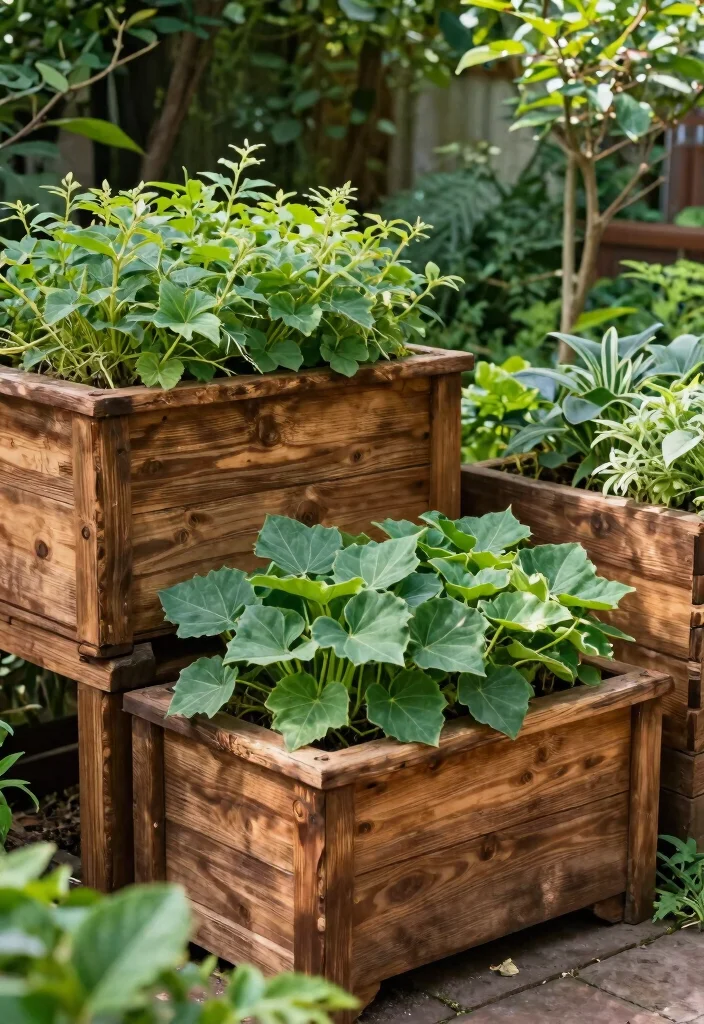
For a cozy and inviting feel, rustic wooden planters are an excellent choice. Their natural warmth adds a welcoming touch to any outdoor area, especially when filled with shade-loving plants. Picture large wooden boxes or barrels brimming with lush ferns and hostas, their leaves cascading beautifully over the edges. The organic materials promote excellent drainage, ensuring healthy roots and vibrant growth.Incorporating reclaimed wood can lend a unique, eco-friendly charm to your garden. Adding trellises to your wooden planters allows climbing shade plants to flourish. Grouping several planters together creates a more dynamic and engaging landscape.Ideas for Using Wooden Planters:– Use reclaimed wood for an eco-friendly aesthetic.
– Incorporate trellises for climbing plants.
– Position them in groups for more visual interest.
Wooden planters seamlessly blend with nature, enhancing the organic feel of your garden while providing a stunning backdrop for your plants.
❝ Rustic wooden planters bring warmth and easy drainage to shade-loving perennials. Fill large wooden boxes with ferns and hostas, letting leaves cascade over the edges. Pro tip: choose reclaimed wood for eco-friendly charm in your large planter ideas outdoor shade.
5. Stylish Wrought Iron Planters
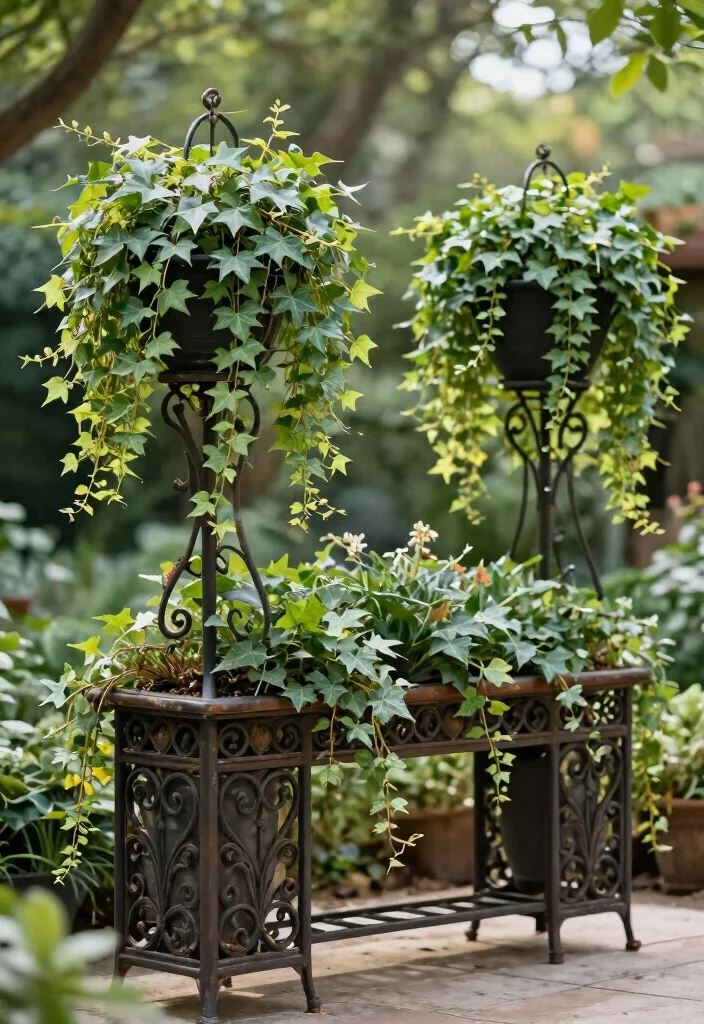
For a touch of elegance, wrought iron planters bring sophistication to your garden. Their intricate designs serve as beautiful focal points, enhancing the overall aesthetic of shaded areas. Imagine these planters filled with delicate climbing vines or cascading plants like ivy, creating a captivating visual effect that showcases the interplay between metal and greenery.To make the most of wrought iron planters, choose designs that harmonize with your garden’s overall theme. Using liners can protect the metal while insulating plant roots from temperature fluctuations. Strategically positioning these planters will highlight key areas, making your garden even more enchanting.Tips for Using Wrought Iron Planters:– Select designs that complement your garden elements.
– Use liners to protect the metal and insulate roots.
– Position them to highlight focal points in your garden.
Wrought iron planters endure various weather conditions, making them a timeless addition to your outdoor decor.
6. Vertical Planter Systems
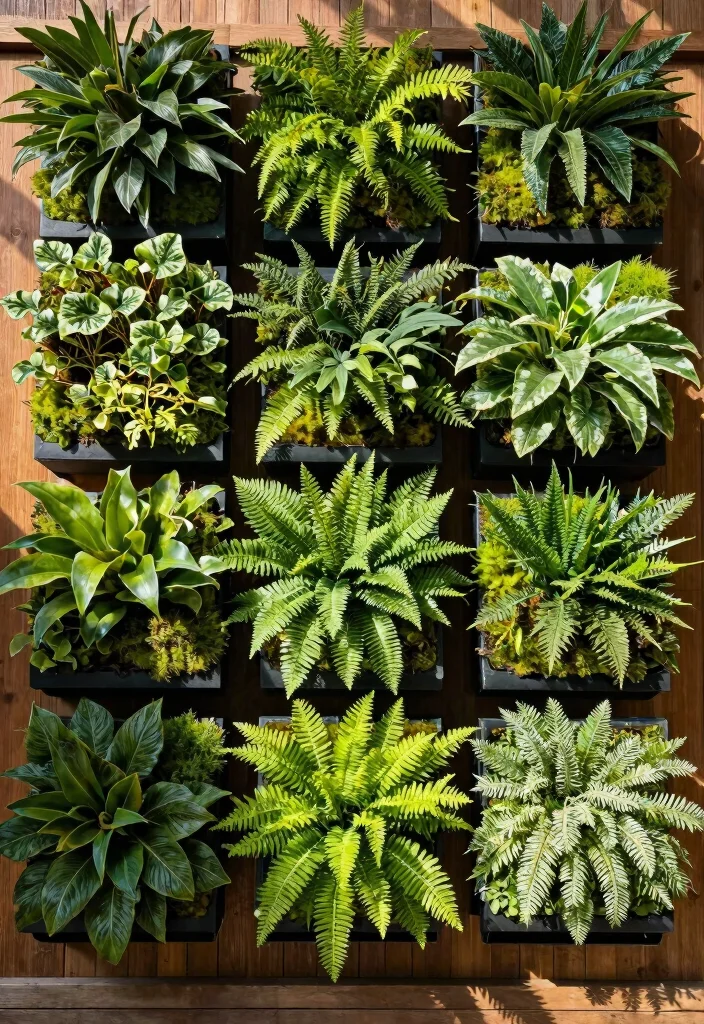
Maximize your gardening potential with vertical planter systems, perfect for limited spaces. These innovative setups allow you to grow a variety of shade-loving plants while utilizing vertical space, creating stunning vertical gardens. Large vertical planters can be freestanding or mounted on walls, offering a unique display that draws the eye upward.Fill these systems with shade-tolerant herbs, mosses, and ferns to create a lush, layered look. This vertical arrangement not only adds height but also enhances the overall visual interest in your garden, making it feel more expansive.Benefits of Vertical Planters:– Save space in smaller outdoor areas.
– Enhance visual interest in flat landscapes.
– Design them as living wall features for added charm.
Vertical planters allow you to create bold statements in shaded areas while conserving valuable floor space.
7. Unique Hanging Planters
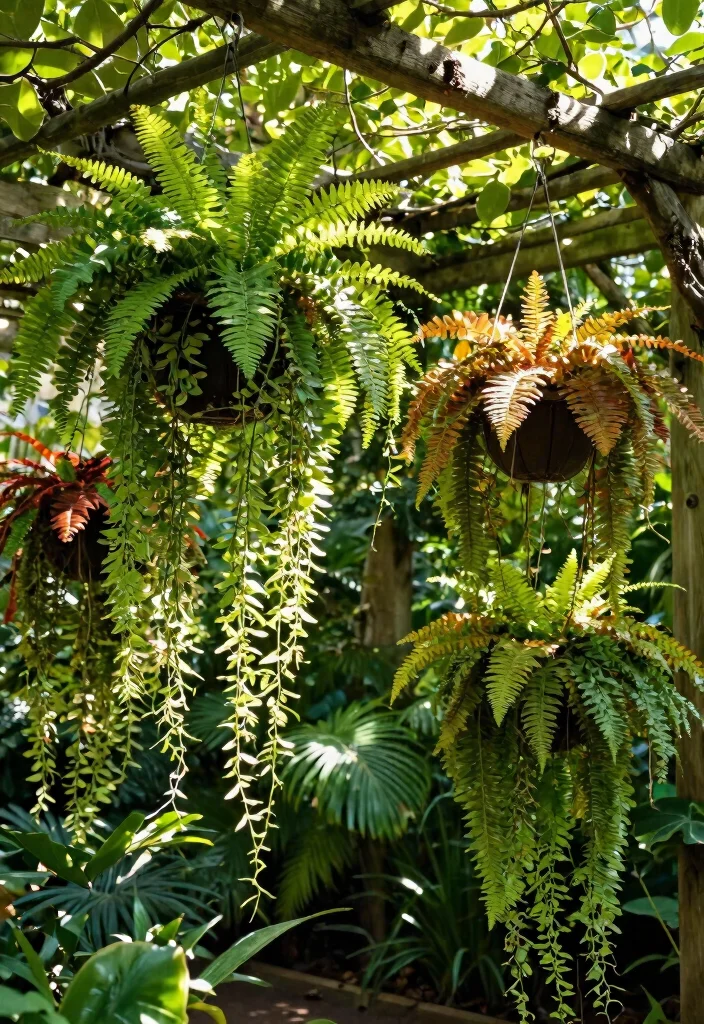
Hanging planters offer a creative way to layer your garden without taking up ground space. They work especially well in shaded areas, where plants can thrive in filtered sunlight. Picture large hanging planters suspended from tree branches or pergolas, adding a whimsical touch to your garden environment.Consider planting colorful trailing vines or cascading flowers that elegantly spill over the edges. This creates a stunning visual effect, making your plants appear to float in mid-air, which adds movement and life to your outdoor space.Tips for Choosing Hanging Planters:– Opt for sturdy materials that withstand outdoor elements.
– Ensure proper drainage to prevent overwatering.
– Mix plant types and colors for added visual interest.
Hanging planters not only save space but also enliven your garden, bringing depth and dynamic charm to your landscape.
8. Elegant Stone Planters
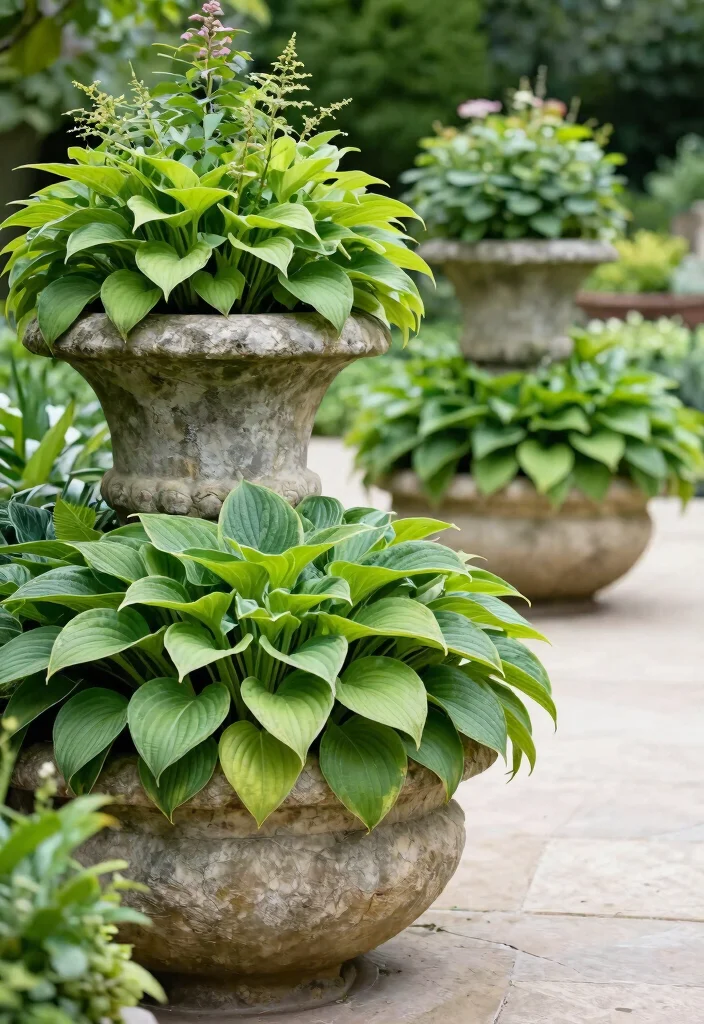
Stone planters radiate a sense of permanence and timeless elegance. These heavy-duty containers provide a solid foundation for shade-loving plants and can withstand harsh weather, creating serene focal points in your garden. Envision large stone planters filled with astilbes and hostas, their lush foliage beautifully complementing the natural stone texture.The natural beauty of stone pairs wonderfully with surrounding plants, while its insulating properties benefit plant roots across various climates. Using pairs of stone planters can frame pathways or entryways, enhancing your garden’s structure.Ideas for Using Stone Planters:– Choose natural stones that enhance your landscape design.
– Use pairs to frame entryways or pathways.
– Combine with lighting for a stunning nighttime ambiance.
Stone planters create an elegant backdrop for any shaded garden, adding a touch of nature’s beauty to your outdoor sanctuary.
Did you know stone planters can last 50+ years, outlasting many containers? Their natural insulation keeps shade-loving perennials cooler in heat, while the solid texture harmonizes with astilbes and hostas. For a timeless, practical focal point, choose large stone planters for outdoor shade.
9. Creative Repurposed Materials
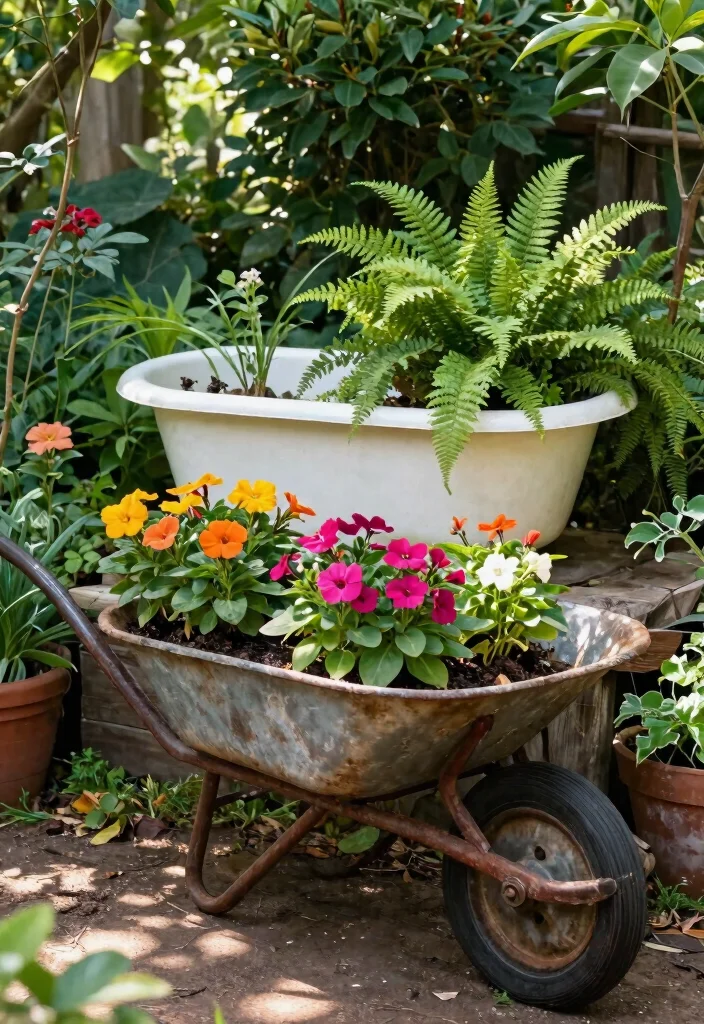
Unleash your creativity by using repurposed materials as unique planters! Transform old wheelbarrows, crates, or even bathtubs into eye-catching containers for your favorite shade-loving plants. These unconventional options add character and charm to your garden while telling a story of sustainability.Imagine an old wheelbarrow overflowing with vibrant impatiens or a vintage bathtub brimming with ferns. The charm of these repurposed materials lies in their history and how they enhance your garden’s personality.Tips for Repurposing Materials:– Ensure proper drainage by drilling holes or adding gravel.
– Clean and paint as needed to boost aesthetics.
– Mix and match different materials for a quirky display.
Repurposed planters offer a personal touch to your garden, promoting sustainability while fostering a fun and creative environment.
10. Functional Raised Planter Beds
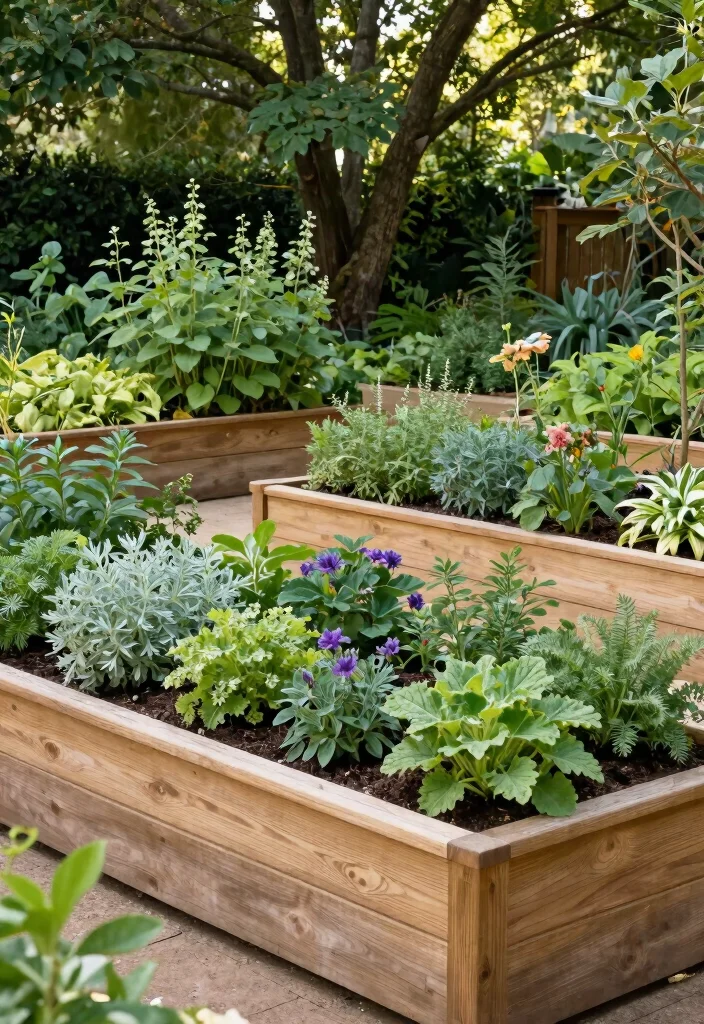
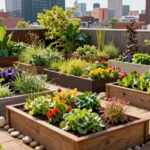
Install raised planter beds for a garden that is both beautiful and functional. These beds are ideal for shade-loving herbs and perennials, allowing for easy access while adding structure to your outdoor space. Large raised beds can be constructed with durable materials and filled with nutrient-rich soil, supporting a thriving garden.Opt for shade-tolerant herbs like chives, mint, and leafy greens, ensuring you can enjoy fresh flavors right from your garden. The elevated height improves drainage and keeps the soil in optimal condition for growth, making gardening more enjoyable.Benefits of Raised Planters:– Reduce strain on your back and knees while gardening.
– Prevent soil compaction and improve drainage.
– Design to fit any space or decorative style.
Raised planter beds provide an organized, stunning appearance in your shady garden, combining beauty with practicality.
11. Intriguing Combination Planters
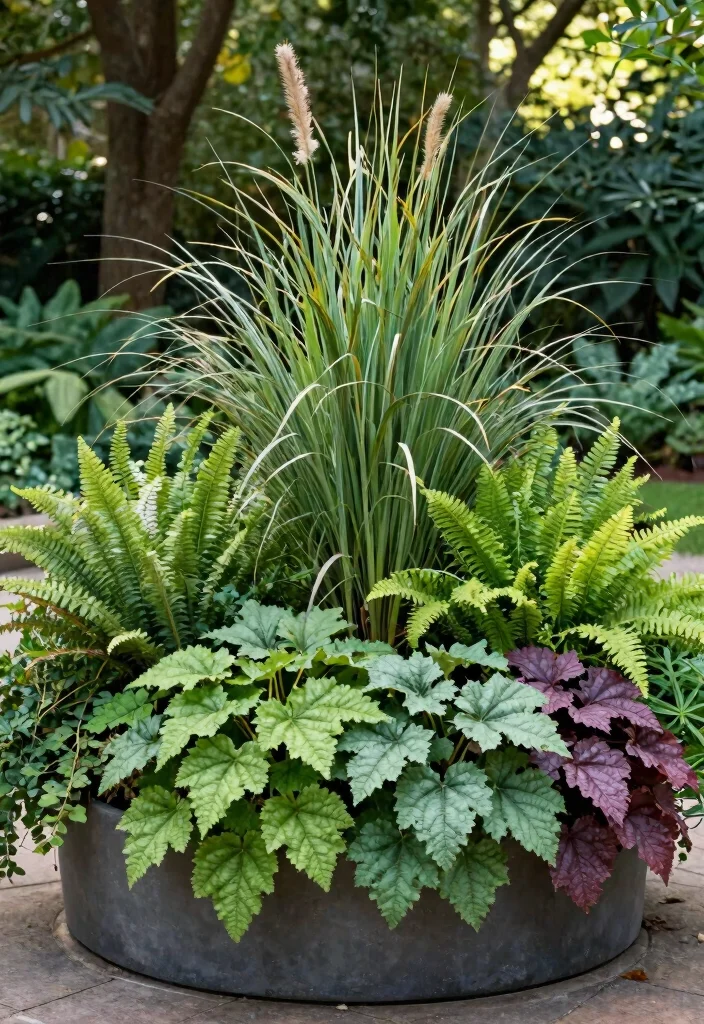
Elevate your gardening experience with combination planters! These versatile containers allow for a delightful mix of shade-loving plants, creating a multi-layered display that showcases texture and color. Large combination planters can accommodate everything from trailing vines to bold upright plants, making them ideal for crafting a lush oasis in shaded areas.Consider incorporating plants like heucheras, ferns, and ornamental grasses together for a rich visual tapestry. This diversity not only enhances aesthetic appeal but also promotes a healthy ecosystem in your garden.Tips for Successful Combination Planting:– Research plant compatibilities to ensure they thrive together.
– Choose plants with varying heights and textures for dynamic visual interest.
– Regularly maintain and trim plants to keep arrangements healthy.
Combination planters can dramatically elevate your garden’s design, transforming any shaded area into a vibrant sanctuary.
Conclusion
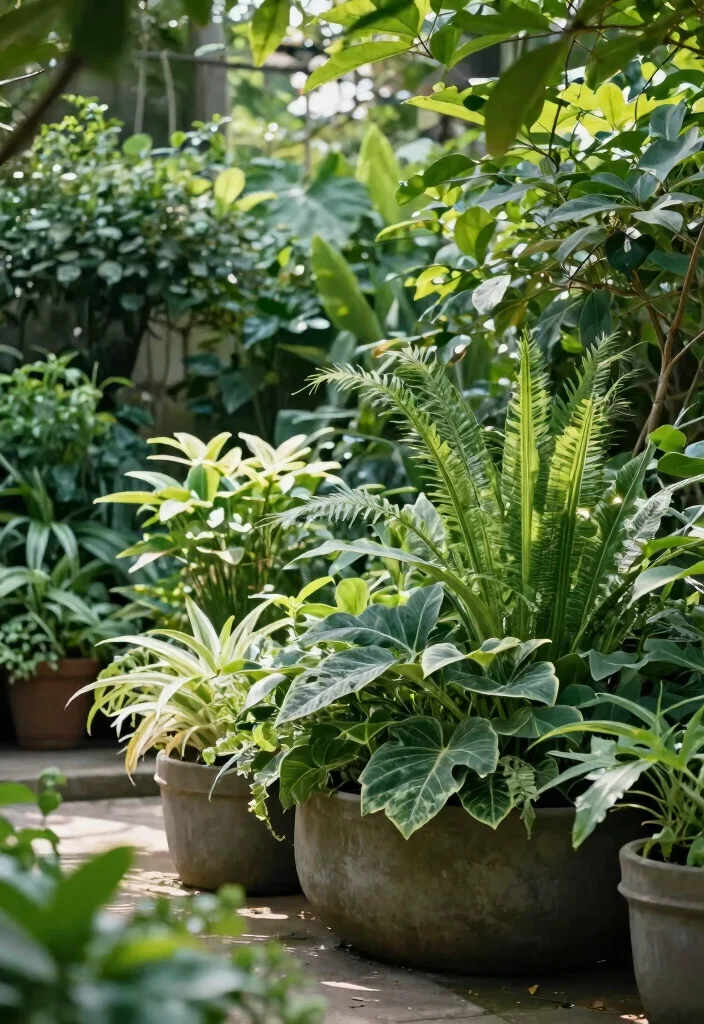
Transform your shade garden into a lush paradise with these inspiring large planter ideas! Whether you favor elegant stone, rustic wood, or vibrant glazed ceramics, there’s a perfect planter for every shade-loving plant and garden style. Consider mixing different planter types and plant varieties to create a dynamic outdoor space that reflects your personal style.
Get ready to enjoy the serenity of your shaded oasis and the happiness that comes from nurturing your plants. So grab those planters and let the gardening adventure begin!
Note: We aim to provide accurate product links, but some may occasionally expire or become unavailable. If this happens, please search directly on Amazon for the product or a suitable alternative.
This post contains Amazon affiliate links, meaning we may earn a small commission if you purchase through our links, at no extra cost to you.
Frequently Asked Questions
What are the best large planter ideas for outdoor shade lovers?
When you want a lush, shade-forward container display, start with sturdy, well-draining planters and a rich soil mix. For large planter ideas outdoor shade, choose pots that are wide and deep enough for deep-rooted perennials and heavy enough to stay put in a breeze. Fill with a moisture-retentive potting mix and group several planters together for a cohesive shade garden. For outdoor shade plants, try hostas, ferns, heuchera, astilbe, and shade-tolerant begonias. Place tall specimens at the back, mid-height plants in the middle, and trailing varieties at the edges to create depth. Water consistently but avoid soggy soil, mulch the surface, and refresh a few pieces each season to keep things looking lush.
How do I choose large outdoor pots for a shade garden?
Look for materials that hold up in damp shade—fiber-reinforced concrete, resin, or thick ceramic—and make sure each pot has draining holes. For large outdoor pots, depth matters for roots, weight helps secure them in breezy spots, and color can brighten a dark corner. Consider self-watering inserts to reduce daily chores in shade and planters with integrated trays to manage excess moisture. In terms of container gardening ideas, group a few pots at different heights to create vertical interest, and fill with a mix of shade-loving flowers and foliage to keep color and texture year-round.
Which shade-loving flowers and perennials work best in large planters?
A reliable list blends lush foliage, texture, and color. Try shade-loving flowers such as hostas, ferns, astilbes, heucheras, bergenias, and hellebores, plus dramatic begonias for summer color. Add trailing ivy or variegated perennials to spill over edges. Use a high-quality potting mix with good drainage and keep soil evenly moist but not waterlogged. In containers, roots stay cooler in shade, so you can play with leaf color and texture to keep the display vibrant throughout the season.
How can I design a shaded planter arrangement for year-round interest?
Plan for layers: tall specimens at the back, mid-height mid-season blooms in the middle, and ground-covering or trailing varieties at the front. Include evergreen or semi-evergreen foliage for winter structure and add seasonal color with a few shade-tolerant blooms. Use decorative planters for shade that match your style, and group multiple large planter ideas outdoor shade for a cohesive look. Rotate plants as seasons change, keep the soil refreshed, and consider protective covers for extreme weather to protect your plants in outdoor shade.
What maintenance tips help prevent root rot and keep large planters healthy in shade?
Ensure good drainage by checking pot holes and using a well-draining potting mix designed for containers. Water when the top inch of soil dries, but shade slows drying, so adjust your schedule and water deeply rather than frequently. Mulch the surface to conserve moisture and regulate temperature. Feed lightly with a balanced fertilizer for container plants, and remove spent blooms to encourage new growth. If roots become crowded, refresh the soil or divide plants every couple of years to keep your container gardening ideas thriving in outdoor shade.