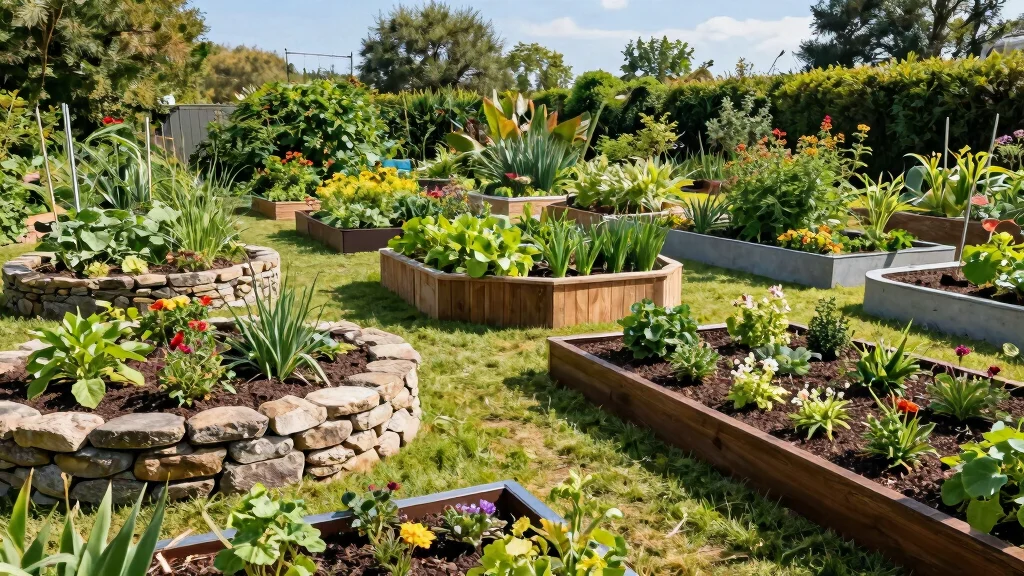
Gardening has a way of weaving joy into our lives. There’s something special about watching seeds transform into beautiful plants. It’s often the small details that elevate a garden space. This is why I created this post on neat raised garden bed border ideas. Using borders not only enhances the aesthetic appeal of your garden but also establishes a clear structure.
If you’re someone who loves gardening or enjoys DIY projects, this post is just for you. You’ll find a range of ideas that cater to varying styles and preferences. Whether you prefer traditional materials like stone and wood, or modern metals, you’ll discover options that fit your vision.
In this guide, I’ve gathered nine creative raised garden bed border ideas. Each option is unique, eco-friendly, and designed to inspire you. By exploring these ideas, you’ll be equipped with tips that make your outdoor space not only more functional but also more beautiful.
Key Takeaways
– Variety of Materials: Explore borders made from wood, stone, metal, and more—each bringing a distinct look to your garden.
– DIY Friendly: Many of these ideas are easy to implement, making them perfect for gardeners who enjoy hands-on projects.
– Eco-Friendly Options: Learn about sustainable materials that not only look good but also contribute positively to the environment.
– Visual Appeal: Discover how borders can define spaces and enhance the overall look of your garden, making it more inviting.
– Practical Tips: Get actionable advice on implementing each border style, including maintenance and design considerations.
1. Rustic Wooden Borders
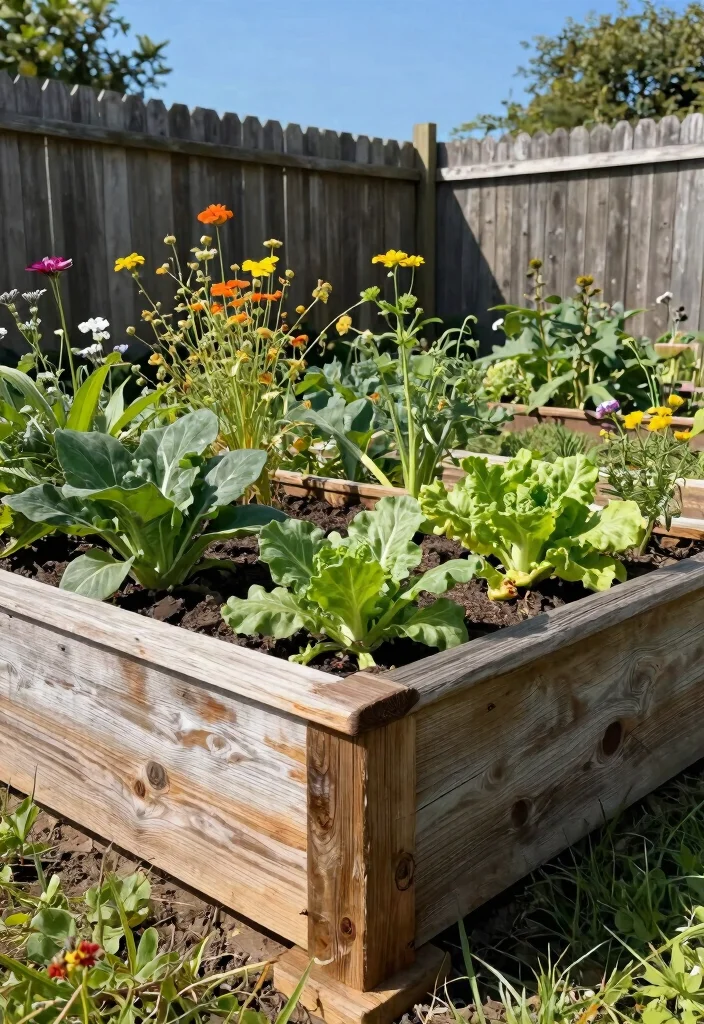
If you’re after a cozy, inviting garden vibe, rustic wooden borders are an excellent choice.
Using reclaimed wood not only enhances the natural beauty of your space but also supports sustainable practices.
These wooden edges can be styled in various shapes, whether you stack planks or arrange logs to create an organic appearance.
They effectively help retain soil moisture and structure, making them both attractive and functional.
Here are some design tips:
– Select rot-resistant woods like cedar or redwood for durability.
– Use varying heights for a whimsical, natural look.
– Add a trellis for climbing plants like beans or peas.
Rustic wooden borders can seamlessly fit into any garden layout, adding a warm touch to your outdoor haven.
2. Elegant Stone Edging
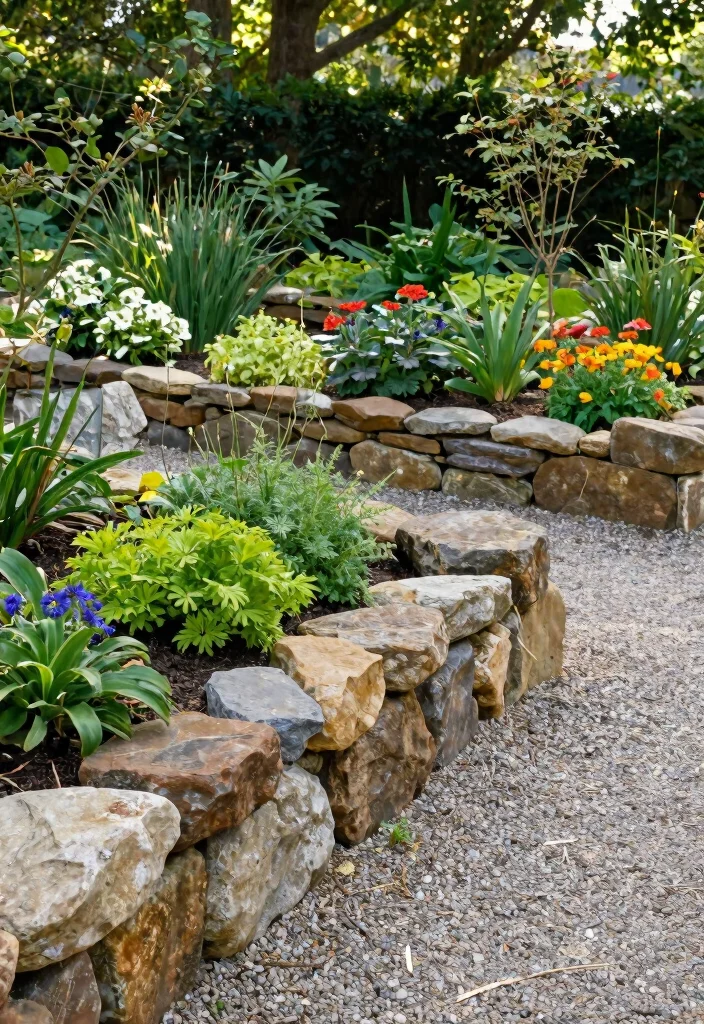
Transform your garden with the timeless beauty of elegant stone edging.
Incorporating natural stones like fieldstone, granite, or slate creates a stunning border that enhances your landscape seamlessly.
Aside from their visual appeal, stones offer incredible durability and stability.
Here are some ways to maximize the use of stone borders:
– Build a dry-stacked wall to allow water drainage and add rustic charm.
– Choose lighter stones for a sunlit feel, or darker stones for a dramatic touch.
– Create gravel paths between beds for easy access and a tidy appearance.
With stone borders, your garden can become a peaceful retreat, allowing you to enjoy its beauty without the hassle of maintenance.
3. Modern Metal Borders
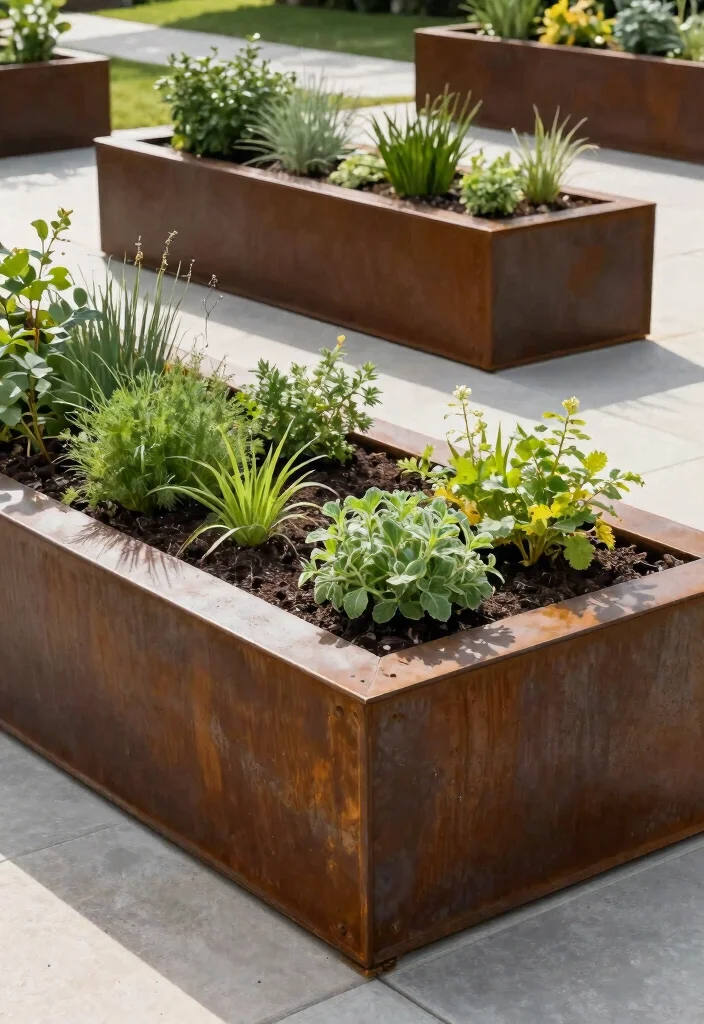
If a sleek and contemporary look appeals to you, consider modern metal borders.
Materials like corten steel or galvanized metal can add an industrial flair to your raised beds.
These metal edges not only define your garden beds but also help maintain soil temperature, protecting your plants from extreme weather.
Here’s how to creatively design with metal borders:
– Use curved sheets for a softer, fluid shape that contrasts with traditional lines.
– Leave the metal untreated for an aged, character-filled appearance.
– Pair with a minimalistic planting scheme to highlight the modern aesthetic.
Metal edging is perfect for urban gardens, giving a polished and clean touch to your outdoor space.
4. Eco-Friendly Brick Borders
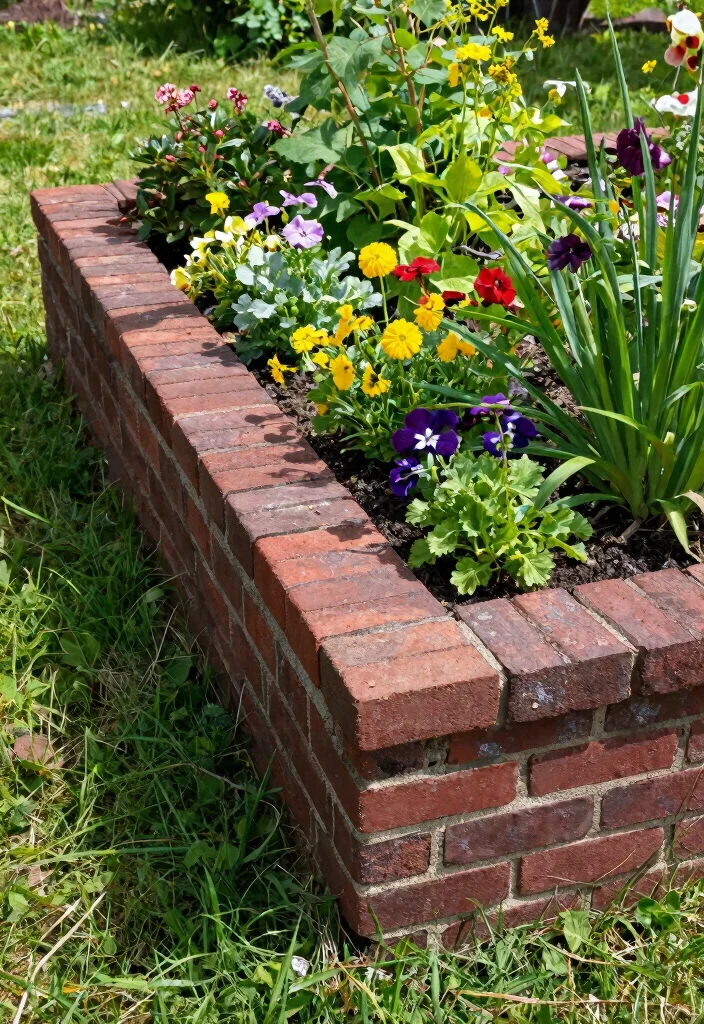
Add a classic yet eco-friendly touch to your garden with brick borders.
Using old bricks or reclaimed materials not only conserves resources but also adds character to your garden.
Brick offers versatility in arrangement, fitting seamlessly into various styles—be it cottage, formal, or modern.
Keep these tips in mind when designing with brick:
– Lay them flat for a low profile or upright for a taller wall based on your vision.
– Fill gaps with sand or gravel to ensure proper drainage.
– Mix colors and textures for added visual interest.
Brick borders enhance your garden’s stability while creating a welcoming and established atmosphere.
5. Charming Gabion Walls
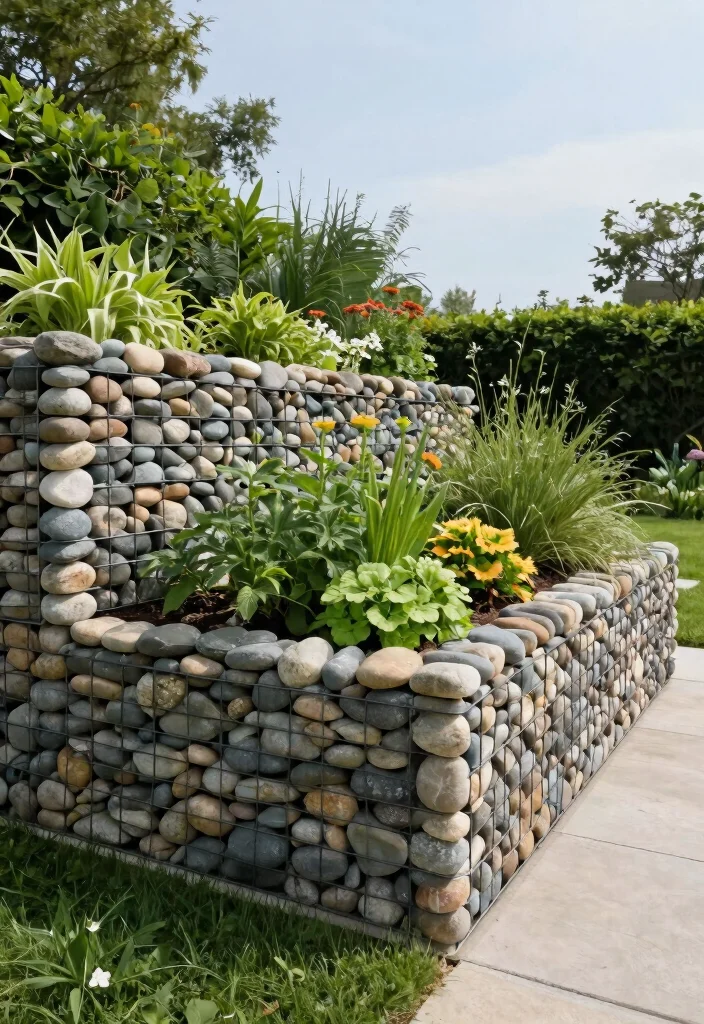
Gabion walls are a trendy and practical option for raised garden bed borders.
These wire cages filled with stones or gravel offer a unique texture and are incredibly durable.
They provide great drainage and can be filled with local stones for a natural vibe or decorative rocks for additional flair.
Consider these ideas for incorporating gabion walls:
– Design them at varying heights for visual interest.
– Use them to create seating areas in your garden for functionality.
– Combine with colorful flowers to create a striking contrast.
Gabion walls can create a modern garden space while promoting eco-friendliness and sustainability.
Did you know gabion walls can last 50+ years with minimal maintenance? Fill them with local stones for a natural, drainage-friendly border that doubles as seating—practical raised garden bed border ideas you can try.
Key Trade-offs & Our Top Pick
Option Comparison
Rustic Wooden Borders
– Pros:
– Affordable and widely available.
– Adds warmth and charm to your garden design.
– Can be easily customized to fit any shape or size.
– Cons:
– Prone to decay over time if not treated properly.
– Requires regular maintenance, like sealing or staining.
– Not as durable as stone or metal options.
– Best for: Gardeners looking for a natural, rustic feel without breaking the bank.
Elegant Stone Edging
– Pros:
– Extremely durable and weather-resistant.
– Adds a sophisticated touch to any garden.
– Low maintenance once installed.
– Cons:
– Higher initial costs compared to wood.
– Installation can be labor-intensive and may require professional help.
– Limited flexibility in shaping and design.
– Best for: Homeowners wanting a long-lasting, polished look in their garden beds.
Modern Metal Borders
– Pros:
– Sleek and contemporary design enhances modern landscapes.
– Highly durable and resistant to rust and corrosion.
– Can be shaped into unique designs for creative gardens.
– Cons:
– Can get hot in direct sunlight, potentially affecting plants.
– More expensive than wood options.
– May require specialized tools for installation.
– Best for: Gardeners looking for a stylish, modern edge that withstands the test of time.
Eco-Friendly Brick Borders
– Pros:
– Made from recycled materials, great for eco-conscious gardeners.
– Provides a classic look while being sturdy and reliable.
– Good insulation for soil temperatures.
– Cons:
– Installation can be time-consuming and requires some skill.
– Heavy, making it difficult to move once set in place.
– Limited color options compared to other materials.
– Best for: Environmentally conscious individuals who want a traditional and sustainable option.
Charming Gabion Walls
– Pros:
– Unique and eye-catching design.
– Supports local wildlife by providing habitats.
– Very durable and can withstand harsh weather.
– Cons:
– More expensive due to materials needed to fill the baskets.
– Can take up considerable space in smaller gardens.
– Requires proper drainage to prevent water buildup.
– Best for: Creative gardeners looking to make a statement while being eco-friendly.
Expert Recommendation:
Best Overall: Elegant Stone Edging
For most people, elegant stone edging is the best choice. It combines durability with a refined aesthetic that enhances any garden. While the initial investment is higher, the long-term value and low maintenance make it worthwhile. It withstands weather changes and looks great for years to come. ✔️
Why We Picked This:
Different gardeners will have varying preferences based on their needs. If you want cost-effectiveness, rustic wooden borders might appeal to you. For a contemporary look, modern metal borders are excellent. Eco-friendly types will lean towards brick or gabion walls. Consider what matters most to you: looks, price, or sustainability! 💡
6. Colorful Recycled Materials
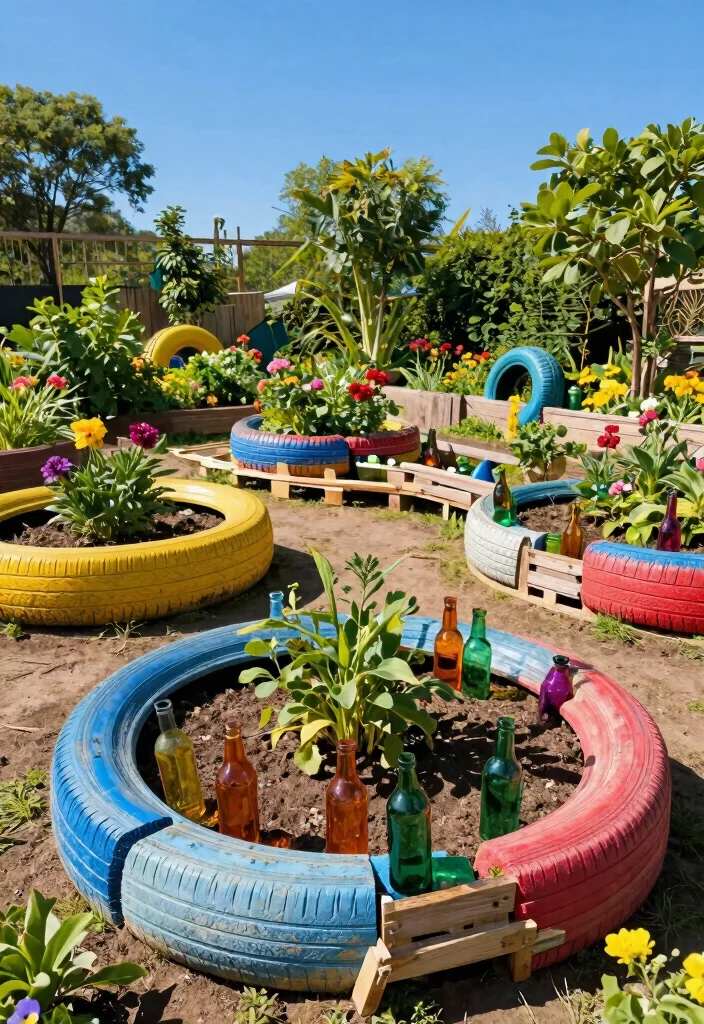
Embrace your creativity with colorful recycled materials for garden bed borders.
Upcycling items like tires, bottles, and wooden pallets can inject personality and vibrancy into your outdoor space.
This approach not only cuts down on waste but also adds a whimsical touch to your garden.
Check out these fun ideas:
– Use painted tires as circular borders for a playful look.
– Stack wooden pallets to create height and dimension.
– Integrate colorful bottles for a unique edge that sparkles in the sunlight.
Recycling enhances the environment while allowing you to put a personal spin on your garden, making it uniquely yours.
7. Minimalist Concrete Borders
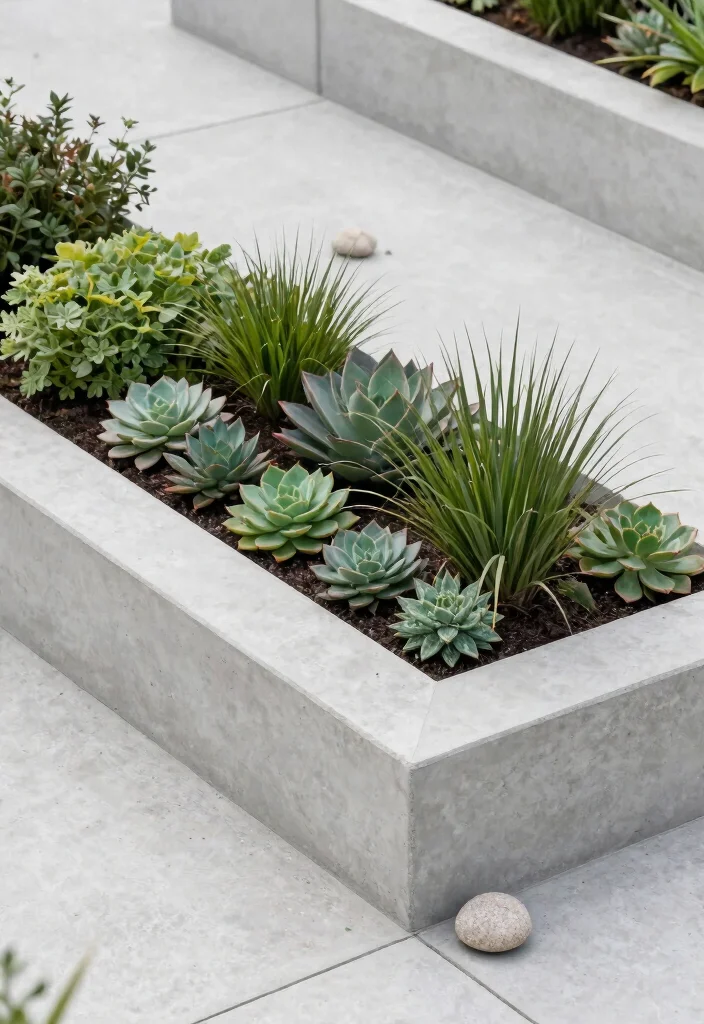
For a clean, sophisticated vibe, minimalist concrete borders are the way to go.
These borders provide a smooth, modern look that complements various landscape styles.
Concrete is durable and low-maintenance, perfect for those who prioritize functionality alongside aesthetics.
To effectively use concrete:
– Pour it into molds for custom shapes that fit your garden design.
– Add texture to the surface for added visual interest.
– Pair with modern plants like succulents or ornamental grasses for a polished appearance.
Concrete borders can elevate your garden’s beauty while ensuring practicality.
8. Sustainable Composite Borders
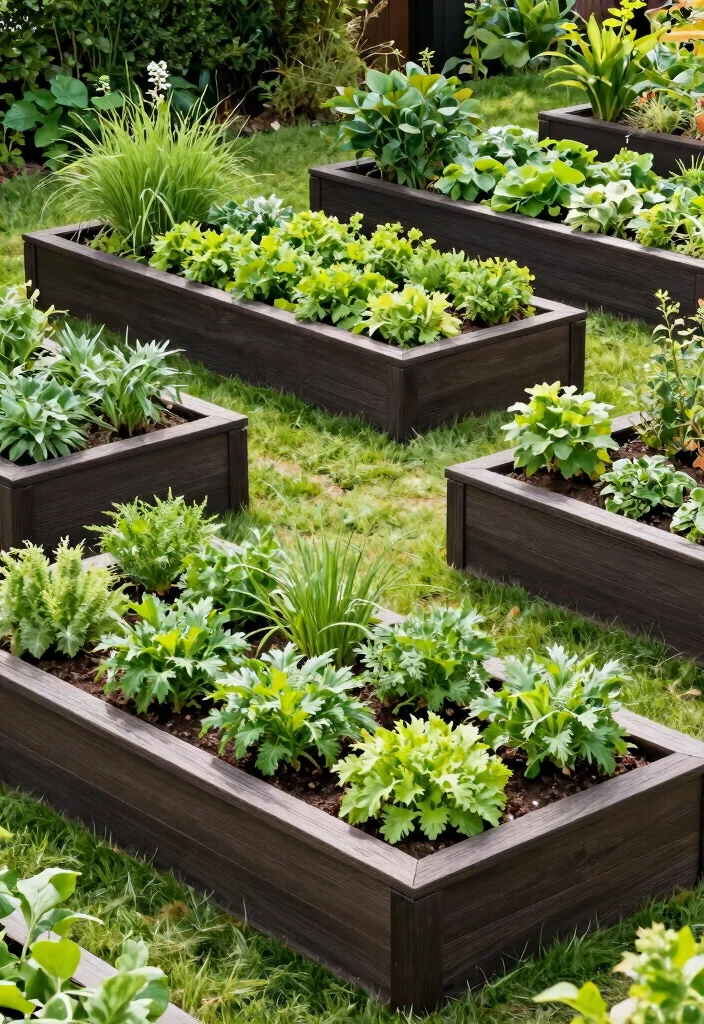
Sustainable composite materials are ideal for eco-conscious gardeners seeking stylish, durable borders.
Made from recycled plastics and wood fibers, these materials mimic the look of wood without the upkeep.
Composite borders resist fading, splintering, and insect damage, making them a smart investment.
Here are some ideas for using composite borders:
– Select colors that blend seamlessly with your landscape.
– Combine with raised beds of different heights for visual interest.
– Experiment with various shapes to create playful designs.
With their eco-friendly properties, composite borders enhance your garden’s beauty while being gentle on the planet.
Fun fact: Sustainable composite borders are built from recycled plastics and wood fibers, delivering a wood-look that lasts up to 2x longer than traditional timber. They resist fading, splintering, and insects—making your raised garden bed border ideas easier to maintain and weather-ready.
9. Whimsical Fencing Borders
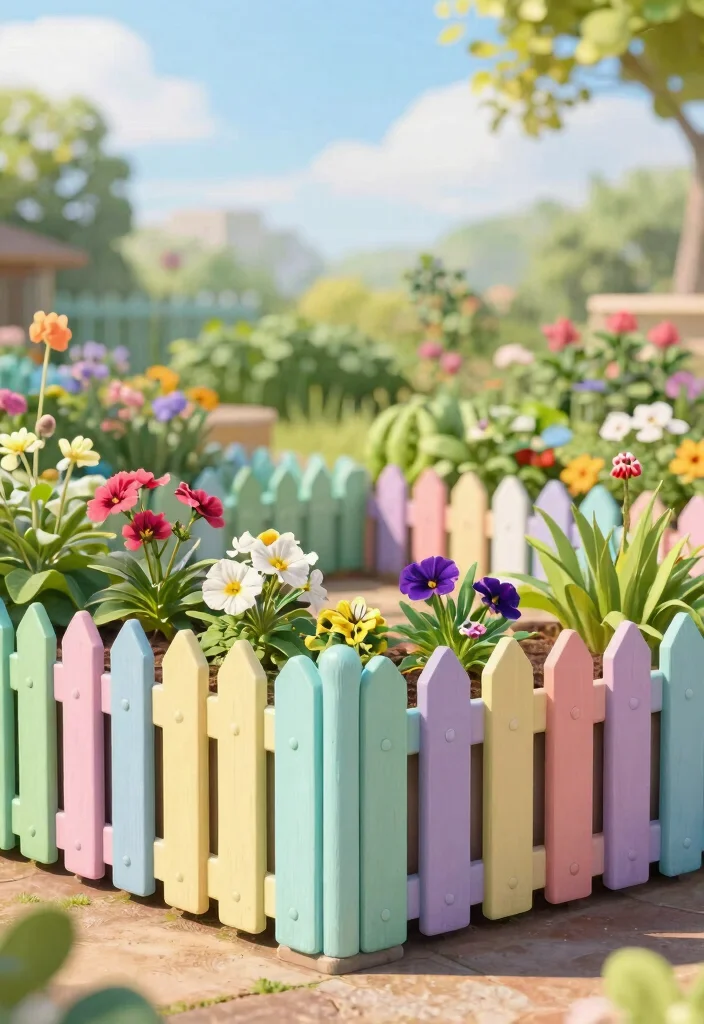
Add charm and character to your raised garden beds with whimsical fencing.
Picket fences, bamboo, or repurposed garden gates can create a delightful border that showcases your gardening style.
These options don’t just define your garden space; they also inject personality into your outdoor area.
Here are some whimsical fencing ideas:
– Paint the fence in bright colors for a lively vibe.
– Incorporate a gate for easy access and an inviting feel.
– Use bamboo stakes for a natural, rustic touch.
Whimsical fencing borders can foster a charming garden atmosphere, welcoming both you and your visitors.
Whimsical fencing brings your raised garden bed border ideas to life. A bright-painted picket fence or bamboo screen defines space, invites hands-on access, and keeps garden clutter in check. Practical charm is totally doable today.
Conclusion
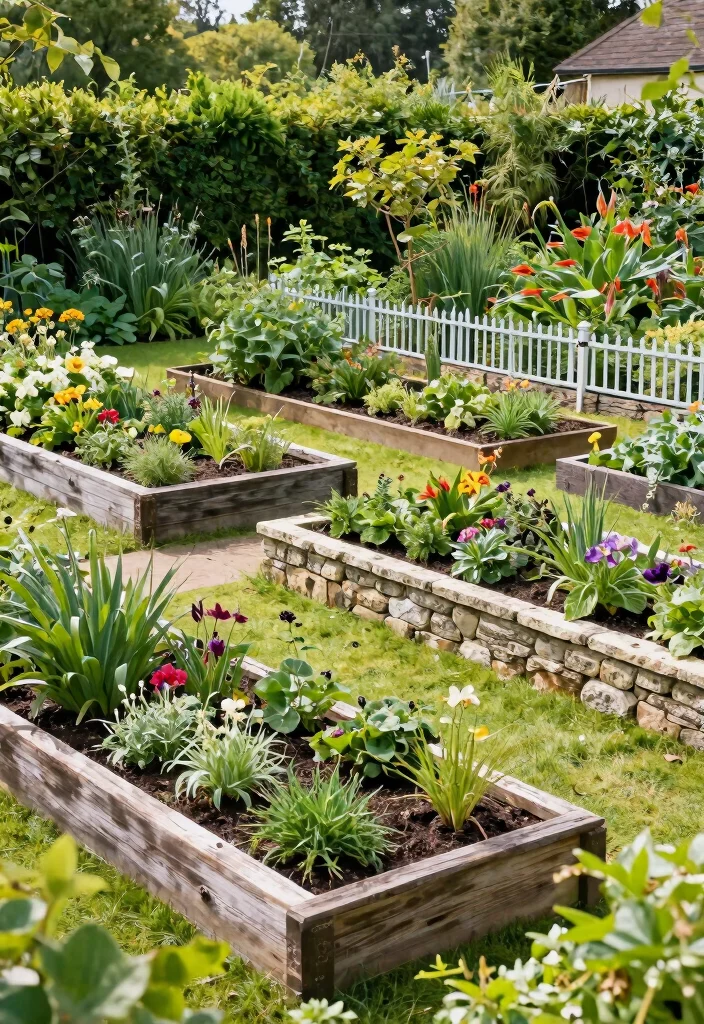
Creating borders for your raised garden beds doesn’t just enhance their functionality; it adds beauty and style to your outdoor space.
From rustic wooden edges to modern metal and colorful recycled materials, there’s a design for everyone.
Embrace your creativity and choose elements that resonate with your gardening style, making each bed a unique expression of art and nature.
After all, a beautiful garden not only nourishes plants but also the soul.
Note: We aim to provide accurate product links, but some may occasionally expire or become unavailable. If this happens, please search directly on Amazon for the product or a suitable alternative.
This post contains Amazon affiliate links, meaning we may earn a small commission if you purchase through our links, at no extra cost to you.
Frequently Asked Questions
Question: What Are the Best Eco-Friendly Materials for a Raised Garden Bed Border?
Choosing eco-friendly options helps protect the environment while keeping your borders durable. Here are top materials to consider for raised garden bed border ideas: reclaimed stone or locally sourced stone; reclaimed brick; sustainably sourced wood (such as cedar or redwood from responsibly managed forests); recycled metal (like corten steel); and recycled composite borders. Avoid chemically treated woods near edible beds. When selecting, weigh durability, weight, cost, and ease of installation in your space. Then plan using your landscaping ideas and outdoor gardening tips to match your style. For a quick starter, a 4–6 inch border of cedar or reclaimed stone works great.
Question: How Do I Choose Between Stone, Wood, and Metal Borders for Raised Beds?
All three have different vibes and trade-offs. Stone borders are durable and timeless but heavy and pricey; best for permanent beds. Wood borders — easy to cut and install, warmer look, but require maintenance and careful material choice (prefer sustainably sourced wood or rot-resistant varieties). Metal borders like corten steel or aluminum last long, look sleek, but can heat soil and may feel bold in small spaces. To decide, consider your climate, maintenance tolerance, and budget. Pro tip: source local garden border materials to minimize transport. If you want DIY flexibility, wood or stone are easiest to adapt. Use this as a guide to your raised garden bed designs.
Question: Can I DIY Raised Garden Bed Borders, and What Tools Do I Need?
Absolutely. DIY garden borders can save money and let you tailor the look to your space. Start with a simple plan and budget. Tools you’ll likely need: tape measure, carpenter’s square, level, saw (hand or circular), drill/driver, screws or brackets, rubber mallet, chisel, safety glasses. Materials: boards or blocks in your chosen border material, edging stakes, and a liner if needed. Steps: mark the perimeter, cut pieces to length, pre-drill holes, assemble on the ground, place the border in a shallow trench, backfill and tamp, then cap or finish edges. For edibles, choose non-toxic sealants only if necessary. This is a great opportunity to explore DIY garden borders and raised garden bed border ideas.
Question: How Can Border Ideas Improve Drainage, Soil Health, and Maintenance?
Borders do more than frame your beds — they influence drainage, soil retention, and weed control. Set borders high enough to keep soil in, but design gaps or permeable joints to prevent water from pooling around the frame. Use materials that won’t leach toxins into soil, especially near edibles. For drainage, ensure a slight slope away from paths and consider a shallow trench under the border to allow water to escape. Border aesthetics also guide mulch and compost placement for soil health. Practical tips: align borders with existing paths (landscaping ideas) and choose permeable edge materials. Keep borders tidy with annual weeding and occasional cleaning.
Question: What Maintenance Tips Keep Raised Garden Bed Borders Looking Good and Lasting Long?
To keep borders durable: inspect for damage at the start of each growing season; clean off dirt and algae; re-seal wooden borders every 3–5 years with eco-friendly products; replace rusted metal sections promptly; reset stone or brick if settling occurs; check for pests or rot and address quickly. Winterize by clearing debris and ensuring water can flow away from borders. A small annual touch-up with mulch and vegetation control goes a long way toward landscaping ideas and outdoor gardening tips.