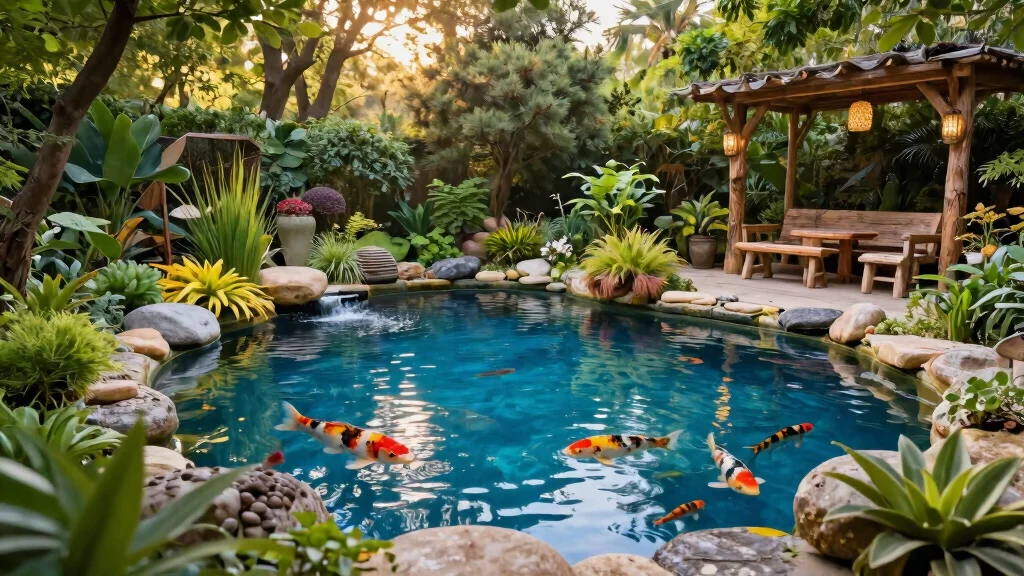
Creating a garden pond is like inviting a little slice of nature into your backyard. This post is inspired by the beauty and serenity that a well-designed pond can bring to your outdoor space. If you’re searching for ways to enhance your garden with calming water features, you’re in the right place. Garden ponds can transform a standard yard into a stunning retreat, complete with vibrant aquatic plants and the gentle sounds of flowing water.
If you’re a gardening enthusiast or simply someone who appreciates outdoor aesthetics, this collection of 25 breathtaking garden pond inspiration photos is tailored for you. Whether you’re a novice looking to dip your toes into DIY pond projects or a seasoned gardener searching for unique pond design ideas, there’s something here that will spark your creativity. You’ll discover designs that fit various styles, from natural stone edges to modern geometric shapes, all perfect for creating a serene garden retreat.
With this comprehensive guide, you’ll receive not only a treasure trove of visual inspiration but also practical tips for implementing these ideas in your own backyard. Each photo showcases different elements to consider, whether it’s adding aquatic plants for landscaping, incorporating relaxing seating areas, or designing ponds that attract local wildlife. Get ready to immerse yourself in these stunning designs that will make your garden the envy of the neighborhood!
Key Takeaways
– Explore 25 stunning garden pond ideas that cater to various aesthetics and budgets, from rustic to modern designs.
– Discover DIY pond projects that allow you to create a beautiful water feature without breaking the bank.
– Learn about aquatic plants landscaping to enhance your pond’s beauty while promoting a healthy ecosystem.
– Find inspiration for backyard water features that include unique elements like waterfalls, bridges, and seating areas.
– Get tips for creating serene garden retreats that serve as peaceful escapes in your own home.
1. Natural Stone Edged Pond
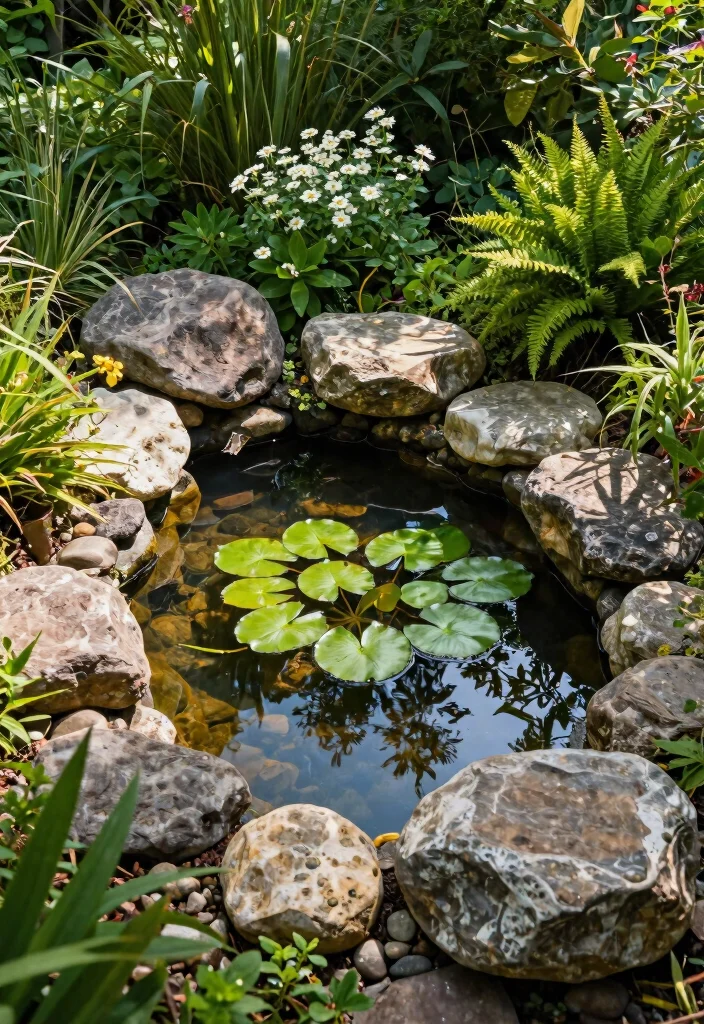
Imagine a garden pond framed by natural stone edges, adding a rustic charm that draws you in. These rugged stones beautifully blend with the landscape, creating a space that feels organic and welcoming to wildlife. With the right materials and arrangement, you can create a serene retreat right in your backyard.
To get started, select locally sourced stones for a cohesive look that harmonizes with your environment. Surround the pond with native plants to support local wildlife and maintain a thriving ecosystem. Adding a few vibrant water lilies can enhance the visual appeal while offering shelter for fish.
Key benefits of a natural stone edged pond:
– Use local stones for a seamless look
– Integrate native plants for wildlife support
– Include water lilies for beauty and shelter
– Install solar lights to illuminate at night
This design not only enhances your garden’s aesthetic but also invites nature into your outdoor space, creating a tranquil environment you’ll love to enjoy.
How To Choose The Right Garden Pond Design
Creating a beautiful garden pond can transform your outdoor space into a serene retreat. However, with so many styles and features available, selecting the right design can feel overwhelming. Here’s a comprehensive guide to help you make the best choice for your garden pond.
1. Size Matters
Consider the available space in your garden. Small yards might benefit from a compact pond, while larger gardens can accommodate bigger designs. A general rule is to aim for a pond size that is proportional to your backyard. For example, a 100-square-foot garden can comfortably fit a 5×5 foot pond.
2. Material Selection
The material you choose for your pond affects its durability and aesthetic. Common options include flexible liners, pre-formed shells, and concrete. Flexible liners are great for DIY projects and custom shapes, while pre-formed ponds offer easier installation. Concrete, though more labor-intensive, provides a sturdy and long-lasting solution.
3. Features and Additions
Think about additional features that can enhance your pond’s beauty and functionality. Waterfalls add dynamic movement and soothing sounds, while a seating area allows for relaxation. Consider incorporating aquatic plants landscaping for natural beauty and to improve water quality. You might also want to include fish or frogs, which can create a lively ecosystem.
4. Budgeting Your Project
Before you start, establish a clear budget. Determine how much you’re willing to spend on materials, plants, and any additional features. Keep in mind that while DIY pond projects can save you money, hiring professionals might be necessary for larger or more complex designs. Plan for ongoing maintenance costs, such as water treatments and plant care.
5. Climate and Environment
Your local climate plays a significant role in pond design. If you live in a region with extreme temperatures, consider how this might affect the aquatic plants and fish you choose. Make sure to select species that are well-suited to your area. Additionally, think about sun exposure; shaded areas might require different plants than sunny spots.
Pro Tip: Look at existing garden pond inspiration photos to visualize your dream pond! Collect images that resonate with your vision. This can help you clarify your style preferences and provide a reference when choosing materials and features.
By considering these key factors, you can craft a garden pond that fits your personal style and enhances your outdoor living space. Remember, the best pond design is one that reflects your tastes while harmonizing with your garden’s overall aesthetic. Happy pond planning!
2. Modern Geometric Pond
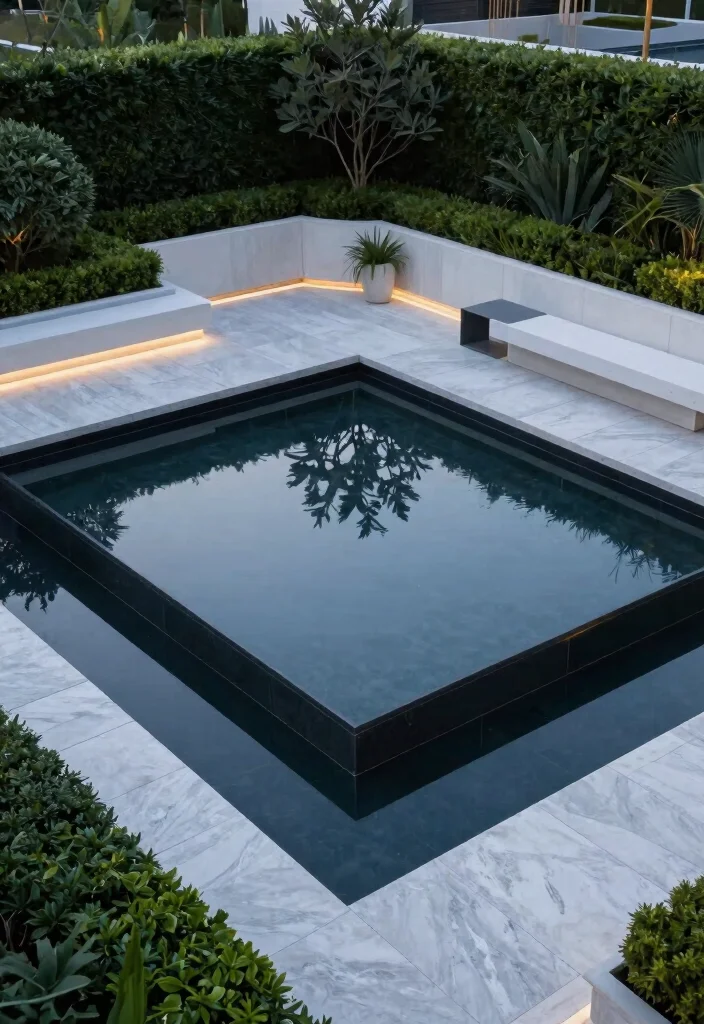
Sleek and sophisticated, a modern geometric pond introduces a contemporary flair to your garden. Its clean lines and minimalist design make it a stunning focal point that complements modern architecture beautifully. This style emphasizes simplicity while offering endless design possibilities.
To create your own geometric pond, consider shapes like rectangles or circles that fit seamlessly into your outdoor space. Adding reflective surfaces, such as glass tiles, can elevate the elegance of the area. Incorporate a water feature like a fountain to introduce soothing sounds alongside the visual beauty.
Essential elements for a modern geometric pond:
– Choose sleek shapes like rectangles or circles
– Use reflective materials for added elegance
– Add a fountain for gentle sounds
– Include LED lights for nighttime ambiance
This design transforms your garden into a chic oasis, perfect for relaxation or entertaining guests.
3. Wildlife-Friendly Pond
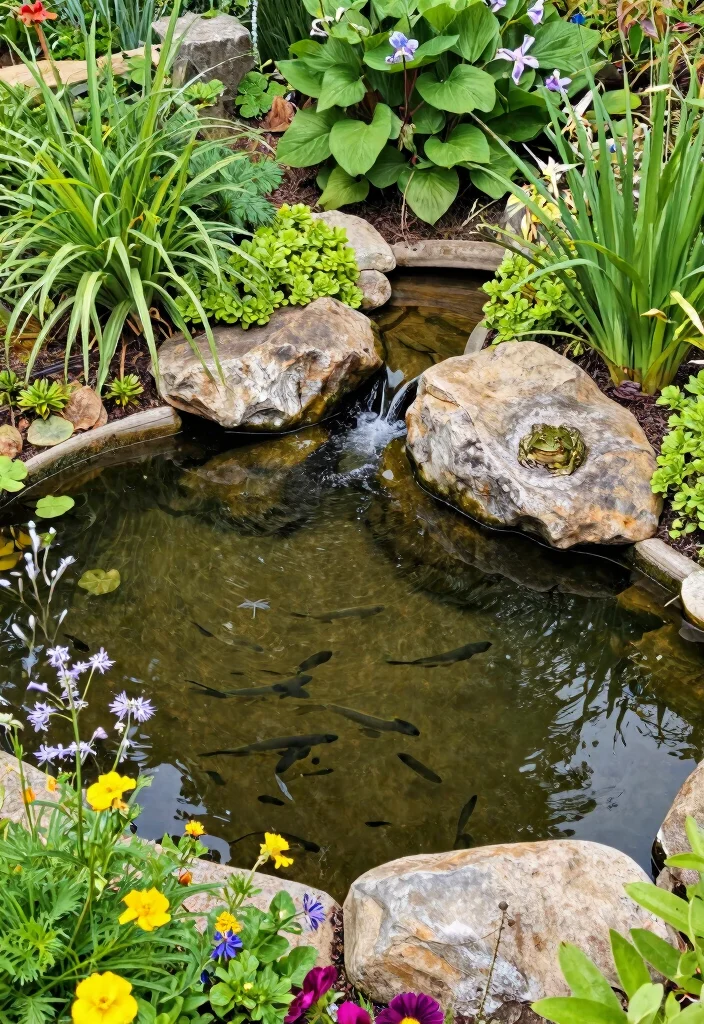
Creating a wildlife-friendly pond is a fulfilling project that enhances your garden’s ecosystem. By incorporating shallow edges and diverse depths, you can attract frogs, dragonflies, and other beneficial creatures. This approach fosters a thriving habitat right in your backyard.
Start by ensuring safe entry points for wildlife, and use natural filtration like rocks and gravel to keep the water clean. Introduce native plants such as cattails and rushes that provide shelter and food for local wildlife. Consider adding a small stream for added habitat variety and visual interest.
Tips for designing a wildlife-friendly pond:
– Include shallow areas for easy access
– Use natural filtration methods for clean water
– Plant native species for shelter and food
– Create diversity with a small stream or wetland
This pond design not only supports wildlife but also creates a vibrant, engaging environment for you and your family.
4. DIY Pallet Pond
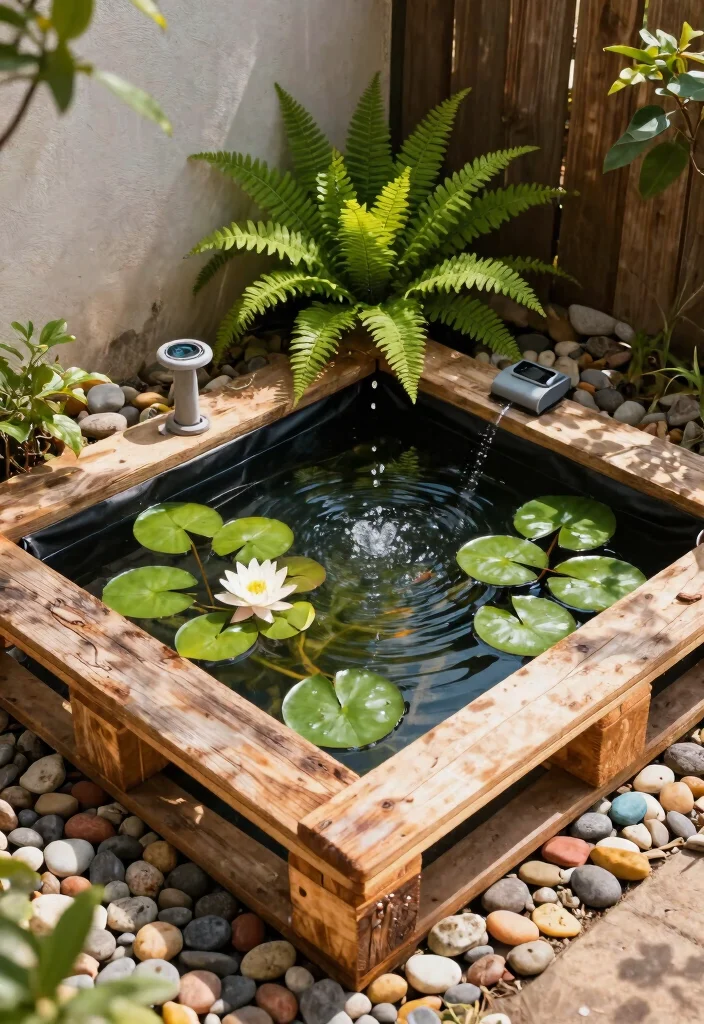
If you’re up for a fun project, crafting a DIY pallet pond is a creative way to add a stunning water feature to your garden. Using reclaimed pallets not only brings a rustic charm but also promotes eco-friendliness.
Begin your project by finding a flat, sunny spot and constructing a rectangular shape with the pallets. Secure them with screws, and line the interior with a pond liner to prevent leaks. Personalize your pond by painting the pallets or leaving them natural, and fill it with vibrant aquatic plants like water lilies for a lively atmosphere.
Steps for building your DIY pallet pond:
– Choose a sunny location for placement
– Secure pallets with screws for stability
– Line the interior with a pond liner
– Fill with colorful aquatic plants for appeal
This project allows you to express your creativity while creating a delightful retreat that enhances your garden’s charm.
5. Tropical Oasis Pond
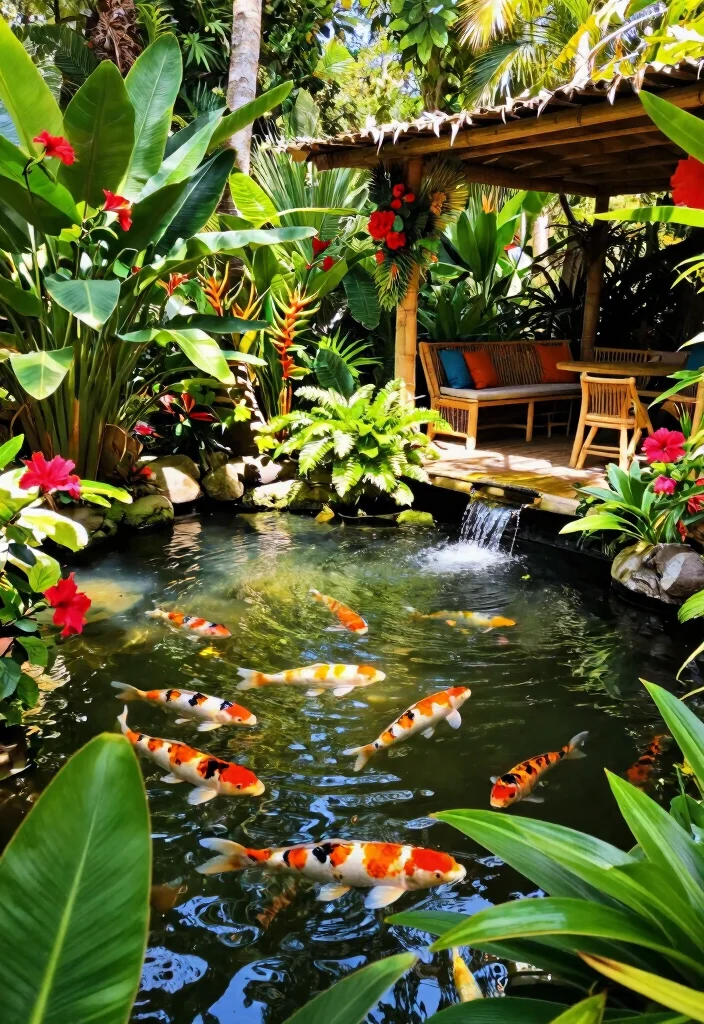
Transform your backyard into a vibrant tropical paradise with a lush oasis pond. This design features abundant plant life and colorful aquatic inhabitants, creating an inviting and lively atmosphere.
Incorporate large-leaved plants like elephant ears and banana plants for dramatic flair. Brightly colored koi or goldfish can add splashes of color to the water, making it feel dynamic. Enhance your oasis with a waterfall or stream to mimic the tranquility of tropical retreats, and surround the area with rich, vibrant flowers like hibiscus.
Elements for your tropical oasis pond:
– Include large-leaved plants for drama
– Add colorful fish for visual interest
– Use a waterfall for soothing sound
– Surround with vibrant tropical flowers
This pond design fosters an enchanting escape that invites you to relax and enjoy the beauty of nature.
6. Reflective Serenity Pond
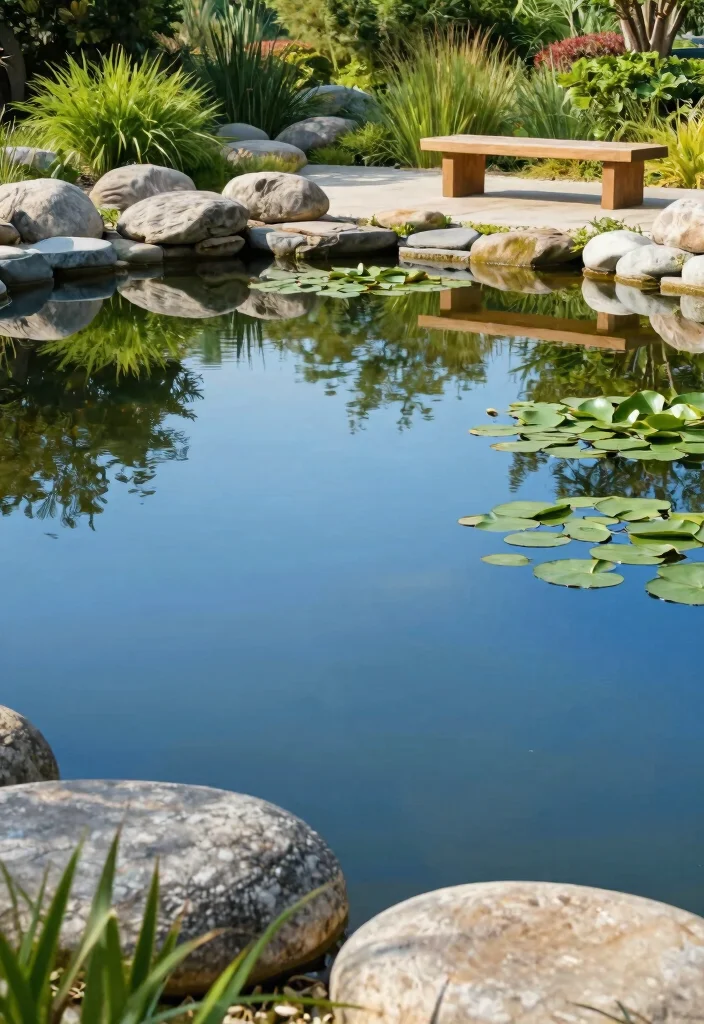
A reflective pond creates a peaceful atmosphere, mirroring the beauty of your garden and providing a tranquil space for relaxation. This design emphasizes calmness and serenity, making it perfect for meditation.
To achieve this look, ensure flat surfaces around the pond for optimal reflection. A larger, simply designed pond enhances the focus on nature’s beauty. Incorporate smooth stones and minimalist landscaping elements to maintain a serene vibe, allowing the water’s stillness to shine.
Key features for a reflective serenity pond:
– Use flat surfaces for clear reflections
– Keep the design simple to highlight nature
– Incorporate smooth stones for minimalism
– Add floating plants for habitat and beauty
This design not only enhances your garden’s tranquility but also offers a calming retreat for moments of quiet reflection.
7. Edible Aquatic Garden
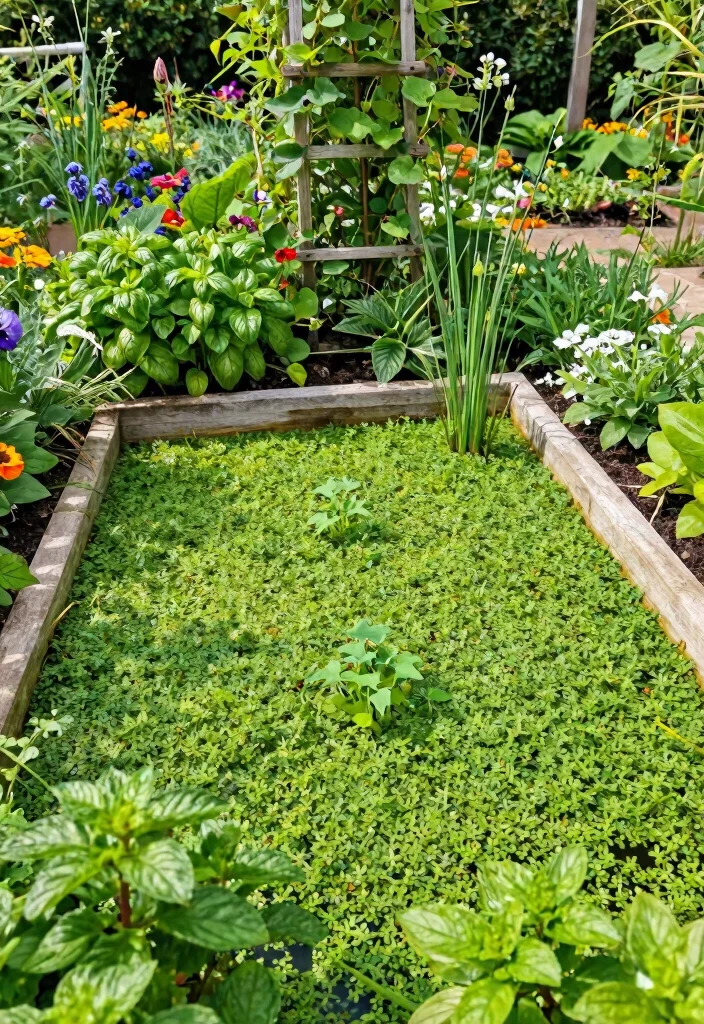
Why not combine beauty with functionality? An edible aquatic garden lets you grow herbs and vegetables right in your pond, promoting sustainability while providing fresh ingredients.
Start by selecting aquatic plants that are also edible, like watercress or lotus, which thrive in pond conditions. Enhance the area by creating raised beds with regular garden herbs nearby and planting flowers to attract pollinators. This design not only beautifies your space but also encourages biodiversity and self-sufficiency.
Key elements for your edible aquatic garden:
– Choose edible aquatic plants for flavor
– Create raised beds with regular herbs
– Attract pollinators with nearby flowers
– Incorporate trellises for climbing plants
This creative design allows you to enjoy nature while cultivating your own culinary delights right at home.
8. Zen Garden Pond
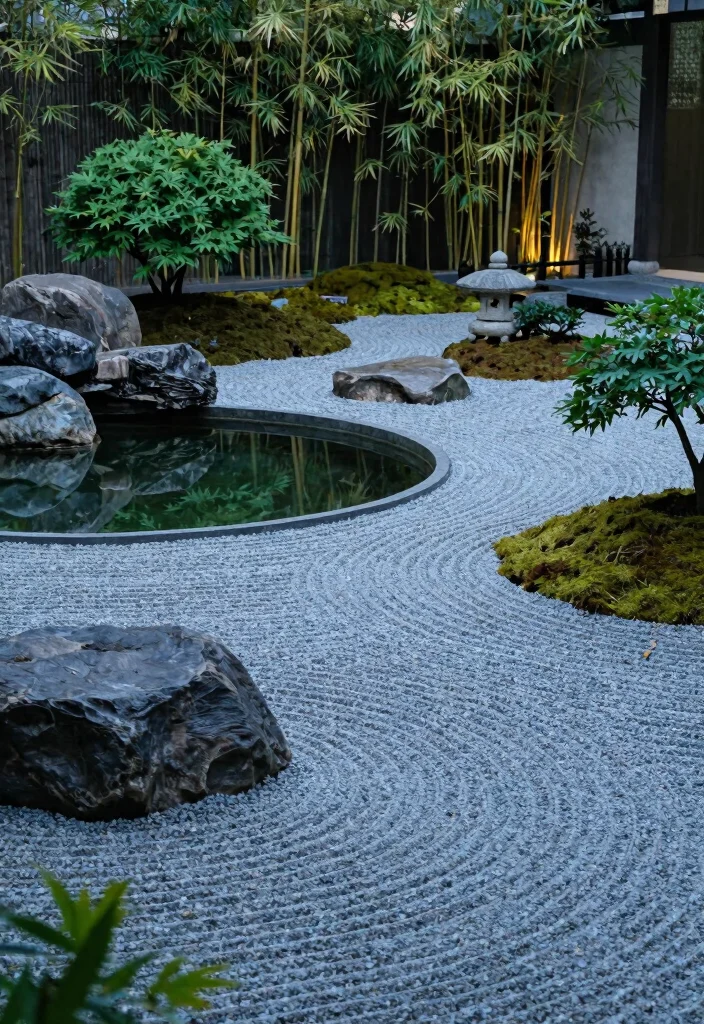
The essence of a Zen garden pond is tranquility and simplicity, offering an inviting space for meditation and reflection. This design embraces minimalism, creating a harmonious atmosphere that calms the mind.
Incorporate smooth stones, gravel, and a few carefully selected plants to enhance the serene aesthetic. The clear, still water should reflect the surrounding landscape, promoting peace and contemplation. Add a small statue or stone lantern to enhance the Zen vibe, and consider using bamboo for an organic touch.
Key components of a Zen garden pond:
– Use smooth stones and gravel for harmony
– Maintain clear water for reflection
– Add minimalist plants for simplicity
– Incorporate a statue for focal interest
This pond design fosters a peaceful retreat, perfect for quiet moments of reflection amidst nature.
9. Rustic Barrel Pond
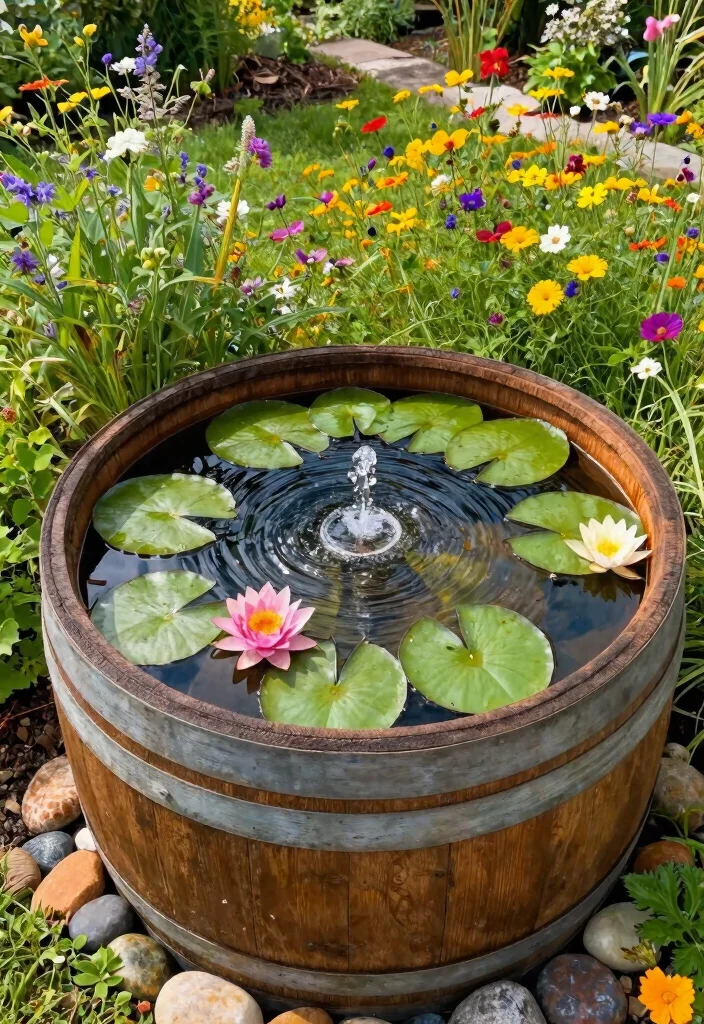
Using a vintage barrel as a pond adds a delightful, whimsical touch to your garden. This unique design is both charming and sustainable, fitting perfectly into a rustic theme.
Start with a food-grade barrel, ensuring it’s watertight before filling with water. Line it with a pond liner for durability. To enhance its charm, plant colorful aquatic flowers like water lilies and surround it with native plants for a cozy feel. Adding a small fountain can introduce movement and sound, enriching the atmosphere.
Steps to create your rustic barrel pond:
– Use a watertight food-grade barrel
– Line with pond liner for durability
– Plant colorful flowers for visual appeal
– Add a fountain for sound and movement
This simple project is ideal for DIY enthusiasts looking to add a unique element to their gardens.
10. Pond with Elevated Deck
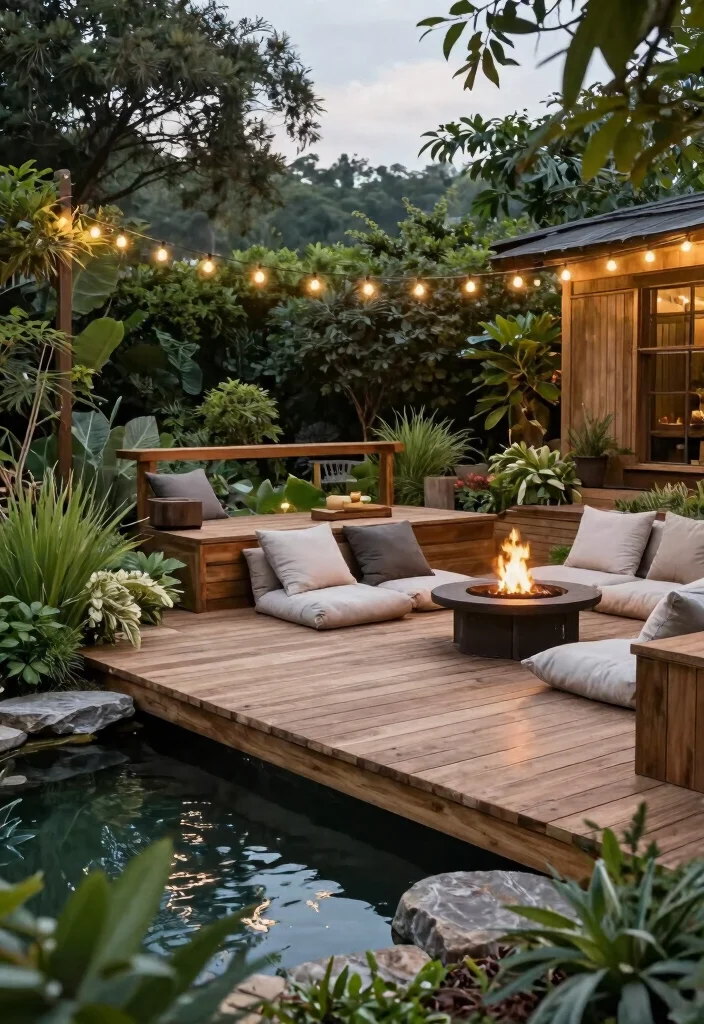
Integrating an elevated deck around your pond creates an impressive outdoor living space. This design combines beauty with functionality, providing a relaxing spot by the water.
Choose sustainable materials like composite decking for durability and an eco-friendly approach. Create comfortable seating areas with cushions and outdoor furniture, encouraging gathering and relaxation. Surrounding the deck with low-maintenance plants ensures unobstructed views of the pond, while string lights can add a magical touch as the sun sets.
Key features for a pond with an elevated deck:
– Use sustainable materials for eco-friendliness
– Create comfortable seating for relaxation
– Surround with low-maintenance plants for visibility
– Add lighting for evening ambiance
This design not only enhances your outdoor aesthetic but also creates a welcoming space for family and friends to enjoy.
11. Pond with Seating Area
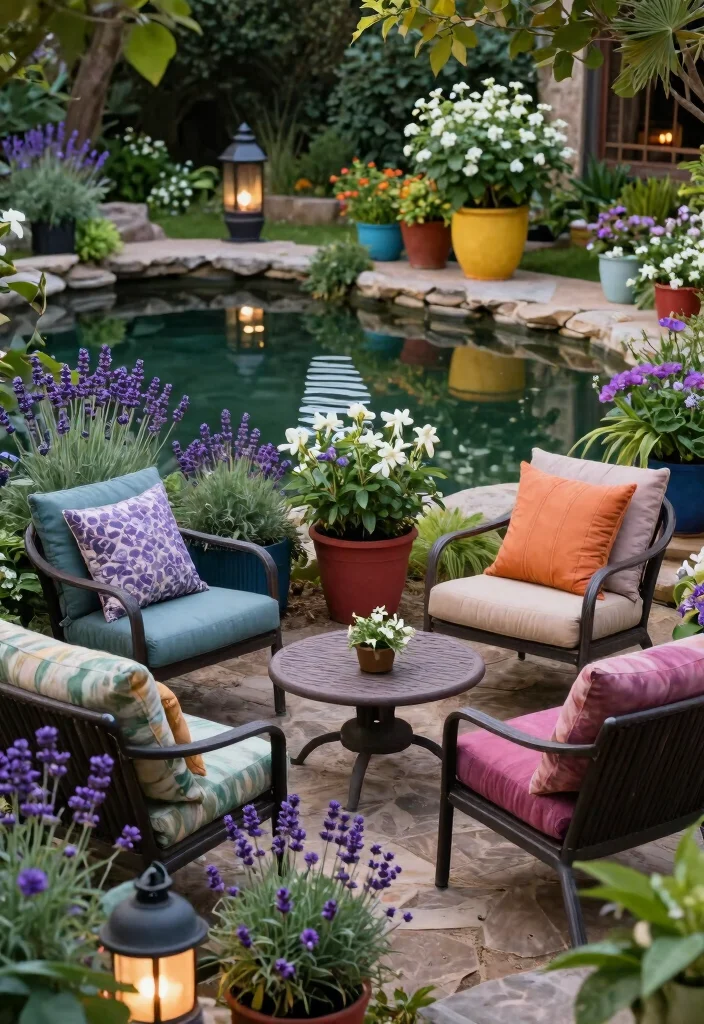
Creating a pond accompanied by a seating area allows you to fully enjoy your water feature. This design enhances your garden experience by providing a space for relaxation and connection with nature.
Choose comfortable, weather-resistant chairs or benches, and strategically place them to offer various views of the pond. Surround the seating with fragrant flowers like lavender to enrich the sensory experience. Add a nearby tabletop fire pit or lanterns to create warmth and ambiance for evening enjoyment.
Essential design elements for a pond with a seating area:
– Choose comfortable outdoor furniture for relaxation
– Surround with fragrant flowers for sensory delight
– Incorporate colorful planters for artistic flair
– Add lighting for warmth in the evenings
This thoughtful arrangement encourages you to unwind and reflect by the water, making it a true garden sanctuary.
12. Pond with Waterfall Feature
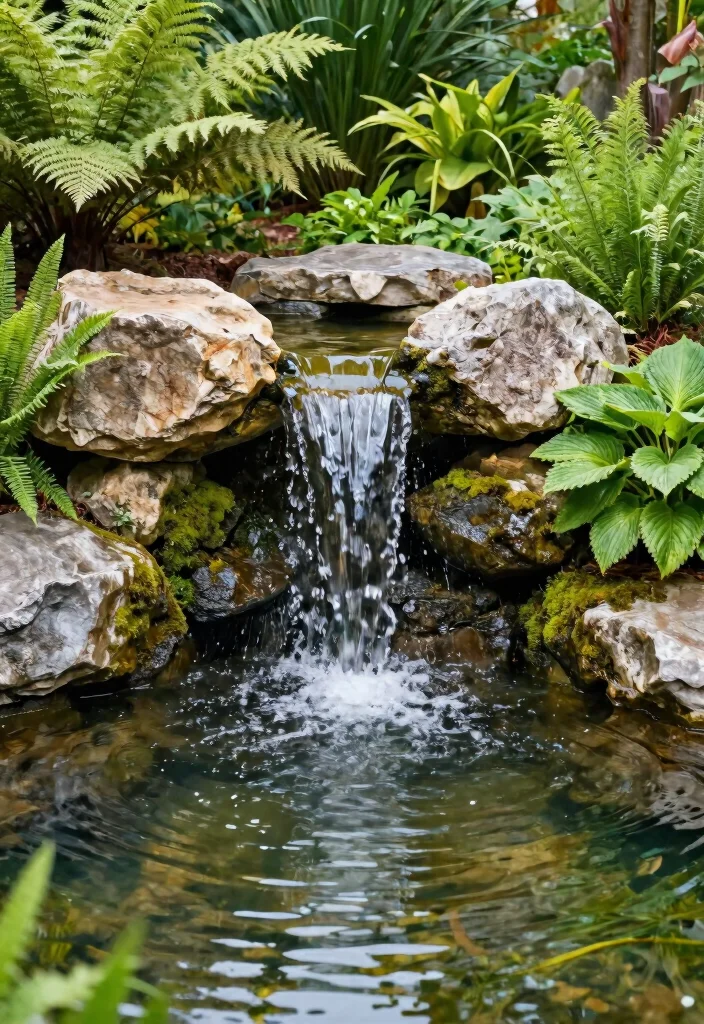
Adding a waterfall to your garden pond creates mesmerizing movement and sound, enhancing the sensory experience of your outdoor space. The soothing flow of water elevates the tranquility of your garden.
Consider using natural stones to create an organic-looking waterfall. Ensure the water flows gently to maintain a serene atmosphere. Surround the waterfall with lush plants like ferns and hostas for a vibrant backdrop, and consider using moss on the rocks for a natural finish.
Key features of a pond with a waterfall:
– Use natural stones for an organic appearance
– Ensure gentle water flow for tranquility
– Surround with lush plants for vibrancy
– Incorporate moss for natural aesthetics
This design adds not only beauty but also biodiversity, making your pond a captivating focal point in your garden.
13. Curved Pond Design
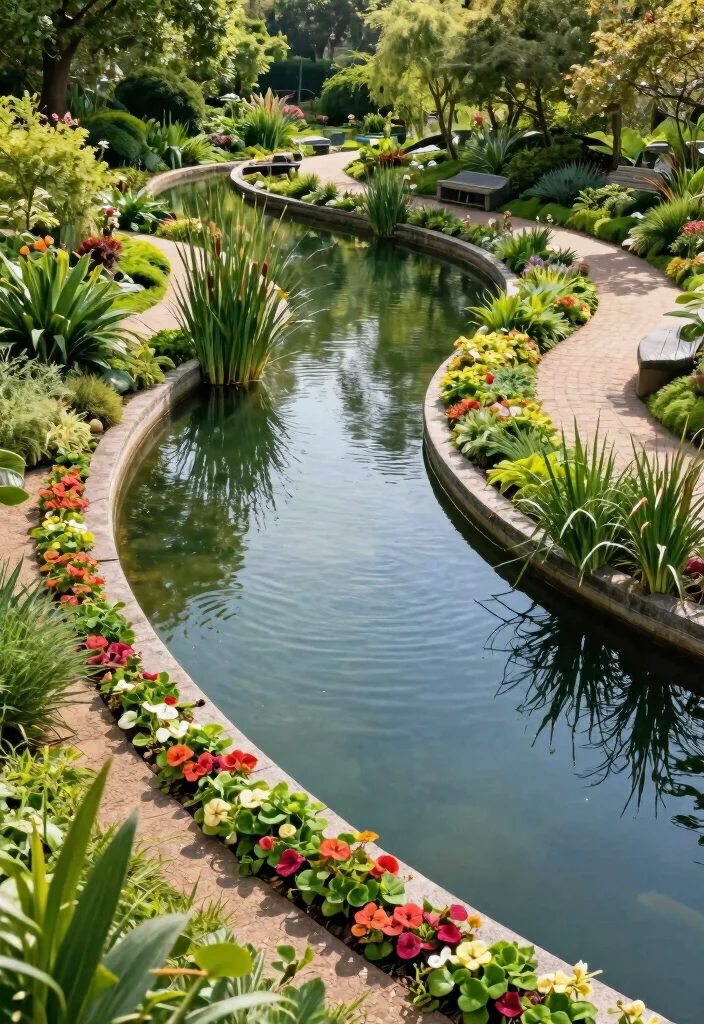
A curved pond design offers a softer, more organic look that beautifully complements the landscape. This flowing shape creates a harmonious transition between water and land, enhancing the garden’s overall feel.
Curved edges make it easier for wildlife to access the water, promoting biodiversity. Consider a variety of planting options around the pond, using both tall and low plants for visual interest. Adding winding pathways can create a dynamic experience and provide multiple viewpoints of the pond.
Key elements for a curved pond design:
– Use soft edges for a natural transition
– Incorporate tall and low plants for layering
– Add winding paths for exploration
– Create seating areas for diverse viewpoints
This design encourages wildlife and creates an inviting atmosphere, making your garden a delightful place to visit.
Curved ponds make gardens feel alive—soft lines invite birds, butterflies, and curiosity. For garden pond inspiration, start with a gentle bend, planting tall grasses at the edge and weaving winding paths for new viewpoints.
14. Pond with Floating Deck
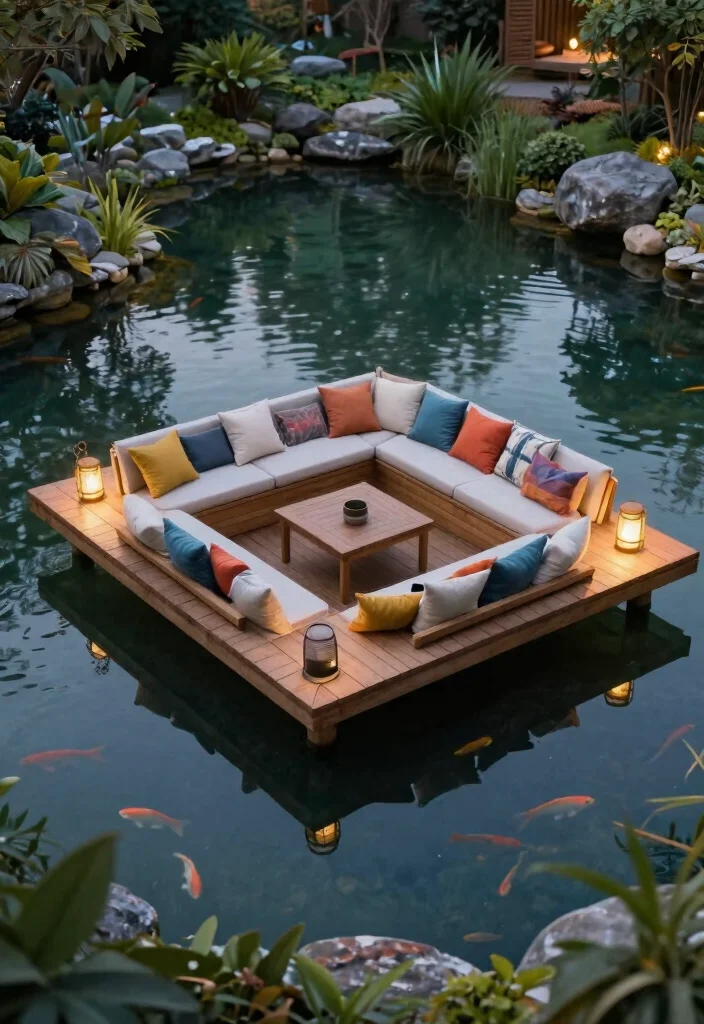
A floating deck over your pond offers a unique and eye-catching feature that enhances your outdoor space. This design provides an area for lounging while showcasing the beauty of the water below.
Opt for sustainable, waterproof materials to ensure the deck’s longevity. Adding railings can enhance safety, especially for families with children. Surround the pond with low-growing plants to maintain visibility and ensure a clean look, while adding cushions and decorative lighting creates a cozy atmosphere.
Essential elements for a pond with a floating deck:
– Use waterproof materials for durability
– Incorporate railings for safety
– Surround with low plants for visibility
– Add cushions and lighting for comfort
This design invites outdoor living and creates a gathering spot for family and friends, enhancing your garden’s appeal.
Fun fact: a floating deck turns any pond into a cozy lounge in minutes. Choose sustainable, waterproof materials and railings for safety, then surround the water with low-growing plants for a clean view—finish with cushions and lighting for instant garden pond inspiration.
15. Pond with Bridge
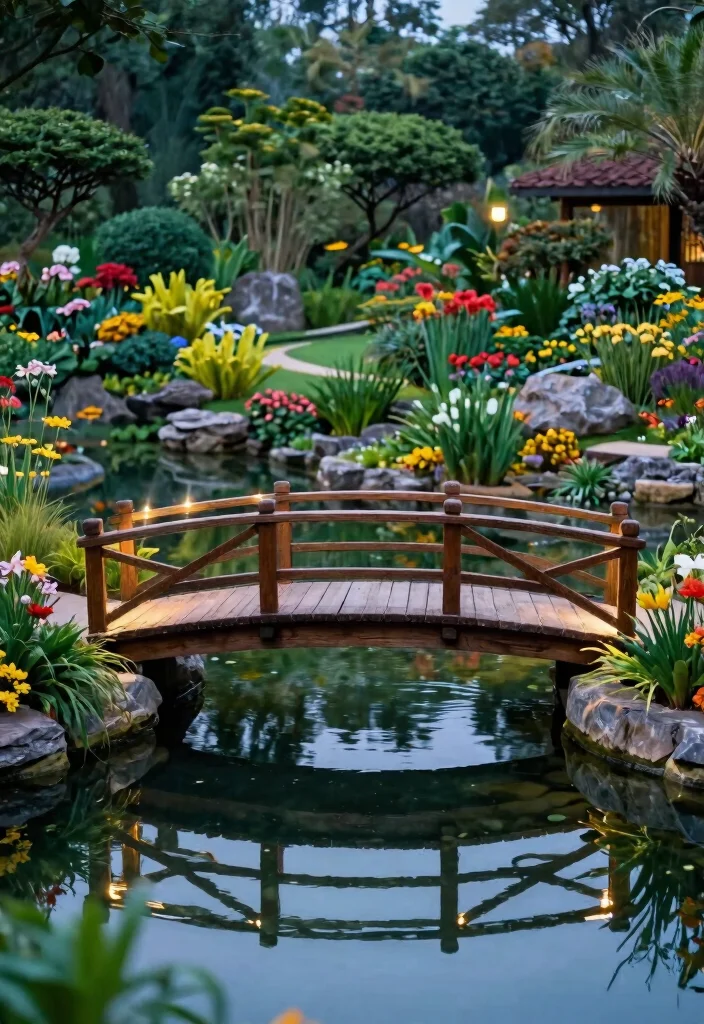
Incorporating a bridge over your pond adds an enchanting touch and serves as a captivating focal point. This feature can transform your garden into a serene retreat, with various design styles to choose from.
Select rustic wooden bridges for a natural look or elegant arched designs for a classic appearance. Ensure the materials are weather-resistant to maintain their beauty over time. Surround the pond with colorful flowers and aquatic plants to enhance the scenery and draw attention to the bridge.
Key elements for a pond with a bridge:
– Choose weather-resistant materials for durability
– Surround with vibrant flowers for visual appeal
– Use lighting along the pathway for evening highlights
– Create picturesque viewpoints for photography
This addition not only improves access across the pond but also creates a stunning visual experience, enriching your garden’s atmosphere.
16. Pond with Sunken Seating
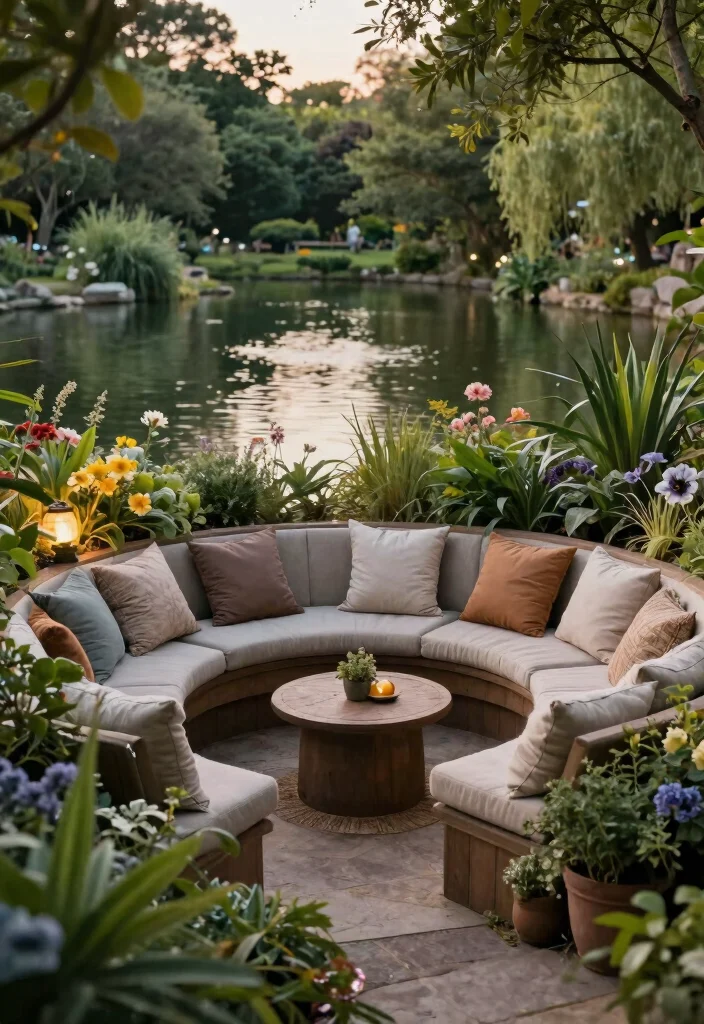
Creating a sunken seating area by your pond offers an intimate and charming experience. This design brings you closer to the water, allowing for full immersion in the tranquil setting.
The sunken area creates a cozy atmosphere, sheltered from wind and distractions, while maintaining visibility of the pond. Use comfortable, weather-resistant furniture and surround the seating with low plants to enhance the feeling of being enveloped by nature.
Key design elements for a pond with sunken seating:
– Incorporate comfortable outdoor furniture for relaxation
– Surround with low plants for intimacy
– Add a small fire pit for ambiance
– Ensure regular upkeep for a tidy appearance
This design promotes relaxation and connection with nature, making your pond area a true escape.
17. Pond with Hidden Features
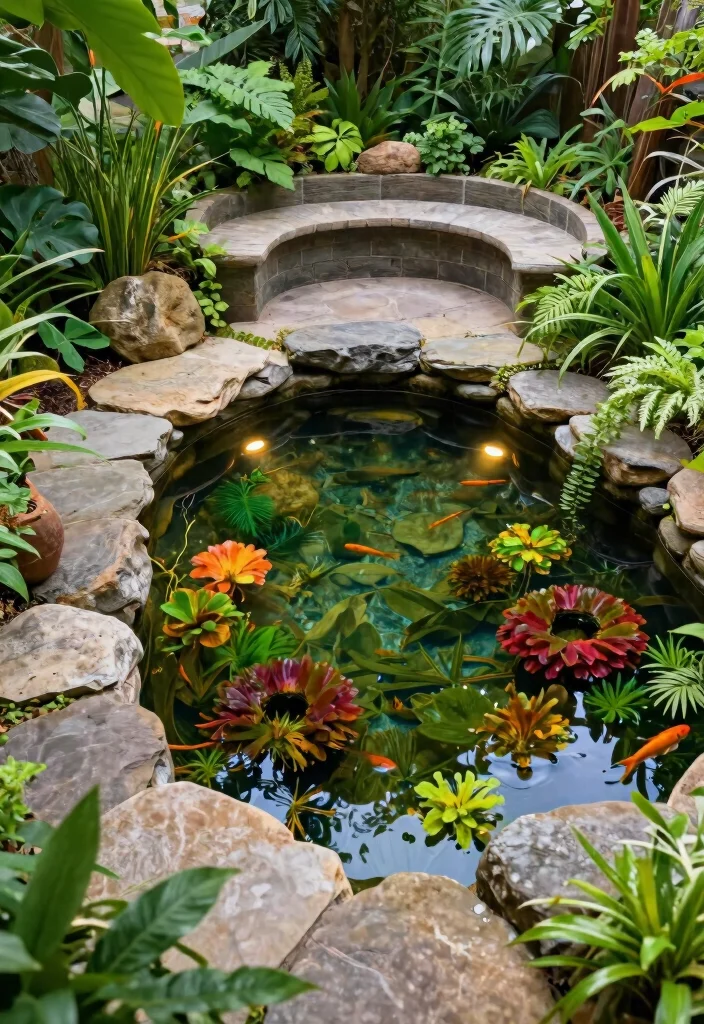
Incorporating hidden features in your pond can spark curiosity and create a sense of discovery in your garden. This design encourages exploration and deeper engagement with nature.
Consider adding submerged LED lights or hidden filtration systems to maintain functionality while keeping aesthetics intact. Aquatic plants like water lilies can provide hiding spots for fish, enhancing the ecosystem. Create a small pathway leading to a secluded seating area for a cozy retreat within the garden.
Key features for a pond with hidden elements:
– Integrate submerged lights for subtle illumination
– Use hidden filtration for a clean look
– Add aquatic plants for habitat diversity
– Create pathways to hidden seating areas
This innovative design invites visitors to explore and enjoy the beauty of nature, making your garden a captivating sanctuary.
Garden pond inspiration begins with a hidden gem—a softly lit corner that invites you to pause. Submerged LEDs, quiet filtration, and water lilies elevate the garden pond inspiration into a private retreat you can discover daily.
18. Pond with Unique Shapes
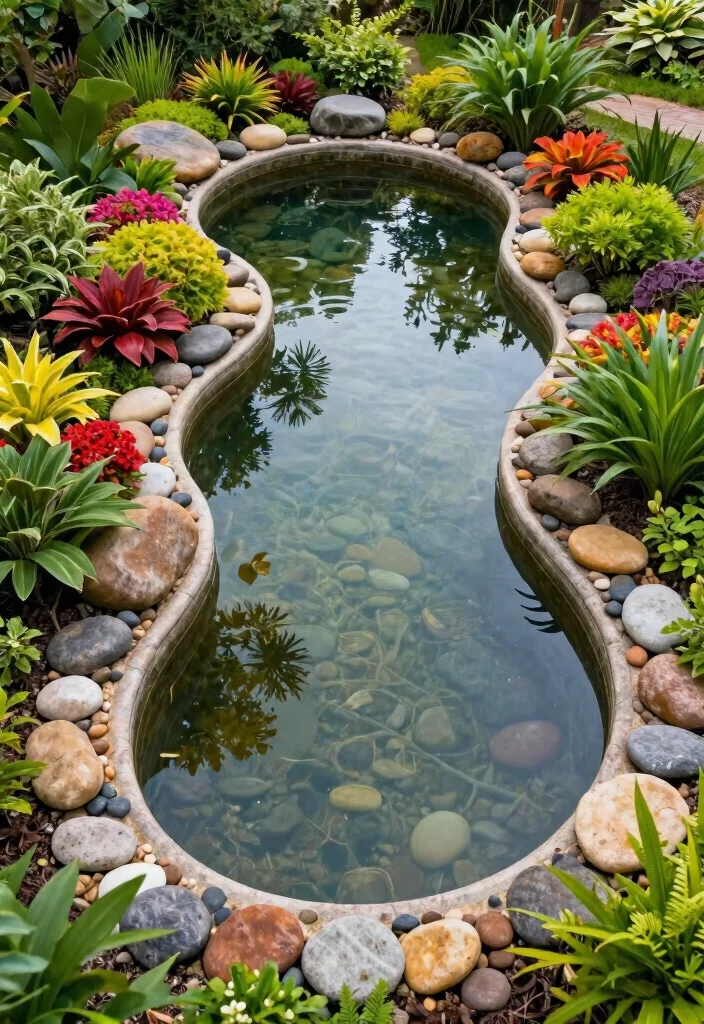
Designing a pond with unique shapes can elevate your garden’s visual appeal and create a standout feature. By moving away from traditional rectangular designs, you encourage creativity in your landscaping.
Consider organic shapes like freeform curves or geometric patterns that reflect the natural landscape. This approach can create dynamic flow and movement, enhancing the overall experience of your garden. Pair your pond with vibrant aquatic plants that complement its shape for added beauty.
Key elements for a pond with unique shapes:
– Choose organic or geometric designs for interest
– Select aquatic plants that enhance the shape
– Surround with stones in similar unique shapes
– Ensure regular maintenance for clarity and health
This distinctive design adds character to your garden, creating a memorable focal point that invites admiration.
19. Pond with Aesthetic Pathways
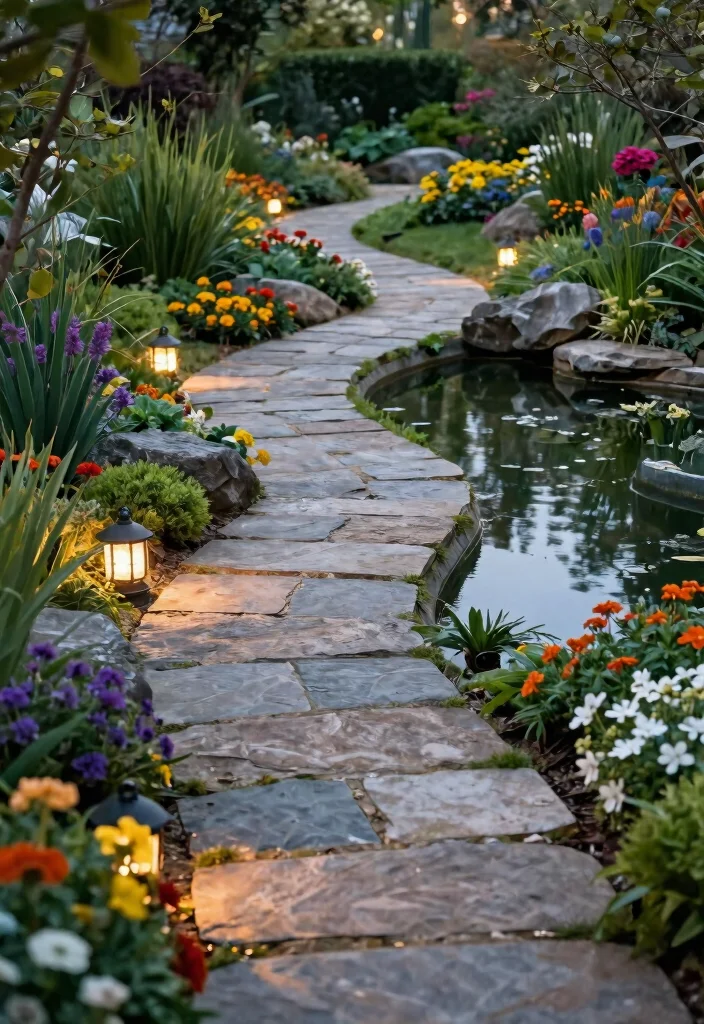
Incorporating aesthetic pathways around your pond enhances both practicality and beauty. A well-designed path guides visitors through the garden, creating a cohesive experience.
Select materials like natural stone, gravel, or decorative pavers to complement the landscape. A winding path encourages exploration and engagement with the pond, enhancing the overall experience. Surround the pathways with fragrant flowers and attractive plants to create a sensory delight as visitors stroll by.
Key considerations for a pond with aesthetic pathways:
– Choose materials that complement the landscape
– Create a winding path for exploration
– Surround with fragrant flowers for sensory appeal
– Incorporate soft lighting for evening ambiance
This thoughtful design ensures a pleasant and inviting experience for all who visit your garden.
20. Pond with Seasonal Displays
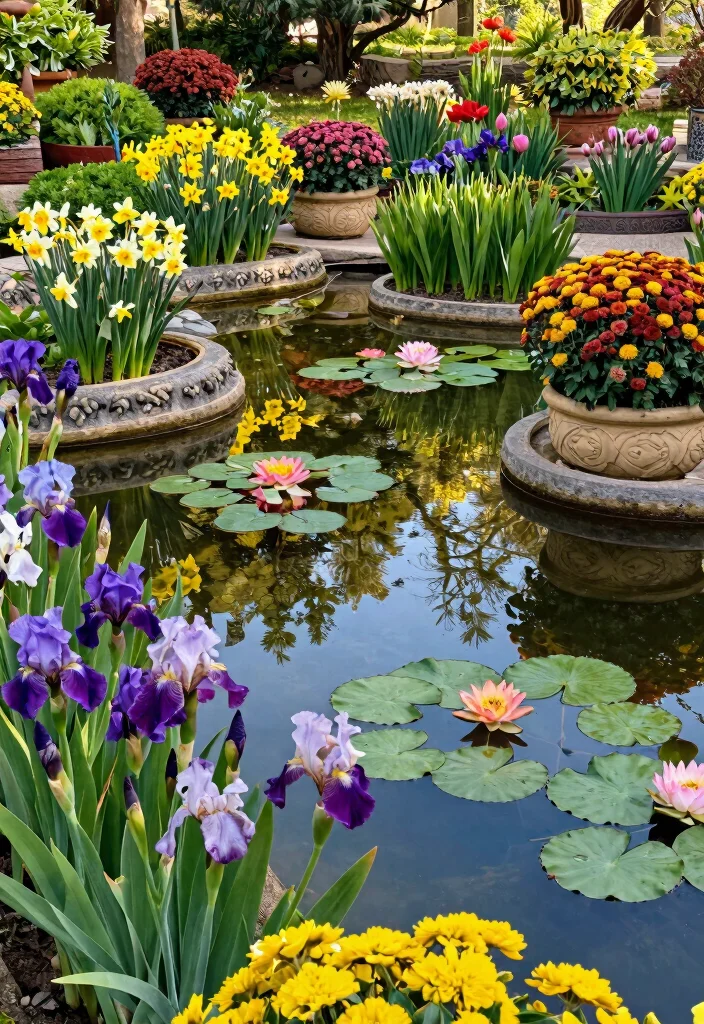
Incorporating seasonal displays in and around your pond adds a dynamic visual experience throughout the year. This design celebrates the natural changes in the landscape, making your garden feel alive and engaging.
Select a variety of aquatic plants that bloom in different seasons, such as irises in spring and lotus in summer. Surround the pond with seasonal flowers, like daffodils in early spring and chrysanthemums in the fall, to keep the area vibrant. Adding decorative elements that can be easily changed for different seasons enhances the overall appeal.
Key elements for a pond with seasonal displays:
– Choose aquatic plants that bloom throughout the year
– Surround with seasonal flowers for variety
– Incorporate changeable decorative elements
– Ensure regular maintenance for vibrancy
This design keeps your garden lively and evolving, showcasing the beauty of nature with each season.
21. Pond with Artistic Sculptures
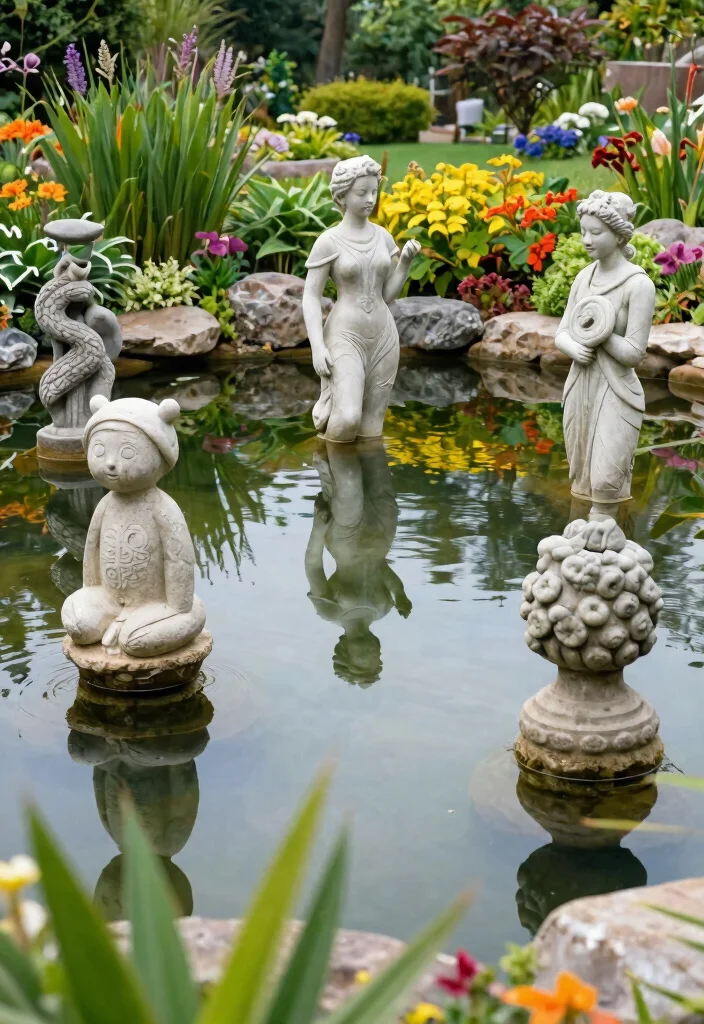
Incorporating artistic sculptures into your pond design adds a unique touch and personal flair. These elements not only beautify your garden but can also serve as conversation starters.
Select sculptures that resonate with your style, whether whimsical or elegant. Position them at focal points around the pond or partially submerged for a striking effect. Choose materials that withstand outdoor conditions, such as stone or metal, and surround the sculptures with plants that enhance their beauty.
Key features for a pond with artistic sculptures:
– Choose sculptures that reflect your style
– Position for maximum visual impact
– Use weather-resistant materials for durability
– Surround with plants for harmony
This design creates an artistic and engaging atmosphere, turning your garden into a gallery of nature and creativity.
22. Pond with Relaxation Zones
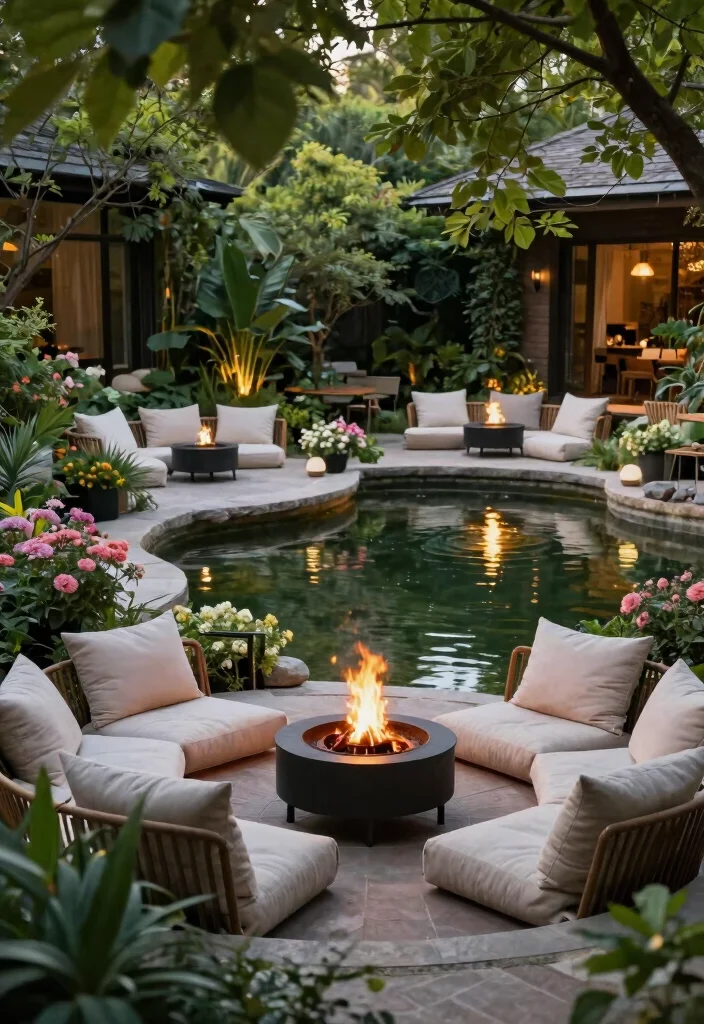
Designing relaxation zones around your pond transforms it into the ultimate escape for unwinding and enjoying nature. These areas can be strategically placed for optimum comfort and tranquility.
Create cozy nooks with comfortable seating, soft pillows, and shaded spots for respite from the sun. Surround these zones with fragrant plants that promote a calming atmosphere. Installing features like a fire pit or small outdoor kitchen can enhance the experience, inviting gatherings with family and friends.
Key elements for a pond with relaxation zones:
– Create cozy seating areas for comfort
– Surround with fragrant plants for tranquility
– Add a fire pit for warmth and atmosphere
– Incorporate subtle lighting for evening enjoyment
This thoughtful design ensures your pond area remains inviting, fostering relaxation and connection with nature throughout the seasons.
23. Pond with Seasonal Events
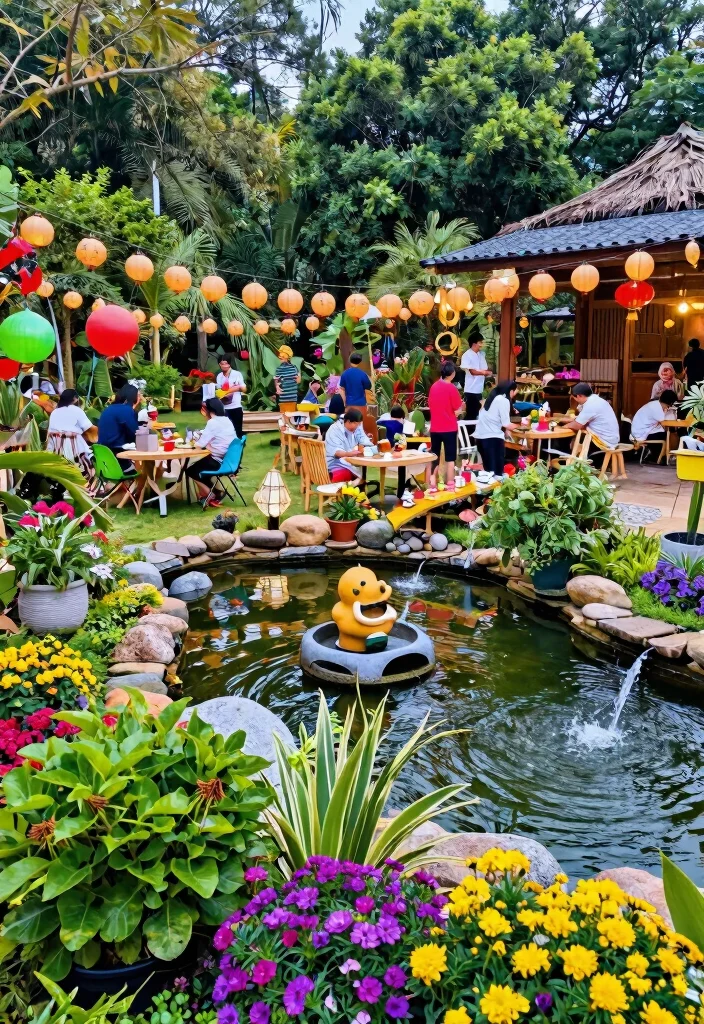
Incorporating seasonal events around your pond enlivens your garden and creates memorable experiences. This concept transforms your outdoor space into a lively gathering spot year-round.
Host summer barbecues, spring picnics, or autumn gatherings by the pond, using seasonal decorations to enhance the atmosphere. Consider adding floating decorations for special occasions, such as lanterns during summer nights or festive displays in winter. This interactive design fosters community and creates lasting memories.
Key elements for a pond with seasonal events:
– Host seasonal gatherings for family and friends
– Decorate for special occasions to enhance ambiance
– Incorporate floating decorations for visual appeal
– Ensure regular maintenance for a beautiful backdrop
This design turns your pond into a vibrant hub for celebration, connecting you with nature and loved ones.
24. Pond with Educational Elements
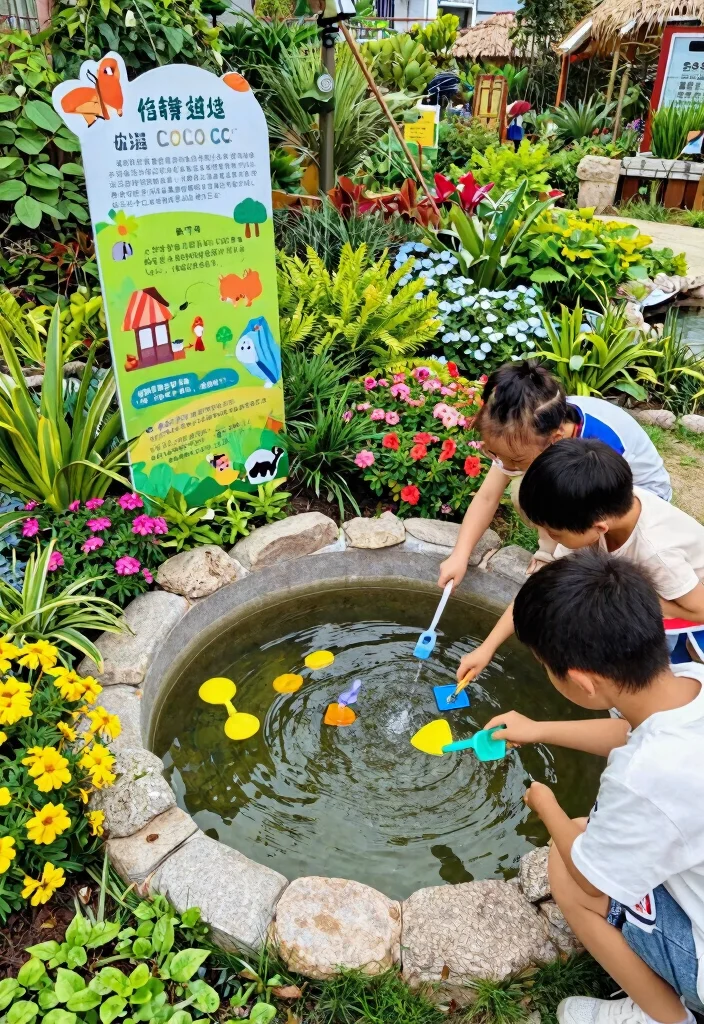
Incorporating educational elements into your pond design creates an engaging experience for visitors of all ages. This concept encourages exploration and learning about nature and aquatic ecosystems.
Include informational signage about the plants and animals in and around the pond to enrich visitor knowledge. Consider creating a small area with educational materials for children, like pond-dipping kits or wildlife observation tools. This design encourages curiosity and fosters a deeper connection with nature.
Key features for a pond with educational elements:
– Include signage for educational opportunities
– Create a children’s area for hands-on learning
– Use natural materials to blend with the environment
– Ensure regular maintenance for engagement
This design transforms your pond into a learning experience, allowing visitors to explore and appreciate the beauty of aquatic ecosystems.
25. Pond with Community Elements
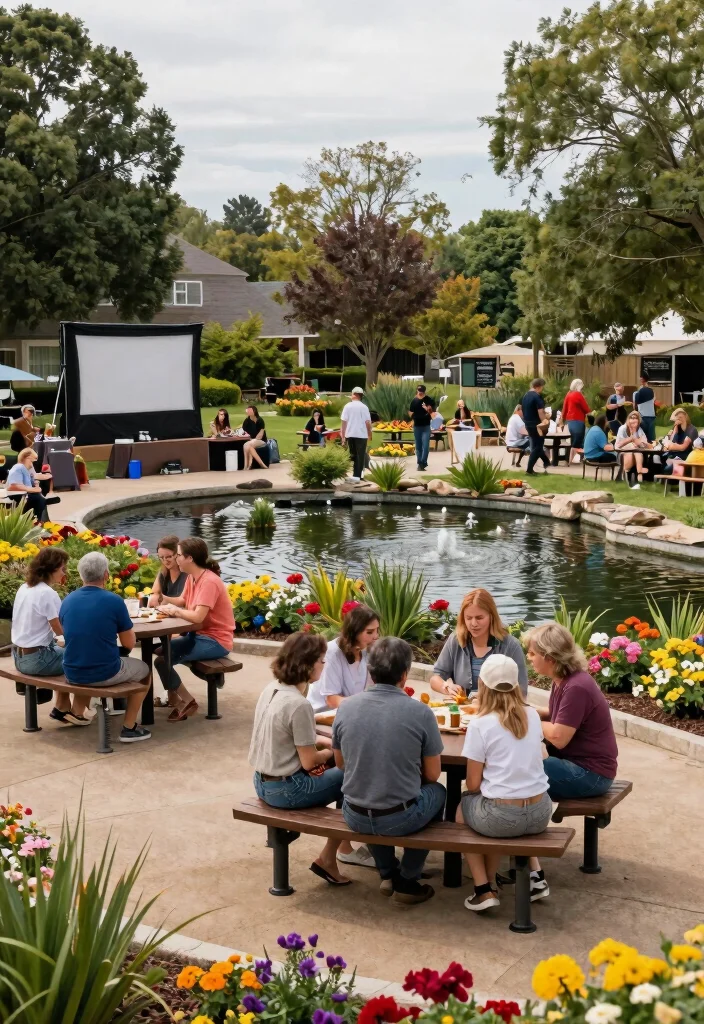
Creating a community-focused pond fosters local connections and shared experiences. This design invites neighbors and friends to come together, promoting a sense of community.
Incorporate benches and picnic areas that encourage gatherings and socialization. Organize community events, such as clean-up days or gardening workshops, to engage neighbors in pond maintenance and education. Regular events like movie nights by the pond can create lasting memories and strengthen bonds.
Key elements for a pond with community features:
– Include seating areas for socialization
– Organize community events for engagement
– Plan seasonal gatherings for fun and connection
– Maintain the area for attractiveness and accessibility
This design ensures your pond becomes a vibrant part of the community, inviting collaboration and connection among neighbors.
Conclusion
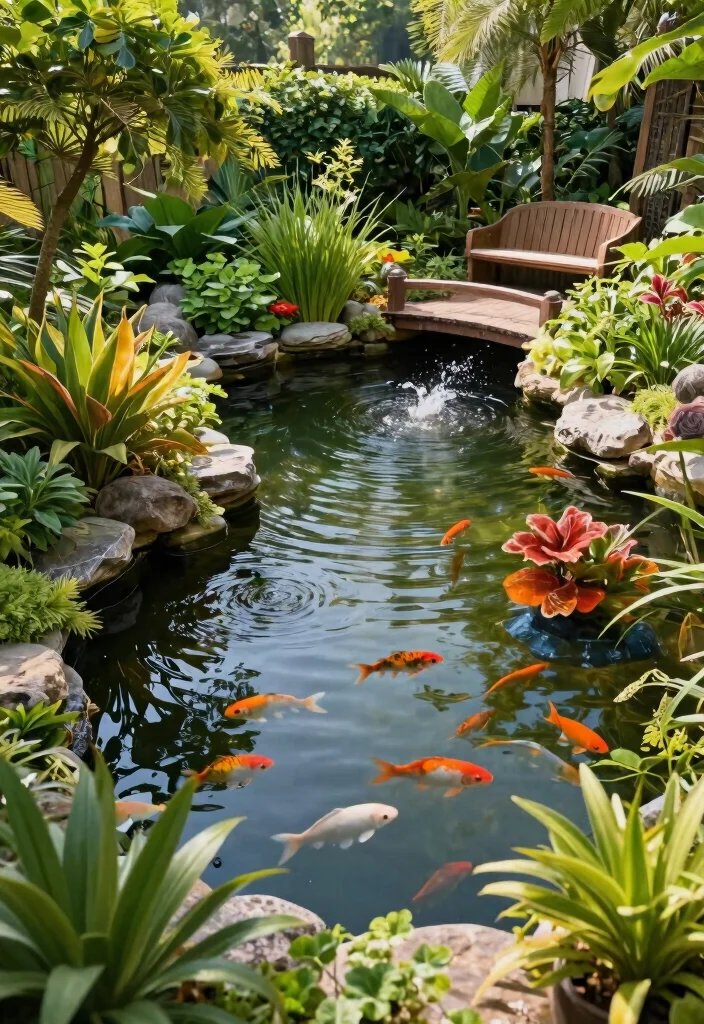
Designing a garden pond can be a fulfilling project that enhances your outdoor space and creates a serene retreat. Each pond style offers unique benefits, contributing to beauty and biodiversity in your garden.
From rustic barrel ponds to tropical oases, the ideas in this collection inspire creativity while promoting sustainability and wildlife support. Consider your space and personal aesthetics as you embark on your garden pond journey, and let your vision come to life!
Note: We aim to provide accurate product links, but some may occasionally expire or become unavailable. If this happens, please search directly on Amazon for the product or a suitable alternative.
This post contains Amazon affiliate links, meaning we may earn a small commission if you purchase through our links, at no extra cost to you.
Frequently Asked Questions
How can I translate these garden pond inspiration photos into my own backyard?
Answer: Start by analyzing the vibe in the photos and map it to your space. Identify a sunny spot for a water feature, decide between naturalistic vs formal style, and choose components that fit your climate and budget. For a sustainable setup, include native aquatic plants landscaping, a wildlife-friendly margin, and a simple DIY pond projects biofilter. Plan the layout with zones: a shallow shelf for marginal plants, a deeper area for aquatic plants, and a seating zone to enjoy the serenity of a serene garden retreat. Then break the project into steps: measure and mark, dig or place a preformed shell, install liner, set up a pump and biofilter, plant with aquatic plants, and edge with natural materials. Finish with seasonal maintenance tips to protect wildlife and a mood-board that captures your garden pond inspiration.
What are some sustainable pond design ideas for small gardens?
Answer: For small gardens, start with a compact pond or a pondless water feature to keep scale. Choose a simple shape that hugs a wall or corner to maximize space. Use a shallow planting shelf for aquatic plants landscaping and a deeper zone for oxygenating plants. Go sustainable with a rainwater-fed pump, a gravity-driven biofilter, and a solar-powered pump to cut energy use. Edge the pond with native materials and plant natives to attract pollinators, birds, and frogs. Add vertical accents like a mini waterfall or wall-mounted fountain for sound without taking up floor space. Finally, keep maintenance minimal by choosing hardy pond design ideas and grouping plants by sun exposure. This helps create a backyard water features oasis even in tight spaces.
Which aquatic plants are best for low-maintenance garden pond landscaping?
Answer: For low-maintenance landscaping, pick hardy natives and easy-care water plants. Start with a mix of aquatic plants landscaping such as water lilies for shade and oxygen, water iris for texture, and pickerel weed for color and wildlife habitat. Add marginal plants like cattails or rushes in moist edges. Use floating plants like duckweed or water lettuce only if you have space and light. Group plants by sun needs and avoid overplanting to reduce maintenance. Use container planting to simplify removal and winterizing. Mulch edges to reduce weed growth and maintain moisture. Routine tasks: remove dead foliage, check water level, and clean filters monthly. This yields a vibrant, low-maintenance garden pond that still looks magical and aligns with pond design ideas.
How can I tackle a DIY pond project affordably while keeping wildlife safe?
Answer: Plan with a budget-first mindset and reuse where possible. Start with a simple, affordable liner pond or repurposed container; consider salvaged stones for edging and native plants from local swaps. Use a solar-powered pump and gravity-fed filtration to reduce ongoing costs, and a rain barrel to catch water for topping off. Create wildlife-friendly features: gentle slopes for wildlife access, shallow shelves for beneficial plants, and no chemical pesticides. Position the pond to balance sun and shade to reduce algae and support diverse species. Choose DIY pond projects steps: mark, dig, line, add filter, plant, mulch; test run; adjust. Maintain by cleaning filters and top-offs monthly, and winterize safely if needed. This is actionable and budget-savvy for a sustainable garden pond inspiration.
What features help turn a pond into a tranquil, serene garden retreat?
Answer: Build a sanctuary by shaping the pond to create quiet zones and visual flow. Use naturalistic edges with river rocks and softly layered plantings to blend with the landscape. Add seating nearby, warm lighting, and a small fountain or ripple to create soothing sound. Choose a cohesive color palette of greens, blues, and earthy tones from your garden pond inspiration photos. Plant around the pond with a mix of tall specimen plants, mid-height shrubs, and low groundcovers to create layered depth. Ensure a shady reading nook or sunset-facing bench to maximize serenity. Keep upkeep simple with routine seasonal care and minimal chemicals. This approach yields a serene garden retreats that invites wildlife while remaining peaceful.