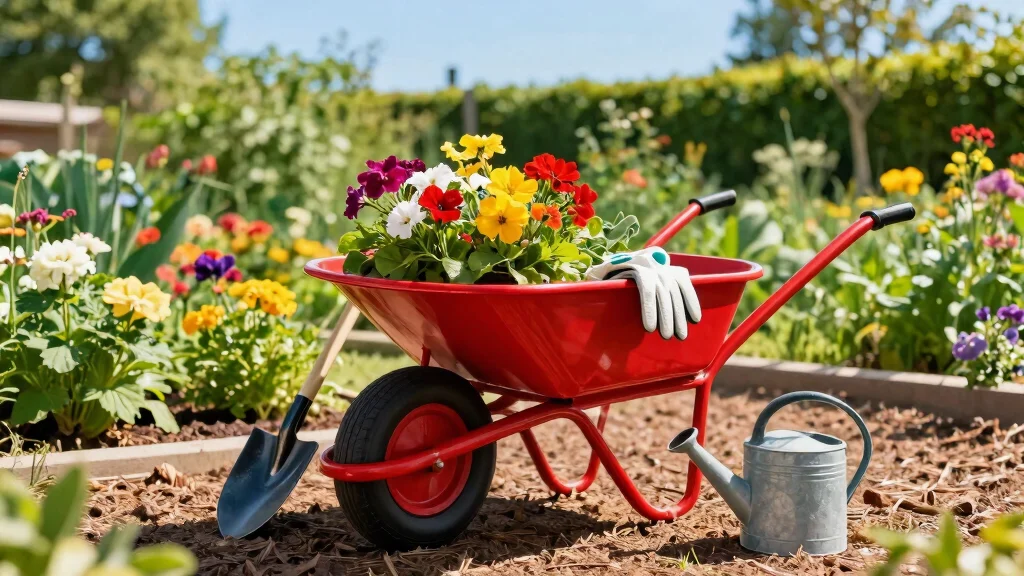
Taking care of your wheelbarrow is crucial, especially if you want to keep it in good shape for years to come. Rust can quickly turn your reliable garden helper into an eyesore, making it less effective and more of a hassle. I created this post because I want to help you avoid the common pitfalls of wheelbarrow maintenance. Whether you use it for hauling soil, moving plants, or transporting tools, a well-maintained wheelbarrow will make your gardening tasks much more enjoyable.
If you’re a gardening enthusiast or an outdoor DIYer, these tips are for you. You care about your tools and want them to last. Maintaining your wheelbarrow is not just about preventing rust; it’s about making your gardening experience smoother and more efficient. In this guide, I’ve gathered nine essential wheelbarrow maintenance tips that are practical, straightforward, and perfect for keeping your outdoor equipment in top shape.
By the end of this post, you will have actionable strategies to prolong the life of your wheelbarrow. From cleaning tips to rust prevention techniques, you will gain insights to keep your gardening tool ready for action. Let’s dive into these maintenance tips that will help you maintain your wheelbarrow and ensure it serves you well for many gardening seasons to come.
Key Takeaways
– Regular cleaning is essential to prevent dirt and moisture buildup, which can lead to rust over time.
– Proper storage in a dry, sheltered area will help protect your wheelbarrow from the elements and minimize rust formation.
– Routine inspections for any signs of damage can prevent minor issues from becoming major repairs.
– Applying a rust-resistant coating can add an extra layer of protection and prolong the life of your wheelbarrow.
– Avoiding exposure to harsh chemicals will help maintain its integrity and prevent corrosion.
1. Keep It Clean
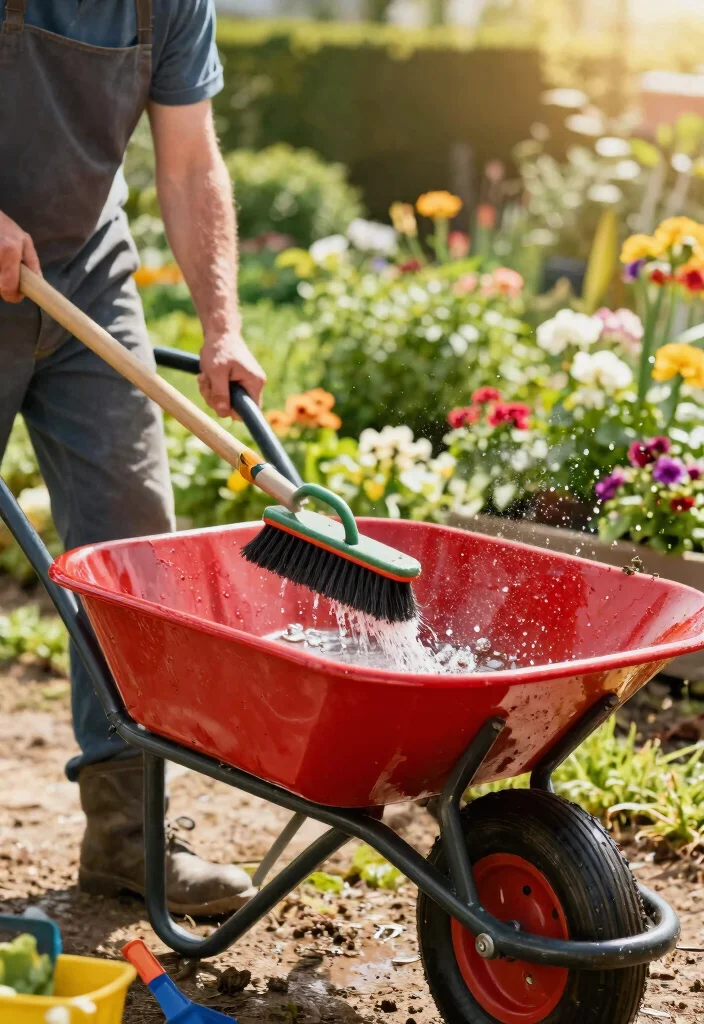
You want your wheelbarrow to last, and keeping it clean is the first step. After each use, take a few minutes to wash away dirt, mud, and other debris. This simple act prevents moisture retention, which can lead to rust. Grab a hose or a scrub brush to clean all those hard-to-reach areas, especially around the joints and bottom where grime likes to hide.
Make sure to dry it thoroughly with a cloth or let it air dry completely before putting it away. Regular cleaning helps you catch any issues early, preventing major repairs down the line. Here are some quick tips for effective cleaning:
– Rinse off dirt immediately after use.
– Use a gentle cleanser for tough spots.
– Don’t forget to clean the wheels and handles!
By prioritizing cleanliness, you’re taking a vital step toward preventing rust.
Did you know rust can start in as little as 48 hours when moisture sticks around? Regular wheelbarrow maintenance tips—rinse, dry, and inspect—keep metal from corroding and extend its life.
2. Store It Properly
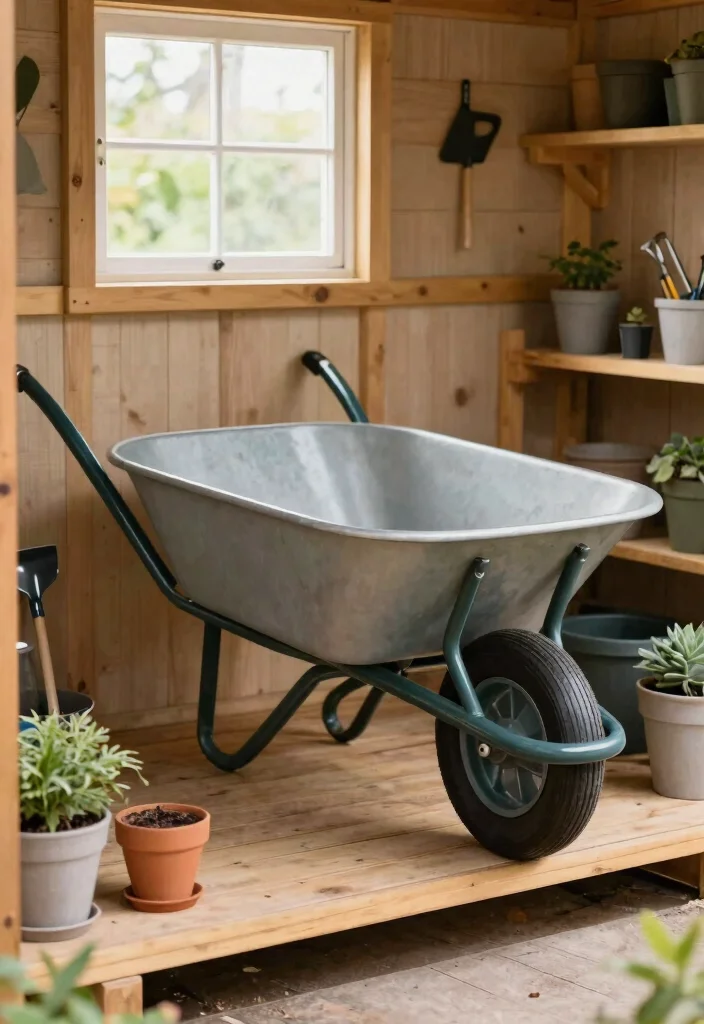
Proper storage plays a key role in keeping your wheelbarrow rust-free. Store it in a cool, dry place like a shed or garage to avoid moisture exposure. If indoor storage isn’t an option, consider investing in a waterproof cover for added protection.
When you store your wheelbarrow, place it upside down or lean it against a wall. This prevents water from pooling inside. Elevating it on blocks or bricks improves airflow underneath. Here are additional storage tips:
– Keep it away from direct weather exposure.
– Use a tarp if storing outside.
– Ensure it’s not leaning against other tools to avoid scratches.
Proper storage is a simple yet effective step that helps your wheelbarrow stay rust-free for years.
3. Regularly Inspect for Damage
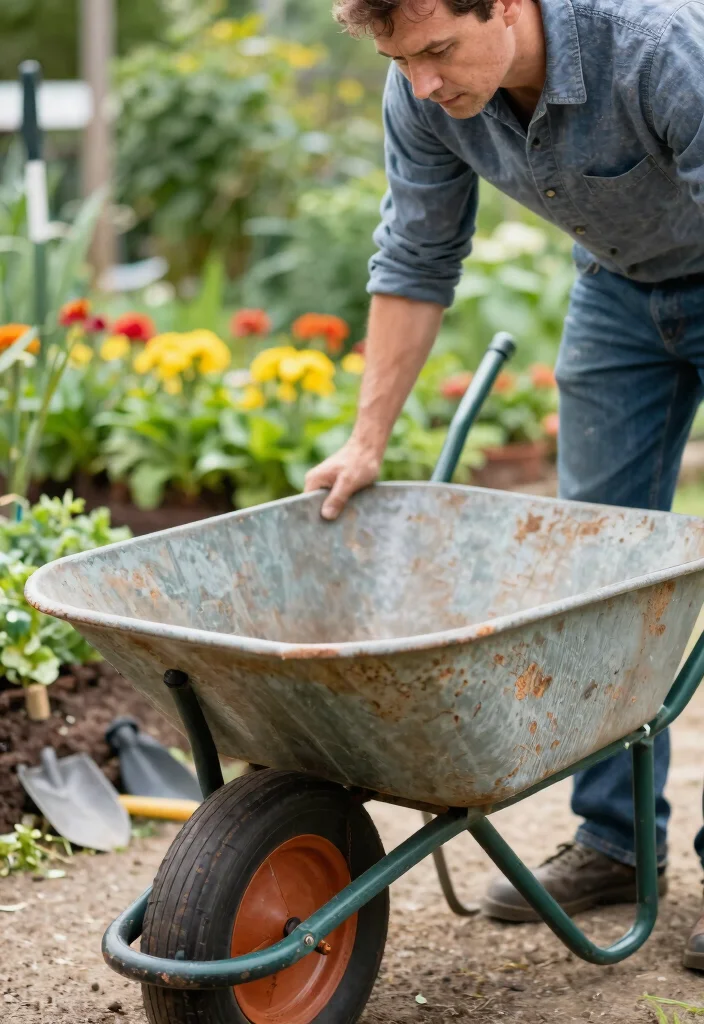
Regular inspections can save you from bigger headaches later. Check your wheelbarrow frequently for signs of damage, especially after heavy use. Look for cracks in the frame, rust spots, or loose wheels. Catching these issues early can prevent more significant problems down the line.
Pay attention to the wheel bearings and tire pressure too. A well-maintained wheelbarrow is safer and easier to maneuver. Here’s what to focus on during inspections:
– Check for rust spots and treat them immediately.
– Tighten any loose screws or bolts.
– Ensure wheels are in good condition and properly inflated.
By keeping your wheelbarrow in check, you can tackle rust and other issues before they escalate.
“Fun fact: A quick weekly inspection can cut rust repairs by up to 60%. As part of wheelbarrow maintenance tips, catching cracks, rust spots, or loose wheels early saves time, money, and elbow grease.”
4. Apply Rust-Resistant Coating
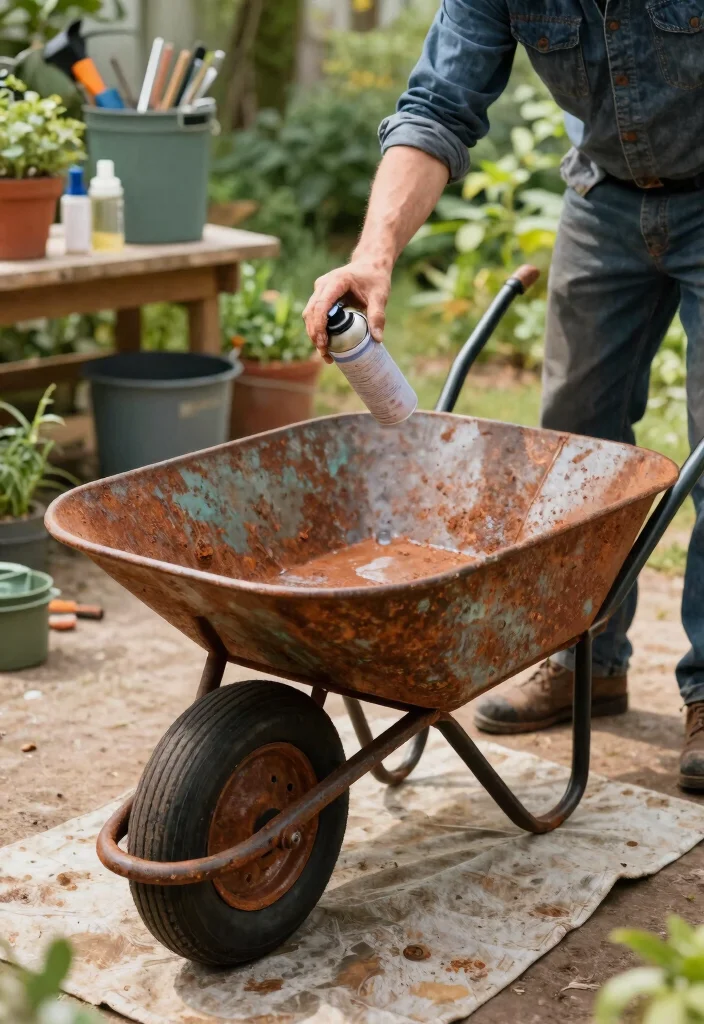
Investing in a rust-resistant coating can significantly extend your wheelbarrow’s lifespan. These coatings create a protective layer that guards the metal against moisture and air, the main culprits of rust. Before you apply, make sure your wheelbarrow is clean and completely dry.
There are various rust-resistant products available, including sprays and paints designed for outdoor use. Always follow the manufacturer’s instructions, and consider reapplying annually for the best protection. Here are tips for using rust-resistant coatings:
– Choose a product labeled as rust-inhibiting.
– Apply in thin, even coats for better coverage.
– Use in a well-ventilated area to avoid inhaling fumes.
This proactive approach ensures your wheelbarrow stays rust-free and ready for use.
5. Keep It Dry
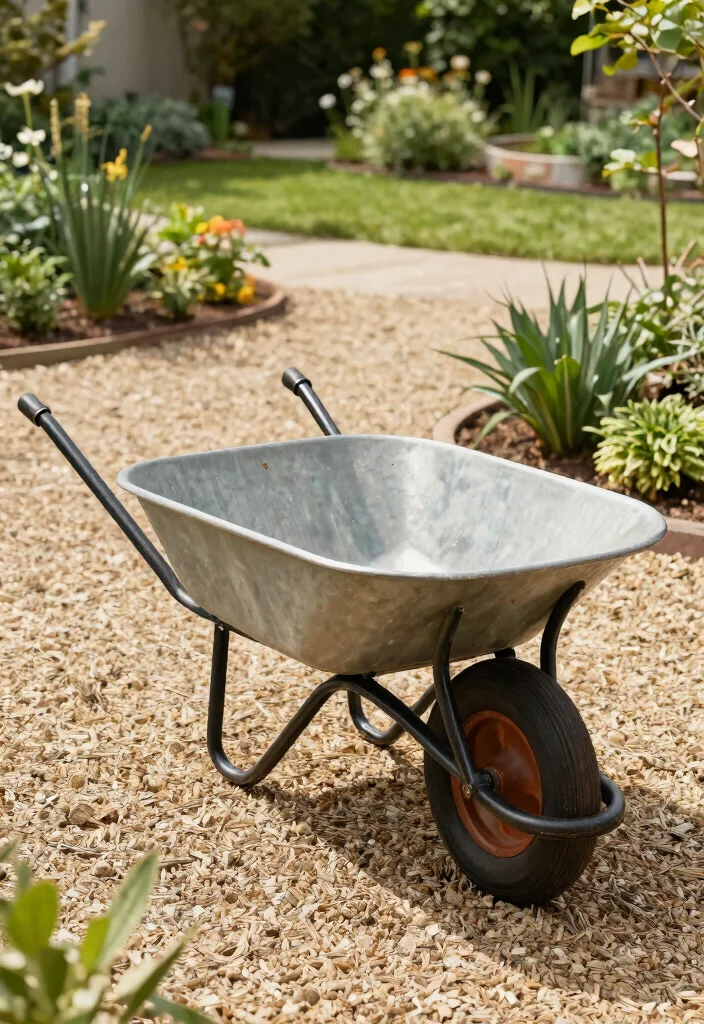
Water is a wheelbarrow’s worst enemy when it comes to rust. It’s crucial to keep your wheelbarrow dry at all times, especially after working in wet conditions. If you’ve been dealing with wet soil or plants, dry it off thoroughly before storing it away.
Also, store it in a well-ventilated area to reduce moisture buildup. Using silica gel packets or baking soda in the storage space can help absorb excess moisture. Here are additional strategies to keep your wheelbarrow dry:
– Avoid leaving it in wet grass overnight.
– Store it with the wheel elevated to prevent moisture entry.
– Regularly check for condensation in closed spaces.
By prioritizing dryness, you effectively fend off rust, ensuring your wheelbarrow remains functional.
Fun fact: as part of wheelbarrow maintenance tips, leaving a wheelbarrow damp after use can speed up rust by 40%—even indoors. Quick tip: dry it off thoroughly, then store in a ventilated spot with a moisture-absorber like silica gel to keep rust away.
6. Use It Regularly

Believe it or not, regular use of your wheelbarrow can actually help prevent rust! Frequent use means less time for moisture to settle, and it gives you a chance to identify any potential issues early. Whether you’re hauling soil, transporting plants, or clearing debris, keep your wheelbarrow busy!
In addition to rust prevention, using it regularly helps maintain the wheels and joints, keeping everything functional. Here are some fun ways to incorporate your wheelbarrow into gardening tasks:
– Plan seasonal projects that need hauling.
– Use it as a movable garden cart for clippings.
– Organize plant deliveries to keep your garden thriving!
Using your wheelbarrow keeps it in top shape while making your gardening tasks much easier.
7. Lubricate Moving Parts
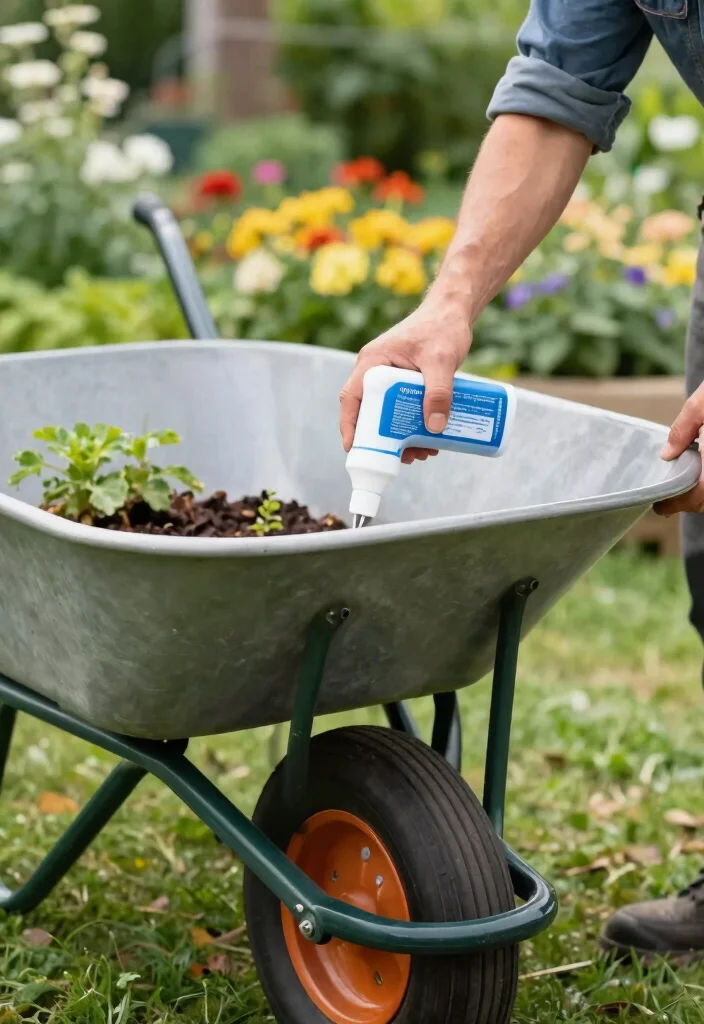
A vital part of wheelbarrow maintenance is ensuring all moving parts are properly lubricated. This includes the wheel axle and any pivoting joints. Adequate lubrication reduces friction and helps prevent rust by minimizing moisture retention.
Use a light machine oil or silicone-based lubricant for smooth operation. Make this a routine part of your care, ideally checking and applying lubricant every few months. Here’s a handy checklist:
– Wipe down the axle and joints with a cloth.
– Apply lubricant evenly to avoid excess pooling.
– Check the wheels for damage and ensure they spin freely.
Regular lubrication prevents rust and enhances performance, making your wheelbarrow easier to use.
8. Avoid Chemical Exposure
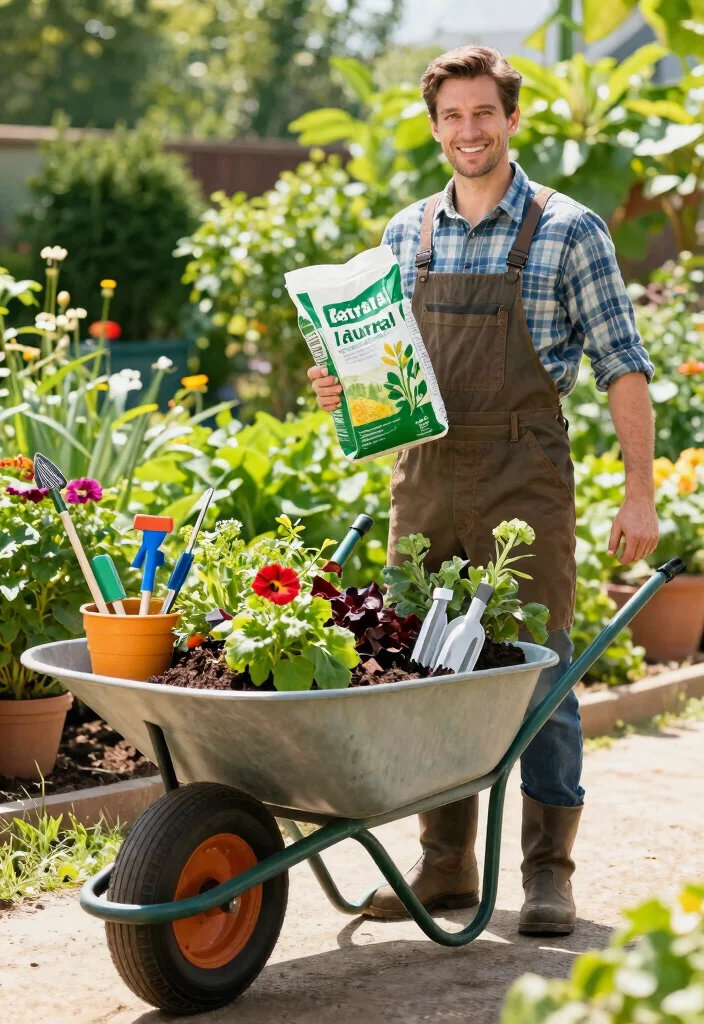
When caring for your wheelbarrow, be mindful of the chemicals it encounters. Fertilizers, pesticides, and other harsh substances can lead to corrosion and rust. Always handle these products carefully, ensuring no spills on your wheelbarrow.
If chemicals do come into contact, wash them off immediately to prevent damage. Store these items away from your wheelbarrow to minimize accidental exposure. Here are some tips to consider:
– Use organic alternatives whenever possible.
– Rinse off any residues right away.
– Store chemicals securely away from tools.
By being cautious with chemical exposure, you’ll significantly prolong your wheelbarrow’s lifespan.
9. Know When to Replace
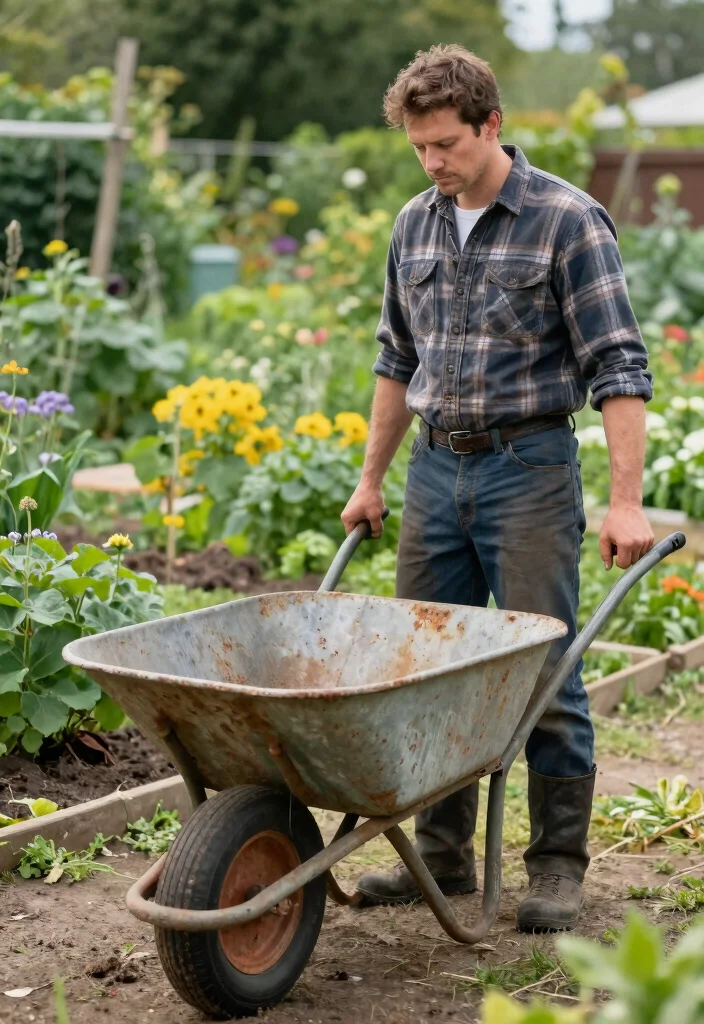
Finally, it’s essential to recognize when it’s time to replace your wheelbarrow. If you see extensive rust, cracks in the frame, or significant wear on the wheels, it might be time to invest in a new one. A good replacement can save you time and frustration in the long run.
Look for durable materials like galvanized steel, which are naturally rust-resistant. Evaluate the design; a well-constructed wheelbarrow will last longer. Here are signs to watch for:
– Large rust areas that are hard to manage.
– Structural damage affecting functionality.
– Wheels that no longer turn efficiently.
Knowing when to let go ensures you always have a tool that meets your gardening needs.
Ongoing Maintenance & Care Guide
Maintenance Schedule:
Daily/Weekly Tasks:
– Clean the Wheelbarrow: Wipe down the tray and handles to remove dirt and debris. This takes about 10 minutes.
– Check Tire Pressure: Ensure the tire is properly inflated to avoid flats. This should take around 5 minutes.
– Inspect for Rust: Look for any early signs of rust on metal parts. A quick visual check will take about 5 minutes.
– Lubricate Handles: Apply a bit of oil to the handles for smoother operation. This task takes about 5-10 minutes.
Monthly/Seasonal Tasks:
– Thorough Cleaning: Use soap and water to wash the entire wheelbarrow, paying special attention to the tray and wheels. This task will take about 30 minutes.
– Inspect and Tighten Hardware: Check nuts and bolts, and tighten any loose components as needed. Allocate around 15 minutes for this.
– Apply Rust-Resistant Coating: If your wheelbarrow is starting to show signs of rust or wear, apply a rust-resistant spray. Expect to spend about 20 minutes on this task.
– Clean Tires and Rims: Remove any mud or debris from the tires and rims to maintain traction. This will take about 15 minutes.
– Store in a Protected Area: If you notice the wheelbarrow is exposed to rain or sun, consider moving it to a covered space. This is more of a decision than a task but check every month.
Maintenance Summary Table:
| Task | Frequency | Difficulty | Time Needed |
|---|---|---|---|
| Clean the Wheelbarrow | Daily | Easy | 10 minutes |
| Check Tire Pressure | Weekly | Easy | 5 minutes |
| Inspect for Rust | Weekly | Easy | 5 minutes |
| Thorough Cleaning | Monthly | Medium | 30 minutes |
| Apply Rust-Resistant Coating | As needed | Medium | 20 minutes |
Common Issues to Watch For:
⚠️ Rust Formation: Look for brown patches or flaking paint. If you see this, it means your wheelbarrow needs immediate cleaning and rust treatment.
⚠️ Wobbly Wheel: If the wheel shakes or wobbles during use, check the axle and tighten any loose bolts. This could lead to more serious damage if ignored.
⚠️ Flat Tire: If you notice the tire is low on air, inflate it immediately. A flat tire can make the wheelbarrow difficult to maneuver.
⚠️ Loose Handles: If the handles feel loose or unstable, tighten them up. Loose handles can cause accidents during use.
⚠️ Strange Noises: Any unusual squeaks or grinding sounds during use may indicate a need for lubrication or repair. Address this quickly to prevent further issues.
Care Tips:
💡 Choose a Secure Storage Place: Store your wheelbarrow in a dry area, away from moisture. This prevents rust accumulation and prolongs its life.
💡 Use a Cover: If outside storage is your only option, consider using a waterproof cover. This shields your wheelbarrow from rain and sun damage.
💡 Regularly Lubricate Moving Parts: Use a light oil on the wheels and pivot points to ensure smooth operation. This should be part of your routine maintenance.
💡 Keep It Loaded Wisely: Avoid overloading your wheelbarrow. Excess weight can strain the frame and lead to faster wear and tear.
💡 Educate Yourself on Repairs: Familiarize yourself with small repairs you can do to fix minor issues. Knowing how to tighten a bolt or replace a tire will save you time and money.
By following these ongoing maintenance and care guidelines, you can keep your wheelbarrow in top shape and free from rust. Regular attention will help you enjoy gardening without the stress of equipment failure.
Conclusion

Keeping your wheelbarrow rust-free doesn’t have to be a chore. By following these maintenance tips—cleaning, storing properly, using it regularly, and more—you can prolong the life of your essential gardening tool. A little routine care goes a long way. So gear up and give your wheelbarrow the attention it deserves, and it will continue to serve you well for all your gardening adventures!
Note: We aim to provide accurate product links, but some may occasionally expire or become unavailable. If this happens, please search directly on Amazon for the product or a suitable alternative.
This post contains Amazon affiliate links, meaning we may earn a small commission if you purchase through our links, at no extra cost to you.
Frequently Asked Questions
What are the essential wheelbarrow maintenance tips to prevent rust?
These wheelbarrow maintenance tips will help you prevent rust and extend lifespan. First, do wheelbarrow cleaning after every use to remove soil, fertilizer, and moisture. Then dry the metal completely to stop water from corroding it. Next, look for rust spots and scrub them away with a wire brush; for small areas, apply a rust converter to neutralize remaining rust. Finish with a coat of rust prevention paint or enamel to seal the surface. Don’t forget to lubricate moving parts to cut moisture intrusion and wear. Store the wheelbarrow off the ground in a dry spot under a breathable cover to keep it sheltered from rain. Regularly touch up chipped paint so bare metal isn’t exposed. If you’re building a routine, this belongs in garden tools maintenance and outdoor equipment upkeep as part of wheelbarrow care.
How often should I perform wheelbarrow care and rust prevention?
Keep it simple: after each use, perform wheelbarrow cleaning and dry it completely. Then do a quick weekly check for rust spots or chipped paint to catch problems early. Do a more thorough wheelbarrow care session monthly or seasonally: touch up paint, reapply a rust prevention coating, and lubricate moving parts. Before storing for winter or extended outdoor use, give it a final wipe-down and apply a thin protective layer. This routine is a key part of wheelbarrow care and outdoor equipment upkeep, and it helps with rust prevention.
What should I do if my wheelbarrow already has rust?
First, assess the severity. For light surface rust, scrub with a wire brush or sandpaper until clean metal shows. For stubborn spots, apply a rust remover or converter, then rinse and dry. Prime and paint with a rust‑resistant enamel. Check for structural issues like deep pitting or holes; if the frame is compromised, replace or reinforce it. After treatment, maintain with wheelbarrow cleaning and garden tools maintenance to prevent reoccurrence.
What storage tips help prevent rust on outdoor wheelbarrows?
Keep the wheelbarrow in a dry, sheltered spot and elevate it off the damp ground on pallets or a rack. Use a breathable cover to protect from rain and dust. If you store it indoors, ensure good ventilation or add a dehumidifier or silica gel packs in the storage area. Clean before storing and recheck any painted surfaces. This approach fits into wheelbarrow care and outdoor equipment upkeep to lengthen life and prevent rust.
Are there differences in rust prevention for metal vs plastic wheelbarrows?
Yes. For metal wheelbarrows (steel or iron), rust prevention is essential: keep dry, apply protective coatings, and touch up chips as soon as they appear. Galvanized or stainless models resist rust more, but still benefit from regular garden tools maintenance. For plastic wheelbarrows, rust isn’t a concern, but the frame or handles may be metal; in those cases, treat the metal parts with light protective coatings and inspect for cracks from UV exposure. Regular cleaning and proper storage are part of wheelbarrow care and outdoor equipment upkeep to ensure longevity.