Gardening can be an incredibly rewarding experience, but it can also feel a bit overwhelming, especially if you’re just starting out. That’s why I created this post. I want to help first-time gardeners dive into the wonderful world of raised garden beds without feeling lost along the way. Whether you’re dreaming of fresh tomatoes, vibrant flowers, or a lush herb garden, having the right tips and strategies can make all the difference in your success.
If you’re someone who loves the idea of gardening but has limited space or experience, this guide is just for you. It’s packed with practical advice focused on urban raised garden beds, perfect for smaller areas. From selecting the ideal location to understanding effective planting strategies, you’ll find everything you need to create a thriving garden in your backyard, balcony, or patio.
You’ll discover 15 essential raised garden bed tips that are not only easy to implement but also enjoyable. These tips will help you with everything from soil preparation to watering techniques, ensuring that you grow healthy plants and enjoy the fruits of your labor. So, roll up your sleeves, grab your gardening gloves, and let’s get started on this exciting journey!
Key Takeaways
– Select the Perfect Location: Choose a sunny spot with good drainage to maximize plant growth in your raised garden bed.
– Quality Soil Preparation: Invest time in creating a nutrient-rich soil mixture to support healthy plant development.
– Understand Planting Strategies: Learn about companion planting and crop rotation to optimize your garden space and plant health.
– Water Wisely: Develop a watering routine that maintains moisture without overwatering, crucial for plant survival.
– Connect with the Gardening Community: Engage with fellow gardeners for support, advice, and inspiration as you grow your gardening skills.
1. Select the Perfect Location
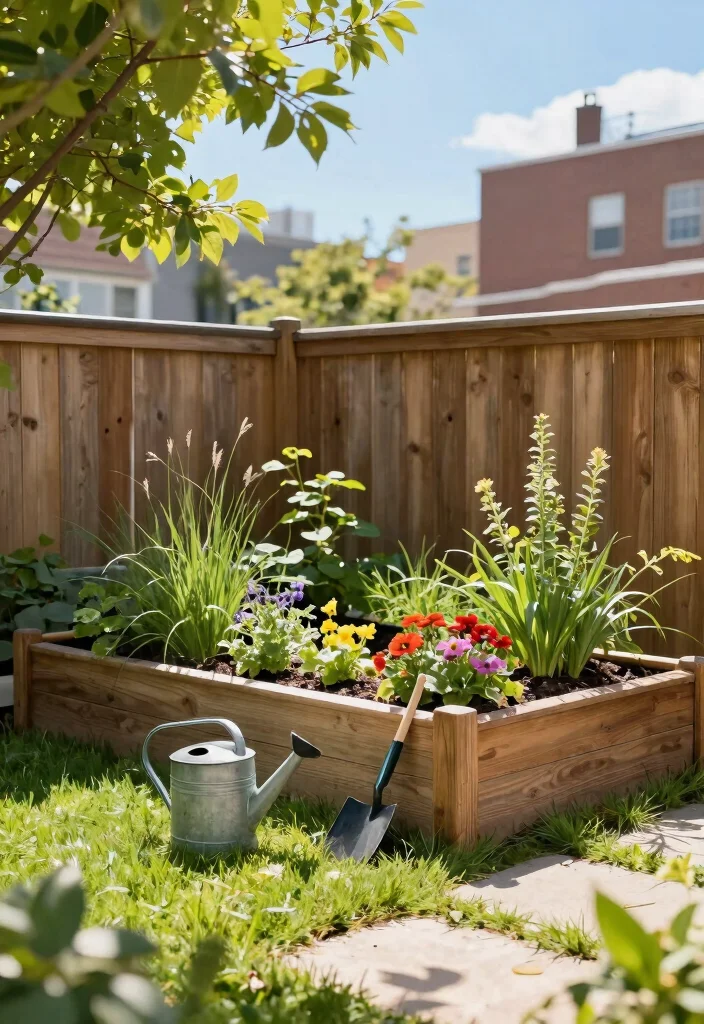
Finding the right spot for your raised garden bed can set the stage for a flourishing garden. Look for an area that gets at least 6-8 hours of sunlight daily, as most vegetables thrive in bright light. Avoid shaded spots from trees or buildings to ensure your plants get the energy they need to grow strong.
Accessibility is another key factor; choose a location that makes it easy for you to plant, water, and harvest. Being close to a water source simplifies your gardening tasks. Also, consider drainage – steer clear of low areas where water may accumulate. If your yard is sloped, use that to your advantage for natural drainage! Lastly, think about wind exposure; a sheltered area can protect your plants from harsh winds.
Key factors to consider for location:
– Ensure at least 6-8 hours of sunlight
– Choose an accessible spot for gardening tasks
– Avoid low areas prone to water pooling
– Look for shelter from strong winds
Choosing the right location not only simplifies your gardening tasks but also boosts your plant’s growth potential.
2. Choose the Right Materials
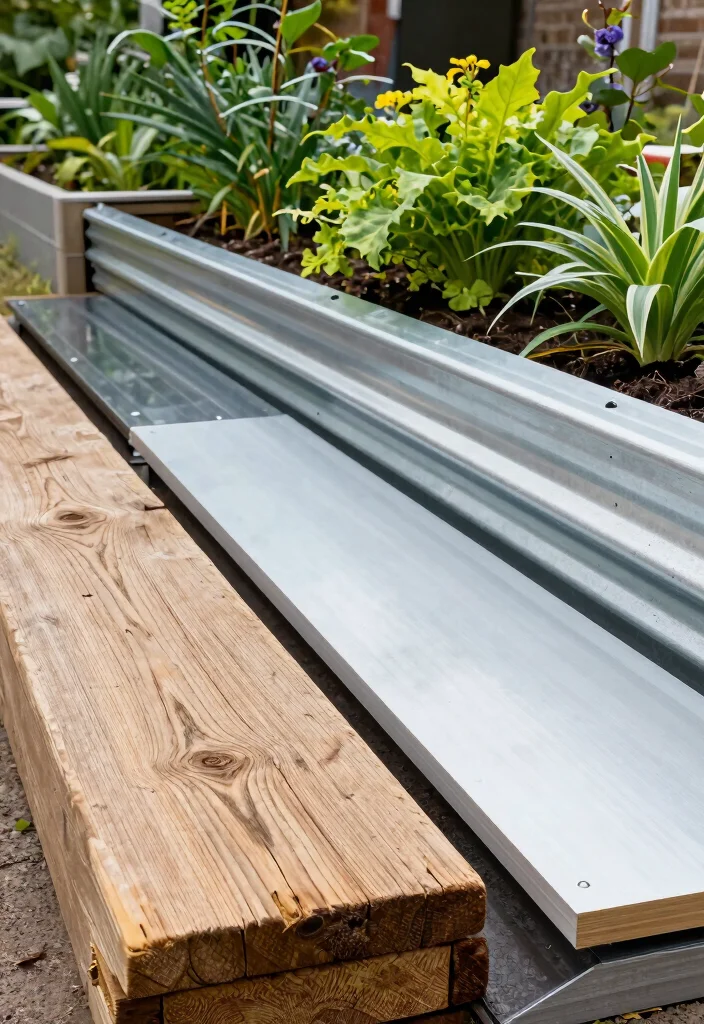
The materials you choose for your raised garden bed play a significant role in its longevity and effectiveness. Common options include wood, metal, or composite materials. Cedar and redwood are popular choices for wood due to their natural resistance to rot, while treated wood should be avoided to prevent harmful chemicals from leaching into the soil.
If you prefer a modern look, corrugated steel is a durable metal option that also avoids chemical contamination. Composite materials offer a low-maintenance alternative that resists fading and cracking. Whatever you decide, ensure your materials are safe for growing edibles. Keep in mind that a depth of 12-18 inches is ideal for accommodating healthy root growth.
Consider these material options:
– Choose cedar or redwood for durability
– Opt for corrugated steel for a modern look
– Use composite materials for low-maintenance care
– Maintain a depth of 12-18 inches for healthy roots
Your choice of materials can enhance both the appearance and functionality of your garden, so pick what resonates with your style!
3. Embrace Quality Soil Preparation
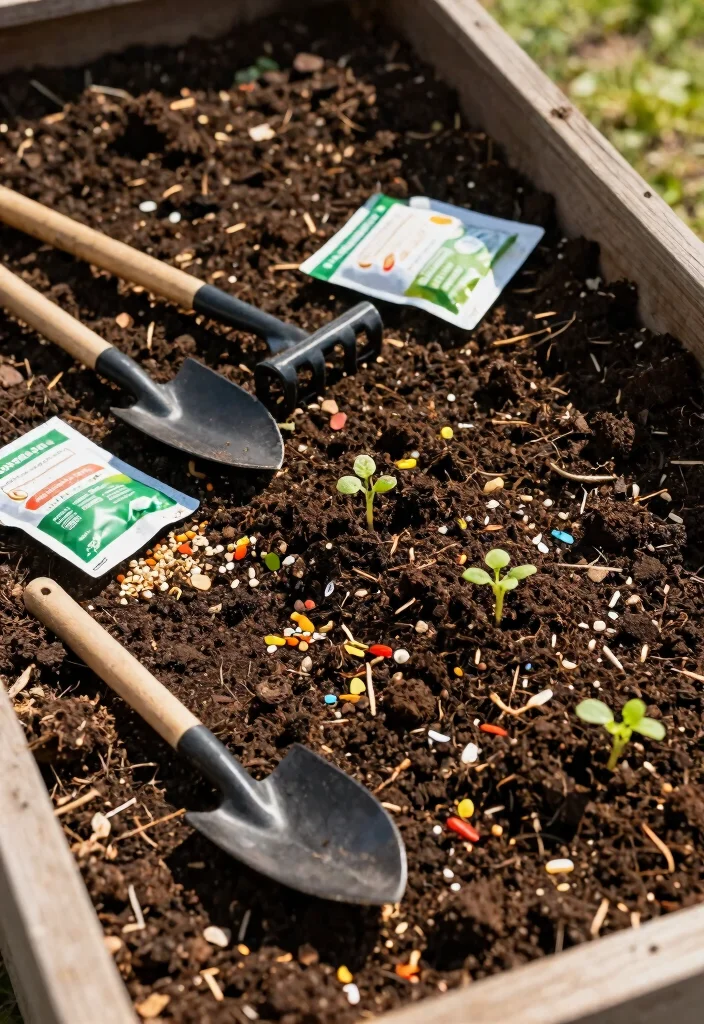
Soil is the foundation of your garden, making proper preparation crucial for success. Begin with a mix of high-quality topsoil and organic compost to create a nutrient-rich environment for your plants. A recommended ratio is 60% topsoil, 30% compost, and 10% aeration materials like perlite for improved drainage.
Check your soil’s pH; most vegetables prefer a slightly acidic to neutral pH between 6.0 and 7.0. You can further enrich your soil with well-rotted manure or organic fertilizers tailored to your specific plants. Investing time in soil preparation will yield healthy crops. Regularly adding new compost during the growing season keeps your soil vibrant and productive.
Follow these soil preparation tips:
– Mix high-quality topsoil with organic compost
– Monitor soil pH for optimal conditions
– Use well-rotted manure to enrich soil
– Add fresh compost regularly for vitality
Proper soil preparation will reward you with bountiful harvests and thriving plants.
4. Understand the Right Planting Strategies
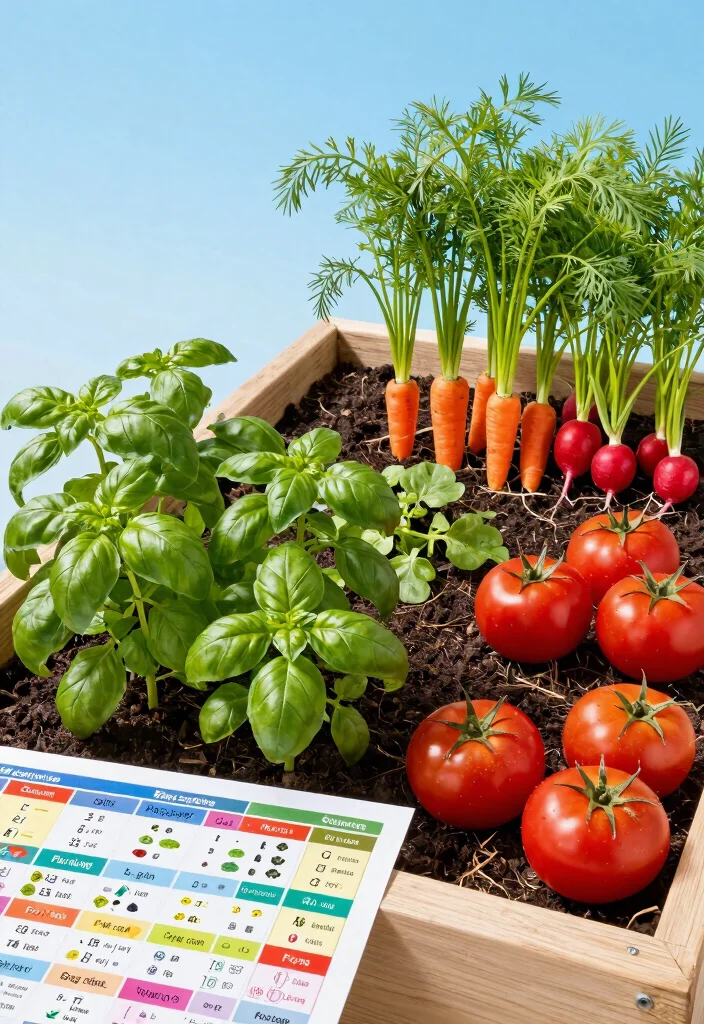
Getting your planting strategies right can greatly enhance your garden’s yield. Implement techniques like companion planting, intercropping, and proper spacing to maximize your garden space effectively. Companion planting involves growing plants together that benefit one another, such as pairing tomatoes with basil to improve flavor and deter pests.
Intercropping allows you to plant fast-growing crops, like radishes, alongside slower-growing ones, such as carrots, optimizing your space and resources. Proper spacing is crucial; overcrowding can lead to stunted growth and disease, so refer to seed packets for specific spacing guidelines. Starting with a planting calendar can also help you stay organized about what to plant and when.
Key planting strategies to use:
– Utilize companion planting for mutual benefits
– Intercrop fast and slow-growing plants
– Maintain proper spacing to avoid overcrowding
– Use a planting calendar for organization
These strategies will lead to healthier plants and a more fruitful garden.
5. Water Wisely
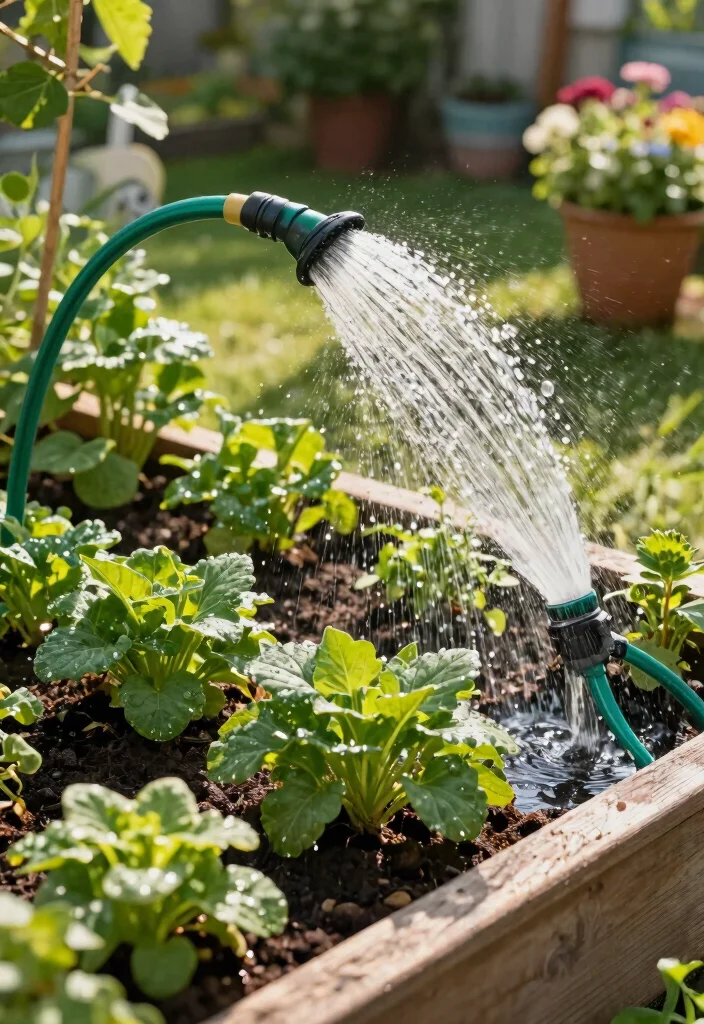
Watering your plants wisely can significantly impact their health and growth. Raised garden beds often drain faster than traditional gardens, so consistent watering is essential, especially in hot summer months. Aim for deep watering to encourage roots to grow deeper, enhancing resilience.
Utilizing a soaker hose or drip irrigation system can help deliver water directly to the roots while reducing evaporation. To check moisture levels, stick your finger into the soil; if it feels dry, it’s time to water. Morning is the best time for watering, allowing plants to absorb moisture before the sun heats up.
Watering tips for healthy plants:
– Water deeply to promote strong roots
– Use soaker hoses for efficiency
– Check soil moisture regularly
– Water in the morning for best results
Consistent watering practices will lead to lush, vibrant plants in your garden.
6. Mulch for Moisture Retention
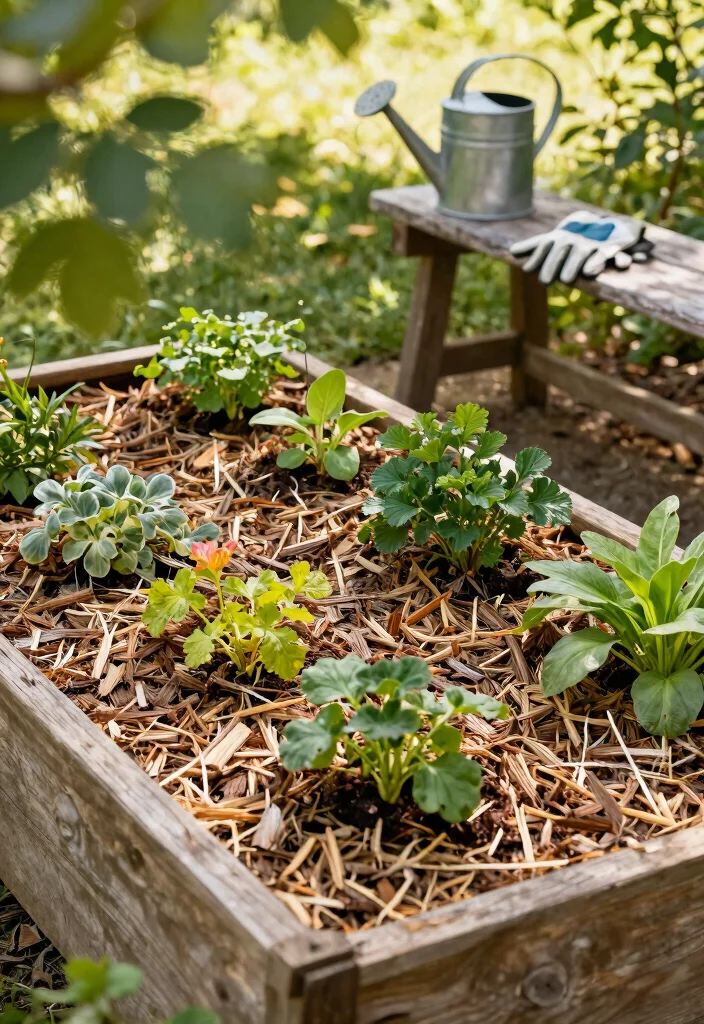
Applying mulch is a simple yet effective way to retain moisture in your raised garden bed. Organic mulches like straw, wood chips, or shredded leaves act as a barrier, reducing evaporation and stabilizing soil temperature. Spread a 2-3 inch layer around your plants, being careful to keep it away from their stems.
Mulch not only helps with moisture retention but also suppresses weeds and enhances soil health as it breaks down. In urban gardens, mulch adds an attractive finish while promoting sustainability. Plus, it minimizes weeding efforts! Refresh your mulch layer as it decomposes to maintain its benefits.
Benefits of mulching:
– Retain moisture in the soil
– Suppress weed growth effectively
– Improve soil health over time
– Enhance the garden’s visual appeal
Applying mulch will create a more manageable and productive garden space.
7. Regular Maintenance is Key
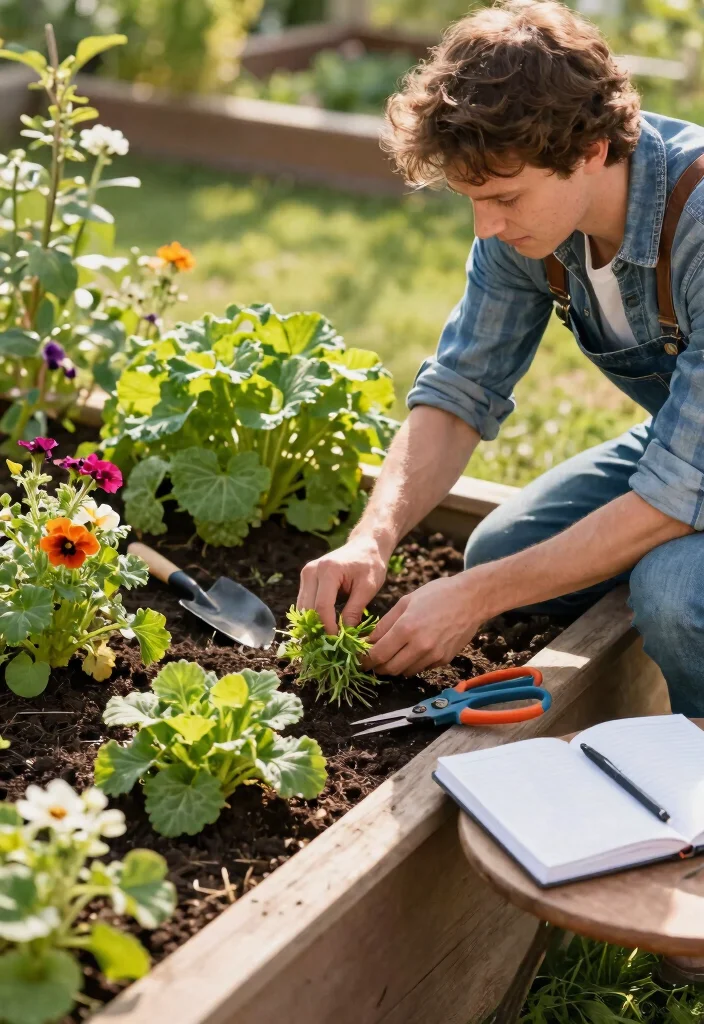
To keep your raised garden bed thriving, regular maintenance is essential. Routine tasks such as weeding, pest checks, and providing support for climbing plants like tomatoes are crucial. Weeding is easier with raised beds, making it a manageable task.
Stay vigilant by inspecting your plants for pests or diseases and addressing any issues quickly to prevent spreading. Crop rotation each year can enhance soil health and lower pest problems. Consider keeping a gardening journal to document what you planted and any challenges you encountered; it will serve as a valuable reference for future seasons.
Regular maintenance tips:
– Perform routine weeding and pest checks
– Rotate crops annually for better soil
– Use a gardening journal to track progress
– Provide support for climbing plants
Consistent care will transform your garden into a vibrant, productive space.
8. Know Your Growing Zone
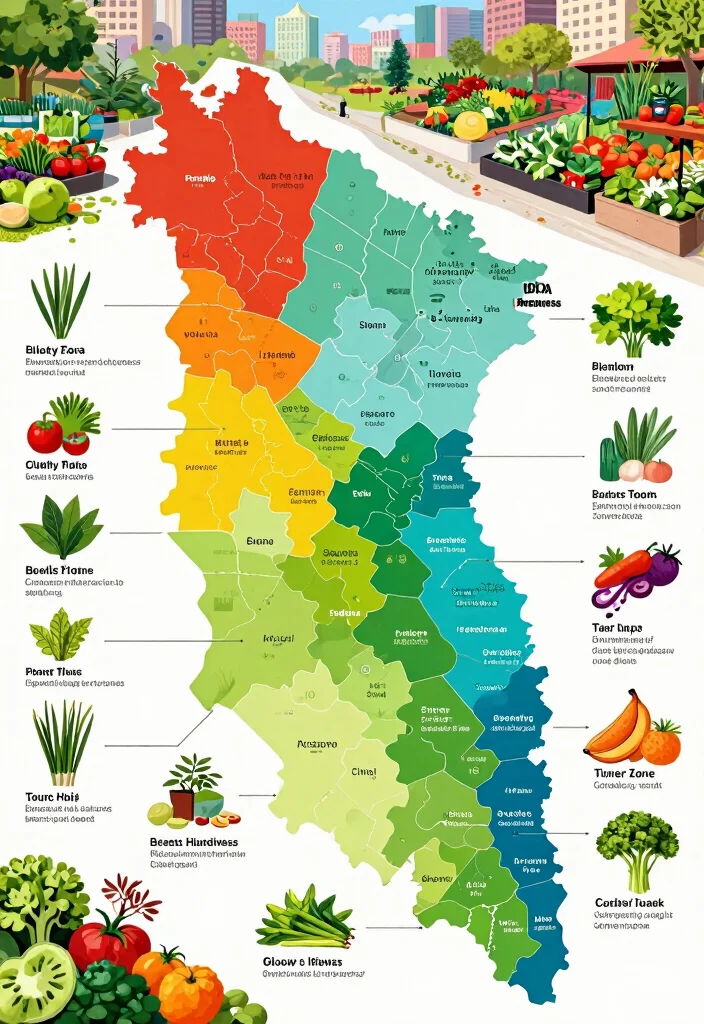
Being aware of your growing zone is vital for selecting the right plants that flourish in your local climate. Each region has a distinct growing season and temperature range that influences what you can grow and when.
Use the USDA Plant Hardiness Zone Map to find out which plants are best for your area, helping you plan your planting schedule effectively. For instance, some vegetables may thrive in early spring, while others are better suited for fall planting. Don’t rush; starting plants indoors can give you a head start, but be cautious of transplanting them after the frost.
Know your growing zone by:
– Researching your hardiness zone for plant suitability
– Planning your planting schedule based on local conditions
– Starting seeds indoors for an early advantage
– Waiting until after the last frost to transplant
Understanding your growing zone will empower you to choose plants that will thrive in your garden.
Your growing zone isn’t a guess; it’s your garden’s playbook. Check the USDA Plant Hardiness Zone Map, plan spring and fall staples accordingly, and watch your raised garden bed tips turn into harvests, not heartbreak.
9. Harvest at the Right Time
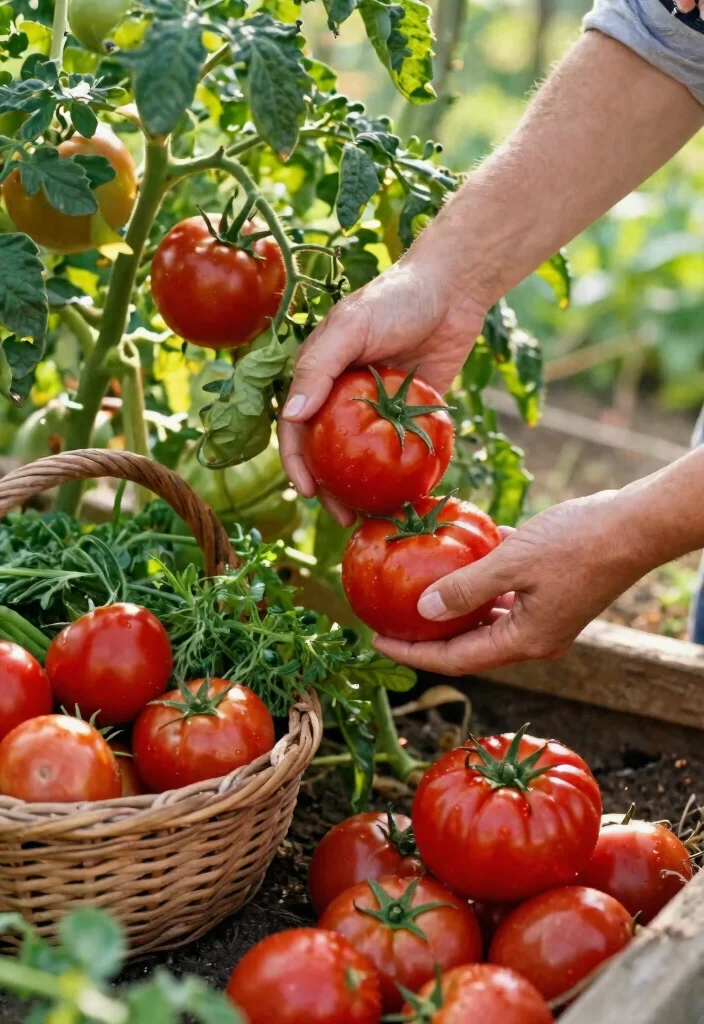
Knowing when to harvest your crops is essential for enjoying optimal flavors and textures. Each plant has an ideal harvest time that often depends on maturity rather than just the time since planting.
For example, leafy greens like lettuce are at their best when young and tender, while tomatoes should be picked as they start to turn bright red. Regularly inspect your crops and learn the signs of ripeness to maximize your yield. Harvesting in the morning when moisture levels are higher can improve the taste and longevity of your produce.
Harvesting tips for best results:
– Know the ideal harvest times for each plant
– Check crops regularly for ripeness indicators
– Harvest in the morning for enhanced flavor
– Taste a bit to gauge readiness
Timing your harvest right will reward you with delicious, fresh produce from your garden.
Ongoing Maintenance & Care Guide
Maintenance Schedule:
Daily/Weekly Tasks:
– Check Soil Moisture: Stick your finger an inch into the soil. If it feels dry, it’s time to water. ⏱ (5 minutes)
– Inspect for Pests: Look for any bugs or damage on your plants. Catching issues early can save your garden. ⏱ (10 minutes)
– Weed Removal: Pull out any weeds that pop up. Weeds compete for nutrients and water. ⏱ (15 minutes)
– Side Dressing: Add organic fertilizer to boost plant growth during the growing season. ⏱ (10 minutes)
Monthly/Seasonal Tasks:
– Prune Plants: Trim dead or overgrown foliage to encourage healthy growth. ⏱ (20 minutes)
– Mulch Refresh: Add 1-2 inches of fresh mulch to retain moisture and suppress weeds. ⏱ (30 minutes)
– Soil Testing: Use a soil test kit to check nutrient levels and pH. Adjust as necessary for optimal growth. ⏱ (15 minutes)
– Crop Rotation: Plan and rotate your crops each season to prevent soil depletion. ⏱ (30 minutes)
– Composting: Turn your kitchen scraps into compost, enriching your soil naturally. ⏱ (30 minutes)
Maintenance Summary Table:
| Task | Frequency | Difficulty | Time Needed |
|————————|—————-|————–|————–|
| Check Soil Moisture | Daily | Easy | 5 minutes |
| Inspect for Pests | Daily | Easy | 10 minutes |
| Weed Removal | Weekly | Easy | 15 minutes |
| Side Dressing | Weekly | Easy | 10 minutes |
| Prune Plants | Monthly | Medium | 20 minutes |
| Mulch Refresh | Monthly | Easy | 30 minutes |
| Soil Testing | Monthly | Medium | 15 minutes |
| Crop Rotation | Seasonal | Medium | 30 minutes |
| Composting | Seasonal | Easy | 30 minutes |
Common Issues to Watch For:
⚠️ Yellowing Leaves: If your leaves are turning yellow, this could mean they need more water or nutrients. Check the soil moisture and nutrient levels.
⚠️ Wilting Plants: Drooping plants often signal a need for water. Stick your finger in the soil; if it’s dry, it’s time to water more.
⚠️ Pest Infestations: Look for chewed leaves or sticky residue on plants. If you notice this, inspect closely for pests and consider organic pesticides.
⚠️ Fungal Growth: Mold or mildew on leaves means humidity is too high or airflow is poor. Improve ventilation and avoid overhead watering.
⚠️ Poor Growth: If plants aren’t thriving, check soil nutrients and ensure they’re getting enough sunlight. Adjust as needed.
Care Tips:
💡 Water Early: Water your plants early in the morning to reduce evaporation. This gives your plants the best chance to absorb moisture.
💡 Rotate Crops: Change the location of different plant families each year. This keeps the soil rich and prevents pests from establishing.
💡 Support Structures: Use cages or trellises for plants like tomatoes and beans to keep them upright. This can improve air circulation and sunlight exposure.
💡 Use Organic Mulch: Organic mulch not only suppresses weeds but also enriches the soil as it breaks down. Consider straw, wood chips, or shredded leaves.
💡 Stay Informed: Connect with local gardening groups or online forums. Sharing experiences and tips can help you troubleshoot and grow better.
10. Attract Beneficial Insects
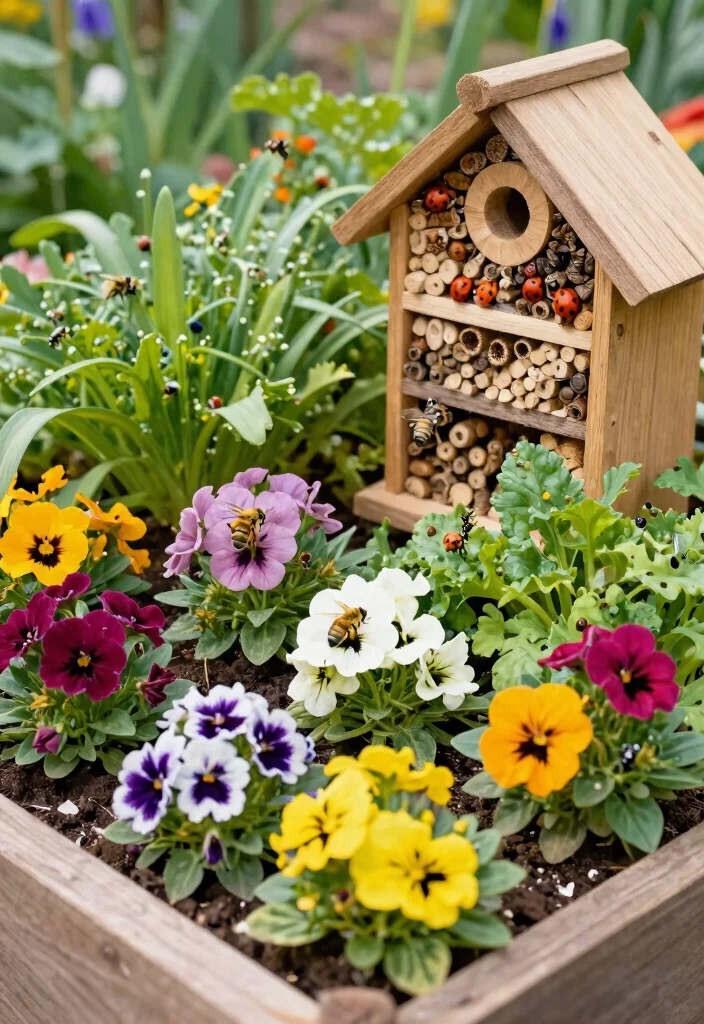
Creating a balanced ecosystem in your garden is key to natural pest control. Beneficial insects, like ladybugs and bees, can help pollinate your plants while keeping pest populations in check.
Encourage these helpful insects by planting a diverse range of flowers and herbs that provide nectar and shelter. For example, marigolds not only add color but also repel harmful pests. You can also create insect hotels or small water sources to support their habitat. Avoid harmful pesticides, as they can damage the very insects that benefit your garden.
Ways to attract beneficial insects:
– Plant diverse flowers and herbs for nectar
– Build insect hotels for shelter
– Provide small water sources for hydration
– Avoid harmful pesticides that affect beneficial insects
Welcoming these natural allies will enhance the productivity and health of your raised garden bed.
11. Plan for Vertical Growth
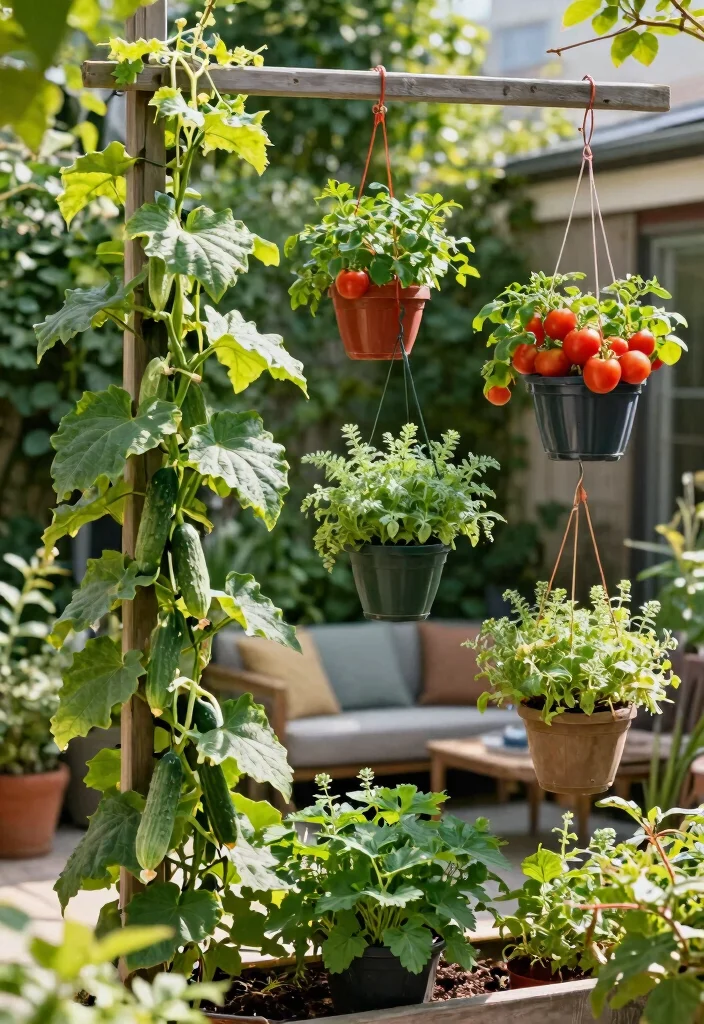
In compact spaces, vertical gardening can help you maximize your growing area. Consider using trellises, cages, or hanging planters to allow climbing plants to reach new heights.
Popular vertical crops include cucumbers, peas, and certain tomato varieties. These plants not only save valuable ground space but also create an eye-catching display in your garden. Ensure your support structures are sturdy enough to handle the weight of mature plants. Vertical gardening can also improve airflow, reducing the risk of disease.
Implement vertical growth strategies:
– Use trellises or cages for support
– Select climbing plants for vertical growth
– Ensure structures are sturdy for mature plants
– Improve airflow to reduce disease risk
With a little creativity, you can transform your small garden into a beautiful vertical oasis!
“Fact: Vertical gardening can multiply usable space on a balcony by 2–3x, letting cucumbers and peas climb to harvest-friendly heights. With sturdy trellises and hanging planters, you’ll expand your growing area without sacrificing ground space. It’s one of the most practical raised garden bed tips for small spaces.”
12. Experiment with Container Gardening
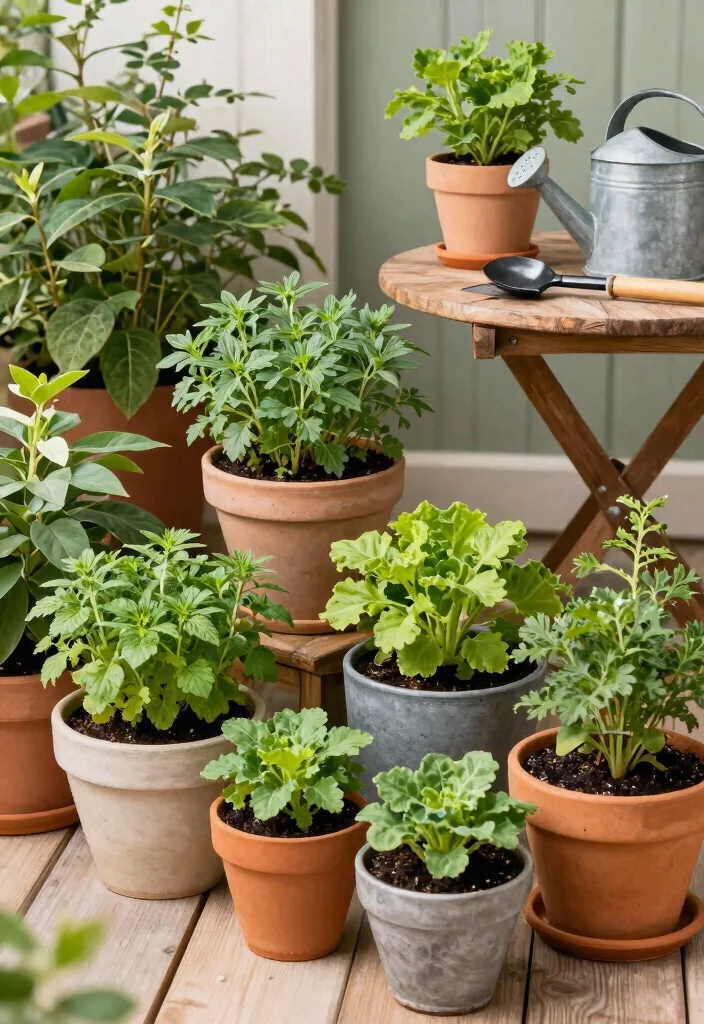
If you’re short on ground space, container gardening can be a great alternative to traditional gardening. Use pots, window boxes, or even repurposed materials to grow herbs, flowers, and vegetables.
Containers come in various shapes and sizes, allowing you to customize your garden layout. Ensure your containers have proper drainage and use quality soil for the best results. Plants like strawberries, peppers, and herbs thrive in containers, making them perfect for smaller spaces. Grouping pots together can create a visually appealing arrangement while simplifying care routines.
Container gardening tips:
– Use various containers for visual interest
– Ensure proper drainage for plants
– Select the right soil for container growth
– Group pots for easier maintenance
With container gardening, you can unleash your creativity while maximizing your urban gardening experience!
Did you know a single 12-inch pot can grow a surprising harvest of herbs all season? With container gardening, you can place strawberries, peppers, and herbs wherever sun hits—balconies, windowsills, or repurposed containers. Ensure quick-draining soil for thriving, compact results.
13. Connect with the Gardening Community
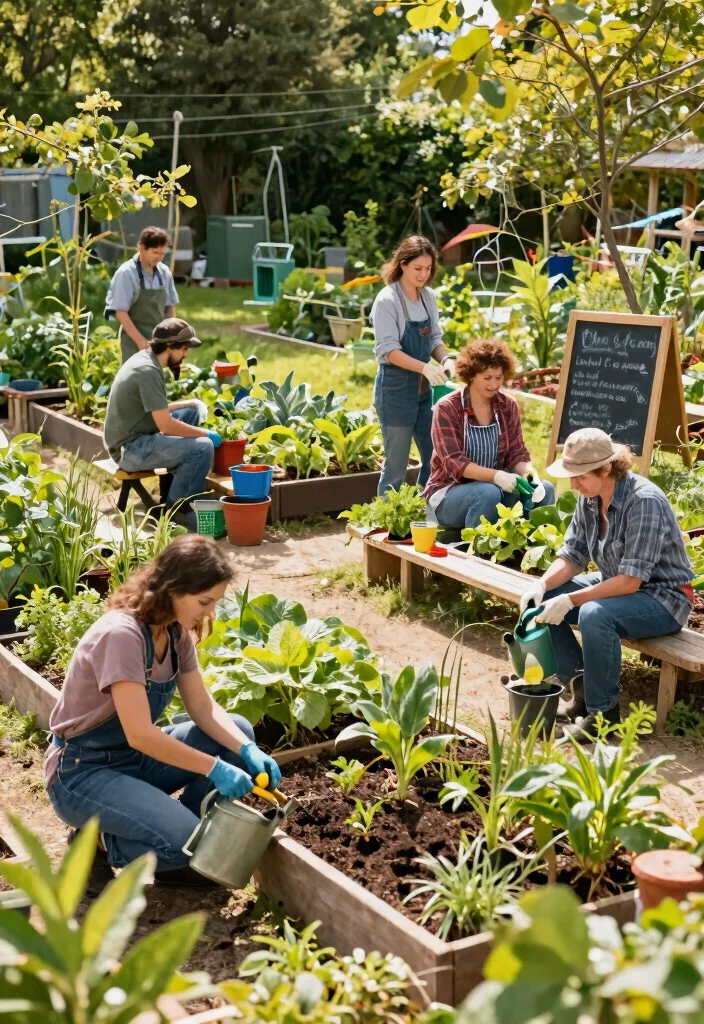
Gardening can often feel like a solitary pursuit, but connecting with others can enrich your experience. Joining a local community garden or gardening club provides opportunities to meet other enthusiasts and share valuable tips.
Online gardening forums and social media groups are also fantastic resources for first-time gardeners. You can share your journey, ask questions, and learn from the experiences of others. Discover new planting techniques, pest management strategies, or even participate in local plant swaps. Engaging with this vibrant community enhances your gardening skills while fostering friendships and connections around a shared passion.
Ways to connect with fellow gardeners:
– Join a local community garden for hands-on experience
– Participate in gardening clubs for knowledge sharing
– Engage in online forums for advice and support
– Explore social media groups for inspiration and networking
Connecting with fellow gardeners can transform your experience, making it more enjoyable and fulfilling.
14. Document Your Progress
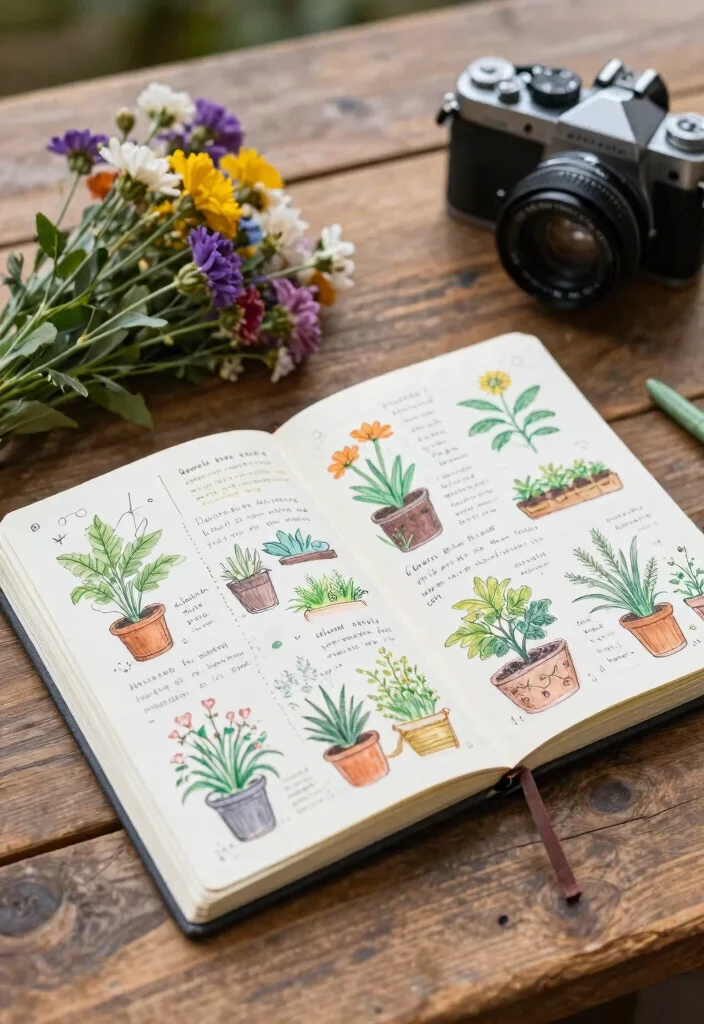
Keeping a journal or photo diary of your gardening journey can be incredibly rewarding. Documenting your progress helps you remember what works and what doesn’t, paving the way for future success.
Take notes on planting dates, weather conditions, and any challenges that arise. Capturing photographs of your plants at various stages is a delightful way to track their growth. When your garden flourishes beautifully, you’ll have a collection of memories to cherish. Sharing your journey on social media can inspire others and celebrate your accomplishments within the gardening community.
Benefits of documenting your journey:
– Track what works and what doesn’t
– Create lasting memories through photos
– Share experiences to inspire others
– Reflect on progress for future improvement
Documenting your progress can enhance your gardening experience and provide valuable insights for the future.
15. Stay Persistent and Enjoy the Journey
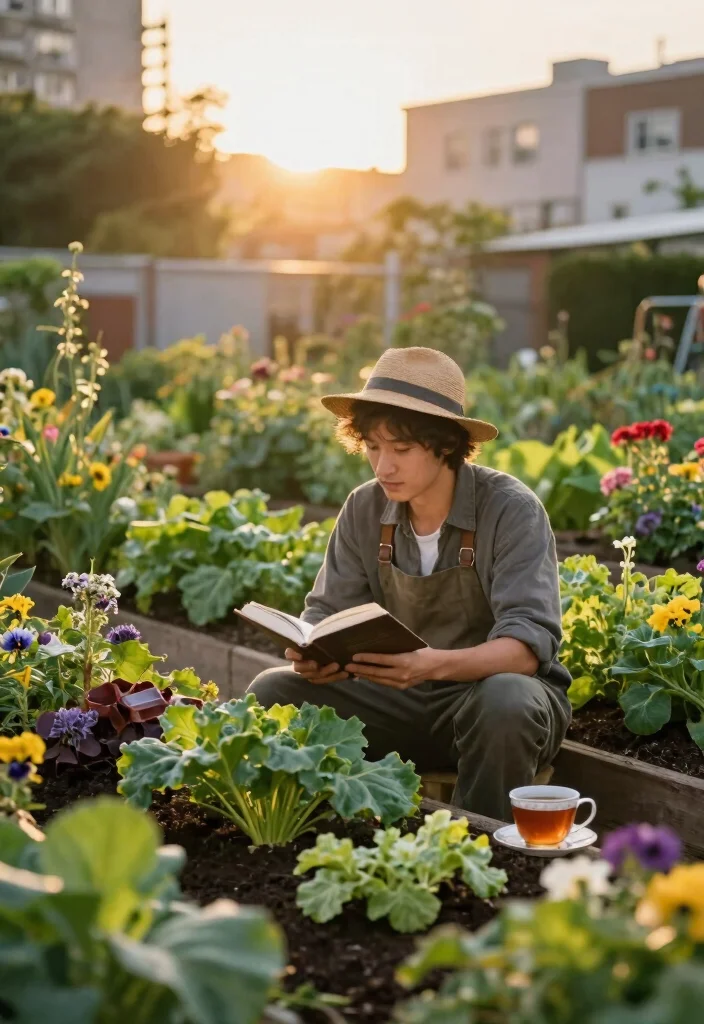
Gardening is a journey filled with learning opportunities, so it’s essential to remain patient and persistent. Not every attempt will yield perfect results, and that’s perfectly fine! Each season brings new challenges and discoveries that contribute to your growth as a gardener.
Celebrate even the small victories, whether it’s a single ripe tomato or a thriving flower bed. Remember that gardening is about the process, not just the end result. Take time to appreciate the beauty around you, connect with nature, and find joy in nurturing your plants. With each season, you’ll gain confidence and experience, turning your garden into an ever-evolving masterpiece.
Key reminders for your gardening journey:
– Embrace patience and persistence
– Celebrate small victories along the way
– Enjoy the process, not just the results
– Connect with nature for deeper fulfillment
Staying committed and enjoying the journey will make your gardening experience truly rewarding.
Conclusion
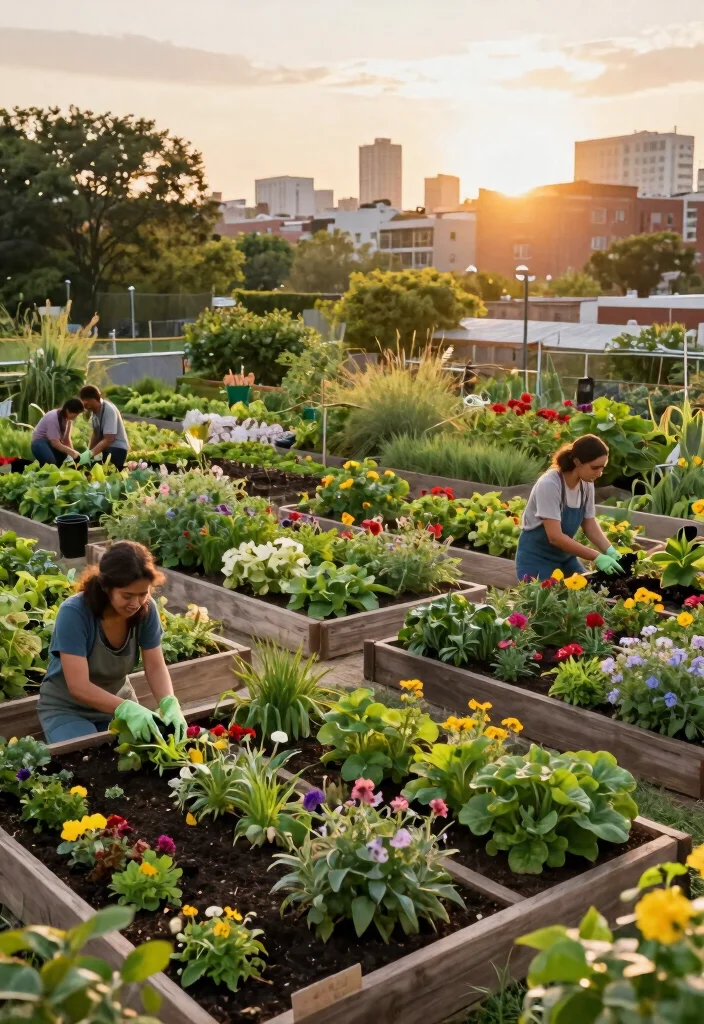
Embarking on your gardening journey can be both fulfilling and exciting, especially in small urban spaces with raised garden beds.
By following these essential tips, you can create a beautiful, productive garden that brings joy and fresh produce into your life. Remember, gardening is a learning experience, and every season offers new lessons and rewards.
So, roll up your sleeves and embrace the green thumb within you!
Note: We aim to provide accurate product links, but some may occasionally expire or become unavailable. If this happens, please search directly on Amazon for the product or a suitable alternative.
This post contains Amazon affiliate links, meaning we may earn a small commission if you purchase through our links, at no extra cost to you.
Frequently Asked Questions
What are the essential raised garden bed tips for beginners?
Start with a simple plan that fits your space. For raised bed gardening, choose a bed size you can reach from all sides (about 3 feet wide is ideal) to make gardening comfortable for first-time gardeners.
Use a high-quality soil mix designed for raised beds — think a blend of compost, leafy topsoil, and a light amendment — so roots get good nutrients and drainage.
Ensure proper drainage by placing beds on a level, well-draining surface and adding a bottom layer of coarse material if needed.
Fill the bed to about 2 inches below the top edge to prevent overflow when watering.
Install a simple watering system like a soaker hose or drip line to keep soil evenly moist, especially in urban heat.
Mulch with straw or shredded leaves to conserve moisture and reduce weeds.
Pick beginner-friendly crops (salad greens, radishes, herbs) and practice beginner gardening tips like staggered planting and avoiding crowding to give each plant space. Plan for planting strategies that let you harvest regularly, and design with garden bed design basics in mind so the bed looks tidy in a small space.
How should I approach soil preparation for a raised bed in a small urban space?
Start with a quick soil prep checklist: test your soil pH and nutrients if you can; in most raised beds, aim for a slightly acidic to neutral pH (6.0-7.0).
Build your bed soil with a rich mix: roughly two parts compost, one part good topsoil, and one part light amendment like coconut coir or perlite.
Avoid contaminated soil from previous use; raised beds help, but use fresh mix.
Ensure strong drainage: add a layer of coarse material or use a fabric to prevent soil compaction.
Pre-wet the mix before filling to reduce settling.
After filling, lightly rake and add a starter fertilizer or slow-release fertilizer tailored to your crops.
For urban spaces, keep the bed surface a few inches below the surrounding soil grade to prevent overwatering from rain runoff. This approach supports healthy soil preparation and sets the stage for productive harvests.
What planting strategies maximize yield in raised beds?
Think in terms of space, sun, and succession. Use planting strategies that match your sun hours and available space: group crops with similar water needs, plant in blocks or rows for efficient harvesting, and choose compact or dwarf varieties suited to raised beds.
Practice succession planting: after a quick harvest, replant with a new crop to keep the bed productive.
Use companion planting to deter pests and improve flavor.
Use vertical supports for climbing plants to save floor space in urban raised beds.
Rotate crops each season to maintain soil health and reduce disease. With these beginner gardening tips, you can get steady yields from your raised bed gardening setup.
How should I design the layout and materials for a compact raised bed garden in urban spaces?
Start with a design that fits your footprint and accessibility. For small spaces, a rectangular bed 3×6 feet or a pair of 2×4 beds can fit a balcony or patio.
Build frames from durable, rot-resistant materials like cedar or recycled composites, making sure there are no chemical-treated woods that could leach into the soil.
Plan for a comfortable reach: keep bed widths to 3 feet so you can tend from both sides without stepping on soil.
Include proper edging to keep turf away and to define the space.
Build in a simple irrigation zone, such as a soaker hose under mulch, to water evenly.
Consider raised bed height; 12-18 inches is a good sweet spot for urban gardeners.
Finally, tailor the design to future changes in sun exposure and seasonal crops to extend your growing season as part of good garden bed design.
What are common mistakes first-time gardeners make with raised beds and how can I avoid them?
Common mistakes include underestimating sunlight, overfilling or underfilling the bed, and skipping soil preparation.
Ensure you choose crops that match your available sun and plan spacing so plants aren’t crowded—this is essential planting strategies for raised beds.
Don’t neglect drainage; poor drainage leads to root rot and soggy roots, so add a drainage layer or raise beds on a solid base.
Use too heavy soil and forget to mulch; a light, fluffy mix with organic mulch promotes moisture retention without oversaturation.
Skipping irrigation planning is another big one—set up a simple drip or soaker system to prevent forgetting to water.
Finally, ignore ongoing maintenance: feed with compost, rotate crops, and keep an eye out for pests. Fixes: test soil, choose a balanced soil mix, space crops properly, and maintain a regular watering and feeding schedule. This practical approach keeps your raised bed tips actionable for long-term success.