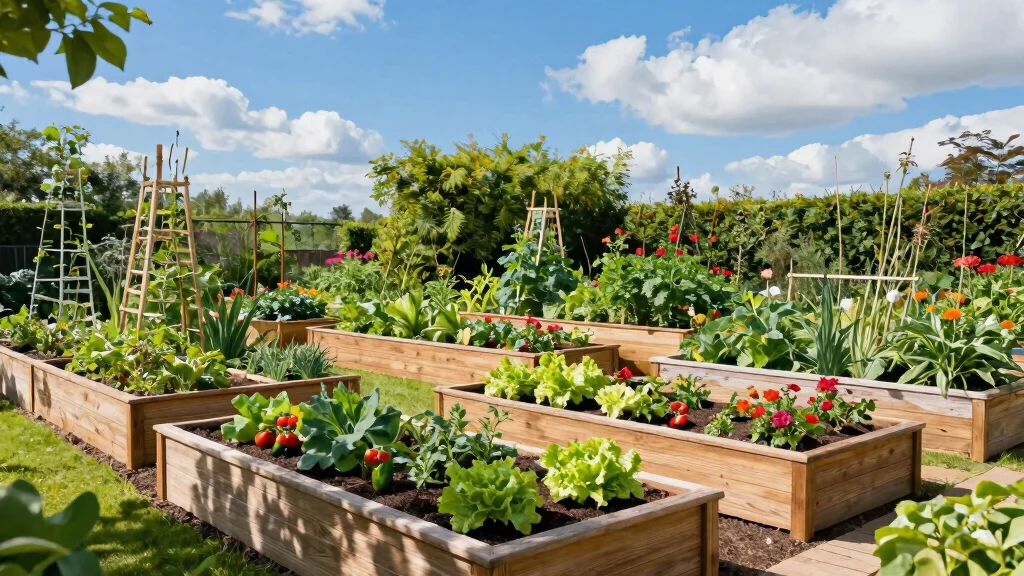
Gardening has a way of bringing joy and tranquility to our lives, especially as we approach the growing season. With limited space, many of us find ourselves craving a garden that can thrive without consuming our entire yard. That’s why I created this post on 15 smart raised garden bed layout ideas. These designs will not only maximize your gardening space but also add a touch of creativity to your outdoor area.
If you’re someone who loves to garden but struggles with limited room or seeks fresh ideas for your space, this blog is for you. Whether you’re an experienced gardener or just starting out, you’ll find something valuable here. I’ve pulled together 15 unique raised garden bed designs that are practical, space-saving, and perfect for any small garden setup. You’ll discover various vertical gardening solutions, tips for effective vegetable garden layouts, and small garden ideas that will inspire you to grow your own food in style.
Let’s dive in and explore these smart layouts that will transform your gardening experience. Get ready to make the most of your space while enjoying the beauty and bounty of your very own raised garden beds!
Key Takeaways
– Discover 15 creative raised garden bed layout ideas that can help you maximize your gardening space and improve your yield.
– Explore various designs, including vertical trellis beds and stackable raised beds, which are perfect for small areas.
– Learn practical tips for making your raised beds accessible, such as wheelchair-friendly designs and elevated planter boxes.
– Find inspiration in unique concepts like spiral herb gardens and circular raised beds that add beauty to your garden.
– Get ideas for community garden beds and companion planting that not only maximize space but also enhance garden productivity.
1. Stackable Raised Garden Beds
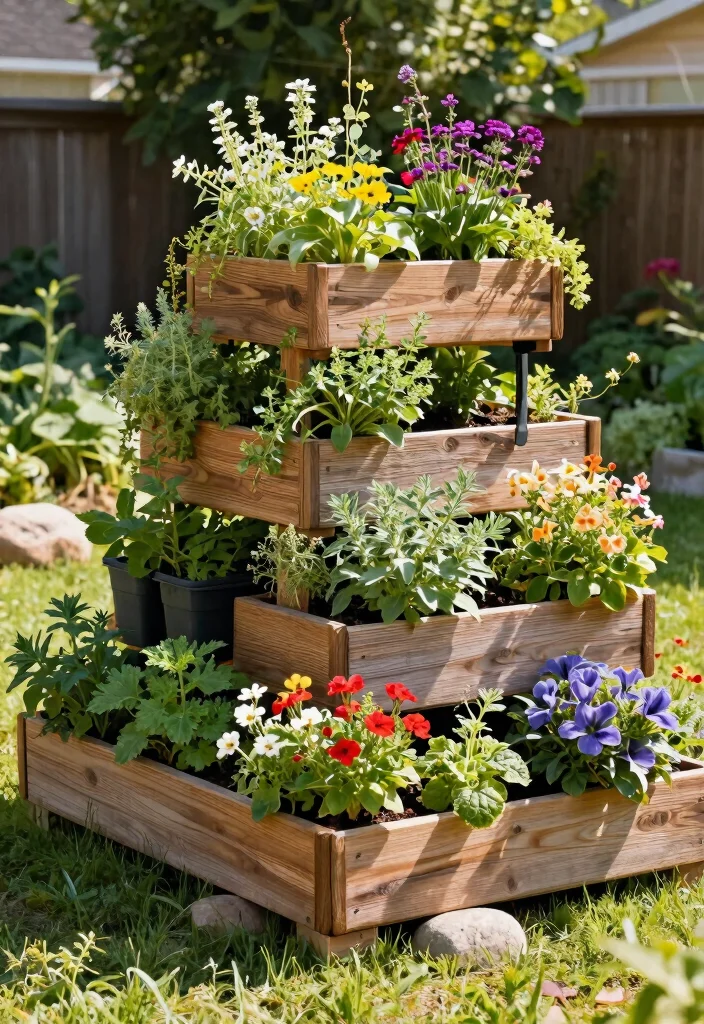
If you’re looking to maximize your garden space, stackable raised beds are the way to go. These clever designs let you build upwards, creating multiple planting layers that are perfect for small areas. Picture a series of modular boxes, each filled with vibrant plants, making your garden not only functional but visually stunning too.Start by choosing materials that suit your style, such as wood, metal, or eco-friendly plastic. This approach allows you to grow a variety of plants like herbs and flowers while customizing the height to match your gardening preferences. Don’t forget to ensure proper drainage to keep your plants healthy and thriving.Key benefits of stackable raised beds:
– Maximize planting space without expanding your garden’s footprint.
– Easier access to plants at various heights, great for mobility needs.
– Creative layouts allow for personal expression and design.
– Customizable heights fit different plant types and aesthetics.
With stackable beds, you’ll enjoy not only a productive garden but also a unique visual element that makes gardening a joy.
2. Vertical Trellis Beds
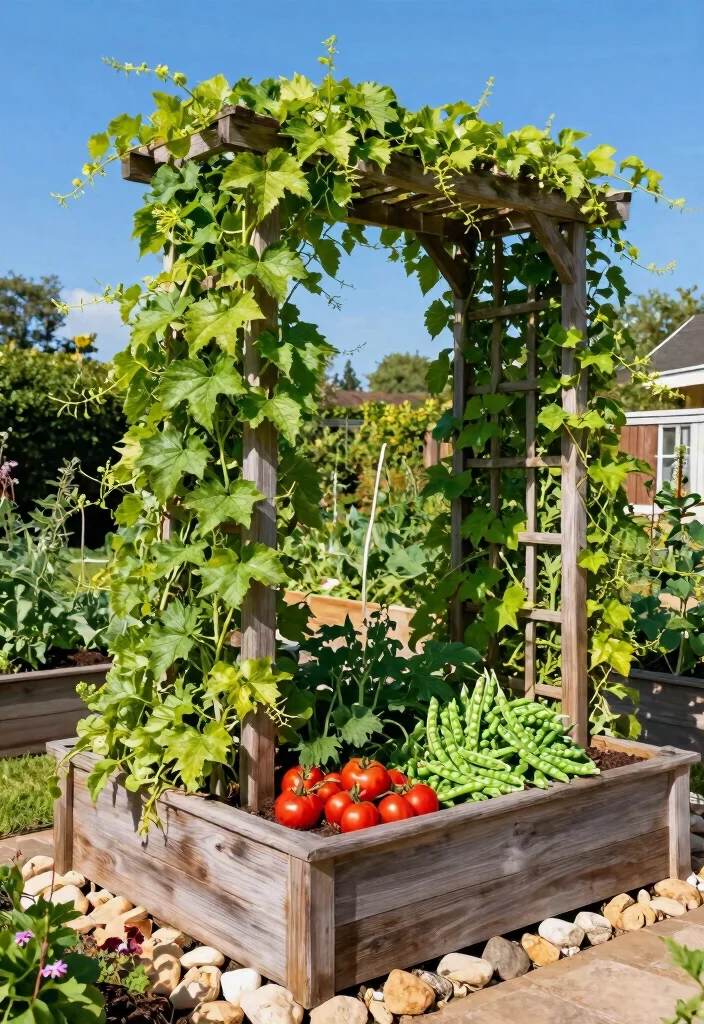
Vertical trellis beds are an exciting way to make the most of your gardening space. Integrating trellises allows climbing plants like cucumbers and peas to grow upwards, enhancing both air circulation and sunlight exposure. This not only saves ground space but also adds an enchanting visual element to your garden.To achieve the best results, select sturdy trellises that can support your plants as they grow. Consider using wood for a classic look or metal for a more modern design. Pairing plants that work well together can also boost your harvest and keep pests at bay.Key features of vertical trellis beds:
– Perfect for small spaces, utilizing vertical growth.
– Creates a lush green wall that adds depth and beauty.
– Simplifies harvesting with plants elevated off the ground.
– Encourages companion planting for improved yields.
With vertical trellis beds, you’ll transform your garden into a vibrant, productive space that’s both beautiful and efficient.
3. Corner Garden Beds
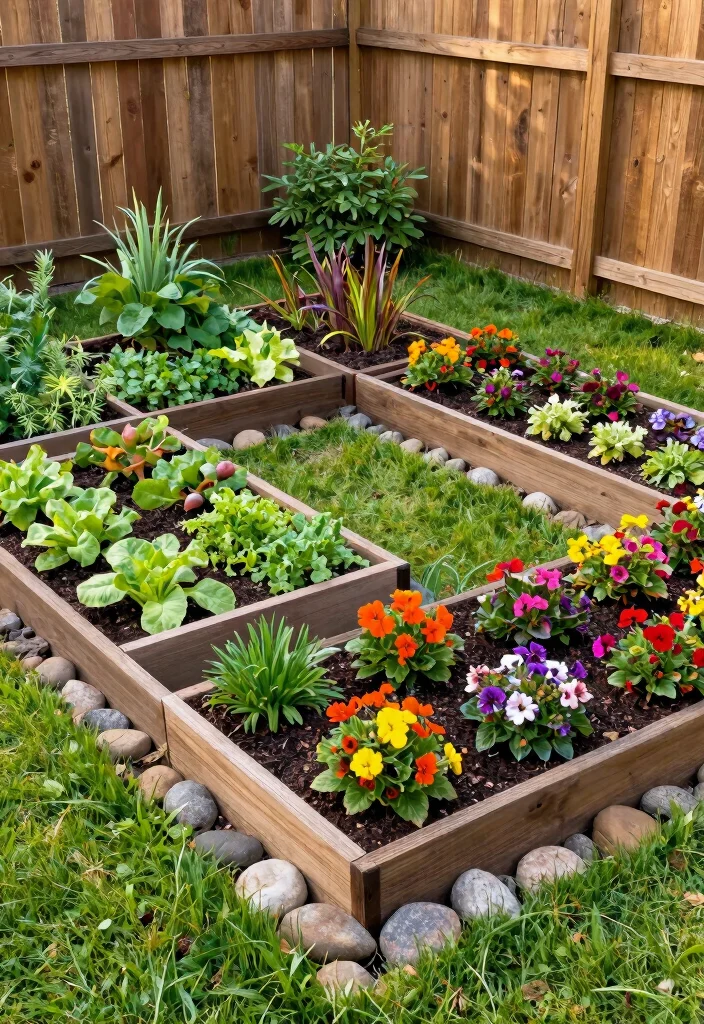
Utilizing corners in your garden design can significantly improve your vegetable layout. Corner garden beds fit snugly into those overlooked nooks, creating extra planting space where you thought there was none. By placing raised beds in corners, you can take full advantage of every inch available.These beds can be customized to fit the angle or curve of your garden, allowing for tiered planting that’s easy to maintain. Consider planting taller crops alongside shorter ones to maximize space and accessibility. Decorative edging can further enhance these corners, making them a beautiful focal point in your garden.Benefits of corner garden beds:
– Efficient space utilization without overcrowding.
– Aesthetic appeal, creating a structured garden layout.
– Versatile for both ornamental and edible plants.
– Unique design options that enhance visual interest.
With corner garden beds, you’ll create a functional and attractive garden that makes the most of your available space.
4. Wheelchair Accessible Raised Beds
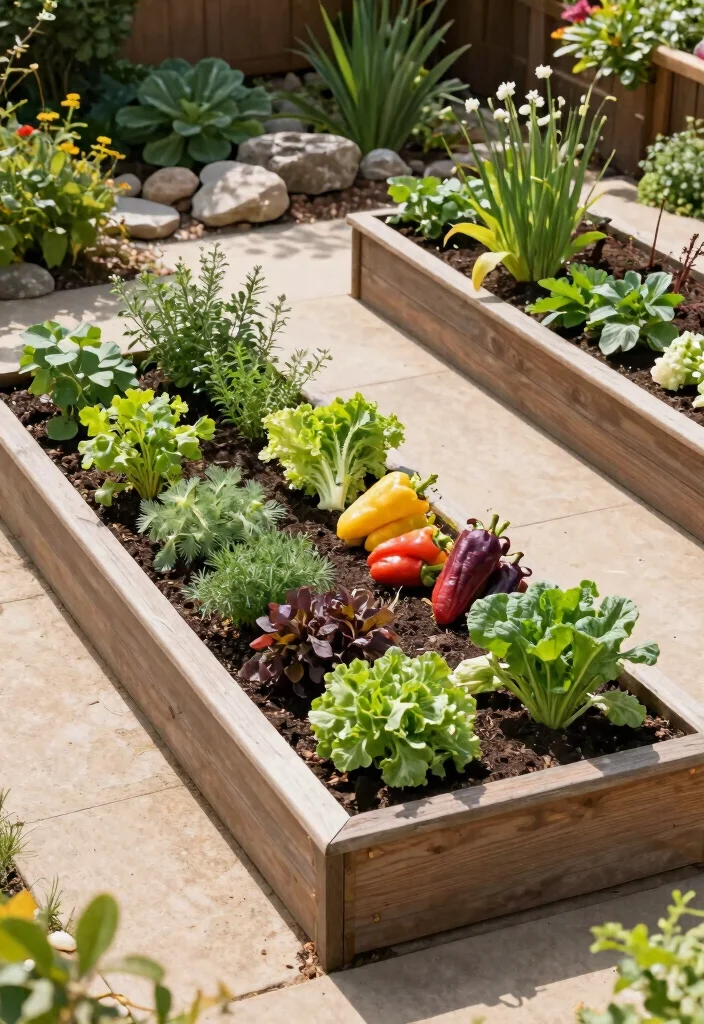
Accessibility in gardening is important, and wheelchair accessible raised beds ensure that everyone can enjoy this rewarding activity. These beds are designed lower to the ground, making it easy for individuals with mobility challenges to reach their plants. This thoughtful design promotes inclusivity and enriches the gardening experience for all.When creating these beds, opt for sturdy materials that ensure durability. Adding wheels can allow for easy repositioning, while wide pathways provide ample room for movement. Select easy-to-grow herbs and vegetables to further enhance the gardening experience.Features of wheelchair accessible raised beds:
– Lowered height for effortless access to plants.
– Wide pathways for easy maneuvering.
– Raised edges to keep soil contained and tidy.
– Aesthetic designs that enhance garden beauty.
With these accessible beds, gardening becomes a joyful experience for everyone, promoting community and inclusivity.
5. Spiral Herb Garden
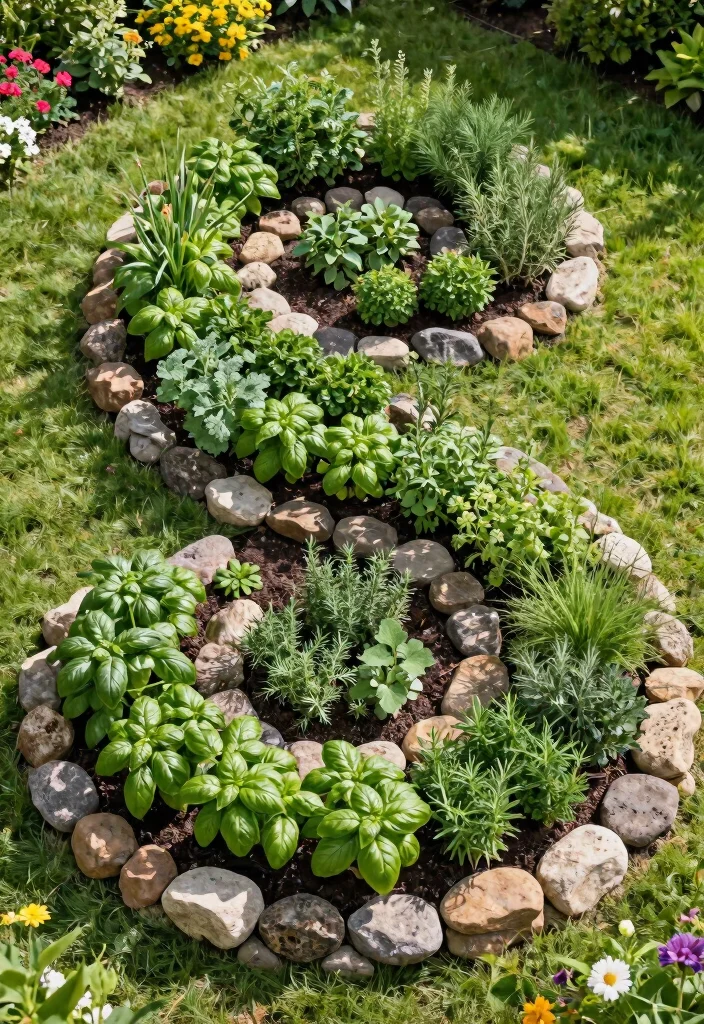
A spiral herb garden is a fun and efficient way to cultivate various herbs while adding an artistic touch to your space. This design features a spiral-shaped raised bed that creates different microclimates in a compact area. Not only does this maximize your planting potential, but it also makes for a stunning visual centerpiece.To create your spiral herb garden, start with a central core and build outwards. Use stones or soil to form layers that rise upward. Choose sunny herbs like basil and thyme for the top while placing shade-loving varieties lower down.Advantages of a spiral herb garden:
– Striking visual impact that catches the eye.
– Varied height levels for herbs with different sunlight needs.
– Easy access for cooking and seasoning with fresh herbs.
– Space-efficient design perfect for small gardens.
This layout not only serves a functional purpose but also brings a unique artistic flair to your gardening space.
Key Trade-offs & Our Top Pick
Option Comparison
1. Stackable Raised Garden Beds
– Pros:
– Maximize vertical space in small areas.
– Easy to assemble and disassemble.
– Cons:
– May require frequent watering due to drainage.
– Limited soil depth can restrict plant growth.
– Best for: Small yards or urban gardens where space is at a premium.
2. Vertical Trellis Beds
– Pros:
– Ideal for climbing plants, maximizing produce yield.
– Adds visual interest to your garden.
– Cons:
– Can be more complex to set up initially.
– Limited to certain types of plants that can climb.
– Best for: Home gardeners looking to grow vegetables like peas and cucumbers while saving ground space.
3. Spiral Herb Garden
– Pros:
– Unique design allows for diverse plants in a small footprint.
– Excellent drainage and microclimate control.
– Cons:
– Difficult to maintain if built too tall.
– Limited planting options for larger plants.
– Best for: Herb enthusiasts wanting a creative way to grow multiple herbs at once.
4. Wheelchair Accessible Raised Beds
– Pros:
– Provides gardening access for everyone, regardless of mobility.
– Usually designed for easy maintenance and harvesting.
– Cons:
– May require more space to allow wheelchair access.
– Can be pricier due to specialized design.
– Best for: Gardeners with mobility challenges looking for an inclusive solution.
5. Circular Raised Beds
– Pros:
– Allows for easy access from all sides, making maintenance simpler.
– Offers a unique aesthetic appeal in any garden.
– Cons:
– May take up more space than traditional rectangular beds.
– Limited planting options for very large plants.
– Best for: Gardeners wanting to create a visually striking centerpiece in their outdoor space.
Expert Recommendation:
Best Overall: Stackable Raised Garden Beds
Stackable raised garden beds stand out as the top pick for most gardeners. They offer fantastic value for money while being easy to use and versatile. You can expand or contract the stacks based on your space needs, making them ideal for various garden sizes. Their long-term durability ensures you can enjoy gardening without frequent replacements.
Why We Picked This:
Stackable raised beds work well for many gardeners, but they may not suit everyone. If you need specialized designs, like wheelchair-accessible beds or creative spiral gardens, choose those options. Each layout has its own strengths and challenges, so consider your specific needs before making a decision. Happy gardening! 🌱
6. Elevated Planter Boxes
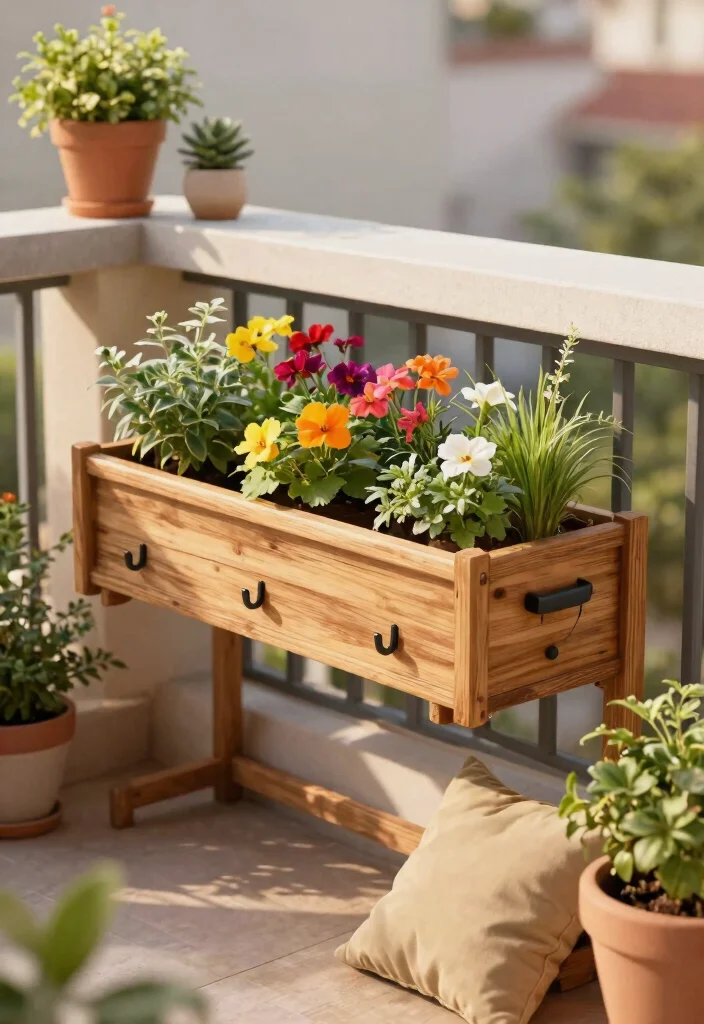
Elevated planter boxes offer a comfortable way to garden without the strain of bending or kneeling. These raised beds sit at a convenient height, making it easy for anyone to tend to their plants. Ideal for urban settings or patios, elevated boxes make gardening both accessible and enjoyable.Customize your design by selecting materials like wood or metal that fit your style. Wheels can add mobility, while stationary legs provide stability. You can also include hooks or shelves for tools and gardening supplies to keep everything organized.Personalize your elevated planter boxes:
– Select materials that match your outdoor decor.
– Add wheels for easy movement or keep them stable.
– Incorporate hooks for tool storage and convenience.
– Mix flowers, herbs, and vegetables for a diverse garden.
With elevated planter boxes, you’ll not only enjoy gardening but also create a stylish addition to your home that enhances your outdoor living space.
Elevated planter boxes are a smart part of raised garden bed layout ideas—tend greens without bending, and move pots with wheels for quick changes. Choose wood or metal to fit your space, add sturdy legs, and install hooks or shelves so tools stay within reach. Urban patios love them.
7. Modular Garden Systems
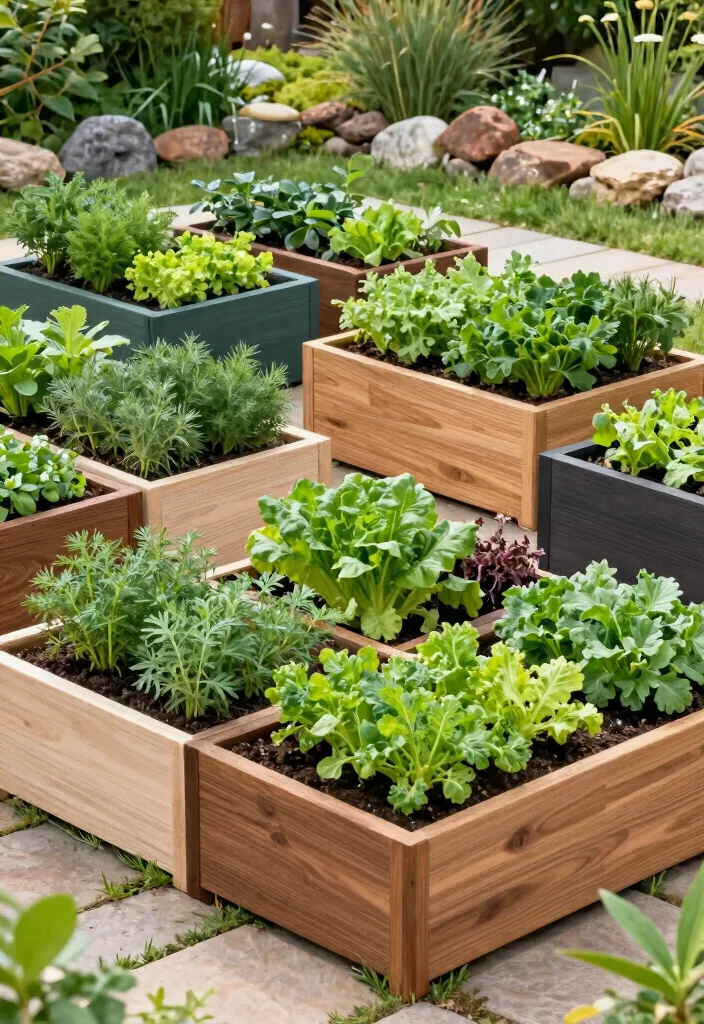
Modular garden systems provide a flexible, customizable way to set up your raised beds. These systems consist of interlocking pieces that can be arranged in various shapes and sizes, making them ideal for any space, large or small. Whether you’re in a spacious backyard or a cozy patio, modular systems can adapt to your needs.Combine different module sizes to create dedicated areas for specific plants, such as vegetables or flowers. You can also designate separate sections for companion planting, which enhances yields and keeps pests away. This approach encourages creativity and allows you to experiment with your garden design.Key features of modular garden systems:
– Easy assembly that allows for quick reconfiguration.
– Variety of materials and colors to choose from.
– Expandable design grows with your gardening needs.
– Encourages hands-on gardening and personal expression.
With modular systems, you’ll create a dynamic garden layout that reflects your personal gardening style.
Fun fact: modular garden systems can cut setup time by up to 60%—just snap in 3–4 interlocking modules to create raised garden bed layout ideas that fit any space. They adapt as you grow, swapping modules to ease companion planting and season shifts.
8. Circular Raised Beds
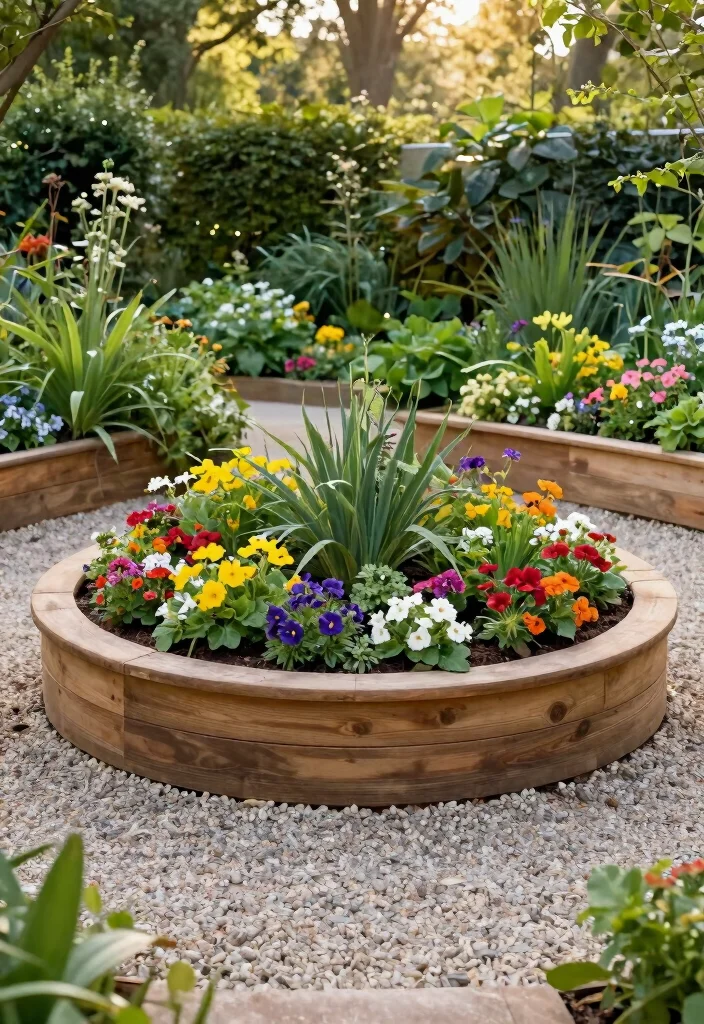
Circular raised beds bring a fresh twist to traditional rectangular designs. This unique layout not only adds visual interest but also creates a multi-functional planting space. Circular beds allow for easy access to the center while serving as a stunning focal point in your garden.Build your circular beds from materials like wood or stone, and consider incorporating pathways to enhance accessibility. You can plant flowers in the center surrounded by herbs or vegetables, maximizing both beauty and functionality.Highlights of circular raised beds:
– Encourages creative layouts that stand out.
– Better access to all plants, reducing strain.
– Creates harmonious shapes for aesthetic appeal.
– Versatile for flowers, herbs, or vegetables.
With circular raised beds, you’ll transform your garden into a captivating space that combines practicality with artistic design.
9. Raised Beds with Built-in Seating
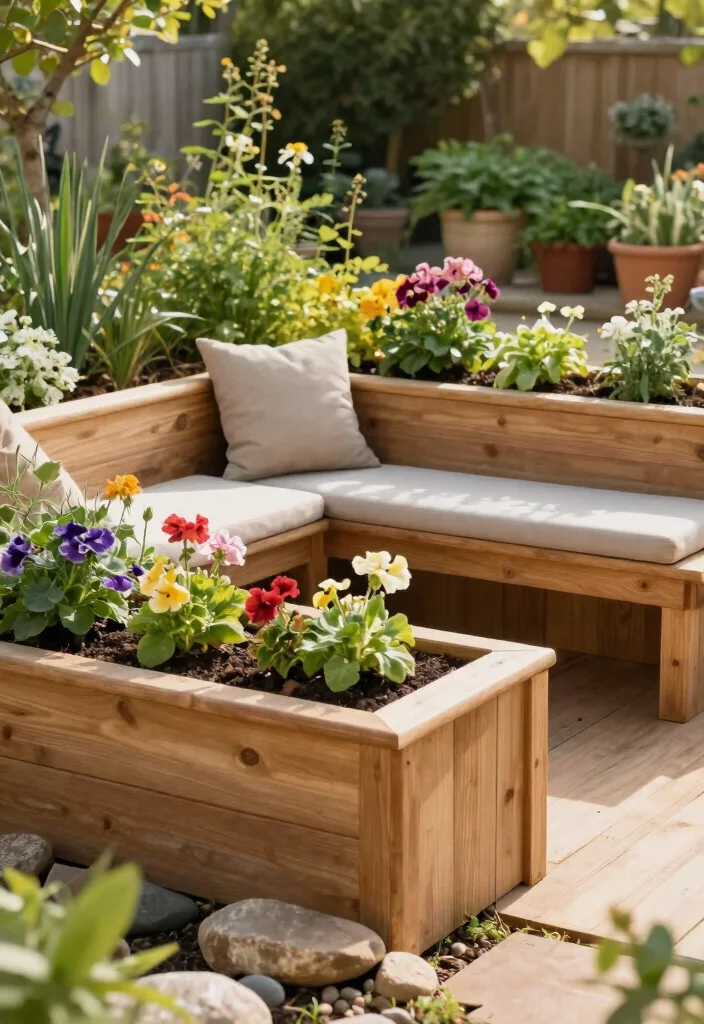
Combine comfort and utility with raised beds that feature built-in seating. This layout creates a cozy area within your garden, encouraging you to relax and enjoy your plants. Imagine a peaceful spot nestled among your vibrant flowers and vegetables, perfect for unwinding after your gardening efforts.Design your seating to integrate seamlessly with your raised beds, using benches along the edges or ledges for sitting. Comfortable cushions can enhance the experience, making it a delightful retreat. This layout provides a harmonious blend of beauty and function, turning your garden into a tranquil haven.Key points of raised beds with seating:
– Encourages relaxation in your outdoor space.
– Dual purpose combining planting and seating areas.
– Ideal for social gatherings or quiet moments.
– Custom seating designs to match your garden style.
With this thoughtful design, you’ll create a garden that invites enjoyment and fosters a connection with nature.
10. Multi-tiered Vegetable Gardens
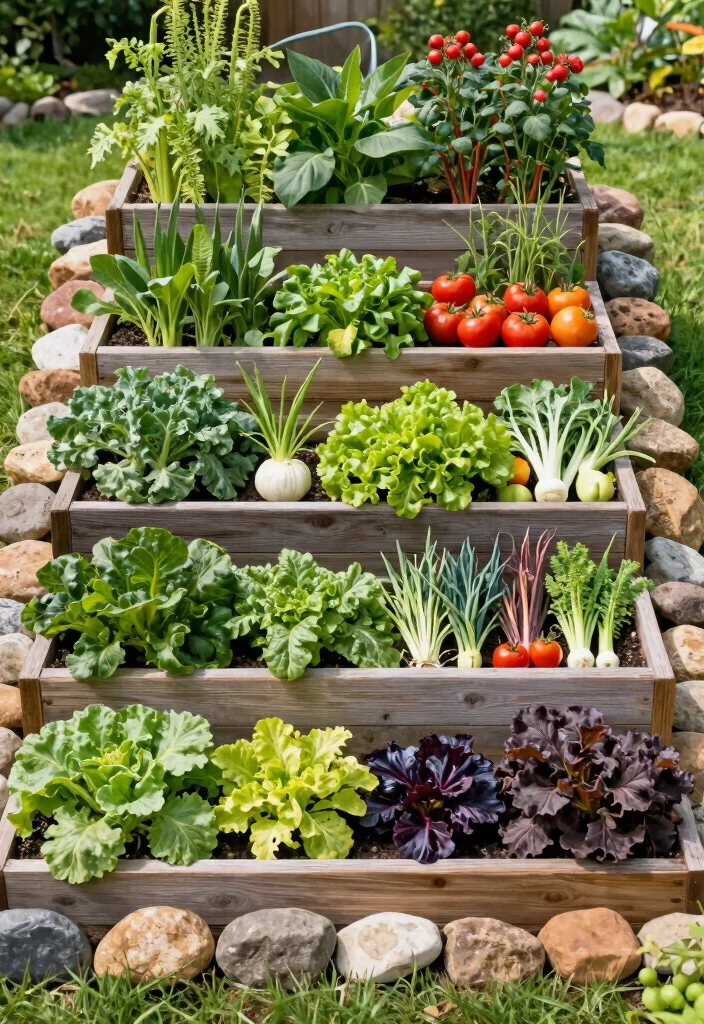
Multi-tiered vegetable gardens showcase a variety of plants while optimizing your garden space. By creating layers, you improve drainage and sunlight access, leading to healthier vegetables. This layout not only enhances the visual appeal of your garden but also promotes vigorous growth.Each tier can host different vegetable varieties that cater to their specific sunlight and watering needs. Construct these tiers using materials like wooden boxes or stones for a rustic charm. Pairing taller plants like sunflowers with leafy greens on lower levels makes maintenance and harvesting easier.Pros of multi-tiered vegetable gardens:
– Effective drainage for plants at different heights.
– Diverse vegetable options for maximum yield.
– Unique visual appeal that enhances garden aesthetics.
– Facilitates easy maintenance with organized layers.
This dynamic layout creates an engaging and productive garden space that is both beautiful and functional.
11. Artistic Raised Bed Designs
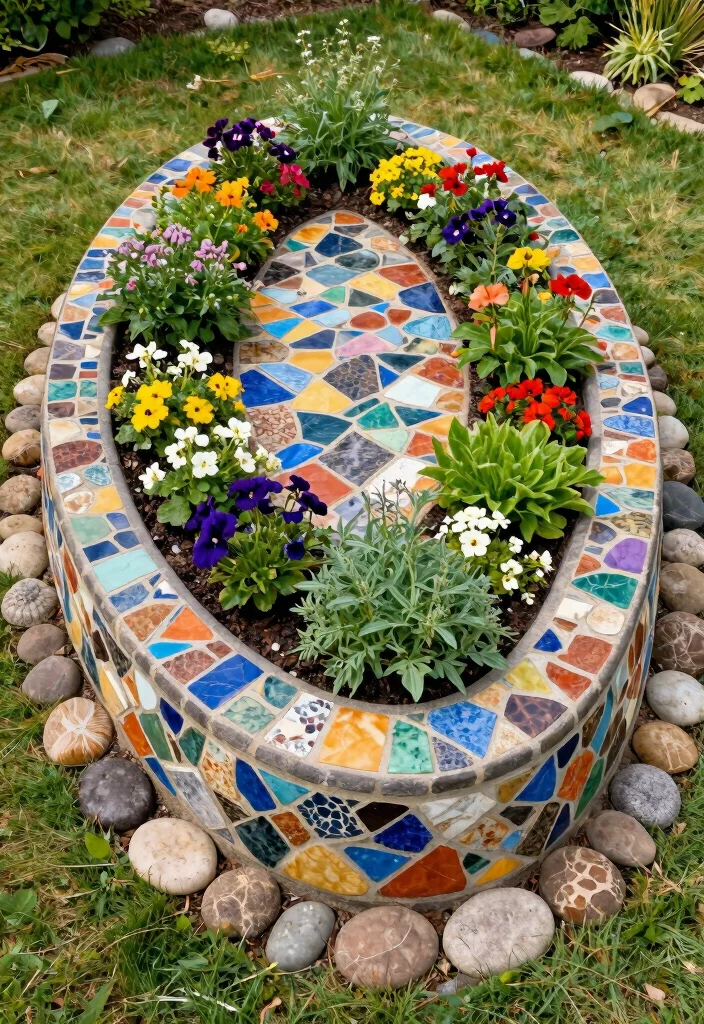
Elevate your gardening experience with artistic raised bed designs that reflect your unique style. Think beyond conventional shapes and materials to create a garden that stands out and becomes a conversation piece. This layout merges gardening with art, allowing you to express yourself creatively.Explore using recycled materials, such as pallets or old furniture, to construct distinctive raised beds. Incorporate vibrant colors or mosaic designs for added visual impact, and experiment with unconventional shapes like hexagons to bring a modern twist.Creative ideas for artistic raised beds:
– Use recycled materials for unique designs.
– Incorporate vibrant colors or mosaic patterns.
– Experiment with shapes like triangles for a modern look.
– Mix ornamental and edible plants for a stunning effect.
Artistic raised beds not only maximize your space but also turn gardening into a fun and creative adventure.
Fun fact: artistic raised bed designs can maximize space by up to 40% when you stack vertical elements and use mosaic borders. This is one of your raised garden bed layout ideas that doubles as decor, using recycled pallets or old furniture for a conversation piece.
12. Green Wall Planters
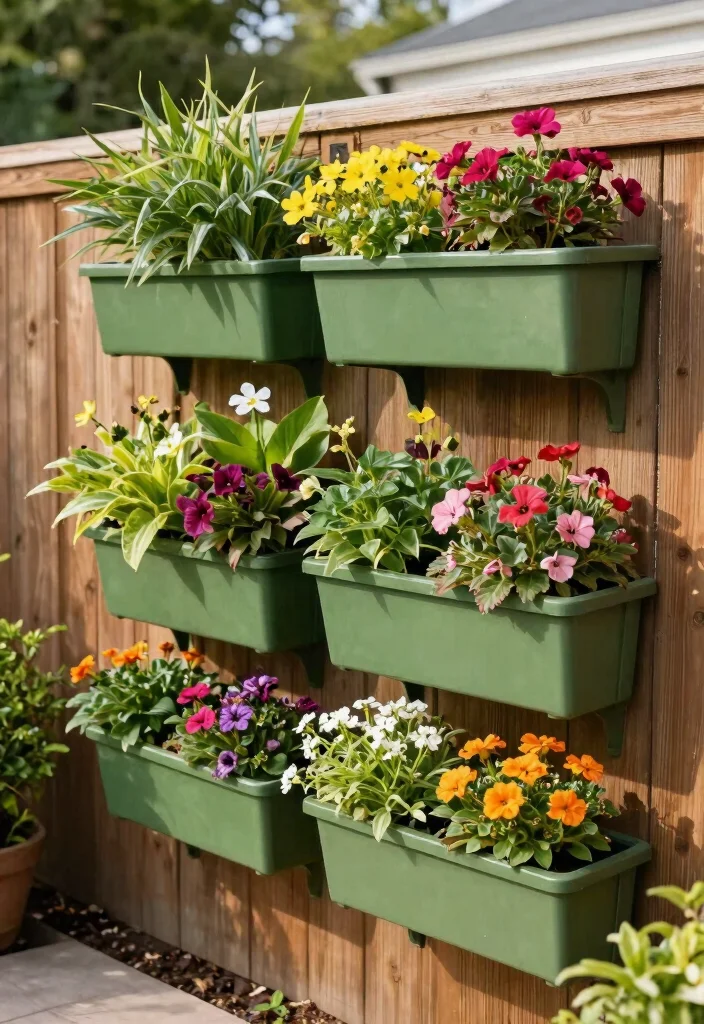
Green wall planters offer an exciting vertical gardening solution that merges aesthetics with space efficiency. These planters transform wall spaces into living green walls filled with lush foliage, bringing a touch of nature to your outdoor areas. Perfect for patios or small gardens, they make use of otherwise unused vertical surfaces.When installing wall planters, ensure sturdy support and select plants that thrive in vertical environments. Consider incorporating a drip irrigation system for consistent watering. Mixing plant varieties can enhance visual interest, and seasonal rotations keep your wall vibrant year-round.Advantages of green wall planters:
– Efficient use of vertical space for gardening.
– Improves air quality and beautifies surroundings.
– Variety of plants from herbs to flowers for diversity.
– Eye-catching feature that impresses guests.
This layout not only saves space but also creates a stunning focal point that enhances your outdoor environment.
13. Companion Planting Raised Beds
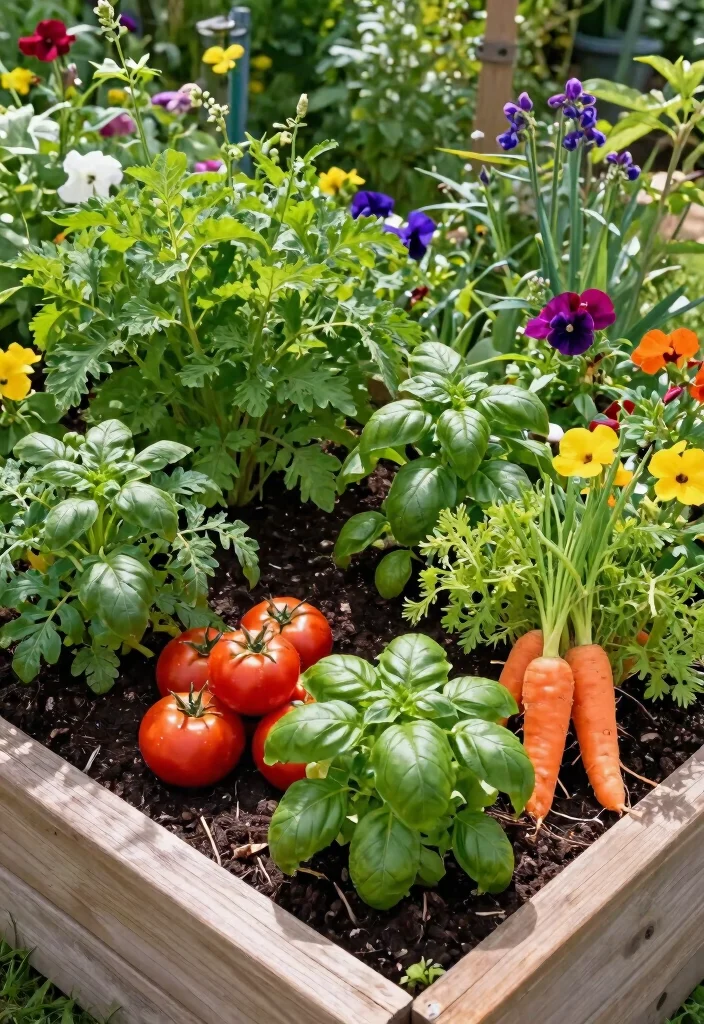
Companion planting is a smart strategy to boost yields and enhance plant health in your garden. By strategically placing compatible plants in raised beds, you can cultivate a thriving ecosystem that supports each other. This layout improves plant vigor and helps deter pests, leading to a more productive garden.Design your raised beds with companion planting in mind, pairing plants that benefit from each other, like tomatoes with basil or carrots with onions. This thoughtful approach encourages biodiversity and results in fruitful harvests. You’ll enjoy a more vibrant garden while maximizing the benefits of raised beds.Key benefits of companion planting:
– Enhances growth through beneficial plant relationships.
– Reduces pesticide need by naturally deterring pests.
– Maximizes space by interspersing tall and short plants.
– Encourages biodiversity leading to healthier crops.
With companion planting, your garden will flourish, providing you with bountiful yields and a richer gardening experience.
14. Edible Flower Beds
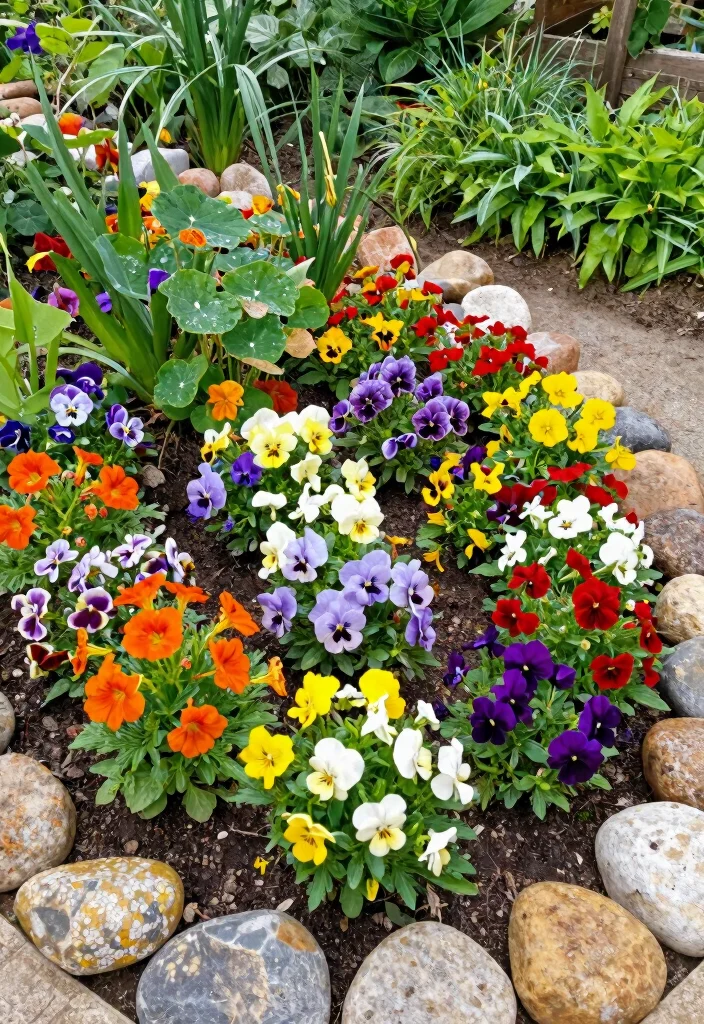
Edible flower beds blend beauty and functionality in your garden. By incorporating flowers that are both stunning and safe to eat, you can create a vibrant culinary space. This layout allows you to enjoy the aesthetic appeal of blooms while enhancing your dishes with fresh flavors.Choose flowers like nasturtiums, marigolds, and pansies that complement your vegetable plots. Design these beds alongside traditional garden beds or as standalone features for added charm. The delightful mix of colors and fragrances attracts beneficial insects and enhances your garden’s overall beauty.Highlights of edible flower beds:
– Visually stunning while providing culinary options.
– Attracts beneficial insects for a healthy garden.
– Versatile for cooking or garnishing dishes.
– Enhances biodiversity and garden aesthetics.
With edible flower beds, you’ll create a beautiful garden that not only pleases the eye but also delights the palate.
15. Community Garden Beds
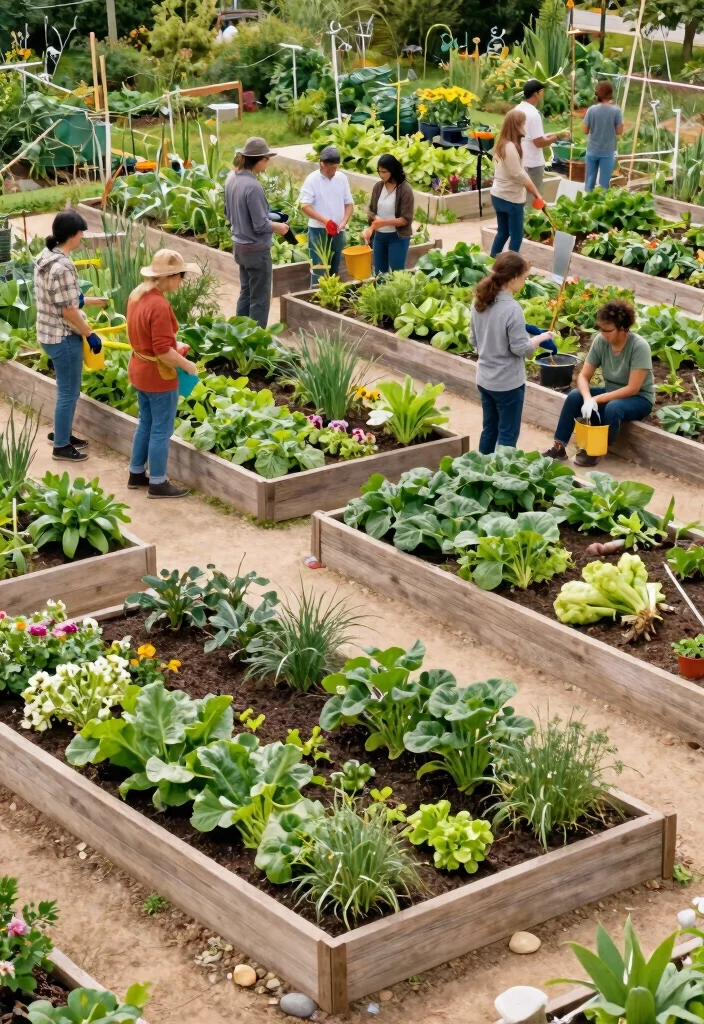
Community garden beds are a wonderful way to bring neighbors together while maximizing gardening space. These shared raised beds allow multiple gardeners to cultivate a single plot, making efficient use of land. This collaborative approach fosters community bonds and enhances the gardening experience for everyone involved.Creating a community garden requires establishing guidelines for shared responsibilities and maintenance. You can designate individual plots or adopt a collective planting strategy for a unified approach. This layout not only optimizes space but also creates a green oasis that enriches urban environments.Benefits of community garden beds:
– Promotes community spirit through shared gardening efforts.
– Encourages knowledge sharing and collaboration among neighbors.
– Maximizes space efficiently, particularly in urban areas.
– Creates a thriving community that fosters friendship and learning.
With community garden beds, you’ll not only grow plants but also cultivate friendships and shared experiences.
Conclusion
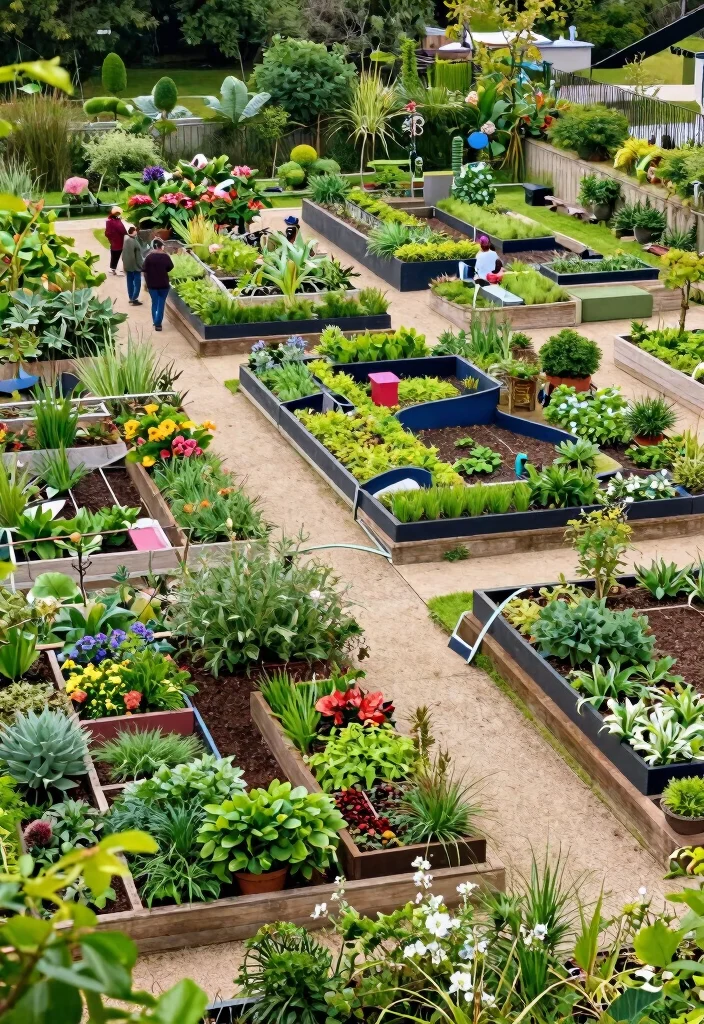
Embracing smart raised garden bed layout ideas can truly transform your gardening experience, maximizing space while enhancing the beauty of your outdoor area. Whether you opt for vertical solutions, artistic designs, or community initiatives, each method offers unique advantages that cater to various gardening needs. As you plan your garden, don’t hesitate to mix and match these ideas to find what works best for you and your space.
Your gardening journey should be about creativity, enjoyment, and maximizing every inch of your environment. Consider these concepts and get ready to create a flourishing, vibrant garden that you’re proud of!
Note: We aim to provide accurate product links, but some may occasionally expire or become unavailable. If this happens, please search directly on Amazon for the product or a suitable alternative.
This post contains Amazon affiliate links, meaning we may earn a small commission if you purchase through our links, at no extra cost to you.
Frequently Asked Questions
What are the most effective raised garden bed layout ideas for small spaces?
These raised garden bed layout ideas are designed to squeeze more productivity out of small yards. Start by measuring your space and drawing a simple plan. Choose a layout that fits your area, such as a tiered or L-shaped setup that keeps walkways clear. Aim for bed widths of 2 to 3 feet so you can reach the center without stepping on soil. Use vertical elements or staggered tiers to add growing space without expanding footprint. Plan crops by sun exposure and soil depth, then seal the beds with good compost and mulch for moisture retention. With the right design, you’ll turn a compact corner into a thriving vegetable garden layout while keeping small garden ideas practical and beautiful.
How can I implement vertical gardening solutions with raised beds to maximize space?
To maximize space with vertical gardening solutions inside raised beds, start by adding a sturdy trellis, lattice, or backboard to your bed to support vertical growth. Then stack or layer planters vertically—tiered shelves, pocket planters, or cube towers—for herbs, lettuce, and climbers. Choose climbing crops that love vertical space, like tomatoes, beans, and cucumbers. Ensure an efficient irrigation plan with drip lines or soaker hoses that reach all levels without waste. Keep access paths clear and label plants to keep maintenance simple. This is a great way to combine vertical gardening solutions with raised garden bed layout ideas for maximum space.
What are the best space-saving gardening tips for a multi-level raised bed garden?
These space-saving gardening tips work brilliantly in a vertical raised bed setup. Start with tiered shelving or wall-mounted planters attached to the back of the bed to add height without widening the footprint. Place tall crops at the back, medium vines in the middle, and short greens in front to avoid shading. Use narrow 18–24 inch pathways to keep access manageable, and install a simple drip irrigation system to reduce water waste. Choose compact varieties and plan quick crop rotations so you harvest more from the same footprint. This approach keeps your vegetable garden layout efficient and leverages small garden ideas without crowding.
How should I design a vegetable garden layout using raised beds for better yields?
Designing a productive vegetable garden layout with raised beds is all about sun, soil, and spacing. Start by mapping your sun exposure over a week and orient beds north-south for even light. Group crops by rooting depth and water needs, reserving deeper beds for root vegetables. Keep beds 2–3 feet wide for easy reach from each side, and create 1-foot or 2-foot access paths to reduce soil compaction. Plan crop rotation to protect soil health and reduce pests, and include a compost area near the bed to enrich soil. If you’re short on space, dedicate one or two beds to intensively grown staples like leafy greens and herbs. Following these steps will improve your vegetable garden layout and yield using raised garden bed layout ideas.
What common mistakes should I avoid when planning raised garden bed layouts, and how can I fix them?
Common mistakes in raised garden bed layout ideas include overcrowding beds, which blocks airflow and harvest efficiency. Resolve by thinning and spacing plants with 12–18 inch gaps where needed. Another pitfall is poor drainage—add grading, coarse compost, or perlite to improve drainage. Don’t neglect water access—install hoses or a drip system with easy shutoffs. Avoid walking on the beds—use sturdy paths or stepping stones and consider elevated edges for kneeling. And always label crops—add a simple map or markers so you know what’s in each bed. By avoiding these pitfalls, your raised bed layouts will stay productive and visually appealing, with room to grow through each season.