Creating a beautiful garden around your pool while keeping safety in mind is no small task. With the rising demand for eco-friendly designs, the challenge becomes even more exciting. I crafted this guide to explore 10 automatic pool safety cover-compatible designs that blend nature with safety. Whether you dream of a serene retreat or a vibrant space for family gatherings, this post will inspire you with sustainable ideas that enhance both aesthetics and safety.
If you’re a pool owner who cares about your garden’s sustainability or just someone looking to make the most of your outdoor space, you’re in the right place. This guide is tailored for environmentally conscious homeowners, pool enthusiasts, and garden lovers alike. Here, I’ve rounded up creative, eco-friendly designs that not only look good but also support safer outdoor environments.
By the end of this post, you will have a wealth of practical ideas to create a stunning pool area while ensuring your safety covers remain functional. From native plants to aromatic herbs, you’ll discover how to cultivate a beautiful garden that works harmoniously with your automatic pool safety cover. Let’s dive in and reveal how you can transform your poolside into a haven of beauty and security!
Key Takeaways
– Native Plant Garden: Incorporate plants that thrive in your local climate. They require less water and care while attracting beneficial wildlife to your garden.
– Vertical Gardens: Optimize space with vertical gardens. They are not only trendy but also perfect for adding greenery without taking up much room.
– Eco-Friendly Hardscaping: Use sustainable materials for pathways and patios. Permeable surfaces allow water to drain, enhancing safety and reducing runoff.
– Edible Gardens: Plant herbs and vegetables near your pool for a functional, beautiful garden. Edible plants are both attractive and useful for your culinary adventures.
– Seasonal Planting: Choose a variety of plants that bloom at different times. This ensures your garden remains vibrant and interesting throughout the year.
1. Native Plant Garden Surrounding the Pool
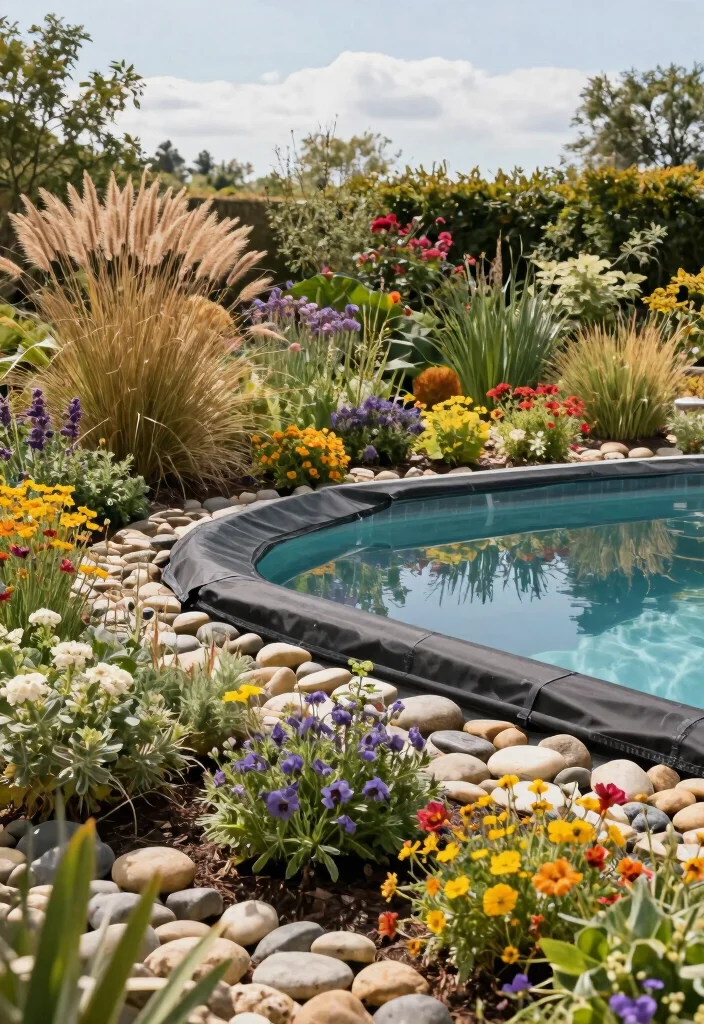
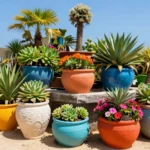
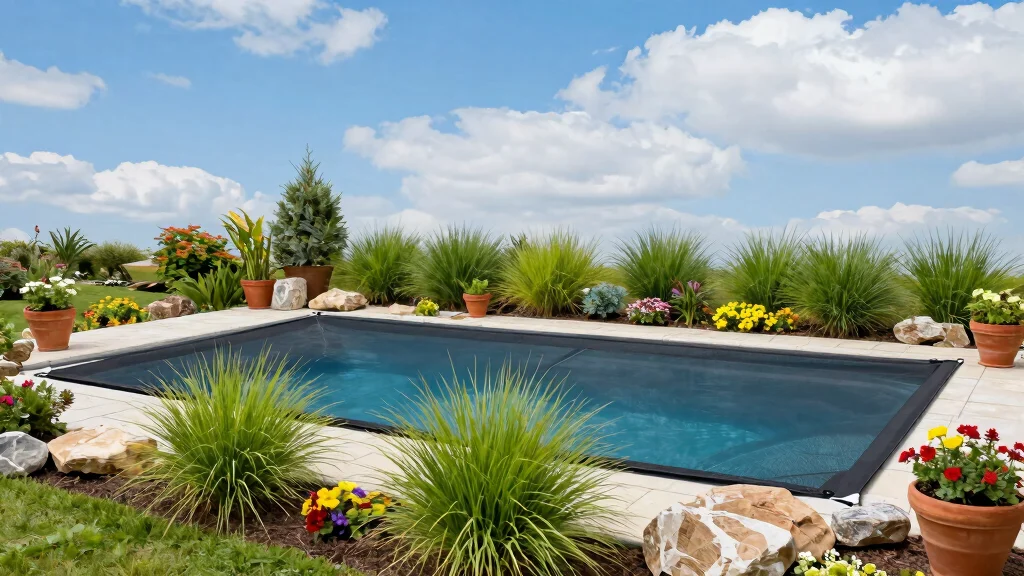
Imagine a vibrant garden filled with beautiful native plants that flourish in your region. Not only do these plants enhance the overall appeal of your pool area, but they also provide essential support for local wildlife. By selecting a variety of native perennials, shrubs, and grasses, you create a landscape that thrives naturally. These plants are low-maintenance and require less water, making them a smart, eco-friendly choice for your outdoor space.
Begin by researching local plant species to find out what grows best in your climate. Group plants with similar watering needs to promote efficiency and reduce waste. Using mulch can help retain moisture and minimize weeds, keeping your garden looking its best year-round.
Key steps to create your native plant garden:
– Research native species that thrive in your area
– Group plants by water needs for efficient irrigation
– Use mulch to retain moisture and suppress weeds
– Incorporate natural stones as accents to enhance beauty
This approach not only beautifies your surroundings but also fosters a thriving ecosystem, making your pool area a true sanctuary.
2. Vertical Gardens for Space-Saving Solutions
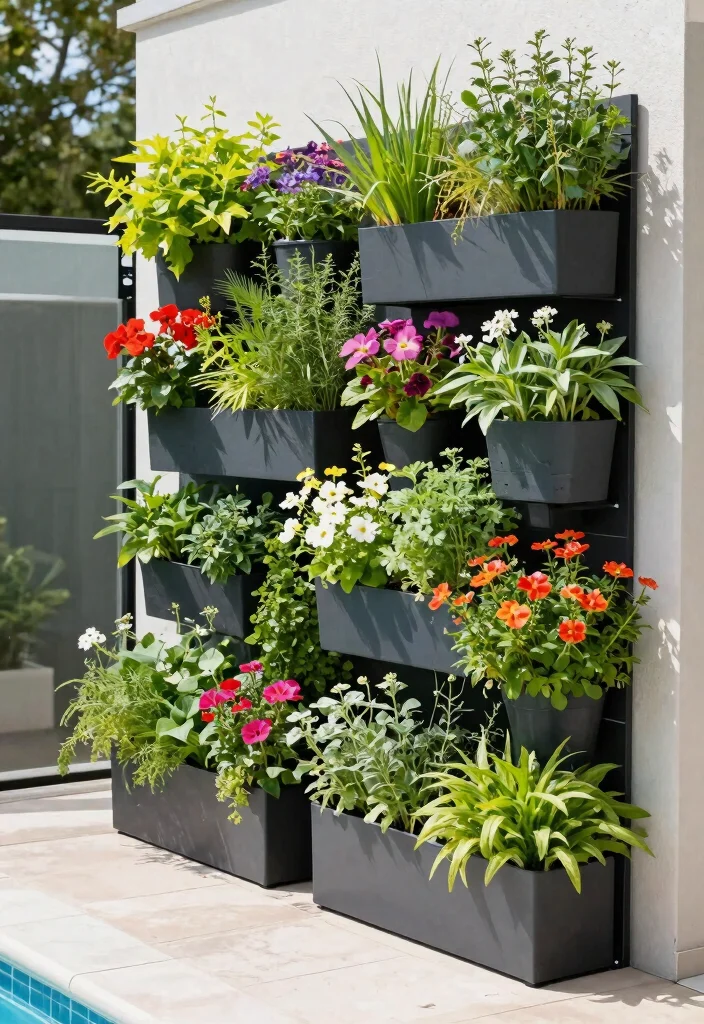
Limited space shouldn’t stop you from having a lush garden near your pool. Vertical gardens are a fantastic solution, allowing you to maximize your greenery without taking up valuable ground space. These stylish wall-mounted planters can be filled with an array of herbs, flowers, or vegetables, adding visual interest to your poolside. You can also strategically place them to capture sunlight, even in shaded areas.
When choosing vertical planters, opt for lightweight options for easy installation. Select plants that adapt well to vertical settings, such as trailing vines or compact herbs. Implementing a drip irrigation system ensures your plants get the water they need without excessive effort.
Here are some tips for creating your vertical garden:
– Choose lightweight planters for easy setup
– Select plants that thrive in vertical arrangements
– Install drip irrigation for efficient watering
– Use colorful pots to brighten up the space
This smart use of space transforms your pool area into a vibrant garden, making it an inviting retreat.
How To Choose Automatic Pool Safety Cover-Compatible Designs
When it comes to creating a safe and beautiful pool area, choosing the right automatic pool safety cover-compatible designs is crucial. Here’s a guide to help you make informed decisions that blend safety with style.
1. Consider Size
Before diving into design options, you need to measure your pool area. Note the dimensions of your pool and the space surrounding it. This information will help you select features that fit well and enhance safety without overcrowding the area. Remember, the design should complement the pool without making it feel cramped.
2. Material Matters
An eco-friendly design starts with selecting the right materials. Look for sustainable options such as reclaimed wood, natural stone, or recycled materials. These not only blend beautifully with your garden but also promote environmental health. Always consider durability, especially for features like pathways or seating that will withstand the elements.
3. Safety Features
Your primary focus should be on safety when designing around your pool. Choose elements such as non-slip surfaces for pathways and sturdy railings. Additionally, incorporate landscaping that does not obstruct visibility of the pool area. This ensures that both children and pets can be monitored easily, enhancing safety.
4. Aesthetic Appeal
Your design should enhance the overall look of your backyard. Think about colors, textures, and themes that will work well together. Integrate flowers and foliage that bloom in different seasons to keep your pool area vibrant throughout the year. A well-designed space invites you to enjoy your pool more often.
5. Budget Planning
Establish a budget before you start making design choices. Consider the costs of materials, plants, and labor if you decide to hire help. Make sure to allocate funds for unexpected expenses, as landscaping can often surprise you with additional needs. A clear budget helps you stay on track without overspending.
6. Local Climate Considerations
Understanding your local climate is vital for selecting plants and materials. Choose drought-resistant plants if you live in a hot area or opt for hardy species in colder climates. The right selections will thrive, providing a beautiful backdrop without requiring excessive maintenance.
Pro Tip: Always consult with a landscape designer or pool expert. They can provide insights on the best designs suited for your specific needs and help you avoid common pitfalls. Taking time to plan will make your automatic pool safety cover-compatible designs not just functional but also a stunning addition to your garden.
By focusing on these key factors, you’ll create an automatic pool safety cover-compatible design that is both safe and beautiful. Enjoying your backyard oasis will become a reality when you thoughtfully consider how each element of your design works together.
3. Eco-Friendly Hardscaping Around the Pool
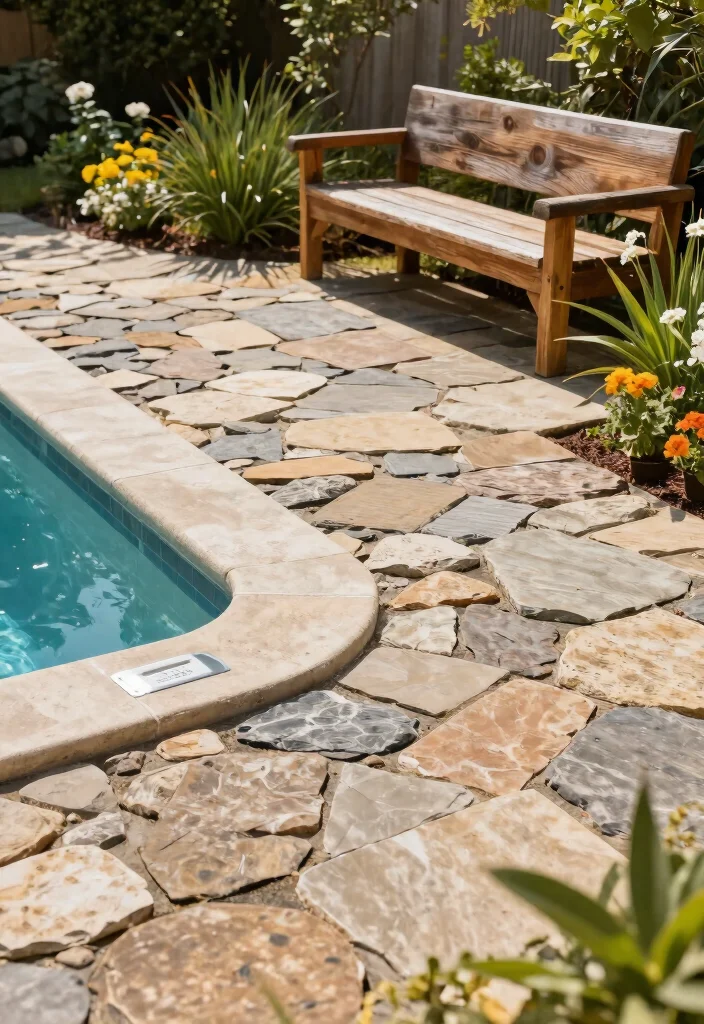
Elevate your pool area with eco-friendly hardscaping materials that provide safety and style. Utilizing permeable pavers allows rainwater to filter through, replenishing groundwater while reducing runoff. Incorporate natural stones or reclaimed wood to create beautiful pathways and seating areas. By choosing sustainable materials, you enhance the aesthetic of your pool while supporting the environment.
Opt for locally sourced materials to minimize your carbon footprint and encourage eco-friendliness. Natural stone seating adds a rustic charm, while gravel or pebbles can provide effective drainage and visual appeal. Design your hardscape to create cozy lounging spots without overcrowding your space.
Essential tips for eco-friendly hardscaping:
– Use locally sourced materials to lower your environmental impact
– Incorporate natural stone seating for a rustic vibe
– Add gravel for drainage while improving aesthetics
– Design hardscapes for lounging and socializing spaces
This sustainable approach not only enhances your pool area but also promotes a healthier environment.
Eco-friendly hardscaping around the pool isn’t just pretty, it’s practical. Permeable pavers filter rainwater, while reclaimed wood and natural stones create safe, stylish pathways. Choose locally sourced materials for a lower carbon footprint and combine them with automatic pool safety cover-compatible designs for effortless safety.
4. Edible Garden Close to the Pool
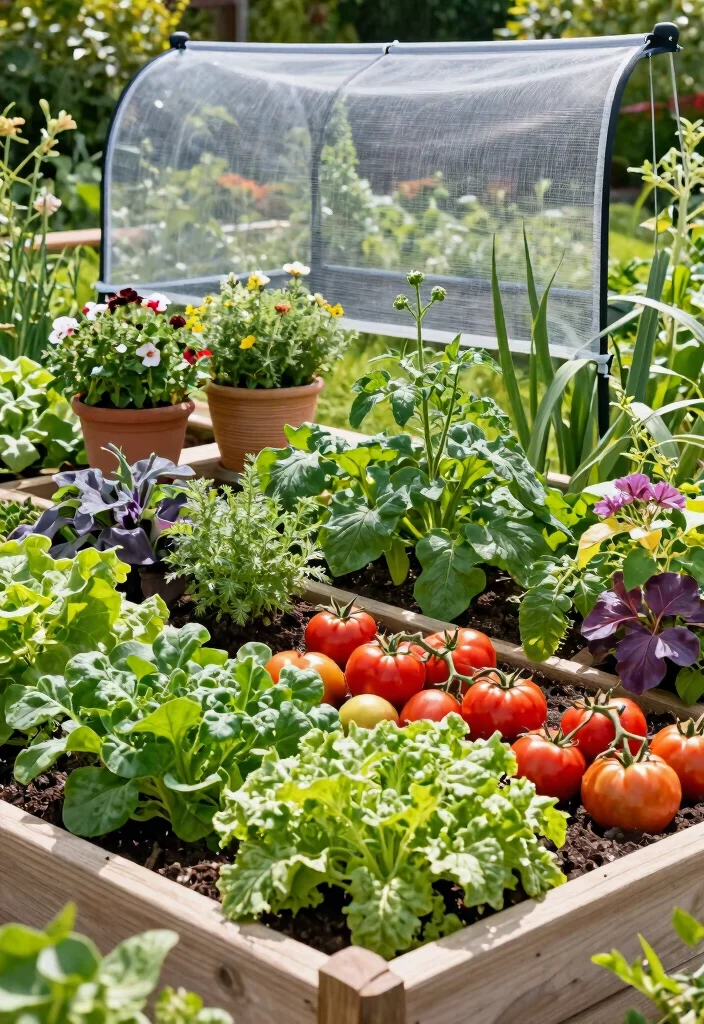
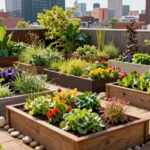
Imagine having a garden that not only looks beautiful but also provides fresh ingredients for your meals. Planting an edible garden near your pool with herbs, vegetables, and fruits can create a stunning and functional landscape. Using raised beds or decorative planters helps keep everything organized while allowing for easy access to your harvest.
Focus on selecting low-maintenance edible plants suited to your climate for a productive garden. Planning for companion planting can maximize your yield and save space. Ensure that the plants you choose are safe for human consumption, especially if kids are around.
Steps to establish your edible garden:
– Select low-maintenance plants that thrive in your area
– Plan for companion planting to boost growth
– Ensure plant safety for all ages
– Use trellises for climbing plants for added height
This edible garden will not only beautify your pool area but also provide fresh ingredients right at your fingertips.
5. Sustainable Water Features
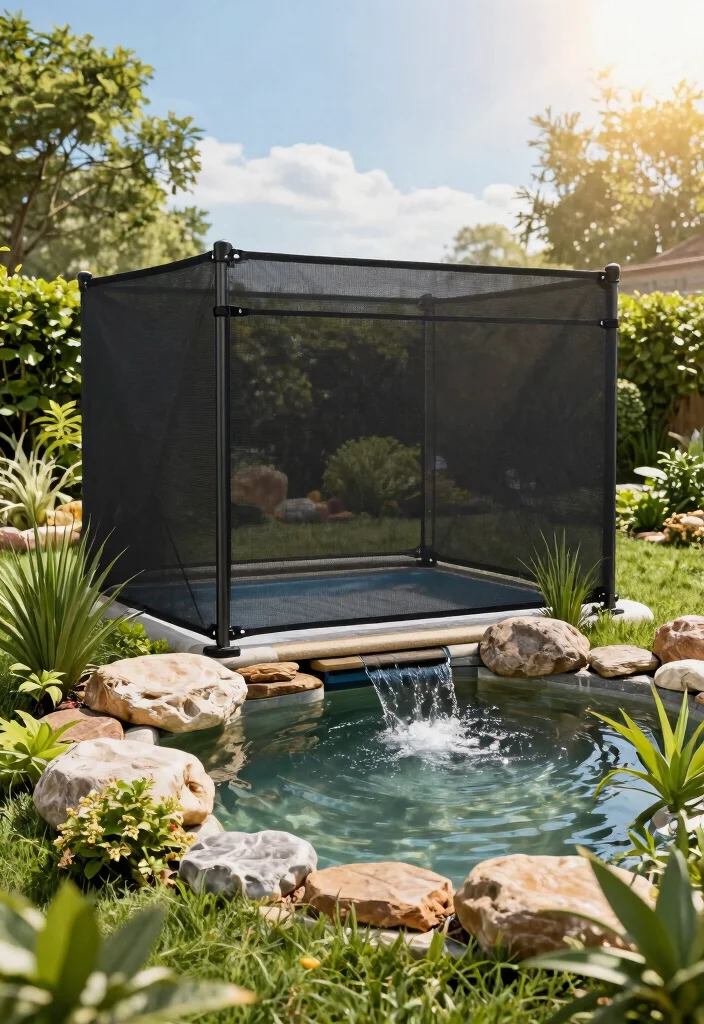
Enhance your pool area with a sustainable water feature that adds tranquility while supporting local wildlife. Options like rain gardens or small ponds can capture rainwater runoff and serve as habitats for various aquatic life. The gentle sound of flowing water creates a peaceful atmosphere, making your outdoor space more relaxing and inviting.
Choose native plants for your water feature to encourage local ecosystems and biodiversity. Ensure that the feature is safe and accessible for children while maintaining a balance to keep the water clear and healthy. Consider using solar-powered pumps for an environmentally friendly and efficient solution.
Key considerations for your water feature:
– Select native plants to support local wildlife
– Ensure safety for children around the feature
– Maintain ecosystem balance for clarity and health
– Use solar-powered pumps for sustainability
This addition brings beauty and serenity to your pool area, fostering a connection with nature.
6. Aromatic Herb Borders
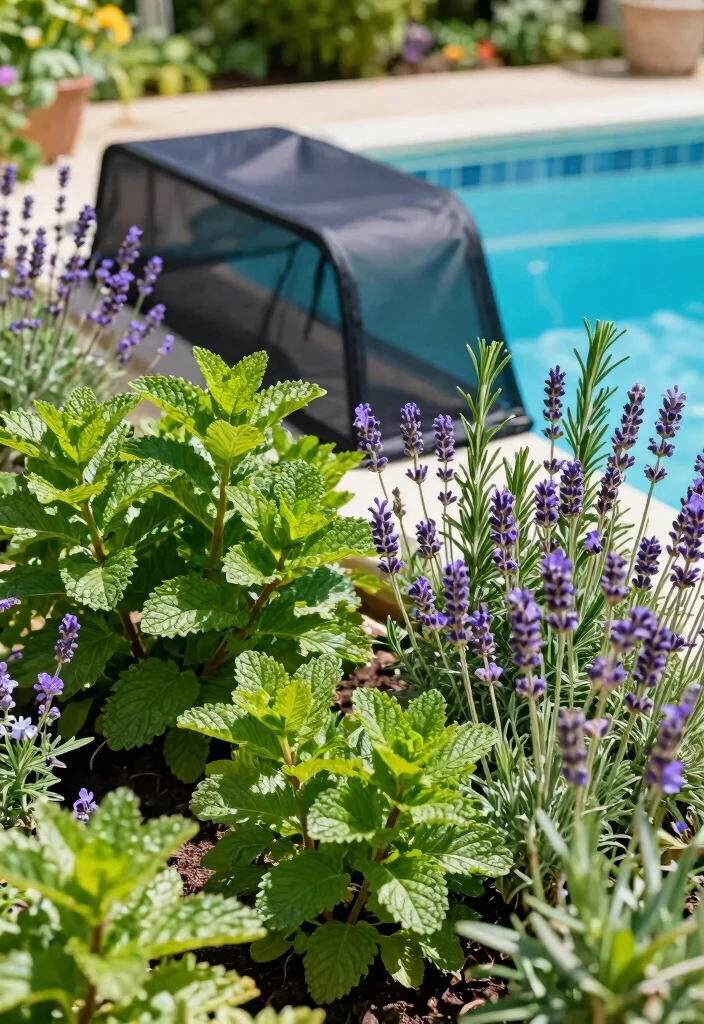
Transform your outdoor experience by planting aromatic herbs along the edges of your pool area. Herbs like lavender, mint, and rosemary not only provide wonderful scents but also help deter pests naturally. An aromatic herb border creates a sensory delight, making your garden inviting and enjoyable.
Choose herbs that thrive in your specific climate and soil conditions for the best results. Incorporate herbs of varying heights to add visual interest, and use crushed granite or gravel to assist with drainage and weed management. Regular pruning helps maintain their shape and encourages growth.
Steps for creating your aromatic herb border:
– Select herbs that suit your climate and soil
– Use varying heights for an appealing look
– Add crushed granite for drainage and weed suppression
– Prune regularly to encourage growth and shape
This aromatic border will enhance your outdoor space, making it a delightful place to relax and unwind.
❝ Did you know aromatic herb borders can cut pests by up to 30% while boosting scent around your pool? Plant lavender, mint, and rosemary along the edges for a natural barrier, and pair them with automatic pool safety cover-compatible designs for easy maintenance. ❞
7. Wildlife-Friendly Habitat
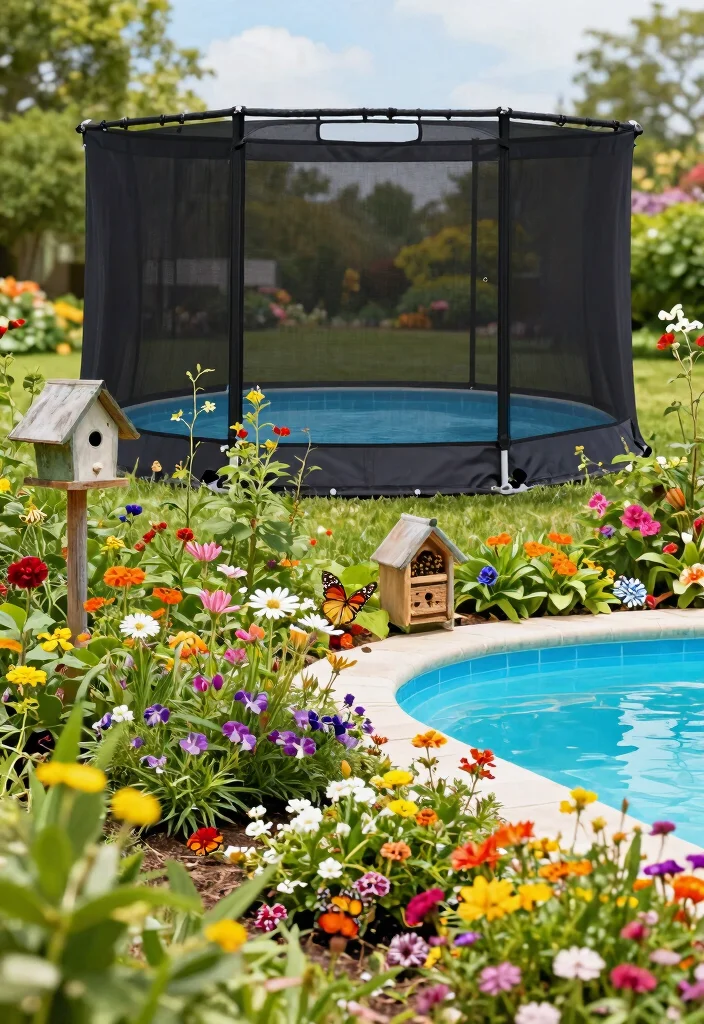
Establishing a wildlife-friendly habitat near your pool enhances biodiversity while supporting local wildlife. Features like butterfly gardens, birdhouses, and bee hotels attract beneficial creatures, ensuring a balanced ecosystem. This not only helps control pests naturally but also adds life to your garden, promoting a healthier environment.
Choose plants that attract pollinators like bees and butterflies to create a welcoming space. Install bird feeders or baths to invite feathered friends, and use natural materials for insect habitats. Avoid pesticides to maintain a safe haven for wildlife.
Key elements for your wildlife-friendly habitat:
– Select plants that attract local pollinators
– Install bird feeders and baths for welcoming wildlife
– Use natural materials for insect habitats
– Avoid pesticides to keep wildlife safe
This habitat fosters a vibrant ecosystem, allowing you to connect with nature right from your poolside.
8. Stone Pathways to Enhance Safety
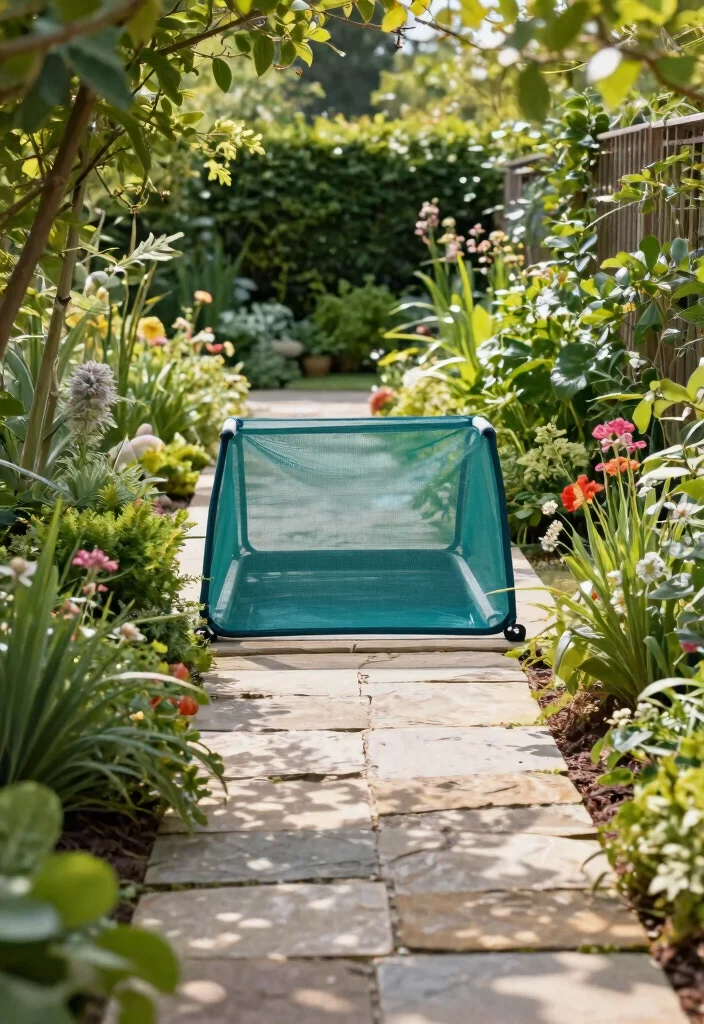
Design safe and stylish pathways leading to your pool using natural stones or reclaimed bricks. These materials offer a non-slip surface, reducing the risk of accidents while adding character to your garden. A well-defined path helps guide guests safely and enhances the overall appeal of your outdoor space.
Utilize eco-friendly adhesives and materials to build your pathways. Incorporate low-growing plants along the edges for a touch of greenery and visual interest. Plan your paths to connect different garden sections for improved usability, ensuring they remain clear of overgrowth for safety.
Essential tips for creating stone pathways:
– Use eco-friendly materials for construction
– Add low-growing plants along the edges
– Plan pathways for usability and connections
– Regularly check for overgrowth to maintain safety
This thoughtful design not only enhances safety but also elevates the beauty of your pool area.
9. Shade Structures for Comfort
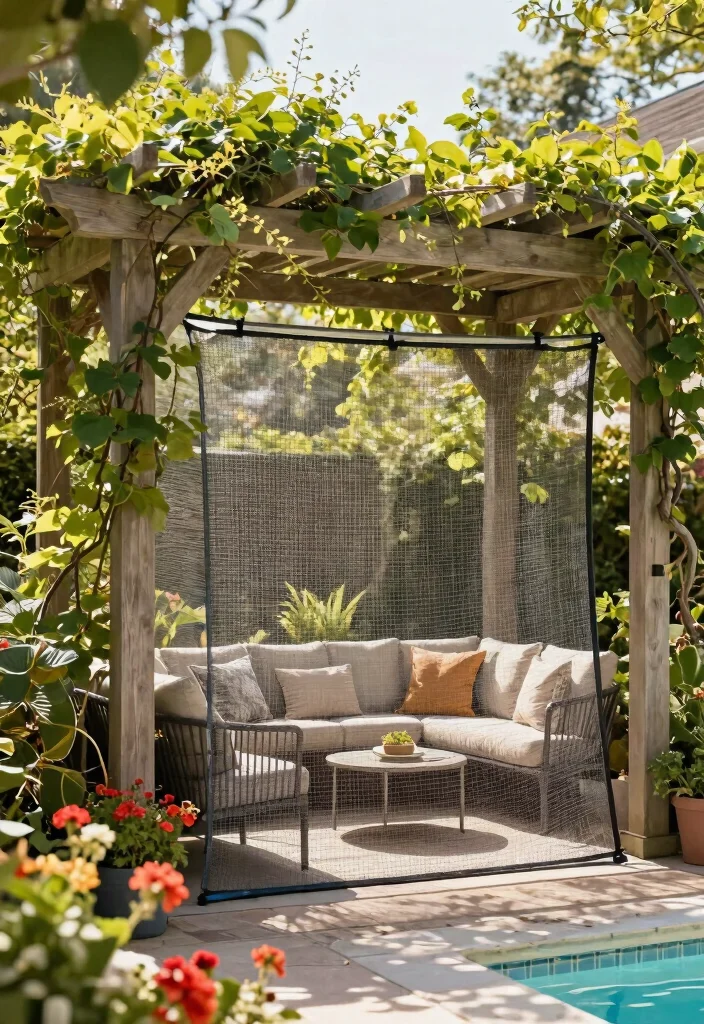
Incorporating shade structures like pergolas or shade sails not only enhances the look of your pool area but also provides essential comfort. These features can be adorned with climbing plants, creating a lush, shaded retreat perfect for relaxation. Additionally, they help protect your pool cover from the sun, extending its lifespan.
Select durable, weather-resistant materials for longevity and blend them with your garden style for a cohesive look. Position these structures to maximize shade during peak sun hours, and consider movable options for flexibility throughout the day.
Key considerations for shade structures:
– Choose weather-resistant materials for durability
– Add climbing plants for a green canopy
– Position strategically for maximum shade
– Consider movable features for flexibility
This enhancement makes your pool area not only more inviting but also comfortable for all your outdoor activities.
Did you know shade structures can block up to 40% of sun glare and heat on the pool deck? With automatic pool safety cover-compatible designs, durable pergolas or shade sails extend cover life and keep your lounge area cooler and more inviting.
10. Seasonal Planting for Year-Round Interest
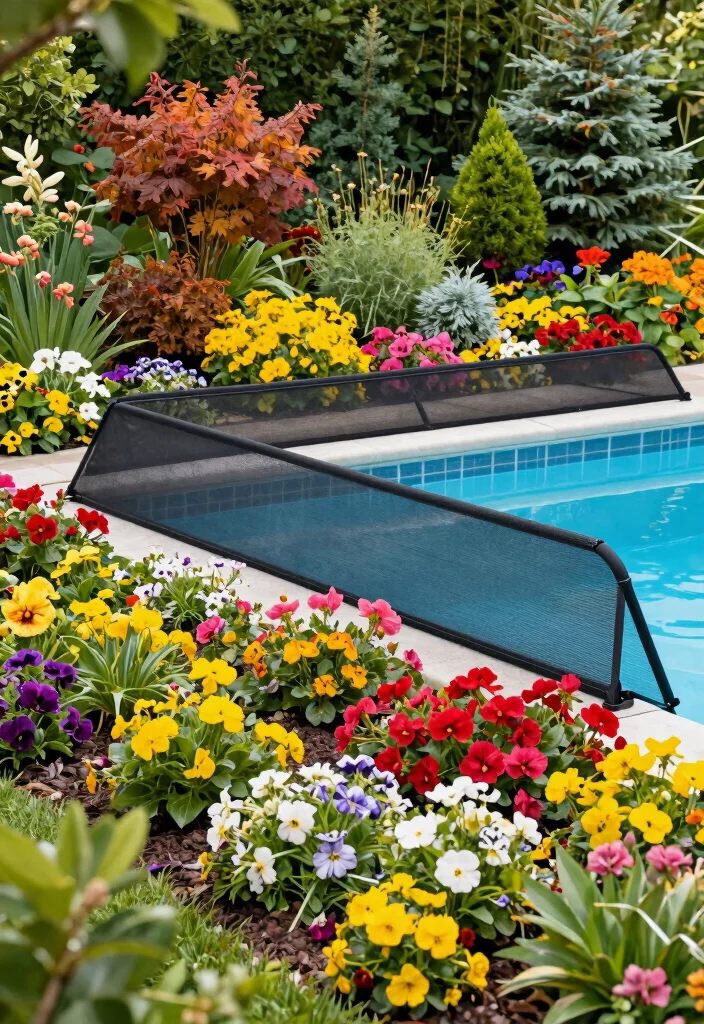
Keeping your pool area vibrant is easy with seasonal planting. By rotating plants according to the seasons, you ensure there’s always something colorful in bloom. A mix of seasonal flowers, evergreens, and ornamental grasses creates a dynamic garden that evolves beautifully over the year.
Research the seasonal planting calendar specific to your area for optimal results. Incorporate evergreens to add winter interest when many plants are dormant, and plan for a variety of colors and textures to keep your garden engaging throughout the seasons.
Steps for effective seasonal planting:
– Research your area’s seasonal planting calendar
– Include evergreens for winter interest
– Plan for variety in color and texture
– Use container gardening for easy seasonal swaps
This approach guarantees a fresh and inviting atmosphere around your pool, making it a delightful escape year-round.
Conclusion
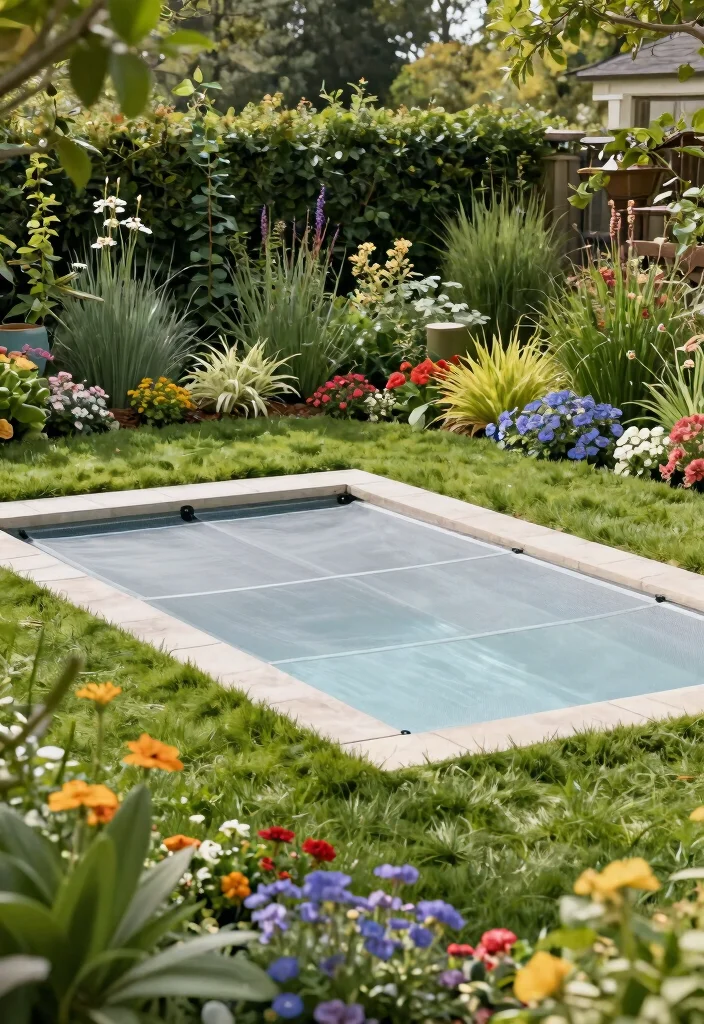
Crafting an eco-friendly garden that complements your automatic pool safety cover is not only beautiful but also beneficial for the environment. Each of these designs promotes sustainability while enhancing the overall aesthetics of your outdoor space. With careful planning and a variety of plant choices, your garden can become a sanctuary of safety and beauty. Let these ideas inspire you to create an outdoor oasis that captures the essence of nature and functionality.
Note: We aim to provide accurate product links, but some may occasionally expire or become unavailable. If this happens, please search directly on Amazon for the product or a suitable alternative.
This post contains Amazon affiliate links, meaning we may earn a small commission if you purchase through our links, at no extra cost to you.
Frequently Asked Questions
What are automatic pool safety cover-compatible designs, and why are they a good fit for eco-friendly garden projects?
These designs are configurations that pair with automatic pool safety covers, so the cover retracts smoothly and safely without clashing with your garden. They improve outdoor safety features, help reduce evaporation and debris, and keep your pool area looking integrated with the landscape. Practical steps to get started:
1) Measure your pool, edge clearance, and nearby plantings to confirm track space.
2) Choose a pool safety covers system that is compatible with your pool shape and deck layout.
3) Pick materials and finishes that harmonize with your garden design ideas and overall landscape palette.
4) Plan around the cover: use low-profile plants, decorative screens, and permeable edging to hide tracks while preserving airflow and drainage.
5) Hire a qualified installer to ensure the motor, tracks, and safety features comply with local codes and deliver reliable operation.
How can I choose eco-friendly materials for automatic pool covers that align with garden design ideas?
Look for frames made from recycled or long-lasting metals (like aluminum or stainless steel) with corrosion-resistant finishes, and choose fabrics (PVC or mesh) with low-VOC coatings. Consider solar-assisted covers to reduce energy use and select colors/textures that complement your decking and planting. Practical steps:
1) Compare material warranties and load ratings.
2) Prioritize eco-friendly options and durable finishes.
3) Ensure color and texture harmonize with your garden design ideas.
4) Check maintenance needs and end-of-life disposal options with the manufacturer.
What maintenance steps keep pool safety covers reliable and safe in outdoor spaces?
Regular upkeep is key. Start with cleaning debris from the cover and tracks, and inspect for tears or wear in the fabric. Lubricate moving parts with silicone-based products, keep tracks clear of dirt, and monitor tension and motor operation. Weather changes? Winterize properly and remove heavy snow or wind loads promptly. Schedule an annual professional inspection to ensure safety features and hardware are in good shape.
What garden design ideas help the cover system look seamless with the landscape?
Aim for a cohesive look by choosing garden design ideas that frame the pool without drawing attention to the mechanism. Use hidden or low-profile track systems, color-matched rails, and edging that blends with pathways. Plant around the area with low, non-obstructive foliage and permeable pavers or decking that align with your pool landscaping tips. Add integrated lighting along the pool edge to highlight the design at night and keep safety visible without clutter.
What are common questions about safety, efficiency, and cost of automatic pool safety cover-compatible designs?
Homeowners often ask about weight ratings and wind resistance, energy savings, maintenance costs, warranties, and installation time. Helpful actions include checking for industry certifications, choosing models with robust safety features (locks, alarms), and comparing projected energy use versus a traditional pool cover. Also, consult local codes and a qualified installer to ensure the design delivers both safety and long-term value for your garden design ideas and outdoor space.