Creating a home filled with greenery is something many of us crave. There’s just something special about the way plants can breathe life into any space. If you’ve ever felt a longing to showcase your indoor plant collection on a shelf but weren’t sure how to do it, you’re not alone. This post is designed to help you transform your ordinary shelves into a lush indoor jungle that reflects your style and brings joy to your living space.
This guide is for anyone who loves indoor gardening or simply wants to infuse their home decor with plants. Whether you’re a seasoned plant parent or someone just starting out, you’ll find ideas that fit your unique space and aesthetic. No matter the size of your home, these tips will help you elevate your plants from mere decorations to stunning focal points.
Get ready to dive into 15 creative ways to display your indoor plant collection on a shelf. You’ll discover ideas that are visually appealing, practical, and sure to impress your guests. From layering heights to using unique planters, these suggestions will help you make the most of your available space while creating a cozy, inviting atmosphere.
Key Takeaways
– Layering Heights: Use different shelf levels to create visual interest, drawing the eye across your plant display. This technique adds depth and dimension to your arrangement.
– Themed Arrangements: Create a cohesive look by grouping plants with similar colors or styles. This helps unify your display and makes it stand out even more.
– Unique Planters: Explore a variety of planters to add character. Whether it’s vintage pots or modern designs, the right planter can enhance your plant’s beauty.
– Incorporate Decorative Elements: Mix in decorative items like books, sculptures, or candles. These elements add personality and can highlight your plants even further.
– Utilize Vertical Space: Don’t forget to use the vertical space available in your home. Shelving can go upwards, allowing you to fit more plants in without taking up too much floor space.
1. Layering Heights for a Dynamic Look
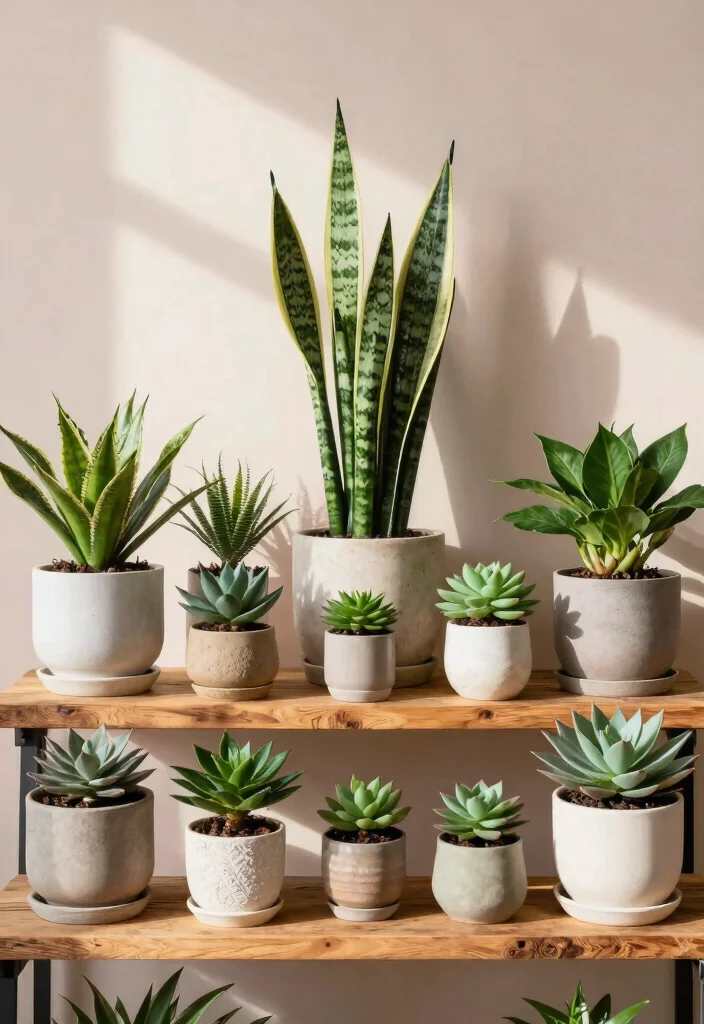
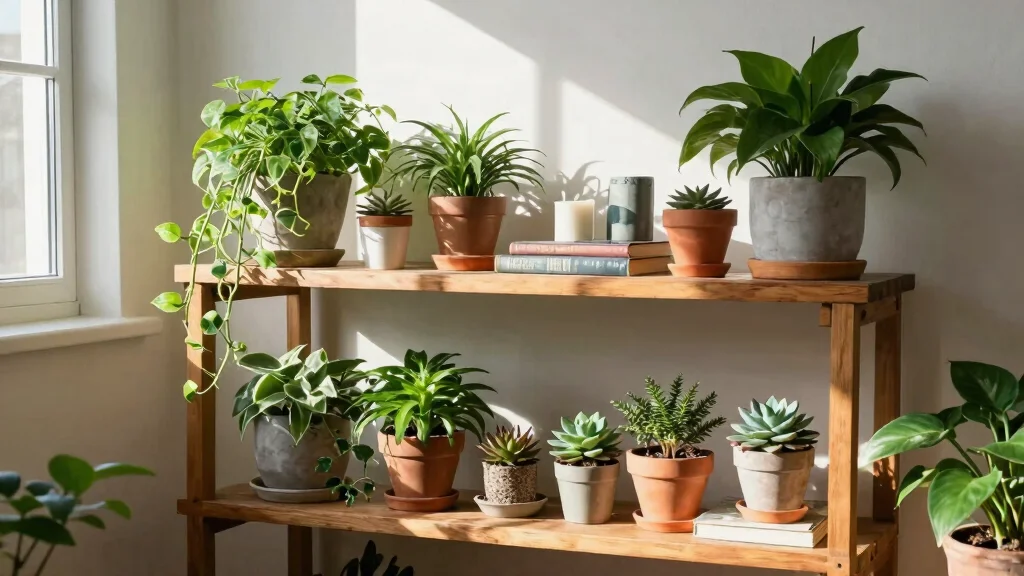
To create an engaging indoor plant display, consider layering plants of different heights. This technique not only enhances visual harmony but also ensures that every plant gets the attention it deserves. For example, using stands or risers can elevate shorter plants like succulents, allowing them to shine alongside taller varieties such as fiddle leaf figs. Mixing textures and colors, like vibrant green snake plants with cascading pothos, brings depth and intrigue to your arrangement.
When implementing this idea, think about practical ways to elevate your plants on a budget. You can use everyday items like stacked books or small stools to create those layers. Remember to arrange plants by their light needs to ensure each one thrives, creating a beautiful and sustainable display.
Here are some key tips for this technique:
– Group plants of varying heights for visual balance.
– Use diverse planters, including ceramic or woven styles, for added texture.
– Avoid overshadowing by ensuring shorter plants are placed at the front.
Layering heights draws the eye upward and highlights the unique characteristics of each plant, creating a stunning focal point in your home.
2. Create a Themed Arrangement
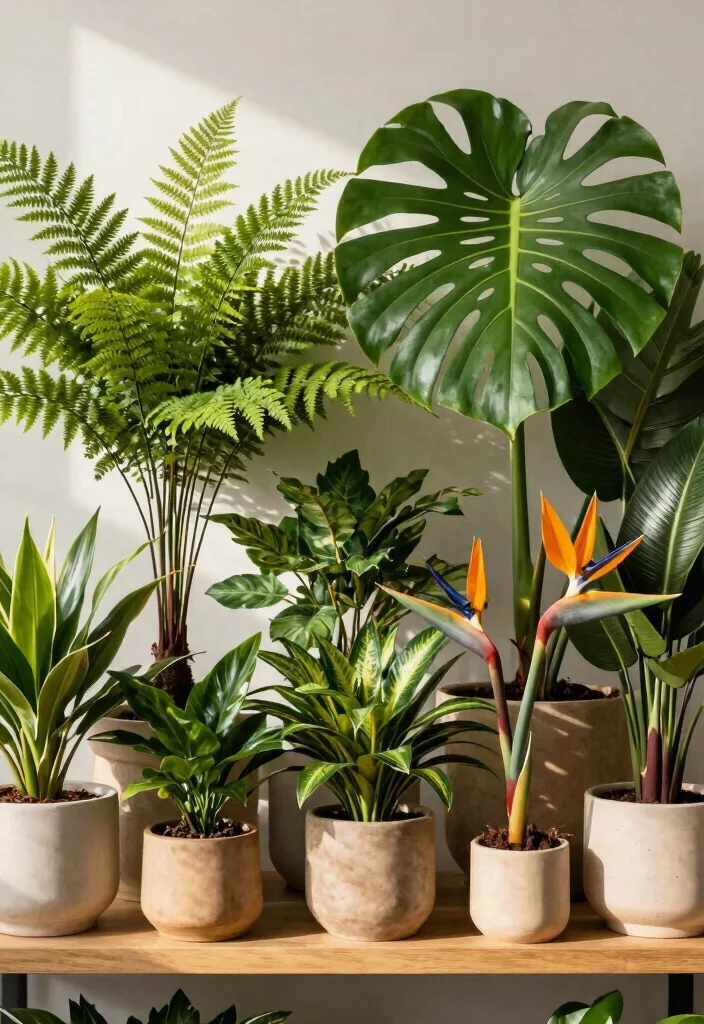
Designing your plant display around a specific theme can transform it into a cohesive visual story. This approach connects different plants, enhancing the overall aesthetic and creating a sense of unity. For instance, a tropical theme featuring monstera and ferns can evoke a lush jungle vibe, while a desert theme with cacti offers a more arid feel. Choosing plants with similar colors or textures will amplify this effect and make your theme pop.
To implement this idea effectively, start by selecting a color palette that resonates with your personal style. You can also mix flowering plants with leafy varieties to add depth and contrast. Sticking to a particular pot style, like rustic terracotta or sleek modern ceramics, will further unify your display.
Here are some ideas to inspire you:
– Select plants in various shades of green for a serene look.
– Combine flowering and leafy plants for diverse textures.
– Use a consistent pot style to enhance the overall theme.
A themed arrangement can elevate your indoor plant collection into a mini botanical oasis that reflects your unique taste.
3. Use Unique Planters
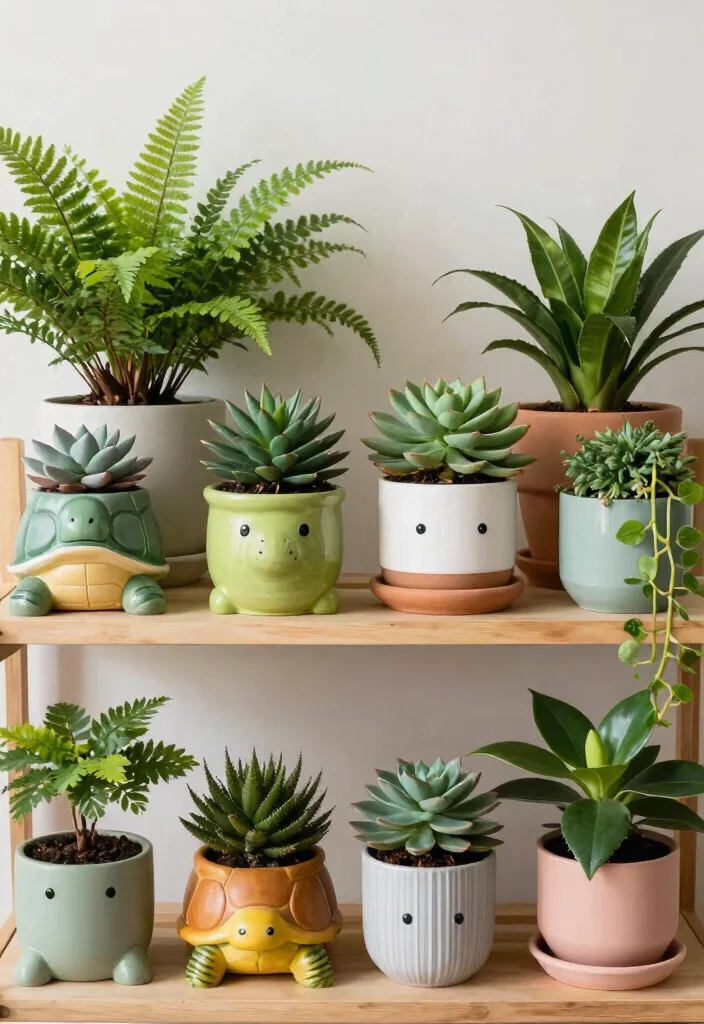
The choice of planters can significantly impact the overall look of your indoor plant display. Unique planters, such as quirky animal shapes or elegant ceramic designs, introduce charm and individuality to your collection. By selecting a variety of planters, you not only express your style but also enhance the aesthetic appeal of your space. Consider using hanging planters for trailing plants and decorative pots for standalone species to create visual interest.
To find unique planters, explore thrift stores or consider DIY options using paint or natural materials like clay. Mixing and matching different styles while keeping a cohesive color palette will prevent visual chaos.
Here are some suggestions:
– Seek out vintage or thrifted pots with character.
– Create your own planters to showcase your creativity.
– Pair different styles while maintaining a unified color scheme.
With distinctive planters, even the simplest plant can transform into a captivating centerpiece on your shelf.
How To Choose The Right Indoor Plant Display Ideas
When it comes to showcasing your indoor plant collection on a shelf, the right choices can make all the difference. Here are some key factors to consider as you design your plant display.
1. Space Availability
Before you begin, assess how much shelf space you have. Measure the width and height of your shelf. This will help you decide how many plants you can fit and what sizes to choose. A smaller shelf might call for smaller or trailing plants, while larger shelves can accommodate bigger pots.
2. Plant Selection
Choosing the right plants is essential. Consider the light conditions in your space. Some plants thrive in bright light, while others prefer low light. For example, succulents like bright, direct light, while pothos can do well in shadier spots. Selecting plants that match your environment will help them flourish and look their best.
3. Planter Styles
The style of your planters can add character to your indoor garden. You can use colorful ceramic pots for a playful vibe or opt for sleek metal containers for a modern touch. Mixing different materials can create an interesting contrast. Just ensure that all planters have proper drainage to keep your plants healthy.
4. Arrangement Techniques
Arranging your collection is crucial to achieving an eye-catching display. Layer plants with different heights to create depth. Taller plants, like snake plants, can go at the back, while smaller ones, like succulents, can be placed up front. Consider grouping plants in odd numbers for a more organic look.
5. Incorporate Accessories
Adding personal touches can enhance your indoor plant display. Consider including decorative elements like books, candles, or unique art pieces alongside your plants. This not only adds visual interest but also makes your shelf feel more like a curated space.
6. Seasonal Themes
Keep your display fresh by changing it seasonally. For spring, you might want to add blooming plants or colorful pots. In winter, you can switch to evergreen plants or cozy decorations. This keeps your indoor plant collection dynamic and engaging throughout the year.
Pro Tip: Don’t be afraid to experiment! Move plants around and try different combinations until you find a layout that feels right. Take a step back and view your shelf from different angles to see how it all comes together. Happy styling!
4. Incorporate Decorative Elements
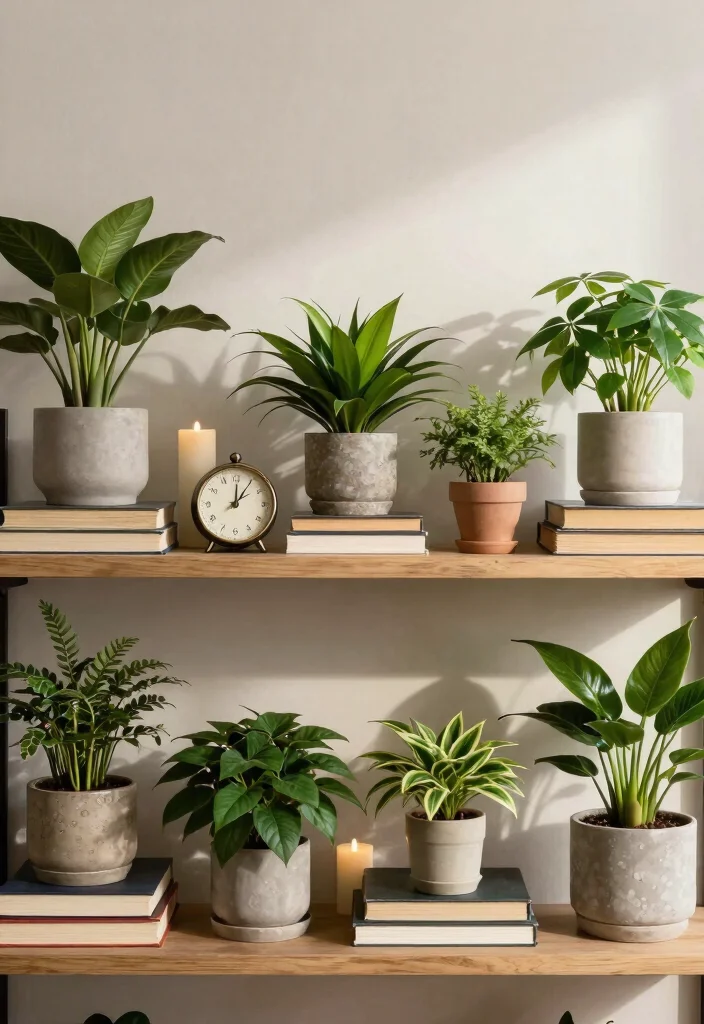
Adding decorative elements alongside your plants can elevate your indoor display from ordinary to extraordinary. Items such as books, candles, and artwork can provide contrast and texture, complementing the greenery beautifully. For example, placing a stylish candle holder next to a vibrant fern can create a striking visual juxtaposition.
When incorporating decor, ensure the items resonate with your desired aesthetic, whether that be rustic, modern, or bohemian. Varying the heights and sizes of your decor will create a more dynamic composition, allowing the plants to thrive in their environment.
Here are some tips for effective decor integration:
– Select items that align with your overall style.
– Use varying heights to keep the display interesting.
– Ensure decorative elements enhance rather than overshadow your plants.
A thoughtfully curated shelf combining plants and decor can make a stylish statement in any space, inviting warmth and personality into your home.
5. Experiment with Shelf Styles
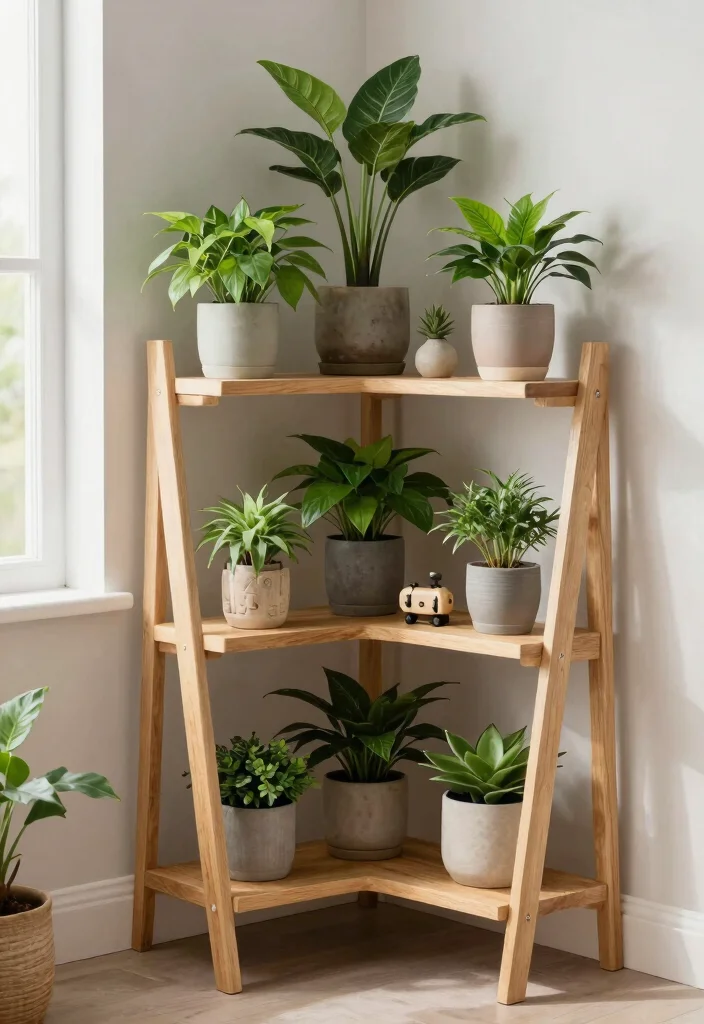
The style of your shelving can greatly influence the visual appeal of your indoor plant collection. Experimenting with different shelf designs such as floating shelves, ladder-style displays, or corner units can create a fresh perspective for your plants. If floor space is limited, floating shelves provide an airy effect, while ladder shelves offer a rustic charm and ample display opportunities.
Pay attention to the layout of your space when selecting a shelf style. Ensure that the shelves are sturdy enough to hold your plants securely and arrange them according to their light requirements for optimal growth.
Here are some key considerations:
– Choose a shelf style that complements your room’s design.
– Ensure shelves can support the weight of your plants.
– Arrange plants to meet their specific light needs.
By exploring various shelf styles, you can create a unique showcase that highlights your indoor plants beautifully.
6. Utilize Vertical Space
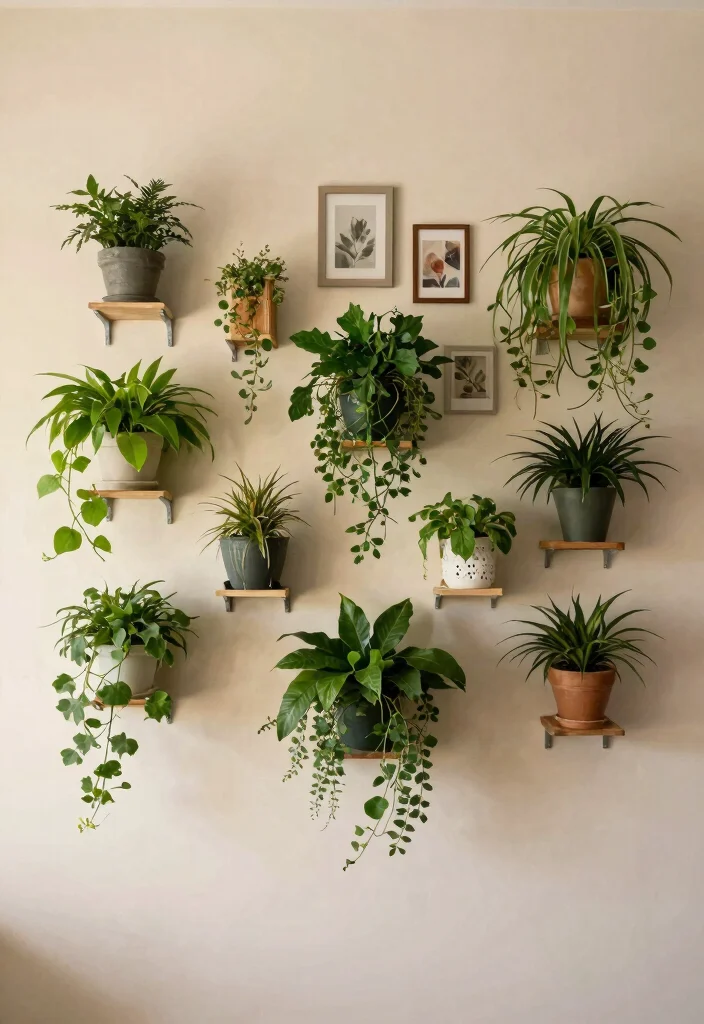
Limited horizontal surfaces shouldn’t hinder your indoor plant collection! By utilizing vertical space, you can transform a simple shelf display into a stunning vertical garden. Options like hanging planters, wall-mounted pots, or tiered shelves can maximize your space while creating a lush flow of greenery that visually draws the eye upward.
To effectively use vertical space, consider wall-mounted shelves for a layered effect or hang planters at varying heights for added dimension. Incorporating wall decor alongside your plants can create a more cohesive overall look.
Here are some tips to get started:
– Install wall-mounted shelves to create layers.
– Hang planters at different heights for visual interest.
– Integrate wall art that complements the plant display.
Going vertical can turn even the smallest spaces into a vibrant escape filled with nature’s beauty.
Vertical space is a playground for plant lovers. When you elevate your indoor plant collection on shelf with hanging planters and wall-mounted pots, every shelf becomes a lush, eye-catching story you actually want to show off.
7. Play with Textures
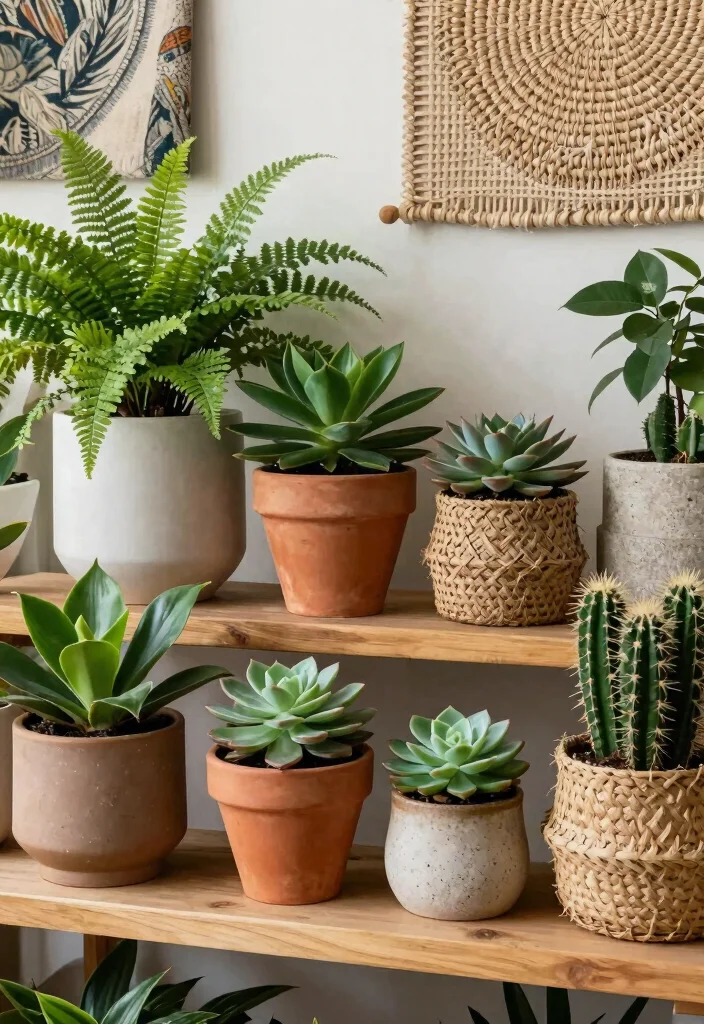
Incorporating a variety of textures can elevate your indoor plant display from flat to fabulous. Mixing smooth ceramic pots with rough woven baskets or terracotta can create an exciting visual experience. Textures add depth and interest, drawing attention to the diversity of plants you have.
Consider pairing soft, fuzzy plants with glossy-leaved varieties for contrast. Additionally, incorporating textured materials such as wood, metal, or fabric can complement the pots and plants beautifully.
Here are some tips for playing with texture:
– Choose pots with different finishes but similar color schemes.
– Integrate elements like macramé hangers or woven placemats.
– Factor in the natural textures of the plants themselves for added depth.
Creating a dynamic range of textures not only enhances your indoor plant collection but also enriches the tactile experience of your space.
8. Incorporate Lighting
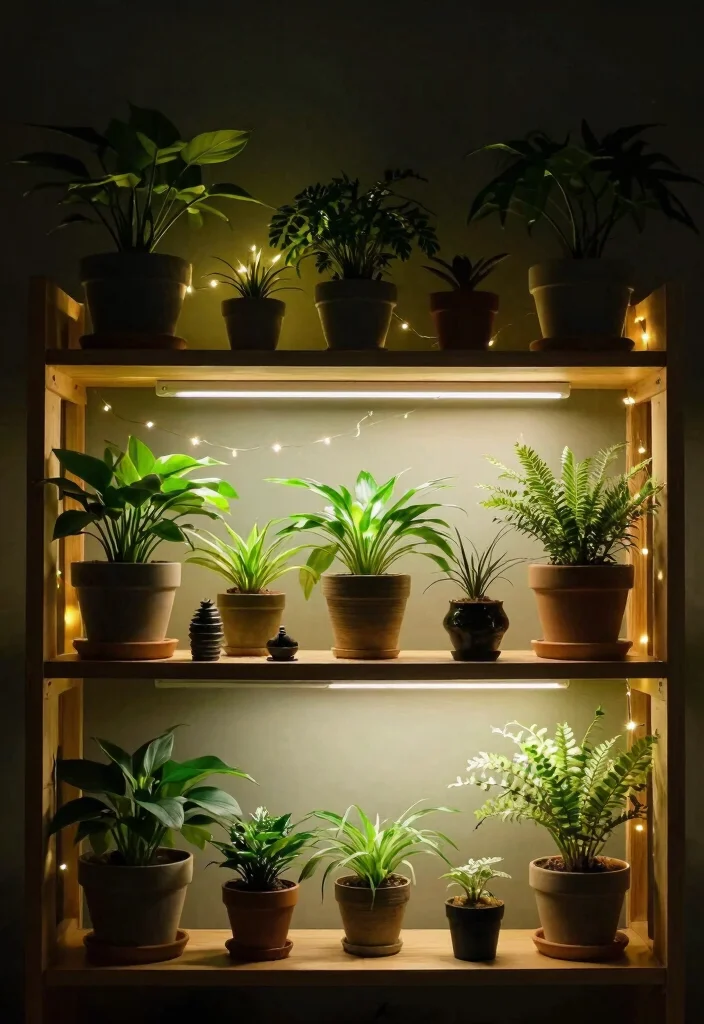
Lighting is essential not only for your plants to thrive but also for enhancing their visual appeal. Various light sources can create dramatic effects, turning your plant display into a beautiful focal point. For instance, using LED grow lights for light-hungry plants or draping fairy lights around pots can add a magical touch.
Consider mixing different light sources to create depth in your display. Avoid harsh, direct lighting that can damage your plants, and opt for dimmable lights to adjust the atmosphere throughout the day.
Here are some ideas for incorporating lighting:
– Use varied light sources to enhance visual depth.
– Steer clear of harsh lighting that can harm plants.
– Utilize dimmable lights for adjustable ambiance.
A well-lit indoor display can make your plant collection stand out, creating a warm and inviting feel.
9. Create a Plant Corner
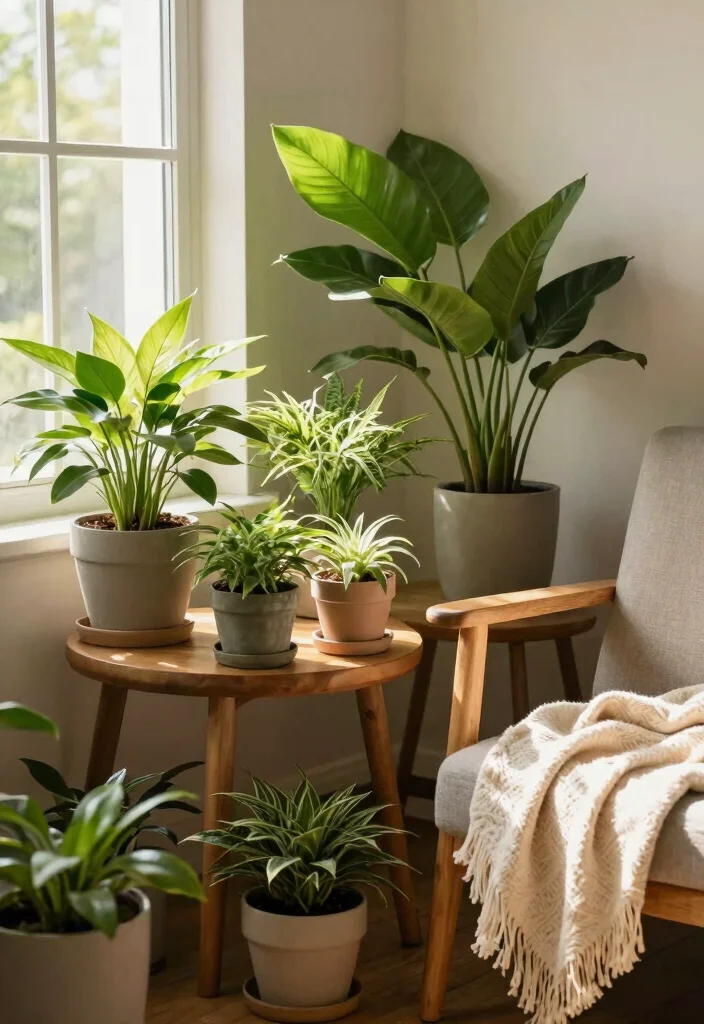
If shelf space is at a premium, consider creating a dedicated plant corner in your home. This could be a small table, a cozy windowsill, or any nook where you can gather your plants together. Designing a specific area for your plants allows for a more visually appealing arrangement without overcrowding.
In this corner, you can mix and match pots and plant types while ensuring they all receive adequate light and care. Enhance the space by incorporating a comfy chair or a soft blanket for a cozy retreat.
Here are some ideas for a successful plant corner:
– Use varying heights by incorporating a small table or stool.
– Select plants that thrive in similar environments.
– Add seating to create a relaxing atmosphere.
A dedicated plant corner can enrich your living space, offering a delightful area for your indoor gardening passion.
10. Use Color Theory
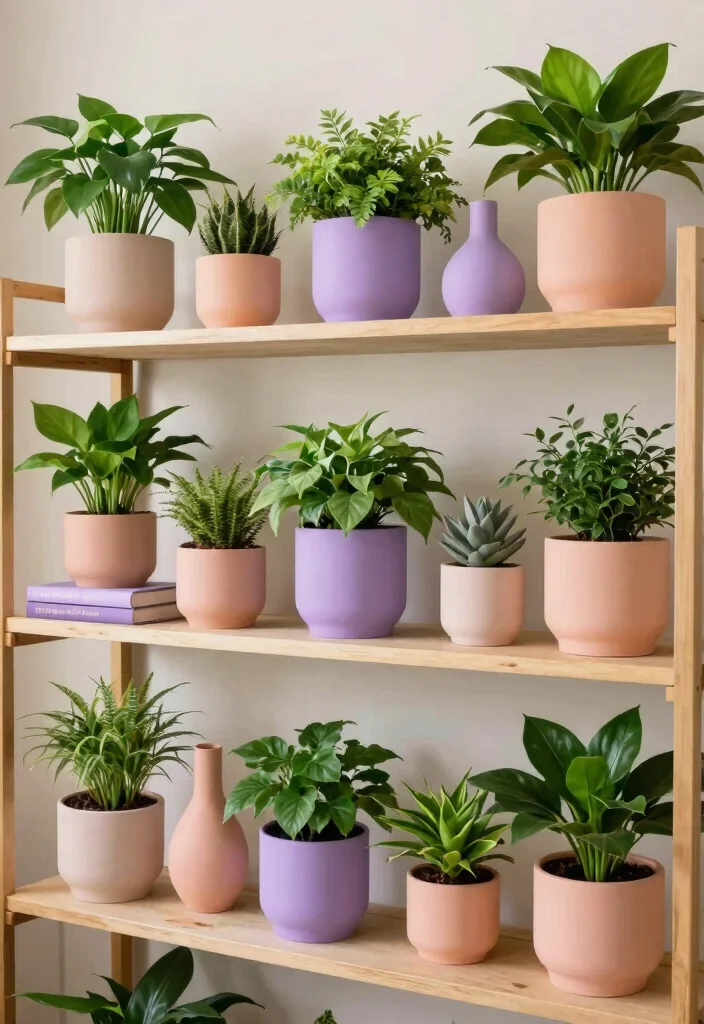
Color plays a crucial role in design, and your plant display is no exception. Applying color theory can help you craft a visually captivating arrangement that feels intentional and cohesive. For instance, pairing the bright green of a pothos with a soft lavender pot creates stunning highlights. Alternatively, a monochromatic scheme using various shades of green can convey a serene, fresh vibe.
To effectively use color in your display, stick to a color palette that resonates with your overall decor. You can also select colored pots that complement or contrast with your plants. Including decorative items, such as books or vases, that align with your color scheme can further enhance the arrangement.
Here’s how to successfully apply color theory:
– Choose a color palette that matches your decor.
– Use colored pots to enhance or contrast with plant colors.
– Incorporate decorative items that reflect your chosen colors.
Thoughtfully applying color theory can transform your indoor plant collection into a striking element of your home decor.
11. Create a Multi-Functional Space
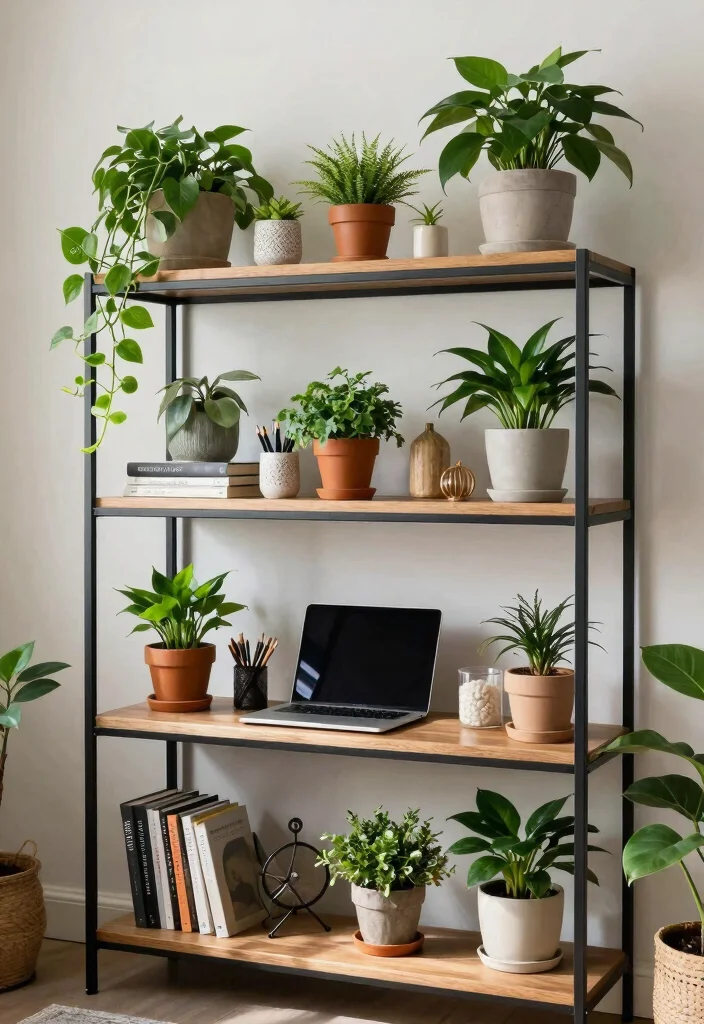
In smaller spaces, every inch counts. Designing your indoor plant display to serve multiple purposes can maximize both style and utility. For example, a shelf can double as a side table or work surface while showcasing your greenery. Integrating plants into your daily spaces allows you to enjoy nature’s benefits while engaging in everyday activities.
Consider using shelves with built-in storage or repurposed furniture pieces that combine plant display and functionality. This approach ensures plants are secure while keeping your living area stylish and efficient.
Here are some tips for creating a multi-functional space:
– Opt for shelves or tables with storage capabilities.
– Securely place plants on work surfaces to prevent spills.
– Use decorative planters that can also hold items like office supplies.
A thoughtfully designed multi-functional space can elevate your home while keeping your indoor plant collection accessible and visually appealing.
Fun fact: In small spaces, adding shelf space that doubles as a work surface can boost usable area by up to 25%. Your indoor plant collection on shelf stays beautiful, while daily tasks stay streamlined.
12. Use Natural Elements
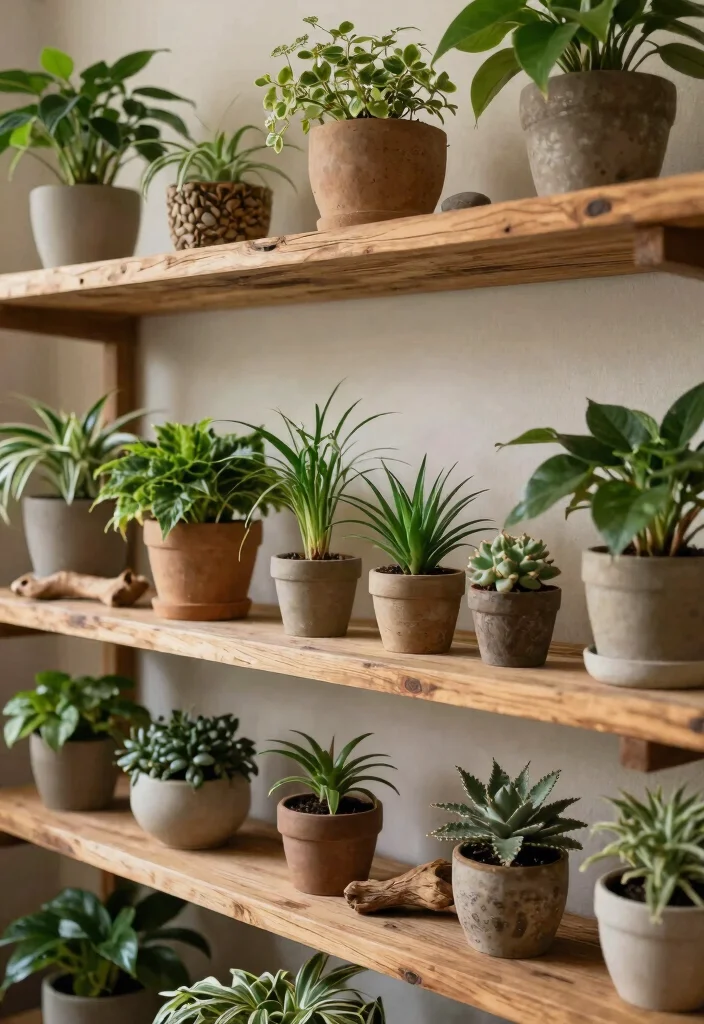
Bringing natural elements into your indoor plant display fosters a harmonious connection between your plants and the surrounding decor. Materials like wooden shelves, stone accents, and natural fabrics can enhance the overall aesthetic. For instance, reclaimed wood shelves beautifully complement the earthy tones of your plants, creating an inviting atmosphere.
Incorporating elements that reflect nature helps create a cohesive look and feel in any indoor space. You can enhance your display by adding pebbles or driftwood as decorative accents, using natural fabrics for hangers, and selecting planters that embody an organic quality.
Here are some ideas for integrating natural elements:
– Use pebbles or driftwood as decorative accents.
– Opt for natural fabrics in textiles, like hangers or table runners.
– Select planters that convey an organic feel.
Integrating natural elements grounds your indoor plant collection, fostering a serene, nature-inspired atmosphere.
13. Arrange by Plant Care Needs
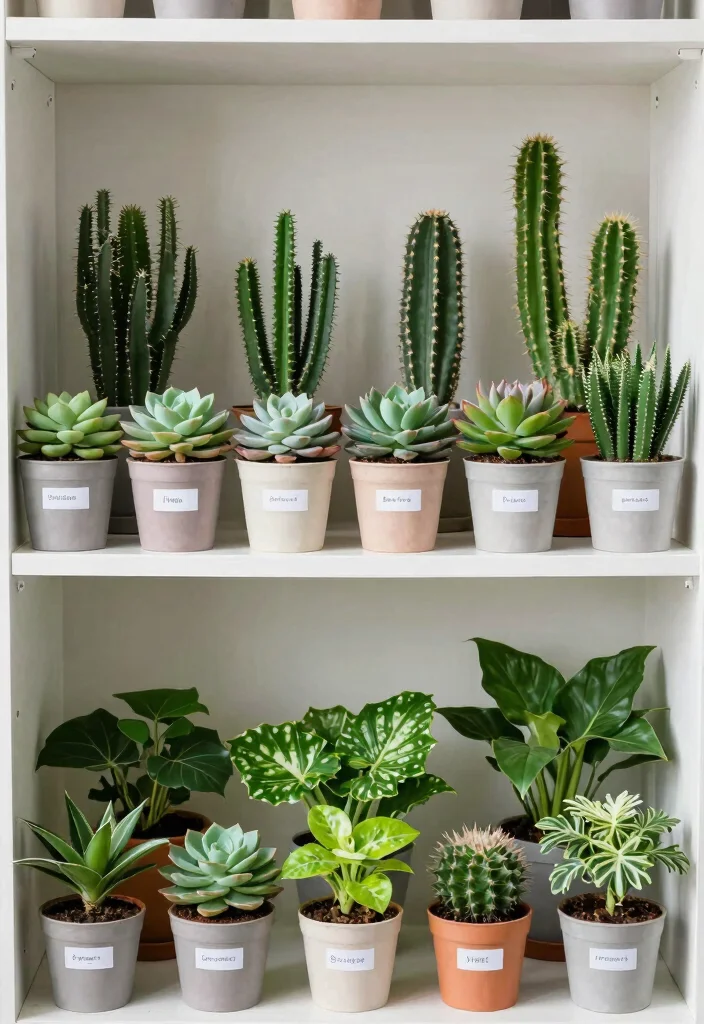
Organizing your plants based on their individual care needs simplifies your indoor gardening experience. Grouping plants by light requirements, watering frequency, or humidity levels makes it easier to monitor their needs and ensure they flourish. For instance, place all high-light succulents together while keeping shade-loving plants on another shelf.
This thoughtful arrangement helps you keep track of watering schedules and allows you to adjust environmental conditions as necessary. You might consider labeling pots or grouping plants in dedicated sections for easy care.
Here are some things to consider:
– Label pots or group plants to simplify care.
– Ensure plants sharing a shelf have similar needs.
– Rotate plants occasionally to optimize light exposure.
With a well-organized indoor plant collection, your shelf not only looks great but also promotes healthier growth for your plants.
14. Seasonal Displays
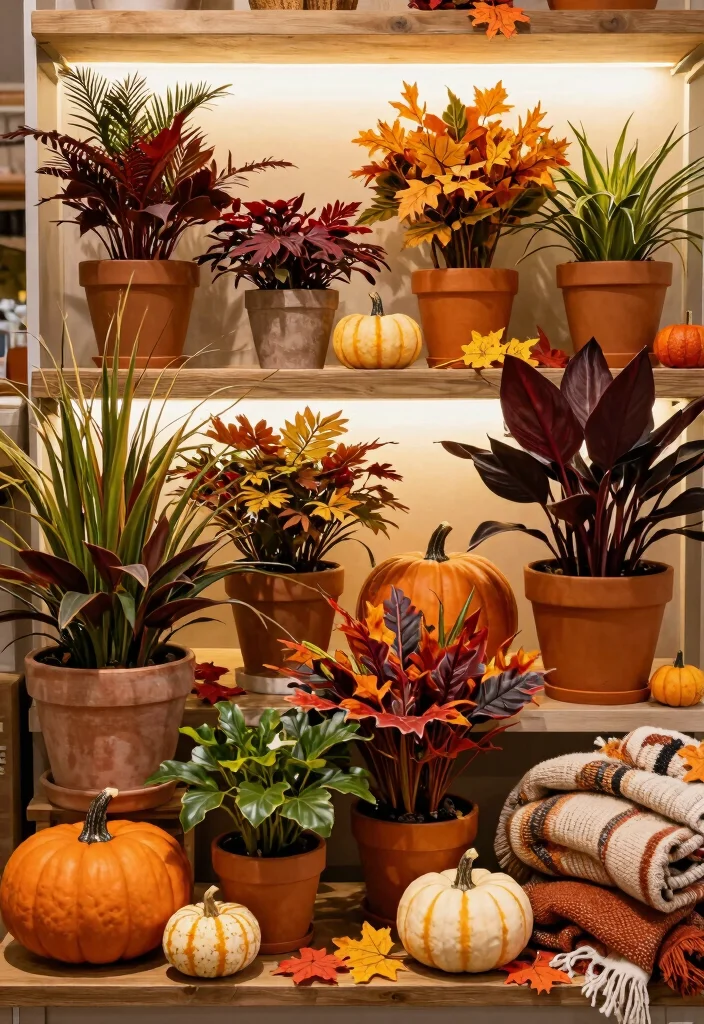
Refreshing your indoor plant display with the seasons brings new life and excitement to your space. Integrating seasonal decor along with your plants makes your collection feel dynamic and engaging. For example, during spring, consider using pastel-colored pots and colorful blooms, while fall might inspire rich reds and cozy accents.
This practice keeps your indoor gardening routine vibrant and allows you to experiment with different styles throughout the year. You can switch out decorative items like pumpkins in autumn or beachy decor in summer, while also rotating plants based on their growth cycles.
Here are some ideas for creating seasonal displays:
– Change decorative items to reflect the season.
– Rotate plants based on seasonal growth patterns.
– Adjust lighting and positioning to accommodate seasonal sunlight changes.
Seasonal displays enhance your indoor plant collection, making it more relevant and visually appealing throughout the year.
15. Minimalist Shelf Styling
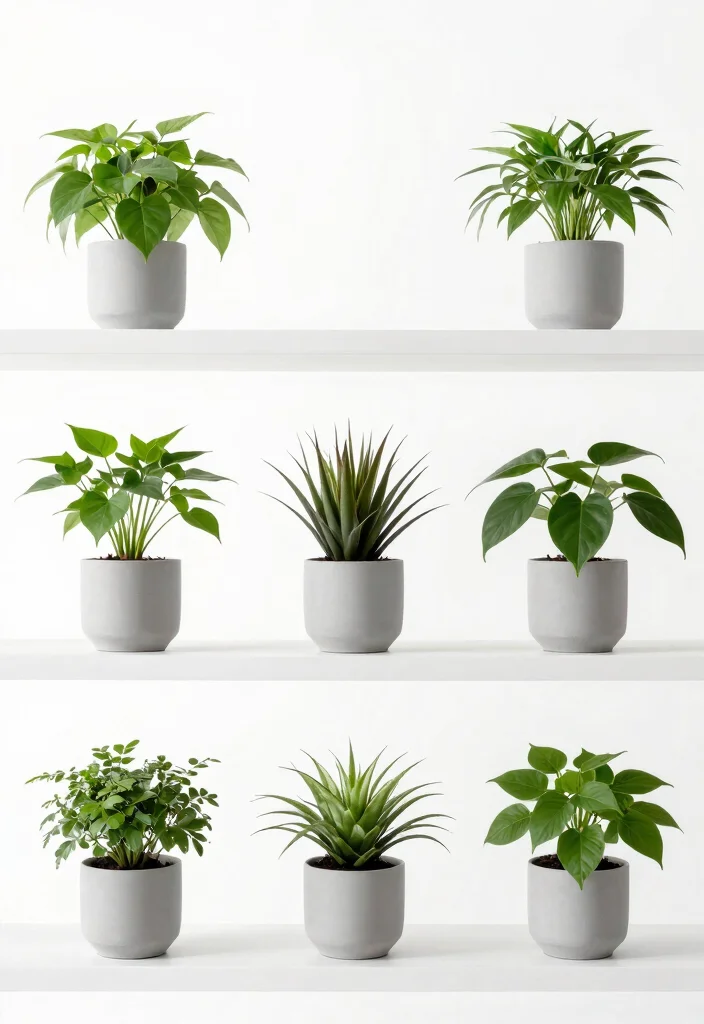
Sometimes, embracing a minimalist approach can lead to a clean and sophisticated look for your indoor plant display. Featuring only a few select plants allows each one to shine, avoiding visual clutter. Choosing simple, elegant pots and pairing them with just a few carefully selected decor items creates a refined aesthetic.
This style works particularly well in small spaces, where simplicity can enhance the overall feel. To achieve a minimalist look, stick to a monochrome color palette for pots and decor, and choose plants with striking silhouettes for maximum impact.
Consider these minimalist styling tips:
– Maintain a monochrome color scheme for pots and decor.
– Select plants with bold shapes for added emphasis.
– Limit shelf items to keep the display uncluttered.
A minimalist shelf display makes a bold statement, showcasing your indoor plant collection beautifully while maintaining an airy, light feel throughout your decor.
Minimalism lets each plant shine—fewer pieces, bigger impact. When you curate your indoor plant collection on shelf with a monochrome palette and simple pots, small spaces feel open, calm, and elegant.
Conclusion
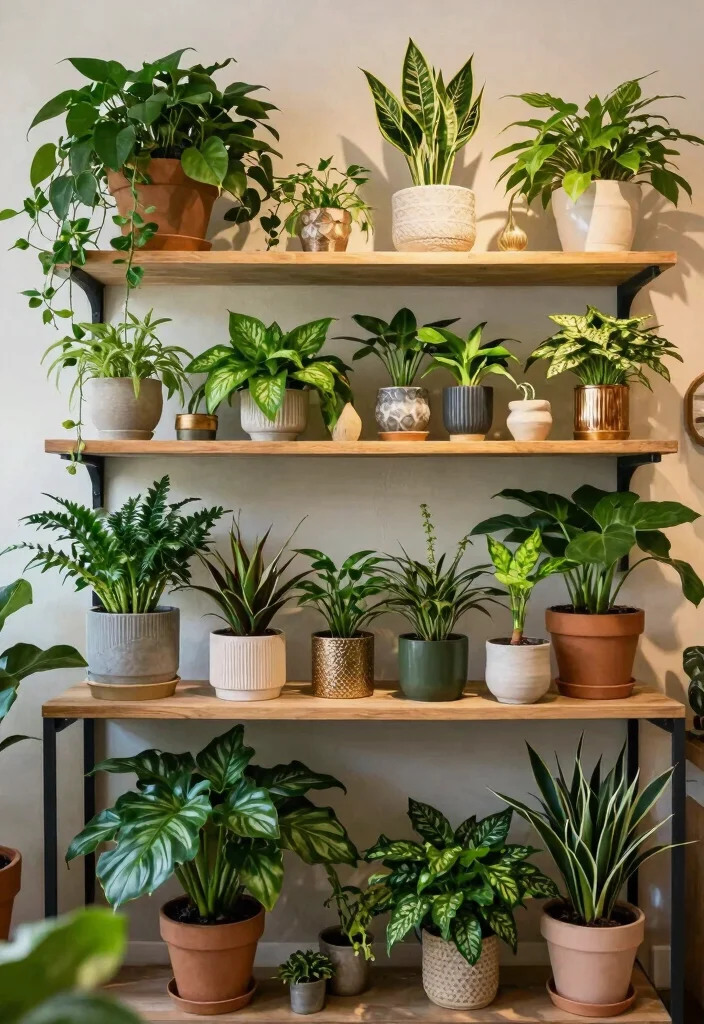
With these 15 creative indoor plant display ideas, you’re well on your way to transforming your shelves into a lush, green paradise.
Whether you prefer a themed arrangement or a minimalist approach, each idea allows you to express your unique style while enhancing your living space. Don’t hesitate to mix and match these concepts to create an indoor oasis that reflects your personality and love for plants!
Note: We aim to provide accurate product links, but some may occasionally expire or become unavailable. If this happens, please search directly on Amazon for the product or a suitable alternative.
This post contains Amazon affiliate links, meaning we may earn a small commission if you purchase through our links, at no extra cost to you.
Frequently Asked Questions
What are the best ways to display my indoor plant collection on shelf in a small space?
To display your indoor plant collection on shelf in a small space, start with a plan for layering heights and grouping plants by light needs. Use risers or small plant stands to create vertical levels, and place heavier pots on the bottom for stability. Vary pot shapes and textures to add visual interest, while keeping a cohesive color palette (like white, terracotta, or black) for creative plant shelving elements. Leave air space between plants for airflow and easy access for care.
How can I plan indoor plant display ideas that look cohesive on a shelf?
Plan your display with indoor plant display ideas that look cohesive on a shelf. Decide on a color theme or a mix of textures, then pick 3–5 anchor plants and fill in with smaller companions. Use varied heights and a few statement pots to anchor the arrangement, which is a classic example of shelf styling for plants. Place trailing plants at the back edges and upright varieties in the middle to create depth. Don’t forget to consider light and watering needs so you can rotate or group plants by care requirements.
Which shelf and plant combinations work best for small spaces and still be easy to care for?
Start with lightweight shelves, maybe a tall bookcase or wall-mounted unit, and choose plants that tolerate indoor conditions and occasional neglect. Good choices: pothos, snake plant, ZZ plant, peperomia, and zamioculcas zamiifolia for low maintenance. Use pots with a uniform style to simplify the look, and use creative plant shelving elements like corner units or stackable levels. To keep things manageable, group plants by light needs and set a simple watering routine. This setup is a practical example of indoor gardening tips for shelves.
How can shelf styling for plants double as home decor with plants?
Start with a unifying theme—color, texture, or material—and pair plants with decorative objects like candles, books, or picture frames. Alternate symmetry and asymmetry to keep it lively, and use vertical space with hanging baskets or trailing vines along the shelves. Add a few focal points with a tall plant or a bright pot to draw the eye, then finish with small greens for balance. This approach makes your home decor with plants feel intentional and stylish.
What maintenance tips keep the indoor plant collection on shelf thriving?
Create a simple routine: check light levels, rotate plants monthly, and water according to each species—usually when the top inch of soil is dry. Dust leaves to optimize photosynthesis, and wipe down pots to prevent pests. Inspect for pests and address problems early with a gentle soap solution. Finally, refresh the shelf every few months by re-grouping plants, rotating heights, and swapping out a tired pot to keep the display vibrant—this is indoor gardening tips that payoff on the shelf.