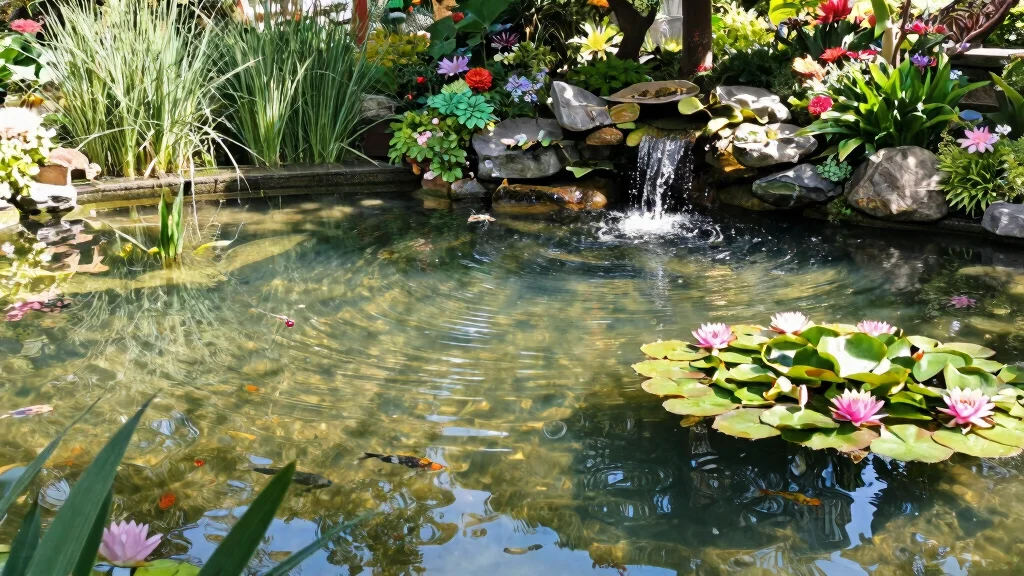
Maintaining a garden pond can feel like a rewarding journey. You may find yourself daydreaming about the tranquil sound of water, vibrant aquatic plants, and colorful fish gliding beneath the surface. Yet, keeping that beautiful oasis clear and inviting requires some attention and effort. This is why I created this guide. Whether you’re just starting out or have a well-loved pond that needs some TLC, I have compiled essential tips that will help you keep your garden pond in pristine condition.
If you’re a gardening enthusiast or someone who simply enjoys the aesthetics of water features, this post is for you. You probably care about how your pond looks and functions, ensuring the water remains clear and the plants healthy. You want a space that complements your garden and serves as a peaceful retreat, not a murky mess. This guide will provide you with practical, easy-to-follow tips that cover everything from choosing the right plants to controlling algae growth.
By the time you finish reading, you’ll have a solid understanding of how to maintain your garden pond. You’ll gain insight into regular water testing, effective filtration methods, and how to create a balanced ecosystem. With these tips, your pond will thrive, offering a beautiful backdrop for relaxation and enjoyment.
Key Takeaways
– Regular water testing is crucial to monitor pH levels and ensure a healthy environment for fish and plants.
– Selecting the right aquatic plants can enhance water clarity and provide essential shade, helping to control algae.
– Implementing a proper filtration system is essential for maintaining clean water and reducing maintenance efforts.
– Keeping an eye on weather conditions and maintaining water levels will prevent problems caused by evaporation and temperature fluctuations.
– Introducing beneficial bacteria can improve water quality, while creating a balanced ecosystem supports a thriving pond environment.
1. Regular Water Testing
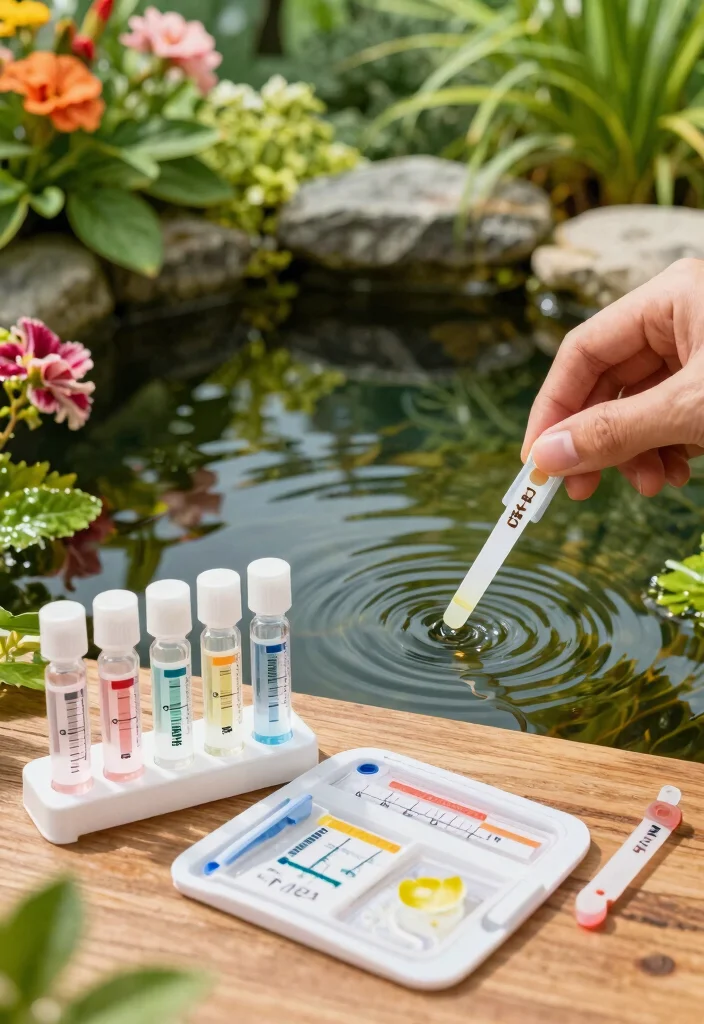
To keep your pond crystal clear and thriving, you need to understand its water chemistry. Regular testing is essential for maintaining a healthy aquatic environment. Focus on key parameters like pH, ammonia, and nitrates, ideally checking these levels weekly to catch any issues early on.
Start by investing in a reliable water testing kit that covers all the basics. Document your readings to spot trends over time, which can help you prevent problems before they escalate. A pH level of around 7.0 to 8.0 is optimal for most pond life, so aim for that range.
Key water testing tips:
– Use a comprehensive water testing kit.
– Keep a detailed log of your readings.
– Target a pH between 7.0 and 8.0.
Regular testing creates a stable environment for your fish and plants, enhancing overall water clarity and health.
2. Choose the Right Plants
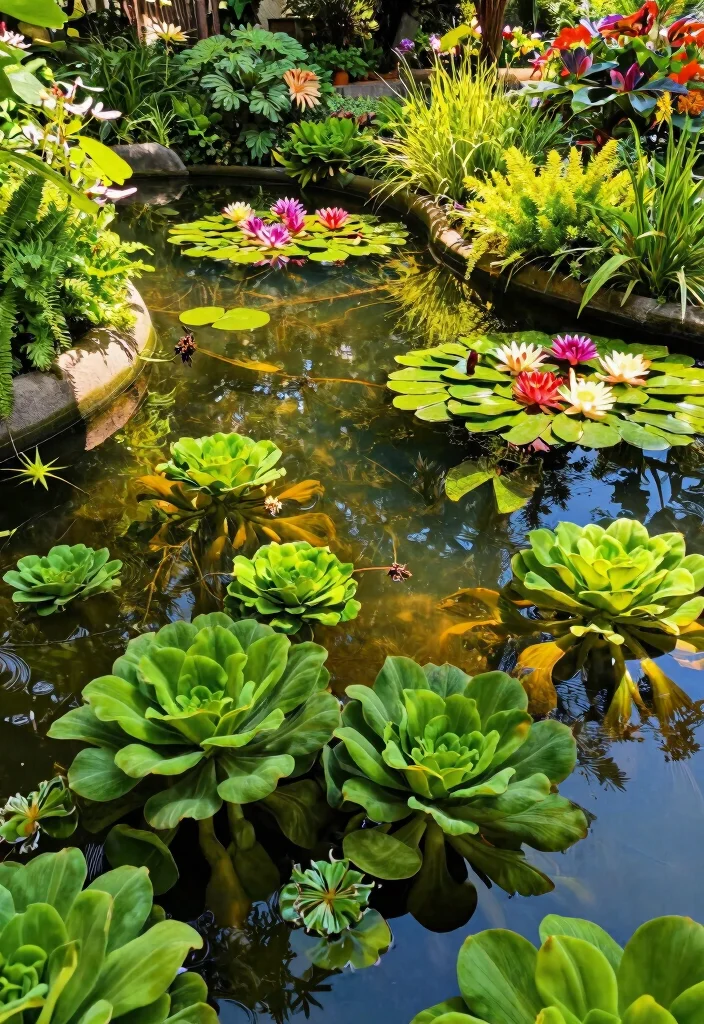
Selecting the right aquatic plants is vital for a healthy pond ecosystem. They not only enhance the beauty of your pond but also help in keeping the water clear by absorbing excess nutrients. A diverse mix of plants can provide fish with shelter while also improving filtration.
Consider incorporating different types of plants: submerged plants like hornwort oxygenate the water, while floating plants like water lettuce block sunlight to control algae. Marginal plants add visual appeal and aid in filtration, creating a balanced environment.
Types of plants to add:
– Submerged plants like hornwort for oxygen.
– Floating plants like water lettuce to reduce sunlight.
– Marginal plants like cattails for beauty and filtration.
By carefully selecting a variety of plants, you can ensure a vibrant and balanced ecosystem, leading to clearer water and healthier fish.
❝ Fun fact: A balanced mix of submerged, floating, and marginal plants can cut nutrient levels and algae by up to 50% in a season. Choose hornwort to oxygenate, water lettuce to shade, and marginals to enhance filtration—these tips for garden pond care keep your ecosystem balanced. ❞
3. Implement Proper Filtration
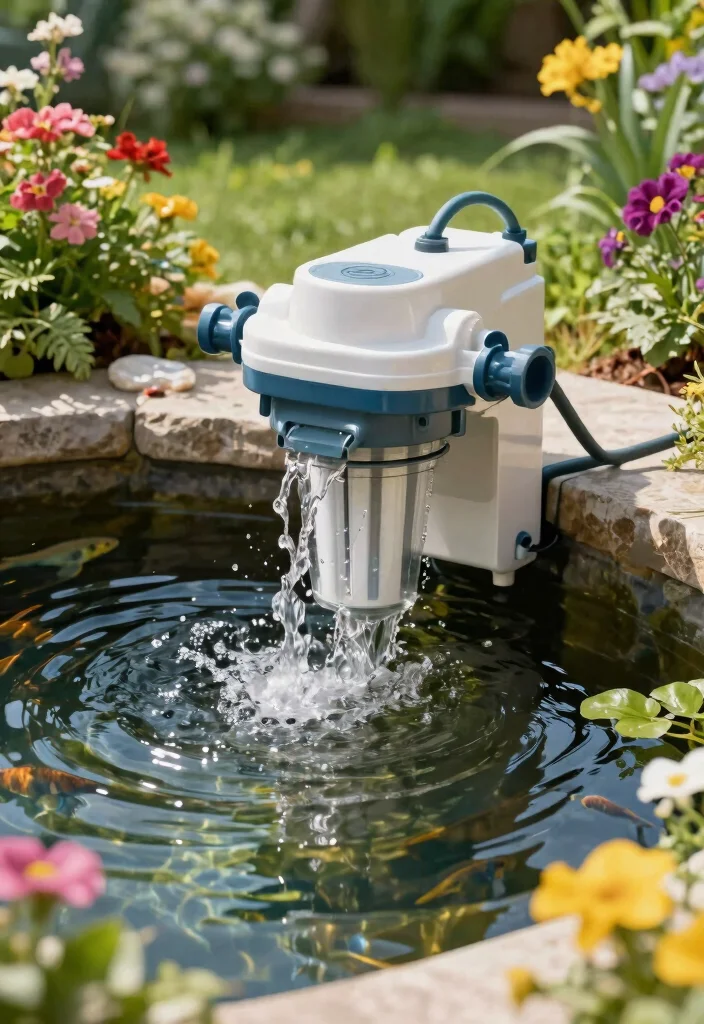
A good filtration system is essential for clear pond water and a healthy habitat for fish. It effectively removes debris, algae, and waste, making a big difference in your pond’s overall environment. Choosing the right filtration options can improve water quality significantly.
Look into different types of filters: mechanical filters physically remove dirt, while biological filters introduce beneficial bacteria to break down harmful substances. UV clarifiers are also great for killing off unwanted algae, ensuring your water stays clear.
Filter options to consider:
– Mechanical filters to physically clean water.
– Biological filters to support beneficial bacteria.
– UV clarifiers to eliminate algae.
Regular maintenance of your filtration system will ensure optimal performance, resulting in a sparkling clear pond.
4. Control Algae Growth
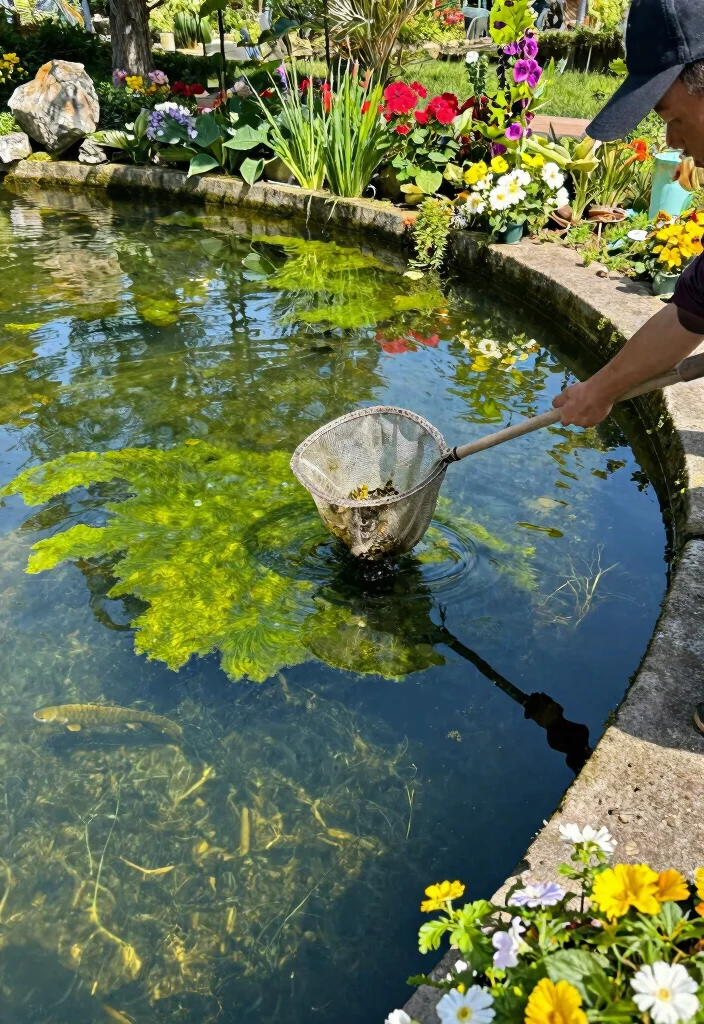
Algae can quickly become a nuisance in your pond, causing murky water and harming aquatic life. While some algae are beneficial, excessive growth can disrupt the ecosystem and spoil the beauty of your water garden. Taking proactive steps to manage algae is crucial.
Consider creating shade with floating plants or structures to limit sunlight that fuels algae growth. Regular cleaning to remove debris also helps minimize nutrient buildup, and adding beneficial bacteria can effectively compete with algae for resources.
Methods to control algae:
– Create shade with floating plants.
– Clean debris regularly to reduce nutrients.
– Introduce beneficial bacteria to outcompete algae.
By implementing these strategies, you can keep algae in check and maintain a beautiful, clear pond.
5. Maintain Water Levels
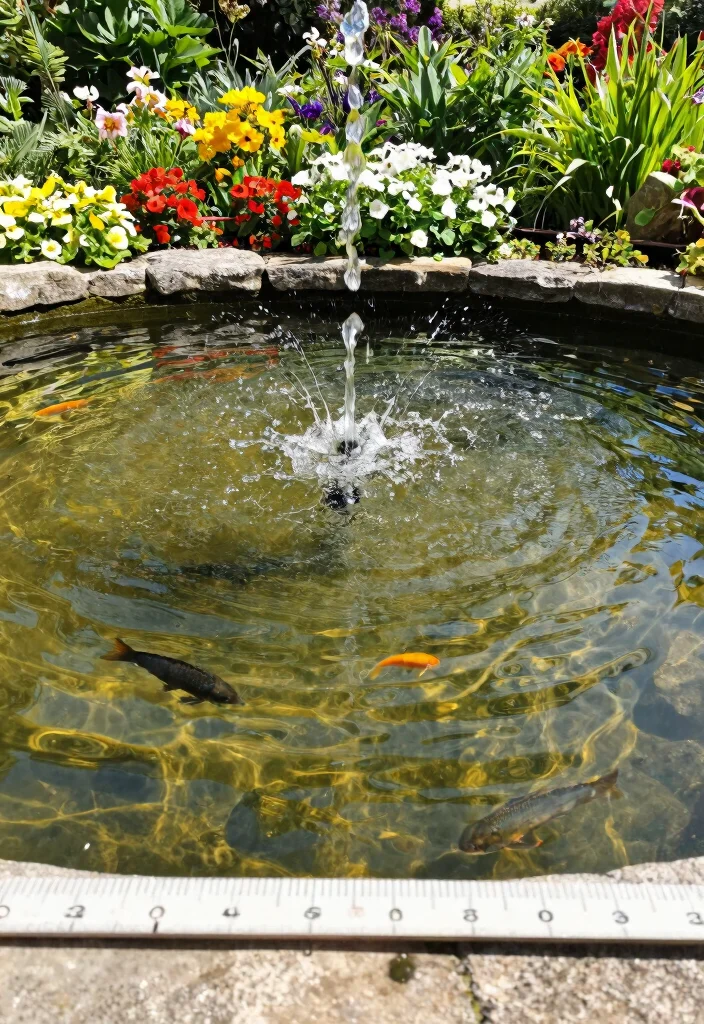
Stable water levels are crucial for your pond’s overall health. They influence temperature, oxygen levels, and can greatly affect water clarity. Keeping the water level consistent ensures a thriving habitat for both fish and plants.
Regularly check the pond’s water level, especially during hot weather, when evaporation can be significant. Refill as needed using a hose, and consider adding a fountain or waterfall to help with circulation and reduce evaporation.
Tips for maintaining water levels:
– Monitor water levels weekly to catch drops.
– Refill with fresh water as necessary.
– Install a fountain to enhance circulation.
By maintaining optimal water levels, you help create a stable environment that supports the health and beauty of your pond.
6. Feed Your Fish Wisely
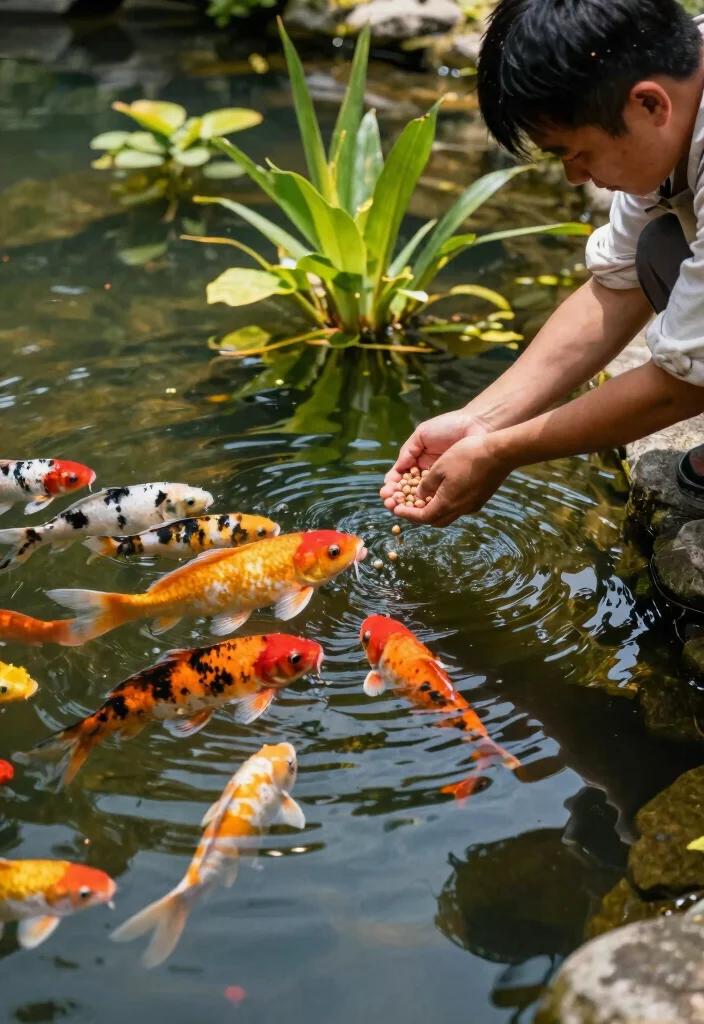
Feeding your fish properly is essential for their health and can influence the clarity of your pond’s water. Overfeeding can lead to excess waste and cloudy water. Being mindful of how and what you feed can greatly improve your pond’s ecosystem.
Choose high-quality fish food suited to your specific fish types and offer only what they can eat in a few minutes. Adjusting their diet based on the seasons will ensure they receive the right nutrients year-round.
Feeding tips to follow:
– Use quality food appropriate for your fish.
– Feed in small quantities to avoid waste.
– Adjust diet with the seasons for optimal health.
Proper feeding habits lead to happier fish and clearer water, enhancing your pond’s beauty.
7. Regular Pond Cleaning
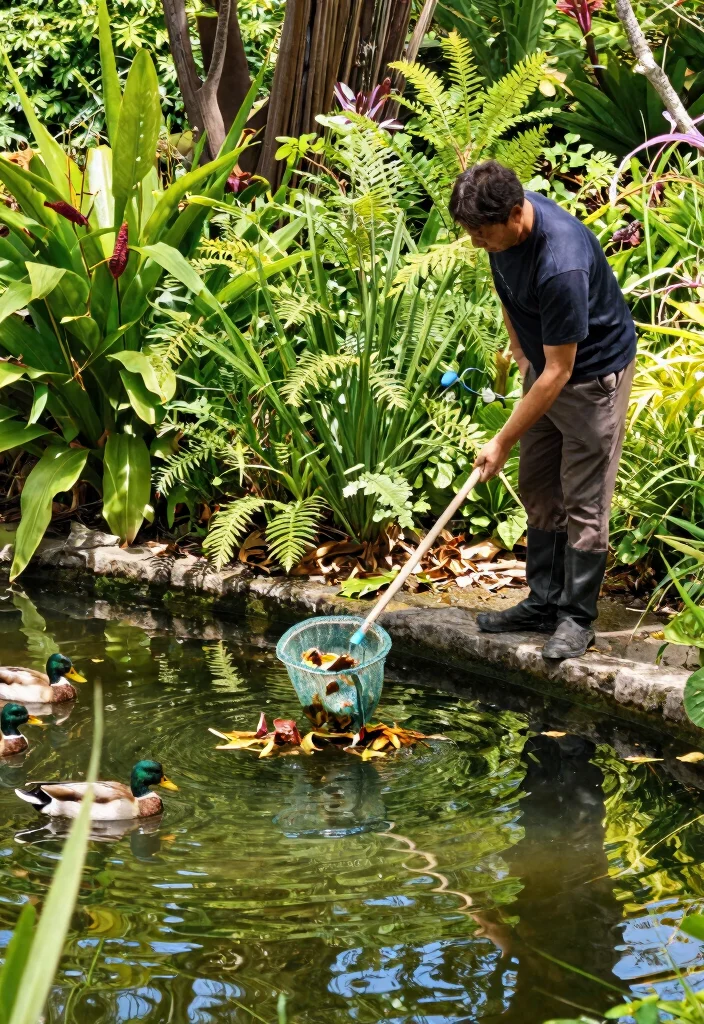
Keeping your pond clean is essential for maintaining clear water and a healthy ecosystem. Regular cleaning helps remove organic material and debris that can cloud your pond. Establishing a routine will keep your water garden looking its best.
Use a pond net to remove leaves and debris at least once a week, and scrub the pond liner with a soft brush to prevent algae buildup. Performing partial water changes can also refresh the ecosystem.
Cleaning practices to adopt:
– Remove debris weekly using a net.
– Scrub the pond liner to minimize algae.
– Perform a partial water change regularly.
By committing to a regular cleaning schedule, you ensure a beautiful and thriving pond environment.
8. Monitor Weather Conditions
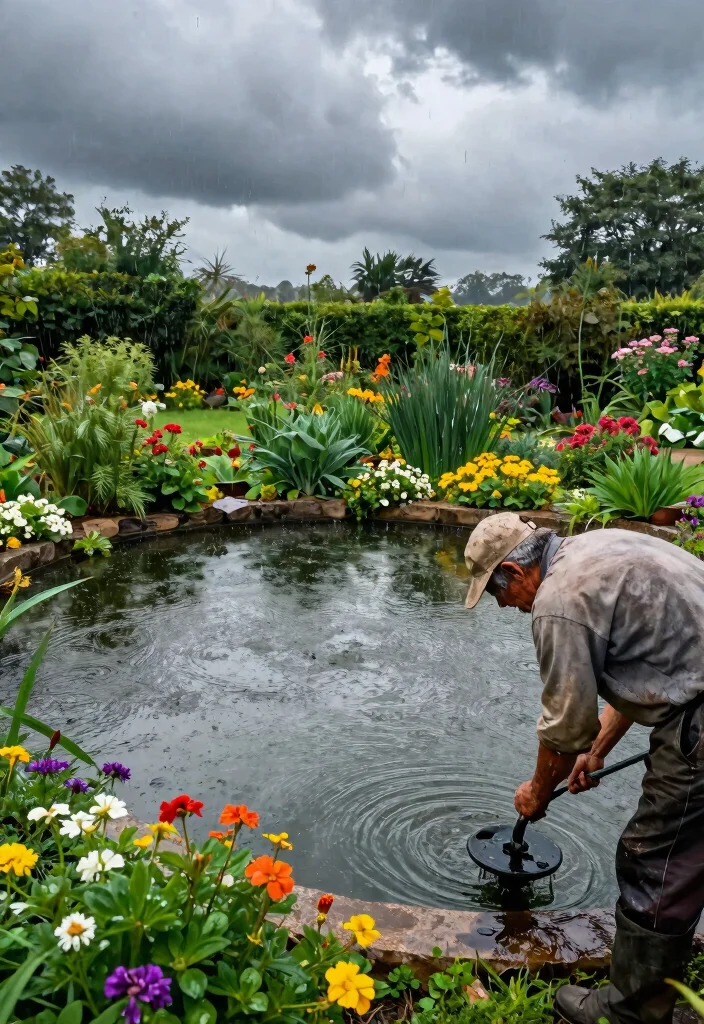
Weather changes can have a significant impact on your pond’s ecosystem. Seasonal shifts can affect temperature, evaporation rates, and even fish behavior. Being aware of these changes allows you to take proactive measures to maintain your pond’s health.
During hot weather, increase aeration to boost oxygen levels for your fish. In winter, it’s wise to have a heater to keep an area ice-free for breathing. After heavy rains, always check water quality since runoff can introduce unwanted pollutants.
How to adapt to weather:
– Increase aeration during hot spells.
– Use a heater in winter for fish safety.
– Check water quality after heavy rains.
Staying attuned to weather changes helps you maintain a healthy and clear pond throughout the year.
Ongoing Maintenance & Care Guide
Maintenance Schedule:
Daily/Weekly Tasks:
– Check water levels to ensure they are consistent. This takes about 5 minutes.
– Remove debris from the pond surface, such as leaves or algae. Expect to spend around 10 minutes.
– Feed your fish appropriately, ensuring you don’t overfeed them. This should take about 5 minutes.
– Inspect aquatic plants for signs of distress, which will take around 10 minutes.
Monthly/Seasonal Tasks:
– Test water parameters like pH and ammonia levels. This process usually takes about 15 minutes.
– Clean the pond filter to maintain proper water flow, which can take about 30 minutes.
– Trim back overgrown aquatic plants to promote healthy growth, which can take around 20 minutes.
– Change 10-20% of the pond water to refresh it, taking about 30 minutes.
– Apply beneficial bacteria to support a balanced ecosystem, which should take around 10 minutes.
Maintenance Summary Table:
| Task | Frequency | Difficulty | Time Needed |
|——————————-|—————–|————|—————|
| Check water levels | Daily | Easy | 5 minutes |
| Remove debris | Daily | Easy | 10 minutes |
| Feed fish | Daily | Easy | 5 minutes |
| Test water parameters | Monthly | Moderate | 15 minutes |
| Clean pond filter | Monthly | Moderate | 30 minutes |
| Trim aquatic plants | Monthly | Moderate | 20 minutes |
| Change pond water | Monthly | Moderate | 30 minutes |
| Apply beneficial bacteria | Monthly | Easy | 10 minutes |
Common Issues to Watch For:
⚠️ Water Clarity Issues: If the water looks murky or cloudy, it may indicate algae blooms or excess waste. Check your filtration system.
⚠️ Fish Behavior Changes: If fish are gasping at the surface, it could mean low oxygen levels. Test the water immediately.
⚠️ Algae Overgrowth: An excessive amount of algae can suffocate aquatic plants and fish. You may need to increase cleaning frequency or introduce algae-eating fish.
⚠️ Unpleasant Odors: A foul smell can indicate decaying organic matter in the pond. Regular cleaning is essential to prevent this.
⚠️ Plant Die-Off: If your aquatic plants are wilting or browning, check their health and adjust the water conditions.
Care Tips:
💡 Maintain a Balanced Ecosystem: Keep a mix of plants for shade and oxygenation. A balanced ecosystem helps control algae naturally.
💡 Monitor Water Temperature: Water temperature affects fish and plant health. Ensure it stays within the appropriate range for your species.
💡 Use Natural Treatments for Algae: Instead of chemicals, consider using beneficial bacteria or aquatic plants that compete with algae for nutrients.
💡 Seasonal Maintenance Adjustments: As seasons change, so should your maintenance routine. In winter, remove debris more frequently to prevent ice formation.
💡 Incorporate a Fountain or Water Feature: Adding movement to the water helps oxygenate it and prevents stagnant conditions that lead to algae growth.
By sticking to this ongoing maintenance schedule and keeping an eye out for common issues, you can ensure that your garden pond stays clear and healthy for years to come. Regular attention to your pond will help you enjoy its beauty and the soothing sounds it brings to your garden. Happy gardening!
9. Introduce Beneficial Bacteria
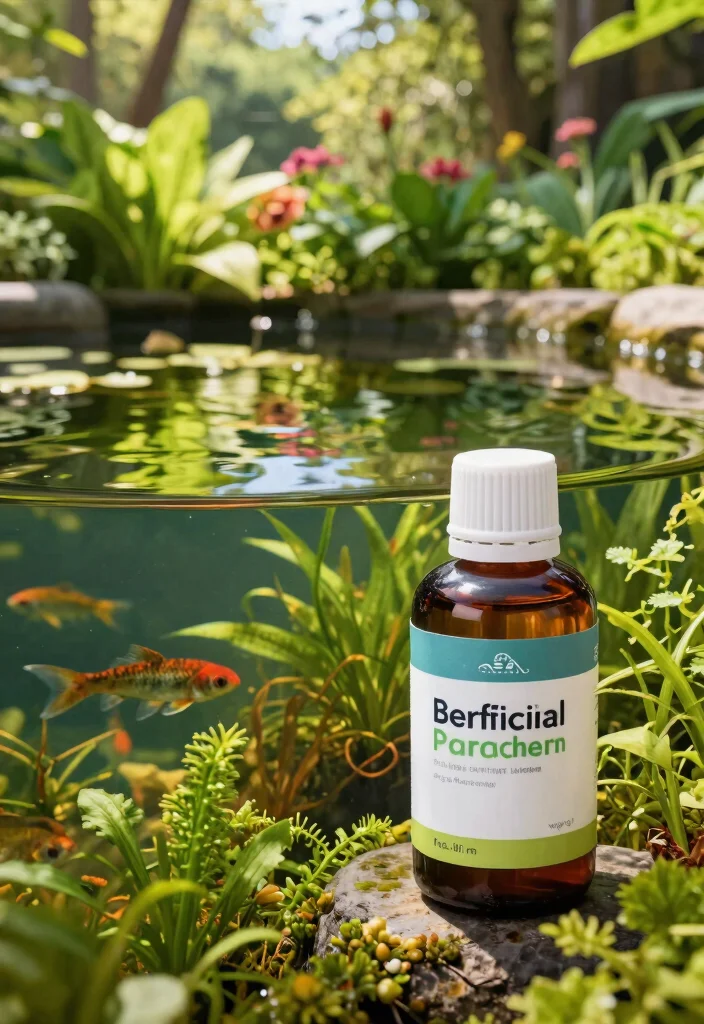
Beneficial bacteria are vital for a healthy pond ecosystem. They break down organic waste and help prevent algae growth, resulting in clearer water. Adding these microorganisms can significantly enhance your pond’s balance.
Opt for reputable liquid or dry products that are specifically formulated for pond environments. Follow the product instructions carefully and try to introduce these bacteria in spring or fall for the best results.
Ways to introduce bacteria:
– Select quality products for pond use.
– Follow instructions to avoid overloading.
– Apply during spring or fall for optimal effect.
Incorporating beneficial bacteria helps maintain a balanced ecosystem, promoting clearer water and healthier plant growth.
Fun fact: introducing beneficial bacteria can cut organic waste by up to 50% in a week, keeping pond water clearer. Start in spring or fall with trusted products, and your garden pond care will thank you with calmer, healthier balance.
10. Create a Balanced Ecosystem
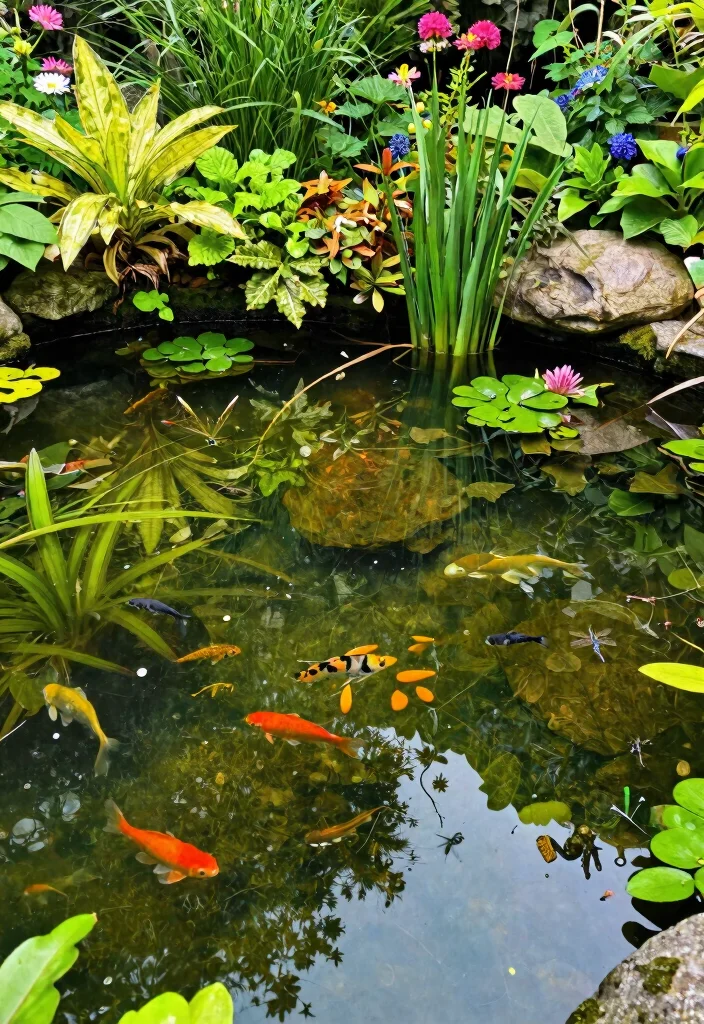
Creating a balanced ecosystem is essential for maintaining clear waters and a thriving pond environment. This involves not just fish and plants, but also a healthy mix of microorganisms that support the entire system.
Diversifying your plant life helps provide habitats for all pond inhabitants, while managing fish populations prevents overcrowding. Encouraging natural predators can control harmful insect populations, further enhancing your pond’s health.
Tips for achieving balance:
– Diversify your plants for all ecosystem levels.
– Manage fish populations to prevent waste buildup.
– Encourage natural predators to control pests.
A well-balanced ecosystem leads to reduced maintenance and clearer water, making your pond a delightful feature in your garden.
Fun fact: in tips for garden pond care, a balanced pond with diverse plants and natural predators can harbor thousands of beneficial microorganisms that naturally keep water clear. Keep fish populations in check and diversify habitats to prevent overcrowding and algae blooms.
11. Seek Professional Help When Needed
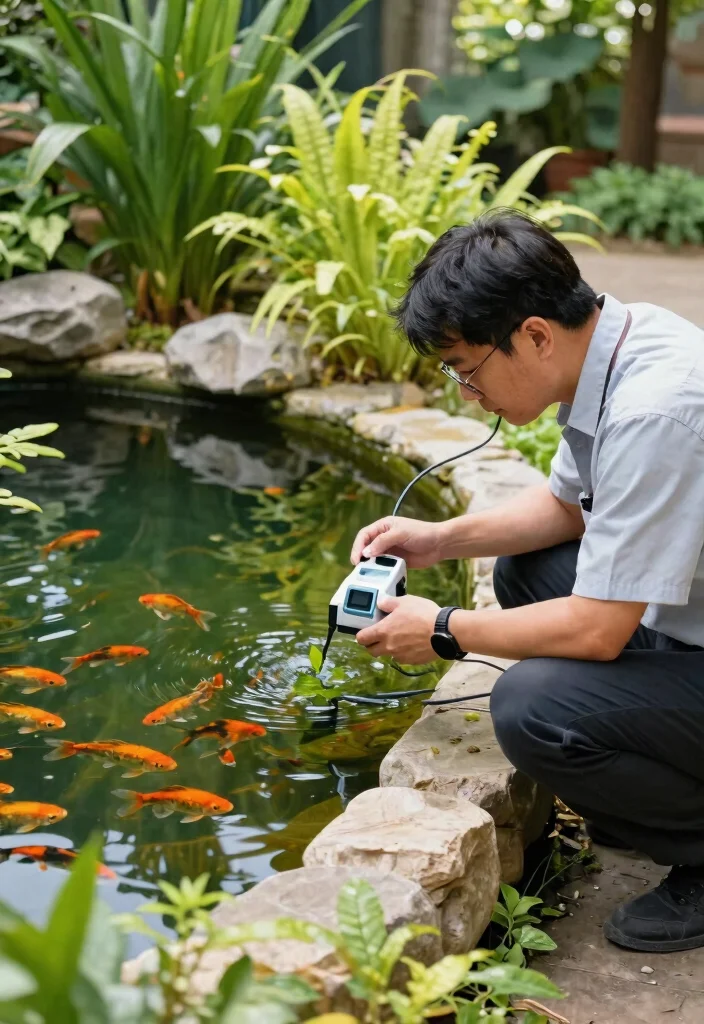
If you find yourself facing persistent issues with your pond, don’t hesitate to reach out for professional help. Experts can provide tailored insights and solutions for your unique situation, ensuring your pond remains healthy and clear.
Consider calling in a pro if you struggle with recurring algae blooms, experience water quality problems, or need assistance with significant maintenance tasks. Professional guidance can save you time and effort in the long run.
When to seek expert assistance:
– For persistent algae blooms that won’t clear.
– If you encounter ongoing water quality problems.
– For help with large-scale maintenance or repairs.
Getting expert help ensures your garden pond stays a beautiful and healthy oasis for years to come.
Conclusion
Caring for your garden pond is a rewarding endeavor that not only enhances beauty but also fosters a thriving aquatic ecosystem.
By following these essential tips, you can ensure your pond remains a clear and healthy environment for all its inhabitants. Each step you take is a step toward creating your little slice of paradise. Don’t forget to share your pond care successes and any tips you discover along the way!
Note: We aim to provide accurate product links, but some may occasionally expire or become unavailable. If this happens, please search directly on Amazon for the product or a suitable alternative.
This post contains Amazon affiliate links, meaning we may earn a small commission if you purchase through our links, at no extra cost to you.
Frequently Asked Questions
What are the essential steps for keeping a garden pond water clear year-round?
A solid year-round plan starts with understanding your pond’s needs. For tips for garden pond care, begin with a quick baseline: test the water, then install reliable filtration and good circulation. Regularly skim the surface and remove debris to prevent breakdowns that cloud water.
Keep fish and plants from overfeeding—uneaten food creates nutrients that fuel algae. Add beneficial bacteria or a biological filter media to help break down waste, and schedule seasonal tasks like spring cleaning and fall debris removal for garden pond maintenance.
Monitor water temperature and adjust aeration or shading in hot weather to sustain clean, clear water. By following these steps you will master water clarity tips and keep your pond looking vibrant.
How can I prevent pond algae from taking over my garden pond?
Algae blooms usually mean extra nutrients and sun exposure. Cut nutrients by avoiding overfeeding, remove debris, and keep a strong filtration with good water movement. Give the pond some shade or plant dense water plants to block direct sun, and use a UV clarifier to tackle suspended algae. Introduce beneficial bacteria and perform partial water changes as needed. If algae persists, look into a safe algaecide option. All of these are classic pond algae control tactics and fall under water clarity tips.
Which aquatic plants care tips help maintain a healthy, clear pond?
Healthy aquatic plants are partners in pond maintenance. Choose oxygenating plants (like hornwort, anacharis) and marginal water plants; avoid overcrowding so light can reach the water column. Use proper planting baskets and remove dead leaves promptly to reduce decay that clouds water. Feed aquatic plants sparingly, trim to encourage growth, and monitor nutrient balance. Plants take up nutrients, supporting aquatic plants care and water clarity tips.
What equipment is essential for effective garden pond maintenance and keeping water clear?
Think of your toolkit: a reliable pond filter and pump for circulation, a skimmer to trap surface debris, a UV clarifier to manage algae, an aerator for oxygen, a good pond test kit to monitor water, and basic nets for tidyups. Keep a maintenance schedule and spare parts on hand as part of garden pond maintenance. And don’t forget a pond vacuum for detritus and a brush for cleaning the filter media. All of this helps with water clarity tips and garden water feature tips.
How often should I test my pond water and what parameters should I monitor?
Regular testing is your best ally. Start with a weekly test for pH, ammonia, nitrite, and nitrate, plus occasional checks of phosphate and hardness. Test more often after heavy rain, stock changes, or heat waves. Keep a simple log to notice trends and know when to perform partial water changes and adjust your filter. This is core to garden pond maintenance and tips for garden pond care.